
Last updated: November 25, 2026
The average china door factory lead time schedule runs 30–90 calendar days for production, followed by 30–50 days ocean freight and 3–7 days customs clearance. Standard solid wood interior doors can ship in as few as 30 days; thermally broken aluminum system doors usually require 45–60 days; custom villa entrance doors and large-scale multi-unit projects often take 60–90 days before cargo is sealed for export.
China Door Factory Lead Time Schedule
A complete china door factory lead time schedule typically ranges from 30 to 90+ calendar days, depending on product type, customization depth, and order volume. For standard solid wood or aluminum thermal‑break doors, production often finishes within 30–45 days after order confirmation; highly customized system windows or large villa projects can require 60–90 days. Ocean freight adds another 30–50 days, and customs clearance usually inserts an additional 3–7 days before delivery. Understanding each phase — from raw‑material sourcing through final inspection and shipping — helps procurement teams plan realistic installation windows for multi‑unit residential, hotel, or commercial building projects.
What Is the Typical Lead Time for Different Door Types?
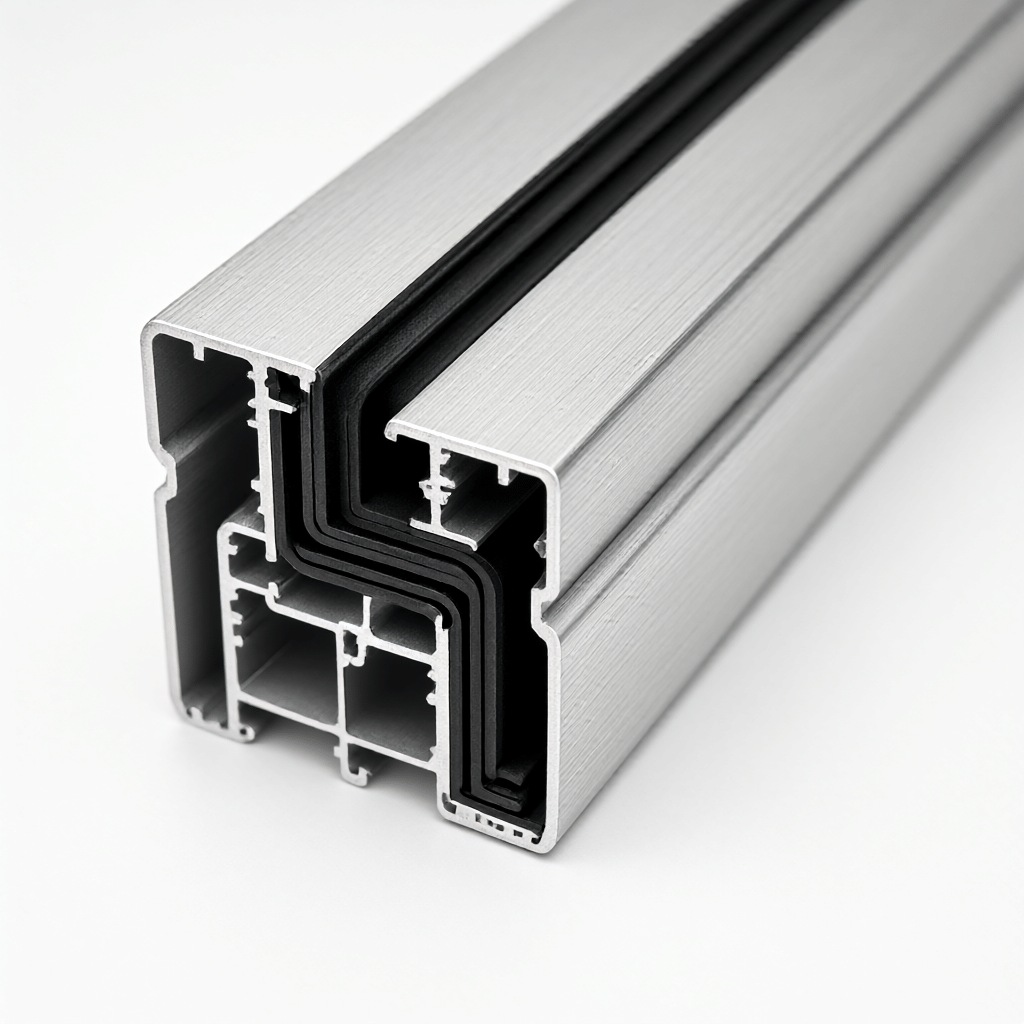
Lead times vary significantly by product category because manufacturing processes and material availability differ. Buyers should treat these ranges as baseline expectations rather than guarantees, since peak seasons, raw‑material shortages, or urgent project deadlines can compress or stretch schedules.
Standard Solid Wood Doors
Standard solid‑wood interior or exterior doors typically require 30–45 days from order confirmation to ready‑for‑shipment status. The cycle includes timber drying, cutting, joinery, surface preparation, finishing, and quality check. If the order specifies a non‑standard stain color or protective coating, expect an additional 5–10 days. For larger volumes (e.g., full‑floor condominium deliveries), factories often batch‑produce identical configurations to maintain speed while preserving finish consistency.
Aluminum Thermal‑Break Doors and Windows
Aluminum thermal‑break doors generally take 45–60 days because of more involved steps: profile extrusion verification, thermal‑barrier insertion, glazing selection, gasket installation, hardware fitting, and performance testing. When custom sizes or special glass types (low‑E, laminated, or tinted) are requested, the timeline can extend to 60–75 days. Manufacturers frequently align aluminum door production with ongoing extrusion runs to minimize waiting time between batches.
Custom System Windows and Villa Doors
Fully customized system windows, patio doors, or luxury villa entrance doors often fall into the 60–90 day range. These products involve tailored frame profiles, bespoke hardware selections, multi‑point locking systems, and sometimes integration with local building codes. Each deviation from catalog specifications requires engineering review, prototype sampling, and adjusted tooling setup — all of which add calendar time but reduce rework risk later.
| Product Type | Typical Production Lead Time | Key Variables That Extend Timeline |
|---|---|---|
| Standard solid wood doors | 30–45 days | Custom stain/color, high gloss finish |
| Aluminum thermal‑break doors/windows | 45–60 days | Special glass types, non‑standard sizes |
| Custom system windows & villa doors | 60–90 days | Code‑specific engineering, bespoke hardware |
How Does Production Scheduling Work in a China Door Factory?
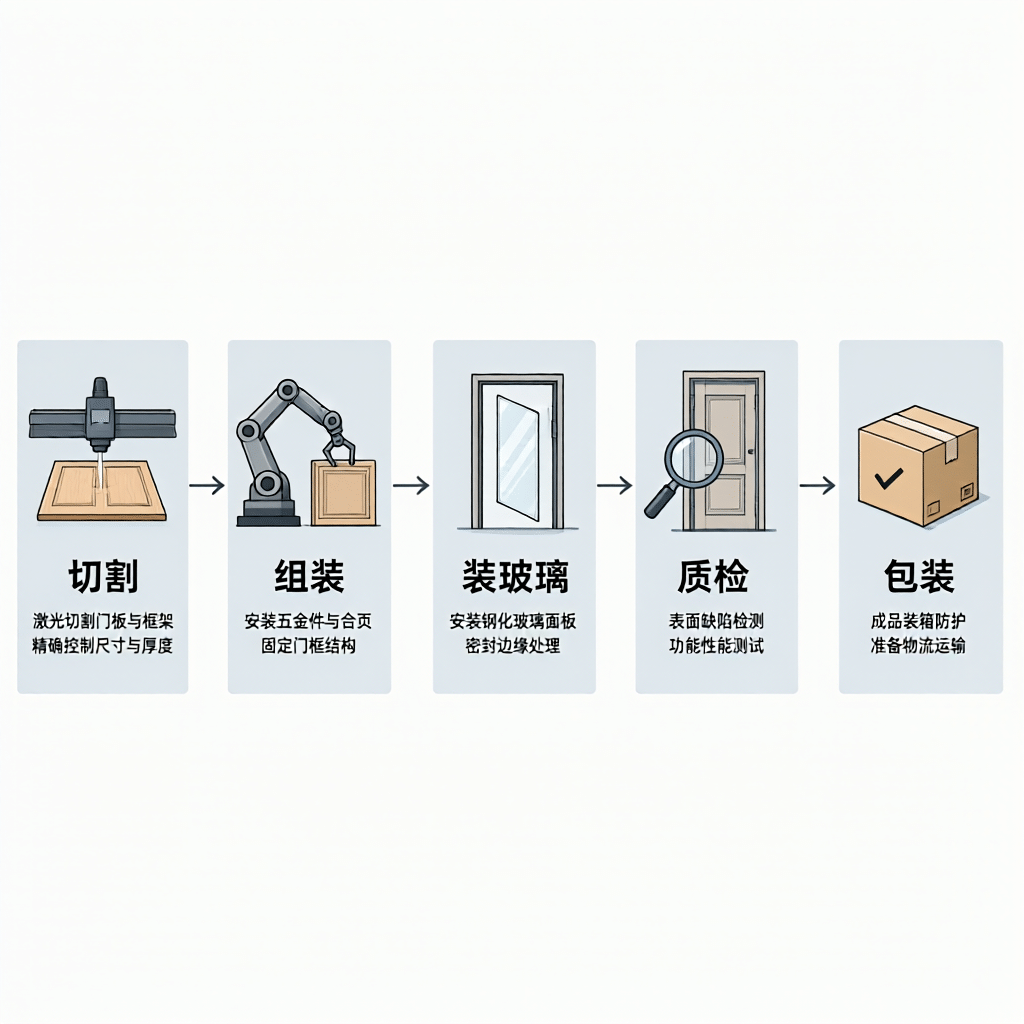
Manufacturing schedules are rarely linear; they reflect how factories group similar orders to maximize machine uptime and material utilization. When you submit an inquiry, the supplier typically allocates your project to one of three scheduling tiers based on priority, volume, and deadline flexibility.
Order Batching and Material Sourcing
Factories group orders by profile series, wood species, or glass specification rather than by individual buyer. This batching approach reduces changeover time on CNC routers, saws, and assembly lines. For instance, if three villa developers in different regions order the same black powder‑coated sliding door system, their units may be produced consecutively in a single run. Raw‑material sourcing also influences timing: premium hardwoods like oak or mahogany may have longer procurement windows than domestically available species, while aluminum billet availability usually depends on global alloy prices and mill quotas.
Assembly Line Flow and Quality Checkpoints
Modern door factories operate with dedicated stations for cutting, milling, drilling, glazing, and hardware mounting. Each station has a target throughput rate, so bottlenecks often appear when one stage receives a surge of complex orders. To manage this, manufacturers implement stage‑gate inspections — short quality checkpoints between major operations — rather than a single final audit. These gate checks catch dimensional errors, finish defects, or hardware mismatches early, preventing costly rework late in the cycle.
Where to Find Detailed Guidance
If you want to understand how container loads affect transit schedules and costs, reviewing a FCL vs LCL for Door Shipments comparison can clarify trade‑offs between full‑container speeds and shared‑load flexibility. Similarly, knowing how many doors fit in a 20‑foot container helps you calculate realistic shipment dates for bulk orders (20ft Container Door Loading Quantity).
What Are the Key Specifications and Testing Standards?
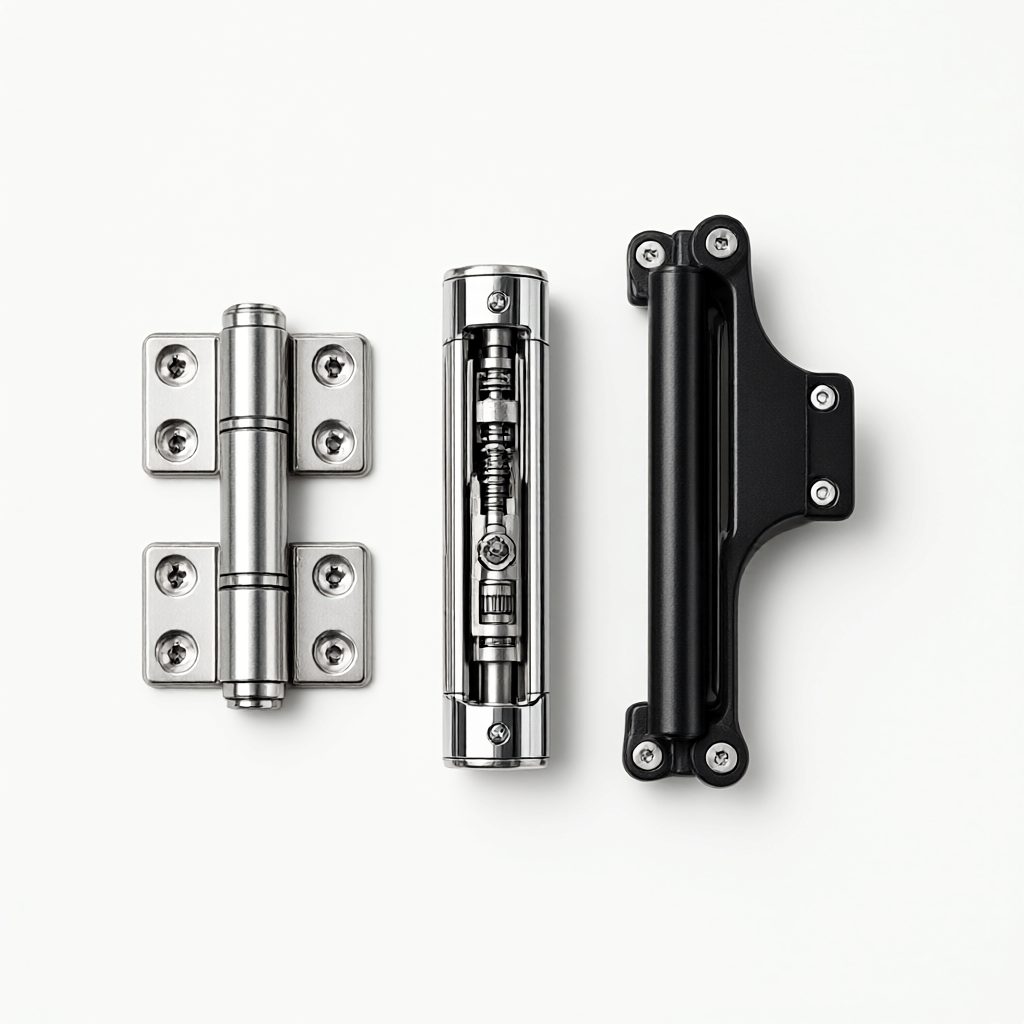
Performance specifications and compliance testing are integral to lead‑time planning because certain tests must complete before packaging and documentation begin. Buyers should request test reports that reference recognized international standards, especially when importing into markets with strict building codes.
Pre‑Shipment Testing Protocols
Before a shipment leaves the factory gate, products typically undergo:
- Air‑tightness testing – measures infiltration rates under pressure differentials.
- Water‑tightness testing – simulates heavy rain exposure to verify seal integrity.
- Wind‑resistance testing – evaluates structural stability under calculated load pressures.
These tests often follow guidelines such as ASTM E2092 for window and door performance, ensuring results are comparable across suppliers and recognizable to inspectors in destination countries.
Certification and Documentation Requirements
Export documentation must be prepared concurrently with final inspections. Required papers usually include a commercial invoice, packing list, bill of lading, certificate of origin, and — if applicable — a customs declaration referencing the correct HS code for doors. Missing or incorrect paperwork can delay customs clearance by several days, adding hidden cost to the overall turnaround time.
What Should You Consider When Planning Your Procurement Timeline?
Successful international door procurement hinges on aligning factory capacity with project milestones. Buyers who proactively manage variables outside the factory’s control typically experience smoother deliveries.
Factors That Extend Lead Times
- Customization depth – unique dimensions, colors, or hardware often require manual quotation approval and separate tooling setups.
- Seasonal demand peaks – spring and autumn construction surges in both origin and destination markets can saturate factory schedules.
- Material shortages – delays in timber kiln‑drying or aluminum alloy supply can pause production batches.
- Shipping route disruptions – port congestion, weather events, or carrier schedule changes add unpredictability to ocean transit.
Strategies to Shorten Overall Lead Time
- Submit complete specifications early. Provide full opening sizes, glass options, and hardware lists during the inquiry stage to avoid back‑and‑forth revisions.
- Consolidate orders strategically. Grouping multiple room types or units under one production run reduces changeover losses.
- Plan for FCL shipments whenever possible. Full containers offer faster booking confirmation and fewer handling steps compared to consolidated LCL loads.
- Prepare import documents in advance. Arrange letter of credit terms, insurance coverage, and local customs broker coordination before the factory confirms shipment readiness.
For projects requiring fire‑rated doors, understanding rating differences — such as EI30 vs EI60 vs EI90 — also influences both lead time and certification scope, since fire‑door manufacturing involves additional regulatory approvals and testing.
How Manufacturers Manage Their Own Lead Time Commitments
As a manufacturer, our approach to the china door factory lead time schedule follows a disciplined flow from order intake through pre‑shipment verification. Once a purchase order is confirmed, we allocate it to an appropriate production batch based on profile family and glass specification, which minimizes machine reconfiguration and keeps turnaround predictable. Our workflow includes structured stage‑gate checks at key intervals — after frame assembly, glazing installation, and hardware fitting — so dimensional or finish issues are caught before packaging.
We also build flexibility into the schedule by offering adjustable profile structures and fittings that comply with common international building codes, reducing the risk of rework caused by late design changes. Before any cargo is sealed for export, every shipment undergoes air‑tightness, water‑tightness, and wind‑resistance testing; only after those results pass do we generate the packing list, proforma invoice, and customs paperwork needed for smooth clearance. Because we handle both FCL and LCL shipments directly from the factory, we can align container loading sequences with the fastest available sailing schedules, keeping the total production‑to‑delivery window transparent and manageable for your procurement team.
Pre-Shipment Quality Inspection Timelines and Testing Procedures
Pre-shipment quality inspection is a defined stage in the lead-time calendar, not an afterthought. A rigorous inspection cycle typically consumes 3–7 working days before containers are loaded, and it directly influences when shipping documents become ready for issuance.
What pre-shipment testing involves:
| Test Category | Method / Apparatus | Acceptance Threshold |
|---|---|---|
| Air-tightness | ASTM E331 fan-depressurization test; measured at 1.57 Pa/ft² differential | ≤ 0.30 CFM/ft² for Class 26+ windows |
| Water-tightness | AAMA/WDMA/IAS 101/I.S.2 spray-rig protocol; cycles up to 3.14 psf | No measurable water passage at rated pressure |
| Wind resistance | Structural load test per EN 14351-1 Annex B; positive/negative pressure holds | Deflection within span/175; no permanent set |
| Operational force | Pull/push gauge measurement on multipoint locks & hinges | ≤ 50 N opening; ≤ 30 N closing (residential) |
| Surface finish | Visual inspection + gloss meter; cross-hatch adhesion tape test | 0–1 level defects per square meter; ≥ 4B adhesion rating |
| Dimensional verification | CMM or calibrated calipers against engineering drawings | Tolerance ± 1.5 mm on frame diagonal, ± 2 mm on leaf |
These checks follow recognized international benchmarks including ASTM E2092 – Standard Guide for Evaluating New Residential Construction, which provides a framework for evaluating performance consistency across manufacturers, and EN 14351-1 for European windows and doors. U-value calculations for insulating glass units comply with ISO 12543 glass-testing standards. Buyers importing into the United States should also request NFRC (National Fenestration Rating Council) certified labels confirming ENERGY STAR compliance.
Typical inspection flow inside a professional door factory:
- Stage-gate A — post-extrusion / post-joinery dimensional audit
- Stage-gate B — post-glazing seal integrity check (water-spray chamber)
- Final gate — full functional test (opening/closing cycles × 10, lock engagement, gasket compression)
- Random sampling — 1 unit per 200 pcs submitted for destructive wind-load proof test
- Packaging audit — edge protectors, corner guards, desiccant placement, container stow diagram review
FCL vs LCL Shipping Options and Their Impact on Delivery Dates
Shipping method choice is one of the most consequential variables in total lead time. While production may conclude in 45 days, the transit leg can add anywhere from 30 days (FCL direct) to 50+ days (LCL consolidation).
| Factor | FCL (Full Container Load) | LCL (Less than Container Load) |
|---|---|---|
| Transit time | 30–38 days (direct sailing) | 40–55 days (consolidation + deconsolidation) |
| Customs clearance at origin | Same day; all docs under one BL | Up to 3 days; multiple shippers share consolidation file |
| Cargo handling risk | Minimal — single seal from factory to port | Higher — loaded/unloaded twice (CFS → CFS) |
| Cost efficiency (per unit) | Lower for orders ≥ 15–20 doors | Higher per-unit freight cost at small volumes |
| Scheduling certainty | High — booked container departs on fixed vessel window | Medium — contingent on warehouse filling quota |
| Ideal for | Bulk project supply, developer orders, villa complexes | Prototype orders, spare-part replenishment, renovations |
For a typical 20-foot container, a solid wood door order loads approximately 80–100 units depending on size and packaging density (see 20ft Container Door Loading Quantity guide for detailed stowage diagrams). An equivalent aluminum thermal-break door shipment yields roughly 60–80 units per 20′. Matching container mode to order volume prevents both under-utilized space (inflating per-unit logistics cost) and split shipments (creating separate tracking files).
Ocean carriers also differ by route. Shanghai/Ningbo → West Coast USA averages 16–20 days; → Mediterranean (Piraeus, Trieste) averages 28–35 days; → East Africa (Mombasa, Dar es Salaam) averages 24–30 days. Always confirm current sailing frequencies with your freight forwarder, as seasonal canal disruptions can shift transits by 5–10 days.
Can Lead Times Be Shortened for Urgent Project Deadlines?
Yes — experienced manufacturers routinely accommodate compressed schedules through several proven mechanisms:
- Expedited ordering tier. Factories maintain 10–15% capacity buffer for rush jobs. Requesting “express” status during inquiry triggers priority batching, shifting your order ahead of standard-line production queues. This typically saves 5–10 working days on the manufacturing phase.
- Stocked raw-material reserves. Suppliers keeping pre-dried timber (at 8–12% moisture equilibrium per regional climate), extruded aluminum profiles in common series (6063-T5 temper), and standard low-E double-glazed IGUs in inventory can begin cutting immediately upon PO receipt instead of waiting for material procurement.
- Parallel processing. Instead of sequential work-flows (cut → mill → assemble → glaze → fit hardware → paint), some factories run finishing operations concurrently — e.g., powder-coating frames while cores are glazed — reducing critical-path duration by 3–7 days.
- Air-freight substitution for critical components. Hardware sets, gaskets, and specialtyglass units that dominate late-stage assembly can be air-shipped separately to arrive in 5–7 days, allowing final fitting to proceed without waiting for sea freight. Full-conversion air freight for entire doors costs significantly more but is viable for time-critical hospitality turnover projects.
- Near-stock configuration selection. Choosing from catalog profile systems (instead of bespoke extrusions) eliminates tooling setup time and prototype validation cycles entirely. Common configurations in Chinese factory catalogs ship in as little as 20–25 production days.
Practical tip: When submitting an urgent RFQ, explicitly state: target delivery date, acceptable expedite surcharge range, and whether partial shipments are permitted. Factories respond fastest to this structured urgency rather than open-ended deadline requests.
Real-world example: A 120-room boutique hotel renovation in Dubai required all bedroom entry doors delivered within 42 calendar days. The supplier allocated a dedicated line, used pre-stocked 6063-T5 thermal-break profiles and E438-style ironmongery, ran concurrent powder-coat and glazing stations, and shipped via FCL Ningbo → Jebel Ali. Total timeline: 38 production days + 12 days transit = 50 calendar days, meeting the handover requirement with a 7-day margin. The project team reported zero defective units on arrival following the factory’s three-gate inspection process.
Procurement Buyer Checklist: Supplier Evaluation Framework
When evaluating potential door suppliers beyond price, use this decision matrix to compare critical operational factors:
| Evaluation Criteria | What to Ask / Verify | Red Flag |
|---|---|---|
| Lead-time reliability | Request historical on-time delivery % over past 12 months | Company cannot provide data or guarantees < 85% |
| MOQ flexibility | Minimum order quantity per SKU; willingness to mix profiles in one container | Strict MOQ of 500+ pcs with no mixing option |
| Sample policy | Cost of pre-production samples; whether fee credits against bulk order | Samples cost equal to full order value |
| Certifications held | ISO 9001, EN 14351-1 product certification, NFRC label access, fire-rating reports (EI30/EI60) | Only CE self-declaration without third-party lab report |
| Production visibility | Factory audit option (virtual or on-site); ability to view stage-gate checkpoints live | Refuses audit request or provides only marketing photos |
| Documentation readiness | Packing list format, proforma invoice detail, customs HS-code accuracy | Vague invoices; no HS code stated upfront |
| Payment terms | TT structure (e.g., 30% deposit / 70% before shipment), LC acceptance | Demands 100% upfront before any production begins |
| After-sales support | Warranty period, replacement part availability, defect claim response SLA | No written warranty or < 12 months coverage |
Use this framework alongside our Door Factory Audit Checklist resource for a deeper technical review before signing contracts.
Manufacturer Partnership: How Jusen Aligns with These Standards
Building on the frameworks above, here is how a manufacturer with years of door and window production experience translates these standards into everyday practice. As a producer specializing in solid wood doors, thermal‑break aluminum doors and windows, system windows, casement doors, sliding doors, custom villa doors and windows, sunrooms, and aluminum alloy entrance doors, we approach every inquiry through the same lens buyers use to evaluate us: specification clarity, testing rigor, scheduling transparency, and documentation completeness.
Our production methodology mirrors the checklist expectations:
- Lead-time accuracy. We publish realistic production windows — 30–45 days for standard solid wood doors, 45–60 days for thermal‑break aluminum, 60–90 days for fully customized villa and system-door projects — because we schedule based on actual machine capacity and material stock positions, not optimistic estimates. Rush-tier slots are available for urgent project deadlines when confirmed early enough in the planning cycle.
- Quality testing at every gate. Before any cargo leaves our facility, every shipment passes air‑tightness, water‑tightness, and wind‑resistance testing according to recognised benchmarks. Dimensional tolerances, surface finish adhesion (cross‑hack test), and hardware operating forces are verified against the specifications you approved during quotation. Test reports accompany your shipping documents so your own inspectors in the destination market have comparable data.
- Full customization without hidden delays. Whether you need a specific size, colour, glass type, or hardware configuration, we adjust the profile structure and fittings to match local building codes in your target market. That means lower rework risk and fewer surprises during site installation.
- Complete export documentation. Our foreign-trade experience covers packing lists, proforma invoices, certificates of origin, and full customs documentation. We coordinate FCL and LCL shipments directly from our China factory, selecting the routing that best balances speed and cost for your project location.
We invite you to discuss your upcoming door and window procurement requirements — send your specifications and we will return a detailed timeline, sample plan, and competitive quote.
Sources & References
- ASTM E2092 — www.astm.org
- EN 14351-1 — www.iso.org
- FCL vs LCL for Door Shipments — doorwoodendoors.com
- 20ft Container Door Loading Quantity — doorwoodendoors.com
- HS code for doors — doorwoodendoors.com
- EI30 vs EI60 vs EI90 — doorwoodendoors.com
- Door Factory Audit Checklist — doorwoodendoors.com











