Technical Resource Center · Materials & finishes

Wood Veneer Guide:Cuts, Matching & Speciesplain sliced to rift cut, book match to blueprint match — and how to keep it for thirty years

A veneer face is 0.6 mm of real timber doing all the visual work, over a core doing all the structural work. Which of the nine cuts you choose, and how the leaves are matched, changes the appearance and the price more than the species does — and a specification that leaves it out is a specification the shop will fill in for you.

LWReviewed by Leon WuFounder & Export Manager · 20 years in door manufacturingUpdated November 12, 202615 min read
9
cuts & figures
8
match patterns
14
species studies
15
answered questions
The same flitch, four cutslive preview
Species

Cut
Plain sliced / flat cut
✦

Cut before species. The same walnut in plain slice and in quarter cut looks like two different materials — and costs differently.
01 · THE MATERIAL

Wood veneer is real timber, sliced thin — and engineered to stay flat.

A veneer face is genuine hardwood, usually 0.4–0.9 mm thick, bonded to a stable core. You get the figure of the best log in the yard, on a door that will not twist, at a fraction of the timber — but only if the cut, the match, the grade and the construction are all specified correctly.

Veneer is not a printed film and not a photograph of wood. It is a leaf of timber sliced off a flitch, kept in slice order, spliced into a face and pressed onto a core. Because the leaf is thin, the core does the structural work and the face does the visual work — which is exactly why a veneered door is more dimensionally stable than a solid one, and why it can carry figures — burl, crotch, pommele, curl — that no board could ever be cut from.

The specification is a stack of decisions, and each one changes both the appearance and the price: which species, which cut, which match within the panel, which match across panels, what grade, what thickness and backer, what core, and how it is finished. Leave any of them out and the shop decides for you.

✓

A door is a large, thin, vertical panel hung on hinges in a building whose humidity swings every season. Solid timber of that width moves, cups and splits. A balanced veneered panel — face, crossband, core, crossband, backer, finished on both sides — moves as one unit and stays flat for decades.
Face thickness
Thickness Class Where it belongs Note
1/100″ (0.25 mm) Micro / thin sliced Wrapped profiles and lightweight faces; not sandable Mostly import and Japanese precision slicing
1/64″ (0.40 mm) Import standard European and Asian architectural panels Thin enough to show core telegraphing without a crossband
1/42″ (0.60 mm) North American architectural standard Doors, panelling, casegoods — the specification default Allows light scuff-sanding and recoating
1/28″ (0.90 mm) Premium / thick sliced Feature doors, tops, and any face that may be refinished Best resistance to sand-through and telegraphing
1/16″ (1.6 mm) Sawn-faced / lumber-backed Heavy-use tops, deep-profile edge treatment, restoration Behaves close to solid timber; needs a balanced construction
Backers & how they behave
Backer Strengths Limits
Paper-back (10–20 mil) Flexible, easy to cut, low cost, good for curved work Least sandable; glue can telegraph through thin faces
Phenolic-back (22–24 mil) Rigid, moisture-resistant, blocks glue bleed-through, sands flat Stiffer to handle, slightly more expensive
Wood-back / 2-ply (WOW) Two veneer plies with a moisture barrier; the most stable face material Thickest and costliest of the backed options
A/B backing veneer A utility-grade wood backer keeps the panel balanced Not a finished surface
02 · CUTS & FIGURE

Nine cuts, nine figures — drawn from the same log.

Each plan view is generated from the actual slice geometry: cathedral arches for plain slicing, ray fleck for quartered oak, the tight line of rift, the swirl of burl. Pick a species to preview the figure in that timber.

Preview in
Plain sliced / flat cut PS · FC · cathedral
relative cost
How it is cut — The half-log (flitch) is held stationary and the knife slices parallel to a line through the log’s centre.
Figure — Cathedral arches in the middle of the leaf, straighter grain toward the edges, with a natural progression from leaf to leaf.
Yield — Highest recovery per log
Species it suits — Walnut, white oak, red oak, cherry, ash, maple, sapele
Plain slicing gives the widest leaves and the best recovery, which is why it dominates architectural work. Because each successive leaf moves closer to the log’s centre, the cathedral grows then shrinks across the flitch — that progression is what makes a sequence-matched run of doors read as one continuous figure.
Specify for — The default for architectural doors, wall panelling and casegoods — the look most people mean by “wood grain”.
Quarter sliced QTR · quartered · ray fleck
relative cost
How it is cut — The log is quartered lengthwise, then sliced roughly perpendicular to the growth rings, along a radius line.
Figure — A tight, uniform stripe. In red and white oak the medullary rays are exposed as shimmering “flake” or silver grain.
Yield — Lower than plain slicing; needs large-diameter logs
Species it suits — White oak, red oak, sapele, sycamore, beech, mahogany
Quartered leaves are narrower but far more consistent, and they sequence and match easily. The ray fleck that defines quartered oak is a feature to specify deliberately — some clients love it, some call it dirty — and it changes sheen with viewing angle.
Specify for — Corporate, healthcare and transit interiors where a disciplined, vertical, non-directional figure is wanted.
Rift cut rift · comb grain
relative cost
How it is cut — A quarter log is mounted offset about 15°–17° from the radius so the knife avoids the medullary rays.
Figure — The straightest, tightest linear grain available, with the flake minimised or eliminated.
Yield — Lowest recovery of any cut
Species it suits — Almost exclusively red and white oak
Rift is the cut that quietly blows budgets: the offset angle throws away usable veneer, so yield per log is the lowest in the industry. Note that rift veneer and rift-sawn solid lumber are produced so differently that the two will not match each other — never promise a client one against the other.
Specify for — High-end architectural runs, long corridor elevations, and any design that needs grain to disappear into pure line.
Rotary cut RC · peeled
relative cost
How it is cut — The whole log is mounted on a lathe and peeled in one continuous ribbon, following the growth rings.
Figure — Broad, wild, random cathedral and swirl; the only cut that can produce a single leaf wider than a full panel.
Yield — Maximum yield, lowest cost
Species it suits — Birch, maple, lauan, poplar, Douglas fir, softwood ply faces
Because the log is unrolled, leaves vary in width and the figure does not repeat — matching across panels is very difficult. Specify rotary where economy or full-width single leaves matter, never where sequence matching does.
Specify for — Plywood faces, paint-grade work, backing veneers, and budget panels where bold figure is acceptable.
Half-round slicing half-round · demilune
relative cost
How it is cut — A half-log is rotated on a lathe against the knife, part-way between rotary peeling and plain slicing.
Figure — A mix of broad cathedral and straight grain, wider leaves than plain slicing, more variation.
Yield — High
Species it suits — Sapele, mahogany, eucalyptus, ash, quartered substitutes
Half-round is the practical compromise when the design calls for wide leaves with a moderately straight figure but the budget will not carry true quarter slicing. Expect more leaf-to-leaf variation than quarter cut.
Specify for — Where a project needs quarter-like width and figure at closer to plain-sliced cost.
Burl (burr) burl · root burl · cluster
relative cost
How it is cut — Sliced from the rare woody outgrowth that forms around grafts, injury or dormant buds — not from the trunk.
Figure — Dense, swirling, overlapping eyes and clusters with no directional grain; every leaf is unique.
Yield — Very low — a burl is a defect that became a feature
Species it suits — Walnut, elm, maple, myrtle, thuya, ash
Burl is specified for drama, not for consistency. Because there is no grain direction, book-matched burl reads as an all-over pattern; sequence numbering and an approved mock-up are essential, and small patches, pin knots and voids are normal characteristics, not defects.
Specify for — Feature doors, reception desks, inlay bands, luxury interiors and matched room sets.
Crotch crotch figure · feather
relative cost
How it is cut — Sliced where a limb forks from the trunk; the compressed grain produces a plume.
Figure — Feathered, flame-like V or Y patterns radiating from the fork.
Yield — Low — one crotch per fork
Species it suits — Walnut, mahogany, sapele, cherry, myrtle
A crotch is a one-off. On a pair of doors, specify how the plume is to be split — mirrored across the meeting stiles, or centred on each leaf — and require a full-scale mock-up before production.
Specify for — Feature panels, door pairs where the crotch is centred on the meeting stiles, and matched sets.
Curly / fiddleback curly · fiddleback · ripple
relative cost
How it is cut — Compressed wavy grain in the log, revealed by plain or quarter slicing across the wave.
Figure — Cross-bars of light and dark ripple running perpendicular to the grain, shifting with viewing angle.
Yield — Low — figure occurs in a small percentage of logs
Species it suits — Maple, birch, sycamore, sapele, ash, eucalyptus
Curly figure is the most strongly chatoyant of all: the same panel looks light from one angle and dark from another, and a book-matched pair of curly leaves will barber-pole dramatically. That is a feature — but only if the client has been shown it before approval.
Specify for — Feature doors, instrument-grade aesthetics, chatoyant wall panels.
Pommele / blister pommele · pomme · blistered
relative cost
How it is cut — Sliced from logs with a bumpy surface growth; the figure is the cross-section of that growth.
Figure — Overlapping rounded “apples” or blisters, sometimes sparse and large (blistered).
Yield — Low
Species it suits — Sapele (pommele sapele), bubinga, movingui, eucalyptus
Pommele sapele is the best-known version and one of the most photographed architectural figures. Scale matters: pommele reads as a texture from three metres and as a pattern up close, so mock-ups should be viewed at the actual installation distance.
Specify for — Signature interiors, feature doors, high-visibility reception and executive work.
!

Cut before species

The same walnut in plain slice and in quarter cut looks like two different materials, and costs differently. Burl and crotch are specified for drama, not for consistency — every leaf is unique, and sequence numbering plus an approved mock-up are essential.

03 · MATCHING PATTERNS

Eight ways to lay the same leaves.

Within-panel matching is only half the story. When several doors sit in one corridor, the client reads the whole elevation, not the individual leaf — and that is where sequence numbering and blueprint matching come in. Preview each pattern in a species to see how the figure behaves.

Preview in
Book match book matched · mirrored
How — Every second leaf is turned over, so adjacent leaves open like the pages of a book and mirror at the joint.
Visual effect — Symmetrical pairs with maximum grain continuity at the joint; the most popular premium architectural match.
Caveat · Alternating “tight” and “loose” faces reflect light and take stain differently — on some species and figures this creates a barber-pole stripe. Show a sample before approval.
Works with plain sliced, quarter and rift
Slip match slipped · slip matched
How — Consecutive leaves are laid side by side in sequence without turning, so the same face shows on every leaf.
Visual effect — Figure repeats but grain does not mirror at the joint; colour is more uniform because every leaf refracts light the same way.
Caveat · No symmetry at the joint — if you want a mirrored cathedral, slip match will not give it to you.
Preferred with quarter and rift; common on straight-grain species
Reverse slip match reverse slip · swing match
How — Leaves are slipped in sequence but every second one is flipped end-for-end (180°) rather than mirrored.
Visual effect — Alternating direction softens the stripe and evens out colour drift along a long flitch.
Caveat · On strongly striped quarter cut it can look unintentional — specify it deliberately and sample it.
Quarter and rift
Random / pleasing match mismatch · running random
How — Leaves are placed in a mixed order and orientation, sometimes from more than one flitch; a pleasing match selects for colour similarity rather than grain.
Visual effect — A casual, board-by-board, solid-lumber appearance with visible variation from panel to panel.
Caveat · Harder to control than it sounds — it must be explicitly specified and detailed, or the shop will book match by default.
Any, including rotary
Sequence / running match running match · numbered sequence
How — Leaves from one flitch are used in slice order across panels, doors and components, each numbered on the back.
Visual effect — Grain and figure progress continuously across a whole elevation — the cathedral walks up the wall.
Caveat · Requires reserving a flitch, accepting its waste, and installing in order. Losing one panel in the middle cannot be patched.
Plain sliced and quarter most often
Block plank match plank · block plank
How — Leaves of varying width and length, often from several flitches, are laid up to imitate lumber planks with end joints on the face.
Visual effect — A flooring-like, rustic elevation with honest butt joints and deliberate variation.
Caveat · End joints are visible by design — confirm the client expects them, and control their positions in the shop drawing.
Any
End / butt match book and butt · four-piece match
How — Leaves are matched end-to-end as well as side-to-side, so the figure continues along the length of long panels.
Visual effect — Best continuous grain in both directions on wall panelling, long conference tables and transom runs.
Caveat · The end joint is the weak point visually — it must be tight, and it usually needs a symmetrical layout to look deliberate.
Plain sliced, burl
Diamond / chevron match chevron · V-match
How — Leaves are cut on an angle and alternated so the grain forms a V or diamond across the face.
Visual effect — A strong graphic pattern that reads as a single designed field rather than as lumber.
Caveat · High waste from angled cutting, and every leaf must be numbered — a field repair is almost impossible.
Quarter and rift, straight grain only
Matching across panels, doors and elevations
Running match
Each face is built from as many leaves as it needs, without a fixed leaf count or width per panel. Economical, slightly less disciplined, and the standard on many production lines.
Sequence match
Leaves stay in flitch order across panels and doors, numbered on the back and installed in order. The cathedral walks up the elevation. Reserving the flitch costs money and its waste is yours.
Blueprint match
Doors, transoms, panelling and trim are manufactured and numbered so the figure lines up exactly as the drawing shows. The top of the specification — and the only way a feature wall matches the render.
Centre / balance match
Leaf widths are trimmed so the figure is symmetrical about the panel’s centreline. On a door, that means the cathedral sits in the middle of the leaf, not drifting to one stile.
⇄

Pairs of doors

Say how the figure splits across the meeting stiles: mirrored so one flitch reads across both leaves, or centred on each leaf independently.

✦

Room sets

Reserve one flitch for the whole room and number every component, including the trim — otherwise the doors will not agree with the panelling.

!

Approval

Require a full-size mock-up viewed at installation distance and under the site’s own lighting. Shop lighting flatters everything.

04 · SPECIES LIBRARY

Fourteen species, with their real colours and habits.

No two leaves are identical. Heartwood and sapwood differ in colour, growth-ring density varies with the site and the year, and cherry, walnut and sapele keep changing under light for years after installation. Manage it with a mock-up and a written tolerance — never with a promise of uniformity.

American Black Walnut
Eastern North America · Janka 1010 lbf · open pore
Figure — Chocolate heartwood with paler sapwood, straight grain, occasional crotch and burl.
Finishing — Takes oil and clear coat beautifully; avoid heavy pigment stain, which muddies the dark heartwood. Sapwood steams to even colour if required.
Typical use — Executive doors, feature panelling, hospitality and high-end residential.
domesticdarkpremium
White Oak
Eastern North America, Europe · Janka 1360 lbf · open pore
Figure — Warm tan with prominent medullary ray flake when quartered; silver grain shimmer.
Finishing — Open pores need filling for a glass-smooth closed finish; reacts with iron to grey-black, so keep ferrous tooling and water away before finishing.
Typical use — Doors, stair parts, wall panelling, fumed and rift/quarter architectural runs.
domesticlightarchitectural
Red Oak
Eastern North America · Janka 1290 lbf · open pore
Figure — Pinkish-tan, coarse open grain, strong ray flake in quarter and rift cut.
Finishing — Stains evenly but needs pore filling; the open pore structure makes it unsuitable for exterior or wet locations.
Typical use — Economic architectural doors, institutional panelling, trim packages.
domesticlightvalue
Hard / Rock Maple
North-eastern North America · Janka 1450 lbf · closed pore
Figure — Creamy white, fine even texture; curly, bird’s-eye and quilted figure occur in a small percentage of logs.
Finishing — Prone to blotching with pigment stain — use a wash coat, dye stain or a pre-conditioner. Yellows slightly under oil-based topcoats.
Typical use — Healthcare, laboratories, schools, light-toned contemporary interiors.
domesticlightclosed-pore
American Cherry
Eastern North America · Janka 995 lbf · closed pore
Figure — Fine straight grain with gum pockets and pin knots; richens dramatically with light exposure.
Finishing — Ambers and darkens fast in sunlight — expect colour shift in months, not years. Blotches with pigment stain; dye or wash coat first.
Typical use — Residential doors, heritage and traditional interiors, library and study panelling.
domesticwarmphotosensitive
Sapele
West Africa · Janka 1410 lbf · open pore
Figure — Interlocked grain produces ribbon stripe on the quarter; pommele and fiddleback figures occur.
Finishing — Interlocked grain tears out — take light passes and sharpen tooling. Ribbon stripe changes sheen with viewing angle; pommele needs a clear, not pigmented, finish.
Typical use — Mahogany substitute for doors, windows, storefronts and large architectural runs.
importedwarmribbon
White Ash
North America, Europe · Janka 1320 lbf · open pore
Figure — Pale cream to light tan, bold open grain, strong contrast between earlywood and latewood; curly ash is prized.
Finishing — Excellent stain uptake; the ring-porous texture shows through thin film finishes.
Typical use — Contemporary doors, Scandinavian palettes, sports and public interiors.
domesticlightbold-grain
European / Natural Birch
Northern Europe, North America · Janka 1260 lbf · closed pore
Figure — Fine, even, pale grain; often rotary cut for ply faces; curly birch (masur) is a premium figure.
Finishing — Blotches like maple — condition before staining. Widely used as a paint-grade face.
Typical use — Ply cores and faces, paint-grade doors, budget architectural panels.
domesticlightvalue
Genuine Mahogany (Khaya / Santos)
West Africa; Santos is a Bolivian substitute · Janka 1070 lbf · open pore
Figure — Reddish-brown, fine interlocked grain, ribbon stripe on the quarter; exceptional stability.
Finishing — Finishes superbly with oil or lacquer; pore filling gives the classic piano gloss. Colour deepens to a rich red-brown with age.
Typical use — Doors, entry systems, marine and heritage restoration, high-specification interiors.
importedreddishpremium
Teak
South and South-east Asia, plantation-grown · Janka 1070 lbf · open pore
Figure — Golden to olive brown, straight grain, waxy feel, occasional dark streaking.
Finishing — Natural oils resist adhesion — wipe with solvent before finishing and use a sealer made for oily species.
Typical use — Exterior-rated doors, marine, spa and wet-area millwork.
importedwarmexterior
European Beech
Central and Western Europe · Janka 1450 lbf · closed pore
Figure — Fine, even, pinkish-tan with distinctive short ray fleck; quarter cut gives a neat peppering.
Finishing — Moves noticeably with humidity — stabilise and finish both faces. Stains evenly, steams well.
Typical use — Worktops, stair treads, institutional doors, European-specification joinery.
importedlightclosed-pore
Eucalyptus (Saligna / Grandis)
Plantation-grown, South America and Australasia · Janka 1125 lbf · open pore
Figure — Grey-pink to pale brown with interlocked grain, fiddleback and pommele-type figure in selected logs.
Finishing — Interlocked grain needs sharp tooling and light passes; takes a clear coat well and shows figure strongly.
Typical use — Fast-growing, sustainable alternative for doors, panelling and furniture components.
importedsustainablefigure
Wenge
Central Africa · Janka 1930 lbf · open pore
Figure — Very dark chocolate-brown to near-black with fine pale streaks and a coarse open texture.
Finishing — Oily and coarse — pore fill for a smooth finish; the dark colour hides dust but shows every scratch as a light line.
Typical use — Feature doors, contrast bands, luxury retail and executive interiors.
importeddarkpremium
Reconstituted / Engineered Veneer
Fast-growth plantation timber, dyed and re-sliced · Janka varies · closed pore
Figure — Designed figure: consistent colour and grain, repeatable across orders, including dyed and exotic-look patterns.
Finishing — Already dyed through its thickness, so scratches show less; takes a clear coat without staining.
Typical use — Where colour consistency, repeat orders and long-run programmes matter more than natural variation.
engineeredconsistentsustainable
From the flitch to the face

The log decides the figure. The shop decides everything else.

Veneer leaves are selected, spliced and pressed in slice order. The same flitch becomes a sequence-matched run of doors — or a pile of unmatched panels, depending on what was written down.
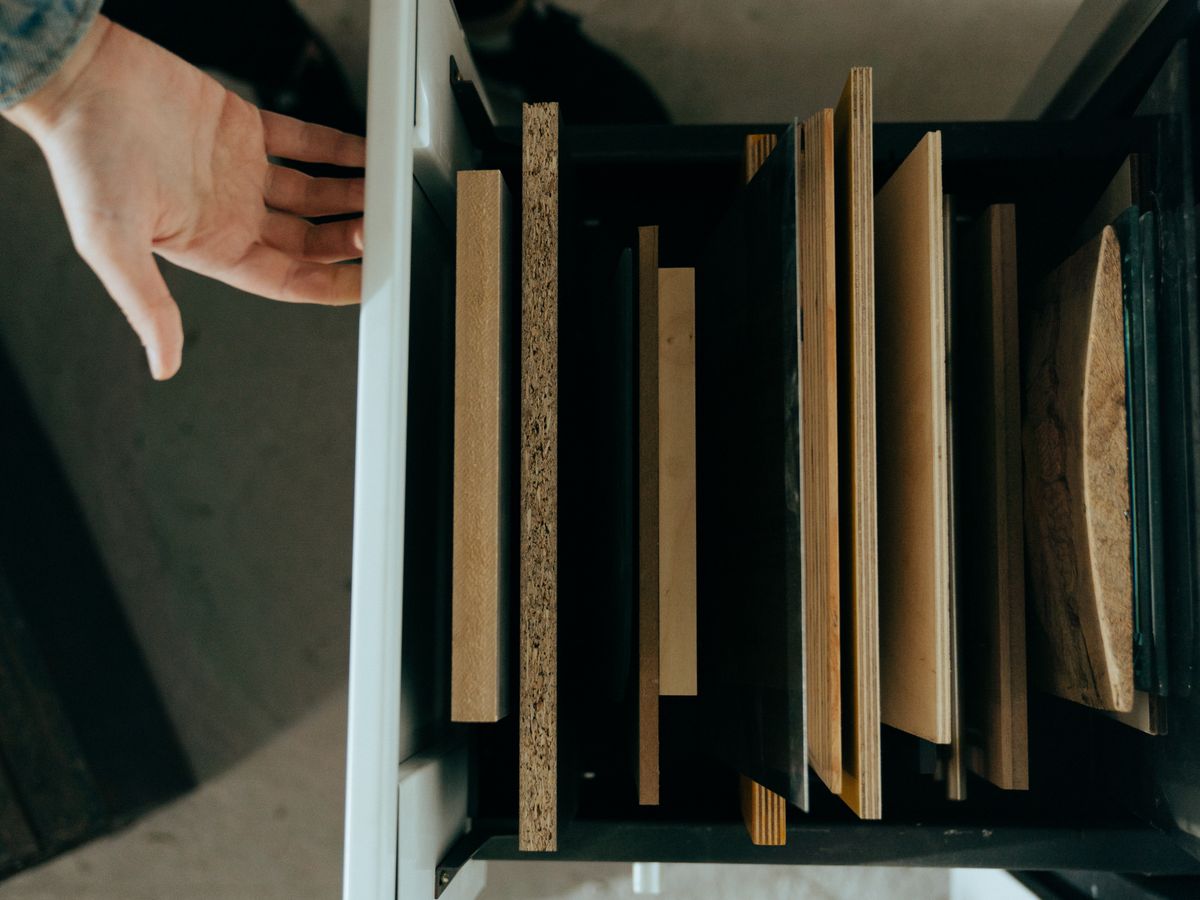
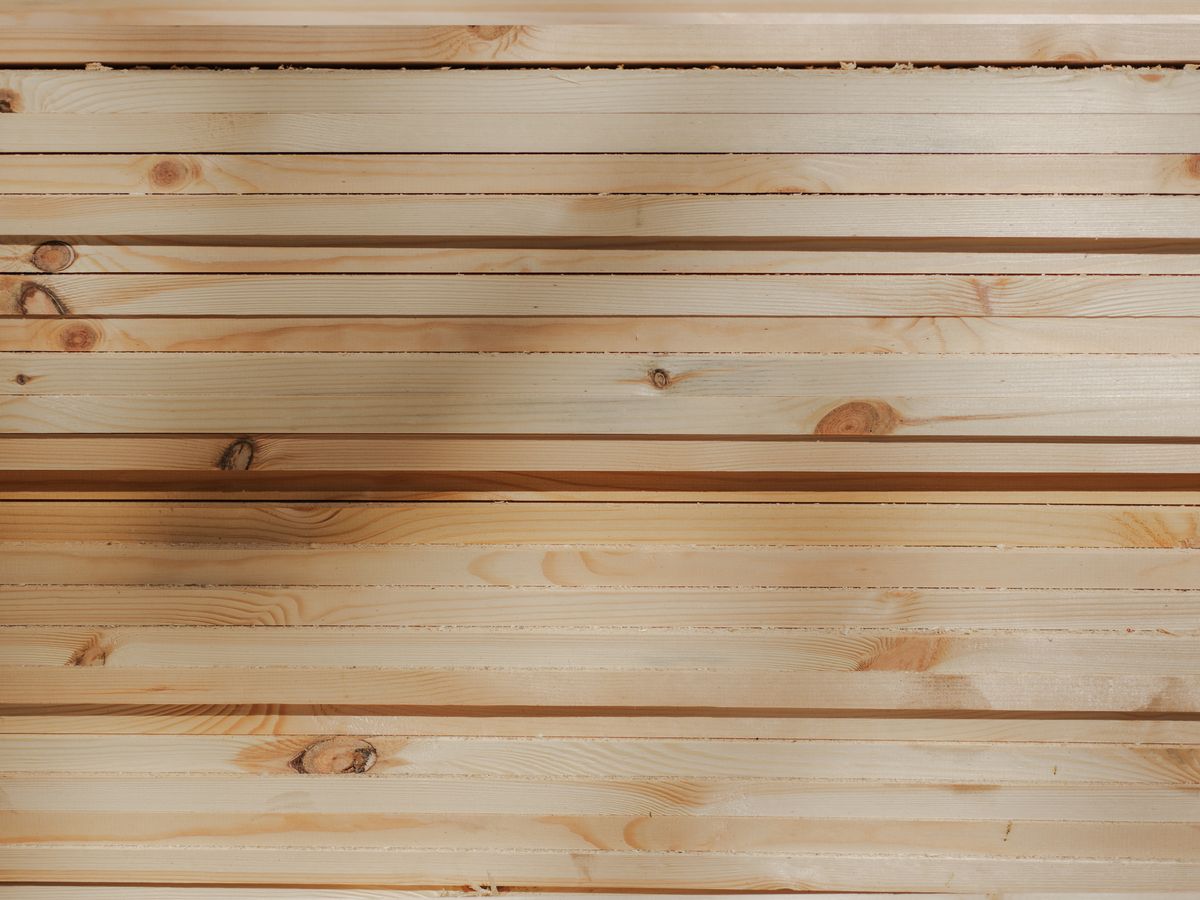
photo 01 · pexels licenceVeneer leaves laid out in slice order for flitch selection
Flitch selection: leaves laid out in slice order before splicing
photo 02 · pexels licenceStacked timber planks with natural grain waiting for the slicer
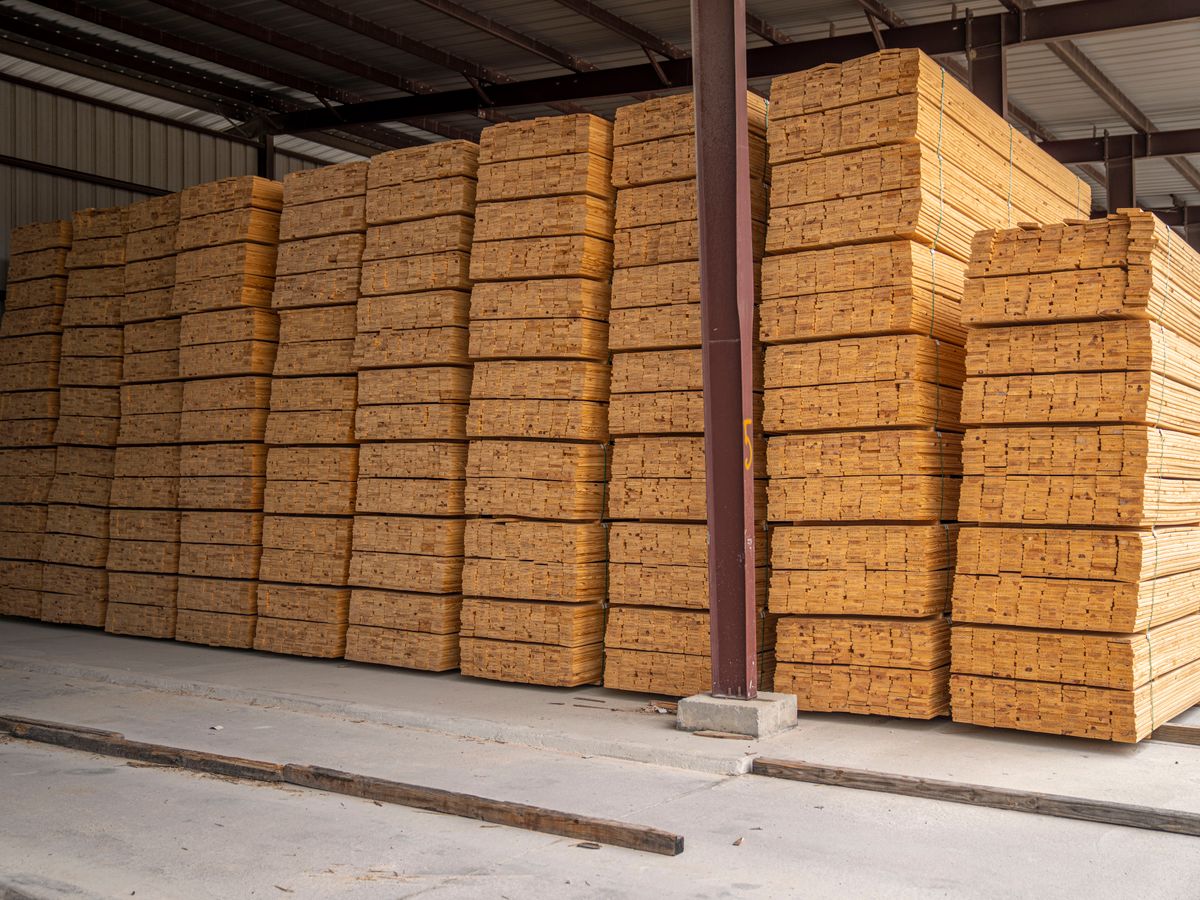
Air-dried stock waiting for the slicer
photo 03 · pexels licenceRacked timber planks in an industrial warehouse
Racked, numbered and reserved by flitch
05 · PANEL CONSTRUCTION

A door face is a sandwich, not a sticker.

The face does the visual work; the core does the structural work; the crossband stops one from arguing with the other. An unbalanced panel cups in its first winter.

Face veneer1/42″ (0.60 mm) plain slicedCrossbandperpendicular veneer plyCoreMDF, PB, veneer core or lumber coreCrossbandbalances the face sideBacker veneerutility grade — keeps the panel flatBALANCED 5-PLY CONSTRUCTION · BOTH FACES FINISHED
✓

Balanced

Equivalent layers and equivalent finish on both faces. The panel moves as one and stays flat.

!

Unbalanced

A decorative face with nothing behind it, or one side finished and one raw. It cups, bows and eventually fails.

Core What it gives you Cost Stability
MDF core Flat, stable, screw-holding is moderate; the architectural default
MDF core with crossband A veneer crossband between face and MDF stops telegraphing and improves edge machining
Particleboard (PB) core Economical, heavier, lower screw-holding; fine for fixed panelling
Veneer-core plywood Lightest and strongest in bending; the core plies can telegraph through a thin face
Lumber core / stave Best screw-holding and edge machining; heavier and more movement risk
Pro-Core / composite Engineered hybrid: MDF faces with a lighter engineered centre
Construction details that get left out
Crossbanding
A perpendicular veneer ply between face and core. It stops core lines and glue joints from telegraphing, spreads stress, and gives the edges something to machine cleanly into.
Glue line
Yellow PVA can show as a pale line under clear finish and darken with UV. Specify the adhesive, the spread rate, and a glue that will not bleed through a 0.6 mm face.
Edge banding
Matching veneer band (usually 1–3 mm) or a solid lumber edge on high-traffic doors. The edge is where moisture enters and where impact happens first.
Backer veneer
A utility-grade wood backer, not a printed balance sheet, on any panel that must stay flat for decades.
2-ply and lumber-back faces
Two veneer layers bonded with a moisture barrier: the most stable face material, and the right answer where the shop fabricates faces on site.
06 · GRADES & STANDARDS

HPVA letters, AWI grades, and what they allow.

The grade is the written tolerance for natural character: how many burls, pin knots and colour streaks the face may carry. It governs the matching tolerance contractually — which is why it belongs on the schedule, not in a conversation.

HPVA face AWI / AWS EN 635 What it allows Typical application
AA Premium E / I Architectural grade — matched for grain and colour, virtually defect-free Signature interiors, feature walls, executive doors
A Custom (upper) I Entirely heartwood or sapwood, matched for grain and colour; minor infrequent burls and pin knots allowed Commercial cabinetry, retail, premium residential
B Custom (lower) II Matched for colour only; more numerous and larger burls, pin knots and colour streaks allowed Character-driven projects, budget-premium work
C Economy III Sound veneer with visible natural characteristics and repairs Utility faces, paint-grade prep, hidden surfaces
D / E / SP Economy IV Low-grade or sound-patched veneer Backers, concealed components
Crosswalk of HPVA face grades to AWI architectural grades and EN 635, with typical applications. Thickness tolerance follows ANSI/HPVA HP-1.
✓

Back grades are numbered 1–4, so “A-2” means an A face with a 2 back. AWI Premium corresponds to HPVA AA, Custom to A (upper Custom) or B, Economy to C and below.
✎

A complete specification in one sentence

“American black walnut, plain sliced, book matched within the panel, sequence matched across doors from a single flitch, HPVA A-2, AWI Custom, 1/42″ face on MDF core with crossband, balanced backer veneer, matte UV-inhibited waterborne topcoat on both faces, 3 mm matching edge band, full-size mock-up required for approval.”
Twelve things a veneer specification must say. Copy this list onto the schedule — every line left blank is a decision the shop will make on your behalf, and the argument afterwards will be about money.
LINE 01
Species and cut
American black walnut, plain sliced — never “walnut finish”.
LINE 02
Match within the panel
Book, slip, reverse slip, random/pleasing, plank, end or diamond.
LINE 03
Balance / centre match
Whether the pattern is symmetrical about the door’s centreline.
LINE 04
Match across panels
Running, sequence-numbered or blueprint matched — and where it applies.
LINE 05
Flitch requirement
Single flitch for a room set, corridor or elevation.
LINE 06
Face and back grade
HPVA AA / A / B with the back grade: “A-2”, “B-3”.
LINE 07
Architectural grade
AWI/AWS Premium, Custom or Economy — it governs matching tolerance.
LINE 08
Thickness and backer
1/42″ face, phenolic-back, 2-ply or lumber-back.
LINE 09
Core and construction
MDF core with crossband, veneer core, lumber core; balanced with a backer veneer.
LINE 10
Finish system
Sheen, stain type (dye vs pigment), number of coats, prefinished or site-finished.
LINE 11
Edge treatment
Edge band species and thickness, solid lumber edge, or wrapped profile.
LINE 12
Approval
Sample panel or full-size mock-up required, viewed at installation distance and lighting.
Inside the veneer line · photography pexels licence
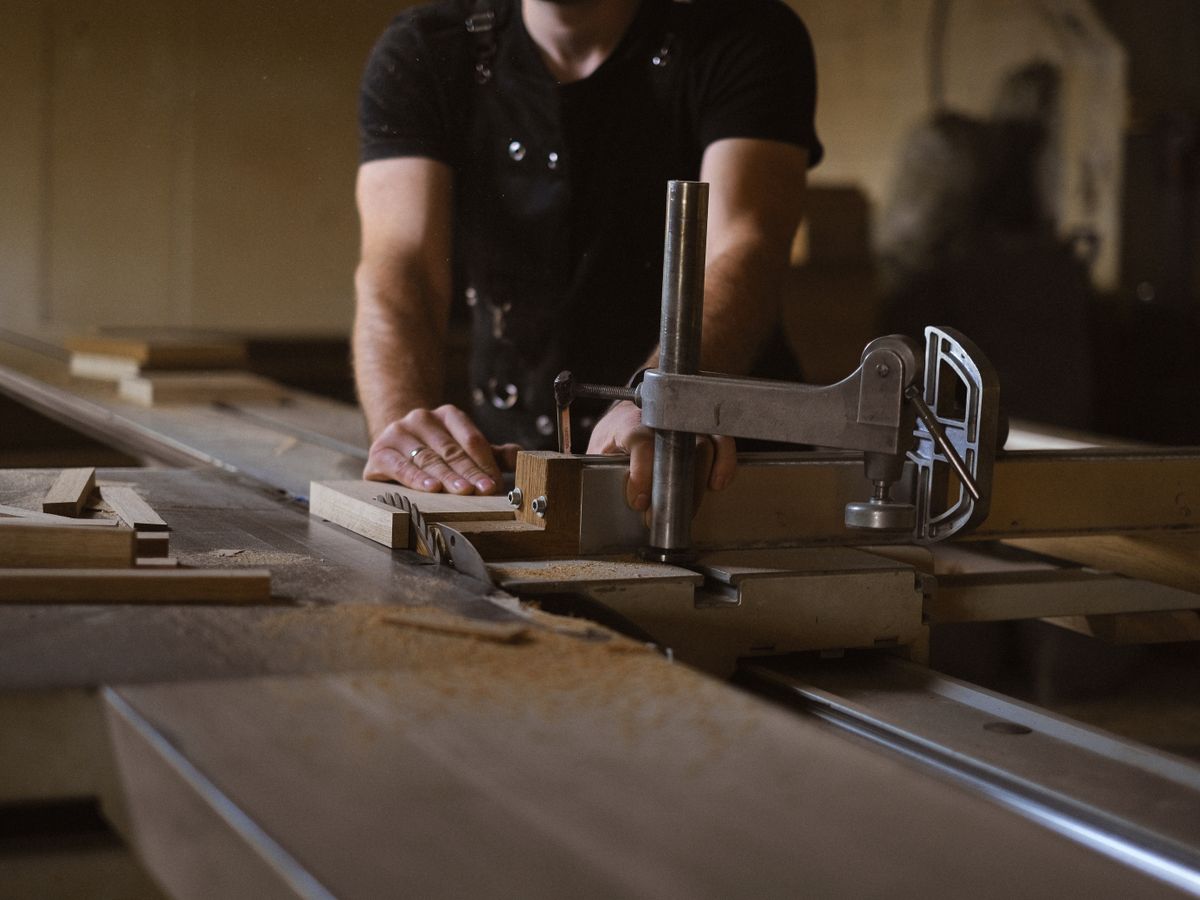
Carpenter working at a sawbench in a workshop
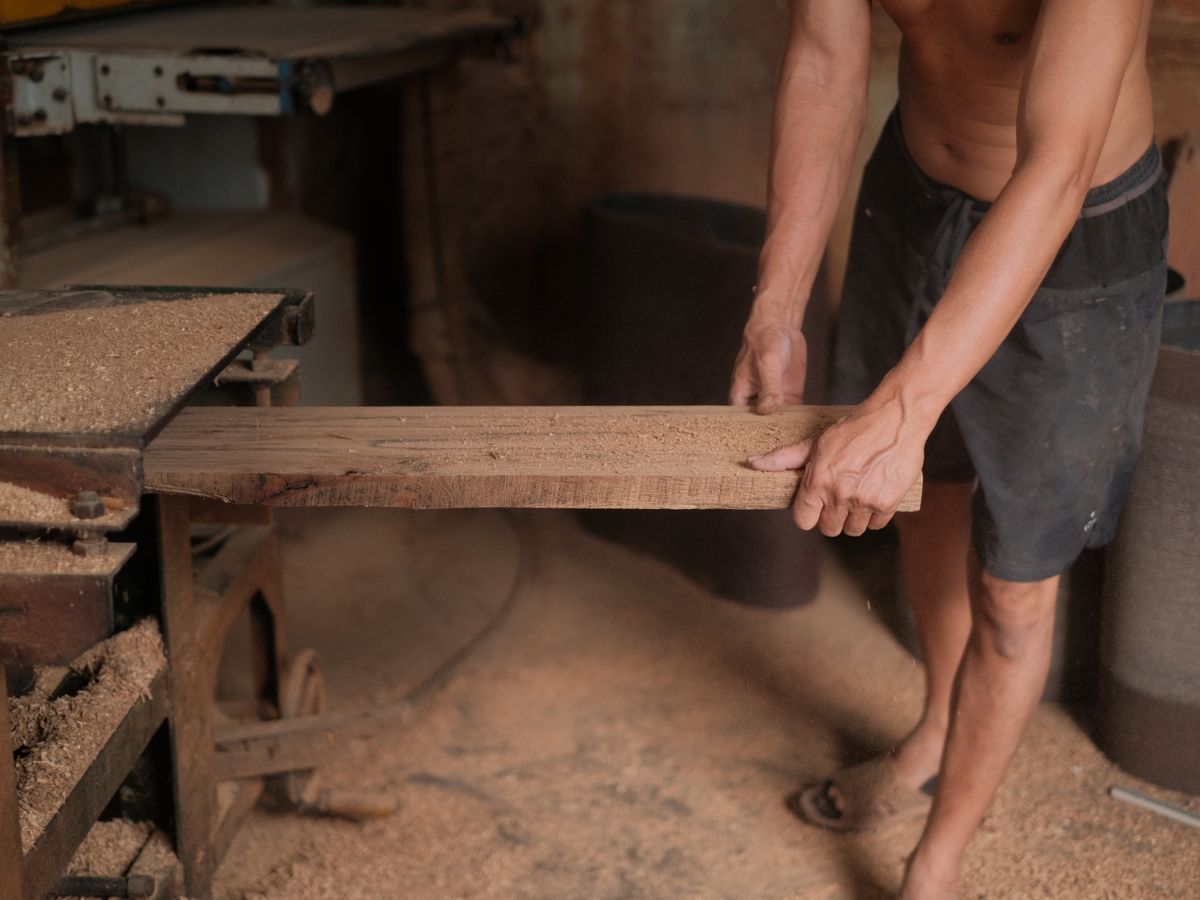
Sawbench: dimensioning before the press
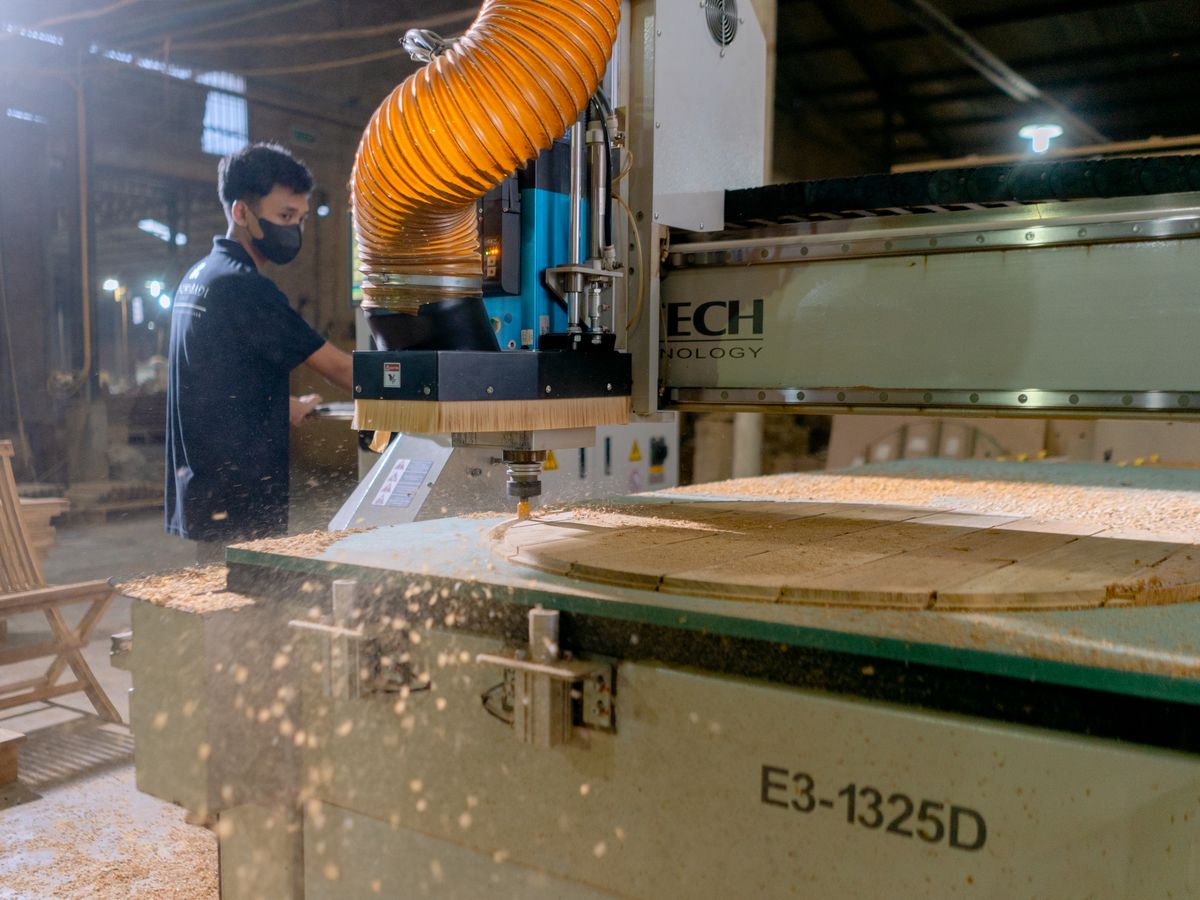
Worker operating a CNC machine in a woodworking factory
CNC machining to the schedule
Worker feeding a plank through a wide-belt sanding machine
Calibrating the face before finishing
Macro photograph of natural wood grain
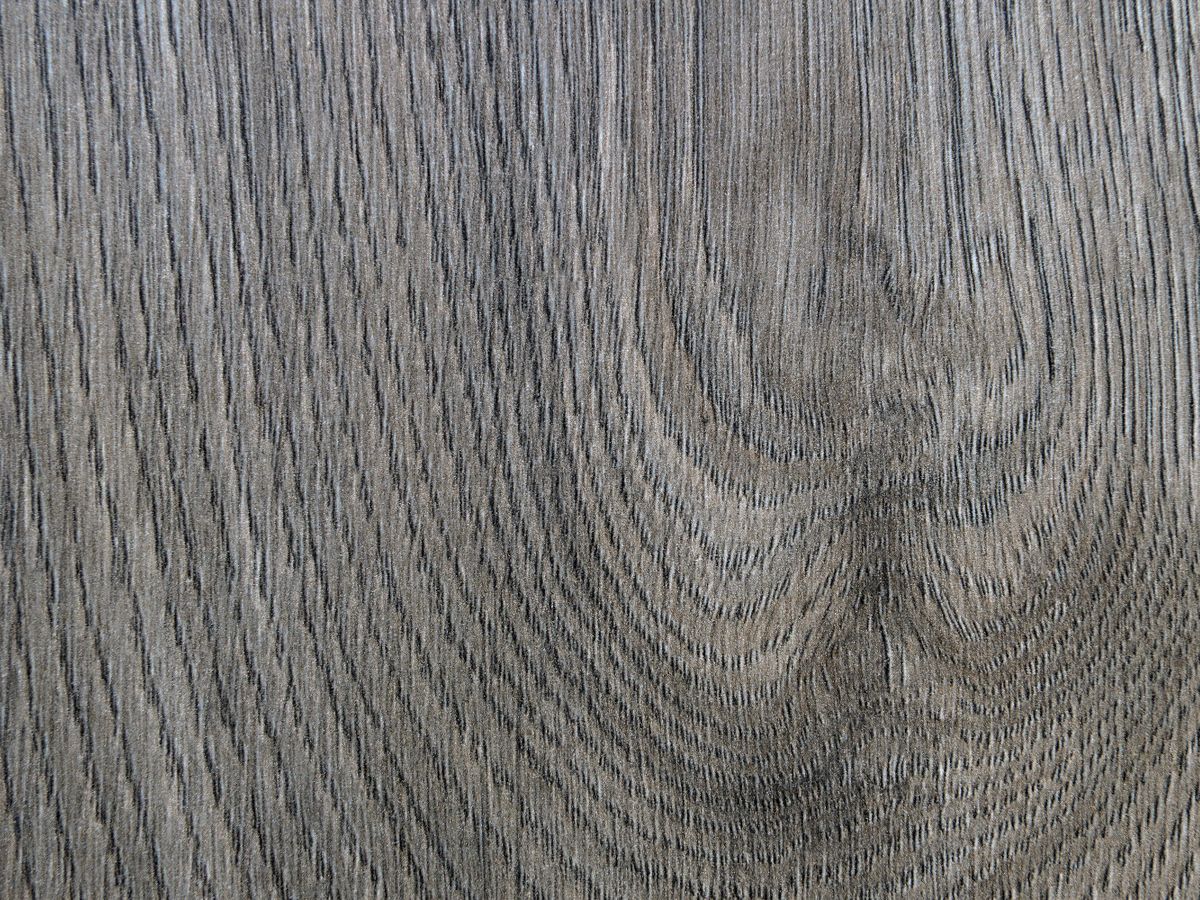
0.6 mm of real timber doing all the visual work
Close-up of an engineered wood panel surface
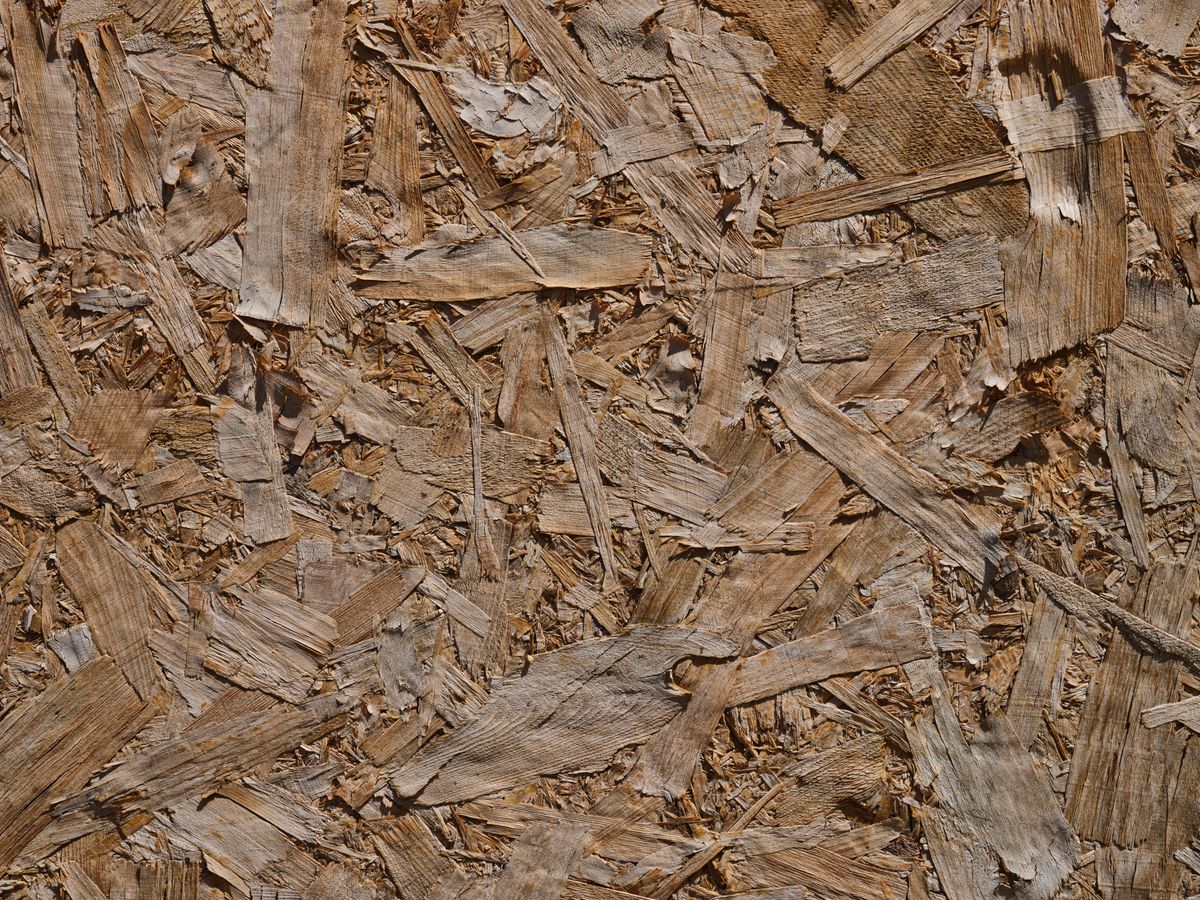
Core and crossband materials
Dark stained wood texture with pronounced grain
Walnut-toned face under a matte, UV-inhibited finish
Row of smooth brown wooden planks
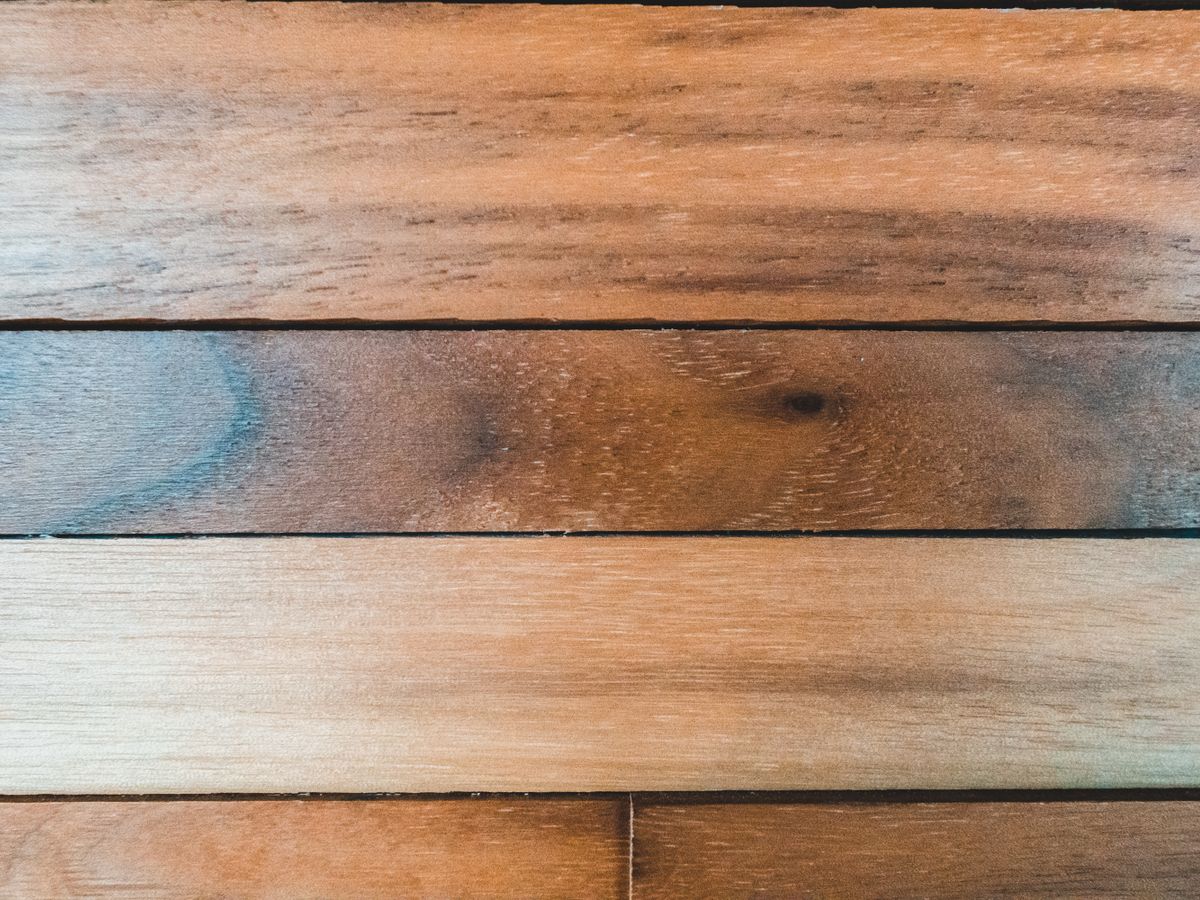
Plain-sliced leaves, edge to edge
Smooth timber floor showing natural grain patterns
Figure that only real timber can give
Warm brown wood surface with fine grain
Chatoyance: the figure moves with the light
Rustic wooden surface in close-up
Open pore, unfilled – a natural, forgiving finish
Natural hardwood texture close-up
Heartwood colour varies leaf to leaf
Wooden planks arranged in a workshop
Offcuts kept for stain and finish testing
07 · FINISHING

The film is thinner than people think — and it decides everything.

Finishing is where veneer earns its reputation: a well-finished 0.6 mm face looks like solid timber and lasts decades; a poorly finished one shows every sanding mark and telegraphs its core.

STEP 01
Sanding sequence
Start at 120–150 grit on a 1/42″ face and finish at 180–220. Never start coarser than the veneer allows: on 0.6 mm you have roughly 0.5 mm of material in total, and a 100-grit start can cut straight through.
STEP 02
Blotch control
Maple, cherry, birch and beech blotch with pigment stain. Use a wash coat (thinned sealer), a dye stain, or a pre-stain conditioner, then test on the actual offcut from the same flitch.
STEP 03
Pore filling
Oak, ash, walnut, sapele, mahogany and wenge are open-pored. Fill for a closed, glass-smooth finish; leave unfilled for a natural, textured, open-pore look that is cheaper and more forgiving.
STEP 04
Stain type
Pigment stains sit in the pores and emphasise figure but blotch on closed-pore species. Dye stains penetrate and give even colour, but fade faster in sunlight — critical on cherry, walnut and any sun-facing door.
STEP 05
Topcoat
Waterborne for low VOC and no ambering; conversion varnish and catalysed lacquer for durability; UV-cured for prefinished factory work; hardwax oil for a repairable, natural feel.
STEP 06
Sheen
Matte and satin hide substrate imperfections and fingerprints; gloss shows every sanding mark and telegraphed core line, and it amplifies the barber-pole effect on book-matched faces.
STEP 07
Balance both faces
Finish the back as carefully as the face. An unfinished or under-finished back lets moisture in unevenly and the panel cups — this is the single most common cause of a warped veneered door.
Open pore
Visible pores; fill for a glass-smooth closed finish, or leave open for a natural, textured, cheaper and more forgiving surface.

American Black Walnut · White Oak · Red Oak · Sapele · White Ash · Genuine Mahogany · Teak · Eucalyptus · Wenge

Closed pore
Fine, even texture; takes a smooth film finish straight away but blotches with pigment stain — condition or dye first.

Hard / Rock Maple · American Cherry · European / Natural Birch · European Beech · Reconstituted / Engineered Veneer

✓

Factory finishing

Under UV-cured or catalysed systems it gives a harder, more consistent film, controlled sheen and no site dust — and the door arrives finished on all six faces, including the edges and the back, which is how a panel stays balanced. Site finishing allows colour correction against adjacent work, but depends entirely on site conditions. On a programme of doors, specify factory prefinished and keep a maintenance coat of the same system on site.

Sheen What it does
Matte / satin Hides substrate and handling marks; the architectural default
Semi-gloss Durable and wipeable; starts to show telegraphing
Gloss Deep and reflective — and unforgiving: every core line, sanding mark and barber-pole stripe shows
08 · CARE & MAINTENANCE

Thirty years of flat, clean, stable doors.

Veneered doors need the same care as fine furniture. The two numbers that matter are 35% and 55%: relative humidity between those values keeps the face, the core and the glue line at peace.

Do
  • Dust with a soft, dry, lint-free microfibre cloth, following the grain.
  • Clean with a barely damp cloth and a pH-neutral, non-alkaline cleaner; dry immediately.
  • Keep indoor relative humidity between 35% and 55% and temperature roughly 18–24 °C.
  • Wax or polish only with a product made for finished wood, at most once or twice a year.
  • Wipe spills, condensation and hand sanitiser immediately — alcohol and solvents attack most topcoats.
  • Inspect the bottom rail and edge banding seasonally, especially on exterior-facing doors.
  • Use felt or leather pads on hardware that contacts the face, and door stops to protect the leaf.
Never
  • Do not soak the panel or let water sit at joints, edges or the bottom rail.
  • No ammonia, bleach, abrasive pads, scouring powders, silicone sprays or all-purpose degreasers.
  • No wax build-up over the years — it traps dirt and blocks future recoating.
  • Do not let one face sit in direct sun while the other stays shaded; expect colour drift.
  • No steam cleaners, pressure washers or heat guns near the face or the edge band.
  • Never sand a veneered door on site to remove a stain — you can cut through 0.6 mm in seconds.
  • Do not hang wet coats or lean damp materials against the face.
Indoor humidity check
45% RH

15%35% — 55% SAFE85%
Door-specific weak points
  • ·The bottom rail and threshold — mopping water, rain splash and snow sit here first.
  • ·Edge banding and the lock stile — impact, trolleys and rings take the corners.
  • ·Around handles and push plates — oils, sanitiser and cleaners concentrate here.
  • ·The sun-facing face — UV drift is one-sided.
When What
Weekly Dry dust with a microfibre cloth along the grain; wipe fingerprints and handles.
Monthly Damp-wipe with pH-neutral cleaner, dry immediately; check for new scratches, edge lifting or moisture marks.
Seasonally Check humidity (35–55% RH), inspect the bottom rail, thresholds and edge banding, and note any colour drift on sun-facing faces.
Annually Full inspection: hardware tightness, closer adjustment, latch alignment, finish condition. Touch in minor damage before it becomes a repair.
Every 3–7 years Light scuff-sand and recoat high-traffic faces, or apply a maintenance coat of the original finish system.
A maintenance schedule you can hand to the building operator.
09 · TROUBLESHOOTING

Twelve field faults, and what to do about each.

None of these appear on the day of delivery. They appear in the first winter, the fifth summer, or after the first renovation — which is why the causes here point back to what should have been on the specification.

CAUSE — Moisture got under the face — a spill at the edge, a leak, an unfinished back, or a failed glue line from insufficient pressure at press time.
FIX — Slit the bubble along the grain, inject fresh adhesive, clamp flat with a caul and heat gently if the glue needs it. Repair early: a bubble that is left will grow with every humidity cycle.

CAUSE — Edge banding or the face lifting where the panel sees the most movement and the most handling; often an unfinished or unsealed edge.
FIX — Re-glue and re-clamp, then seal the edge properly. Check that the panel was balanced — an unbalanced panel loads the edge every time humidity moves.

CAUSE — Thin face veneer over a veneer-core or particleboard core with no crossband, or over a glue-starved area.
FIX — Cannot be sanded out. Prevent it at specification: 1/42″ or thicker face, MDF core with a crossband, and a proper backer. Gloss finishes make it far worse than matte.

CAUSE — Yellow PVA squeeze-out or a starved joint shows as a pale or dark line under a clear finish, especially after sunlight exposure.
FIX — Prevention only — use the specified adhesive, control spread rate and clean squeeze-out before it cures. Once finished, the line can only be reduced by refinishing with an opaque or toned system.

CAUSE — The face veneer dried faster than the core, or the panel saw a rapid humidity swing; common on rotary-cut and thin faces.
FIX — Fill with a thinned finish and a matching tint, then recoat. Stabilise the room’s humidity — checking continues while the swings continue.

CAUSE — Unbalanced construction, an unfinished back, or storage flat against a wall in a damp site rather than racked vertically and acclimatised.
FIX — Sometimes recoverable by reversing the panel and re-balancing the environment; usually the door must be replaced. Store veneered components vertically, off the floor, wrapped and acclimatised for 48–72 hours before hanging.

CAUSE — Different flitches, different faces (tight vs loose on book match), or uneven light exposure after installation.
FIX — Require sequence numbering and a single flitch for visible runs, and approve a mock-up under the actual site lighting. Cherry, walnut and sapele keep changing after installation — expect and explain drift.

CAUSE — UV exposure: dye stains fade, lignin yellows, cherry darkens, walnut lightens.
FIX — Specify a UV-inhibited topcoat on sun-facing faces, use pigment rather than dye where possible, and plan for shading. Refinishing is the only true correction.

CAUSE — Uneven absorption on closed-pore species — maple, cherry, birch, beech — usually because no wash coat or conditioner was used.
FIX — Strip and restart with a wash coat or dye stain. Test every stain combination on an offcut from the same flitch before it touches the door.

CAUSE — Book-matched leaves showing alternating light and dark because the tight and loose faces refract light differently — worst on curly, ribbon-striped and pommele figures.
FIX — Not a defect: switch to slip or reverse slip match, or accept it as the nature of book matching. Always show the client a full-size sample at the viewing angle before approval.

CAUSE — Impact, dry air, or an edge band too thick for the substrate’s movement.
FIX — Re-glue with heat and pressure, or replace the band. On high-traffic doors specify a solid lumber edge rather than thin banding.

CAUSE — Moisture or heat trapped under the finish film, or a cup left on the face.
FIX — Very light marks can sometimes be drawn out with gentle heat and a cloth; deeper marks need the finish recoated. Prevention is a coaster and a prompt wipe.
10 · VENEER VS SOLID

Three faces for the same opening.

Veneer for large, flat, figured, stable architectural surfaces — doors, panelling, casework. Solid timber for profiles, edge details, tops that will be sanded repeatedly, and anywhere the client wants to feel a board. Laminate where budget, chemical resistance or a fixed colour across a national rollout matters more than the material itself.

Attribute Wood veneer Solid wood Laminate
Material 0.4–1.6 mm of real timber over an engineered core Full-thickness sawn timber Printed or solid-colour decorative sheet over a core
Real wood grain Yes — genuine timber, no two leaves identical Yes Only where it is a photographic reproduction
Dimensional stability Excellent — the engineered core resists movement Moves with humidity; can twist, cup and split Excellent, but the surface cannot be repaired
Figure available Burl, crotch, pommele, curly, quarter flake — figures impossible in solid lumber Limited to what boards can be cut from Fixed catalogue patterns
Yield from one log 15–30× more decorative surface than sawing the same log Baseline Not applicable
Cost Mid to high; cut and match drive cost more than species High and rising for wide, clear boards Low to mid
Repairability Bubbles, chips and bands can be repaired; deep sanding is not possible Sanded and refinished repeatedly Not repairable — replace the panel
Weight Lighter than solid for the same thickness Heaviest Depends on core
Large, flat surfaces Ideal — wide leaves and sequence matching Requires glue-ups and will move Ideal
11 · YIELD & SUSTAINABILITY

One log, thirty times the surface.

Slicing a log into 0.6 mm veneer multiplies its decorative surface by 15–30× compared with sawing the same log into lumber. For large architectural programmes, veneer is usually the lower-impact choice — when the chain of custody and the core’s formaldehyde class are specified.

15–30×
the decorative surface area a single log yields when sliced into 0.6 mm veneer, compared with sawing the same log into solid lumber.
Veneer92%
Quarter sawn22%
Plain sawn12%
Indicative usable decorative recovery from the same log volume.
Yield per log
One log sliced into 0.6 mm veneer yields roughly 15–30 times the decorative surface area of the same log sawn into lumber — the single strongest environmental argument for veneer.
Fast-growth and plantation species
Eucalyptus, poplar and reconstituted veneer come from short-rotation plantations, taking pressure off old-growth hardwoods.
Reconstituted veneer
Plantation timber dyed and re-sliced into a designed figure: consistent, repeatable, and able to imitate scarce species without cutting them.
Chain of custody
Specify FSC or PEFC certified veneer and core where the project requires it, and keep the certificate numbers on the submittal.
Formaldehyde
Cores must meet CARB Phase 2 / TSCA Title VI in the United States, or E1 / E0 / ULEF-NAF in other markets. Ask for the panel mill’s compliance statement, not just the word “low-VOC”.
Finishes
Waterborne and UV-cured systems cut solvent emissions dramatically; hardwax oils are repairable in place, which extends service life.
Longevity is sustainability
A balanced, well-finished, properly maintained veneered door lasts decades and can be recoated. A cheap panel that fails in five years is the least sustainable option on the schedule.
✓

What the submittal should carry

FSC or PEFC chain-of-custody certificate numbers for the veneer and the core; CARB Phase 2 / TSCA Title VI compliance for the panel mill (or E1 / E0 / ULEF-NAF elsewhere); the finish system’s VOC statement; and the AWI/AWS quality grade written into the specification so matching tolerance is contractual, not conversational.

12 · SPEC CHECKLIST

Eight mistakes that show up in the first year.

Book match is the shop’s default. Rift cut is the industry’s lowest yield. “Oak” says nothing about figure. Close every one of these doors before the veneer package is released.

ERROR 01
Specifying species without the cut
“White oak” can be a bold cathedral or a tight flaked stripe. Cut and match change the appearance — and the price — more than species does.
ERROR 02
Not stating the match within and across panels
Book match is the default assumption in most shops. If you want slip, random or plank, say so, and say whether the sequence continues across adjacent doors.
ERROR 03
Rift cut without a budget conversation
The lowest-yield cut in the industry, on a 15° offset, almost exclusively in oak. It is beautiful and it is expensive — across a long elevation it can dominate the package.
ERROR 04
Ignoring the backer
An unbalanced panel cups. Specify a backer veneer or a balancing sheet, and finish both faces, even on the hidden side of a door.
ERROR 05
Thin face over a core that telegraphs
1/64″ over veneer-core ply with no crossband will show the core lines under gloss. Move to 1/42″ with an MDF core and a crossband.
ERROR 06
Expecting colour uniformity from a natural product
No two leaves are the same, heartwood and sapwood differ, and cherry, walnut and sapele keep changing under light. Manage it with a mock-up, not with a promise.
ERROR 07
No mock-up under site lighting
Shop lighting is not site lighting. Approve a full-size sample in the actual corridor, at the actual viewing angle, before production runs.
ERROR 08
Assuming veneer means “not repairable”
Bubbles, chips, edge banding and small patches repair well if caught early. What you cannot do is sand a 0.6 mm face like a solid board.
Build a veneer specification
live spec line
Specification line
Veneer spec checklist
0/0 complete
Saved in this browser. A coordination aid, not a substitute for the approved submittal.
13 · REFERENCE

Wood veneer glossary.

The working vocabulary used by veneer mills, panel shops and specifiers. Filter for a term, or jump to the broader door glossary for frame and hardware terminology.

Flitch
The bundle of veneer leaves sliced from one log or log section, identified by a flitch number and its gross square footage.
Leaf
A single slice of veneer. Leaves from one flitch are kept in slice order so the figure can be sequenced.
Cathedral
The arch-shaped figure at the centre of a plain-sliced leaf, produced by slicing across the growth rings.
Medullary ray / silver grain / flake
The ribbon-like cells running from the pith outward; cut across in quarter slicing, they produce oak’s shimmering flake.
Tight side / loose side
The two faces of a leaf. They refract light and absorb stain differently — the cause of barber-pole striping on book-matched faces.
Barber pole
The alternating light and dark stripes on a book-matched panel, most visible on curly, ribbon and pommele figures.
Chatoyance
The way figured veneer changes colour and depth with viewing angle, like a cat’s eye.
Crossband
A layer of veneer laid perpendicular between the face and the core to prevent telegraphing and improve stability.
Telegraphing
Core lines or substrate texture showing through the face veneer.
Balanced construction
Face and back built to equivalent stress, so the panel does not cup or warp with humidity change.
Backer veneer
The utility-grade veneer on the hidden face that balances the panel.
2-ply / wood-back (WOW)
Two veneer layers bonded with a moisture barrier — the most stable backed face material.
Phenolic back
Veneer laminated to resin-impregnated paper, giving a rigid, moisture-resistant back.
Sequence numbering
Marking leaves and panels in flitch order so they are installed in the correct position.
Blueprint matching
Manufacturing and numbering doors and components so the figure continues exactly as drawn across an elevation.
Center / balance match
Trimming leaf widths so the figure is symmetrical about the panel’s centreline.
End / butt joint
A joint along the short dimension of a leaf; used in end matching to extend long panels.
Checking
Hairline cracks running across the grain, caused by uneven drying or rapid humidity swings.
HPVA / ANSI HP-1
The North American hardwood plywood and veneer standard, defining AA, A, B, C, D face grades and 1–4 back grades.
AWI / AWS
The Architectural Woodwork Institute and Architectural Woodwork Standards, defining Premium, Custom and Economy grades.
EN 635
The European plywood surface grading standard, E through IV.
Reconstituted veneer
Plantation timber dyed, laminated into a block and re-sliced into a designed, repeatable figure.
Open pore / closed pore
Whether the grain’s pores are large and visible (oak, ash, walnut) or fine and smooth (maple, cherry, beech) — it drives filling and staining decisions.
→

Looking for a term that is not here? The broader door industry glossary covers frame, material and performance terminology beyond veneer.
14 · QUESTIONS ANSWERED

Wood veneer FAQs.

The questions architects, installers, homeowners and hardware suppliers ask most often — answered with the specification kept explicit.

Yes. Veneer is genuine timber sliced thin — typically 0.4–0.9 mm, with 1/42″ (0.6 mm) the North American architectural standard — and bonded to a stable engineered core. It is not a printed film or a photographic layer: the grain, the pore structure and the way it changes colour in light are real wood. What is engineered is the substrate behind it, which is precisely why a veneered door is more stable than a solid one.

Plain sliced (flat cut), quarter sliced, rift cut and rotary peeled, with half-round slicing as a fifth commercial method. Plain slicing gives cathedral figure and the best yield; quarter slicing gives a tight stripe and, in oak, ray flake; rift cut gives the straightest grain and the lowest yield; rotary peeling gives broad, bold, hard-to-match figure at the lowest cost.

In book match every second leaf is turned over, so adjacent leaves mirror each other at the joint — symmetrical, dramatic, and the industry default. In slip match the leaves are laid side by side in sequence without turning, so the figure repeats but does not mirror, and the colour is more uniform because every leaf refracts light the same way.

That is the barber-pole effect. The tight side and the loose side of a leaf reflect light and absorb stain differently, so alternating them — which is what book matching does — creates alternating light and dark stripes. It is strongest on curly, ribbon-striped and pommele figures. Switch to slip or reverse slip match, or approve the book match as a deliberate feature, before production.

Standard architectural face veneer is 1/42″ (0.60 mm); premium work uses 1/28″ (0.90 mm), and sawn-faced material can reach 1/16″ (1.6 mm). A 0.6 mm face allows light scuff-sanding and one or two recoats; a 0.9 mm face refinished more comfortably. You cannot deep-sand a veneered door like a solid board — treat 0.6 mm as about 0.5 mm of working material.

They are face grades under ANSI/HPVA HP-1. AA is architectural grade: matched for grain and colour, essentially defect-free, used on signature interiors. A is entirely heartwood or sapwood, matched for grain and colour, with minor infrequent burls and pin knots. B is matched for colour only, allowing more numerous and larger burls, pin knots and colour streaks. Back grades are numbered 1–4, so “A-2” means an A face with a 2 back.

A crossband is a layer of veneer laid perpendicular between the face and the core. It stops the core’s texture and joint lines from telegraphing through the face, spreads stress, and gives the edge something to machine cleanly. On a 1/42″ face over an MDF core, the crossband is the difference between a door that stays glass-flat and one that shows its skeleton under gloss.

Wood moves with humidity, and a panel with a decorative face and nothing on the back moves unevenly — the face pulls and the panel cups, bows or twists. Balancing means putting a backer veneer or equivalent sheet on the hidden face and finishing both sides to a similar moisture resistance. It is the single cheapest way to prevent a warped door, and the most commonly omitted specification.

Sequence matching uses leaves from one flitch in slice order across panels and doors, so the cathedral and colour progress continuously along an elevation; every component is numbered on the back and must be installed in order. Blueprint matching extends that to a whole drawing — doors, transoms, panelling and trim are manufactured and numbered so the figure lines up exactly as drawn. Both require reserving a flitch and accepting its waste, so both are specified deliberately and priced accordingly.

Rift cut, because of yield. The quarter log is mounted about 15°–17° off the radius so the knife avoids the medullary rays, which produces the straightest grain available but throws away usable veneer on every slice. Burl and crotch are also expensive, for a different reason: the material itself is rare and one-off. In general, cut and match move cost more than species does.

Dust with a soft dry microfibre cloth along the grain; clean with a barely damp cloth and a pH-neutral cleaner, drying immediately. Keep the building between 35% and 55% relative humidity. Avoid ammonia, bleach, abrasives, silicone sprays and steam. Wipe spills, condensation and hand sanitiser at once, protect sun-facing faces with UV-inhibited finish or shading, and inspect the bottom rail and edge banding each season. Wax at most once or twice a year, only with a product made for finished wood.

Yes, if it is caught early. Slit the bubble along the grain, inject adhesive, and clamp flat under a caul until it cures. Edge banding and small chips repair equally well with the right adhesive and a matching patch of veneer from the same species and cut. Left alone, a bubble grows with every humidity cycle and the face can crack — after that, the panel usually has to be re-veneered or replaced.

All wood does, in different directions. Cherry darkens and ambers quickly, American black walnut lightens, teak and mahogany deepen, oak moves little. Dye stains fade faster than pigments under UV. On sun-facing doors specify a UV-inhibited topcoat, prefer pigment stain, plan shading, and accept that a door near a window will not match a door in a corridor five years later.

On decorative surface area, decisively. One log sliced into 0.6 mm veneer yields roughly 15–30 times the surface of the same log sawn into lumber, and it uses fast-growth plantation species and reconstituted veneer where scarce species would otherwise be cut. Add certified chain of custody (FSC or PEFC), CARB Phase 2 / TSCA Title VI compliant cores, and low-VOC finishes, and a veneered door is the lower-impact choice for most architectural work.

Species and cut, the match within the panel, the match across panels, whether a single flitch is required, face and back grade, architectural grade (AWI Premium/Custom/Economy), face thickness and backer, core and balanced construction, finish system and sheen, edge treatment, and whether a mock-up must be approved under site lighting. For example: “American black walnut, plain sliced, book matched within panel, sequence matched across doors from a single flitch, HPVA A-2, AWI Custom, 1/42″ face on MDF core with crossband, balanced backer, matte waterborne UV-inhibited topcoat, 3 mm matching edge band, full-size mock-up required.”
✉

“Warm walnut, book matched, quarter-cut look” is not a specification. Send the drawing, the elevation, the number of doors and the site lighting, and our engineering team will return a written veneer specification with cut, match, grade, core and finish — free, before anything is pressed. Ask a door engineer.
LW
Written & reviewed by
JuSen Door Engineering · Leon Wu
Founder & Export Manager — 20 years in door manufacturing. Factory-side technical support for architectural wood doors, veneer selection, balanced pressing and finishing. This guide is maintained as a working specification reference and reviewed when veneer standards or grade conventions change.
Standards referenced: ANSI/HPVA HP-1 — hardwood plywood & veneer · AWI / AWS — Premium, Custom, Economy · EN 635 — European surface grades · CARB Phase 2 / TSCA Title VI — formaldehyde · FSC / PEFC chain of custody. Veneer nomenclature can vary by manufacturer and edition; confirm the approved convention for your project and jurisdiction before release.
Veneer specification · before pressing

The cheapest veneer decision is the one written down.

Send the elevation, the door count and the site lighting. Our engineering team will return a written specification — species, cut, match, grade, core and finish — before anything is pressed.

one business day response/no obligation · drawings stay confidential/updated November 12, 2026
What to send
  • Door schedule or elevation drawing
  • Door count and sizes
  • Reference photos or samples
  • Site lighting conditions

Scroll to Top
Chat on WhatsApp Send Inquiry