
Last updated: November 25, 2026
Lacquered doors combine solid wood or engineered timber cores with PU, acrylic, or water‑based coatings to deliver durable, customizable surfaces for hotel, villa, and commercial projects. Bulk buyers should evaluate substrate density, moisture‑content control at every production stage, lacquer chemistry type, and destination‑market VOC/formaldehyde compliance; standard FOB China pricing ranges from USD 65–180 per unit, with MOQ typically 50–100 sets and lead time 25–40 days for confirmed orders.
Quick Overview
Lacquered doors are solid wood or engineered timber cores finished with PU, acrylic, or water‑based coatings to deliver durable, weather‑resistant surfaces available in any RAL or custom color. For B2B buyers, the essential specifications revolve around core material density, moisture content control, lacquer chemistry type, and regional VOC compliance; bulk pricing typically ranges from USD 65–180 per unit depending on size, substrate, finish system, and order volume, with a standard MOQ of 50–100 sets from most lacquered door manufacturers.
Specifications
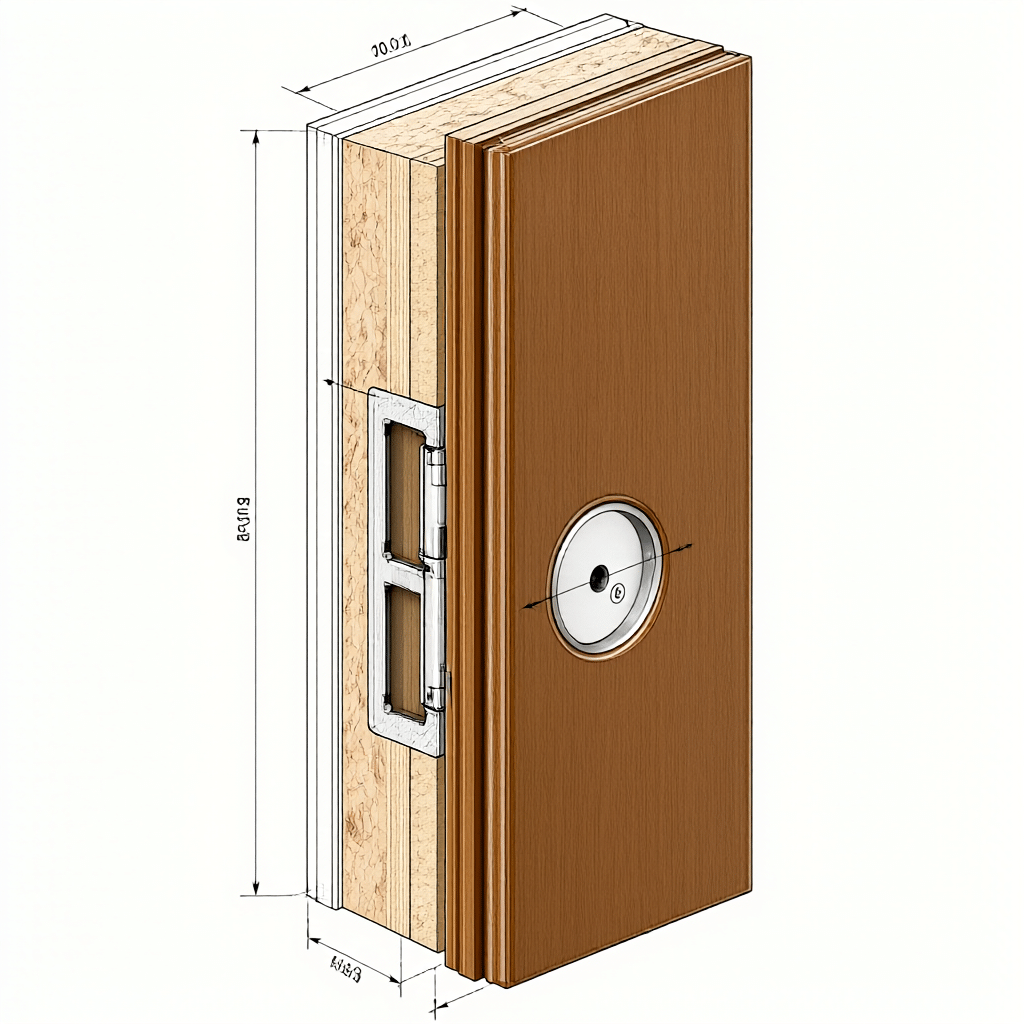
What are the standard specifications for lacquered doors?
When evaluating a lacquered door supplier, the first step is confirming a baseline spec sheet. Industry-standard parameters for solid-core lacquered timber doors used in hospitality, villa, and commercial projects include the following ranges:
| Parameter | Typical Specification Range |
|---|---|
| Core material | Solid pine / HDF / birch plywood |
| Density | ≥ 600 kg/m³ (HDF preferred for humid climates) |
| Thickness | 35 mm, 40 mm, 45 mm, 50 mm |
| Standard sizes (W × H) | 800×2000 mm to 1200×2200 mm; fully custom |
| Moisture content | 8–12% (kiln-dried before painting) |
| Lacquer types | PU, acrylic, water-based |
| Coating layers | 1 primer + 2 topcoats (minimum); 3+ for premium |
| Hardness (pencil grade) | HB–2H (PU), 2H–3H (acrylic/water-based) |
| Gloss levels | Matte 5–15°, satin 25–40°, gloss 60–85° |
| VOC limit (water-based) | < 50 g/L (per EN 13360) |
| Formaldehyde emission | E1 (≤ 0.124 ppm) minimum; E0 available on request |
A critical differentiator among lacquered door suppliers is the lacquer chemistry. The three dominant formulations differ materially in drying time, hardness, and environmental compliance. Buyers should match the formulation to the project’s climate and regulatory environment rather than defaulting to the cheapest option.
Applications
Where can lacquered doors be applied in B2B projects?
Lacquered doors serve distinct market segments, each with its own performance expectation:
- Hotel corridors and guest rooms — High traffic demands scratch-resistant finishes (acrylic or cross-linked PU). Moisture resistance matters near bathrooms and exterior entryways.
- Villa developments — Aesthetic flexibility drives demand for custom colors, high-gloss or designer matte finishes, and bespoke panel profiles. Substrate choice often leans toward solid pine or birch ply for dimensional stability.
- Commercial office buildings — Fire-rated requirements may dictate specialized substrates and intumescent seals; VOC compliance (CARB Phase 2, EPA TSCA Title VI) is non-negotiable for LEED-certified projects.
- Multi-unit residential projects — Cost-efficiency and consistency across hundreds of units push buyers toward standard sizes with configurable hardware and finish packages.
For solid wood projects requiring complementary products, buyers often pair lacquered doors with matching solid wood closet doors to maintain a unified interior palette.
Buying Factors
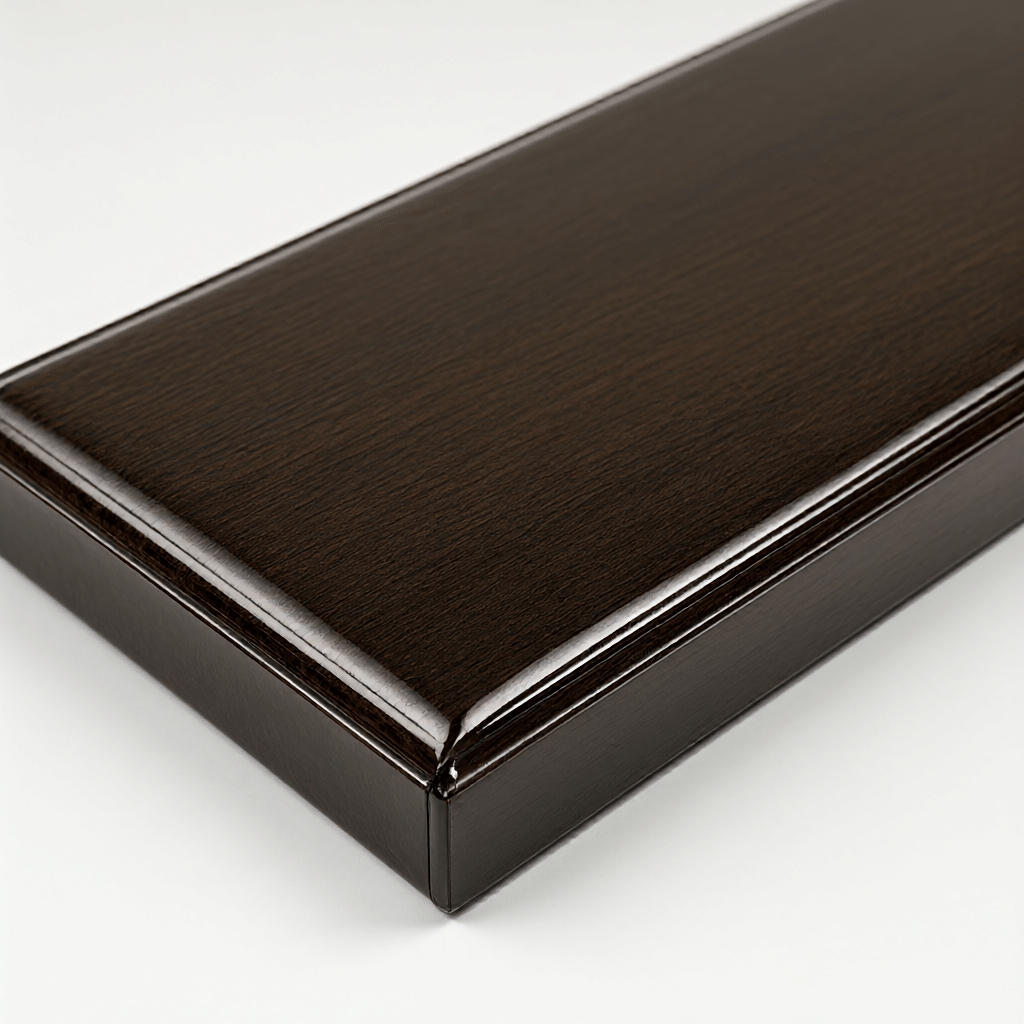
What factors should B2B buyers evaluate when sourcing lacquered doors?
Procurement decisions for lacquered doors turn on five interdependent variables:
- Substrate quality and moisture control. Doors installed above 12% MC will warp, crack, or delaminate within two years. A reputable lacquered door factory verifies MC at multiple stages — raw board receipt, post-millwork, and pre-paint.
- Lacquer type and finish durability. PU offers excellent hardness and gloss retention at lower cost; acrylic provides superior UV resistance and fewer yellowing issues; water-based delivers the lowest VOC profile but requires longer cure times and stricter spray conditions.
- Surface defect prevention. Common issues — orange peel, blushing (moisture entrapment under the film), and adhesion failure — stem from inadequate prep, wrong humidity during spraying, or incompatible primer-topcoat combinations. Ask the manufacturer for their defect rate and rework process.
- Certification alignment with destination market. CARB Phase 2 and EPA TSCA Title VI govern U.S. imports; REACH and EN 717-1 apply in the EU; Australia/NZ require NHVCS compliance. Each carries different documentation and test-report expectations.
- Customization flexibility. Full-size customization, hardware selection, and RAL color matching add cost but are standard offerings among capable lacquered door factories. Confirm whether the supplier uses CNC profiling and automated spray lines, which reduce variation between batches.
Price & Cost
How much do bulk lacquered doors cost from manufacturers?
Bulk lacquered door pricing depends primarily on substrate grade, lacquer system, door dimensions, hardware inclusions, and order quantity. The table below reflects indicative FOB China wholesale pricing for trade buyers:
| Product | Dimensions (mm) | Substrate | Finish | Price Range (FOB/Unit) | MOQ Tier |
|---|---|---|---|---|---|
| Interior lacquered door | 800×2000 | Pine solid core | Water-based | USD 65–85 | 50–99 sets |
| Interior lacquered door | 900×2100 | HDF core | PU glossy | USD 75–105 | 100+ sets |
| Exterior-grade lacquered door | 1000×2200 | Solid pine + HDF skin | Acrylic | USD 110–150 | 50–99 sets |
| Custom villa entrance lacquered door | 1200×2400 | Birch plywood core | Premium water-based | USD 140–180 | 30+ sets |
| Commercial fire-rated lacquered door | 1000×2100 | Certified composite | Intumescent seal + lacquer | USD 130–170 | 100+ sets |
Indicative FOB China bulk-order pricing for trade buyers — not a retail price and not a binding offer; final pricing depends on quantity, specification, and order schedule.
Additional cost drivers include packaging upgrades (reinforced corner protection for FCL shipments), custom RAL mixing fees, and expedited production slots. Lead times typically run 25–40 days for standard configurations; custom orders may extend to 45–60 days depending on lacquer cure cycles and inspection scheduling.
Send your opening sizes and finish preferences for a custom bulk quote.
Manufacturer Evaluation and Quality Verification
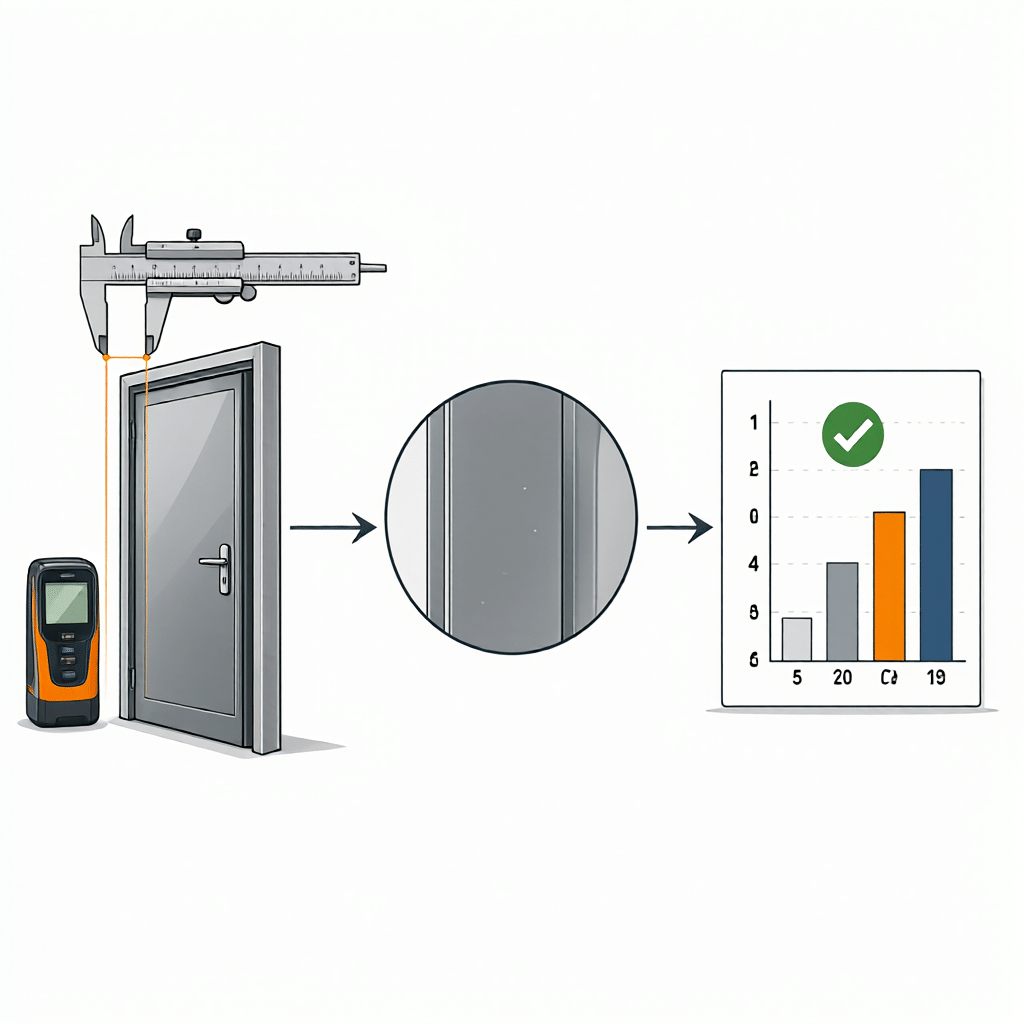
How to assess a lacquered door manufacturer’s capability and certifications?
Pre-qualifying a lacquered door producer requires both document review and, ideally, factory audit. Key verification steps:
- Quality management system: ISO 9001 certification indicates documented processes for incoming material inspection, in-process checks, and final product testing. This standard aligns with international manufacturing quality practices described by ASTM International.
- Product test reports: Request recent third-party test reports for air-tightness, water-tightness, and wind resistance per EN 14351-1 or equivalent local standards. These tests confirm structural performance beyond surface aesthetics.
- Formaldehyde and VOC certificates: Verify current CARB, EPA TSCA Title VI, or REACH compliance certificates with test laboratories accredited under ISO/IEC 17025. Expired certificates are common sourcing pitfalls.
- Sample evaluation: Always request physical samples before placing a bulk order. Check edge sealing, surface uniformity, and hardeness using a pencil hardness test.
- Production capacity and lead-time reliability: Ask for monthly output figures and current order queue status. Manufacturers with consistent delivery records demonstrate better supply chain control.
Evidence & Practical Notes
Field note: Buyers working on hotel corridor renovations frequently discover that PU-finished doors show visible scratching within 18 months in high-traffic zones, whereas acrylic or water-based cross-linked finishes maintain their appearance significantly longer. Specify the finish based on expected traffic intensity, not just color preference.
Practical limitation: While many lacquered door factories advertise “custom size and color,” the actual tolerance for oversized doors (above 1200 mm width or 2400 mm height) increases warping risk unless the substrate is engineered plywood or HDF with balanced construction. Standard 45 mm thickness becomes insufficient above these dimensions — plan for 50 mm or reinforced core design.
Buyer takeaway: Prioritize manufacturers that perform moisture-content verification at every production stage and provide pre-shipment performance test reports. A slightly higher unit price from a controlled facility prevents costly replacements and warranty claims far more often than it adds to your project cost.
How We Approach Lacquered Door Procurement
As a lacquered door manufacturer, our approach mirrors the procurement framework outlined above — starting with substrate selection and finishing with verifiable performance testing. Here is how we meet these standards:
We work with solid pine, HDF, and birch plywood cores, controlling moisture content between 8–12% before any coating is applied. Our finish options span PU, acrylic, and water-based lacquers, and we match custom RAL colors for villa and commercial projects. Every batch undergoes air-tightness, water-tightness, and wind-resistance testing before shipment, and we provide full export documentation including packing lists, proforma invoices, and customs support. We handle both FCL and LCL shipments directly from our factory in China, adjusting profile structures and fittings to comply with local building codes in target markets.
Contact Our Team to discuss your project specifications and receive a tailored quotation.
FAQs for Bulk Buyers
What is the difference between PU lacquer and water-based lacquer for doors?
PU lacquer cures faster, achieves higher hardness (2H–3H pencil grade), and delivers deeper gloss but contains higher VOCs. Water-based lacquer has low VOC, meets strict CARB/EPA limits, and resists yellowing, but requires longer dry times and controlled spray-humidity conditions. Choose water-based for EU or LEED-certified projects; PU works well for interior dry environments where cost and speed matter.
What is the typical MOQ for lacquered door manufacturers?
Most lacquered door factories set MOQ at 50–100 sets for standard configurations. Custom-sized or specialty-fire-rated doors may carry a lower MOQ of 30–50 sets, though per-unit pricing rises at these volumes. Repeat orders within a year usually qualify for reduced setup charges.
Can manufacturers match RAL or custom colors for bulk orders?
Yes. Reputable lacquered door suppliers use spectrophotometer-guided color matching and produce lab-scale test panels before full production. Request a physical RAL-matched sample for approval before committing to the full order, as screen color representations can differ from the final cured finish.
Logistics and Export Documentation
Shipping lacquered doors internationally requires attention to packaging protocol, document accuracy, and incoterms alignment — failures at any step can result in surface damage, customs holds, or disputed warranty claims.
Packaging Standards for Wood Doors
Lacquered door surfaces are vulnerable to abrasion and moisture during ocean freight. Industry-standard export packaging includes:
- Edge protectors on all four sides of each door
- Foam or corrugated separators between stacked units
- Moisture-proof wrapping (polyethylene film) over the bundle
- Palletized or crate-packed configuration for FCL shipments
- Cartoning for LCL shipments with reinforced corner posts
Buyers should confirm that the supplier uses package-compression testing and drop-testing (per ISTA protocols) before loading containers. Damaged corners or scratched faces discovered after unloading are commonly traced to inadequate pallet strapping or insufficient desiccant placement inside the container.
Required Export Documentation
Experienced lacquered door exporters prepare the following documents for each shipment:
| Document | Purpose | Typical Issuing Party |
|---|---|---|
| Commercial Invoice | Customs valuation and duty assessment | Manufacturer / exporter |
| Packing List | Cargo contents, weight, dimensions per package | Manufacturer / exporter |
| Bill of Lading (B/L) | Proof of shipment and title transfer | Shipping line |
| Phytosanitary Certificate | Confirms wood treatment for import biosecurity | National plant agency |
| Certificates of Origin | Preferential tariff eligibility (e.g., Form E for ASEAN) | Chamber of commerce |
| Test Reports (formaldehyde/VOC) | Regulatory compliance at destination port | ISO/IEC 17025 accredited lab |
| Insurance Certificate | Cargo coverage during transit | Buyer’s insurer or supplier |
A reliable lacquered door manufacturer provides a complete documentation package aligned with the destination country’s import regulations. Buyers should request draft documents before shipment departure to verify accuracy and avoid delays at customs clearance.
FCL vs. LCL Shipment Options
- FCL (Full Container Load): One container dedicated to a single buyer’s order. Best for volumes above 80–100 door sets. Lower risk of cargo mixing, faster customs release, and typically lower per-unit freight cost at scale.
- LCL (Less than Container Load): Shared container space for smaller orders. Suitable when order quantity does not fill a 20′ or 40′ container. Higher per-unit logistics cost and longer transit due to consolidation/deconsolidation at ports.
Factory-direct shipping eliminates middleman freight markups and allows buyers to negotiate container loading plans that maximize utilization while protecting finished-door surfaces.
Buyer Decision Guide: Matching Specs to Project Type
Selecting the correct lacquered door configuration depends on project classification and destination-market requirements. Use the table below as a quick-reference decision framework:
| Project Type | Recommended Core | Suggested Finish | Key Compliance Need | Approx. Price Range (FOB) |
|---|---|---|---|---|
| Budget hotel rooms | HDF core | PU satin | CARB Phase 2 (USA) / EN 717-1 (EU) | USD 65–90 |
| Luxury hotel suites | Solid pine + HDF skin | Acrylic high-gloss | LEED v4.1 (USA) / BREEAM (UK) | USD 110–150 |
| Villa entrance doors | Birch plywood core | Premium water-based | EPA TSCA Title VI (USA) / REACH (EU) | USD 140–180 |
| Commercial corridor doors | Certified composite | Intumescent seal + lacquer | Fire rating 20/30/45 min + VOC limit | USD 130–170 |
| High-humidity bathroom doors | Marine-grade HDF | Cross-linked acrylic | Anti-mold coating + elevated MC tolerance | USD 90–120 |
Decision tip: Match the lacquer chemistry to the destination climate first, then to the aesthetic requirement second. Water-based finishes outperform PU in humid tropical markets due to superior adhesion retention; acrylic outperforms both in high-UV coastal environments due to reduced yellowing.
Red Flags When Evaluating Lacquered Door Suppliers
The following indicators suggest a supplier may lack the capability or transparency required for reliable bulk procurement:
- Vague moisture-content specification — If a supplier states only “kiln-dried” without confirming 8–12% MC range and testing frequency, warping risk increases significantly.
- Expired or unavailable test certificates — CARB, EPA TSCA Title VI, REACH, and EN 14351-1 reports should be dated within the last 24 months and issued by ISO/IEC 17025 accredited laboratories.
- Unrealistically short lead times — Claims of 10–15 day production for custom lacquered doors often indicate either stock-item substitution or compromised curing cycles.
- Refusal to provide pre-shipment test reports — Buyers have the right to review air-tightness, water-tightness, and wind-resistance results before cargo is loaded.
- No physical sample policy — Reputable suppliers ship lab-scale test panels for color, hardness, and finish-adhesion verification before mass production begins.
- Inconsistent dimensional tolerance claims — Standard tolerance is ±1.5 mm for width and height; suppliers claiming ±3 mm or worse tolerance should be scrutinized for CNC profiling capability.
Procurement Checklist for Lacquered Door Orders
Before placing a bulk purchase, verify each item on this checklist with your selected supplier:
- [ ] Confirm substrate type and density with written specification
- [ ] Verify moisture content is measured and recorded at raw-board, post-millwork, and pre-paint stages
- [ ] Request current test reports for formaldehyde emission (E1/E0), VOC content, and surface performance
- [ ] Obtain physical sample for RAL color approval and pencil-hardness verification (minimum HB for interior, 2H+ for high-traffic areas)
- [ ] Review packaging method and confirm edge-protection and moisture-barrier standards
- [ ] Clarify defect-replacement policy and warranty terms for finish defects
- [ ] Confirm lead time from deposit receipt to Bill of Lading date
- [ ] Verify the supplier can provide full customs documentation package before loading
- [ ] Match lacquer formulation to destination-market climate and regulatory environment
- [ ] Confirm profile-structure adjustability for local building-code compliance
Send your opening sizes and finish preferences for a custom bulk quote.
Sources & References
- ASTM International — www.astm.org
- solid wood closet doors — doorwoodendoors.com
- Contact Our Team — doorwoodendoors.com











