
Last updated: November 28, 2026
What makes a reliable China door manufacturer stand out for Kuwait projects?
Kuwait buyers typically source doors from China because of cost efficiency, broad customization capacity, and mature export logistics. Chinese factories produce high volumes at competitive prices, often 20–40 percent below European alternatives, while offering full control over profile thickness, glass type, finish color, and hardware selection. This flexibility matters significantly in Kuwait’s climate, where doors must withstand extreme summer heat, fine dust ingress, and occasional heavy rain events.
A dependable manufacturer provides three core guarantees: products that pass independent performance tests before shipment, configurations that meet local regulatory expectations, and complete paperwork prepared for Kuwait customs clearance. Factories experienced in Middle East trade generally understand these requirements without extensive back-and-forth communication, which shortens procurement timelines considerably. Buyers evaluating multiple suppliers should compare factory audit readiness, recent export reference orders, and whether the manufacturer maintains an English-speaking technical support team. For deeper guidance on verifying supplier reliability, consult a door factory audit checklist designed for international procurement teams.
Why do Kuwait construction and renovation projects rely on Chinese door supplies?
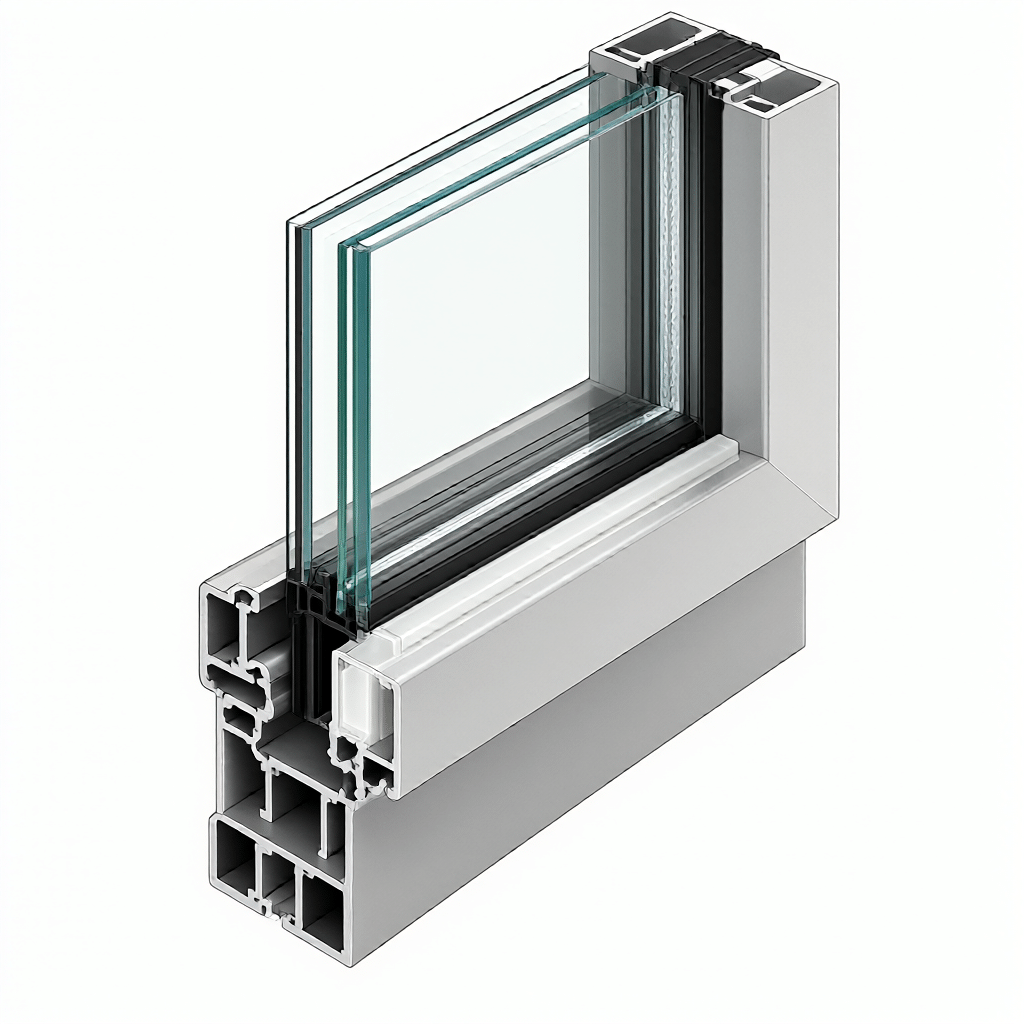
Several structural factors explain why Kuwait-based developers, contractors, and hotel operators consistently turn to Chinese manufacturing hubs like Guangzhou and Foshan. The primary driver is price competitiveness combined with high output volume. Factory-direct pricing removes regional distributor margins and gives project budgets significant flexibility, especially when ordering hundreds of units for residential villa developments or commercial fit-outs across multiple buildings.
Chinese manufacturers also maintain extensive mold and extrusion portfolios covering aluminum alloy systems, thermal-break profiles, solid wood cores, and powder-coated finishes. This inventory depth means lead times for custom colors and non-standard dimensions remain manageable rather than requiring bespoke tooling investments. Many suppliers additionally offer OEM and ODM capabilities, allowing private-label branding for project-specific requirements. The combination of scale, speed, and configurability makes Chinese door supply chains well-suited to Kuwait’s steady pipeline of infrastructure and hospitality construction projects. For an overview of typical unit costs across common door types, review the solid wood closet doors procurement guide.
Which door categories perform best in Kuwait’s climate conditions?
Different door constructions address distinct functional needs across hotel corridors, villa entrances, bathroom wet zones, and exterior facades facing desert sun. Aluminum alloy entrance doors provide durability and weather resistance, while thermal-break aluminum doors add insulating barriers between interior and exterior frame members to reduce heat transfer through the metal profile itself. System windows paired with matching casement doors create unified facade assemblies that simplify procurement for large projects.
Sliding doors work well for patio openings and balcony transitions where swing clearance is limited, whereas solid wood doors remain popular for main residential entries and premium interior applications. Wood-look aluminum doors deliver timber aesthetics with far lower maintenance demands under sustained UV exposure and temperature cycling. Buyers should match material choice to each door’s functional zone rather than selecting uniformly across an entire project. For finishing durability under Gulf sunlight, compare powder coat versus anodized versus PVDF coating options for aluminum doors.
What pre-shipment tests should every buyer require before cargo leaves China?
Performance verification must happen before containers are sealed, not after arrival at Shuwaikh Port. Reputable manufacturers conduct mandatory pre-shipment inspections covering three critical parameters: air-tightness, water-tightness, and wind resistance. Air-tightness ratings determine how much warm outdoor air infiltrates through frame joints during Kuwait’s summer months, directly affecting cooling loads and indoor comfort. Water-tightness ratings confirm that monsoon-style rain bursts cannot force moisture past gaskets and drainage channels into wall cavities or finished interiors. Wind resistance ratings validate structural integrity when strong coastal gusts press against installed frames without causing deflection beyond acceptable tolerances.
Buyers should request third-party or in-house inspection certificates listing tested pressure values in pascals for each parameter. Test frequencies typically cover a representative sample per production batch rather than every individual unit, so clarify sampling methodology in the purchase agreement. If any inspected lot fails minimum thresholds, the entire batch should be quarantined until root causes are corrected and retested. Understanding container loading optimization alongside these quality gates helps balance inspection rigor with cost efficiency, as outlined in the FCL versus LCL shipping for door procurement guide.
What Kuwait-relevant building-code and climate requirements affect door selection?
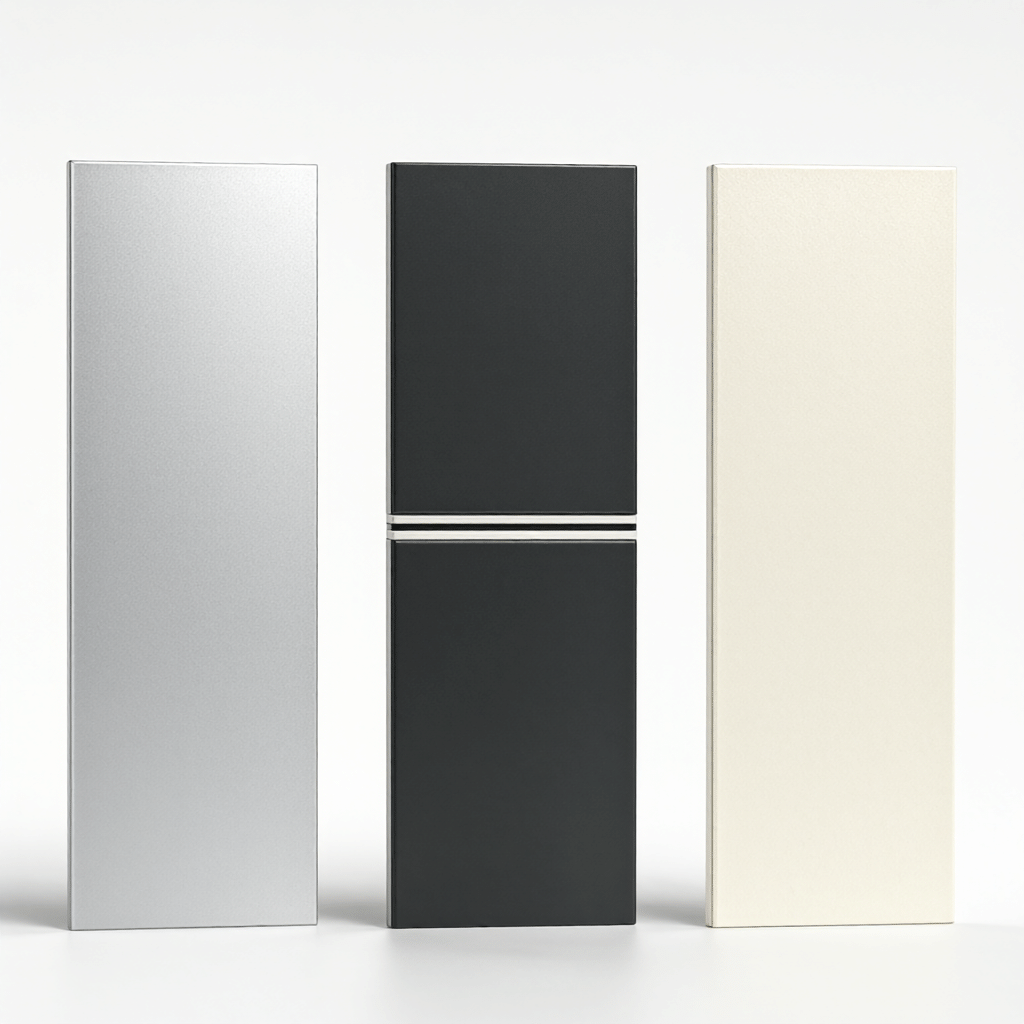
Kuwait follows Gulf-wide standard frameworks administered through the Gulf Cooperation Council Standards Organization, commonly referenced as GSO standards, alongside localized requirements overseen by the Public Authority for Industry. Thermal-performance criteria emphasize U-value limits for exterior glazing and frame assembly, while solar heat gain coefficient targets help control interior temperatures during peak summer periods. Wind-load classifications depend on building height and coastal proximity, with ground-floor and podium-level installations subjected to higher design pressures than upper floors.
Dust and sand infiltration represents an ongoing operational challenge unique to the region. Per ASTM International testing protocols adapted for Gulf climates, buyers should specify tight gasket compression profiles and multi-chamber frame geometries that resist particulate migration through joint gaps. Fire-rated entry doors serving stairwells and communal circulation paths must align with nationally adopted fire-safety provisions, such as those discussed in the EI30 vs EI60 vs EI90 fire rating comparison guide, and should match occupancy load calculations for exit routes. Corrosion protection deserves equal attention because salt-laden coastal air accelerates fastener degradation unless stainless steel or properly passivated fittings are used throughout.
What export documents does a Kuwait-bound door shipment require?
Customs clearance in Kuwait depends on accurate commercial documentation submitted well before vessel arrival. A complete packing list itemizes carton quantities, net and gross weights, and dimensional data per SKU so freight forwarders can optimize container stuffing plans. Proforma invoices establish agreed pricing and payment terms and serve as the basis for import licensing where applicable. Commercial invoices finalize transaction values for duty assessment upon actual cargo presentation.
Certificates of origin may need endorsement depending on current trade arrangements, while inspection certificates confirm compliance with pre-shipment performance claims. Bill of lading records cargo receipt by the shipping line and specifies delivery terms such as FOB or CIF. For precise tariff classification guidance relevant to door hardware and finished units, refer to the door HS code and import duty procurement guide, which maps product descriptions to applicable customs codes. Keeping document preparation integrated with order confirmation prevents delays at port entry and avoids demurrage charges that erode project margins quickly.
How do FCL and LCL shipping options compare for door orders to Kuwait?
Full container load shipments suit projects requiring three hundred to five hundred door sets or more within a single delivery window. A 20ft container door loading quantity guide helps planners estimate how many units fit efficiently while preserving protective packaging and preventing edge damage during transit. Containerization offers lower unit freight costs, faster port turnaround since consolidated cargo often waits longer for other shippers, and simpler insurance claims when loss occurs entirely within one seal.
Less than container load arrangements accommodate smaller orders or staggered phase deliveries but carry higher proportional freight rates and increased handling risk from multiple unload cycles. Transshipment points introduce additional contact surfaces where packaging can degrade, raising the probability of finish scratches or frame deformation. Buyers choosing LCL should insist on reinforced corner boards, foam edge protectors, and palletized wrapping that survives rougher handling sequences. Project cash flow planning should account for both shipping pathways when sequencing installations across different building phases.
What customization options let manufacturers match Kuwait specifications exactly?
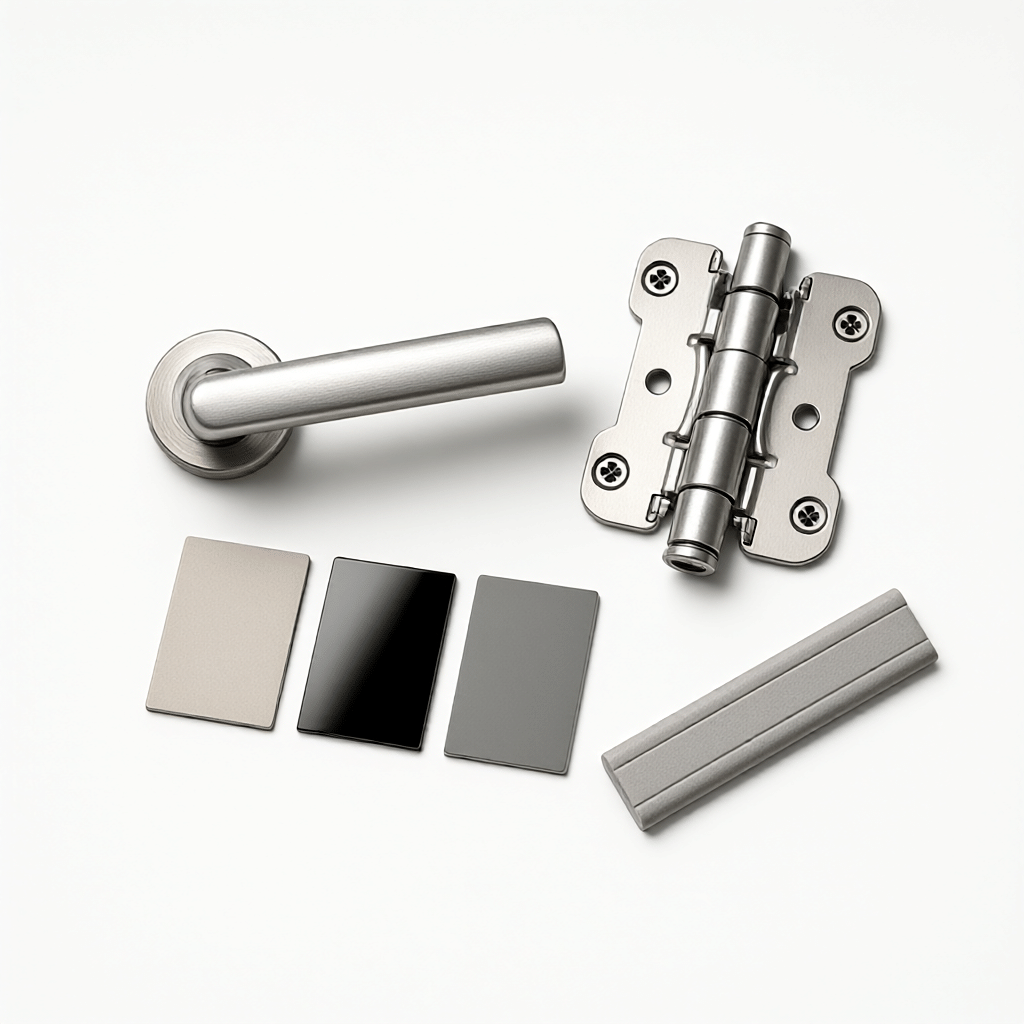
Profile structure, surface finish, glass configuration, and hardware selection each influence how well installed doors perform under local operating conditions. Thermal-break aluminum frames allow adjustable break widths to achieve target U-values while maintaining structural stiffness needed for larger sliding panels. Powder-coat color palettes extend beyond standard anthracite and white options, enabling architects to coordinate entrance doors with exterior cladding tones specified in project design packages.
Glass choices range from clear float to low-E coated insulated units with argon fill, depending on solar gain priorities and privacy requirements for different room functions. Hardware families include heavy-duty pivot hinges for tall casement doors, multi-point locking assemblies for security-sensitive entries, and smooth-glide roller tracks sized for frequent residential use. Adjustments should always align with locally enforced dimensional standards, fire-rating classifications, and accessibility clearances rather than manufacturer default catalogs. Review bulk pricing references such as the plywood doors price per unit guide to contextualize cost variation across material tiers before finalizing specifications.
What specifications should a Kuwait-bound door order define clearly?
Procurement clarity begins with a written specification matrix that locks critical dimensions, material grades, finish systems, and accessory selections before production starts. Profile family designation determines which extrusion series receives priority tooling allocation and quality control emphasis. Wall thickness ranges typically fall between one point two and two millimeters for exterior thermal-break systems, with thicker sections preferred for wind-prone high-rise applications. Glass unit construction specifies pane thickness, gas fill presence, and spacer material type to ensure consistent thermal performance over the building lifecycle.
Surface treatment selection affects longevity under intense sunlight, with polyvinylidene fluoride coatings offering superior color retention compared to standard polyester powders in direct exposure scenarios. Hardware finish compatibility with coastal environments warrants separate verification, particularly when iron or mild steel components enter humid corridor spaces without conditioned drying cycles. Delivery timeline commitments should differentiate between prototype approval stages, mass production start dates, and estimated container departure windows aligned with the chosen freight pathway.
| Specification item | Typical requirement | Impact on performance |
|---|---|---|
| Profile system | Thermal-break aluminum, min 70 mm width | Reduces condensation and heat transfer at frame joints |
| Wall thickness | 1.2–2.0 mm depending on wind zone | Increases rigidity and long-term operation reliability |
| Glass package | Double glazing, low-E optional | Lowers solar heat gain and improves interior thermal comfort |
| Surface finish | PVDF for high-exposure façades | Extends color stability under prolonged UV irradiation |
| Hardware set | Stainless steel or marine-grade alloy | Resists accelerated corrosion near coastal sites |
| Packing method | Corner-protected carton with moisture barrier | Prevents transit damage and surface scuffing during unloading |
How should buyers evaluate and select a China door manufacturer for Kuwait projects?
Supplier assessment requires systematic cross-checking across four capability domains: product suitability, quality assurance processes, export documentation competence, and logistical track record. Product suitability begins with verifying that the manufacturer produces the exact door types needed—thermal-break aluminum doors, solid wood doors, casement doors, sliding doors, or aluminum alloy entrance doors—rather than acting as a trading intermediary sourcing elsewhere. Quality assurance verification should include requested sample testing documentation and factory audit results showing controlled machining tolerances and consistent paint-line operations.
Export documentation competence distinguishes factories accustomed to Middle East shipments from newcomers still learning Kuwait customs expectations. Request evidence of prior commercial invoice and packing list preparation for similar destinations, along with willingness to adjust formats to match local broker preferences. Logistics track record becomes apparent through on-time departure statistics and transparent communication regarding production bottlenecks or raw-material shortages that might shift vessel scheduling. A structured door factory audit checklist helps procurement teams maintain consistent evaluation criteria across multiple supplier visits.
How do leading manufacturers approach direct supply and after-sales support?
Direct-from-factory supply models eliminate distributor markups and give buyers greater visibility into production scheduling, quality gate decisions, and packaging standards. Manufacturers operating this model typically allocate dedicated account managers for project-sized orders, ensuring that technical queries receive responses from personnel familiar with the original engineering drawings rather than forwarded through unrelated sales layers. After-sales support usually covers spare hardware availability, replacement panel provisioning for damaged units, and warranty response timelines specific to each component category.
OEM branding opportunities allow developers to apply project logos or architectural firm identifiers to packaging and installation documentation, reinforcing professional presentation during site handovers. Private-label programs become viable once order volumes stabilize, permitting brand consistency across multiple properties developed by the same group. Long-term partnership prospects depend on transparent pricing adjustments tied to aluminum billet market movements and mutual commitment to resolving defects promptly rather than disputing responsibility through extended correspondence chains.
As a manufacturer supplying doors for markets requiring strict climate adaptation and export readiness, our approach centers on the same principles discussed above: profile structures adjustable to local code demands, complete pre-shipment performance verification including air-tightness, water-tightness, and wind resistance testing, and full trade-document preparation tailored to importer expectations. Every order begins with technical consultation rather than automated quotation generation, ensuring that thermal, structural, and aesthetic requirements translate accurately into production instructions before materials move through extrusion and finishing lines. Factory-direct procurement keeps middleman pricing out of the equation while preserving accountability at every stage from inquiry through container sealing.
Frequently Asked Questions
How to verify a reliable Chinese door manufacturer?
Request recent third-party test reports, ask for a virtual or on-site factory audit using a standardized checklist, confirm they hold active export licenses, and check references from prior Kuwait or GCC shipments completed within the last two years.
What certifications do doors need for Kuwait import?
Align products with Gulf Standard Organization conformity requirements and ensure fire-rated doors satisfy nationally adopted building-code classifications; verify corrosion-resistant hardware suitable for coastal environment exposure before shipment.
What are the typical shipping costs and timelines to Kuwait?
FCL container freight usually takes two to four weeks from Chinese ports to Shuwaikh or Mishab depending on seasonality, while LCL consolidations may add one to two extra weeks for cargo aggregation and deconsolidation handling at transshipment hubs.
Which door types are most popular in Kuwait’s market?
Thermal-break aluminum doors and sliding doors dominate due to heat insulation demands and space-saving layouts, while solid wood doors and aluminum alloy entrance doors remain common for villa entries and hospitality project lobbies.
What are the MOQs for bulk orders from China?
Minimum order quantities vary by product family but commonly start around fifty to one hundred units per profile type; mixed SKUs within a single container shipment frequently qualify for the same production priority as uniform bulk runs.
Sources & References
- ASTM International — www.astm.org
- door factory audit checklist — doorwoodendoors.com
- solid wood closet doors — doorwoodendoors.com
- powder coat versus anodized versus PVDF coating options for aluminum doors — doorwoodendoors.com
- FCL versus LCL shipping for door procurement guide — doorwoodendoors.com
- door HS code and import duty procurement guide — doorwoodendoors.com
- 20ft container door loading quantity guide — doorwoodendoors.com
- plywood doors price per unit guide — doorwoodendoors.com











