
Last updated: November 28, 2026
What is the value of sourcing from a china door manufacturer for Malaysia?
Malaysian buyers typically face higher unit costs when relying on local distributors or regional wholesalers. Sourcing directly from Chinese factories eliminates those intermediary layers. This shift allows projects like hotel developments, villa complexes, and commercial buildings to align door specifications exactly with design requirements while maintaining tighter budget control.
Direct procurement also opens access to broader material innovation. Manufacturers in China offer full customization on profile thickness, glass configuration, hardware selection, and surface treatments. Buyers are not limited to standard catalog options but can tailor products to specific environmental conditions such as humidity resistance or impact protection.
The ability to test and verify products before shipment further strengthens this approach. Pre-shipment quality checks ensure that every order meets defined performance standards, reducing the risk of receiving non-compliant materials overseas.
How does direct manufacturing differ from using a local supplier?
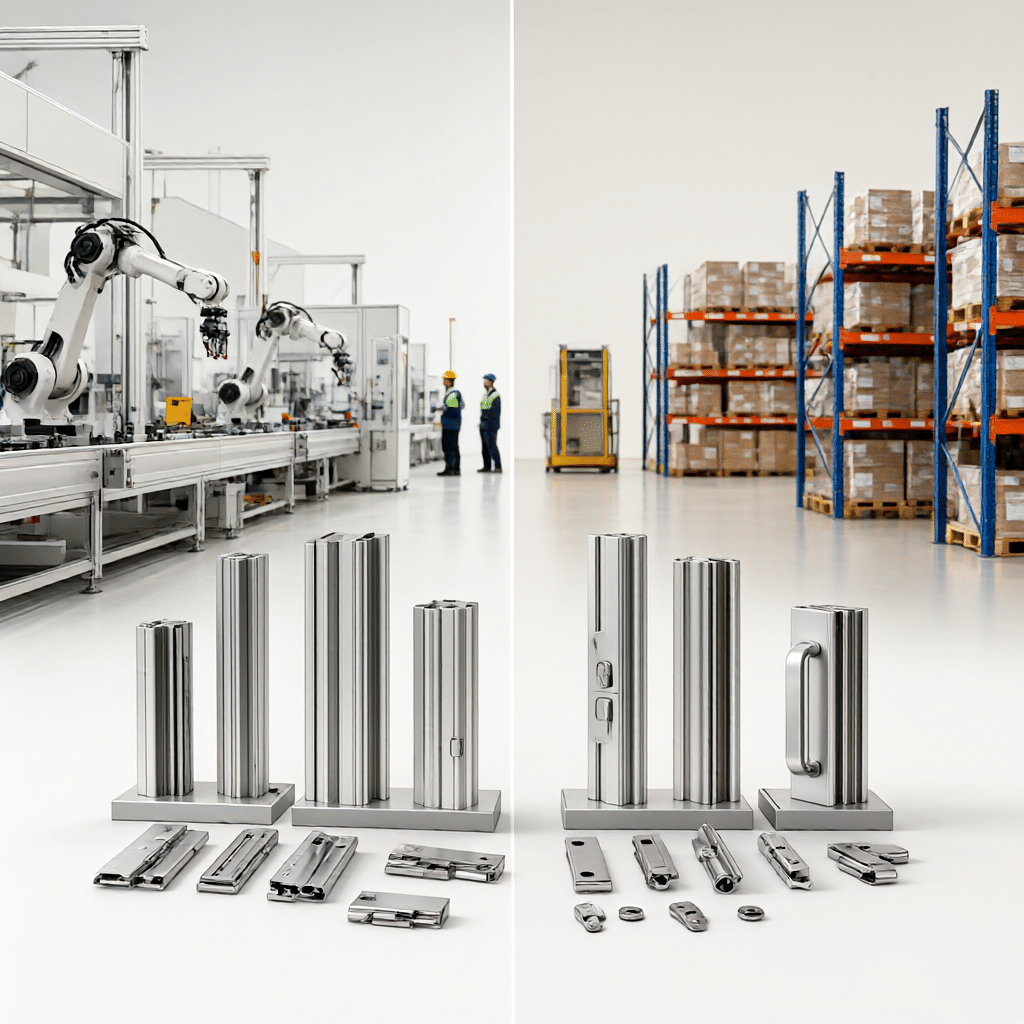
Local suppliers often stock pre-manufactured inventory designed for generalized market needs. While availability may be faster for small orders, customization becomes expensive and complex. Chinese factory procurement operates on a made-to-order basis, meaning every dimension, color, and fitting is adjusted to match architectural blueprints.
This model benefits large-scale procurement where consistent specifications across multiple units are essential. Developers ordering doors for an entire residential tower, for example, can rely on identical production runs rather than piecing together mismatched inventory from different local vendors.
Additionally, Chinese suppliers are accustomed to exporting internationally. They handle packing lists, proforma invoices, and customs documentation required for smooth port clearance in Malaysia. Local dealers rarely manage this level of export paperwork.
What customization options are available from Chinese door factories?
Buyers can specify nearly every component of a door system when working directly with a manufacturer.
Profile structure: Aluminum extrusion designs vary by thermal break width, wall thickness, and chamber configuration. Profiles can be adjusted to meet local wind-load ratings required in coastal Malaysian regions.
Glass configurations: Options include tempered, laminated, low-E coated, or double-glazed units. Buyers select these based on insulation needs and safety regulations for high-rise applications.
Hardware and fittings: Handles, hinges, locks, and sealing gaskets can be sourced from recognized international brands or specified alternatives depending on budget and aesthetic preference.
Surface finish: Powder coating, anodizing, or PVDF coatings are available in custom RAL colors. For wooden doors, veneer species and stain tones are matched to interior design schemes.
Door types: The product range covers thermal-break aluminum doors, sliding patio doors, casement entrance doors, system windows and doors, and solid wood entry doors. Each type serves different functional roles within a building envelope.
For specialized projects requiring fire-rated solutions, understanding EI30 vs EI60 vs EI90 fire resistance ratings helps architects specify compliant assemblies.
What pre-shipment tests should be verified before goods leave the factory?
Reliable manufacturers conduct strict quality inspections before container loading. Three critical performance tests determine whether a door system will endure Malaysia’s tropical climate and building code expectations.
Air-tightness testing confirms that the assembled unit prevents unwanted air infiltration. This metric is vital for energy efficiency and indoor comfort, especially in air-conditioned spaces.
Water-tightness testing evaluates the seal integrity under simulated rainfall conditions. Given Malaysia’s heavy monsoon seasons, validating water resistance ensures doors remain leak-free during extreme weather events.
Wind resistance testing measures the structural ability of the frame and glazing to withstand positive and negative pressure loads. This is particularly important for high-floor installations in skyscrapers or exposed coastal sites.
These tests align with general performance principles supported by ASTM International, which develops standards for material testing and construction product evaluation. Buyers should request inspection reports covering all three metrics prior to approval for shipment.
Which export documents are needed for importing doors into Malaysia?
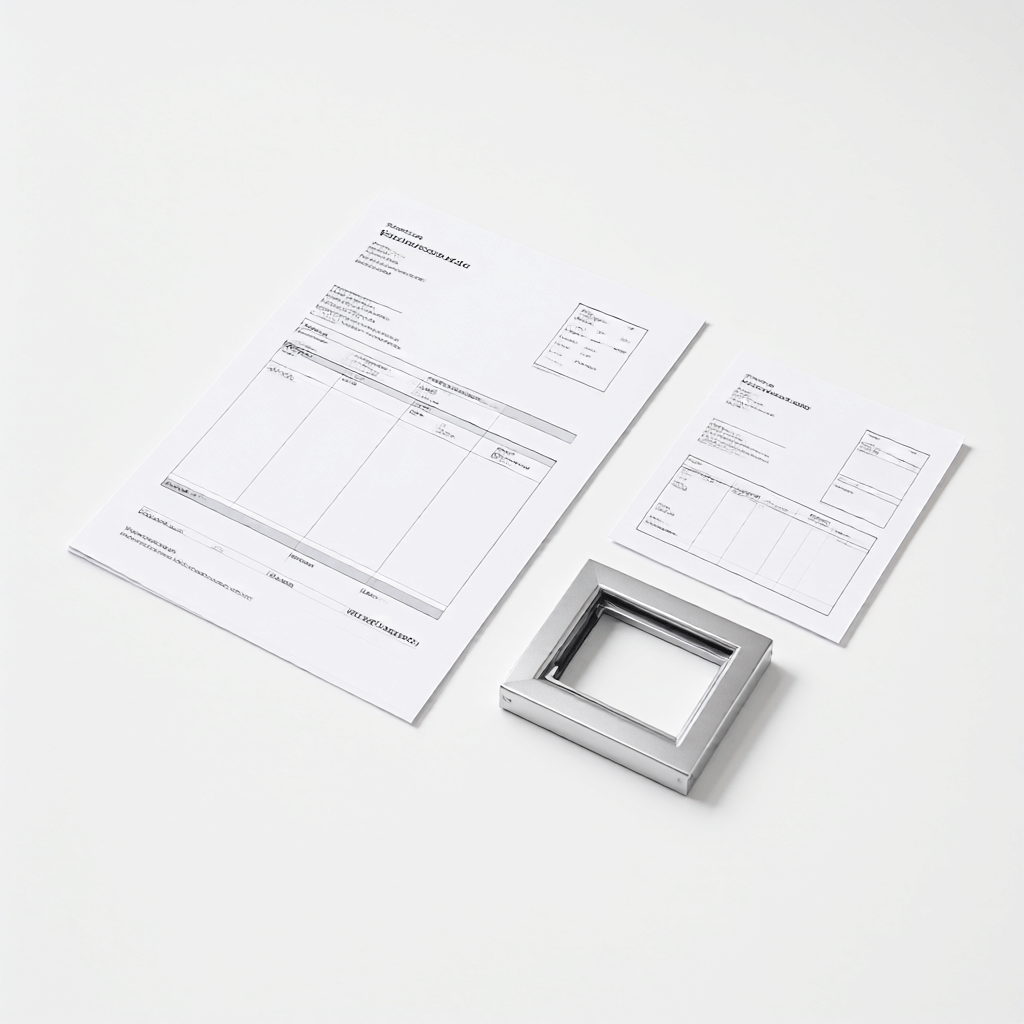
Successful customs clearance in Malaysia requires accurate commercial and shipping documentation. Every container must include a detailed packing list specifying quantities, dimensions, and packaging weights per carton or pallet.
A commercial invoice detailing product descriptions, HS codes, unit values, and total invoice amount is mandatory. Buyers should verify that the declared values reflect actual transaction prices to avoid discrepancies during customs valuation.
A proforma invoice issued prior to payment initiates the import process and outlines agreed terms including Incoterms, payment schedule, and delivery timeline.
Certificate of origin documents may be required to claim preferential tariff rates under trade agreements between China and ASEAN member states, including Malaysia. Buyers should consult their freight forwarder about current rules of origin requirements.
For deeper guidance on classification and duties, reviewing the Door HS Code & Import Duty guide clarifies how specific door types are categorized for tax purposes.
How do FCL and LCL shipping methods compare for door orders?
Container shipping decisions depend primarily on order volume and project phasing.
Full Container Load (FCL) shipments allocate an entire 20ft or 40ft container to a single buyer’s goods. This method offers greater protection against damage since cargo remains sealed throughout transit. It is cost-effective for large orders where the volume fills most of a container. A typical 20ft container door loading guide demonstrates how efficient stacking maximizes capacity.
Less than Container Load (LCL) shipments consolidate multiple buyers’ cargo within one container. This option suits smaller projects or sample orders that cannot fill a full container. While flexible, LCL involves more handling points and carries slightly higher risk of mishandling during transshipment.
Understanding the financial trade-offs between these methods is essential. Our comparison of FCL vs LCL shipping for door and window procurement breaks down cost, speed, and risk factors for both approaches.
Can Chinese manufacturers adjust profiles to meet Malaysian building standards?
Building codes in Malaysia dictate specific performance thresholds for fenestration systems. Suppliers experienced in foreign trade routinely adapt profile structures and fitting configurations to satisfy these local requirements.
Adjustments may include reinforcing frame geometries for higher wind-pressure zones, modifying drainage channel designs for heavy rain runoff, or selecting hardware rated for corrosive environments near coastal areas. These modifications ensure that imported door systems perform equivalently to locally produced alternatives.
Manufacturers capable of OEM and ODM services develop private-label products tailored to brand identities while maintaining structural compliance. This flexibility allows developers to source branded components that integrate seamlessly into standardized architectural specifications.
How does factory-direct supply affect pricing compared to middlemen?
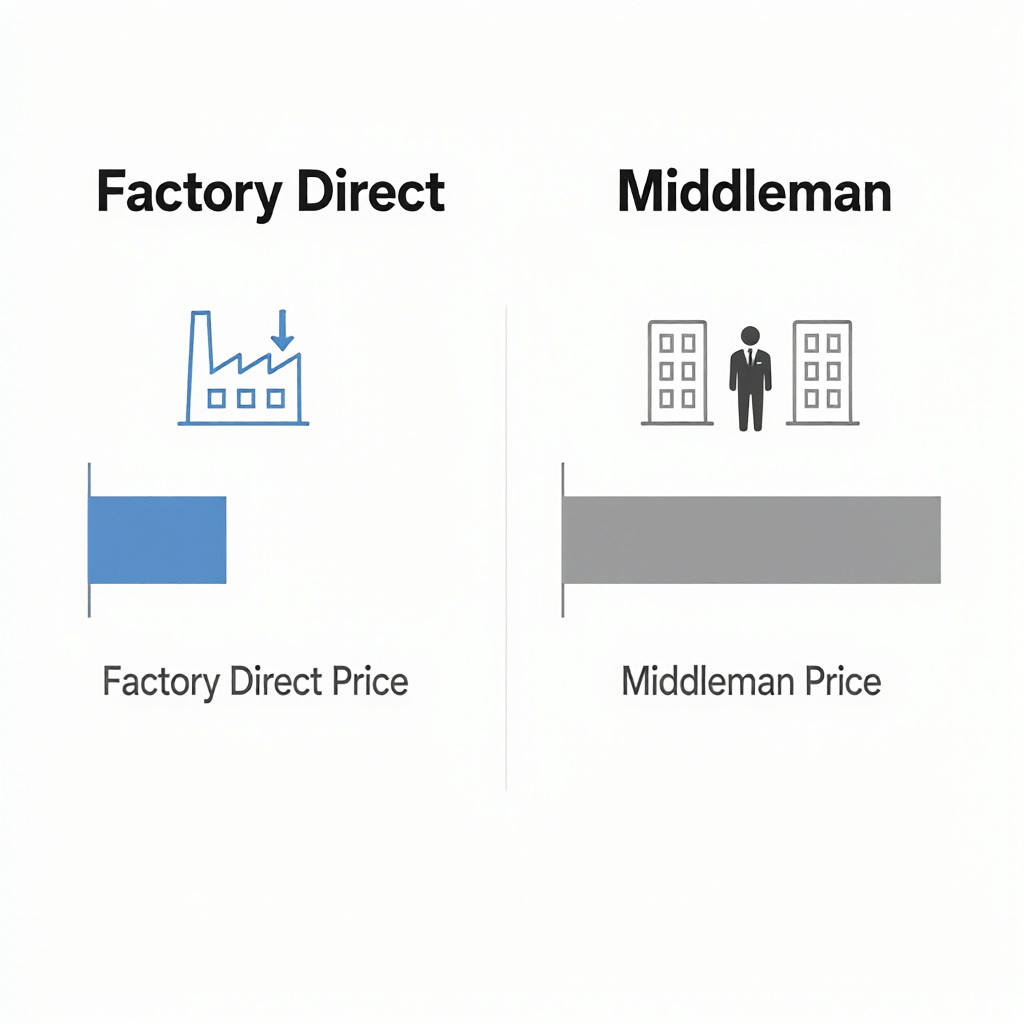
Middleman markup typically adds fifteen to thirty percent to base manufacturing costs. Distributors purchase in bulk at discounted rates and resell at retail margins, passing those expenses to end buyers.
Factory-direct supply removes that margin layer. Buyers pay closer to the production cost, benefiting from economies of scale without paying for warehousing, regional distribution, or dealer profit pools.
This price advantage becomes significant on large procurements. A villa development ordering fifty entrance doors or a hotel contract supplying hundreds of room doors sees substantial savings when eliminating intermediary fees.
Quality assurance remains uncompromised because manufacturers prioritize reputation and repeat business over margin inflation. Competitive pricing reflects operational efficiency rather than reduced standards.
Why should a Malaysian buyer consider a china door manufacturer instead of local suppliers?
Local sourcing offers convenience but often limits customization and increases unit cost. Chinese manufacturers provide extensive variation in materials, finishes, and technical specifications while delivering lower landed prices for bulk quantities. This combination makes them attractive for project-based procurement where budget and design fidelity matter equally.
What pre-shipment quality checks guarantee reliable deliveries?
Independent third-party inspections or virtual video walkthroughs during final assembly allow buyers to verify dimensional accuracy, surface quality, and hardware installation. Confirming that air-tightness, water-tightness, and wind resistance tests were performed provides documented proof of compliance before payment release.
How long does shipping from China to Malaysia take?
Transit times generally range from seven to fourteen days depending on the departure port in China and destination port in Malaysia. Sea freight remains the most economical mode for heavy door shipments, though express air freight is occasionally used for urgent replacement parts or small sample orders.
What certification requirements apply to doors exported to Malaysia?
While SIRIM QAS International sets national product standards, many door categories do not mandate compulsory certification unless classified as controlled goods. Buyers should still request material test reports and factory audit records demonstrating adherence to ISO management and quality systems. Auditing the manufacturing facility ensures processes align with international benchmarks.
Evaluating a supplier’s track record through reference projects and communication responsiveness helps identify trustworthy partners. Reliable manufacturers communicate clearly, provide timely quotations, and welcome inspection visits either physically or virtually.
Frequently Asked Questions
What types of doors do Chinese manufacturers produce?
Chinese factories manufacture solid wood doors, thermal-break aluminum doors, system windows and doors, casement entrance doors, sliding patio doors, and custom villa entrance solutions. They also produce sunrooms and aluminum alloy entrance doors tailored to architectural specifications.
Which certifications matter for doors exported to Malaysia?
SIRIM certification applies to certain product categories, but general door systems often rely on factory quality management certifications like ISO standards. Material test reports verifying structural integrity and finish durability are equally important for project acceptance.
How do I verify a chinese door manufacturer is reliable?
Request video factory tours, audit trails of previous exports, and references from international clients. Verify they conduct air-tightness, water-tightness, and wind resistance testing before shipment and provide full export documentation support.
What are the typical MOQs and price ranges?
MOQs vary by product type; some manufacturers accept single containers while others require larger commitments for custom colors. Price ranges depend on material choice, glass configuration, and hardware selection, with factory-direct pricing offering significant savings versus retail markets.
How long does shipping from China to Malaysia take?
Sea freight typically takes seven to fourteen days from major Chinese ports to Malaysian ports like Port Klang or Tanjung Pelepas. Transit time varies based on shipping route, vessel scheduling, and customs processing speed at both ends.
Sources & References
- ASTM International — www.astm.org
- ISO — www.iso.org
- EI30 vs EI60 vs EI90 fire resistance ratings — doorwoodendoors.com
- Door HS Code & Import Duty guide — doorwoodendoors.com
- 20ft container door loading guide — doorwoodendoors.com
- FCL vs LCL shipping for door and window procurement — doorwoodendoors.com











