
Last updated: November 28, 2026
Quick Answer — What Is the Best Way to Source Doors from China for Uganda?
A china door manufacturer for Uganda should be selected based on verified testing results, export documentation capability, and proven experience shipping to East Africa. The most practical approach is to request pre-shipment test reports for air-tightness, water-tightness, and wind resistance, confirm that the factory provides full customs documents, and lock all specifications — size, glass type, hardware, and finish — into the purchase order before production starts. This minimizes disputes and ensures the doors arrive compliant with Ugandan project requirements.
How It Works in Depth
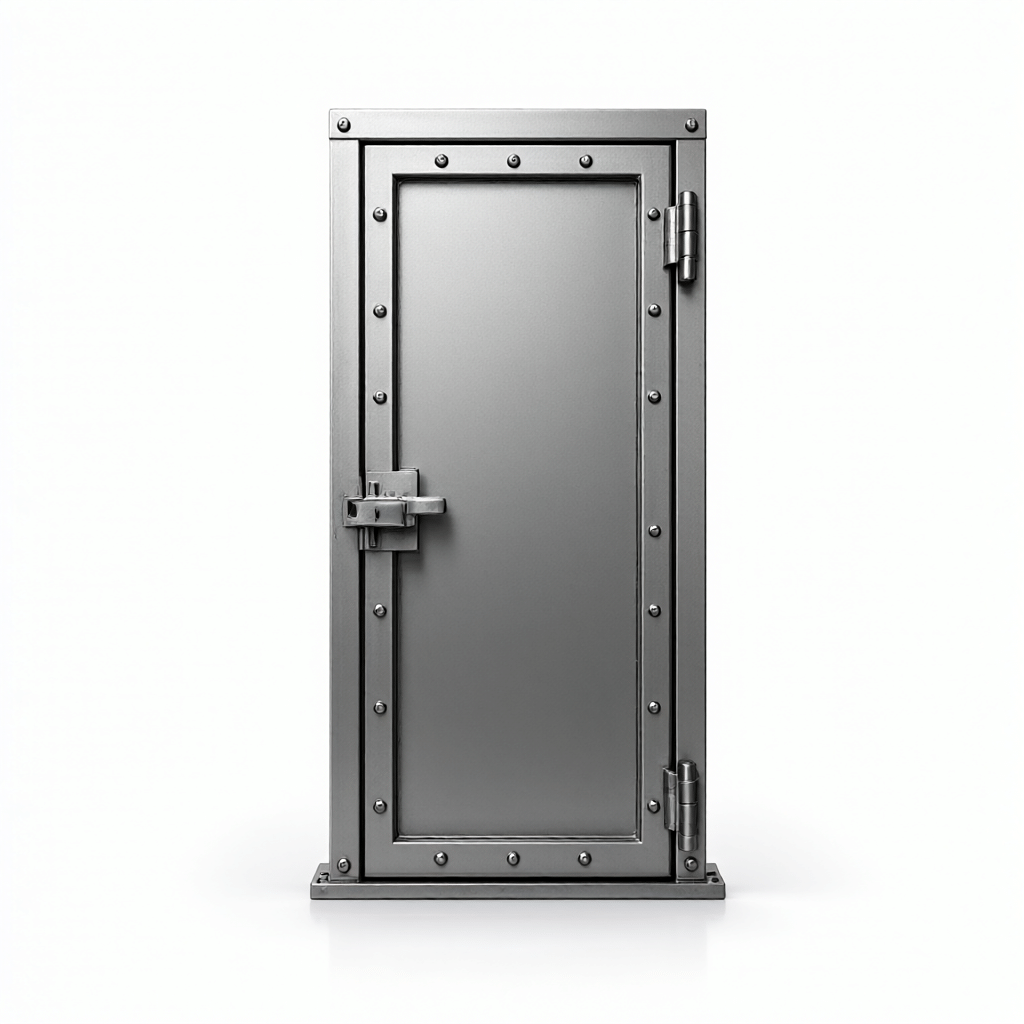
What door types are most practical to import from China to Uganda?
Three door categories dominate Uganda-bound project orders from China, each suited to different building scales and budget tiers.
Solid wood doors remain popular for villa entrances and luxury residential developments across Kampala and Entebbe. They offer natural aesthetics and strong structural presence but require proper sealing against Uganda’s seasonal rainfall. For broader interior applications, see our solid wood closet doors resource.
Thermal-break aluminum doors have gained rapid adoption among hotel and commercial builders because the broken thermally bridged frame significantly reduces heat transfer. This matters in Uganda’s varied climate zones where interior comfort and energy efficiency both influence project specifications.
System casement and sliding doors are increasingly specified for modern apartments, boutique hotels, and mixed-use developments. System doors feature multi-point locking, reinforced gaskets, and optimized drainage channels designed for consistent performance across repeated use cycles.
| Door Type | Typical Use Case | Climate Suitability | Approximate FOB Range (per unit) |
|---|---|---|---|
| Solid wood entry door | Villas, luxury residences | Moderate rain; needs sealing | $120–$245 |
| Thermal-break aluminum door | Hotels, commercial buildings | High heat, moderate rain | $89–$180 |
| System casement door | Apartments, fit-outs | All-season performance | $95–$210 |
| Sliding aluminum door | Balconies, patios, light commercial | Moderate to heavy rain | $75–$160 |
These ranges are indicative market references for project-scale orders and vary by profile thickness, glazing specification, and hardware grade.
How do you verify a Chinese factory meets basic performance and durability standards?
Factory verification goes beyond checking a website. The most reliable process combines document review, sample evaluation, and third-party or self-reported test data.
Request the factory’s pre-shipment test reports covering three core performance areas: air permeability, water tightness, and wind load resistance. Reputable manufacturers perform these tests according to recognized standards such as those published by ASTM International or referenced under ISO frameworks for fenestration products. Ask specifically for test certificates matching the performance classes relevant to Ugandan building conditions — moderate wind zones and seasonal heavy rainfall demand minimum class ratings rather than entry-level defaults.
When available, an independent factory audit checklist helps assess production capacity, quality control procedures, and material traceability. See our detailed door factory audit checklist for B2B procurement evaluation to understand what physical inspection points matter most.
Third-party inspection agencies operating in Guangdong and Zhejiang provinces can conduct pre-shipment checks on your behalf. A simple video walkthrough of finished goods in packaging is useful but insufficient — it does not replace documented test results or controlled-sample verification.
Which shipping and documentation options work reliably for Uganda-bound door shipments?
Uganda is landlocked, so nearly all containerized door imports from China route through Mombasa Port in Kenya before overland transport to Kampala and other project sites. Understanding the two main shipping configurations is essential for budgeting and scheduling.
Full Container Load (FCL) is the standard choice for medium to large projects. A single 20ft container typically holds between 80 and 150 door sets depending on dimensions and packaging configuration. Refer to our 20ft container door loading quantity guide for detailed loading patterns. Our comparison of FCL vs LCL for door and window procurement explains when consolidated shipping makes sense and when it introduces unnecessary risk for time-sensitive project deliveries.
Less than Container Load (LCL) may suit smaller renovations or phased project purchases, but it increases handling exposure and transit variability. Door frames and glazed units are sensitive to shifting during consolidation, so LCL should be evaluated carefully against potential damage risk.
The shipping documentation package must include a packing list, a proforma invoice, and complete customs export documents. Your supplier should be experienced in foreign trade documentation so these papers are accurate and consistent — discrepancies between the packing list and commercial invoice are the most common cause of port delays at Mombasa.
For duty and tariff planning, consult our door HS code and import duty procurement guide for current classification reference. Import duties, VAT, and URA assessment procedures should be confirmed with a licensed Ugandan clearing agent before finalizing supplier selection.
Where can a buyer request a formal quote from a China-based door manufacturer?
A structured RFQ dramatically improves quotation accuracy and response speed. Prepare the following information before contacting any supplier:
- Project location and building type (hotel, residential development, commercial fit-out)
- Required door quantities per type and approximate total square meters
- Target performance class for wind, water, and air permeability
- Glass specification — clear, tinted, tempered, or laminated
- Hardware preference — handle set, lock cylinder type, hinge material
- Desired finish color and surface treatment
- Delivery timeline and preferred Incoterm (FOB, CIF, or CFR)
Suppliers that respond with detailed technical clarification rather than a single price figure are typically more experienced with international project procurement.
Specifications at a Glance — What Are the Key Specs for Uganda-Bound Doors?
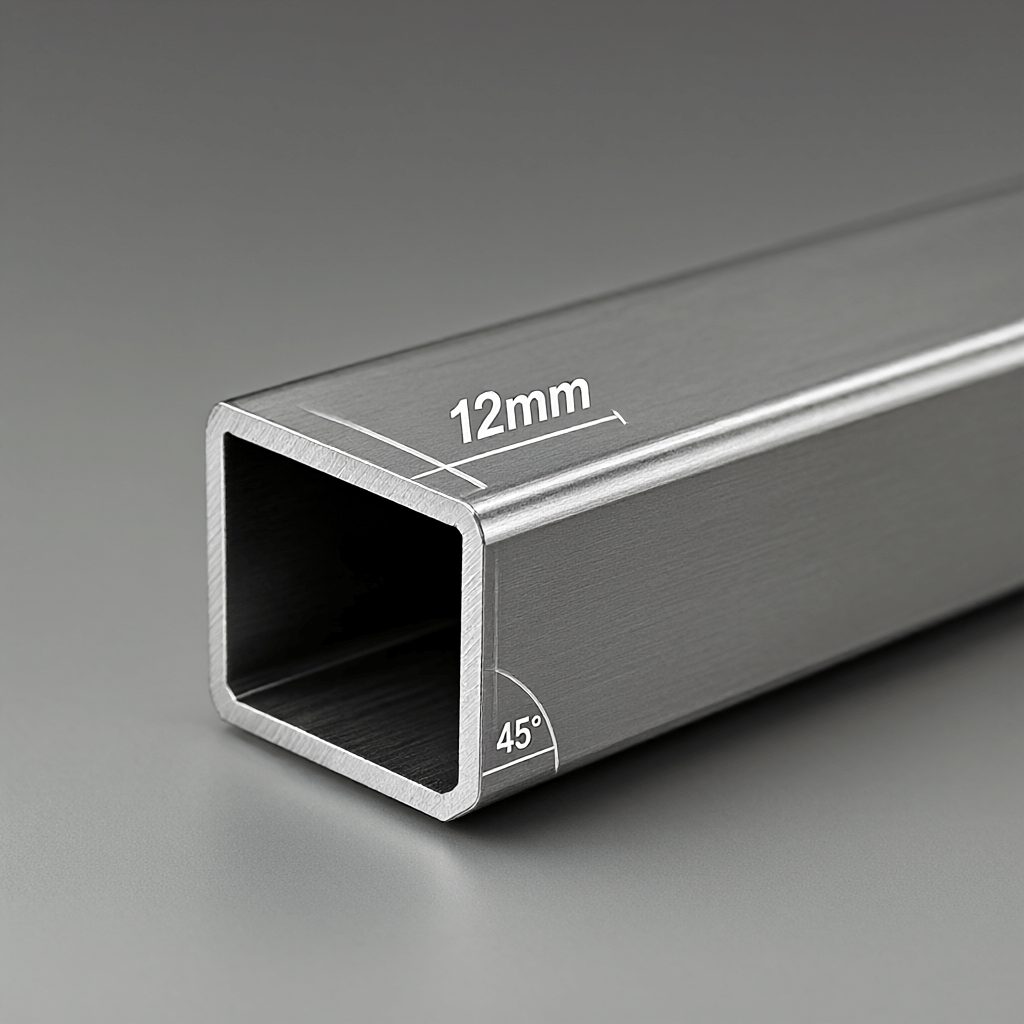
Before placing a purchase order, every specification below should be explicitly stated in writing. These parameters determine performance, installation compatibility, and long-term durability in Ugandan conditions.
Profile and frame construction: Aluminum profiles should specify wall thickness, typically ranging from 1.4 mm to 2.0 mm for exterior doors in this application tier. Thermal-break strips must be polyamide (PA66), not PVC, to maintain structural rigidity under sustained heat exposure.
Glass configuration: Double-glazed units with 6 mm glass panels and a 12 mm or 16 mm air gap are common for Ugandan projects. Tempered glass is strongly recommended for entrance doors and ground-floor installations. Our powder coat vs anodized vs PVDF finish comparison outlines how surface treatment choices affect longevity in humid and high-UV environments.
Hardware grade: Imported European-style multi-point locks and stainless steel hinges outperform economy alternatives in salt-air and high-humidity coastal projects. Specify handle material, lock core standard, and hinge load rating.
Performance class targets: Match rated performance to the building’s exposure zone. Ground-floor entrances and upper-floor balcony doors face different wind pressure demands. Reference ICC guidance alongside Ugandan national building code requirements when setting performance expectations.
Finish and color: RAL color codes should be specified rather than descriptive names. Anodic or powder-coated finishes in dark tones show less fading under East African UV intensity.
Standards & Requirements — What Standards Apply to Door Imports into Uganda?

Ugandan construction projects generally follow building regulations aligned with East African regional standards and international benchmarks. While Uganda does not mandate a single imported-certification label for all door products, major private developers and government tender specifications frequently require verifiable test documentation.
Key reference points include:
- ISO standards for architectural hardware and aluminum extrusion quality management systems
- ASTM International test methods for window and door air/water/wind performance evaluation
- National Bureau of Standards and UNBS conformity assessment procedures for imported building materials
- Uganda Revenue Authority (URA) customs classification and duty schedules
Fire-rated doors follow separate certification tracks. Our EI30 vs EI60 vs EI90 fire resistance rating comparison guide explains how fire door classifications map to project safety requirements, which is relevant if the scope includes stairwell or corridor entrance doors.
Before You Decide — What Should You Consider?
Several decision factors separate smooth project procurement from costly complications.
Total landed cost matters more than unit price. A lower FOB price can disappear once freight, insurance, port charges, and Ugandan import duties are included. Request a landed-cost estimate from your freight forwarder early, before signing the supplier contract.
Customization feasibility varies by manufacturer. Not every factory can adjust profile cross-sections or hardware layouts to match local Ugandan installation conventions or developer preferences. Confirm adjustment capability before committing to custom sizes or private-label finishes.
Sample approval prevents批量 errors. Always approve a physical or photorealistic sample confirming glass type, hardware operation, color match, and corner joint quality before authorizing full production runs.
Payment terms should protect both sides. Standard practice involves a deposit against Proforma Invoice and balance before shipment release. Letters of credit are available through most Chinese factories for larger orders but increase administrative overhead.
How We Meet These Standards
As a China-based door manufacturer, our approach focuses on matching project specifications to tested product configurations rather than pushing generic catalogs. We adjust profile structures and fitting selections to align with the requirements of East African building projects, including Uganda.
Our production process includes pre-shipment verification of air-tightness, water-tightness, and wind resistance before any container is sealed. This reduces the chance that performance gaps reach the job site. We also prepare full export documentation — packing list, proforma invoice, and customs paperwork — so shipments clear Mombasa with minimal delay.
We support FCL and LCL shipping directly from the factory and offer full customization across size, glass type, surface finish, and hardware accessories. If you are evaluating a China door supplier for an upcoming Uganda project, we welcome the opportunity to discuss your specifications and provide a formal quotation.
Frequently Asked Questions
How do I find a trustworthy door manufacturer in China?
Verify the factory through test report reviews, third-party inspection reports, and references from prior export shipments. Request a sample order first, and check whether the supplier routinely ships to East African ports rather than treating China-Uganda routes as experimental.
What certifications are required for importing doors into Uganda?
Uganda does not publish a single mandatory certification list for all door types, but UNBS conformity assessment and URA customs procedures apply. Major developers often require ISO-aligned test reports for wind, water, and air performance. Fire-rated doors need separate rating documentation.
What is the total landed cost including shipping and customs?
Unit prices typically range from approximately US$89 to US$245 FOB depending on door type and specification. Add sea freight, insurance, Mombasa port charges, and Ugandan import duties to arrive at the true landed cost. Freight rates fluctuate and should be confirmed with a forwarder at quotation time.
Can Chinese manufacturers customize doors for Ugandan market standards?
Yes. Many China-based door producers adjust profile dimensions, glazing configurations, hardware selections, and surface finishes to meet specific project requirements. Confirm customization scope and any additional tooling costs before signing the purchase order.
What are common scams to avoid when sourcing from China?
Red flags include suppliers refusing to share test reports, requesting 100 percent payment upfront without escrow or LC protection, providing inconsistent documentation between invoice and packing list, and offering prices far below market averages without clear material justification. Use verified trading platforms and independent inspections whenever possible.
Sources & References
- ASTM International — www.astm.org
- ISO — www.iso.org
- solid wood closet doors — doorwoodendoors.com
- door factory audit checklist for B2B procurement evaluation — doorwoodendoors.com
- 20ft container door loading quantity guide — doorwoodendoors.com
- FCL vs LCL for door and window procurement — doorwoodendoors.com
- door HS code and import duty procurement guide — doorwoodendoors.com
- powder coat vs anodized vs PVDF finish comparison — doorwoodendoors.com
- ICC — www.iccsafe.org
- EI30 vs EI60 vs EI90 fire resistance rating comparison guide — doorwoodendoors.com











