
Last updated: November 27, 2026
The Bottom Line Up Front
For most data center projects, a 2-hour rated hinged steel compartment door with a self-closer and monitored contact covers the majority of MEP shaft openings. Where swing clearance drops below 24 inches, a pocket or roll-up fire-rated shaft door becomes the default. Stainless steel suits high-moisture corridors; cold-rolled steel is the workhorse for standard dry shafts. Always verify the rating against local IBC amendments before locking a spec.
Categories Explained
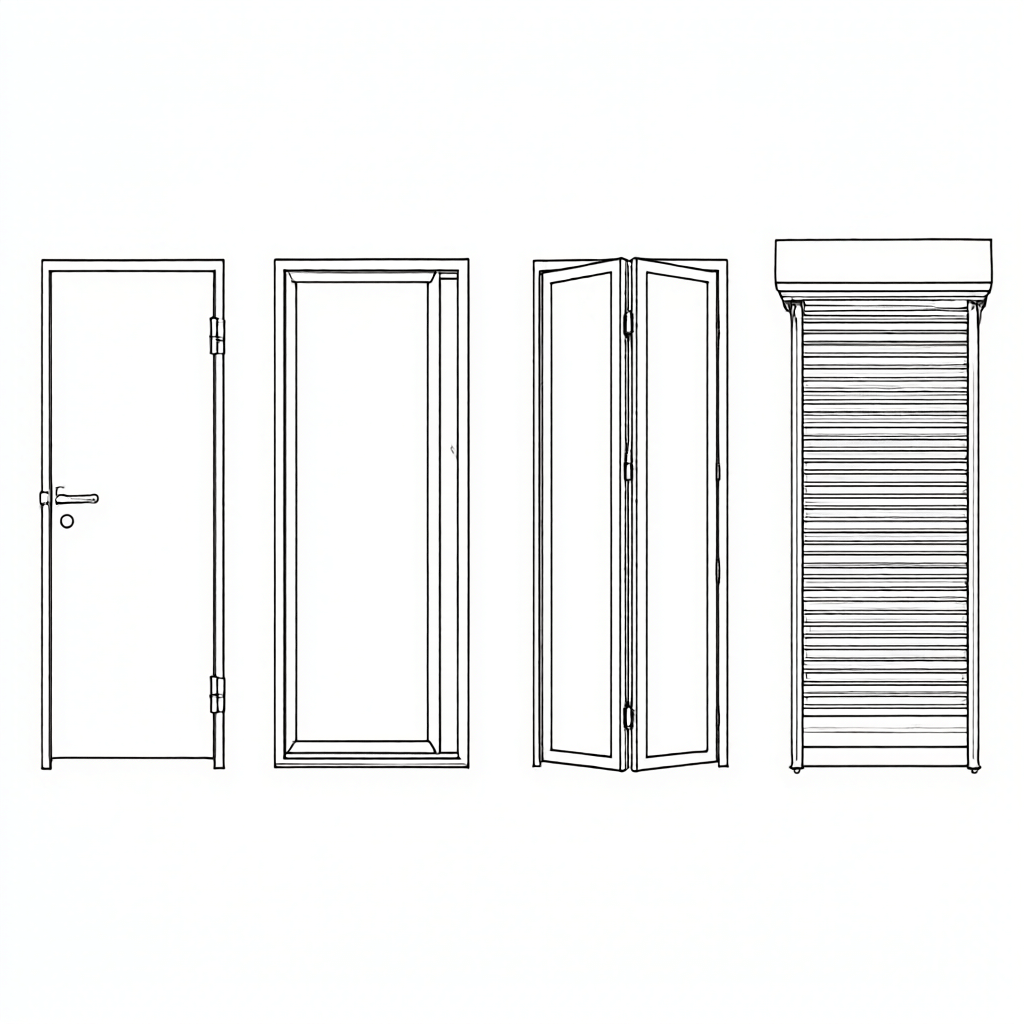
What type of utility shaft door fits a narrow MEP corridor?
In corridors under 24 inches wide, a hinged door cannot swing without blocking the passage. Pocket (concealed) doors slide into the adjacent wall cavity, eliminating swing clearance. Roll-up doors stack above the opening and suit shafts with available overhead space. For tight data center utility corridor doors where both swing and overhead room are constrained, a pocket mechanism is typically the only viable option.
How do hinged shaft doors compare to pocket doors in tight data center shafts?
Hinged doors offer the simplest hardware, lowest cost, and fastest field adjustment. Pocket doors require a reinforced wall channel (typically 4×4 inches or larger) behind the finish, adding half an inch to wall thickness and costing 20–40% more than an equivalent hinged unit. In a hyperscale greenfield, the channel can be cast into the structure during design; in a colocation retrofit, verifying existing wall depth is critical before specifying a pocket system.
What material works for high-cycle fire-rated shaft doors?
Cold-rolled steel (per ASTM International structural and enclosure steel standards) is the default for dry MEP shafts. Galvanized steel adds corrosion resistance at modest cost. Stainless 304 or 316 is specified where condensate or chemical exposure makes a penetration door subject to rust. Stainless lasts 2–3× longer than galvanized in aggressive environments but costs roughly 40–60% more upfront, so the lifecycle trade-off depends on shaft location and humidity.
Comparison Table
| Criterion | Hinged Steel | Pocket (Concealed) | Roll-Up |
|---|---|---|---|
| Fire rating available | 20 / 45 / 90 min | 20 / 45 min (90 rare) | 20 / 45 / 90 min |
| Clearance required | 24 in swing | 4×4 in wall channel | 6–12 in overhead stack |
| Typical material | Cold-rolled, galvanized, SS | Cold-rolled or galvanized | Cold-rolled, galvanized |
| Best data-center use | Standard dry MEP shafts | Narrow utility corridors | High-clearance penetrations |
| Relative unit cost | Baseline | +20–40 % | +10–25 % |
| Maintenance cycle | Hinge/closer annual | Track lubrication quarterly | Spring/roller annual |
How to Choose
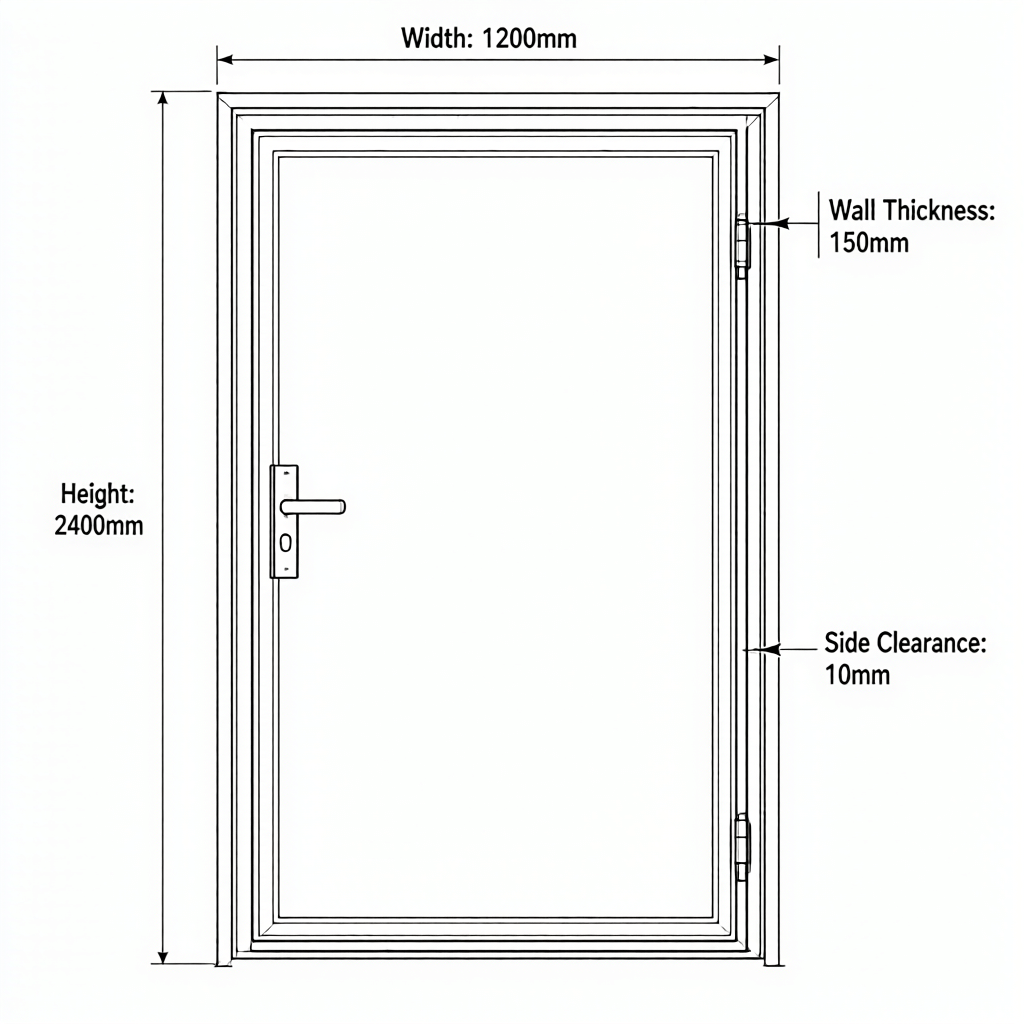
What fire rating is required for utility shaft doors in a data center building?
The IBC, as referenced by ICC, assigns fire-resistance ratings to shafts and compartments. In data center buildings, shafts separating occupied zones from high-density equipment rooms typically require a 2-hour (120-minute) rating; single-compartment shafts may drop to 1-hour minimums depending on hazard classification. NFPA 80 governs installation and inspection of the finished assembly. For a tier-by-tier breakdown of EI30, EI60, and EI90 ratings mapped to IBC requirements, see our EI30 vs EI60 vs EI90 fire-resistance comparison.
What hardware and life-safety add-ons belong on a data center spec sheet?
Every MEP access panel in a data center needs a self-closer to guarantee latching after each opening. Panic hardware (push-bar) is required on any shaft door serving as a means of egress. A fire exit device with electric release holds the door latched during a fire event but opens on alarm. A monitored contact (microswitch or magnetic) feeds the BMS so facility engineers get an instant alert if the compartment door is left open. Specify all four in the line items; omitting even one creates a code gap at inspection.
What size and dimensional standards apply to data center utility shafts?
Standard shaft-door sizes run from 18×18 inches (small conduit access) through 30×36 and 36×48 inches (typical cable and pipe penetrations) up to 48×72 inches for large riser shafts in hyperscale facilities. The door must be sized to the rough opening minus 3/16 inch, per standard fire-door installation tolerances. In edge data center build-outs where shafts are smaller, 24×30 and 30×36 inches are common. Confirm the final dimension against the stamped architectural and MEP drawings, not a product catalog.
What It Costs: Utility Shaft Doors for Data Center Projects
What is the per-unit cost of utility shaft doors for data center projects?
Factory-direct pricing for utility shaft doors for data center projects typically falls in these ranges:
- Cold-rolled steel, hinged, 36×48 in, 2-hr rated: $180–$320
- Galvanized, hinged, same size/rating: $220–$380
- Stainless 304, pocket, 30×36 in, 1-hr rated: $350–$520
- Stainless 316, hinged, 48×72 in, 2-hr rated: $450–$680
Add $60–$140 for panic hardware, $40–$80 for a monitored contact, and $30–$60 for a fire exit device. Volume breaks at 50+ units typically reduce per-door cost by 10–15%. Freight from China adds $20–$50 per unit under LCL; a full FCL container amortizes shipping to under $10 per door. For a side-by-side of container versus less-than-container freight, see our FCL vs LCL shipping comparison for door procurement.
Evidence & Practical Notes
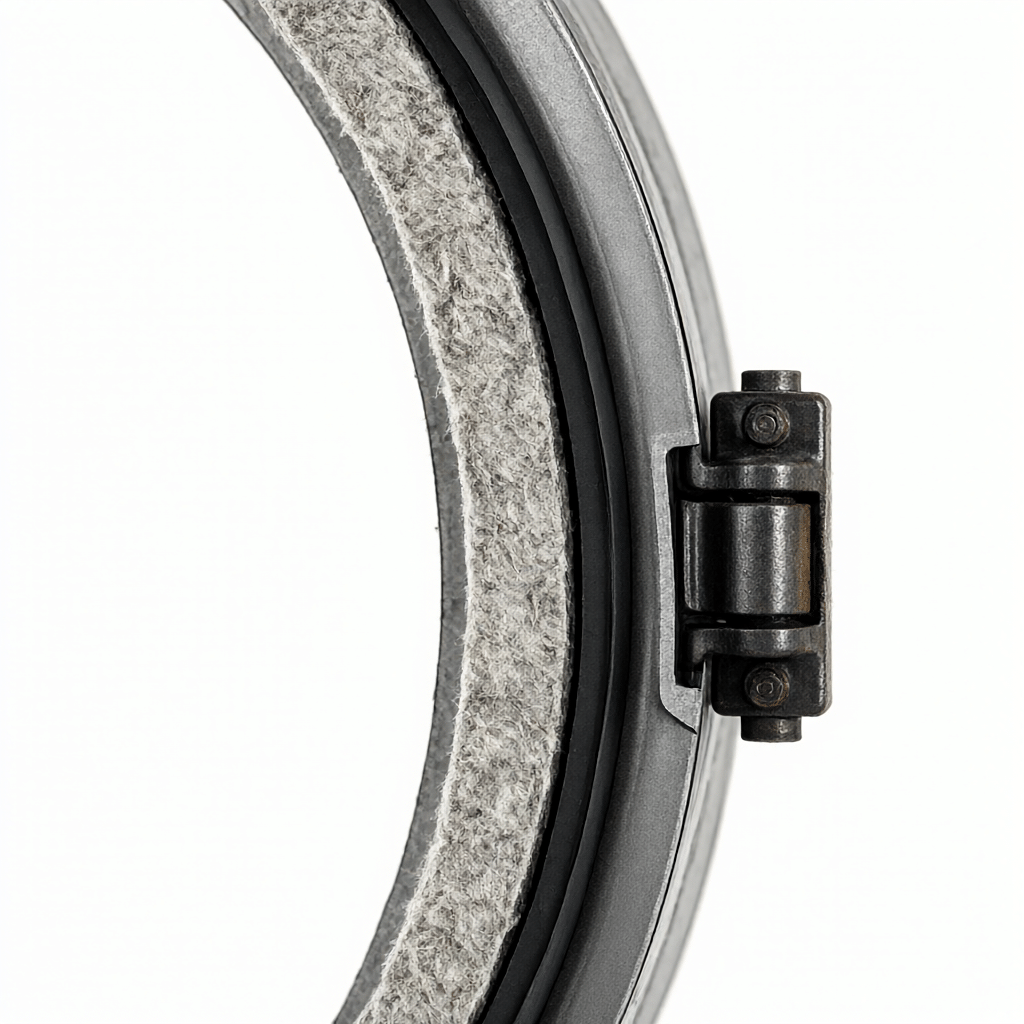
Pocket doors rated at 90 minutes remain uncommon in the U.S. market; most manufacturers cap concealed-door fire ratings at 45 minutes, so verify the specific assembly listing before specifying. In a colocation retrofit, the wall channel for a pocket door often does not exist, forcing a hinged or roll-up substitution that changes corridor clearances. Galvanized doors in high-humidity server-adjacent shafts can show visible corrosion in under five years without a protective powder-coat finish. Always confirm the door, frame, and hardware carry a single third-party listing; piecing components from different manufacturers voids the fire rating.
How Jusen Door and Windows Meets These Standards
As a factory-direct manufacturer, we produce fire-rated utility shaft doors and MEP access panels with full customization on size, color, glass, and hardware accessories, eliminating middleman markup on hyperscale or edge data center orders. Every door assembly undergoes pre-shipment inspection for air-tightness, water-tightness, and wind resistance before it leaves the line.
Our export team handles packing lists, proforma invoices, and full customs documentation for FCL and LCL shipments, and we adjust profile structure and fittings to match local building-code requirements in target markets. For importers managing duty and classification, our Door HS Code & Import Duty guide covers the relevant tariff lines. To evaluate any supplier against these criteria, use our door factory audit checklist for B2B procurement.
Frequently Asked Questions
What is the most common fire rating for data center MEP shaft doors?
Two-hour (120-minute) ratings dominate where shafts separate occupied zones from high-density equipment rooms. Single-compartment shafts may use 1-hour doors. Confirm against the local IBC amendment before specifying.
Can I substitute a roll-up door for a hinged shaft door?
Yes, where overhead clearance permits a 6–12 inch stack. Roll-up doors suit large penetrations and sunroom-adjacent openings. They are not ideal for standard 36×48 shafts where a hinged door is simpler and cheaper.
Which material lasts longest in a humid, server-adjacent shaft?
Stainless 316 outlasts galvanized and cold-rolled steel in high-moisture or chemical-exposure environments. Cold-rolled steel remains the cost-efficient default for dry shafts.
Do utility shaft doors need a monitored contact in a data center?
Specs following NFPA 80 and BMS integration typically require a monitored microswitch or magnetic contact so operators are alerted when the compartment door is open, preserving the fire-rated separation.
How does shipping affect total landed cost for imported shaft doors?
LCL freight adds $20–$50 per unit; a full container drops freight to under $10 per door at 150+ units. Duty under the correct HS code can add 4–10%. Plan quantities using our 20ft container loading guide for doors.
Sources & References
- ASTM International — www.astm.org
- ICC — www.iccsafe.org
- EI30 vs EI60 vs EI90 fire-resistance comparison — doorwoodendoors.com
- FCL vs LCL shipping comparison for door procurement — doorwoodendoors.com
- Door HS Code & Import Duty guide — doorwoodendoors.com
- door factory audit checklist for B2B procurement — doorwoodendoors.com
- 20ft container loading guide for doors — doorwoodendoors.com











