
Last updated: November 26, 2026
Quick Overview
A reliable fire door inspection manufacturer combines certified production capability with pre-shipment testing — verifying that each rated door meets its stated fire endurance, air-tightness, water-tightness, and wind resistance before it leaves the factory. For bulk procurement on commercial construction projects, hotels, or multi-unit residential developments, the evaluation hinges on three things: valid test reports from an accredited laboratory, traceable material specifications, and documented quality-control procedures that align with your local building code.
Specifications
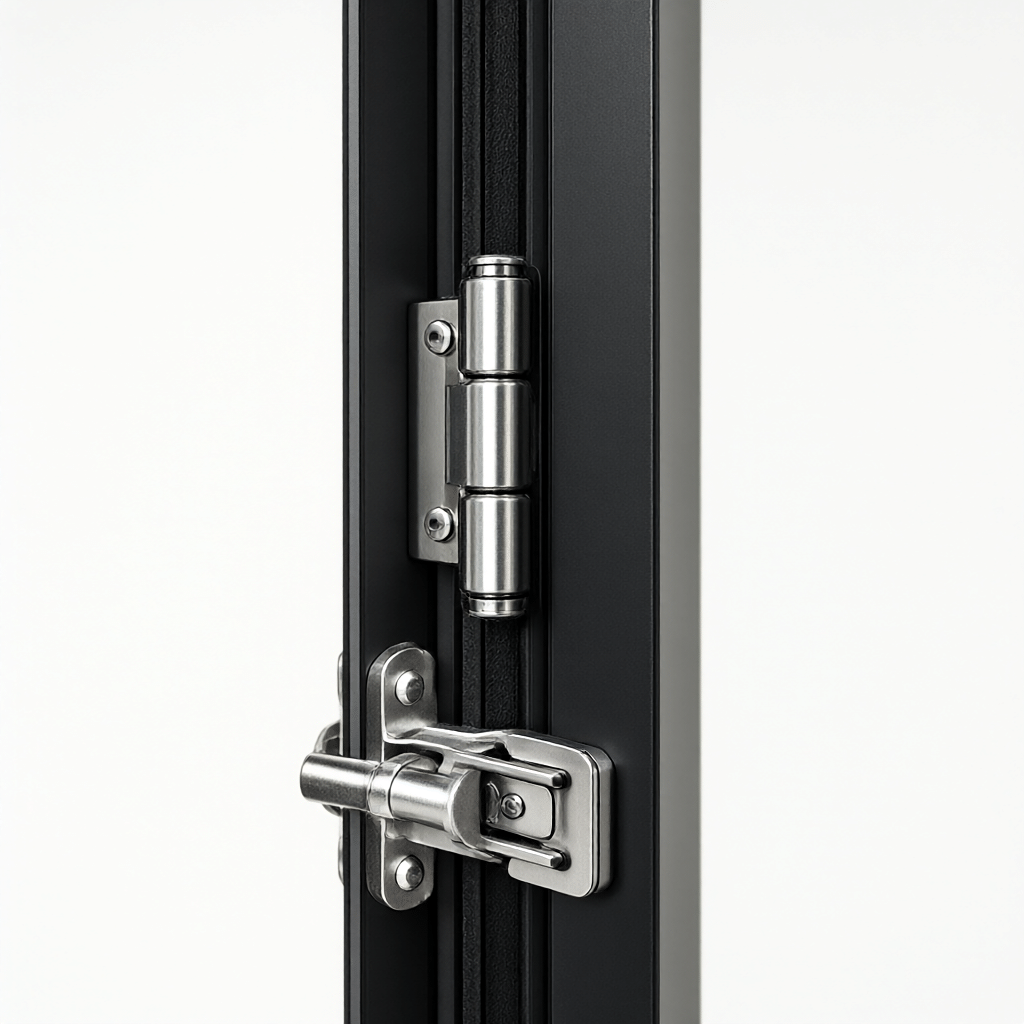
What are the key specifications of fire doors from certified manufacturers?
Fire doors are defined by a small set of critical parameters that directly determine their legal acceptance and long-term performance. Buyers should verify each one against the project’s code jurisdiction rather than relying on a supplier’s general catalogue.
| Specification | Typical Range / Standard | Why It Matters |
|---|---|---|
| Fire rating duration | 20 min, 45 min, 60 min, 90 min, 120 min (EN 1634-1) or 1.5 hr / 3 hr (ASTM E2092 / UL 10C) | Determines where the door can be installed per building type and egress requirements |
| Core material | Mineral wool, vermiculite board, or intumescent-filled composite core | Affects thermal insulation, weight, and sound rating alongside fire performance |
| Frame profile | Steel galvanized frame (typically 1.2–1.5 mm gauge) or reinforced aluminum | Must match the door leaf rating; hollow frames compromise integrity under fire |
| Glazing options | Certified fire-rated glass panels (up to 25% of leaf area in some ratings) | Requires same fire-rating certification as the leaf; intumescent seals around glazing |
| Hardware | Fire-rated hinges (typically 3 per door), close器, panic exit devices, latching mechanisms | All hardware must be listed for the fire door assembly; unlisted parts void certification |
| Intumescent seals | Encapsulated or grooved strips that expand at ~200°C | Critical for smoke and flame barrier — must be present on all perimeter edges |
| Thickness | 35 mm to 54 mm depending on rating | Thicker doors generally carry higher ratings but affect framing and handling |
| Surface finish | Powder-coated, PVDF, wood veneer over substrate, or natural aluminum | Aesthetic requirement does not alter fire performance if applied correctly |
When sourcing a UL-listed fire door producer or a fire door certified factory, the certification label on each door is the first checkpoint — it confirms the assembly has been tested as a complete unit, not just the leaf in isolation. The label should show the listing agency mark, fire rating, and any limitations (e.g., maximum opening size, required hardware).
For projects requiring smoke control alongside fire separation, ask whether the door carries a positive-pressure test certification per ASTM E1680 or equivalent, since standard fire-door tests do not measure air leakage during the post-fire cool-down phase.
Where can inspected fire doors be used?
Fire-rated doors appear across building categories where compartmentation and safe egress are code-mandated. The application drives which rating and which testing regime applies.
| Building Type | Typical Rating Requirement | Key Considerations |
|---|---|---|
| Hospitals & healthcare facilities | 60–90 min (hallway/room separations); stairwells often 2 hr | Smoke barrier doors require tighter gasketing and closer monitoring of intumescent seal placement |
| Schools & educational buildings | 20–60 min corridors; 90 min stair enclosures | High-traffic usage demands robust hardware and frequent inspection schedules per NFPA 80 |
| Multi-unit residential (apartments, condos) | 60 min between units; 90 min stairwell and lobby separations | Corridor doors with viewing windows need listed glazing assemblies |
| Hotels & hospitality | 20–60 min guest-room corridor doors; 90 min egress stairs | Door closer adjustment and held-open devices must comply with fire-alarm interlock codes |
| Industrial facilities & warehouses | 60 min for partitioning high-hazard areas | Often paired with large-panel fire doors; heavy-duty hardware required |
| Mixed-use and high-rise commercial | 90–120 min for structural separation and atrium partitions | Elevator lobby and mechanical-room doors demand the highest integrity ratings |
A responsible fire door testing lab manufacturer will provide a cross-reference matrix showing which of its door assemblies meet the requirements for each building occupancy type, so specifiers can quickly narrow options without ordering multiple physical samples.
Buying Factors
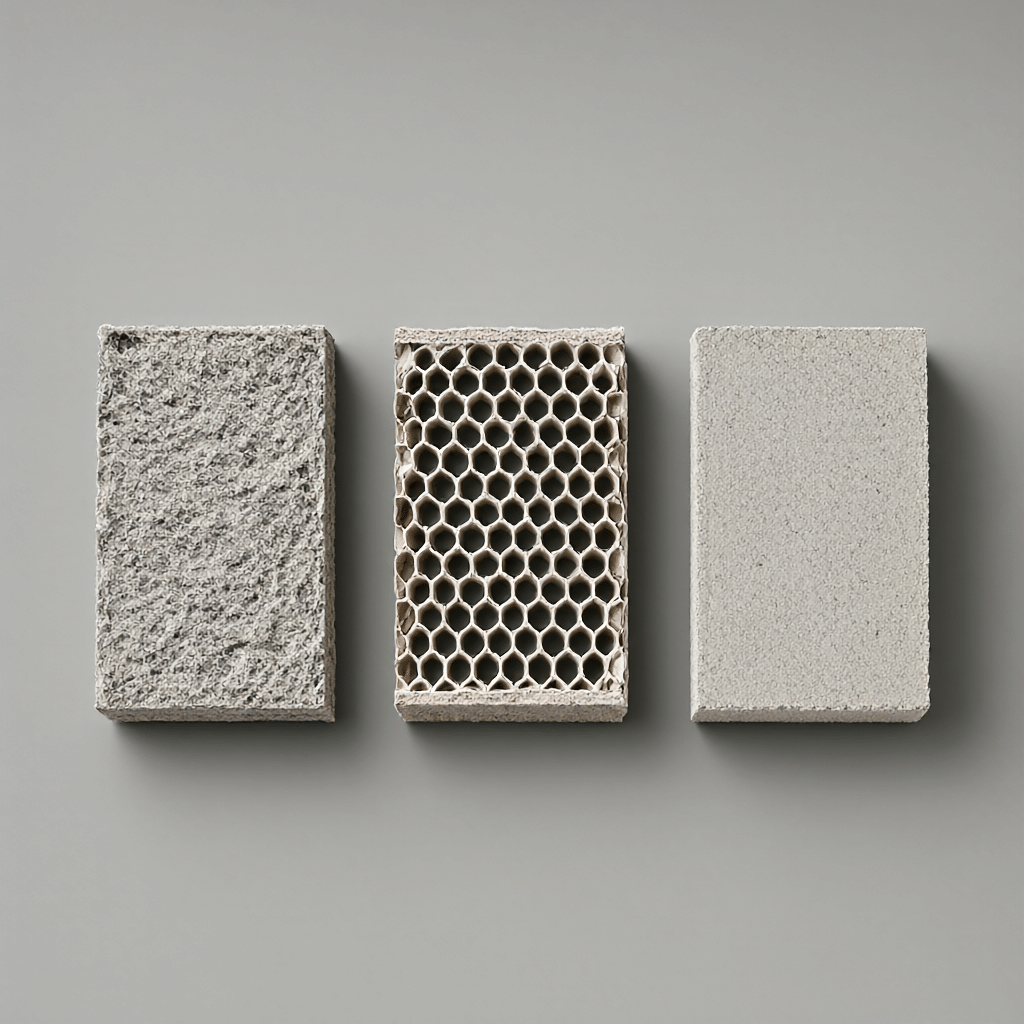
What certifications should a reliable fire door inspection manufacturer hold?
Certification is the baseline gatekeeper. A manufacturer that cannot produce current, verifiable test reports is not ready for a bulk order.
- Product certification: Doors must be tested and listed by an Nationally Recognized Testing Laboratory (NRTL) such as UL, Warnock Hersey (ETL), or Intertek. In Europe, certification follows EN 1634-1 with a Notified Body mark. The test report should reference a specific assembly number and include photos of the tested configuration.
- Quality management system: ISO 9001 certification demonstrates a documented process for consistent production, record keeping, and corrective action — essential when you are placing hundreds of units across multiple shipments.
- Inspection personnel credentials: If the manufacturer also performs the pre-shipment inspection function, those inspectors should hold credentials recognized under NFPA 80 or your local adopting code. NFPA 80 itself references ASTM E2092 for field inspection of steel fire doors, establishing the criteria for checking hinges, closers, latching, glazing, and intumescent seals.
- Third-party audit reports: Annual surveillance audits by the listing agency confirm the factory’s ongoing compliance — the products leaving the line must match what was originally tested.
Note that NFPA 80 (current edition) governs the installation and periodic inspection of existing fire doors in occupied buildings, while product manufacturing standards like ASTM E2092 and EN 1634-1 define what the door must withstand in the furnace. Both apply at different stages of the door lifecycle, and a competent manufacturer understands the distinction.
What to consider when buying fire doors in bulk from a manufacturer?
Bulk procurement introduces variables that single-door orders do not. The following decision framework helps you evaluate whether a manufacturer can deliver consistently across a large project.
| Decision Factor | What to Verify | Red Flag |
|---|---|---|
| Test report authenticity | Cross-check listing agency database; request assembly photo with serial number | Generic PDF without traceability details |
| Production lead time | Written commitment tied to material availability; buffer for re-testing if changes occur | Vague timelines like “4–8 weeks” with no breakdown |
| Factory capacity | Monthly output volume; ability to sustain ramp-up for phased delivery | No evidence of current project load |
| Quality control documentation | In-process inspection records, final test certificates per batch, packing lists | Reliance solely on a mill certificate for steel |
| Code adaptability | Willingness to adjust profile depth, hinge location, or hardware to match local amendments | Rigid catalogue with no engineering flexibility |
| Export documentation | Proforma invoice, commercial invoice, packing list, certificates of origin, any customs-support documents | Missing or incomplete export paperwork |
| Shipping terms | FCL vs. LCL capability; container loading plan; moisture protection for coated surfaces | No containerization experience or damage history |
The distinction between a manufacturer-inspector model and an arm’s-length third-party inspection matters for liability. When the same entity supplies and inspects, the warranty pathway is straightforward — defects are their responsibility to remediate. However, some authorities having jurisdiction (AHJs) require an independent inspector for close-out, particularly on hospitals and schools. Clarify this early in the project to avoid last-minute replacement costs.
Can fire door specifications be customized to match local building codes?
Customization is where many bulk buyers encounter friction. Building codes vary significantly by country and even by municipality, and a door tested for one jurisdiction may not satisfy another without engineering adjustment.
Common customization requests include:
- Profile depth adjustments to accommodate thicker wall assemblies in seismic zones
- Hardware configuration changes — switching from surface-closed to concealed hinges, or specifying crash bars rated for the local egress code
- Glass size and type variations within the tested assembly limits
- Finish and color matching to architectural requirements while preserving the fire-rating label
- Frame reinforcement for high-wind coastal regions where the door also serves as a weather barrier
A manufacturer that treats every custom request as a non-starter is likely working from a fixed mould set with limited engineering support. One that evaluates each modification against its original test report — and flags when a change would require re-testing — is operating at the professional level bulk buyers need.
Price & Cost

How much do bulk fire doors cost? (FOB China)
Pricing for fire-rated doors scales non-linearly with quantity, material specification, and testing tier. The figures below reflect typical FOB China wholesale ranges for orders starting at 50+ units. These are reference ranges for trade buyers and should be validated against current raw-material prices and container rates at the time of inquiry.
| Door Type | Rating | Quantity Tier | FOB China Range (USD/unit) |
|---|---|---|---|
| Single steel fire door (solid core) | 60 min | 50–99 units | $180 – $280 |
| Single steel fire door (solid core) | 60 min | 100–299 units | $155 – $230 |
| Single steel fire door (solid core) | 60 min | 300+ units | $130 – $195 |
| Double steel fire door (solid core) | 60 min | 50–99 units | $320 – $480 |
| Double steel fire door (solid core) | 60 min | 100–299 units | $275 – $410 |
| Double steel fire door (solid core) | 60 min | 300+ units | $230 – $350 |
| Fire-rated glass door (metal frame) | 60 min | 50–99 units | $380 – $560 |
| Fire-rated glass door (metal frame) | 60 min | 100+ units | $320 – $470 |
| Heavy-duty industrial fire door | 90 min | 50–99 units | $420 – $650 |
| Heavy-duty industrial fire door | 90 min | 100+ units | $360 – $550 |
Indicative FOB China bulk-order pricing for trade buyers — not a retail price and not a binding offer; final pricing depends on quantity, specification and order schedule.
Request a bulk FOB quotation with your opening sizes, ratings, and target market to receive a formal proposal within 24 hours.
Beyond the unit price, budget for these cost drivers:
- Glazing upgrades add approximately $60–$150 per unit depending on glass area and rating
- Intumescent seal packaging (detached for shipping, installed on-site) reduces damage risk but adds labor
- Special powder-coat colors or PVDF finishes carry a 8–15% premium over standardRAL 9016 white
- Container optimization — proper stacking plans and corner-post protection can reduce per-unit freight cost by 10–20% compared to loose cargo shipment
Evidence & Practical Notes
Field note: During a recent hotel project in Southeast Asia, the AHJ rejected a shipment of 60-minute corridor doors because the intumescent seals were pre-installed in the groove rather than delivered as loose components per the original test report — the manufacturer had assumed on-site installation was acceptable without confirming the listing allows it. Always verify whether the tested assembly specifies seal installation method before agreeing to a modified delivery configuration.
Practical limitation: Fire door manufacturers typically quote based on standard-sized openings (e.g., 36 × 80 inches). Non-standard rough openings require engineering review and may trigger a re-test fee if the modification exceeds the assembly’s tested envelope — budget 2–4 weeks and an additional $2,000–$8,000 per unique oversized dimension for re-certification.
Buyer takeaway: Treat the test report as the primary procurement document, not the catalogue. Before issuing a purchase order, request the full assembly test file (not just the summary sheet) and confirm the listed assembly number matches exactly what you are ordering — mismatched assembly numbers are the most common source of delayed customs clearance and AHJ rejection in international fire-door shipments.
Choosing a Manufacturer You Can Specify With Confidence
Evaluating a fire door inspection manufacturer comes down to verifying that their production, testing, and documentation practices match the demands of your project’s jurisdiction and timeline. A manufacturer that invests in accredited furnace testing, maintains ISO 9001 processes, provides complete export documentation, and adapts profile structures to local codes is positioned to deliver consistent results across large orders.
As a manufacturer, our approach to these standards is practical and transparent. We supply directly from our factory without middleman markup, offering full customization on size, finish, glass type, and hardware accessories so each door assembly can be engineered to match your target market’s building code requirements. Every unit undergoes strict pre-shipment inspection — including air-tightness, water-tightness, and wind resistance testing — before it is packed for export. Our team handles all customs documentation, from proforma invoices and packing lists to certificates of origin, and we support both FCL and LCL shipments so you can choose the logistics option that fits your project schedule.
If you are evaluating suppliers for an upcoming commercial, hospitality, or residential project, send us your opening sizes and code requirements and we will respond with a specification-matched quotation and test report cross-reference.
OPENING:
Evaluating a fire door inspection manufacturer for bulk procurement requires verifying that their certified production lines, accredited furnace-test reports, and field-inspection protocols all align with the building codes governing your project’s jurisdiction. Buyers should assess four pillars before issuing a purchase order: (1) current listings from a Nationally Recognized Testing Laboratory (NRTL) with traceable assembly numbers, (2) documented quality-management and pre-shipment inspection processes covering air-tightness, water-tightness, and wind resistance, (3) capacity to adapt profile structures and hardware configurations to local code amendments, and (4) complete export-documentation readiness including proforma invoices, packing lists, and certificates of origin. The following guide breaks down every specification, certification, pricing tier, and inspection standard trade buyers need to specify fire-rated doors with confidence.
Fire Door Inspection Protocols & Ongoing Compliance
How frequently should fire doors be inspected after installation?
Per NFPA 80 (Standard for Fire Doors and Other Opening Protectives), fire doors in occupied buildings require annual inspection by a qualified person. Additional inspection triggers include:
- After any alteration, repair, or hardware replacement affecting the assembly
- Following severe impact damage or exposure to conditions compromising integrity
- When building occupancy or fire-code jurisdiction changes
- After any catastrophic event (fire, flood, seismic activity)
Some jurisdictions, particularly hospitals and high-rises governed by the ICC International Building Code, may require semi-annual or quarterly inspections for high-traffic corridor assemblies.
What documentation and reporting deliverables should a manufacturer provide?
| Document | Purpose | Format |
|---|---|---|
| Factory acceptance test report | Confirms batch conformance to listed assembly | PDF with serial numbers, test parameters, pass/fail |
| Material certificates | Verifies steel gauge, core density, glass rating | Mill test reports with traceable lot numbers |
| Export packaging list | Details container contents, weights, dimensions | Itemized with HS codes for customs |
| Certificate of origin | Required for preferential tariff treatment | Chamber-of-commerce stamped |
| Installation & maintenance manual | Guides correct field installation per listing | Multilingual, code-referenced |
| Pre-shipment inspection certificate | QC sign-off before departure | Photos of packed containers, seal numbers |
| Hardware cut-sheet cross-reference | Matches supplied hardware to tested assembly | PartNo ↔ ListingAgencyPartNo mapping |
Missing or incomplete documentation remains a leading cause of shipment rejection at destination ports and AHJ close-out delays.
Industry case: Multi-phase hospital procurement
During a $42 M hospital renovation in the Middle East, the specifier requested 1,200 fire-rated doors across 60-minute and 90-minute ratings for corridor separations, stair enclosures, and equipment-room penetrations. The procurement team evaluated three manufacturers on test-report traceability, ISO 9001 surveillance status, and ability to adapt frame profiles to local civil-defence code amendments. The selected manufacturer provided full assembly test files for each door type, shipped the order across three FCL consignments over eight weeks, and included an independent third-party inspection report per ASTM E2092 before each shipment departed the port of loading. The project achieved AHJ approval on first submission with zero non-conformances related to door certifications — demonstrating how rigorous documentation and pre-shipment verification prevent costly commissioning delays.
Procurement Buyer Checklist
Use this checklist during supplier evaluation to flag gaps before committing to a bulk order:
| # | Evaluation Item | Pass Criteria |
|---|---|---|
| 1 | NRTL listing current and verifiable in agency database | Assembly number matches PO exactly |
| 2 | ISO 9001 certification with annual surveillance audits | Certificate covers the exact manufacturing site |
| 3 | Pre-shipment inspection protocol documented | Covers air-tightness, water-tightness, wind resistance |
| 4 | Ability to adjust profile/hardware for local codes | Engineering review process described in writing |
| 5 | Full export-documentation package available | Proforma invoice, packing list, COO, customs support |
| 6 | FCL and LCL shipping capability confirmed | Container loading plan provided; moisture protection specified |
| 7 | Lead-time commitment tied to material availability | Written schedule with phased delivery milestones |
| 8 | Re-test fee policy disclosed for custom modifications | Transparent threshold defining when re-testing is triggered |
| 9 | Post-shipment warranty and defect-remediation terms | Clear RMA process with response-time SLA |
| 10 | Reference projects in target market segment | At least two comparable project references available |
Any item marked “fail” should trigger a written clarification request before purchase-order issuance. Proceeding without resolution creates liability exposure during AHJ review and field inspection.
FAQ: Bulk Fire Door Procurement
What inspection tests should a fire door manufacturer perform before shipment?
Pre-shipment testing is where a manufacturer proves its doors still match the assembly that earned its listing. Reputable factories run three categories of verification:
| Test Category | Method | Standard Reference | Pass Criterion |
|---|---|---|---|
| Fire endurance | Furnace rise per time-temperature curve; specimen held until failure or rated time expires | UL 10C / ASTM E119 / EN 1634-1 | No flame passage, temperature rise ≤ limits at unexposed side |
| Air-tightness | Positive-pressure differential across closed door; measure leakage rate | ASTM E283 or equivalent | Leakage ≤ specified cfm/ft² at test pressure |
| Water-tightness | Spray apparatus simulating rain under pressure | ASTM E331 | No water penetration through缝隙或 glazing joints |
| Wind resistance | Cyclic pressurization simulating wind load | ASTM E330 | Deflection within limits; hardware remains functional |
These four tests map directly to the pre-shipment checklist quoted in our Company & Brand Context: “strict pre‑shipment inspection: air‑tightness, water‑tightness, wind resistance test.” A manufacturer that skips any one of them is leaving a compliance gap that an AHJ can reject at close-out.
When requesting quotes, ask for the batch-level test report format — some factories provide a certificate per container; others only issue summary pass/fail statements. For projects in jurisdictions requiring stamped third-party evidence, clarify early whether your manufacturer can partner with an inspection house such as SGS, Bureau Veritas, or a local NRTL for pre-shipment witness testing.
Regulatory standards and certifications for fire doors (UL, EN, BS, AS/NZS)
Fire-door certification regimes differ by region, and confusion here is the single largest source of customs holds and specification rejections. Buyers should know which mark applies to their project jurisdiction before issuing POs.
| Region | Primary Standard | Certification Body | Typical Mark |
|---|---|---|---|
| United States | UL 10C (positive-pressure), ASTM E2092 (field inspection) | UL, ETL (Warnock Hersey), Intertek | UL label / ETL label |
| Europe / UK | EN 1634-1 (fire resistance), EN 1634-3 (smoke control) | Notified Body per EU CPR 305/2011 | CE mark + NB number |
| Australia / NZ | AS 1905.1, AS/NZS 1530.4 | SAI Global, JAS-ANZ accredited labs | Mark of Conformity |
| International (project-specific) | ISO 834 furnace curve adopted by local code | Varies by AHJ | Per authority requirement |
NFPA 80 (Standard for Fire Doors and Other Opening Protectives) is the governing installation-and-inspection standard in the US — it does not certify products but defines how often existing doors must be inspected after occupancy begins. Product manufacturing remains under UL/ASTM or EN regimes depending on where the door was tested.
For global projects spanning multiple jurisdictions, insist that the manufacturer can produce test reports under at least two of the above regimes. This flexibility prevents redesign or re-testing when a project shifts between, say, a US IBC-compliant build and a UK Approved Document B scheme.
What constitutes a manufacturer vs. a third-party inspector?
Procurement teams sometimes conflate these roles, creating liability confusion.
| Role | Responsibility | Typical Output |
|---|---|---|
| Manufacturer | Designs, engineers, fabricates, furnaces-tests, certifies product | Assembly test report, UL/ETL label, ISO 9001 QMS records |
| Third-party inspector | Independently verifies installation, ongoing condition, code compliance | Inspection report, deficiency log, NFPA 80 compliance statement |
| Listing agency | Audits factory, approves test data, authorizes use of mark | Surveillance audit report, database of listed assemblies |
Our brand positions itself squarely as the manufacturer side — we design and produce the doors, run pre-shipment air-tightness/water-tightness/wind-resistance checks, and ship with full export documentation. We do not replace the role of a certified field inspector required by NFPA 80 for periodic reviews after the building is occupied. Knowing this boundary protects both specifier and owner during commissioning.
Frequency and scheduling of fire door inspections
After a door leaves our factory and is installed, the inspection clock starts. NFPA 80 (current edition) mandates:
- Initial inspection: Within 12 months of installation or at time of certificate of occupancy
- Recurring inspection: At least annually thereafter
- Trigger-based inspection: After any event that could damage the door (impact, renovation near the opening, fire exposure)
Commercial and residential owners typically budget an inspection contract covering all rated openings in a facility. For a 200-door hotel, that means a scheduled walk-through each year with documented findings per door — hinge count, closer adjustment, seal condition, glazing integrity, and label legibility.
Manufacturers who also offer OEM inspection-service partnerships give owners a single vendor chain from production through lifecycle compliance. If you want us to include inspection scheduling as part of your bulk order package, mention it on the inquiry — we coordinate with accredited field-inspection providers on request.
Certifications and qualifications of inspection providers
Not all inspection entities carry equal weight with authorities having jurisdiction. Verify these credentials before signing an annual inspection contract:
- Inspector certification: NICET Level III or IV in Fire Alarm or Building Security, or equivalent per your local adopting code
- Reference standard training: Demonstrated competency with NFPA 80 tables and ASTM E2092 checklists
- Insurance: Professional liability coverage sufficient for the scope of work
- Tool calibration records: Gauges, torquewrenches, and gauged clearance tools current per manufacturer specs
When sourcing a manufacturer for bulk fire doors, ask whether they maintain a list of vetted inspection partners in your region. A smooth hand-off from factory delivery to first AHJ sign-off depends on both parties understanding the same code edition.
Documentation and reporting deliverables
Every fire-door transaction should generate a paper trail traceable to the unit level. Minimum deliverables:
| Deliverable | Issued By | Timing |
|---|---|---|
| Proforma invoice with itemized specs | Manufacturer | Pre-order |
| Assembly test report (full file, not summary) | Manufacturer / Listing Agency | On request |
| Mill certificate for steel components | Manufacturer | Per shipment |
| Pre-shipment test certificates (air/water/wind) | Manufacturer QC lab | Before loading |
| Commercial invoice, packing list, COO | Manufacturer / Export agent | With shipment |
| NFPA 80 inspection report (post-installation) | Third-party inspector | Annually |
Keep these organized by room/zone rather than by shipment lot — it saves hours during AHJ walkthroughs and simplifies the transition to the facility’s long-term fire-protection program.
Application scenarios by building type and code requirements
While the earlier table outlined typical ratings by occupancy, real-world specification often hinges on interacting code requirements beyond the bare minute-rating. Below are scenario-driven additions.
| Scenario | Code Interaction | Specification Impact |
|---|---|---|
| Healthcare corridor doors | IRC/IBCH requires smoke barrier alongside fire rating | Gasketed perimeter seals + positive-pressure tested closer |
| Stairwell enclosure in high-rise | IBC demands 2-hr rating with self-latching at every story | Double-closer arrangement; crash-bar hardware for egress compliance |
| Parking-structure exit discharge | Door exposed to vehicle exhaust and vibration | Heavy-duty hinges (≥ 3), anti-vibration closer mounting |
| Coastal construction (wind-borne debris) | Miami-Dade TAS 202/203 or equivalent | Impact-rated glazing; reinforced frame anchorage |
| Cold-storage adjacent doorway | Thermal shock cycles may degrade intumescent seals | Seal material qualified per ASTM E1966 low-temp cycling |
Each of these scenarios affects which door assembly from a manufacturer’s catalog is appropriate — and whether an engineering review or modified test report is needed. A supplier offering rigid catalogue-only solutions will stall these projects; one that maps each scenario to an existing tested assembly (or flags when re-testing is warranted) keeps schedules intact.
Procurement decision factors when choosing a fire door manufacturer
Beyond certifications and test reports, six operational factors separate manufacturers who consistently deliver on large orders from those who stumble.
| Factor | Evaluation Question | Weight (1–5) |
|---|---|---|
| Test-report traceability | Can you provide the full assembly file including photo and serial-number linkage? | 5 |
| Production lead-time realism | Do you publish a detailed schedule broken into steel receipt → fabrication → testing → packing? | 4 |
| Engineering responsiveness | Will your team evaluate custom requests against original test envelopes and flag re-test needs? | 5 |
| QC documentation depth | Do you maintain in-process inspection logs and batch-level final certificates? | 4 |
| Export-documentation competence | Are proforma invoices, packing lists, and certificates of origin prepared accurately on first submission? | 3 |
| Container-load planning | Do you provide a loading plan showing stacking sequence and moisture-protection measures? | 3 |
Weighted scoring across these dimensions gives a more reliable vendor comparison than unit-price alone — especially when freight variability and AHJ rejection risk are factored in.
Buyer checklist: must-have vs. nice-to-have certifications
Use this checklist during RFQ evaluation to ensure no deal-breaking gap slips through.
Must-have (disqualify if absent):
- [ ] UL/ETL/Intertek product listing for the exact assembly being ordered
- [ ] ISO 9001 quality-management certification (current, not expired)
- [ ] Pre-shipment air-tightness, water-tightness, and wind-resistance test records
- [ ] Complete export documentation capability (proforma, PI, packing list, COO)
- [ ] Written lead-time commitment tied to raw-material availability
Nice-to-have (competitive differentiators):
- [ ] Dual-regime certification (e.g., both UL and EN 1634-1)
- [ ] In-house furnace-testing laboratory vs. outsourced testing
- [ ] NFPA 80 inspection-service partnership available
- [ ] Modular hardware kit options (concealed hinges, panic devices, held-open arms)
- [ ] Digital assembly documentation (QR-code linked test files per door)
Cross-check every box against sample documentation before committing to a pilot order. Genuine manufacturers welcome this scrutiny — evasion is itself a red flag.
How we meet these standards
As a manufacturer, our approach to these standards is practical and transparent. We supply directly from our factory without middleman markup, offering full customization on size, finish, glass type, and hardware accessories so each door assembly can be engineered to match your target market’s building code requirements. Every unit undergoes strict pre-shipment inspection — including air-tightness, water-tightness, and wind-resistance testing — before it is packed for export. Our team handles all customs documentation, from proforma invoices and packing lists to certificates of origin, and we support both FCL and LCL shipments so you can choose the logistics option that fits your project schedule.
Profile structures and fitting configurations are adjustable to align with the specific codes of your destination market, whether that means meeting IBC requirements for US projects, EN 1634-1 for European builds, or AS 1905.1 for Australian and New Zealand installations. When a specification calls for something outside our standard tested envelopes, we work with accredited laboratories to validate modifications before production begins — so you never face an AHJ surprise at close-out.
Sources
- ASTM.org — Standards for fire-testing methods and field inspection of fire doors
- ISO.org — ISO 9001 quality-management system framework referenced by certified manufacturers
- ICCsafe.org — International Building Code and NFPA 80 adoption references
Sources & References
- ASTM E2092 — www.astm.org
- ISO.org — www.iso.org
- NFPA 80 — www.iccsafe.org











