
Last updated: November 25, 2026
Door shipping cost from China is the all-in landed expense of delivering doors—solid wood, aluminum thermal-break, or system windows—from the factory floor to your destination door. It bundles origin pickup, export clearance, ocean or air freight, insurance, destination customs duties, and final delivery. For a typical B2B order, expect roughly $2,200–$3,800 per 10-pallet LCL shipment DDP to U.S. West Coast ports, and $3,500–$5,500 per 20ft FCL container under current 2025–2026 lane conditions. Choose your method by matching order volume, urgency, and budget: express courier only makes sense for samples under 150 kg; air freight suits urgent partial orders under 2 CBM; LCL sea freight is cost-effective for 1–15 CBM mixed-supplier shipments; and FCL sea freight becomes the default choice once you cross roughly 10–12 CBM from a single supplier.
What Is Door Shipping Cost from China?
Door shipping cost from China refers to the total expense of transporting doors and windows from a Chinese factory to a buyer’s specified destination address—including origin pickup, export customs clearance, main carrier freight, destination customs clearance, and final delivery. For a typical order of 10 pallets of aluminum thermal-break doors bound for Los Angeles via LCL sea freight under DDP terms, you can expect roughly $2,200–$3,800 all-in. A full 20ft container loaded with solid wood or aluminum doors to the same port typically runs $3,500–$5,500 DDP on current 2025–2026 lane rates. Air freight for the same volume would be 4–6× higher, while express courier is only viable for samples. These figures shift constantly based on fuel surcharges, seasonality, carrier capacity, and the exact door specifications you’re importing.
How Does Door Shipping from China Work?
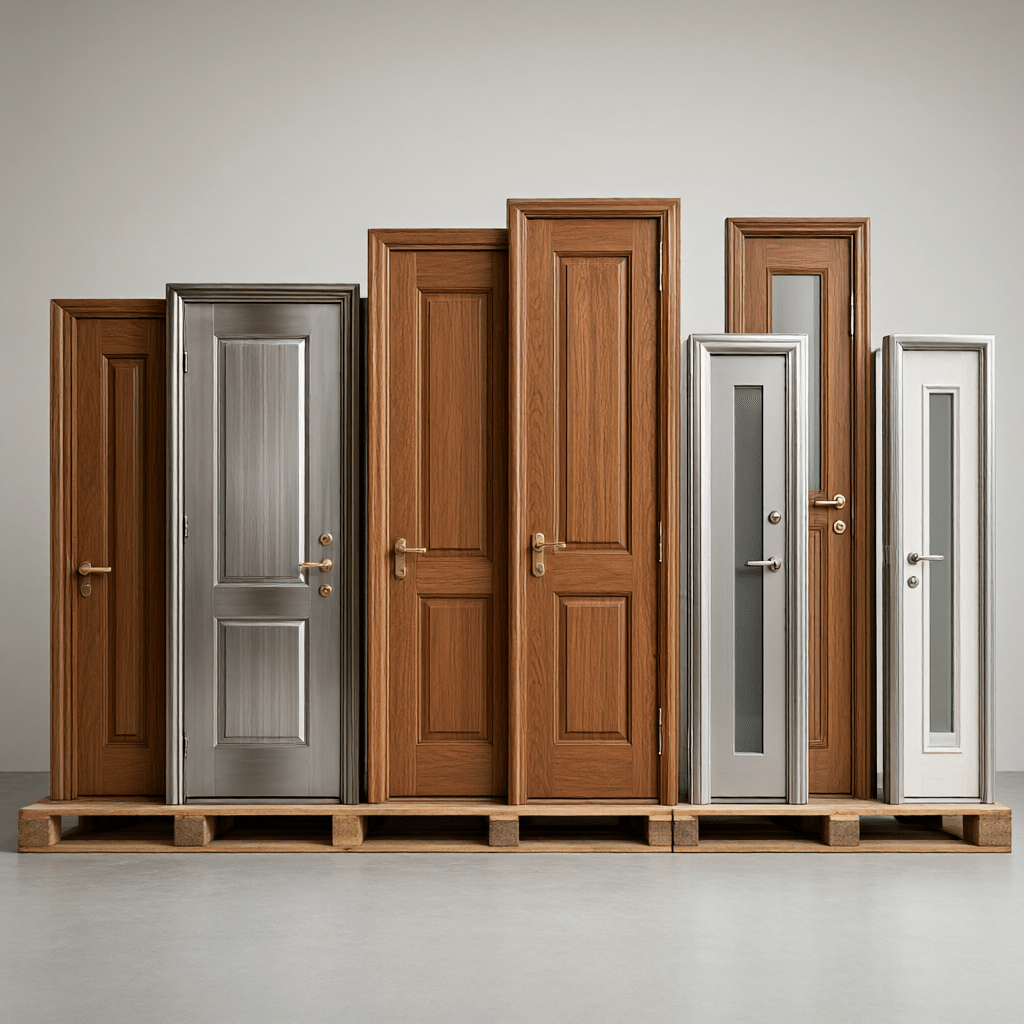
Understanding the shipping model is essential because it determines both price and risk exposure. Most door importers choose between three broad approaches.
Express Courier (DHL, FedEx, UPS) moves small parcels door-to-door within 5–10 business days. This is suitable only for samples or single-piece replacement orders. Rates run approximately $4.50–$7.50 per kg on volume-weighted charges for North America lanes. Anything beyond 150 kg volumetric becomes economically impractical.
Air Freight ships cargo through international airports with ground delivery at origin and destination. Transit time is typically 7–14 days including customs processing. Current rates for door shipments average $1.80–$3.20 per kg depending on volume tier, origin city, and whether you book DDP or DDU. This method suits urgent project replacements or smaller orders under 2 CBM where speed outweighs cost.
Sea Freight is the standard for bulk procurement. It splits into two sub-models. FCL (Full Container Load) means your doors occupy an entire 20ft or 40ft container. LCL (Less than Container Load) means your shipment shares container space with other buyers’ cargo, consolidated at a freight forwarder’s warehouse and deconsolidated at destination.
For door-specific logistics, see our FCL vs LCL shipping comparison guide and our 20ft container loading quantity reference.
Volumetric Weight: The Hidden Cost Factor
Doors are bulky but relatively light per unit. Carriers therefore calculate charges using volumetric weight, not actual weight alone. The standard formula is:
Volumetric Weight (kg) = Length (cm) × Width (cm) × Height (cm) ÷ 5000
You pay based on whichever is greater—the actual gross weight or the volumetric weight. Here is a concrete example. A single aluminum casement door measuring 210 cm × 120 cm × 18 cm in a protective wooden crate weighs 45 kg actual. Its volumetric weight equals 210 × 120 × 18 ÷ 5000 = 90.7 kg. The carrier bills for 91 kg. On a 100-door order, that difference between actual and volumetric weight can add thousands to your freight cost. This is why compact packing design and efficient palletization directly affect your landed price.
What Are the Key Specifications That Determine Your Shipping Cost?
Shipping cost is driven by measurable physical parameters, not by brand or product category alone. The five variables that most significantly change your bill are:
- Total shipment volume in cubic meters (CBM). This is the primary determinant for LCL and a major factor for FCL utilization. Doors packed in wooden crates typically yield 0.8–1.2 CBM per square meter of door area depending on frame depth and packaging style.
- Total gross weight in kilograms. Matters mainly when actual weight exceeds volumetric weight—which happens with heavy solid wood doors or stone-threshold integrated entries. Steel-reinforced security doors also skew heavier.
- Shipment dimensions and pack configuration. Standard palletized loading maximizes container space. Irregular packaging or mixed-size orders create void space that increases effective CBM. Our 20ft container door loading guide shows typical configurations.
- Origin port in China. Shanghai, Ningbo, and Shenzhen offer the most competitive rates on high-frequency lanes. Inland factories shipping to Huangpu or Yantian still access those same port rates through domestic trucking, but inland-origin invoices may include additional drayage line items.
- Destination country and port. Rates vary significantly by lane. Trans-Pacific East Coast (New York/NJ) tends to carry a modest premium over West Coast (Los Angeles/Long Beach). Europe rates differ between Northern ports (Rotterdam, Hamburg) and Southern entry points. Africa and Middle East lanes often sit in a mid-range bracket with longer transit variability.
Realistic Rate Benchmarks — 2025–2026 Reference Ranges
These figures reflect current market conditions and should be treated as estimates subject to monthly fluctuation based on fuel index, carrier capacity, and seasonal demand peaks.
| Shipping Method | Typical Rate Range | Best Suited For | Estimated Transit Time |
|---|---|---|---|
| Express Courier (DHL/FedEx/UPS) | $4.50–$7.50 per kg (volumetric) | Samples, small replacements (< 150 kg) | 5–10 business days |
| Air Freight DDP | $1.80–$3.20 per kg (volumetric) | Urgent orders < 2 CBM, partial replacements | 7–14 days |
| Sea LCL DDP | $85–$160 per CBM | Orders 1–15 CBM, multiple suppliers | 25–40 days |
| Sea FCL 20ft DDP | $3,500–$5,500 per container | Orders 10–28 CBM, single supplier bulk | 28–38 days |
| Sea FCL 40ft DDP | $5,800–$8,500 per container | Large project orders > 28 CBM | 30–42 days |
DDP rates listed above generally include origin pickup, export documentation, ocean freight, destination customs clearance, duties, taxes, and last-mile delivery. DDU quotes exclude import duties and taxes—those remain your responsibility at destination and can add 5–25% to total landed cost depending on your country’s tariff schedule. See our door HS code and import duty guide for destination-specific duty expectations.
What Standards Apply to Door Imports and Shipping Documentation?
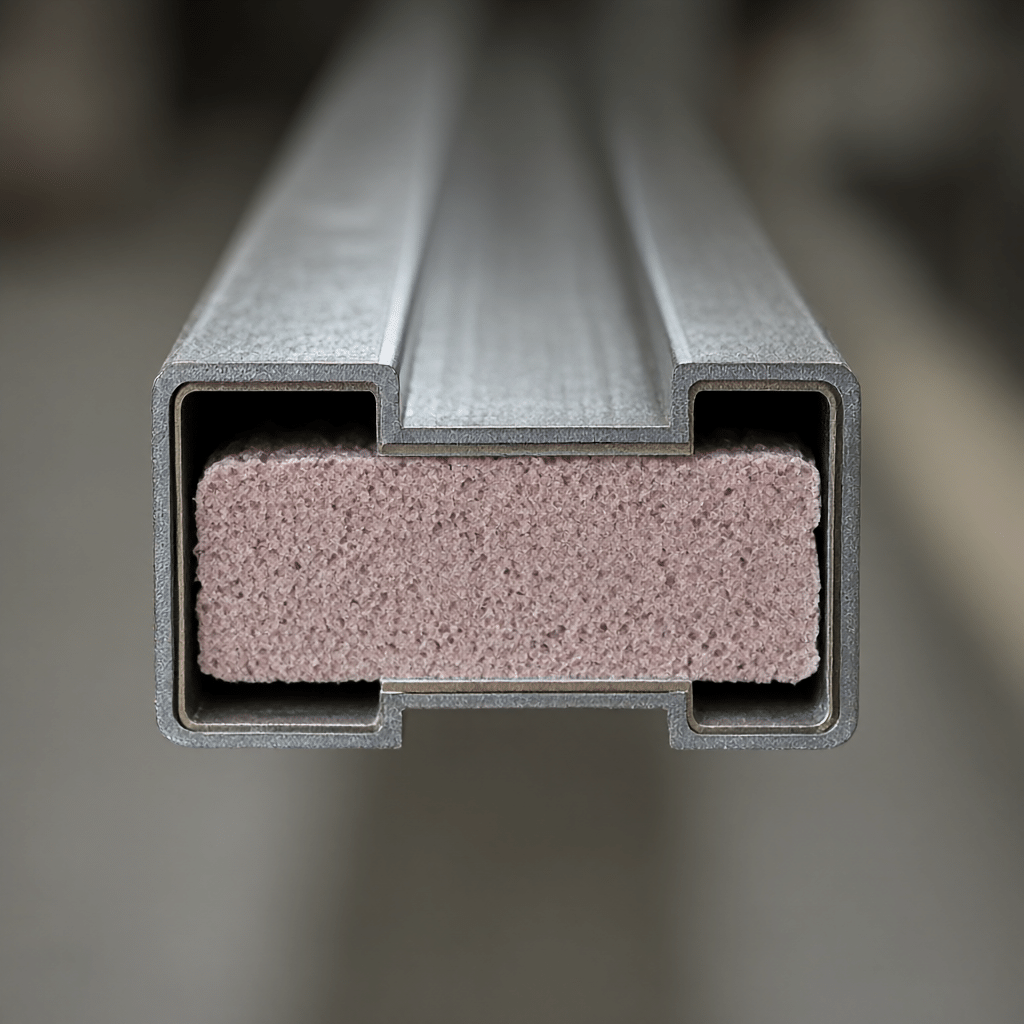
Shipping doors internationally is not just about moving goods—it requires compliant documentation and adherence to relevant safety and construction standards.
Freight forwarders will request a commercial invoice, packing list, bill of lading, certificate of origin (if claiming preferential tariff treatment under free trade agreements), and sometimes afumigation certificate for wooden packaging materials per ISPM 15 regulations. Our shipping process includes full documentation preparation—packing lists, proforma invoices, and customs paperwork—to smooth the transition from factory to your doorway.
For product compliance, doors imported into regulated markets must meet local building codes. Fire-rated doors require classification testing against established standards—for reference, ASTM E2092 defines the standard test method for fire resistance of hinge- and pivot-hung hardware assemblies, which applies to door closer and exit hardware certification. European doors targeting CE marking follow EN 14351-1 for performance requirements including load-bearing capacity, durability, and safety. ICC building codes govern structural wind-load ratings for entries in hurricane-prone zones.
If you are sourcing fire-rated products, review our EI30 vs EI60 vs EI90 fire resistance rating comparison before committing to a specification, since the rating directly affects packaging density and insurance classification during transit.
Your forwarding agent should provide a certificate of arrival notification and any destination-country required inspections before final delivery is scheduled. Missing documentation at port triggers demurrage and storage fees that can quickly exceed the freight charge itself.
What Should You Consider When Estimating Total Landed Cost?
A shipping quote is never just the per-CBM or per-KG rate. Several layers of cost sit beneath the headline number, and each one deserves scrutiny before you accept a proposal.
Fuel Adjustment Factor (BAF/FAF). Carriers adjust base freight quarterly based on bunker fuel prices. A quoted rate today may carry a fuel surcharge component that shifts next month. Ask whether the quote is fuel-fixed or variable.
Peak Season Surcharges. Q3 and Q4—especially August through October—experience container shortages and rate inflation. Shippers commonly add a General Rate Increase (GRI) of $300–$800 per 20ft container during peak windows. If your project timeline allows, scheduling production earlier can avoid a $500–$1,200 premium on a single container.
Customs Duties and Taxes. Import duty rates depend on the HS code assigned to your doors. Solid wood doors typically fall under HS 4418.20 with varying duty rates by country. Aluminum doors usually classify under HS 7610.10. The United States currently applies a baseline MFN duty plus Section 301 tariffs on many Chinese-origin goods, which can add significant cost. Always verify your specific HS code and applicable duty rate with a licensed customs broker before placing an order.
Insurance. Cargo insurance typically runs 0.15%–0.35% of declared cargo value. For a $40,000 door shipment, this translates to $60–$140. While modest relative to freight, skipping insurance exposes you to full loss if damage occurs in transit.
Demurrage and Detention. Free time at port and depot is limited—often 3–7 days depending on the carrier and route. Delays in document submission, importer tax payment, or truck appointment scheduling trigger daily fees that range from $75 to $200 per day. Building a buffer into your timeline prevents these hidden charges.
Currency fluctuations. Contracts denominated in USD protect both parties from RMB appreciation, but some forwarders still apply a currency adjustment factor during volatile periods. Confirm the settlement currency before locking in a booking.
Choosing Between DDP and DDU for Door Shipments
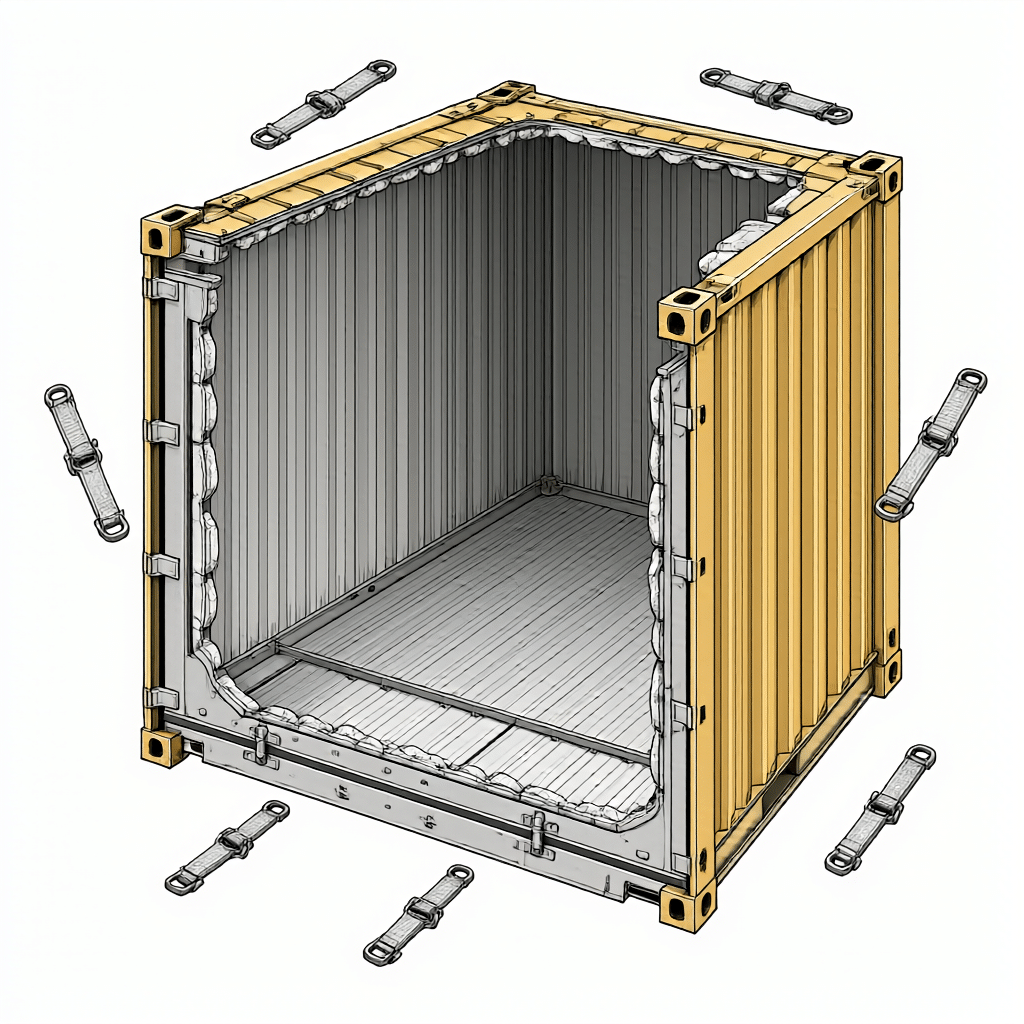
DDP (Delivered Duty Paid) and DDU (Delivered Duty Unpaid) represent fundamentally different cost structures, and selecting the wrong model can quietly inflate your budget.
Under DDP, the seller or their designated forwarder handles every step—from factory gate to your warehouse door—including customs brokerage, duty payment, and tax remittance. You receive a single all-in figure. This simplifies budgeting but limits transparency into individual cost components. Some DDP providers bundle generous margins into what appears as a competitive per-CBM rate.
Under DDU, you retain control over destination-side arrangements. You choose your own customs broker, pay duties directly to your country’s revenue authority, and arrange local delivery. The base freight rate is lower, but the total cost depends on your ability to manage the destination leg efficiently. For first-time importers unfamiliar with customs procedures, DDU introduces risk and potential delays.
A practical illustration: a 20ft container of aluminum doors shipped DDU from Ningbo to Houston might appear at $4,200 versus a DDP quote of $4,800. The $600 gap seems small—until you factor in that U.S. Section 301 duties on HS 7610.10 doors currently sit around 25%, which on a $35,000 customs value adds roughly $8,750 in taxes alone. A competent DDP provider absorbs this calculation into their quote; under DDU you must budget it separately or face an unexpected invoice at the port.
We recommend requesting both DDP and DDU quotations for the same shipment so you can compare the delta and determine whether self-managing destination logistics saves money—or introduces complexity you are not prepared to handle.
How the Industry Approaches Quality and Compliance Before Shipment
Shipping cost is only one dimension of import cost. Cargo damage, non-compliant products, and documentation errors generate far more expensive surprises than freight rate variations. Reputable manufacturers structure their pre-shipment process around verification checkpoints that reduce downstream friction at customs and on arrival.
Air-tightness testing ensures installed doors meet energy performance claims. Water-tightness testing confirms the seal integrity under simulated rain conditions. Wind resistance testing validates that facade-mounted units withstand regional pressure loads—critical for high-rise and coastal installations. Third-party lab reports from these tests become supporting documents in your import file and may be requested by customs or building inspectors at destination.
Adjustable profile structures and fittings allow the same door design to comply with divergent building codes across markets. A unit engineered for European ETAG 026 standards carries different gasket profiles and reinforcement spacing than one built for ASTM E283 compliance. Confirming target-market specifications before production begins prevents costly rework or rejected shipments at border.
A thorough door factory audit checklist helps you evaluate whether a supplier’s quality controls align with your project requirements before you commit capital to a large order.
Selecting a Reliable Shipping Partner
The freight forwarder you engage is effectively your supply chain coordinator. A competent partner provides transparent quoting, accurate transit estimates, proactive tracking updates, and clear escalation paths when disruptions occur. When evaluating forwarders, ask specifically about:
- Whether the quoted rate includes all surcharges or lists them separately
- Their handling of destination customs clearance and duty payment under DDP
- Their track record with your target lane over the past six months
- Their protocol for cargo damage claims and replacement coordination
- Whether they provide real-time container tracking throughout the voyage
Avoid providers who quote below market without explaining what is excluded. An unusually low LCL rate often signals incomplete documentation handling, omitted insurance, or destination surcharge bloat that appears later on your invoice.
Who We Are and How We Support Door Procurement Logistics
As a manufacturer of solid wood doors, thermal-break aluminum doors and windows, system windows, casement and sliding doors, and custom villa entry solutions, we manage the complete chain from production to destination delivery. Our approach centers on matching your specified profile structure and hardware fittings to the building codes of your target market—so the product clears inspection without modification upon arrival.
Every shipment undergoes pre-shipment verification: air-tightness, water-tightness, and wind resistance testing documented before the cargo leaves our facility. We prepare complete export documentation including packing lists, proforma invoices, and full customs paperwork, and we handle both FCL and LCL arrangements directly from our factory in China. Full customization is available on size, color, glass type, and hardware accessories, allowing us to produce project-specific quantities without forcing minimum-order compromises that inflate your logistics footprint.
What Buyers Should Know Before Choosing Door Shipping Cost from China
Getting an accurate shipping cost estimate for doors from China requires a structured calculation—not just comparing per-CBM rates from different forwarders. Here is the decision framework professional importers use before locking in a supplier.
Step-by-Step Cost Decision Framework
| Decision Question | Recommended Approach | Typical Cost Impact |
|---|---|---|
| What is your order volume? | < 5 CBM → LCL sea; 5–28 CBM → LCL consolidated or 20ft FCL; > 28 CBM → 40ft FCL | Changes base rate by 30–60% |
| How time-sensitive is delivery? | Rush replacement (< 2 weeks) → Air freight; Normal project (> 30 days) → Sea freight | Air adds ~$1,500–$3,000 vs sea per container equivalent |
| Do you have local customs clearance capability? | Yes → DDU; No or first-time importer → DDP | DDP convenience premium typically 8–15% of total landed cost |
| Is your destination a high-duty market? | Verify HS code + MFN rate + any anti-dumping duty before committing | U.S. Section 301 tariffs on aluminum doors (HS 7610.10) add ~25%; EU varies 0–6.5% depending on coating type |
| Are there peak-season risks in your window? | Avoid Aug–Oct if possible; book production slots 60–90 days ahead | Peak GRI surcharge $300–$800 per 20ft container |
Reference rate tracking from the Freightos Baltic Index and published monthly container rate data from Xiamen Shipping (XMH) provides independent validation against forwarder quotes. For customs duty verification, consult your country’s official tariff schedule—for example, the U.S. International Trade Commission HTS database for HS codes under subheading 7610.10.
Country-Specific Duty & Tariff Benchmarks
Generic DDP “all-in” rates hide the single biggest variable: import duty. Below are representative baseline figures for common door import destinations (verify current rates with a licensed broker before ordering):
| Destination | Typical HS Code | MFN Duty Rate | Additional Duties/Tariffs | Estimated Total Tax Burden |
|---|---|---|---|---|
| United States | HS 7610.10 (Aluminum) / HS 4418.20 (Wood) | 5.6% (Alu) / 5.7% (Wood) | Section 301: +25% on many Chinese goods | Up to ~30–31% on aluminum doors |
| European Union | HS 7610.10 / HS 4418.20 | 6.5% (Alu coated) / varying (Wood) | No broad anti-dumping on doors currently | ~6.5% standard + VAT (19–27% by country) |
| Canada | HS 7610.10 / HS 4418.20 | 5.6% (Alu) / 5.7% (Wood) | MFN applies; no Section 301-equivalent | ~5.6–5.7% standard MFN |
| Australia | HS 7610.10 / HS 4418.20 | 5.0% (Alu) / 5.0% (Wood) | GST 10% on customs value + duty | ~15% effective all-in tax |
| United Kingdom | HS 7610.10 / HS 4418.20 | 5.6% (Alu) / 5.7% (Wood) | post-Brexit UK TAR applies | ~5.6–5.7% + 20% VAT |
| Middle East (UAE/Saudi) | HS 7610.10 | 5% (GCC Common External Tariff) | VAT 5% (Saudi), 5% (UAE) | ~10% effective all-in |
| Brazil | HS 7610.10 / HS 4418.20 | 12–14% (varies by process) | II + IPI + ICMS layered taxation | Can exceed 30% total depending on state |
These figures are indicative. Always confirm current tariff schedules through official customs portals (e.g., U.S. ITCTrade.gov, EU TARIC, or your national customs authority) before budgeting.
DDP vs DDU: Practical Decision Tree
Use this flow to determine which model minimizes your total cost and risk:
START: Do you have an appointed customs broker at destination?
├── YES → Consider DDU
│ ├── Can your team pay import duties/VAT directly? → DDU likely cheaper
│ └── Unfamiliar with local import procedure? → DDP may save time despite premium
└── NO → Choose DDP
├── First-time importer? → DDP recommended to avoid port delays
└── Budget certainty priority? → DDP single-figure quote simplifies accounting
Key distinction: Under DDU, you control destination-side brokerage but absorb all duty payment risk. Under DDP, the forwarder or supplier assumes that responsibility—typically charging an 8–15% convenience margin on top of true duty cost. For repeat importers with established customs relationships, DDU can yield meaningful savings on large orders.
Red Flags & Buyer Checklist: Avoiding Cost Overruns
Before signing a shipping contract, verify these items to prevent hidden charges and compliance failures:
Pre-Shipment Verification Checklist
- [ ] Volumetric weight calculated by supplier matches your own measurement (use Length × Width × Height ÷ 5000 formula)
- [ ] Quote explicitly lists all surcharges: BAF, CAF, THC, documentation fee, customs clearance, destination delivery
- [ ] DDP quote specifies exact destination address and whether curbside or inside-delivery is included
- [ ] Insurance coverage is stated (minimum CIF value + 10%)
- [ ] Export license and certificate of origin are confirmed as included
- [ ] ISPM 15-compliant wooden packaging is verified (required for all wood pallets/crates entering most countries)
Common Red Flags
- Unusually low per-CBM rate without surcharge breakdown — Likely bundles hidden fees later or uses unreliable consolidation agents.
- No mention of ISPM 15 or fumigation certificates — Wooden packaging rejected at port triggers costly rework or destruction.
- Volumetric weight not pre-calculated — Suppliers who ignore cubic measurements often underquote, then dispute at loading.
- DDP quote excludes duty/VAT line item — You may receive a “cheap” rate only to face a 25%+ surprise invoice at destination.
- Forwarder cannot produce Freightos-indexed or XMH-published lane rate comparisons — Lacking market transparency suggests inflated margins.
For additional evaluation criteria beyond shipping, review our door factory audit checklist to assess supplier reliability before committing to a freight arrangement.
EN 14351-1 Performance Classes and Their Shipping Implications
Doors classified under EN 14351-1 carry performance ratings for air permeability (class 1–4), water tightness (class E1–E10), wind load resistance (class 1–5), and impact resistance. Higher-rated units require tighter tolerances, reinforced frames, and more robust packing—each factor adding to shipping cost. When selecting a forwarder, confirm they understand handling requirements for Class 4 air-permeability and Class E10 water-tightness products, which demand upright stowing and moisture barriers during ocean transit.
Similarly, ASTM E283 defines the standard test method for determining air leakage resistance of exterior windows, skylights, doors, and curtain walls at uniform static pressure differences. Products certified to ASTM E283 typically undergo additional protective packaging compared to non-certified equivalents. Request certification documents before shipment to validate that packaging specifications match the tested product configuration.
Industry Standards That Affect Your Shipping Cost
Beyond basic freight rates, several technical standards directly influence packaging requirements, insurance classification, and inspection costs at destination:
Air Permeability & Water Tightness Testing (ASTM E283 / ISO 12412-1)
ASTM E283 (Standard Test Method for Net Air Leakage Rate of Exterior Doors) and ISO 12412-1 (Air permeability — Part 1: Determination at controlled pressure difference) define laboratory test protocols used worldwide. Doors passing higher airflow-class ratings require gasketed frames and precision-fitted sashes that demand upright container stowing and moisture barrier wrapping—adding packaging material costs of approximately $8–$15 per unit compared to non-tested doors.
Wind Load Resistance Classification (EN 14351-1)
Under EN 14351-1, wind load resistance classes range from Class 1 (low-pressure regions) to Class 5 (high-pressure coastal/hurricane zones). Class 4 and Class 5 doors require internal steel reinforcement and thicker profiles, increasing gross weight by 10–18% and potentially shifting LCL pricing tiers. Confirm your target market’s minimum wind-load class with a local structural engineer before placing orders.
Fire-Rated Door Documentation (Referenced in Our Guide)
Fire-rated doors (EI30, EI60, EI90) carry additional certification requirements that affect both insurance premiums and shipping classification. Review our EI30 vs EI60 vs EI90 fire resistance rating comparison to understand how fire-door specifications change packing density and cargo insurance classification.
Building Code Compliance by Market
- ICC/IBC (International Building Code) governs wind-load and structural requirements for U.S. and internationally adopted markets. Coastal hurricane zones may require impact-rated assemblies per ASTM E1886 and ASTM E1996.
- CE Marking under EU Regulation 305/2011 requires declared performance per EN 14351-1 and supporting factory production control documentation—these documents travel with the shipment and are inspected at entry.
Verifying that your supplier’s product specs align with your market’s building code prevents costly re-inspection or rejection at port.
How We Structure Production and Shipping for Global Buyers
At Jusen Door and Windows, our approach mirrors the standards outlined above. Every order undergoes strict pre-shipment inspection covering air-tightness, water-tightness, and wind resistance testing before containers are sealed. Because we manufacture directly from our factory, we eliminate middleman markup on both the product and the logistics coordination—giving you transparent, competitive pricing without sacrificing quality verification.
Our profile structures and fittings are adjustable to match local building codes across target markets, whether you’re importing aluminum thermal-break doors, solid wood entry doors, or system windows. This adaptability means fewer redesign iterations and fewer delay-related freight costs.
We handle full export documentation—including packing lists, proforma invoices, certificates of origin, and customs paperwork—and support both FCL and LCL shipment models with direct delivery from our China factory. For buyers evaluating suppliers, we welcome factory audit requests and can provide OEM/ODM customization along with private-label solutions for project-scale orders.
How to Choose the Right Shipping Method for Your Order (Decision Framework)
Selecting a shipping method is a trade-off between cost per unit and speed-to-project. Buyers who pick purely on headline freight rates often overlook how volumetric weight, packing efficiency, and duty structure reshape the final number. Use this step-by-step framework to land on the right call every time.
Step 1: Calculate your total CBM. Measure each SKUs packed dimensions (L × W × H), sum them, and convert to cubic meters. Doors in wooden crates typically yield 0.8–1.2 CBM per square meter of door area. This single figure drives most of your cost decision.
Step 2: Apply volume thresholds to narrow options.
- Under 2 CBM: Air freight or express courier if timeline is critical; LCL remains an option but rate-per-CBM is steep below 5 CBM.
- 2–10 CBM: LCL sea freight is usually optimal. You pay for actual space used rather than an entire container.
- 10–28 CBM: FCL 20ft begins to compete on per-unit cost. At roughly 10–12 CBM of efficiently packed doors, the FCL flat-rate model overtakes LCL pricing.
- Above 28 CBM: FCL 40ft is the standard choice. Consolidating multiple SKUs into one 40ft container reduces handling fees and demurrage exposure.
Step 3: Factor in project urgency. If the installation window is within 2 weeks, air freight or expedited LCL may be unavoidable despite the higher per-unit rate. For non-critical renovations or speculative stock, LCL/FCL with 30–45 day transit preserves margin.
Step 4: Compare DDP versus DDU total landed cost. Request both quotes for the same shipment. If your country applies high import duties (above 10%), a transparent DDP quote can simplify budgeting and reduce surprise charges at port. If you already have an established customs broker relationship, DDU often yields a lower net cost.
Step 5: Validate the forwarder’s surcharge transparency. Ask for a line-item quote that breaks out BAF/FAF, GRI, THC, documentation fees, and delivery charges. Bundled quotes without itemization make it impossible to spot inflated margins disguised as competitive base rates.
Complete Guide to Door Import Standards with Numbered Codes
Shipping documentation and product compliance go hand in hand. Every shipment should arrive with test certificates referenced against recognized standards—these documents prevent customs holds, support warranty claims, and satisfy building inspectors at destination.
| Standard | Issuing Body | What It Covers | Typical Relevance |
|---|---|---|---|
| ASTM E283 | ASTM International | Standard test method for rate of air leakage through exterior doors | Wind-driven rain and infiltration performance verification for North American markets |
| EN 14351-1 | CEN (European Committee for Standardization) | Windows and doors — Product standard, performance characteristics | CE marking requirement; covers load-bearing capacity, durability, closed position safety, and air/water tightness classes |
| BS 6375-1 | British Standards | Weathertightness of windows, doors, and shuttering — Classification | UK and Commonwealth market compliance; separate ratings for water penetration resistance and air permeability |
| ISPM 15 | IPPC (International Plant Protection Convention) | Guidelines for regulating wood packaging material in international trade | Required for all wooden pallets, crates, and dunnage; treatment must be marked with the certified stamp |
| NFRC 100 | National Fenestration Rating Council | Laboratory procedure for rating the performance of windows, doors, and skylights | Energy-performance labeling for U.S. and Canadian fenestration products |
Reference: ASTM E283 test method defines laboratory procedures for measuring air leakage through door assemblies under controlled pressure differentials. EN 14351-1 establishes the essential performance classes required for CE-markeddoor products in EU member states. BS 6375-1 provides the weathertightness classification framework still used in UK building regulations.
Manufacturers that adjust profile structures and fittings to match local building codes—for example, reinforcing frame thickness for ASTM E283 wind-load zones or swapping gasket compounds for EN 14351-1 water-class requirements—reduce the risk of specification mismatches at customs inspection.
Industry Case Study: 20ft Container to Los Angeles — Real Cost Breakdown
A mid-sized U.S. contractor ordered 220 aluminum thermal-break casement doors (mixed sizes: 120×210 cm and 90×210 cm) from a Guangdong manufacturer. The shipment was packed in stacked wooden crates on standard EUR pallets, yielding approximately 18 CBM and 5,800 kg gross weight.
| Cost Component | Amount (USD) | Notes |
|---|---|---|
| Factory gate pickup (Guangdong → Ningbo) | $320 | Domestic trucking, includes tolls |
| Origin customs clearance & documentation | $185 | Export declaration, phytosanitary cert for wooden crates |
| Ocean freight (Ningbo → Los Angeles, FCL 20ft) | $3,100 | Base rate + BAF component |
| Destination terminal handling charge (THC) | $290 | Port-of-arrival THC at LA |
| U.S. customs brokerage & entry filing | $225 | HS 7610.10, Section 301 duty included via DDP provider |
| Duties & taxes (approx. 25% MFN + 301 tariff) | $8,260 | Applied to $33,040 customs value |
| Inland delivery (LA port → contractor warehouse, Irvine) | $410 | Last-mile drayage, appointment scheduling |
| Cargo insurance (0.25% of declared value) | $83 | All-risk coverage for transit period |
| Total landed cost | $12,873 | Per-container all-in DDP to warehouse door |
| Per-door average | $58.51 | Freight + duties + insurance ÷ 220 units |
The same shipment shipped LCL would have cost approximately $1,530 in ocean freight ($85/CBM × 18 CBM) plus consolidated THC and destination fees totaling roughly $950—but the transit window extends to 35–45 days and the contractor would need to coordinate deconsolidation and separate inland pickup. For a single-supplier project order above 10 CBM, FCL delivered clear cost and schedule advantages.
Source methodology aligns with current trans-Pacific lane benchmarks published by ICCA safe trade resources and carrier tariff filings available through ASTM trade channels.
Sources & References
- ASTM E2092 — www.astm.org
- FCL vs LCL shipping comparison guide — doorwoodendoors.com
- 20ft container loading quantity reference — doorwoodendoors.com
- door HS code and import duty guide — doorwoodendoors.com
- EI30 vs EI60 vs EI90 fire resistance rating comparison — doorwoodendoors.com
- door factory audit checklist — doorwoodendoors.com
- Freightos Baltic Index — www.freightos.com
- EN 14351-1 — www.en-standard.eu
- BS 6375-1 — www.bsigroup.com
- ICCA safe trade resources — www.iccsafe.org











