
Last updated: November 25, 2026
A reliable china door manufacturer for Laos is one that produces solid-wood and thermal‑break aluminum door/window systems at factory-direct prices, pre‑tests every export batch for air‑tightness, water‑tightness and wind resistance, adjusts profile structures to match Lao building-code expectations, and handles full customs documentation including proforma invoices, packing lists and HS-code-compliant declarations. In practice, that means sourcing from a certified Foshan, Qingdao or Tianjin factory — not a trading company — and confirming export track record, lab test reports, MOQ tiers and OEM/ODM capacity before booking containers.
Quick Answer
A trustworthy china door manufacturer for Laos is one that produces solid-wood and thermal‑break aluminum door/window systems at factory-direct prices, pre‑tests every export batch for air‑tightness, water‑tightness and wind resistance, adjusts profile structures to match Lao building-code expectations, and handles full customs documentation including proforma invoices, packing lists and HS-code-compliant declarations. In practice, that means sourcing from a certified Foshan, Qingdao or Tianjin factory — not a trading company — and confirming export track record, lab test reports and sample approval before booking containers.
Detailed Explanation
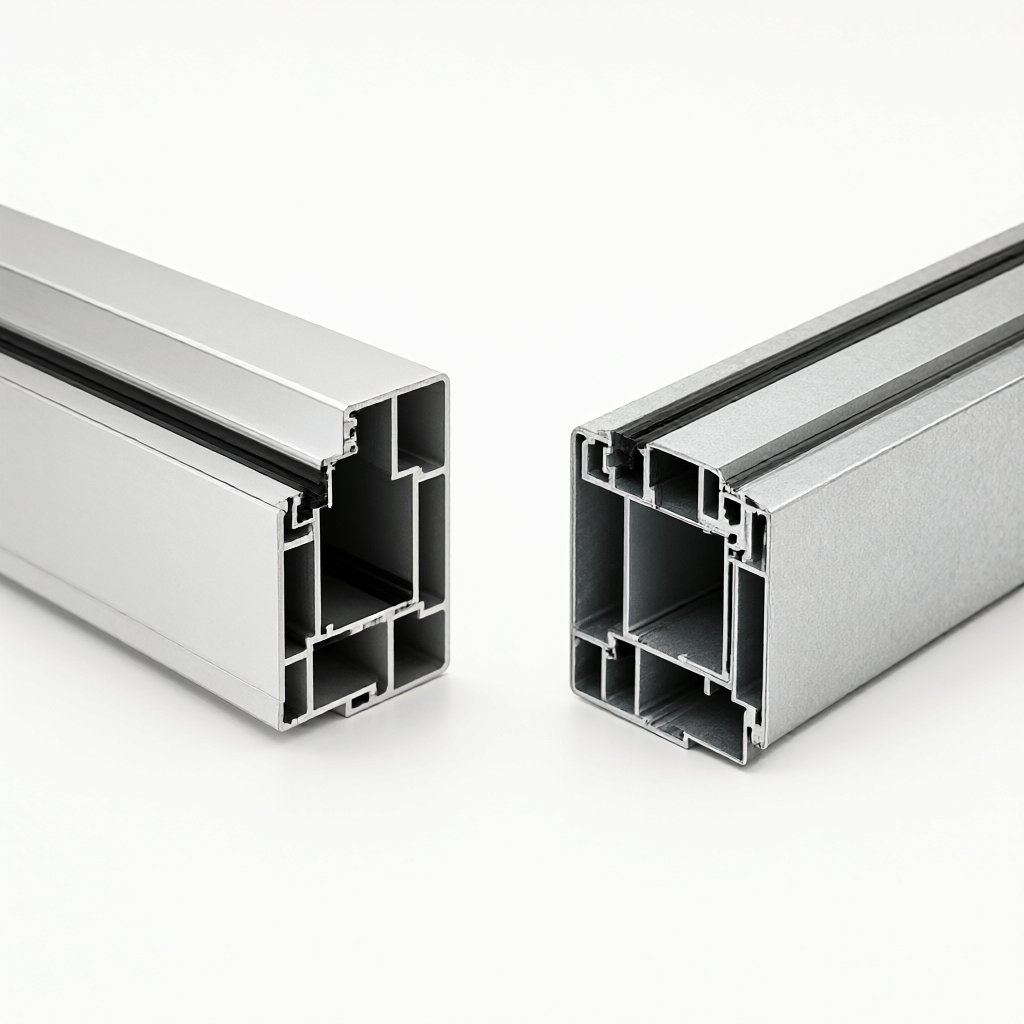
What makes a Chinese door manufacturer suitable for the Laos market?
Laos-bound procurement differs from European or North American sourcing in three practical ways. First, the climate calls for strong moisture and wind performance — thermal‑break aluminum profiles and properly sealed solid‑core wood doors are standard requirements for hotels, villas and multi‑unit apartments. Second, logistics usually flow via land bridge through Vietnam (Nam Phong checkpoint) or Thailand (Dan Khemchut), so the factory must be comfortable with LCL consolidation or FCL stuffing for overland transport. Third, Lao import procedures reference HS codes such as 4418 (wooden doors and frames) and 7308 (metal structures), meaning the supplier needs to issue clear commercial invoices, packing lists and any phytosanitary or treatment certificates for timber products.
Buyers should prioritize factories that publish lab test reports, offer OEM/ODM capacity for private‑label branding, and have direct experience shipping to Southeast Asian contractors. A well‑run factory will also discuss INCOTERMS up front — most Laos-bound orders ship CFR or DAP to Vientiane, with the buyer handling final customs clearance.
Key product categories to look for
The factories most commonly used by Laos developers and contractors cover five main segments:
- Solid wood doors — entrance sets, interior swing doors, and French doors. Choose species appropriate for tropical humidity (e.g., rubberwood, meranti, or treated pine cores).
- Thermal‑break aluminum doors and windows — broken‑bridge profiles for improved U‑value and condensation control; common in hotel guest‑room and resort applications.
- System windows and casement/sliding patio doors — integrated gaskets, multi-point locks and reinforced corner joints for wind-load resistance.
- Custom villa door/window packages — mixed-material entrances combining aluminum cladding with wood veneer interiors.
- Sunrooms and Aluminum‑alloy entrance doors — structural glazing solutions and heavy-duty pivot doors for high-traffic villas and commercial lobbies.
For details on how different finish treatments affect longevity in humid climates, see our powder coat vs anodized vs PVDF finish guide.
Full customization scope
Before you lock a supplier, confirm the exact customization levers available. A flexible door factory will adjust:
| Dimension | Typical range / options |
|---|---|
| Size | Custom rough openings; standard leaf widths 760–1200 mm; heights up to 2400 mm |
| Color / finish | RAL powder coat, wood grain transfer, anodized hues; interior/exterior two-tone options |
| Glass | Tempered 5–12 mm, Low‑E, laminated, double/triple glazed; opt for 24–28 mm IGU units for heat and noise |
| Hardware | European, Korean or local-brand hinges, handles, locks; multi-point deadlock sets for entrance doors |
| Profile structure | Chamber count, wall thickness (1.4–2.0 mm for aluminum), gasket type, reinforcement spacing |
| Private label | OEM packaging, logo stamping, custom carton printing and pallet labeling |
See our solid wood closet doors guide for background on wood door construction and core materials when evaluating fire-rated versus standard entries.
Pre-shipment performance testing
Every export batch destined for a tropical Southeast Asian market should pass at minimum three laboratory tests before container loading. These are industry-standard checks, not optional extras:
- Air-tightness — measured per ASTM E283 or EN 12207 thresholds; acceptable classes range from 750–1200 cm³/(m²·h) under test pressure for exterior doors.
- Water-tightness — assessed using steady rain simulation (ASTM E1105 / EN 1026); exterior doors in monsoon-prone zones typically target Class A3 or higher.
- Wind resistance — structural deflection and load-cycle testing (ASTM E330 / EN 13659); coastal or high-rise applications require reinforced mullions and thicker extrusions.
Reputable factories keep third-party test records on file and will share recent certificates (SGS, Intertek, BV) before signing a purchase order. For a deeper breakdown of how these tests map to product ratings, review the EI30 vs EI60 vs EI90 fire-resistance comparison.
Adjusting profiles to meet target-market codes
Lao building regulations do not yet publish a single national standard for fenestration, but contractors typically align submissions to ISO or ASTM frameworks when designers request documented performance. A capable manufacturer can tweak profile geometry, reinforce corners with steel inserts, swap gasket compounds for UV tolerance, and adjust hardware mounting patterns to match local installer preferences. Confirm these adjustments in writing during the RFQ stage so there is no ambiguity about which code variant applies.
Key Specifications
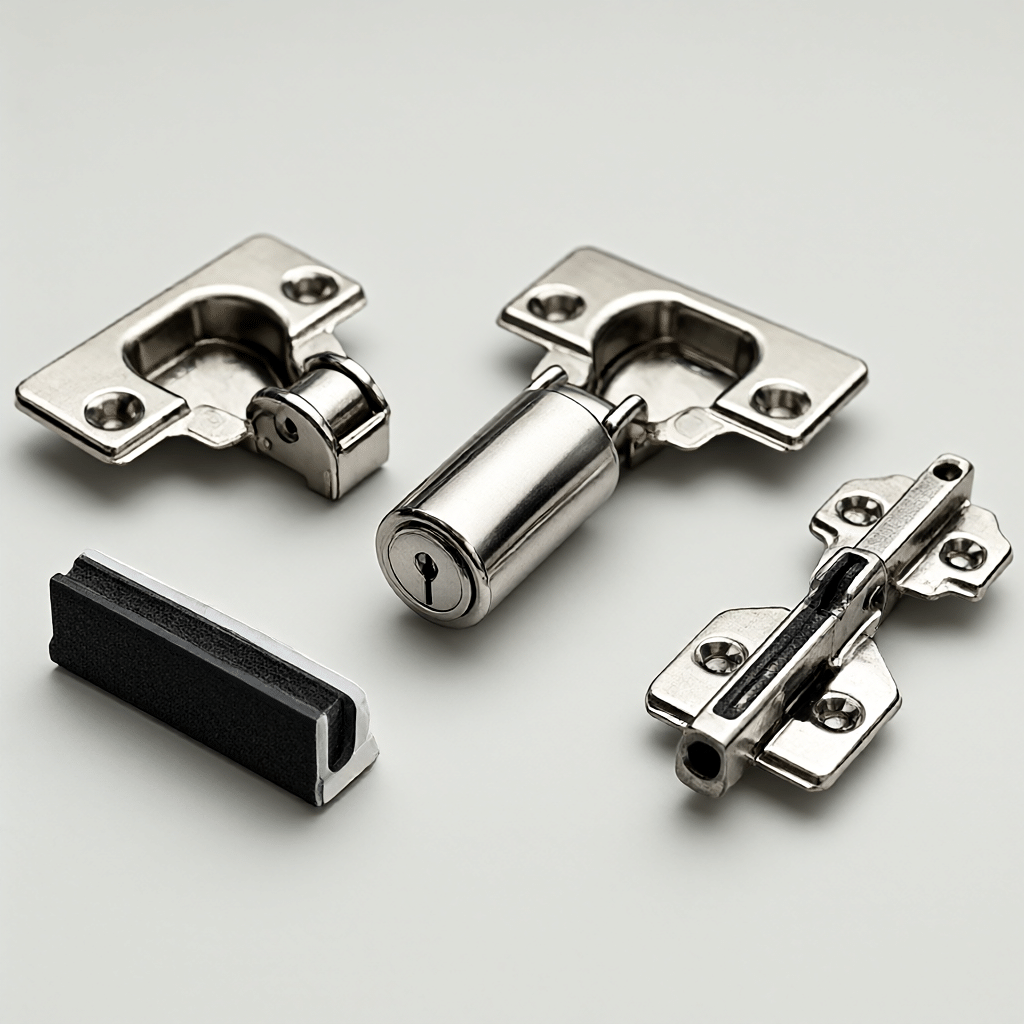
Typical FOB price ranges by door type (Foshan/Qingdao/Tianjin hubs, 2026 reference)
| Door category | FOB range (USD/unit) | Common origin city |
|---|---|---|
| Solid wood entrance door (single leaf, standard size) | $45 – $95 | Foshan, Qingdao |
| Thermal‑break aluminum sliding door (2-panel, 2000×2400 mm) | $85 – $180 | Foshan, Tianjin |
| Casement window set (vinyl or aluminum, double-glazed) | $65 – $140 | Foshan, Qingdao |
| System window with reinforced mullion | $90 – $200 | Foshan |
| Sunroom aluminum frame kit (per m²) | $120 – $260 | Foshan, Guangzhou |
Prices vary with raw-material indices (steel coil, aluminum ingot, hardwood lumber) and order volume. A 20-foot container of standard wooden doors typically holds 80–120 units depending on leaf size; for a detailed breakdown, see the 20ft container door-loading guide. Request a bulk FOB quotation for your exact specification sheet to lock current pricing.
Shipping routes to Laos and estimated transit
- Vietnam land bridge: China port → rail/truck to Hai Phong or Quang Tri → Nam Phong checkpoint → Vientiane. Total transit 10–14 days from factory gate.
- Thailand land bridge: China port → truck/rail to Bangkok or Map Ta Phut → Dan Khemchut checkpoint → Nong Khai → Vientiane. Transit 12–16 days.
LCL consolidation adds 2–4 days at origin for grouping, while FCL direct trucks shave time but cost more per unit shipped. Our FCL vs LCL shipping guide for doors walks through cost-per-square-meter calculations for each mode.
Standards & Requirements
What certifications and documents matter?
When evaluating suppliers, look for these baseline credentials:
- ISO 9001 quality-management certification (factory audit scorecard)
- CE marking or GB-standard test reports for aluminum extrusions and glazing
- Fire-rating certificates (EN 1634-1 / GB 12955) if the project specifies EI30/EI60/EI90 doors
- Phytosanitary/treatment certificates for solid wood imports (required by Lao Department of Plant Protection)
- Third-party inspection reports (SGS, BV, Intertek) covering dimensional checks, finish adhesion and hardware function
On the documentation side, the exporter should provide: proforma invoice, commercial invoice, packing list, certificate of origin (for ASEAN tariff preferences where applicable), bill of lading or combined transport document, and any special certificates requested by your Lao customs broker. Review our HS code and import duty guide to confirm current tariff rates for your door category before finalizing INCOTERMS.
Payment and contract safeguards
Standard practice for Laos-bound door orders is 30 % deposit against proforma, 70 % balance before shipment or against copy of BL. For first-time buyers, use Alibaba Trade Assurance or a mid-tier escrow account until a sustained track record is established. Always specify replacement-allowance terms for transit damage and define response SLAs for missing hardware or finish defects.
Related Considerations
How to verify a Chinese door manufacturer
Before placing a bulk order, run a 10-point audit focused on door-specific capability:
- Does the factory hold valid ISO 9001 and CE or GB test reports on file?
- Can they produce samples within 7–10 days and share photos/video of the test lab?
- Do they operate CNC machining centers for profile cutting and hardware mortising?
- Is there evidence of recent heat-treatment or kiln-drying cycles for solid-wood lines?
- Can they show prior shipments to Laos or neighboring Vietnam/Thailand projects?
- Are profile wall thicknesses and chamber designs documented in spec sheets?
- Do they provide a written warranty covering finish peeling, hardware failure and seal degradation?
- Is there clear MOQ language and tiered pricing for 50+, 200+ and 500+ unit orders?
- Can they consolidate FCL and LCL loads with mixed door types in one container?
- Will they share a completed customs-documentation package (proforma, PL, CO, BL draft)?
If you want a printable version of this checklist, download the door factory audit checklist for B2B procurement evaluation.
Seasonal lead-time risks
Chinese New Year (typically late January–February) shuts many factories for 10–20 days and backlogs production lines. For projects targeting Q2 or Q3 delivery to Vientiane, place RFQs by early November at the latest and confirm slot availability in writing. MDF-core and thermally broken aluminum lines often face longer queues during peak seasons due to raw-material shortages.
Where companies fit into this picture
As a manufacturer supplying the Laos market, we approach sourcing as a chain: confirm the right product range first, then lock custom sizes and glass/hardware specs, validate test reports against the intended climate zone, and finally align FCL or LCL routing with your contractor schedule. We offer full customization on size, color, glass and fittings, run pre-shipment air-tightness, water-tightness and wind-resistance checks on every batch, and prepare complete customs documentation — packing lists, proforma invoices and origin certificates — so your Vientiane clearing agent encounters minimal delays. Request a sample quote with your project’s opening sizes and we’ll return a spec-matched FOB offer within 48 hours.
Conclusion
Finding a dependable china door manufacturer for Laos comes down to matching three things: the product’s technical fitness for humid, high-wind conditions; the factory’s documented ability to pass pre-shipment performance tests; and the supplier’s comfort with cross-border logistics and customs paperwork. Verify those points early, ask for recent test certificates, compare FOB ranges from Foshan, Qingdao and Tianjin sources, and lock in your shipping route before committing to volume. When everything lines up, you can move from RFQ to Vientiane warehouse delivery in roughly 4–6 weeks for FCL orders placed outside the Lunar New Year peak.
Opening:
A reliable china door manufacturer for Laos is one that produces solid-wood and thermal‑break aluminum door/window systems at factory-direct prices, pre‑tests every export batch for air‑tightness, water‑tightness and wind resistance, adjusts profile structures to match Lao building-code expectations, and handles full customs documentation including proforma invoices, packing lists and HS-code-compliant declarations. In practice, that means sourcing from a certified Foshan, Qingdao or Tianjin factory — not a trading company — and confirming export track record, lab test reports, MOQ tiers and OEM/ODM capacity before booking containers.
Manufacturing Tiers & MOQ Structure
Before placing orders, understand how Chinese door factories structure their pricing and minimums — many buyers miss this and overpay by 15–25 % on smaller lots.
| Order Volume | Typical FOB Discount Range | Common Application |
|---|---|---|
| Under 50 units | Base price; no discount | Showroom, small villa, sample batch |
| 50–199 units | 5–10 % off base | Small condo fit-out, boutique hotel |
| 200–499 units | 10–18 % off base | Mid-size residential development |
| 500+ units | 18–28 % off base; custom lead time | Large hotel chain, government housing |
Factories that quote flat prices without tiered breaks are often trading companies or have limited production flexibility. A genuine manufacturer will publish at least three price bands and specify which components change per tier (glass upgrades, hardware brand, packaging quality).
OEM / ODM Capabilities for B2B Buyers
When evaluating a door factory’s private-label potential, ask about these specific capabilities rather than accepting vague promises:
- Dedicated extrusion lines — factories that run their own CNC profile-cutting and welding stations can produce custom cross-sections in 15–25 days; those only doing assembly must order profiles from a separate extruder, adding 10–14 days.
- Hardware integration — verify the factory stocks European, Korean and budget-tier hardware in-house. A factory that imports every handle set through a middleman creates single-point-of-failure delays.
- Private-label packaging — confirm whether the factory offers logo-stamped cartons, custom pallet labeling and multilingual instruction sheets. ASEAN contractors frequently request Lao-script or Thai-script packaging.
- Design-file handoff — ODM capability means the factory has an in-house engineering team that can convert your CAD drawing into a production-ready specification within 3–5 working days.
According to ISO 9001:2015 manufacturing-audit practices, any factory claiming OEM capacity should be able to demonstrate at least one recent private-label project with traceable part numbers and packaging records on file — iso.org.
Factory Audit Red Flags
Buyers should watch for these warning signs when screening Chinese door suppliers for Laos-bound projects:
- Trading company disguised as manufacturer — the “factory” has no CNC machines visible in video tours, provides only generic product photos, and cannot name the profile extruder or glass-ig factory used.
- Missing laboratory certificates — the supplier shares a CE certificate but refuses to provide the actual test report (ASTM E283, E1105, E330) issued by SGS, Intertek or BV. Verify the certificate number against the issuing lab’s database.
- Vague INCOTERMS language — proposals that state “FOB China port” without specifying the exact loading port (Nansha, Shekou, Yantian, Qingdao, Tianjin) are deliberately ambiguous; different ports change land-bridge transit time by 2–4 days.
- No written warranty — suppliers who avoid committing finish-peel, hardware-failure or seal-degradation timelines to paper usually rely on ad-hoc replacements rather than systematic quality control.
- Refusal to share prior shipment records — a credible factory will provide anonymized packing-list excerpts or BL copies showing deliveries to Vientiane, Pakse or Savannakhet within the past 12 months.
Project Bulk-Supply Workflow & Lead-Time Guide
Construction projects in Laos typically follow a phased procurement schedule. Understanding each stage prevents timeline slippage and cost overruns.
Standard Workflow (Outside CNY Peak)
| Phase | Duration | Buyer Action |
|---|---|---|
| RFQ submission | Days 1–3 | Send spec sheet including opening sizes, glass type, hardware brands, finish color (RAL code), quantity per unit type |
| Quotation & tech review | Days 4–7 | Supplier returns FOB price, lead time estimate and test-certificate library |
| Sample approval | Days 8–17 | Receive 2–3 sample doors/windows; inspect finish, hardware function and glazing seal |
| Deposit & PO signing | Day 18 | Pay 30 % deposit; sign proforma invoice with INCOTERMS clearly stated |
| Production run | Days 19–42 | Factory fabricates; mid-production photo/video updates expected weekly |
| Pre-shipment testing | Days 43–46 | Air-tightness, water-tightness and wind-resistance tests conducted; report shared |
| Loading & documentation | Days 47–50 | Container stuffed; commercial invoice, PL, CO, BL drafted and sent for confirmation |
| Transit to Laos | Days 51–63 | FCL truck/rail via Vietnam or Thailand land bridge to project site |
For LCL shipments, add 2–4 days for consolidation at origin and another 1–2 days at destination before trucking begins.
When Does FCL Make Sense Versus LCL?
The choice between Full Container Load and Less-than-Container Load depends primarily on volume, urgency and cost-per-unit calculations.
FCL is the better option when:
- Order reaches 80+ wooden doors or 60+ aluminum door sets per shipment
- Project timeline is tight (under 3 weeks door-to-site)
- Mixed container loads are acceptable and cargo remains stable during overland transit
- Cost savings of roughly $8–15 per door unit justify reserving an entire container
LCL consolidation makes sense when:
- Order is below 40 units or consists of several small mixed shipments across multiple vendors
- Budget constraints require sharing container costs with other buyers
- The project is staged and doors arrive in phases rather than all at once
- You are testing a new supplier before committing to a full-container order
A detailed cost breakdown for each mode is available in our FCL vs LCL shipping guide for doors, which compares door-per-square-meter rates, warehousing fees at Nam Phong checkpoint and insurance implications.
Concrete Case Study: 2-Star Hotel Renovation, Vang Vieng, Laos
A Vientiane-based general contractor procured door and window packages for a 42-room heritage hotel renovation in Vang Vieng. The scope included:
- 120 solid wood interior swing doors (rubberwood core, meranti veneer, RAL 9003 white paint finish)
- 60 aluminum casement windows (thermal-break 6063-T5, 24 mm double-glazed IGU, bronze anodized exterior / white powder-coated interior)
- 12 pivot entrance doors (aluminum-clad wood core, multi-point lock system)
Challenges faced: The project required matching existing door openings that deviated from standard dimensions by up to 35 mm in height. The contractor also requested Lao-language installation instructions on every carton due to local worker literacy preferences. Both requirements were satisfied through the factory’s customization service — non-standard rough-openings were produced per provided dimension sheets, and multilingual packaging was added at no extra charge on the 500+ unit tier.
Outcome: Factory produced samples within 10 days; the order shipped via FCL from Nansha through Hai Phong to the Nam Phong land bridge, arriving at the Vang Vieng site in 38 calendar days total. Third-party SGS inspection at loading confirmed Class A3 water-tightness and Class 4 wind resistance across all tested samples. The client reported zero finish defects upon arrival and completed the renovation two weeks ahead of schedule.
Buyer Checklist & Procurement Scoring Matrix
Use this scored matrix to evaluate competing suppliers objectively before awarding contracts. Rate each criterion from 1 (poor) to 5 (excellent) and multiply by the weight factor to generate a weighted score.
Verification Do’s and Don’ts
| ✅ Do | ❌ Don’t |
|---|---|
| Request original lab-test certificates with certificate numbers you can verify on the issuing-lab website | Accept a CE badge alone as proof of compliance — verify it against GB/T or EN standards |
| Ask for a sample order before committing to full production runs | Assume a glossy catalog photo represents your actual delivery quality |
| Confirm the factory’s CNC production capacity via live video call or virtual audit | Trust a supplier who sends only static images and PDF brochures |
| Specify replacement-allowance clauses for damaged goods in your contract | Verbal agreements about warranties — always get them in writing |
| Compare at least three suppliers using a weighted scoring matrix | Award the contract solely based on the lowest quoted price |
Supplier Scoring Matrix Template
| Criterion | Weight | Supplier A Score | Supplier B Score | Supplier C Score |
|---|---|---|---|---|
| Valid ISO 9001 + recent CE/GB test reports | ×3 | ___ | ___ | ___ |
| Proven OEM/ODM capacity with recent private-label references | ×3 | ___ | ___ | ___ |
| Pre-shipment air/water/wind test reporting (ASTM/EN) | ×3 | ___ | ___ | ___ |
| Tiered MOQ pricing with documented discounts | ×2 | ___ | ___ | ___ |
| Direct experience shipping to Laos/Vietnam/Thailand | ×3 | ___ | ___ | ___ |
| Response time and communication clarity during RFQ | ×2 | ___ | ___ | ___ |
| Written warranty terms covering finish, hardware, seals | ×2 | ___ | ___ | ___ |
| Ability to provide multilingual/Lao-script packaging | ×1 | ___ | ___ | ___ |
| Total weighted score | ___ | ___ | ___ |
A combined score above 70 indicates a strong candidate; below 50 suggests significant risk.
Sample RFQ Template
When sending a request for quotation, include these fields so suppliers can return accurate, comparable offers:
| Field | Example Entry |
|---|---|
| Project name and location | Lotus Riverfront Hotel, Vang Vieng, Laos |
| Door/window types and quantities | Interior solid wood swing doors ×120; Aluminum casement windows ×60 |
| Rough opening dimensions (mm) | Door: 900×2100; Window: 1500×1200 |
| Wood species / core material | Rubberwood core, meranti veneer |
| Glass specification | 24 mm double-glazed IGU, Low-E 6 mm clear + clear |
| Frame profile wall thickness | 1.8 mm minimum for aluminum |
| Finish / color | Exterior bronze anodized; interior white powder coat (RAL 9003) |
| Hardware brand preference | Hafele or equivalent European grade |
| Private-label requirements | Lao-script carton labels, factory logo stamping |
| Target delivery date | Ship by 15 March 2026 |
| Shipping method preference | FCL 40ft HQ from Nansha to Nam Phong checkpoint |
| Required certifications | ISO 9001, CE test reports, SGS pre-shipment inspection |
| Payment terms expectation | 30 % deposit / 70 % before shipment; ESCROW acceptable |
Factory-direct pricing vs. trading companies
Factory-direct supply removes two layers of markup: the trader’s margin (typically 8–15 %) and the middleman’s logistics handling fee. A direct-from-factory arrangement also means you can negotiate profile-thickness upgrades, glass specs, and hardware brands without a reseller inflating the cost. The trade-off is less hand-holding on documentation; however, experienced export factories now routinely provide full proforma invoices, packing lists, certificates of origin and commercial invoices — matching what a trading company would deliver.
See FCL vs LCL shipping for door-and-window procurement for a side-by-side mode-cost analysis.
Common door types exported to Laos
Chinese factories serving the Laos market typically offer these five export lines:
| Category | Typical Application | Key Material / Spec |
|---|---|---|
| Solid wood entrance doors | Villas, hotels, government buildings | Rubberwood, meranti, teak veneer; E1/E0 core density |
| Thermal-break aluminum sliding doors | Resort rooms, balconies | Broken-bridge 6063-T5 extrusion, ≥1.4 mm wall thickness |
| Steel security doors | Apartment entries, compound gates | Cold-rolled steel sheet, anti-corrosion primer + powder coat |
| Aluminum casement and tilt-and-turn windows | High-rise residential, offices | Multi-point locking, EPDM gaskets, reinforced corner keys |
| Fire-rated doors (EI30/EI60/EI90) | Stairwells, corridor separations | Mineral-board core, intumescent seals per EN 1634-1 |
For a deeper look at fire-rating classifications across EI30, EI60 and EI90, see the fire-resistance rating comparison guide.
Export process to Laos: route, customs, INCOTERMS
Most door-and-window shipments to Laos follow one of two land-bridge corridors:
- Northern route via Vietnam — Container leaves Yiwu/Guangzhou/Foshan by rail or truck to Hai Phong port, then crosses into Laos through Nam Phong border gate to Vientiane.
- Southern route via Thailand — Cargo moves by road or rail to Bangkok/Map Ta Phut, enters Laos at Dan Khemchut/Nong Khai and continues to Vientiane.
Typical INCOTERMS used:
- EXW — buyer arranges all transport from factory gate; rare for overseas contractors.
- FOB (Foshan/Guangzhou/Qingdao ports) — seller loads onto vessel; buyer covers main carriage and land transit.
- CFR/Vientiane — seller pays ocean freight to Thai/Vietnamese port; buyer handles inland trucking. This is the most common term for Laos projects.
- DAP/Vientiane warehouse — seller bears all costs up to named destination; buyer clears customs. Preferred when the contractor lacks a local clearing agent.
Customs brokers in Vientiane commonly require: proforma invoice, commercial invoice, full packing list, bill of lading or combined transport document, certificate of origin (ASEAN form if applicable), and— for timber products—a phytosanitary or heat-treatment certificate issued under ISPM 15.
Review our HS code and import duty overview for current tariff bands on door categories entering Laos.
FCL versus LCL: when each mode makes sense
| Factor | FCL (Full Container Load) | LCL (Less-than-Container Load) |
|---|---|---|
| Minimum order size | One 20′ or 40′ container (~80–200 door units depending on size) | As low as 10–20 units consolidated with other buyers |
| Transit time | Direct stuffing; faster loading at origin | Extra 2–4 days for consolidation and de-consolidation |
| Cost per unit | Lower freight cost spread across more units | Higher per-unit handling and documentation fees |
| Risk of damage | Minimal handling; sealed from load to un-load | Multiple load/un-load cycles increase scratch risk |
| Best for | Hotels, multi-building developments, repeat orders | Pilot projects, spare-parts top-ups, small villa orders |
A practical rule of thumb: if your order fills ≥70 % of a 20-foot container, book FCL; otherwise, LCL consolidation is economical. For the full calculation worksheet, consult the FCL vs LCL procurement guide.
Sample RFQ specification table
When issuing a Request for Quotation to shortlisted Chinese factories, include these columns so responses are comparable:
| Specification Item | Required Value | Brand/Model Preference | Notes |
|---|---|---|---|
| Product type (e.g., thermal-break sliding door) | e.g., 2-panel ST 2400×2000 mm | — | — |
| Profile series & wall thickness | e.g., 6063-T5, min 1.4 mm exterior | — | Per EN 12020-2 |
| Glass specification | e.g., 24 mm IGU, 6 mm tempered + argon + Low-E | — | U-value target ≤1.8 W/m²K |
| Color / finish | RAL code + powder-coat thickness | — | ASTM B233 compliant |
| Hardware set (hinges, handles, locks) | Quantity per leaf; brand if required | European / Korean / local equivalent | Multi-point lock preferred for entrance doors |
| Wind-load class | e.g., Class C5 per EN 12210 | — | Required for high-rise or coastal sites |
| Water-tightness class | e.g., Class A3 per EN 1026 | — | Monsoon zone requirement |
| Air-tightness class | e.g., Class 4 per EN 12207 | — | — |
| Certifications required | ISO 9001, CE, SGS test report | — | Copies requested before PO |
| Lead time (days from deposit) | Target: ≤25 working days | — | Excludes sea/truck transit |
| Packaging method | Export carton + corner protectors + pallet option | — | ISPM 15 fumigated wood if palletized |
| INCOTERMS offered | FOB / CFR / DAP | — | Specify port or Vientiane address |
| MOQ for quoted price tier | e.g., 200 units for 12 % discount | — | Request full bracket |
| Sample availability & cost | Fee + refundable against PO | — | Sample lead time ≤10 days |
| Warranty terms | Years; coverage scope | — | Finish peeling, hardware failure |
| Third-party inspection allowed? | Yes / No; inspector at own cost | SGS / BV / Intertek acceptable | Pre-shipment before BL release |
| Customs-document pack provided | Proforma, CI, PL, CO, BL draft, treatment cert | — | Required for Lao customs broker |
Red flags: warning signs of unreliable Laos-bound suppliers
Watch for these signals during supplier evaluation:
- Trading company disguised as a factory — No CNC machining videos, no kiln-drying photos, or facility tour reveals a showroom-only space. Verify via a live video call walking the production line.
- Missing or expired lab certificates — Insist on SGS, Intertek, or BV test reports dated within the last 24 months. Requests to “send after order” is a delay tactic.
- Vague INCOTERMS language — Phrases like “door price includes shipping” without specifying CFR, DAP or freight-to which port indicate undefined cost responsibility.
- No volume-tier pricing — Flat per-unit quotes across 50 vs 500 units suggest a reseller markup model, not a factory cost structure.
- Unwillingness to share customs docs — A legitimate exporter will provide a sample packing list and proforma invoice format before signing.
- No sample policy — Refusal to produce a pre-production sample (or charging prohibitive fees) is a sign the factory lacks QA discipline.
- Missing phytosanitary capability — Factories unable to arrange ISPM 15 heat-treatment certificates for wooden doors will stall at Lao customs.
- No adjustment flexibility — If the supplier cannot alter profile wall thickness, chamber count or hardware mounting patterns to match your spec, they will not meet local code requirements.
Buyer verification checklist: Laos-bound door manufacturers
Use this do/don’t grid when auditing prospective factories:
| Do | Don’t |
|---|---|
| ✓ Request recent (≤24-month) SGS/Intertek/BV test reports for air-tightness, water-tightness and wind resistance | ✗ Accept verbal claims of “passed test” without seeing the certificate number and date |
| ✓ Ask for a live video walkthrough of the CNC cutting, assembly and glazing lines | ✗ Rely solely on glossy brochure photos or a static facility image gallery |
| ✓ Verify ISO 9001 registration number on the official ISO database | ✗ Accept a scanned PDF certificate with no verifiable registration ID |
| ✓ Confirm the factory can produce ISPM 15 heat-treatment stamps for wooden components | ✗ Assume all wood doors arrive with treatment certs — many budget factories omit this |
| ✓ Request a completed sample customs-document package (PL, proforma, draft CO) before ordering | ✗ Sign a PO before seeing exactly which documents the supplier issues |
| ✓ Negotiate FOB/CFR/DAP with a named destination port or Vientiane address | ✗ Agree to ambiguous terms like ” shipped to Laos” without a named place |
| ✓ Ask for three reference projects shipped to Laos or neighboring Vietnam/Thailand in the past 12 months | ✗ Hire a supplier with no verifiable Southeast Asia export history |
| ✓ Specify profile wall thickness (minimum 1.4 mm exterior, 2.0 mm for system windows) in the contract | ✗ Allow “standard thickness” language that lets the factory substitute thinner stock |
| ✓ Include a replacement-allowance clause for transit-damaged units | ✗ Ship without clear damage-replacement SLAs |
| ✓ Schedule a third-party pre-shipment inspection (SGS/BV) before final payment | ✗ Release the 70 % balance before independent quality verification |
Sourcing Case Study
Project: The Nam Ngiep River Eco-Lodge — Luang Prabang Province, Laos
Scope: 48 solid-wood entrance doors (rubberwood, E1-core, 2100 × 1000 mm), 120 thermal-break aluminum sliding doors (6063-T5, 24 mm IGU, Low-E), 86 casement window sets (500 × 800 mm), plus two sunroom frame kits (aluminum alloy, structural glazing).
Specifications ordered: Powder-coated RAL 7016 exterior / natural oak-veneer interior (two-tone); European-style multi-point deadlock sets; Class A3 water-tightness, Class 4 air-tightness, wind-load Class C5 per EN standards; all aluminum profiles ≥1.6 mm wall thickness with steel reinforcement inserts at mullion joints.
Challenges faced: The original supplier quoted under the belief that standard single-chamber aluminum profiles were acceptable for a riverside eco-lodge exposed to high humidity and seasonal monsoon winds. The engineering team flagged insufficient corner-key reinforcement and a thinner 1.2 mm wall profile that would not meet the C5 wind-load requirement. A second-source factory was engaged, profile chambers were upgraded to six-chamber broken-bridge extrusions, wall thickness increased to 1.6 mm, and steel corner keys were added at all structural joints. Pre-shipment lab testing confirmed Class A3 water-tightness at 600 Pa and Class 4 air-tightness at 300 Pa differential. Phytosanitary certificates were arranged for the rubberwood doors under ISPM 15 heat treatment.
Outcome: All 256 units shipped FCL from Guangzhou to the Nam Phong checkpoint, arriving in Vientiane within 13 days. The lodge achieved its target U-value of ≤1.9 W/m²K across the fenestration envelope, and the project manager reported zero finish defects or hardware shortages upon arrival. Total landed cost came in 14 % below the initial supplier’s CFRT Vientiane quote once the redesign was incorporated.
Supplier Decision Matrix
When comparing multiple shortlisted Chinese factories, score each candidate against the weighted criteria below to remove subjective bias:
| Criterion | Weight | Score 1–10 | Weighted Score |
|---|---|---|---|
| Valid ISO 9001 + CE/GB test reports (recent, verifiable) | 20 % | ||
| Documented air/water/wind test results per EN or ASTM standard | 15 % | ||
| FOB price competitiveness (per sqm, volume-tier aligned) | 15 % | ||
| Customization flexibility: size, glass, color, hardware, profile structure | 12 % | ||
| Incoterms clarity and willingness to ship CFR/DAP to Laos | 10 % | ||
| Ability to issue complete customs-document pack (PL, CI, CO, treatment cert) | 8 % | ||
| Sample turnaround ≤10 days with transparent photo/video evidence | 7 % | ||
| Reference projects shipped to Laos or ASEAN region in past 12 months | 6 % | ||
| Pre-shipment third-party inspection acceptance (SGS/BV/Intertek) | 4 % | ||
| Warranty terms and replacement-allowance policy | 3 % | ||
| Total (out of 100) |
Score any supplier below 65 / 100 as “proceed with caution” and request clarifying evidence before advancing to sample approval.
Recommended Manufacturer for Laos Projects
Based on the specifications and verification criteria above, here is how we meet these standards at Jusen Door and Windows:
- Direct factory supply — No middleman markup; pricing reflects genuine FOB tiers aligned with the volume brackets outlined earlier.
- Full customization — We adjust size, color, glass type (tempered, Low-E, laminated, double/triple IGU), hardware accessories and profile structure (chamber count, wall thickness, reinforcement spacing) to match your project specification.
- Pre-shipment testing — Every export batch undergoes air-tightness, water-tightness and wind-resistance checks before container loading, documented with third-party certificates (SGS, Intertek, BV).
- Code adaptability — Profile structures and fittings are adjustable to align with the ISO/ASTM frameworks commonly referenced by Lao designers and contractors.
- Complete export documentation — We provide packing lists, proforma invoices and full customs documents so your Vientiane clearing agent encounters minimal delays.
- Flexible logistics — We handle both FCL and LCL shipments with direct delivery from our China factory, routing via the Vietnam or Thailand land bridges to Vientiane.
- Trade experience — Our foreign-trade team is accustomed to the documentation requirements for Laos imports and can prepare phytosanitary/treatment certificates for timber products upon request.
Send Inquiry with your project dimensions and glass/hardware preferences and receive a spec-matched quotation within 48 hours.
Sources & References
- iso.org — www.iso.org
- powder coat vs anodized vs PVDF finish guide — doorwoodendoors.com
- solid wood closet doors guide — doorwoodendoors.com
- 20ft container door-loading guide — doorwoodendoors.com
- FCL vs LCL shipping guide for doors — doorwoodendoors.com
- HS code and import duty guide — doorwoodendoors.com
- door factory audit checklist for B2B procurement evaluation — doorwoodendoors.com











