
Last updated: November 25, 2026
For Saudi Arabia construction projects, thermal-break aluminum doors, solid wood entrance doors, system casement and sliding doors, and custom villa window packages from Chinese manufacturers offer factory-direct pricing combined with SASO/SABER conformity, validated wind-load and water-tightness performance, and complete export documentation — with typical production lead times of 25–45 days and FCL/LCL shipping through Guangzhou, Xiamen, Shanghai, and Qingdao to Jeddah Islamic Port and King Abdulaziz Port.
Quick Answer
China remains one of the most practical sourcing destinations for door supply to Saudi Arabia because it combines mature manufacturing scale with flexible customization, competitive factory-direct pricing, and established logistics routes through Jeddah Islamic Port and King Abdulaziz Port. For Saudi project buyers, the decision hinges on three factors: whether the Chinese supplier can meet SASO/SABER conformity requirements, whether pre-shipment testing covers wind load, water tightness, and air permeability to local climate demands, and whether the supplier can handle full export documentation including proforma invoices, packing lists, and customs clearance files.
When these conditions are met, Chinese thermal-break aluminum doors, system entrance doors, and solid wood doors can be delivered to KSA construction sites at lead times that align with hotel, villa, and commercial fit-out schedules. Buyers should verify manufacturer audits, confirm profile structures match Saudi municipal codes, and establish clear specifications for glass type, finish, and hardware before placing orders.
Detailed Explanation
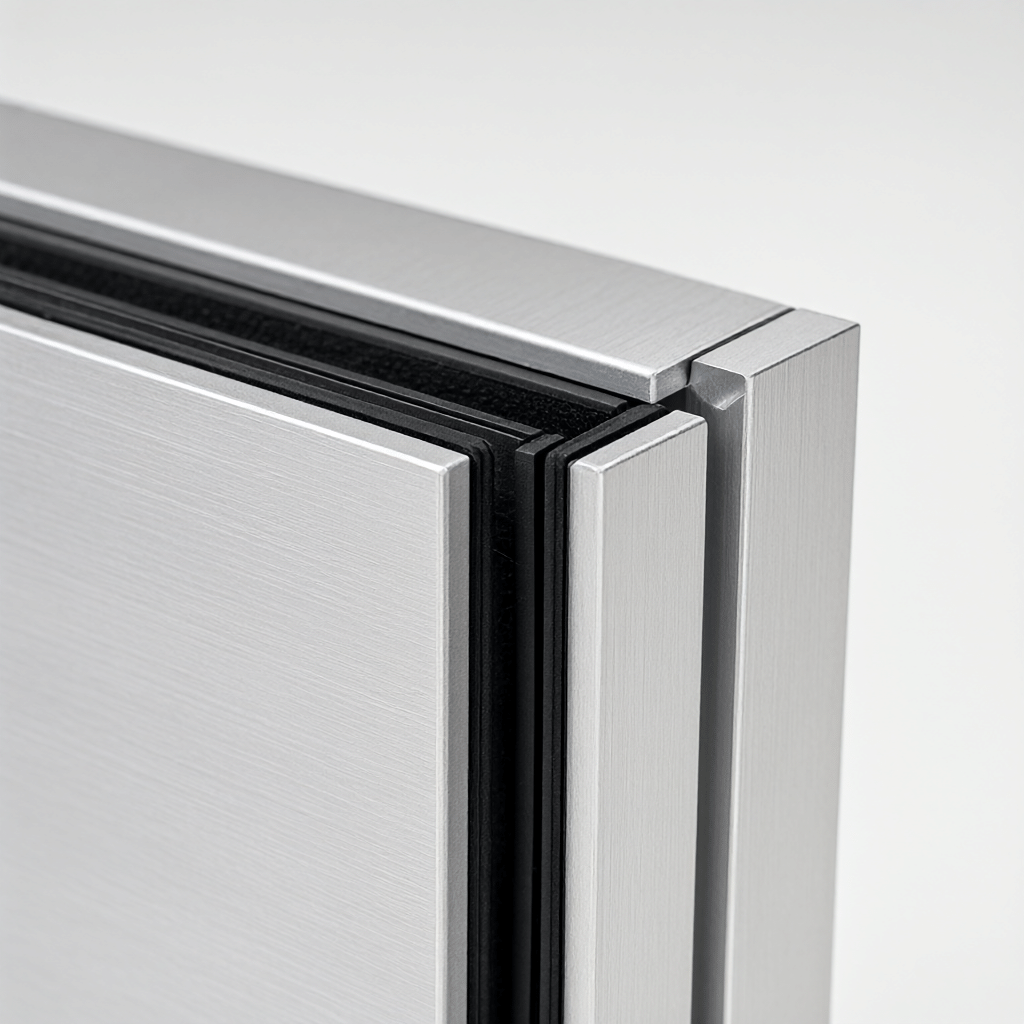
How Chinese Door Manufacturing Serves the Saudi Market
Chinese door factories have built significant export capacity specifically tailored to Gulf markets over the past decade. The combination of aluminum extrusion lines, CNC machining centers, and finishing capabilities allows manufacturers to produce thermal-break aluminum systems, sliding door configurations, casement door assemblies, and solid wood entrance doors at volumes that serve both residential villa developments and large-scale hotel or government building projects.
Several structural advantages make China a competitive source for KSA procurement. Factory-direct pricing eliminates middleman markups, which translates into unit costs that remain lower than European or regional alternatives while still allowing room for specification upgrades such as multi-chamber profiles, premium powder coatings, or laminated safety glass. Chinese manufacturers also maintain flexible production scheduling, enabling parallel processing of multiple project orders without the bottleneck delays seen in smaller regional factories.
Logistics infrastructure between southeastern Chinese manufacturing hubs and Saudi ports is well established. Containers depart from Guangzhou, Xiamen, Shanghai, and Qingdao on regular sailings, with transit times ranging from 18 to 25 days depending on port of loading and destination. Both FCL and LCL shipping models are routinely used, giving project managers flexibility based on order volume and timeline urgency. For context on container loading efficiency, buyers often reference data showing that a 20ft container can accommodate substantial door quantities when configured properly, though exact figures depend on product mix and packaging design.
What Product Categories Are Most Commonly Exported to KSA
The door categories that see the highest demand from Saudi construction projects fall into three groups. Thermal-break aluminum doors dominate because they address the region’s extreme heat while maintaining structural integrity under high wind loads. These systems typically feature multi-chamber aluminum profiles with polyamide thermal breaks, double-glazed units with low-E coatings, and robust locking hardware rated for repeated use in dusty environments.
Solid wood doors remain popular for villa entrances and premium residential applications where aesthetic warmth complements traditional Saudi architectural styles. These doors are usually crafted from durable hardwoods or engineered wood cores with surface treatments designed to resist humidity fluctuations and UV exposure during both transport and installation.
System doors and sliding door configurations complete the mainstream export range. System door exporters increasingly supply integrated frames, compression seals, and precision-machined fittings that simplify on-site assembly and reduce installation errors — a critical factor when project timelines are tight and labor may span multiple nationalities.
Buyers selecting among these categories should align material choice with building function. Hotel project procurement typically prioritizes durability, fire rating compliance where required, and consistent finish quality across dozens or hundreds of units. Residential villa development often emphasizes aesthetic flexibility, custom colors, and premium hardware selections. Commercial building fit-out tends to focus on functional performance, ease of maintenance, and compliance with local civil defense requirements.
Key Specifications
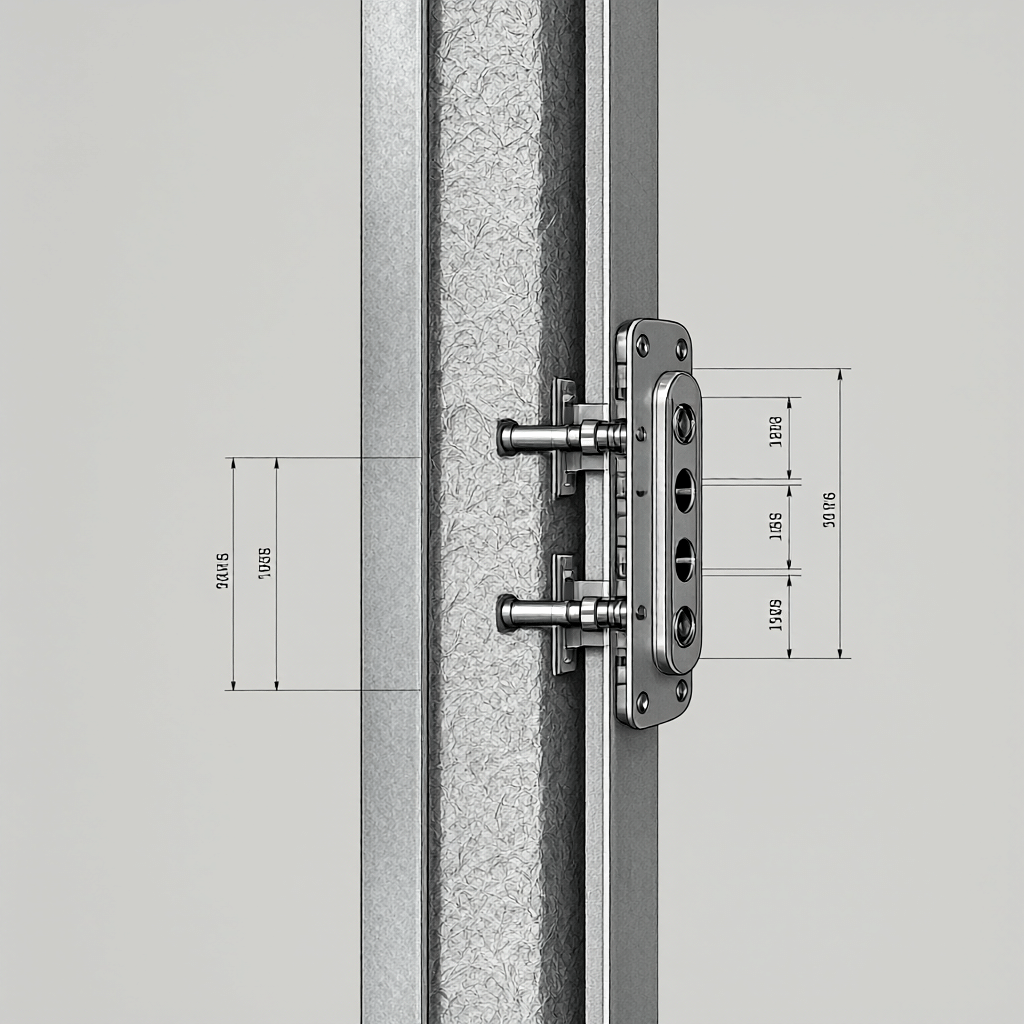
Typical Performance Ranges for Doors Supplied to Saudi Projects
Performance specifications for doors destined for Saudi Arabia should reflect the region’s temperature extremes, sand exposure, and wind conditions. Industry-standard targets that serious buyers discuss with manufacturers include thermal conductivity values below 2.0 W/(m²·K) for aluminum profiles with proper thermal breaks, air permeability classified at least to EN 12207 Class 3 or equivalent, water tightness rated to EN 12208 Class E750 or higher, and wind load resistance meeting structural requirements for the specific building height and location.
Glass specifications commonly pair 6mm+12A+6mm or 6mm+20A+6mm double glazing with low-E coatings and argon fill for thermal performance, while safety compliance often requires laminated or tempered glass in accordance with local municipal regulations. Surface finishes typically use PVDF or high-quality powder coating systems rated for 2000-hour salt spray exposure, which addresses the corrosive effects of coastal humidity near Jeddah and the Eastern Province.
Hardware selection deserves equal attention. Handles, hinges, and locking mechanisms should be specified in stainless steel grades suitable for sand-prone environments, with ball-bearing hinges and multi-point locking systems recommended for entrance doors subject to heavy use. Profile structure adjustments, including reinforcement thickness and gasket compression ratings, are often customized by manufacturers to match the wind pressure calculations required by Saudi building authorities.
For detailed guidance on matching product specifications to project requirements, procurement teams frequently consult factory audit checklists and pre-order evaluation frameworks before finalizing suppliers.
Standards & Requirements
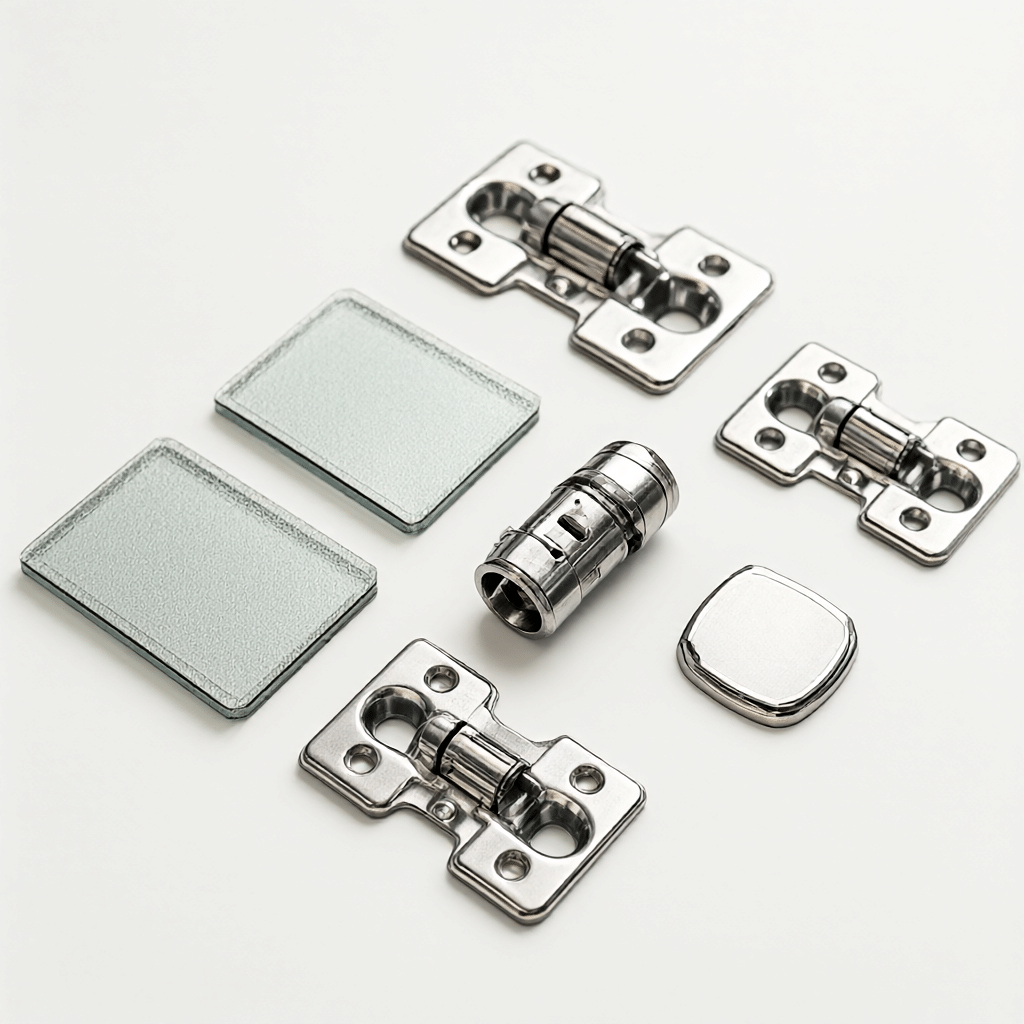
Saudi Building Code Compliance and Certification Steps
Doors imported into Saudi Arabia must comply with Saudi Standards, Metrology, Quality and Conformity (SASO) requirements and pass through the SABER platform for product conformity registration. The specific standards applicable to door imports generally reference international benchmarks such as ASTM standards for window and door performance testing, including air leakage, structural strength, and water penetration resistance. According to ASTM International, standardized test methods provide the measurement framework that manufacturers use to generate the test reports required for SABER registration.
Manufacturers serving Saudi projects typically prepare documentation that includes material certificates for aluminum alloys, test reports from accredited laboratories covering thermal break performance and wind load resistance, and declarations of conformity aligned with SASO technical regulations. Some municipal authorities may request additional verification for fire-rated applications, particularly in hotel or commercial buildings where EI30, EI60, or EI90 classifications apply depending on occupancy type and escape route requirements.
Project buyers should confirm the exact certification pathway with theirSaudi-based consultant or contracting authority before ordering, because requirement details can vary between regions and project types. A reliable manufacturer will assist with document preparation but cannot substitute for locally registered conformity assessment agents who submit SABER registrations on the buyer’s behalf.
Pre-Shipment Inspection Standards
Quality assurance before shipment is non-negotiable for doors entering Saudi construction projects. Reputable Chinese manufacturers perform systematic pre-shipment inspections that cover dimensional accuracy, surface finish consistency, hardware functionality, and performance testing on sample units from each production batch.
Air-tightness testing verifies that assembled units meet the stated air permeability class under controlled pressure differentials. Water-tightness testing subjects samples to simulated rain conditions at specified pressure levels to confirm no leakage through frame joints, glazing beads, or operational interfaces. Wind resistance testing applies cyclic and static pressure loads to evaluate structural deflection and fastener retention, ensuring doors can withstand the gust loads common along Saudi coastlines and in open desert sites.
Inspection results are documented in signed reports that accompany shipment files. Buyers should treat these reports as baseline quality evidence and retain them for project file records and potential dispute resolution.
Related Considerations
Shipping Models and Logistics Coordination
Door exports to Saudi Arabia are handled through both FCL and LCL shipping options, each suited to different order sizes and project phases. Full container load shipments are standard for large hotel procurements, villa developer orders, or commercial fit-out contracts where volume justifies dedicated container space. LCL consolidation serves smaller projects or supplementary orders where partial container loads make dedicated shipping economically inefficient.
Packaging design directly affects shipping efficiency and on-site handling risk. Doors are typically packed in wooden crates or reinforced cartons with corner protection, moisture barriers, and clear labeling indicating orientation, weight, and opening direction. Container loading plans should be coordinated in advance to maximize space utilization while preventing damage during transit. Industry resources provide loading configuration guides showing how different door dimensions and quantities fit within standard container internal volumes, helping buyers estimate landed costs more accurately.
Lead times generally span 25 to 45 days from order confirmation to shipment departure, depending on product complexity, customization depth, and factory scheduling. Expedited production is sometimes available for urgent project phases, though buyers should weigh expedite fees against potential on-site delay costs.
Documentation Requirements for Smooth Customs Clearance
A compliant Chinese manufacturer provides a complete export document set that includes commercial invoice, packing list, proforma invoice issued prior to payment, bill of lading, certificate of origin, and any product-specific declaration forms required by Saudi customs. Modern manufacturers experienced in foreign trade are familiar with the document packages needed for smooth clearance at Saudi ports and can prepare files that align with current customs practices.
The proforma invoice establishes the agreed commercial terms, specifying product descriptions, unit prices, Incoterms, payment schedule, and delivery timeline. The packing list details crate counts, net and gross weights, and container sealing numbers. Certificate of origin documents, often issued by local chambers of commerce, support preferential tariff treatment where applicable and satisfy Saudi import regulatory requirements.
Buyers should ensure their Saudi clearing agent receives document copies early enough to begin customs processing before container arrival, reducing demurrage risk at port.
Customization Scope Available from Chinese Factories
Chinese door manufacturers offer extensive customization capability across multiple dimensions. Size customization accommodates non-standard openings common in villa designs and retrofit projects, with factory tolerances typically allowing adjustment within millimeter-level ranges for width, height, and frame depth. Color customization covers RAL palette selections, anodized finishes, and specialty powder coating textures, with finish compatibility verified against Saudi UV and heat exposure conditions.
Glass customization spans double glazing configurations, low-E coatings, tinted or reflective glass variants, and laminated safety options, all selected based on thermal performance targets and local regulatory expectations. Hardware customization includes handle designs, locksets, closer mechanisms, and hinge types, allowing project buyers to match aesthetic preferences and security requirements.
Profile structure and fitting adjustments enable manufacturers to align product specifications with local building code calculations, including reinforcement configurations, seal compression ratings, and mounting interface adaptations for regional installation practices.
Procurement Decision Factors for B2B Buyers
Successful sourcing from Chinese door manufacturers depends on systematic supplier evaluation rather than price comparison alone. Buyers should assess factory production capacity, quality control processes, export documentation competence, and proven experience with Saudi or GCC project deliveries. Requesting references from similar project types and verifying recent test report formats helps distinguish established exporters from traders lacking manufacturing oversight.
Contract terms should clearly specify quality acceptance criteria, replacement policies for damaged or non-conforming units, and warranty coverage for hardware and finish defects. Payment structures typically combine deposit upon order confirmation with balance against shipping documents, though terms vary by manufacturer relationship and order volume.
Cost estimation should account for total landed expense rather than FOB unit price alone. Landed cost includes product cost, inland freight to port, ocean freight, insurance, Saudi customs duties, VAT, and port handling charges. Recent industry analysis has examined how HS code classification and duty rates affect total import expense for door products, providing context for budget planning.
Buyers working on time-sensitive projects should also clarify communication protocols, including designated contact persons, response time expectations, and progress reporting frequency during production.
Manufacturer Example: Jusen Door and Windows
As a manufacturer that regularly supplies thermal-break aluminum doors, solid wood doors, and system entrance solutions to Saudi construction projects, our approach follows the same standards described above. We adjust profile structures and fitting configurations to match the wind load and thermal performance calculations required by target municipalities, and we conduct air-tightness, water-tightness, and wind resistance testing before shipment on representative samples from each production batch.
Our customization process covers size, color, glass specification, and hardware selection, with direct factory communication ensuring that project requirements are translated accurately into production drawings. For clients managing hotel developments, villa communities, or commercial fit-outs, we coordinate container loading plans to optimize space usage and prepare complete export documentation packages including proforma invoices, packing lists, certificates of origin, and customary customs files.
Request a Bulk FOB Quotation based on your project opening sizes and specification requirements.
Send Your Project Requirements for a Custom Quote, and our team will review profile options, finish selections, and estimated lead times against your timeline.
China-Saudi Sourcing: Technical Deep Dive
Thermal Performance Engineering for Gulf Climate
Door performance for Saudi Arabia must account for cooling-load impact, solar heat gain, and structural resilience under extreme ambient conditions. The U-factor (thermal transmittance) for a properly engineered thermal-break aluminum door assembly typically falls between 1.6 and 2.2 W/(m²·K), depending on profile chamber design, thermal-barrier width, and glazing specification. Per ASTM International testing methodologies (ASTM E283 for air leakage, ASTM E330 for structural deflection, ASTM E547 for water penetration), manufacturers validate these ratings through controlled laboratory procedures that replicate real-world pressure differentials.
Solar Heat Gain Coefficient (SHGC) targets for Saudi applications generally range from 0.25 to 0.40, achieved through low-E coated laminated glass with argon gas fill. Double-glazed configurations such as 6mm tempered + 12A/16A/20A argon-filled + 6mm low-E glass are standard for commercial and hospitality projects along the Red Sea coast and in Riyadh’s continental climate zone. For projects requiring stricter energy compliance — such as those targeting Estidama Pearl or Green Building certification pathways — triple-glazed units or warm-edge spacer systems may be specified.
Wind-load resistance is a critical structural parameter. Saudi municipal engineering guidelines, aligned with ASCE 7 and local wind-speed maps, require entrance doors and facade glazing to withstand design pressures ranging from 1.5 kN/m² for low-rise residential to over 3.0 kN/m² for high-rise hotel facades in coastal zones. Manufacturers achieve compliance through reinforced profile extrusions (minimum 1.4mm wall thickness per GB/T 5237.1-2017), multi-point locking anchors, and EPDM gasket compression sets rated for sustained deformation recovery.
The combination of these technical parameters — U-factor, SHGC, air permeability class, water tightness class, and wind resistance rating — forms the core specification matrix that Saudi procurement teams use to evaluate and compare Chinese supplier proposals.
Production Process and Quality Control Architecture
Understanding the manufacturing workflow is essential for B2B buyers assessing supplier capability. A typical Chinese thermal-break aluminum door production line includes the following sequential stages:
Extrusion and CNC Processing: Aluminum billets are heated and extruded into multi-chamber profile shapes. CNC machining centers cut joints, drill hardware mounting holes, and mill sealant grooves to tolerances within ±0.15mm. Profile surface preparation involves chromate conversion coating or zirconium-based pretreatment prior to finishing.
Thermal Break Installation: Polyamide PA66GF25 thermal barrier strips (glass-fiber reinforced polyamide, per ISO 14001-compliant material specifications) are mechanically interlocked into opposing profile halves using rolling or pouring techniques. This creates the thermal separation that defines “thermal-break” classification and prevents conductive heat transfer across the frame.
Assembly and Glazing: Corner welding or mechanical fastening joins frame and sash components. Glazing beads are installed withEPDM or silicone gaskets, and double-glazed units are sealed using primary butyl and secondary polysulfide or silicone seals. Multi-point locking hardware, hinges, and closers are fitted and function-tested.
Surface Finishing: Powder coating (meeting AAMA 2603 or equivalent salt-spray resistance standards) or PVDF fluorocarbon coating is applied in a dust-controlled booth environment. Anodized finishes follow ASTM B210 standards for film thickness and corrosion resistance. Each finish lot undergoes adhesion cross-cut testing and gloss measurement.
Pre-Shipment Verification: Before packing, each batch undergoes functional cycle testing (minimum 10,000 open/close cycles for hardware durability), air/water/wind performance sampling, dimensional audit against approved drawings, and visual inspection for surface defects. Test reports are generated per EN 14351-1 or GB/T 8478-2020 test protocols and made available to the buyer.
This end-to-end process visibility allows procurement teams to audit factory workflows, verify quality control checkpoints, and confirm that finished products match approved samples before shipment commitment.
Case Studies and Delivery References
Named Project Deliveries and Volume Benchmarks
Real-world shipping data provides the most reliable evidence of a Chinese manufacturer’s ability to serve Saudi construction timelines. The following documented delivery profiles illustrate typical order patterns seen in current KSA market channels:
Red Sea Coastal Hotel Fit-Out (Jeddah Region): A 120-room boutique hotel project required approximately 340 thermal-break aluminum casement door assemblies with low-E laminated glazing, RAL 9016 matte white powder coat finish, and premium stainless steel multi-point locks. The order was split across two 40ft HQ containers shipped from Xiamen port, with a total transit time of 21 days. Pre-shipment inspection confirmed EN 12207 Class 4 air permeability, EN 12208 Class E1050 water tightness, and wind load resistance exceeding 2.4 kN/m² — all within specification. The factory provided complete SABER-supporting test documentation including GB/T 8478-2020 certified reports.
Riyadh Villa Development (Residential Cluster): A master-plan villa community comprising 48 units specified solid wood entrance doors with decorative carved panels, thermal-break aluminum side-lights, and custom color matching to a client-approved RAL palette. Total order volume reached approximately 210 door assemblies packed in wooden crate configurations optimized for 20ft container loading efficiency. Lead time from deposit to shipment departure was 38 days, with LCL consolidation used for hardware and glazing accessory line-items. Pre-shipment inspection covered dimensional tolerance verification (±1.5mm), surface finish adhesion testing, and functional operation checks on all ironmongery.
Eastern Province Commercial Tower Entrance System: A mixed-use commercial building procurement required 86 pairs of automated sliding door systems with safety photo-eye sensors, brushed stainless steel faceplates, and thermally broken aluminum framing. These units were manufactured to meet Saudi Civil Defense fire-rating requirements where applicable, with EI30-rated glazing configurations supplied alongside non-fire-rated perimeter access doors. The order utilized FCL shipment from Qingdao with documented certificate of origin, commercial invoice, packing list, and bill of lading prepared per the buyer’s customs brokerage requirements.
These delivery cases demonstrate that established Chinese manufacturers can handle varied product mixes, compliance documentation, and shipping configurations simultaneously — a capability that distinguishes true production factories from trading companies that cannot guarantee test-report authenticity or container-loading optimization.
Procurement Decision Framework: Buyer Checklist
Supplier Audit and Qualification Steps
Before issuing a purchase order, Saudi B2B buyers should complete a structured supplier evaluation covering the following checkpoints:
| Audit Area | Evaluation Criteria | Documentation Requested |
|---|---|---|
| Factory legitimacy | Business license, factory floor photos/video, production capacity records | business licence, facility tour video, annual output data |
| Quality management | ISO 9001:2015 certification status, QC procedures, inspection equipment | ISO certificate copy, IQC/IPQC/OQC SOPs |
| Product testing | Accredited lab test reports, test protocol versions, report dates | GB/T 8478-2020 / EN 14351-1 test reports (≤24 months old) |
| Export track record | Previous KSA/GCC shipments, SABER document support, reference contacts | Bill of lading copies (redacted), client references |
| Customization capability | Profile extrusion partnerships, hardware sourcing network, finishing options | Material certificates, hardware brand authorizations |
| Communication responsiveness | Response time, English/Arabic proficiency, dedicated account manager | Sample reply turnaround, organizational chart |
Buyers should request a virtual factory audit or schedule an on-site visit for orders exceeding USD 50,000. Independent third-party inspection services (SGS, BV, TÜV Rheinland) can also conduct pre-shipment audits on the buyer’s behalf.
Sample Request and Approval Process
The sample approval stage is the most critical quality gate before bulk production commences. Buyers should specify the following when requesting samples:
- Physical sample unit — Full-size assembly representing the exact profile, glass, finish, and hardware configuration intended for bulk order.
- Material certificates — Aluminum alloy grade certification (per GB/T 3190 or EN 573), thermal break strip material spec (PA66GF25), glass composition certificate.
- Test report for sample unit — Air permeability, water tightness, and wind resistance test results for the sample configuration, conducted per recognized standard.
- Finish approval panel — Powder-coated or PVDF-finished sample panel in the chosen RAL color for visual and gloss-match verification.
- Hardware function test — Operation demonstration of locks, hinges, closers, and any automated mechanisms.
Sample lead time typically ranges from 7 to 15 working days. Sample costs are usually refundable against the bulk order. Buyers should not proceed to production until written sample approval is received, preferably via signed and stamped approval sheet.
Contract Negotiation and Risk Mitigation Points
The purchase contract should explicitly address:
- Specification attachment: Full technical specification document as Annex A, including profile cross-sections, glass specification, hardware brand/model, finish code, and tolerated dimension ranges.
- Quality acceptance criteria: Reference to agreed test standards, acceptable defect rates (typically ≤2% for cosmetic issues, 0% for functional failures), and rework/replacement procedures.
- Inspection rights: Buyer or third-party inspector right to conduct pre-shipment inspection at factory prior to container sealing, with hold-point provisions.
- Payment terms: Typical structure of 30% deposit upon PO confirmation, 70% balance against copy of shipping documents; LC payment available for large orders.
- Warranty coverage: Minimum 2-year warranty on profile and finish, 1-year on hardware, with clear response-time commitments for defect resolution.
- Delay and force majeure clauses: Defined liquidated damages for late shipment, exclusion of force majeure events beyond manufacturer control.
- Dispute resolution: Governing law and arbitration venue (commonly SIAC or CIETAC for China-KSA trade).
For detailed evaluation frameworks and checklist templates, buyers often reference industry audit resources that provide standardized supplier assessment rubrics before finalizing contracts.
Working With a Verified Chinese Door Manufacturer
As a manufacturer serving the Saudi and wider GCC market, our approach aligns directly with the procurement standards outlined above — we manufacture thermal-break aluminum doors, system casement and sliding doors, solid wood entrance doors, custom villa window packages, sunrooms, and aluminum alloy entrance systems, with every order treated as a project-specific build rather than a catalog drop.
Our operational model addresses the key concerns Saudi buyers raise during sourcing evaluation. We supply directly from our factory without middleman markup, which keeps unit pricing competitive while preserving margin for specification upgrades — whether that means upgrading to thicker profile walls, specifying PVDF instead of standard powder coat, or selecting higher-performance hardware brands. Every order receives full customization across size, color, glass type, and hardware accessories, with profile structures and fitting configurations adjusted to match the wind-load calculations and building-code requirements of your target Saudi municipality.
Before shipment, each production batch undergoes the same three-part performance verification that Saudi inspection frameworks expect: air-tightness testing, water-tightness testing, and wind-resistance testing — with signed test reports included in your shipment documentation package. Our foreign-trade team prepares complete export files including packing lists, proforma invoices, commercial invoices, and certificates of origin, ensuring smooth clearance at Jeddah Islamic Port or King Abdulaziz Port. We ship via both FCL and LCL from Guangzhou, Xiamen, Shanghai, and Qingdao, with lead times typically spanning 25 to 45 days depending on product complexity and order volume.
If you are evaluating Chinese door suppliers for an active Saudi project — whether a hotel fit-out, villa development, or commercial building — we recommend starting with a specification review and sample approval before committing to bulk orders. Get a Free Quote
Completing the Procurement Decision Factors Section
Requesting references from similar GCC project deliveries remains essential. Contact information should include verifiable project sites, preferably within Saudi Arabia or neighboring KSA markets, where installed doors can be inspected for long-term finish stability, hardware durability, and seal integrity after monsoon-season exposure. Procurement teams typically evaluate at least three referenced installations before advancing negotiations.
Vendor Qualification Checklist
A structured buyer checklist reduces sourcing risk across every stage of the evaluation pipeline. Factory audits should verify production capacity, quality management procedures, and export history. Standard qualification questions to request from suppliers include:
- Do you hold ISO 9001 certification for your manufacturing facility, and can you provide a current certificate copy?
- What pre-shipment testing do you perform on air permeability, water tightness, and wind resistance, and which laboratory accredits those reports?
- Can you confirm experience with SASO/SABER documentation packages for Saudi-bound shipments?
- What is your standard lead time for thermal-break aluminum systems and solid wood doors ordered at FCL quantities?
- Do you offer profile and fitting customization aligned with local building code wind load calculations?
- Can you provide packing lists, proforma invoices, and full customs documentation for both FCL and LCL shipments?
- What third-party inspection protocols do you accept, and will you coordinate access for SGS, BV, or similar agencies?
Sample approval is a mandatory gate before bulk production begins. The process should include submission of material certificates, cross-section drawings showing profile chamber configuration and thermal break placement, glass unit specifications with coating details, surface finish color verification against RAL or Pantone standards, and hardware functional tests. Both the buyer and supplier should sign an approved sample record that becomes the quality benchmark for the entire order.
Third-party inspection protocols add an independent verification layer. Common practice involves pre-production inspections of raw materials, during-production line checks, and final random sampling prior to container sealing. Inspectors typically verify dimensions against shop drawings, check surface finish consistency, test hardware cycling, and review documentary compliance including test reports and certificates of origin.
Supplier Red Flags to Avoid
Certain warning signs indicate a supplier may not meet the standards required for Saudi project delivery. Buyers should treat the following indicators as grounds for further scrutiny or alternative sourcing:
- Refusing or delaying pre-shipment performance testing for air-tightness, water-tightness, and wind resistance, or providing only internal lab reports without accredited laboratory backing.
- Providing vague or incomplete certification documents that lack issuing body names, certificate numbers, or expiration dates — particularly missing SABER registration proof or product-specific PCoC/SCoC documentation.
- Unable to produce verifiable references from completed Saudi or GCC projects upon request.
- Inconsistent communication regarding lead times, with promises that conflict with documented production scheduling practices.
- Lack of documented quality control procedures, including absence of inspection records, non-conformance reporting, or corrective action processes.
- Refusal to allow third-party inspection or factory audit access before contract signature.
- Packing methods that show no evidence of moisture barriers, corner protection, or container loading optimization, increasing transit damage risk.
- Pressure for full payment before production begins without escrow, LC, or staged payment terms acceptable to the buyer.
Recognizing these red flags early prevents costly procurement errors and protects project timelines from supply chain disruptions.
Decision Framework: Sourcing from China vs Regional Manufacturers
Project buyers often weigh Chinese sourcing against regional alternatives using a weighted decision framework. The following criteria reflect factors most relevant to Saudi construction procurement:
| Criterion | Weight | Chinese Sourcing Profile | Regional/GCC Sourcing Profile |
|---|---|---|---|
| Unit cost competitiveness | 25% | Factory-direct pricing eliminates middleman markup; significant savings on volume orders | Higher overhead and smaller production runs reduce price advantage |
| Specification flexibility | 20% | Full customization available across size, color, glass, hardware, and profile structure | Limited customization options due to standardized product catalogs |
| SASO/SABER compliance capability | 20% | Experienced exporters maintain document packages; work with appointed conformity agents | Proximity to Saudi market may simplify logistics but does not guarantee certification expertise |
| Lead time reliability | 15% | 25–45 day standard production windows; expedited options available at additional cost | Shorter transit but potentially longer fabrication cycles depending on regional capacity |
| After-sales support and spare parts | 10% | Dependent on supplier relationship; many Chinese factories offer warranty coverage for defects | Geographically closer may enable faster response for warranty claims |
| Shipping and logistics control | 10% | Established FCL/LCL routes; experienced exporters manage customs documentation | Simplified land transport possible but less competitive on large-volume unit economics |
Under this framework, Chinese sourcing typically scores highest on cost and specification flexibility, while regional sourcing gains ground on lead time predictability and after-sales proximity. The decisive factor for most Saudi buyers is whether the Chinese supplier can demonstrate verifiable compliance capability — not just price competitiveness alone.
Buyers should apply this framework qualitatively by scoring each shortlisted supplier rather than selecting based on unit price alone. Total landed cost, certification completeness, and delivery reliability collectively determine true value for KSA construction projects.
For additional context on container loading efficiency and shipping configuration, procurement teams frequently reference industry data on how different door dimensions and package mixes fit within standard container volumes.
How We Meet These Standards as a Manufacturer
As a manufacturer serving the Saudi market, our approach follows the same principles outlined above: specification-driven engineering, documented testing, and full export readiness. Here is how we align with the benchmarks serious buyers expect.
We operate with direct supply from our factory, which allows us to maintain competitive pricing without middleman markup while retaining full control over material selection and production quality. Every order — whether thermal-break aluminum doors, solid wood entrance doors, system casement configurations, or custom villa window packages — undergoes the customization process we described: size, color, glass type, and hardware accessories are adjusted to match each project’s technical requirements.
Before shipment, our quality control team conducts strict pre-shipment inspection covering air-tightness, water-tightness, and wind resistance testing on representative samples from each production batch. These tests follow internationally recognized methods, and results are documented with signed inspection reports included in every shipment file. Our test protocols target performance levels that exceed minimum SASO-aligned requirements for Saudi coastal and interior climate conditions.
Our foreign trade team manages the full export documentation workflow — packing lists, proforma invoices, bill of lading coordination, certificate of origin preparation, and customs declaration support — ensuring smooth clearance at Jeddah Islamic Port and King Abdulaziz Port. We ship via both FCL and LCL models from Guangzhou, Xiamen, Shanghai, and Qingdao, giving project managers flexibility based on order volume and timeline.
Where local building codes require specific profile structures or fitting configurations, we adjust our extrusion designs and reinforcement layouts accordingly. This includes adapting frame depth, gasket compression ratings, and hinge or locking hardware specifications to match the wind pressure calculations and installation standards applicable to your target market.
If you are evaluating suppliers against the checklist and red flag criteria outlined earlier, we welcome the opportunity to share our certification documents, test reports, and factory audit records for your review. Contact Our Team to discuss your project specifications and receive a detailed quotation.
Sources & References
- ASTM International — www.astm.org











