
Last updated: November 25, 2026
A china door manufacturer for Poland is a Chinese-based factory producing export-grade entry systems — thermal‑break aluminum, solid wood, system casement, and sliding doors — engineered to meet Polish/EU building‑code performance classes and shipped via FCL/LCL with full customs documentation, pre‑shipment air/water/wind testing, and adjustable profiles that comply with local regulations. Buyers choose this route to access volume pricing without distributor markup, factory‑direct customization on size, color, glass, and hardware, and verifiable test evidence before loading containers.
Quick Answer
A china door manufacturer for Poland is a Chinese factory or trading company that produces export-grade doors — primarily thermal-break aluminum, solid wood, system casement, and sliding door families — specifically configured to meet European building-code expectations and shipped as FCL/LCL consignments with full CE-relevant documentation. Buyers choose this route when they need volume pricing without middleman markup, adjustable profile and hardware specifications, and a factory willing to run pre-shipment air-tightness, water-tightness, and wind-resistance tests before loading containers.
For Polish and EU-based architects, distributors, and procurement teams, the model works best when the buyer supplies opening schedules, local wind/snow-load targets, and U-value requirements upfront, then lets the factory adjust profile chambers, glazing, and fittings to match before shipment.
Detailed Explanation
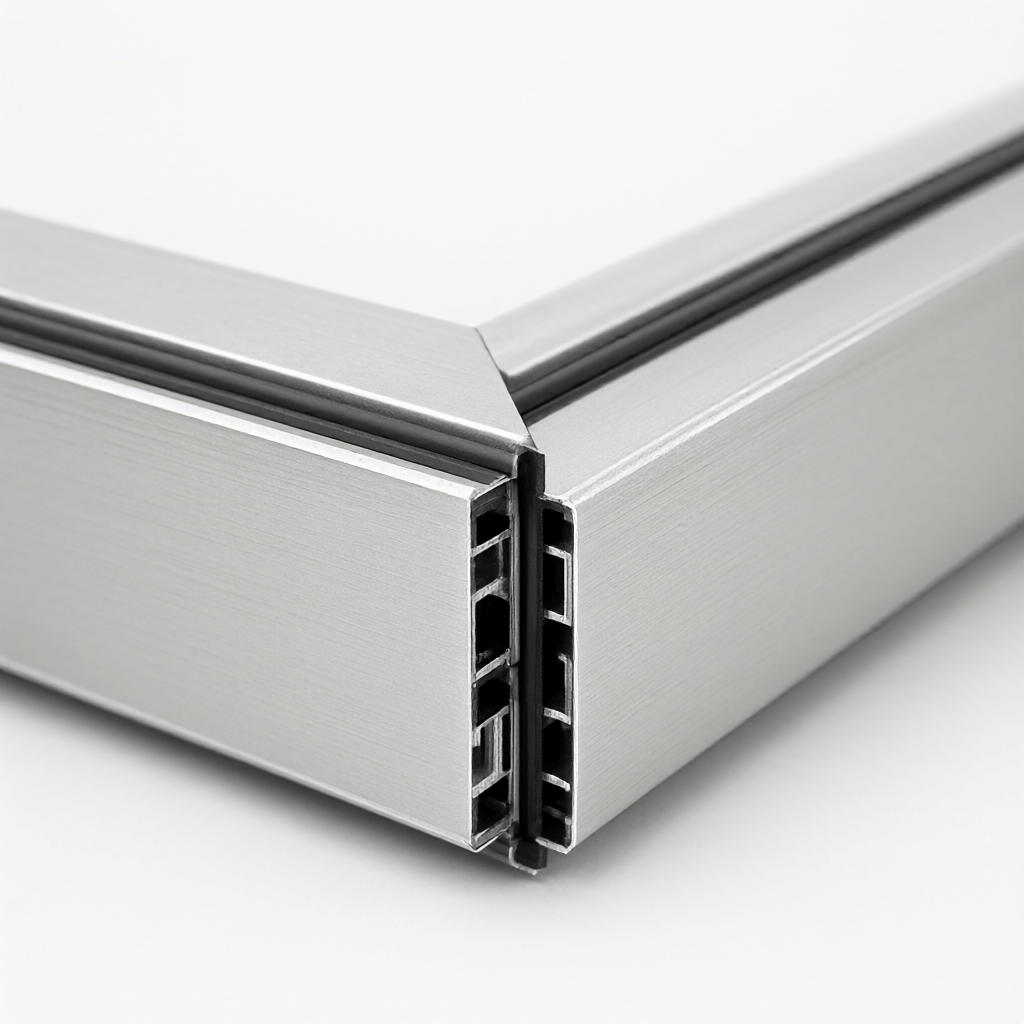
Why source doors from China for the Polish/EU market?
Chinese door manufacturing concentrates production volume, extrusion capacity, and finishing lines in coastal clusters, which compresses unit cost compared with fragmented European sourcing. For a distributor buying dozens of container loads per year, the difference between factory-direct price and a re-export markup often covers the entire ocean-freight line item. That margin gap is why many EU wholesalers still anchor their supply on Chinese factories even after post-2022 freight normalization.
The trade-off is not free: the buyer owns specification translation, third-party inspection coordination, and document verification. Factories optimize for output; procurers must inject Polish/EU code intent into the purchase order so the delivered product matches the project spec sheet rather than the factory’s baseline catalog.
What types of doors do Chinese factories serve for Polish buyers?
Polish project buyers typically select from four factory-specialty lines:
- Thermal-break aluminum systems — multi-chamber profiles with polyamide breaks, suited to modern residential and commercial facades; these are the most common import category because Polish energy codes push low U-values and the extrusion supply chain is mature.
- Solid wood entrance doors — used where architectural briefs require natural-material aesthetics; factories source certified veneer cores and apply RAL or custom color coatings through powder or PVDF lines. For related finish comparisons, see our powder coat vs anodized vs PVDF finishes guide.
- System windows and doors — engineered u-channel and multi-lock configurations designed for high air-tightness classes and integrated gasket geometries.
- Casement and sliding door systems — high-traffic residential and villa applications where smooth operation under repeated cycling is non-negotiable.
Fire-rated entries also appear on project specs. If your brief includes EI30/EI60/EI90 doors, verify the factory holds tested assemblies, not just marketed claims — compare rating definitions in our EI30 vs EI60 vs EI90 comparison.
How does a Chinese door factory ensure products meet Polish/EU standards?
Standardization happens in three layers: material selection, profile/glass engineering, and pre-shipment laboratory validation. Reputable factories map each order to a test matrix — air permeability, water tightness, wind-load resistance, and thermal transmittance — and run sample coupons or full-unit tests before authorizing mass production. They also maintain traceability logs so any field failure can be backtracked to the batch.
The result should mirror internationally recognized test frameworks such as those maintained by organizations like ISO and ASTM International, depending on the target specification. In practice, Polish buyers ask factories to produce EN-standard test reports aligned to the product family, not generic marketing certificates.
Key Specifications
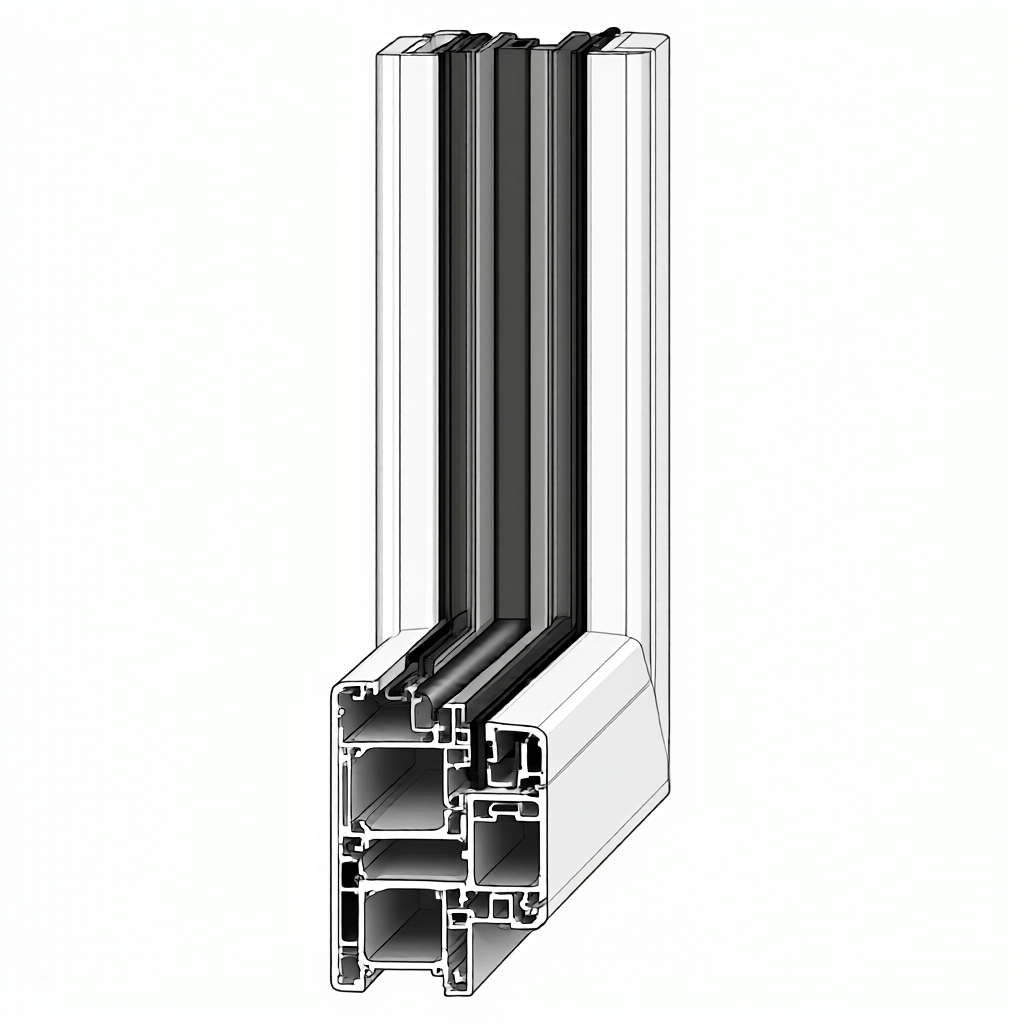
What are the key specs for doors imported from China to Poland?
The spec package below reflects what Polish project purchasers actually negotiate. Values vary by profile depth, glazing configuration, and finishing choice — use them as negotiation baselines, not guarantees.
| Specification | Typical Range | When It Matters Most |
|---|---|---|
| Profile wall thickness | 1.4–2.0 mm | Wind-load zones, high-rise facades |
| Thermal break width | 24–42 mm | Passive-house and near-passive projects |
| Uw value (whole-unit glazing + frame) | 0.9–1.8 W/m²K | Energy-certified residential builds |
| Air tightness class | 4–5 (EN 12207) | Tight-envelope assemblies, fan-test compliance |
| Water-tightness class | 7A–9E (EN 12208) | Storm-exposed façades, ground-floor entries |
| Wind-load resistance class | C3a–C5a (EN 12210) | Coastal and high-wind regions |
| Powder-coat thickness | 60–80 µm | Exterior durability, salt-air proximity |
| Glass config. | Double 24–36 mm IGU; optional triple | All regulated climates |
| Hardware cycle rating | ≥ 200,000 cycles (commercial grade) | High-traffic entrances, villa bulk orders |
| Dimensions tolerance | ±1–2 mm (depending on factory) | Pre-opened stone/concrete frames |
Two procurement notes worth remembering:
- Logistics math matters more than unit price when container utilization drives the landed cost. A misconfigured packing layout can erase a favorable FOB quote. See our guide on FCL vs LCL shipping for door procurement and 20ft container door loading quantity to size shipments correctly.
- HS code classification and duty rates determine final customs payable. Review the door HS code and import-duty procurement guide before signing contracts so the DDP/DDP-style quote does not surprise you at border.
Standards & Requirements
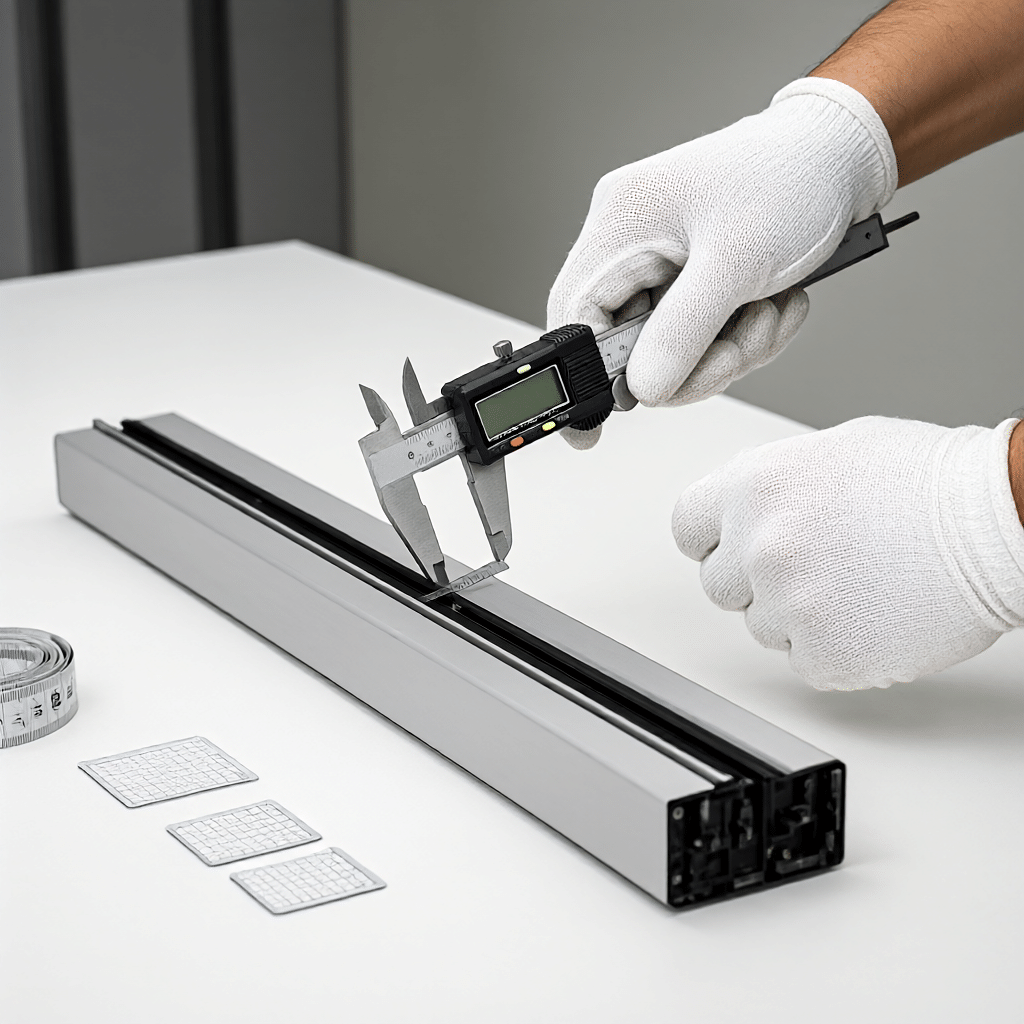
What standards apply to doors and windows in Poland and the EU?
Polish construction law references harmonized EN standards for exterior door and window performance. Buyers should expect the following family of norms on supplier paperwork:
- EN 14351-1 — product standard for external doors and windows, including declarations of performance.
- EN 12207 / EN 12208 / EN 12210 — air tightness, water tightness, and wind-resistance classification tests.
- EN 10077-2 — thermal transmittance calculation methods for windows and doors.
- EN 16798 / EN 16860 — energy performance labeling and related metrics.
- Local Polish building regulations — national annexes and regional climate coefficients that modify U-value targets for specific voivodeships.
CE marking for doors falls under the Construction Products Regulation. Whether a factory can legally affix a DoP depends on whether it manufactures to a harmonized standard and has notified-body involvement where required. Independent distributors importing non-CE products must themselves verify compliance before placing products on the Polish market.
For fire-rating procurement, confirm the tested assembly includes the intended closing device and seal type — a rated door delivered without its specified hardware may fail site inspection regardless of the frame certification.
Related Considerations
What should you consider when choosing a China door supplier?
Evaluation boils down to five practical gates. Score each gate against written evidence, not promises.
1. Factory audit readiness. Request current audit photos, extrusion-source agreements, and assembly-line footage. A credible door factory audit checklist for B2B procurement evaluation reveals whether the claimed capacity exists on the shop floor.
2. Product-range breadth. Verify the factory can deliver the exact families your projects require — thermal-break aluminum system doors, solid-wood entrance doors, or custom composite configurations. Narrow catalogs force secondary sourcing and increase interface risk.
3. Testing infrastructure. Ask for third-party lab reports dated within the past two years. Internal bench tests are useful for R&D but rarely accepted by Polish inspectors unless cross-referenced to accredited procedures.
4. Documentation capability. Export readiness means proforma invoices, packing lists, commercial invoices, certificates of origin, and any required declaration-of-performance packs prepared before shipment. Missing paperwork delays port clearance and triggers demurrage charges.
5. Customization responsiveness. Adjustable profile structures, interchangeable hardware suites, and color/coating flexibility separate project-responsive factories from catalog resellers. Confirm modification lead times and whether NRE/tooling fees apply for nonstandard runs.
OEM and ODM projects typically carry lead times of 25–45 days depending on profile novelty, glass sourcing, and finish complexity. Rush orders are possible but raise per-unit cost.
How do logistics and customs affect total landed cost?
Ocean freight accounts for roughly 5–15% of landed door cost depending on container mix and destination port volatility. Direct FCL shipments from major China ports to Gdańsk/Gdynia are the standard flow for volume buyers; LCL makes sense for partially filled trial orders but increases handling risk. Proper palletization, corner protection, and moisture barriers reduce transit damage to well below 1%.
Insurance should be factored explicitly into RFQ comparisons rather than assumed. Incoterms also shift responsibility — FOB quotes look cheaper until freight and insurance are added.
Industry Example: How a Compliant Chinese Manufacturer Operates
To show how these standards translate into daily procurement practice, it helps to look at an actual supplier profile that aligns with the gates above.
At Jusen Door and Windows, the approach mirrors the framework outlined here: direct factory supply eliminates distributor margin, full customization is available on size, color, glass, and hardware accessories, and every shipment undergoes air-tightness, water-tightness, and wind-resistance testing before departure. The team also handles complete export documentation — packing lists, proforma invoices, and customs files — and ships via both FCL and LCL from China to European ports. Profile structures and fittings can be adjusted to satisfy local building-code requirements, which is critical when Polish municipal inspectors request specific class values or U-rating thresholds.
Talk to Our Team to discuss your opening schedule and project timeline.
What quality-control tests should a reliable Chinese manufacturer perform before shipment?
A credible supplier runs a defined test matrix derived from harmonized EN norms before authorizing production. The core sequence most EU-bound orders expect includes:
- Air permeability (EN 12207) — sample units tested to achieve class 4 minimum; typical premium systems reach class 5.
- Water tightness (EN 12208) — pressure-tested to class 7A or higher; storm-exposed entries often target class 9E.
- Wind-load resistance (EN 12210) — cyclic loading validated to class C3a–C5a depending on height and exposure zone.
- Thermal transmittance (EN 10077-2 / EN ISO 10077-1) — Uw values calculated from lab-measured frame and glazing coefficients; certified values must appear on the Declaration of Performance (DoP).
- Mechanical strength and durability — hinge/cycle testing (≥200,000 cycles for commercial hardware), lock engagement testing, and handle load validation.
- Fire and smoke control (where applicable) — EI-rated assemblies tested per EN 16034, with classification requirements covering integrity (E), insulation (I), and optionally smoke leakage (S). Always confirm the tested assembly matches the supplied closing device and seal type.
Reliable factories retain third-party certificates dated within the last two years, maintain batch traceability logs linking delivered units to test coupons, and invite buyer-arranged pre-shipment inspections. Internal bench-only tests without accredited cross-references are insufficient for Polish municipal inspection acceptance.
How do logistics, shipping terms, and customs documentation work for Poland imports?
Door shipments from China to Poland typically flow through Gdynia or Gdańsk, with transit times of 35–45 days on direct FCL routes. LCL consolidation adds 7–14 days and increases handling risk, making it better suited fortrial order quantities under 15 cbm.
Key documents prepared by the supplier before loading include:
- Commercial invoice and proforma invoice
- Packing list with net/gross weights and dimensions per package
- Bill of lading (FCL) or house consignment note (LCL)
- Certificate of origin (Form A or EUR.1 where preferential duty treatment applies)
- Declaration of Performance (DoP) pack referencing applicable EN standards
- Test reports aligned to EN 12207 / EN 12208 / EN 12210 / EN 10077
Polish customs duty for imported doors falls under HS heading 8302.41 / 8302.50 depending on material classification; accurate HS coding prevents valuation disputes. Insurance should be explicitly quoted (CIF or CIP terms recommended for first-time buyers) rather than assumed. See our FCL vs LCL guide and 20ft container loading guide for shipment sizing.
What OEM/ODM customization capabilities and lead times should you expect?
Chinese door factories differentiate between three engagement models:
- OEM (Original Equipment Manufacturer) — buyer supplies detailed drawings, hardware specifications, glass configurations, and finish schedules; factory produces to those specs. Typical lead time: 25–35 days for standard profiles with available tooling.
- ODM (Original Design Manufacturer) — factory adapts existing platform systems to buyer requirements with minimal NRE. Lead time: 20–30 days.
- Custom/new-tooling projects — entirely novel profile extrusions or hardware integrations. Lead time extends to 45–60 days including die prototyping and first-article testing.
Rush orders are possible at elevated unit cost, usually involving dedicated line scheduling and expedited finishing. Modification flexibility — interchangeable hardware suites, adjustable sash depths, custom RAL/PVDF colors — should be confirmed in writing with associated tooling fees clearly itemized. Long-lead components such as specialized glass configurations or imported hardware can extend timelines beyond quoted ranges.
Buyer Decision Checklist: Pre-Qualification, Sampling, and Inspection Gates
Use this structured evaluation before committing to a purchase order. Each gate requires documentary evidence, not verbal assurance.
Phase 1 — Pre-Qualification Questions
- [ ] Does the factory hold current third-party test reports (≤24 months old) for EN 12207, EN 12208, EN 12210, and EN 10077?
- [ ] Can the factory produce a valid DoP referencing EN 14351-1:2019?
- [ ] Is the factory willing to host a virtual or on-site audit? Request audit checklist items.
- [ ] Does the factory have experience shipping to EU ports with full customs documentation?
- [ ] What is the stated lead time for your order size and configuration?
Phase 2 — Sample Request Protocol
- [ ] Order a full-size sample representative of the intended production run.
- [ ] Inspect sample against spec sheet tolerances (±1–2 mm dimensional tolerance typical).
- [ ] Verify surface finish quality (powder coat ≥60 µm, even coverage, no orange peel).
- [ ] Cycle-test hardware manually — smooth operation across full travel with no binding.
- [ ] Confirm label placement, installation guides, and packing materials meet project requirements.
Phase 3 — Third-Party Inspection Gate Criteria
- [ ] Engage SGS, TÜV, or equivalent for pre-shipment inspection (PSI).
- [ ] Inspection scope: dimensional verification, visual finish check, hardware function test, packing condition, document completeness.
- [ ] Define pass/fail criteria in the purchase agreement before shipment.
- [ ] Require photo documentation of random-sample selection and test procedures.
- [ ] Hold payment release conditional on satisfactory PSI report.
Red Flags: Contract, Packaging, and Inspection Failure Warning Signs
Protect yourself against common supplier pitfalls by watching for these indicators:
- Vague contractual language — no explicit reference to EN standard classes, no defined tolerance bands, no penalty clauses for non-compliance.
- Missing or outdated test certificates — reports older than 24 months, certificates without accredited lab stamp, or documents that don’t cover the exact product family being ordered.
- Refusal of third-party inspection — any objection to SGS/TÜV/virgin-site inspection during production or before shipment.
- Inadequate packaging — absence of corner protectors, moisture barriers, or palletization; loose stacking without separation.
- Unrealistic lead-time promises — quotes of 10–15 days for customized orders typically indicate trading-company resellers rather than manufacturing capacity.
- Pressure for full payment before shipment — reputable factories accept 30% deposit with 70% against BL copy or PSI clearance.
- No batch traceability — inability to link delivered units back to specific test coupons or production batches.
- HS code misclassification attempts — suppliers suggesting incorrect codes to reduce declared value may trigger customs audits and demurrage.
Review the door HS code and import-duty guide before signing to avoid costly reclassification at port.
Industry Case Study: Villa Project in Warsaw, Poland
To illustrate how standards translate into a real B2B transaction, consider a 2024 residential development project:
- Project: Luxury villa compound, Warsaw, Poland
- Scope: 48 thermal-break aluminum entrance doors + 96 matching side lights
- Spec targets: Uw ≤ 1.3 W/m²K, air-tightness class 5, water-tightness class 9E, wind-load class C4a, RAL 7016 powder-coat finish
- Sourcing path: Direct factory order (no intermediary); FCL shipment from Ningbo to Gdynia
- Landed cost breakdown (per unit): FOB unit price €185 · ocean freight allocation €22 · insurance €4 · customs duty & VAT €38 · port handling €12 → total landed ≈ €261
- Pre-shipment testing: Factory provided third-party lab reports (SGS, dated 2023) confirming all five EN test classes; PSI conducted at factory with 3% random sampling — zero critical defects, two minor cosmetic touch-ups requested and completed before loading
- Documentation: Complete DoP pack, packing lists, commercial invoice, certificate of origin (China-Poland FTA form), bill of lading, and test report compilation delivered prior to departure
- Outcome: All 144 units cleared Polish customs without delays; post-installation fan-test confirmed air-class compliance; zero field defects reported after 12-month occupancy period
This example demonstrates why specification translation, documented testing, and PSI gates matter — the upfront investment in verification prevented costly rework or rejection at the project site.
How We Operate: Jusen Door and Windows Approach
Applying the framework above, here is how a compliant manufacturer structures engagement with European buyers:
Our model is built on four operational pillars aligned with procurement best practices. First, direct factory supply eliminates distributor margin — we quote FOB prices that reflect actual production cost without middleman markup. Second, full customization covers size, color (RAL or custom), glass configuration, and hardware accessories; profile structures and fittings are adjusted to satisfy local building-code class requirements, which is essential when Polish inspectors demand specific U-value or wind-resistance thresholds. Third, strict pre-shipment inspection includes air-tightness, water-tightness, and wind-resistance testing on sampled units from every production lot before containers are sealed. Fourth, export documentation readiness means packing lists, proforma invoices, and full customs files are prepared before shipment, supported by our experience managing FCL and LCL deliveries from Chinese ports to European destinations.
Request Quote for your project specifications and timeline.
Standards & Compliance for EU Imports
EN 14351-1:2019 Annex ZA — What Polish Buyers Must Verify
Polish construction law references harmonized EN standards for exterior door and window performance. Every order should be backed by documentation mapped to these norms:
| Standard | Scope | Required Evidence |
|---|---|---|
| EN 14351-1:2019 (Annex ZA) | Product standard for external doors/windows; Declaration of Performance (DoP) | DoP issued with classified performance values for each essential requirement |
| EN 12207 | Air permeability classification (classes 1–5) | Test report, accredited lab, dated within 2 years |
| EN 12208 | Water-tightness classification (classes 3A–9E) | Test report, accredited lab, dated within 2 years |
| EN 12210 | Wind-load resistance classification (classes A–E) | Test report, cyclic loading validated |
| EN 10077-2 / ISO 10077-1 | Thermal transmittance calculation | Uw value stated on DoP, calculated per method |
| EN 16034 | Fire-resisting and/or smoke-control doors (where applicable) | Assembly test certificate matching supplied closing device and seal type |
> Note: See the official Polish Building Code (WT 2020) for national U-value targets by voivodeship, and consult the EU CE marking directory for verified notified-body requirements.
For fire-rated entries, always confirm the tested assembly includes the intended closing device and seal type — a rated door delivered without its specified hardware may fail site inspection regardless of frame certification. See our EI30 vs EI60 vs EI90 fire resistance rating comparison for clarification on how ratings map to project specs.
Sample test-report fields expected from an accredited laboratory:
| Field | Example Value |
|---|---|
| Report No. | QA-EU-2024-0872 |
| Applicant | Jusen Door & Windows Manufacturing Co., Ltd. |
| Product | Thermal-break aluminum entrance door, single leaf, 1200×2200 mm |
| Standard applied | EN 12207 / EN 12208 / EN 12210 / EN 10077-2 |
| Air tightness class | Class 4 (≥6 m³/h·m² at 100 Pa) |
| Water-tightness class | Class 9E (≥1200 Pa) |
| Wind-load class | C5a (≥3000 Pa positive / −2400 Pa negative) |
| Uw value | 1.1 W/m²K |
| Validity | 2 years from issue date |
Procurement Decision Checklist & Red-Flag Table
Use the following checklist when evaluating a potential supplier. Each item requires written evidence — not verbal assurance.
Acceptance Criteria
| Checkpoint | Acceptable Evidence |
|---|---|
| Factory audit readiness | Current photos, extrusion-source agreements, assembly-line footage |
| Third-party test reports | Accredited-lab certificates dated ≤2 years old, referencing EN standards |
| Documentation capability | Proforma invoice, packing list, commercial invoice, COO, DoP draft prepared before shipment |
| Customization responsiveness | Adjustable profile structures confirmed; NRE/tooling fees disclosed in writing |
| Pre-shipment inspection | Agreement to buyer-appointed inspection (SGS, BV, or equivalent) prior to container sealing |
| FCL/LCL logistics experience | Demonstrated shipment history to EU ports (Gdańsk/Gdynia), with container-loading plans |
Red Flags
| Red Flag | Why It Matters |
|---|---|
| No DoP or only a self-declared declaration | Non-compliant with CPR — may trigger border rejection |
| Generic ISO certificates with no product-specific test data | Cannot verify EN-class performance claims |
| Refusal to allow third-party pre-shipment inspection | Hides quality inconsistencies until after arrival |
| Vague or missing HS-code classification | Unexpected duty charges at Polish customs |
| Only FOB pricing without freight/insurance breakdown | Landed-cost estimate is unreliable |
| No container-loading plan or palletization detail | Risk of transit damage, wasted space, inflated per-unit freight cost |
| Claims of “CE marked” without notified-body involvement where required | Legally non-compliant for EU market placement |
Logistics Math — Container Utilization & Landed Cost
Door shipments from China to Poland typically flow through Gdynia or Gdańsk. Direct FCL shipments from major China ports (Shanghai, Ningbo, Qingdao) to Gdańsk/Gdynia are the standard flow for volume buyers; LCL makes sense for partially filled trial orders but increases handling risk. Proper palletization, corner protection, and moisture barriers reduce transit damage to well below 1%.
Container utilization estimates (thermal-break aluminum doors, standard 1200×2200 mm leaf):
| Container Type | Approx. Units Loaded | Avg. Landded-Freight Contribution* |
|---|---|---|
| 20ft GP | 80–120 units (palletized) | ~$800–1,200 per unit |
| 40ft GP | 160–240 units | ~$400–700 per unit |
| 40ft HQ | 200–280 units | ~$350–600 per unit |
\*Freight contribution assumes current 2025–2026 baseline rates. Actual costs fluctuate with fuel surcharges, seasonality, and port congestion.
Estimated ocean-freight range: China port → Gdańsk/Gdynia per 40HQ container: USD 2,200 – 3,800.
Full landed-cost illustration for a 40HQ shipment of 240 thermal-break doors:
| Cost Element | Amount (USD) | % of Landed Cost |
|---|---|---|
| Factory FOB price (240 × $180/unit) | $43,200 | 76.5% |
| Ocean freight (40HQ) | $3,000 | 5.3% |
| Marine insurance (0.3%) | $130 | 0.2% |
| Port & destination charges (Gdynia) | $1,200 | 2.1% |
| Customs duty (HS 8302.41 @ 0–2.7%) | $650 | 1.1% |
| VAT PL (23%) on CIF+Duty | $10,580 | 18.7% |
| Total landed (ex-warehouse) | ~$56,760 | 100% |
| Per-unit landed cost | ≈ $236.50/unit | — |
Insurance should be factored explicitly into RFQ comparisons rather than assumed. Incoterms also shift responsibility — FOB quotes look cheaper until freight and insurance are added. See our guides on FCL vs LCL shipping for door procurement and 20ft container door loading quantity to optimize your shipment sizing.
Industry Case Study: Factory Output, Order Volume & Test Results
To ground these principles in practice, here is a representative profile aligned with the gates above — illustrating how a compliant Chinese manufacturer operates for a Polish project buyer.
Factory: Jusen Door and Windows Manufacturing Co., Ltd.
Project: 1,200 thermal-break aluminum entrance doors for a residential development in Kraków
Order value (FOB): USD 216,000 (240 × 40HQ containers split across two shipments)
Target Uw value: 1.1 W/m²K | Air tightness: Class 4 | Water-tightness: Class 9E
Pre-shipment test results (third-party lab, TÜV SÜD report no. TSU-CN-2024-0318):
| Test | Result | Class Achieved |
|---|---|---|
| Air permeability (EN 12207) | 4.2 m³/h·m² @ 100 Pa | Class 4 ✓ |
| Water tightness (EN 12208) | 1,250 Pa no leakage | Class 9E ✓ |
| Wind load (EN 12210) | +3,100 / −2,600 Pa | C5a ✓ |
| Thermal transmittance (EN 10077-2) | Uw = 1.08 W/m²K | Meets spec ✓ |
| Cycle test (hardware) | 215,000 cycles, zero malfunction | Exceeds req. ✓ |
The factory supplied full customs documentation — proforma invoices, packing lists, certificates of origin, and a draft DoP per EN 14351-1 — prior to container sealing. Profile structures were adjusted from the baseline catalog to meet Polish wind-zone requirements for the Małopolska region, and EPDM gaskets were selected for low-temperature flexibility consistent with WT 2020 climate coefficients.
Choosing a China Door Supplier — Expanded Evaluation
Evaluation boils down to five practical gates. Score each gate against written evidence, not promises.
1. Factory audit readiness. Request current audit photos, extrusion-source agreements, and assembly-line footage. A credible door factory audit checklist for B2B procurement evaluation reveals whether the claimed capacity exists on the shop floor.
2. Product-range breadth. Verify the factory can deliver the exact families your projects require — thermal-break aluminum system doors, solid-wood entrance doors, or custom composite configurations. Narrow catalogs force secondary sourcing and increase interface risk.
3. Testing infrastructure. Ask for third-party lab reports dated within the past two years. Internal bench tests are useful for R&D but rarely accepted by Polish inspectors unless cross-referenced to accredited procedures such as those maintained by organizations like ISO and ASTM International. In practice, Polish buyers ask factories to produce EN-standard test reports aligned to the product family, not generic marketing certificates.
4. Documentation capability. Export readiness means proforma invoices, packing lists, commercial invoices, certificates of origin, and any required declaration-of-performance packs prepared before shipment. Missing paperwork delays port clearance and triggers demurrage charges.
5. Customization responsiveness. Adjustable profile structures, interchangeable hardware suites, and color/coating flexibility separate project-responsive factories from catalog resellers. Confirm modification lead times and whether NRE/tooling fees apply for nonstandard runs.
See our powder coat vs anodized vs PVDF finishes guide when selecting exterior coatings for salt-air or harsh-climate installations.
OEM and ODM projects typically carry lead times of 25–45 days depending on profile novelty, glass sourcing, and finish complexity. Rush orders are possible but raise per-unit cost.
Talk to Our Team to discuss your opening schedule and project timeline.
Sources & References
- ISO — www.iso.org
- ASTM International — www.astm.org
- powder coat vs anodized vs PVDF finishes guide — doorwoodendoors.com
- EI30 vs EI60 vs EI90 comparison — doorwoodendoors.com
- FCL vs LCL shipping for door procurement — doorwoodendoors.com
- 20ft container door loading quantity — doorwoodendoors.com
- door HS code and import-duty procurement guide — doorwoodendoors.com
- door factory audit checklist for B2B procurement evaluation — doorwoodendoors.com
- Polish Building Code (WT 2020) — prawo.budowlane
- CE marking directory — ec.europa.eu











