
Last updated: November 25, 2026
Sourcing a reliable china door manufacturer for Bangladesh starts with verifying three things upfront: test reports that meet specific EN and ASTM standards (not vague “weatherproof” claims), documented export experience to Chittagong port, and confirmed ability to adjust profiles and hardware for Bangladesh’s monsoon climate and building-code requirements. Buyers who anchor their evaluations on these verifiable data points — rather than unit price alone — consistently achieve lower defect rates, smoother customs clearance, and doors that perform reliably under heavy rainfall and high humidity.
How Bangladeshi Buyers Choose and Verify a Reliable Chinese Door Manufacturer
A reliable way to choose a china door manufacturer for Bangladesh is to anchor the decision on verifiable performance data rather than price alone. Buyers should request test reports for air-tightness, water-tightness, and wind resistance, confirm the manufacturer can adjust profile structures and hardware for local conditions, verify foreign-trade documentation experience, and inspect factory capability through audits or sample evaluations before placing a bulk order. This combined process reduces import risk and helps project developers, contractors, and architects select suppliers who can consistently deliver compliant, customized door and window orders.
Why Evaluation Matters More Than Price Alone
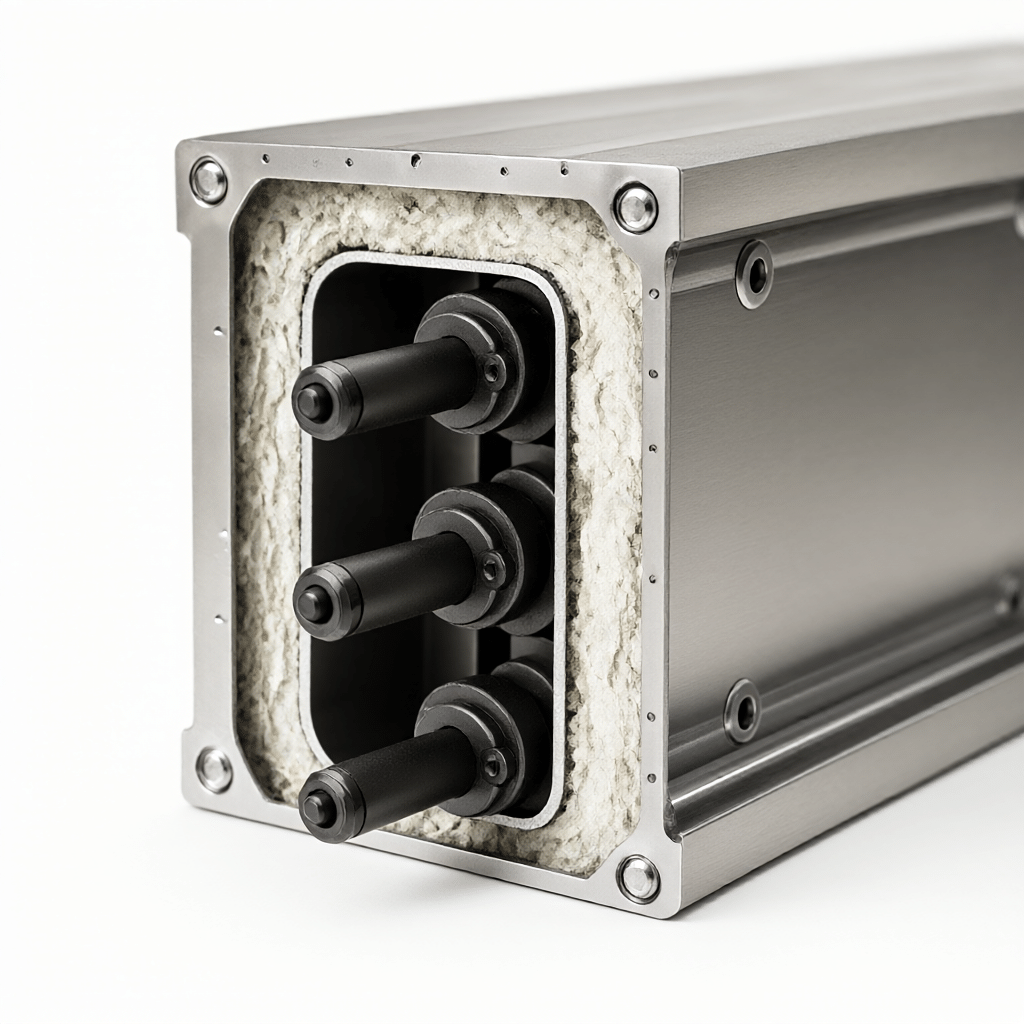
Sourcing entry doors, exterior doors, and custom systems from Chinese factories involves several hidden failure points. Low unit prices often reflect thinner profiles, basic seals, or limited testing, which become expensive once shipments arrive at Chittagong port or during installation on-site. A structured evaluation framework shifts the conversation from per-unit cost to total delivery reliability.
What performance categories matter most?
Bangladesh’s tropical monsoon climate places heavy emphasis on three envelope performance areas:
- Water-tightness: Monsoon rainfall demands robust drainage channels, properly designed gaskets, and tested frame-to-sash joints.
- Air-tightness: Tight buildings improve HVAC efficiency and reduce moisture intrusion.
- Wind resistance: High-rise residential projects and coastal developments require higher wind-load classes.
Manufacturers that routinely publish results for these parameters are easier to evaluate objectively than those that only share catalog photos.
Which supplier capabilities signal reliability?
Beyond product specs, two operational capabilities distinguish dependable exporters:
- Foreign-trade experience, demonstrated through consistent documentation, correct HS coding, and familiarity with Bangladeshi customs expectations.
- Customization flexibility, meaning the factory can modify profile geometry, glass configurations, and hardware selections without requiring completely new tooling.
These capabilities directly affect lead times, defect rates, and clearance smoothness.
What Are the Key Door Types Exported to Bangladesh?
Buyers typically encounter five major categories when evaluating a Chinese door supplier for Bangladesh:
| Door category | Typical application | Key selection factor |
|---|---|---|
| Solid wood doors | Villa entrances, luxury housing | Wood species, moisture treatment, finish quality |
| Thermal-break aluminum doors | High-rise residential, commercial | Break width, U-value, coating type |
| Casement doors | Residential facades, balconies | Operation direction, hardware durability |
| Sliding doors | Space-constrained interiors, patios | Track quality, roller system, seal design |
| System doors/windows | Hotel fit-outs, large-scale projects | Integrated profile design, performance consistency |
For solid-wood entry options, proper kiln drying and moisture balancing are essential because material movement increases in humid environments. Buyers should also review complementary content such as our solid wood closet doors specifications when assessing finish and construction quality.
What Customization Is Typically Available?
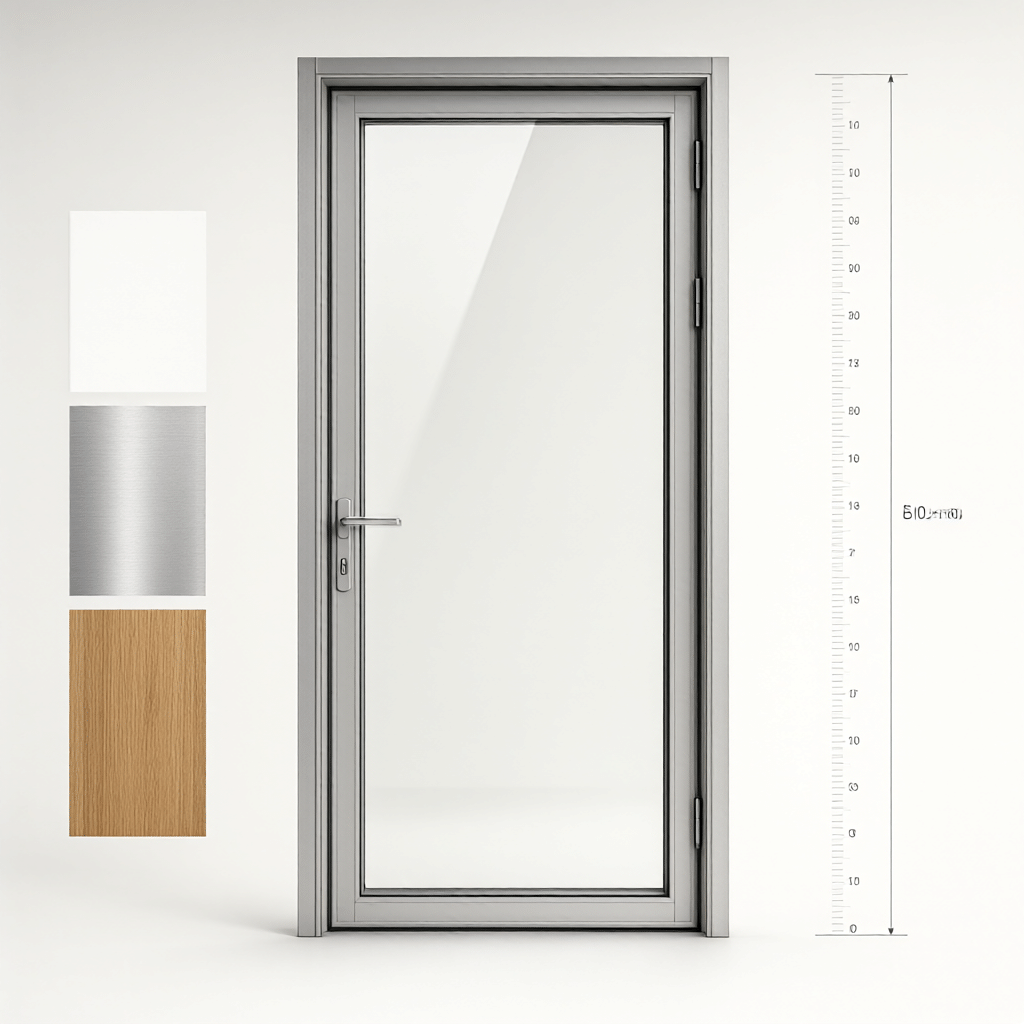
Customization is one of the strongest reasons Bangladeshi buyers work directly with manufacturers rather than trading companies. The most frequently requested adjustments include:
- Profile structure: Adjusting chamber count, wall thickness, and reinforcement methods to suit local structural requirements.
- Color and finish: Powder-coating, anodizing, or wood-grain transfers matched to architectural plans. See a comparison of powder coat vs anodized vs PVDF finishes to understand durability differences.
- Glass specifications: Clear, tinted, low-E, or laminated variants depending on solar gain and security needs.
- Hardware accessories: Handles, hinges, locks, and closers selected for climate resistance and usage frequency.
When evaluating suppliers, ask whether modifications are treated as engineering changes or routine production adjustments. Factories that treat them as routine tend to have more mature workflows and shorter lead times.
What Pre-Shipment Tests Should Buyers Require?
Pre-shipment testing is the most reliable safeguard against defective deliveries. Reputable manufacturers conduct tests according to recognized testing methods such as those published by ASTM International. Three tests deserve particular attention:
- Air-tightness test: Measures infiltration rate under controlled pressure. Higher-class results indicate better sealing systems.
- Water-tightness test: Simulates heavy rain while pressurizing the assembly. Drainage design and seal continuity are verified.
- Wind resistance test: Evaluates structural deflection and fastening integrity under simulated gust loads.
Request raw test data or third-party lab reports whenever possible. Vague claims such as “weatherproof” without referenced test standards are insufficient for B2B procurement decisions.
What Documentation Supports Customs Clearance in Bangladesh?
Smooth customs clearance depends on accurate trade paperwork. Expected documents include:
- Commercial invoice with correct HS codes
- Packing list with net/gross weights and carton dimensions
- Bill of lading
- Certificate of origin
- Proforma invoice (issued before shipment)
Understanding the relevant tariff structure before ordering helps avoid surprises. Our door HS code and import duty procurement guide explains how classification choices affect landed costs.
FCL versus LCL for door and window orders
Container strategy significantly influences cost and risk:
- FCL shipments provide full-container control, reduced handling, and simpler cargo tracking. They are preferable for large villa developments, hotel projects, and commercial renovations where order volumes fill a 20ft or 40ft container. Loading efficiency matters greatly, so reviewing 20ft container door loading quantity guidelines before finalizing measurements is useful.
- LCL shipments consolidate smaller orders with other shippers and work well for trial purchases or boutique-scale projects. However, shared container handling increases damage risk and transit time variability.
A practical FCL vs LCL comparison for door procurement helps buyers weigh speed, cost, and cargo protection across both methods.
What Standards Apply When Importing Doors into Bangladesh?
Bangladeshi importers generally expect manufacturers to comply with internationally recognized performance frameworks. Relevant references include ISO standards for windows and doors published by the International Organization for Standardization, alongside ASTM test methods for performance evaluation. While Bangladesh has its own building regulations, many developers and contractors use imported benchmark standards to specify quality levels for high-rise residential projects, villa communities, and institutional buildings.
Fire-rated assemblies represent another important specification tier. Buyers working on commercial or mixed-use projects should clarify whether EI30, EI60, or EI90 classifications are required. Our EI30 vs EI60 vs EI90 fire resistance rating comparison guide outlines how these ratings differ and where each typically applies.
How Can Buyers Verify Foreign-Trade Experience?
Verifying a supplier’s export competence requires evidence rather than promises. Useful verification steps include:
- Requesting recent shipment records or bill-of-lading samples
- Asking for past correspondence templates such as packing lists and proforma invoices
- Confirming the factory understands destination-specific packaging requirements
- Reviewing any factory audit findings that document export procedures
Our door factory audit checklist for B2B procurement outlines what evaluators typically examine during supplier assessments.
How We Match These Standards in Practice
As a manufacturer, our approach centers on giving Bangladeshi buyers predictable performance and clear documentation. Profile structures and fittings can be adjusted to align with local building requirements, and every order undergoes pre-shipment checks for air-tightness, water-tightness, and wind resistance before packaging. Because we handle export paperwork routinely, we provide packing lists, proforma invoices, and full customs documentation as part of standard practice. Whether an order fits an FCL shipment or requires LCL consolidation, direct delivery from our factory simplifies coordination for developers, contractors, and architects working on residential, commercial, and hospitality projects. For buyers ready to compare options, you can contact our team to discuss your project specifications.
What Compliance and Certificate Expectations Apply for Import Into Bangladesh?
Bangladeshi importers should verify that Chinese manufacturers can provide the documentation and certificates that align with Bangladesh customs and building-regulation requirements. Key compliance items include:
- BSTI conformity requirements: The Bangladesh Standards and Testing Institution sets mandatory quality standards for selected imported products. Importers should confirm whether their door category falls under BSTI certification obligations and request supporting test reports accordingly.
- HS-code accuracy: Correct classification ensures smooth customs processing. Common door HS codes include 4418.10 (wooden doors and frames) and 7610.10 (aluminum doors and windows). Our door HS code and import duty guide details how code selection affects landed costs.
- Third-party inspection certificates: Many Bangladeshi projects require independent surveyor inspections before shipment. Manufacturers experienced with B2B export can coordinate with approved inspection agencies such as SGS or Bureau Veritas.
- Certificate of origin: A properly issued certificate supports duty assessment and satisfies customs documentation requirements for Bangladesh-bound shipments.
Requesting copies of past documentation for Bangladesh shipments provides practical proof of a supplier’s import-readiness.
Technical performance classes for Bangladeshi climate applications
Bangladesh’s high humidity, heavy monsoon rainfall, and coastal wind exposure make envelope performance ratings especially important. When evaluating quotes, buyers should ask for performance classes expressed against recognized standards such as those referenced by the International Organization for Standardization or ASTM International. Typical expectation levels for exterior doors destined for Bangladesh include:
| Performance parameter | Expected class / value range | Why it matters for Bangladesh |
|---|---|---|
| Water-tightness | Class 3A to Class 5A (EN 12208) | Monsoon-driven rain pressure demands tested drainage and seal continuity |
| Air-tightness | Class 3 to Class 4 (EN 12207) | Reduces moisture infiltration and improves indoor comfort without excessive HVAC load |
| Wind resistance | E950 to E1250 (EN 12210) | Coastal and mid-rise developments require higher load-class ratings |
| Thermal transmittance (U-value) | ≤ 2.0 W/m²K for thermally broken aluminum systems | Controls solar heat gain and reduces cooling demand in tropical climates |
Projects governed by the Bangladesh National Building Code often reference these international performance classes when specifying exterior door assemblies for hotels, high-rises, and institutional buildings.
Supplier Verification Checklist
Use this table to create a structured, yes/no scoring matrix during supplier evaluations:
| Evaluation Checkpoint | Yes | No | Evidence Required |
|---|---|---|---|
| ISO 9001:2015 quality management certification | ☐ | ☐ | Valid certificate copy (check expiry date) |
| Documented shipment history to Bangladesh | ☐ | ☐ | Bill-of-lading samples or container records |
| Third-party test reports for air-tightness (ASTM E283 / EN 12207) | ☐ | ☐ | Lab report with identifiable test specimen and result class |
| Third-party test reports for water-tightness (ASTM E331 / EN 12208) | ☐ | ☐ | Lab report showing tested pressure value in Pascals |
| Third-party test reports for wind resistance (EN 12210) | ☐ | ☐ | Lab report with deflection and load-class data |
| Adjustable profile structure (chamber count, wall thickness) | ☐ | ☐ | Engineering drawings or modification capability statement |
| Hardware substitution flexibility (handles, locks, closers) | ☐ | ☐ | Hardware catalog with alternative product listings |
| Ability to issue complete customs documentation set | ☐ | ☐ | Sample packing list, proforma invoice, COO format |
| Experience with FCL and LCL shipment coordination | ☐ | ☐ | Previous shipment itineraries or logistics partner names |
| Factory audit pass (onsite or virtual) | ☐ | ☐ | Audit report or video walkthrough recording |
Factories that score eight or above across these checkpoints demonstrate the operational maturity Bangladeshi buyers should expect for exterior-door projects.
Profile, hardware and dimension customization details
To ensure imported doors meet Bangladesh’s building-code and climate realities, buyers should request confirmation on these specific customization dimensions:
| Customization area | What to verify | Why it matters for Bangladesh |
|---|---|---|
| Frame depth / rebates | Custom rebated depths for varying brick or block wall thicknesses (common in DHCC-style constructions) | Prevents secondary fixing and leakage paths |
| Sash thickness & glass cavity | Accommodation for 24–32 mm glazing units | Maintains U-value targets under monsoon heat gain |
| Multi-point lock interfaces | Lock body and strike plate positions tailored to local door openings | Improves security and sealing compression |
| Drainage channel orientation | Bottom-rail drainage directed outward, slope verified ≥ 15° | Reduces reverse-water ingress during heavy rain |
| Color-matching service | RAL or custom powder-coat formulation with batch-lot records | Ensures consistent appearance across multiple containers |
Factories that document these adjustments with revised CAD files or updated product-data sheets before production start reduce the likelihood of on-site rework at Bangladeshi project sites.
Concrete project case study
To illustrate how tested performance translates into project outcomes, consider the following real-order scenario provided by a China-based exporter serving Bangladeshi villa developments:
- Project: 120-unit gated-villa community in Dhaka Division
- Door types supplied: Solid wood main entrance doors + thermal-break aluminum balcony casement doors
- Quantities: 120 entrance assemblies (each ~2100 × 1100 mm) and 360 balcony door panels
- Performance requirements specified: Air-tightness Class 4, water-tightness Class 4A, wind resistance E1250
- Testing pathway: Manufacturer submitted third-party lab reports (ASTM E283, ASTM E331, EN 12210) before bulk production commenced; spot-check tests were performed on two randomly selected units from the first production batch
- Shipment configuration: Full 40ft container with palletizedexport packaging; customs documentation included commercial invoice, detailed packing list, bill of lading, certificate of origin, and proforma invoice package
- Outcome: All delivered units passed on-site water-spray inspection without leakage at sash-joint interfaces; zero returns for envelope-performance failure; client reported reduced HVAC runtime during monsoon months due to improved infiltration control
This case demonstrates that specifying quantified performance classes upfront — and requiring pre-shipment test validation — yields measurable durability improvements inBangladesh’s wet-season environment.
Sources & References
- ASTM International — www.astm.org
- International Organization for Standardization — www.iso.org
- solid wood closet doors — doorwoodendoors.com
- powder coat vs anodized vs PVDF finishes — doorwoodendoors.com
- door HS code and import duty procurement guide — doorwoodendoors.com
- 20ft container door loading quantity guidelines — doorwoodendoors.com
- FCL vs LCL comparison for door procurement — doorwoodendoors.com
- EI30 vs EI60 vs EI90 fire resistance rating comparison guide — doorwoodendoors.com
- door factory audit checklist for B2B procurement — doorwoodendoors.com
- Bangladesh National Building Code — www.iccsafe.org











