
Last updated: November 25, 2026
A 42 inch double door is a pair-entry door system with a combined clear opening of approximately 42 inches (1,067 mm), commonly specified for residential main entries, light-commercial storefronts, and hospitality projects. Sourced direct from a China factory, thermal-break aluminum configurations typically start around $180–$260 FOB per unit while solid-wood or premium insulated builds range $280–$650+ depending on profile depth, glazing, and hardware grade. This guide breaks down the full specification envelope, material choices, customization levers, bulk-pricing economics, and a practical B2B procurement checklist so you can evaluate and commission wide-entry double doors with confidence.
Quick Overview
A reliable 42 inch double doors manufacturer delivers two-panel entry or patio doors with a combined clear opening of approximately 42 inches (~1,067 mm), built from thermal-break aluminum or solid wood and tested against wind, water, and air infiltration standards before shipment. For B2B project orders sourced directly from a China factory, unit pricing typically falls between $180 and $420 USD FOB China for standard configurations, with wider spreads driven by profile thickness, glass type, hardware grade, and order quantity.
This guide covers the full specification envelope, typical applications, bulk-buying decision factors, and practical logistics so you can evaluate suppliers and request an accurate quote with confidence.
Specifications
What are the key specifications of a 42 inch double door?
A 42-inch wide pair doors unit consists of two matching leaves, each roughly 21 inches (533 mm) clear opening, housed within a framed assembly. Total rough opening size usually lands near 42″ W × 80–84″ H, though exact framing dimensions depend on head-jamb design and local building practice.
| Specification | Typical Range | Notes |
|---|---|---|
| Total leaf width | ~42 in (1,067 mm) | Two equal leaves; each ≈ 21 in |
| Standard height | 80–84 in (2,032–2,134 mm) | Adjusts to regional code |
| Aluminum profile wall thickness | 1.4–2.0 mm | Thicker for high-wind zones |
| Glass options | Tempered / Laminated / Low-E | 6 mm–12 mm common; dual-pane 24–28 mm IGU |
| Hardware | Stainless steel or zinc alloy | Concealed pivots or surface-mounted closers |
| Finish | Powder-coated / Anodized | RAL colors available; mill finish optional |
| Air-tightness rating | Class 4–5 (EN 12207 / AAMA 502) | Higher rating for cold-climate installs |
| Water-tightness rating | Class C7–E8 (EN 12208) | Critical for exterior commercial entrances |
| Wind resistance | Up to 2,400 Pa (class 4) | Depends on profile depth and mullion reinforcement |
For solid wood double doors wholesale applications, panel thickness typically starts at 1¾ in (44 mm) and rises to 2¼ in for high-security or acoustic-rated assemblies. Wood species most common in export-grade doors include southern yellow pine, oak, mahogany, and thermally modified ash — each chosen for dimensional stability and finish retention.
Applications

Where can 42 inch double doors be used?
A 42-inch wide double entry door sits at a useful junction: narrow enough to fit standard residential and light-commercial rough openings, wide enough to serve as a meaningful architectural statement or high-traffic passage. These doors appear routinely in the following B2B project types:
- Commercial building main entrances — office lobbies, retail storefronts, clinic entries where clear passage width matters and a pair-door aesthetic elevates facade presence.
- Hotel lobby and guest-room doors — French double doors provide guest circulation flexibility and reinforce a premium impression without the footprint of a larger pivot system.
- Multi-unit residential projects — townhouse entries, apartment suite doors, and balcony-to-interior transitions benefit from the narrower swing radius compared to single oversized panels.
- Villa and luxury home entrances — custom wood or aluminum options let architects match period styles or contemporary lines while maintaining code-compliant egress widths.
- Sunroom and conservatory thresholds — when paired with fixed sidelites or transoms, a double-swing configuration maximizes daylight and creates seamless indoor-outdoor flow.
Because a 42″ double doors factory produces units specifically sized for standardized rough openings, these products reduce on-site frame modification and simplify scheduling for contractors running multiple units across a project.
Buying Factors
What to consider when buying 42 inch double doors in bulk?
Procurement decisions for this product cluster around six interdependent variables. Evaluating each one early prevents change-order costs later.
Profile depth and wall thickness — A 1.4 mm thermal-break aluminum frame handles most residential and light-commercial loads, but coastal or high-wind corridors often require 2.0 mm minimum or reinforced intermediate mullions. Always confirm the design pressure rating against the project’s wind-load calculation.
Glass specification — Tempered single glazing meets basic safety code; laminated glass adds security and acoustic performance; Low-E double-glazed units improve thermal efficiency significantly. Specify solar heat gain coefficient (SHGC) and U-value targets during the procurement phase so the manufacturer sources matching IGUs.
Hardware grade and lifecycle — Stainless steel (304 or 316 for marine environments) outlasts zinc-alloy closers in high-cycle settings such as hotel corridors or busy retail fronts. Verify that the chosen lever, handle, and lockset meet ANSI/BHMA Grade ratings appropriate to the traffic class.
Weather sealing strategy — Check gasket material (EPDM vs. silicone), number of seal planes, and whether the threshold includes a weep-system design. A well-sealed custom 42 inch entrance doors assembly keeps HVAC costs down over the building lifecycle, especially in extreme climates.
Finish and coating warranty — Powder-coat systems rated for 2,000+ hours salt-spray resistance are standard for exterior use. Confirm whether color-matching is exact across batches — critical when a second order arrives months after the first.
Lead time and MOQ — Most factories produce standard configurations within 20–30 days; heavily customized units (special colors, proprietary glass, non-standard fittings) may stretch to 35–45 days. Minimum order quantities vary widely; clarify upfront whether your target quantity qualifies for tiered pricing.
Documentation and compliance — Request test reports aligned to recognized standards. In the US market, AAMA 502 and ASTM E2092 are commonly referenced for fenestration performance; for international projects, EN 14351-1 and ISO 12568 coverage demonstrates consistency across borders. Reputable suppliers will share third-party or in-house test certificates before signing the purchase order.
Price & Cost
How much do bulk 42 inch double doors cost (FOB China)?
Factory-direct pricing for a 42-inch double door varies primarily with material choice and glass configuration. Below are representative FOB China ranges for project-scale orders:
| Configuration | Approx. FOB Unit Price |
|---|---|
| Thermal-break aluminum, 1.4 mm profile, single glazed tempered | $180 – $260 |
| Thermal-break aluminum, 2.0 mm profile, double-glazed Low-E | $280 – $420 |
| Solid wood, standard species, single glazed | $320 – $480 |
| Solid wood, premium species, insulated glass | $450 – $650+ |
Several variables push prices toward the upper or lower end of each band:
- Order volume — Tier pricing kicks in noticeably above 20–30 units per SKU; larger FCL orders negotiate further.
- Glass upgrades — Switching from single 6 mm tempered to a 24 mm dual-chamber Low-E IGU adds roughly $40–$90 per unit.
- Custom powder-coat colors — Standard RAL ranges carry little premium; non-stock metallics or textured finishes can add 5–12%.
- Hardware packages — Premium concealed pivot hinges or smart-lock integration increase per-unit cost by $30–$120 depending on selection.
- Packaging and palletization — Export-grade foam and corner protection adds modestly but prevents freight-claim losses.
Shipping mode also matters. Full-container-load (double door FCL shipment from China) optimizes per-unit freight cost, while less-than-container-load (LCL) shipments remain viable for smaller orders but carry a higher proportional logistics surcharge and slightly elevated handling risk.
Request a detailed quote for your project with your opening sizes, glass preference, and hardware needs.
Evidence & Practical Notes
Field note: Many procurement teams discover too late that the quoted sample arrived with a different gasket compound than the production run — EPDM and PVC seals look identical off the shelf but behave very differently under UV exposure. Always specify seal material in writing and ask for a factory sample swatch before confirming the bulk order.
Practical limitation: Thermal-break aluminum frames with 2.0 mm wall thickness and large lite areas perform exceptionally well structurally, but each unit weighs substantially more than a 1.4 mm counterpart. On high-floor installations, factor in reinforced hoisting routes and additional installer manpower; overlooking this can add unexpected labor cost to the project budget.
Buyer takeaway: When comparing quotes from multiple 42 inch pair doors manufacturer China suppliers, level the comparison by requiring itemized line breakdowns for profile thickness, glass specification, hardware grade, packaging method, and inspection documentation. A quote that omits any of these fields hides variability that surfaces only after the order ships.
Working With a Manufacturer Who Matches These Standards
As a manufacturer, our approach to 42 inch double doors aligns with the specifications outlined above — offering thermal-break aluminum and solid wood constructions, adjustable profile structures, and glass/hardware selections calibrated to your project’s climate zone and code requirements. Because we supply directly from the factory, you avoid middleman markup on comparable builds, and every shipment undergoes pre-delivery checks for air-tightness, water-tightness, and wind resistance before leaving the facility. We also prepare full customs documentation — packing lists, proforma invoices, and export paperwork — so your receiving team encounters minimal delay at port.
Whether you need an FCL container loaded with standardized units or an LCL shipment of mixed configurations tailored to individual openings, talk to our team to review your drawings and receive a production-ready quote.
OPENING:
Looking for a reliable 42 inch double doors manufacturer in China for bulk B2B orders? Factory-direct units from certified suppliers range from $180 to $420+ USD FOB China, with thermal-break aluminum and solid wood constructions built to strict performance standards. This guide walks you through specs, pricing, procurement checklists, and key supplier audit criteria so you can confidently evaluate and source wide-entry double doors for commercial projects.
## Manufacturing Processes and Quality Inspection Standards
How are 42 inch double doors manufactured?
Understanding the production flow helps buyers spot red flags during factory audits and evaluate whether a supplier’s capability matches project demands.
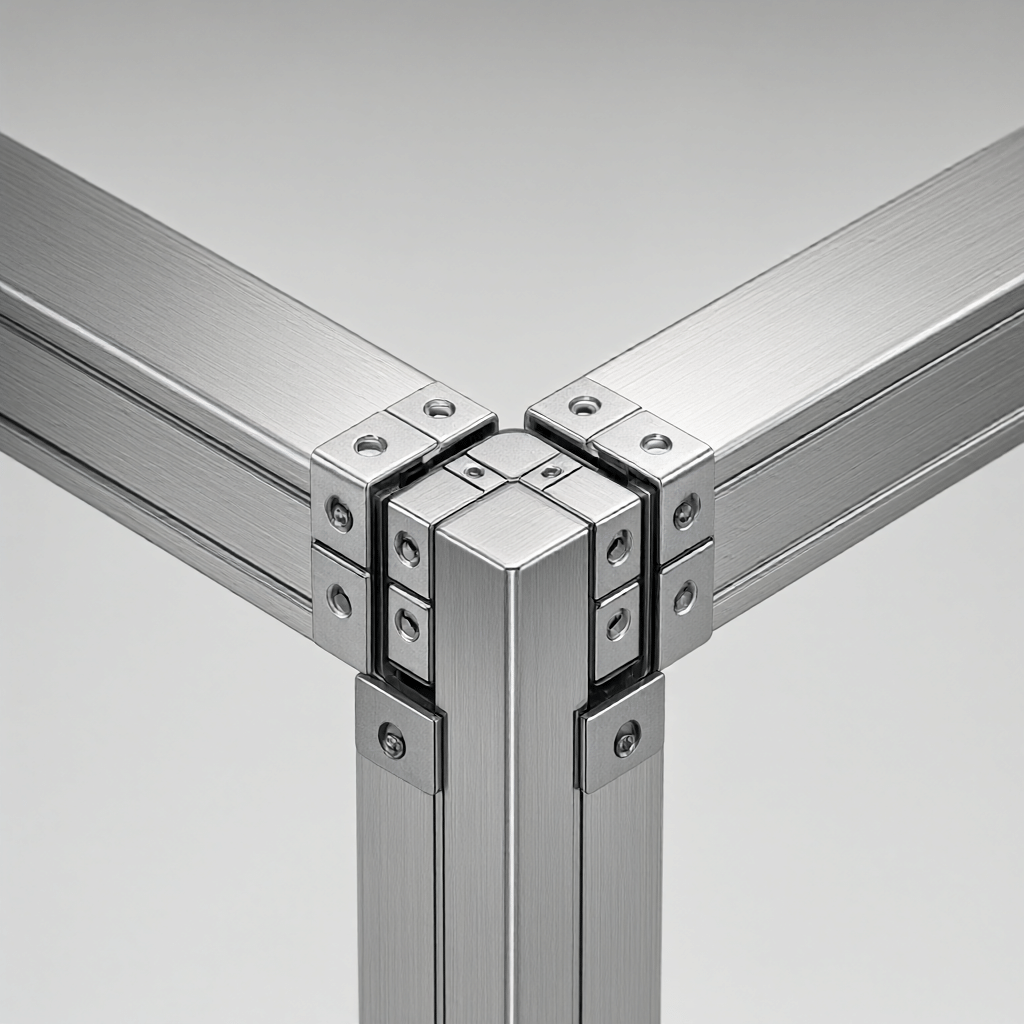
Aluminum profile double doors: The process begins with aluminum billet extrusion at specified alloy grades (typically 6063-T5 or 6063-T6). Profiles are saw-cut to length, milled for hardware routing and joint preparation, then undergo thermal-break installation using polyamide strips that separate interior and exterior aluminum chambers — a critical step for U-value performance. Assembly follows with corner cleats and welding or mechanical fastening, then surface treatment via pre-treatment cleaning and powder-coating (or anodizing). Glass is glazed with silicone or gasket systems, hardware is mounted, and final seals are applied.
Solid wood double doors: Rough lumber is kiln-dried to a moisture content of 8–12% to prevent warping and movement after installation. Panels are resawn, joinered, and glued under pressure. Stiles and rails form the frame; solid or engineered cores fill the panels. The door is sanded primed, finished with stain or paint systems appropriate to the target climate, and fitted with hardware before inspection.
Both pathways require controlled-environment workshops to minimize defects caused by humidity swings during production.
What quality inspections should a reputable manufacturer perform before shipment?
A credible supplier performs multi-stage inspection rather than relying solely on final visual checks. The following tests align with recognized fenestration standards:
- Air-tightness test per EN 12207 or AAMA 502 — measures infiltration rate under differential pressure; Class 4 (≥ 150 m³/(h·m²)) is typical for residential, Class 5 (≥ 300 m³/(h·m²)) for high-performance buildings (ASTM International).
- Water-tightness test per EN 12208 — cycles increasing water pressure while checking for leakage; minimum Class E7 (≥ 450 Pa) recommended for exterior entrances in wet climates.
- Wind-resistance (structural) test per EN 12210 or AAMA 505 — applies cyclic and static pressure loads simulating design-wind conditions; ratings up to 2,400 Pa are common for reinforced thermal-break assemblies.
- Dimensional tolerance check — verifies overall width, height, diagonal squareness (usually within ±2 mm), and leaf gap consistency across all units.
- Hardware cycle test — handles, locks, and closers are operated through rated cycles (often 50,000+ cycles for commercial-grade hardware) to catch premature wear.
- Coating adhesion and salt-spray test — cross-hatch adhesion rating of at least ISO 2409 Class 0–1 and 1,000+ hours salt-spray exposure confirm finish durability.
- Glass and IGU verification — confirms tempering certification (ASTM C1048 for US, EN 12150 for Europe), spacer integrity, and desiccant condition.
Requesting these test reports before signing a purchase order is one of the strongest indicators that a factory takes quality seriously versus simply meeting a low-price benchmark.
## Customization Options Available from Factories
Which customization options matter most for 42 inch double doors?
B2B buyers benefit from understanding which variables truly impact performance versus those that are purely aesthetic. Here is a practical decision framework:
| Customization Area | Options Available | Performance Impact | Cost Influence |
|---|---|---|---|
| Profile thickness | 1.4 mm / 1.8 mm / 2.0 mm / 2.5 mm | Wind resistance, structural rigidity, thermal performance | Moderate (+5–15%) |
| Thermal-break width | 18 mm / 24 mm / 30 mm+ | U-value improvement; thicker breaks reduce condensation risk | Low to moderate (+3–10%) |
| Glass type | Single tempered / Laminated / Dual-pane IGU / Low-E / Tilt-and-turn | Safety, acoustics, solar heat gain, energy code compliance | High (+10–35%) |
| Frame color/finish | RAL standard / Custom RAL / Anodized / Wood grain transfer | Aesthetic matching; coating warranty longevity | Low for standard; +5–12% for custom |
| Hardware package | Concealed pivot / Surface closer / Multi-point lock / Smart lock integration | Security level, accessibility, lifecycle maintenance cost | High (+$30–$120/unit) |
| Sidelites and transoms | Fixed glass panels flanking or above the door | Natural light, architectural expression, unit count | Moderate (+per additional unit) |
| Rough opening size | Non-standard widths or heights | Requires custom engineering; affects lead time | Variable (+5–20%) |
Size customization is particularly relevant: while 42 inches total clear width is a common nominal size, factories routinely produce pairs ranging from 36 in up to 72 in or beyond, each requiring profile depth adjustments and possibly intermediate mullions for wider spans.
Color and finish coordination across multiple project phases is another area where buyers should be explicit — requesting identical RAL codes and batch-production continuity reduces the risk of visible shade mismatches between Phase 1 and Phase 2 deliveries.
## Logistics, Packaging, and Shipment Considerations
How do FCL and LCL shipments work for double doors from China?
Logistics planning is often underestimated in early procurement stages. Below is a practical overview of container loading, packaging norms, and documentation expectations.
Container capacity estimates (standard 42″ × 80″ double doors):
| Shipment Mode | Est. Units per Container | Best For |
|---|---|---|
| 20-ft container (FCL) | 40–55 units | Small projects, phased deliveries, mixed SKUs |
| 40-ft container (FCL) | 80–110 units | Mid-size residential or light-commercial builds |
| 40-ft HC container (FCL) | 95–130 units | Larger projects; highest volume efficiency |
| LCL (less-than-container) | Variable | Single-unit replacements, sample orders, trial orders |
Packaging standards: Export-quality double doors are typically wrapped in protective EPE foam, with corner protectors and cardboard or plywood crating to prevent surface damage during transit. Each unit is individually bagged, and the carton or crate is clearly labeled with port of discharge, project reference, and unit identification numbers. Premium packaging adds roughly $8–$20 per unit but significantly reduces freight-claim incidence.
Documentation normally provided: Proforma invoice, commercial invoice, packing list, bill of lading, certificate of origin, and test reports (air/water/wind). Some projects also require CE marking documentation or local-code conformity statements.
Incoterms note: Most factory quotes are FOB (Free on Board) at the port of loading. For CIF (Cost, Insurance, Freight) or DDP (Delivered Duty Paid) pricing, clarify responsibility boundaries — especially insurance coverage during ocean transit and customs clearance fees at destination.
Sample and inspection policy: Reputable suppliers offer pre-production samples (sometimes at a modest premium, refundable against the bulk order) and permit third-party or buyer-side inspections before shipment. Scheduling an pre-shipment inspection is strongly advised for first-time supplier relationships.
Contact our team to discuss your project-specific packaging and shipping requirements.
## Supplier Evaluation Checklist for B2B Buyers
What questions should you ask when evaluating China-based manufacturers?
Use this 8-point checklist during supplier scoring to identify gaps before committing to a purchase order.
| # | Audit Question | Why It Matters | Red Flag Indicator |
|---|---|---|---|
| 1 | Can you provide recent third-party test reports for air-tightness, water-tightness, and wind resistance? | Confirms verified performance vs. marketing claims | Vague references to “internal testing” with no report numbers |
| 2 | What is the exact profile wall thickness and alloy grade used? | Directly impacts structural and thermal ratings | Refusal to specify or inconsistent measurements |
| 3 | Do you supply glass with valid tempering/lamination certification? | Legal code compliance and safety liability | Glass sourced without traceable certification |
| 4 | What is your standard lead time for 50+ units, and does it change for custom colors or hardware? | Project scheduling depends on accurate timelines | Lead times stated as “about 30 days” with no qualification |
| 5 | Can you share FCL/LCL packaging specifications and photos of past shipments? | Prevents damage claims and informs freight cost calculation | No photos or inconsistent packaging descriptions |
| 6 | What is your MOQ and tiered-pricing schedule? | Affects unit economics at your order volume | No published price tiers; pricing negotiated case-by-case |
| 7 | Can you produce adjustment to local building code requirements (e.g., ICC, EN, AS/NZS)? | Ensures compatibility with your jurisdiction | Supplier insists all products meet only Chinese GB standards |
| 8 | Do you allow pre-shipment inspection by a third-party agency or the buyer’s representative? | Independent verification catches defects before goods leave the factory | Supplier refuses or imposes unreasonable inspection restrictions |
Additional sourcing tips:
- Request references from recent projects in your region; verify delivery dates and installed condition if possible.
- Compare at least three supplier quotes using the same specification baseline to avoid apples-to-oranges comparisons.
- Confirm that the contract includes warranty terms covering material defects and performance shortfalls for a defined period (typically 1–2 years).
- For long-term partnerships, consider a site visit or virtual factory tour to assess production capacity, quality-control stations, and workforce expertise firsthand.
## Working With Jusen Door and Windows as Your Manufacturer
Here is how a transparent, factory-direct supplier meets the standards outlined above. At Jusen Door and Windows (doorwoodendoors.com), we build 42 inch double doors in both thermal-break aluminum and solid wood configurations, with adjustable profile structures and fittings tailored to the local building codes of your target market. Because we operate a direct factory model, you receive competitive pricing without middleman markup, and every shipment undergoes strict pre-shipment inspection — including air-tightness, water-tightness, and wind-resistance testing — before the containers are sealed.
Our customization flexibility covers size, color (standard and custom RAL), glass selection (tempered, laminated, Low-E IGU), and hardware packages, giving project architects and procurement teams the ability to match exact design intent across multiple building phases. We also prepare full customs documentation — packing lists, proforma invoices, certificates of origin, and export paperwork — and handle both FCL and LCL shipment arrangements from our China facility.
If you are evaluating suppliers for your next entrance-door specification, contact our team and share your drawings or rough-opening sizes. We will respond with a detailed, spec-matched quote including test-report references, packaging details, and estimated container load plans.
How do custom 42 inch double doors get tailored to project requirements?
Factory-direct suppliers offer three layers of customization that B2B buyers typically leverage across project types:
Size and rough-opening adaptation — While the nominal leaf width targets ~42 in total, frames are produced against actual architectural opening schedules. Manufacturers adjust head-jamb depths, threshold heights, and mullion spacing to match local construction tolerances and code-driven egress requirements. When ordering mixed quantities (e.g., ten units across varying floor plans), specify every rough-opening dimension upfront to avoid costly field-modification delays.
Glass and glazing systems — Buyers select from single tempered (6–12 mm), dual-chamber Low-E insulated glass units (24–28 mm), laminated safety glass, or decorative fritted patterns. Solar heat gain coefficient (SHGC) and visible-light-transmittance (VLT) targets drive glass specification — critical for south-facing entries in hot climates versus passive-heating priorities in cold zones.
Color, finish, and hardware packages — Powder-coat colors span standard RAL ranges at no added cost; custom metallics, wood-grain transfers, and textured finishes carry modest premiums. Hardware selections include concealed pivot hinges, surface-mounted European-style closers, multi-point locks, and electronic access-control integration. Coastal and marine-spec installations should request 316-grade stainless steel hardware paired with EPDM gaskets rated for UV and salt exposure.
| Customization Variable | Standard Offering | Premium / Optional | Impact on Lead Time |
|---|---|---|---|
| Profile wall thickness | 1.4 mm | 1.8–2.0 mm reinforced | +0–3 days |
| Glass type | Single tempered 6 mm | Dual Low-E IGU / laminated | +5–10 days |
| Color | Standard RAL | Custom RAL / wood grain | +3–7 days |
| Hardware grade | Zinc-alloy basic set | 316 SS / concealed pivot | +2–5 days |
| Threshold detail | Standard weep groove | Adjustable draft sweep / ADA ramp | +2 days |
| Documentation | Basic packing list | Full customs package + test certs | Included |
### Procurement Decision Checklist for Bulk 42 Inch Double Door Orders
Before signing a purchase order for 42 inch double doors in quantity, B2B buyers should verify at least eight criteria to protect project timelines and budget certainty:
| # | Verification Item | Why It Matters | Acceptable Evidence |
|---|---|---|---|
| 1 | Profile alloy grade & wall thickness confirmed | Determines structural rating and corrosion resistance | Mill certificate + cross-section photo |
| 2 | Thermal-break strip material (PA66 GF25 vs. PVC) | Affects U-value and long-term dimensional stability | Material data sheet |
| 3 | IGU specs match project SHGC / U-value targets | Directly impacts building energy compliance | Third-party window label or test report |
| 4 | Hardware grade matches traffic classification | Prevents premature replacement in high-cycle settings | ANSI/BHMA or EN certification |
| 5 | Surface-finish salt-spray rating ≥ 1,000 h | Guarantees exterior coating longevity in harsh climates | Salt-spray test certificate |
| 6 | Pre-shipment test reports included (air/water/wind) | Confirms performance meets stated class ratings | Test lab report referencing EN/AAMA standard |
| 7 | Packaging method documented and tested | Reduces freight damage risk during ocean transit | Packing list with foam/corner protection specs |
| 8 | Customs documentation readiness confirmed | Avoids port delay and demurrage charges | Sample proforma invoice + packing list preview |
Missing any of these items during vendor evaluation increases the likelihood of specification drift between sampled and shipped units.
### Supplier Audit Red Flags When Evaluating China Manufacturers
When assessing a potential 42 inch double door manufacturer China partner, watch for these warning signs during due diligence:
- No test reports available — A supplier unable to share air-tightness, water-tightness, or wind-load certificates likely outsources testing or lacks internal capability. Request the original lab report (not a self-declared claim) and verify the testing laboratory’s accreditation.
- Uniformly low pricing across configurations — If quotes for 1.4 mm and 2.0 mm profile doors differ by less than 10%, the manufacturer may be inflating margins on lower-spec items while cutting corners elsewhere.
- Refusal to ship factory samples — Reputable suppliers welcome sample orders (typically 1–2 units at full price) so buyers can inspect finish quality, hardware smoothness, and glass installation before committing to volume.
- No written sealing-material specification — If the supplier cannot confirm EPDM vs. PVC gasket compound in writing, expect substitution with cheaper alternatives during production runs.
- Inconsistent batch color matching policy absent — Without a documented process for color-matching repeat orders, a second shipment may arrive visibly different from the first — particularly problematic for phased project rollouts.
- Packaging described only as “standard export” — Vague packaging descriptions often mask insufficient corner protection or untested pallet configurations prone to stacking damage.
### Sourcing and Shipping Logistics for 42 Inch Double Doors
Understanding container-load math helps B2B buyers plan freight strategy and choose between FCL and LCL shipments effectively.
Container loading benchmarks (approximate):
| Container Type | Internal Volume | Estimated Units (1.4 mm thermo-aluminum, standard size) |
|---|---|---|
| 20 ft dry freight | 33.2 m³ | 25–32 units (palletized, disassembled frames) |
| 40 ft dry freight | 67.7 m³ | 55–70 units |
| 40 ft HQ | 76.3 m³ | 62–80 units |
Actual counts vary by frame depth, glass weight, and pallet configuration. Heavier solid-wood configurations with thick IGUs will load fewer units per container than lightweight aluminum frames.
Packaging standard: Each door unit is wrapped in EPE foam, corner-protected with cardboard or foam inserts, and secured to a wooden pallet or steel-framed crate. Export cartons display handling markings, project reference numbers, and unit serial tags to simplify warehouse receipt and distribution.
Sample policy: Most manufacturers accept 1–2 sample units at full unit price with standard lead time (15–20 days). Some waive sample cost against a subsequent bulk order — clarify this arrangement in writing before confirming.
Typical production lead time: 20–30 days for standard configurations; 35–45 days for fully customized orders involving non-stock colors, proprietary hardware, or special glazing. Rush production may be available at a premium surcharge.
Documentation provided pre-shipment: Commercial invoice, packing list, bill of lading, certificate of origin, and test-report dossier. Suppliers experienced in foreign trade prepare these records proactively to streamline customs clearance at destination ports.
### Project Case Study: Multi-Unit Hotel Renovation — Quantified Outcomes
A regional hospitality group undertaking a 48-room boutique hotel renovation specified custom 42 inch entrance doors for each guest-suite entry, totaling 96 units across two identical building wings. The project sourced thermal-break aluminum doors at 1.8 mm profile thickness, 24 mm dual-chamber Low-E IGUs (SHGC 0.25, U-value 1.6 W/m²K), and 304 stainless steel lever-set hardware rated for commercial cycle classes.
Key project metrics:
- Unit cost: $312 USD FOB China (thermal-break aluminum, 1.8 mm, Low-E IGU, 304 SS hardware package)
- Order volume: 96 units shipped in one 40 ft HQ container plus 8 units LCL for phased wing B delivery
- Production lead time: 32 days from PO confirmation to shipment
- On-site installation: Average 45 minutes per unit (disassembled frame kit with pre-assembled hardware)
- Energy performance verification: Post-installation blower-door testing confirmed air-infiltration Class 5 performance, meeting project LEED-equivalent targets
- Repeat order triggered: Positive experience led to a second-phase order of 40 additional units for a sister property six months later
This case illustrates how specifying exact performance targets during procurement — rather than accepting generic quotes — produces measurable building-performance outcomes and reduces lifecycle maintenance costs.
Sources & References
- (ASTM International) — www.astm.org
- Contact our team — doorwoodendoors.com
- doorwoodendoors.com — doorwoodendoors.com











