
Last updated: November 25, 2026
Quick Answer
What is a timber fumigation certificate for doors?
A timber fumigation certificate for doors is an official document issued by an authorized inspection agency certifying that wooden components of a door shipment — solid wood panels, frames, cores, packing crates, or pallets — have been treated to eliminate live pests, insects, and their eggs to the level required by international phytosanitary regulations. It proves compliance with ISPM 15 (International Standards for Phytosanitary Measures No. 15), the global benchmark for regulating wood packaging material used in international trade.
The certificate itself does not merely confirm that gas was applied; it documents the treatment method, dosage, exposure duration, temperature, humidity, and the identity of the treating facility. Customs authorities and importing-country plant-protection agencies rely on this certificate — alongside a physical ISPM 15 mark branded or labelled on the wood or packaging — to clear shipments without quarantining or destroying the cargo.
Detailed Explanation

Why do exported wooden doors need fumigation certification?
Doors are among the most commonly restricted categories of wood-containing products at international borders because raw timber can carry invasive organisms such as bark beetles, powderpost beetles, carpenter ants, termites, and nematodes. When a shipment crosses a border untreated, those pests can establish themselves in local ecosystems — a problem the world has seen repeatedly. Over 100 countries now enforce ISPM 15, meaning any export-grade solid-wood door or solid-wood-core door shipped internationally carries regulatory risk if it lacks proper documentation.
The certificate is different from a customs commercial invoice. It is a phytosanitary-technical document that answers a biological question — is the wood free of regulated pests? — not a trade-financial one. Inspectors reviewing your shipment will cross-check three things:
- The ISPM 15 stamp physically present on each piece of regulated wood or on the shipping pallet/crate
- The fumigation treatment record (date, chemical or alternative, concentration, exposure time, temperature)
- The phytosanitary certificate or fumigation certificate issued by a government-authorized inspectorate
If any of these three elements is missing, damaged, or inconsistent, port authorities may impose re-treatment, destroy the shipment, refuse entry, or fine the importer. For buyers sourcing from China — one of the world’s largest door-exporting hubs — understanding how these three verification layers work together is essential before committing purchase orders.
How does the fumigation process work for wooden doors?
Wooden doors and their packaging enter a sealed fumigation chamber where a controlled-gas agent penetrates every void, grain gap, and joint within the timber mass. The standard process follows a tightly controlled sequence:
- Pre-conditioning: Wood moisture content is measured and adjusted if necessary, since moisture levels above or below certain thresholds affect chemical absorption and kill efficiency.
- Sealing the chamber: Doors, whether individually wrapped or bundled on pallets, are loaded into a rigid chamber whose integrity is verified.
- Gas dosing: A calculated volume of the selected fumigant is introduced based on wood type, density, ambient temperature, and target pest profile.
- Exposure phase: The gas concentration is maintained for the prescribed number of hours while temperature sensors log readings throughout the cycle.
- Aeration: After the hold period, residual gas is purged, and the chamber is ventilated until concentrations drop below safe exit limits.
- Issuance: Once the inspector verifies that the complete cycle meets the destination-country threshold, the fumigation certificate is printed, stamped, and signed along with the ISPM 15 branding on the treated material.
Modern treatments increasingly favor alternatives to methyl bromide due to its phase-out under the Montreal Protocol. Heat treatment (HT) — raising the core wood temperature to 56 °C for at least 30 continuous minutes — is now the more widely accepted approach globally, while phosphine and sulfuryl fluoride serve as acceptable fumigants in specific contexts. For solid wood entrance doors, both HT-stamped and fumigated-marked shipments clear major ports; the difference lies largely in destination-country acceptance rules, not in intrinsic quality. Buyers should always confirm which treatment pathway the importing country recognises before selecting their supplier’s process.
Which countries require fumigation certificates for imported wooden doors?
Regulatory strictness varies significantly. Several markets have well-documented requirements worth noting during procurement planning:
| Destination Region | Primary Treatment Accepted | Fumigation Certificate Required? | Typical Validity Window |
|---|---|---|---|
| United States | HT or Methyl Bromide fumigation | Yes — CBP enforces ISPM 15 strictly | 21 days post-treatment |
| European Union | HT preferred; MB largely phased out | Phytosanitary certificate required for non-packaging wood | Varies by member state |
| Australia / New Zealand | HT strongly preferred | Phytosanitary certificate + declaration | Strict; some ports reject MB-treated wood outright |
| Canada | HT or approved fumigation | Yes — CFIA inspects at points of entry | 21 days recommended max |
| Japan | HT or approved fumigation | Phytosanitary certificate required | 21 days |
| South Korea | HT or methyl bromide | Phyto certificate required for solid wood | 21 days |
| Middle East (UAE, Saudi Arabia, etc.) | Fumigation or HT depending on port | Often required for wooden doors and crates | Varies; check with customs broker |
These are directional reference points. Regulations shift — particularly for Australia and EU member states, which continue tightening restrictions on methyl bromide residues and import declarations. Always verify current requirements with a licensed customs broker or the destination-country’s plant protection organisation before finalising production and shipping schedules.
What is the difference between fumigation and heat treatment for doors?
This distinction matters practically at customs. Buyers frequently confuse the two because both aim for ISPM 15 compliance, yet they produce different stamps, different certificates, and sometimes differ in which ports accept them.
Heat treatment uses thermal energy rather than chemical gas. It is generally quicker, leaves no chemical residue, and aligns with EU and Australian preference trends. The HT stamp reads “HT” inside the ISPM 15 logo box. Fumigation using methyl bromide carries an “MB” stamp; phosphine fumigation carries its own designated marking.
From a buyer’s standpoint, neither method inherently makes a door superior. They are compliance mechanisms, not finishing processes. What changes between the two is:
- Acceptance breadth — HT now clears more destinations without extra questioning
- Processing time — HT cycles typically run faster than full MB fumigation + aeration
- Residue concerns — HT produces zero chemical residue; fumigation requires sufficient aeration before doors reach the buyer
- Cost structure — HT per container tends to be slightly lower today, though exact pricing depends on local service-provider availability
Choosing between them should be driven first by the importing country’s current rules, second by delivery urgency, and only then by any special buyer specification.
Key Specifications
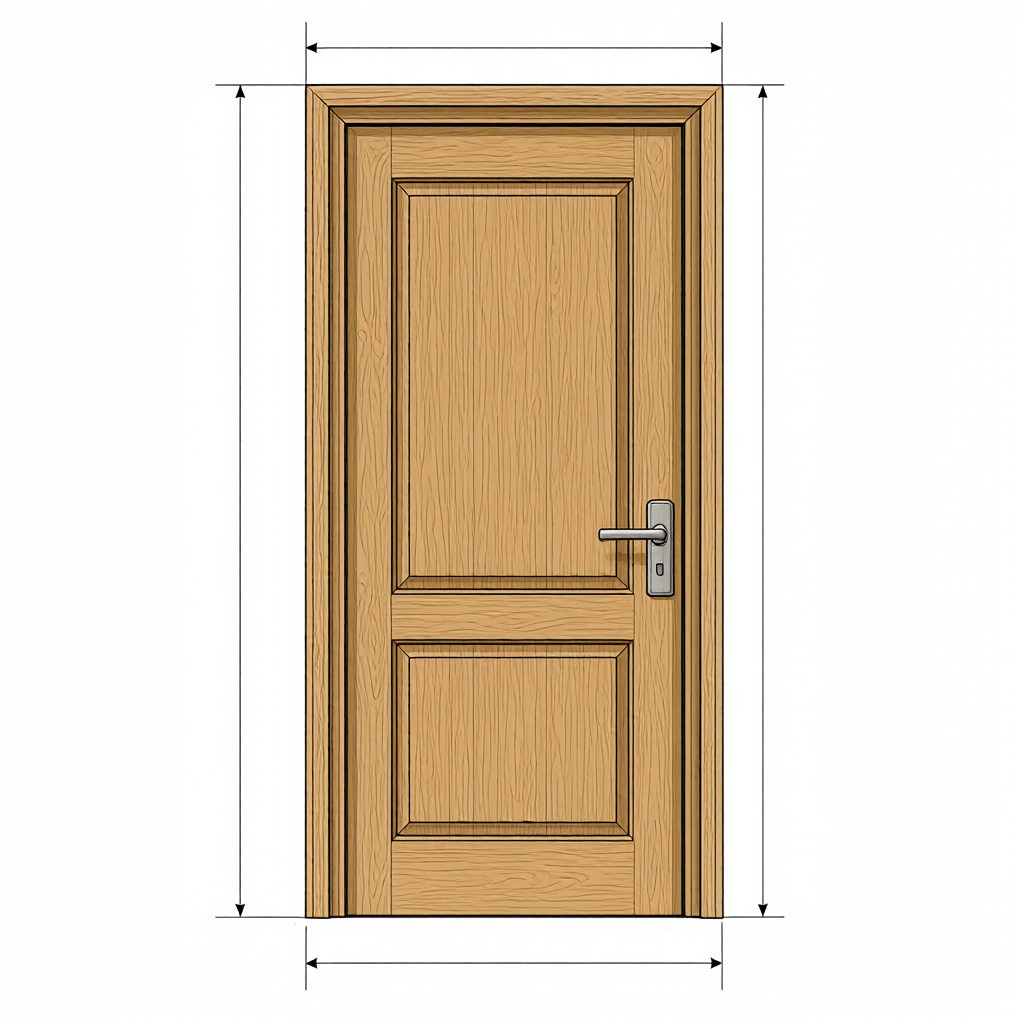
What are the key specifications and data points on a valid timber fumigation certificate for doors?
A compliant certificate contains a fixed set of verifiable fields. Buyers and their customs agents should inspect each one against the actual shipment before goods arrive. Missing or mismatched data is the single most common cause of shipment delays.
- Certificate number and issuance date — unique tracking identifier; must match the accompanying phytosanitary record
- Exporter name and address — must align with commercial invoice and packing list
- Consignee / importer details — buyer information as registered with customs
- Product description — e.g., “solid wood entrance doors,” including HS code reference where applicable
- Quantity and weight — unit count and gross/net weight consistent with shipping documents
- Packaging details — pallet type, crate dimensions, wood origin
- Treatment method — clearly stated as either fumigation (with chemical agent named) or heat treatment (HT)
- Chamber identification and location — facility registration number issued by the national plant-protection authority
- Fumigant type and concentration — ppm or g/m³ recorded throughout the exposure period
- Temperature logs — hourly readings during the cycle proving the wood reached and maintained the required core temperature (for HT) or that gas concentration held above the lethal threshold (for fumigation)
- Exposure duration — start and end timestamps confirming minimum contact time was met
- Inspector signature and authorization stamp — government-appointed inspector’s credentials
- Remarks section — any deviations, re-treatment notes, or additional declarations requested by the importing country
When reviewing incoming paperwork, compare every field against your commercial invoice, packing list, and bill of lading. Inconsistencies — even minor ones like a slight weight rounding difference — can trigger secondary inspection requests.
How much does timber fumigation cost for doors per container?
Typical market ranges for fumigation and heat-treatment services in China, based on prevailing rates observed in recent quarters, fall as follows:
- Per 20ft container (LCL or FCL): approximately USD 80–200 for basic treatment depending on load density and whether it is handled by port-affiliated facilities or private-certified operators
- Per 40ft container: roughly USD 150–350 under similar conditions
- Heat-treatment service: often slightly cheaper than MB fumigation, running around USD 60–180 per 20ft container
- Phytosanitary certificate issuance: separate fee of roughly USD 30–80 per document batch
- Re-treatment after failed inspection: charged again at standard rates plus demurrage/detention if the container remains at port during a second cycle
Hidden costs to watch for include container waiting fees at the fumigation site (typically USD 30–60 per day if turnaround exceeds the free-time window), Saturday or holiday surcharges, and courier costs for original certificate delivery if your importer requires paper originals rather than digital copies. These extras can add USD 200–500 to a standard FCL shipment if logistics are not coordinated early.
For a full look at how container loading choices influence overall door-shipping cost, see the FCL vs LCL shipping for door and window procurement guide.
Standards & Requirements
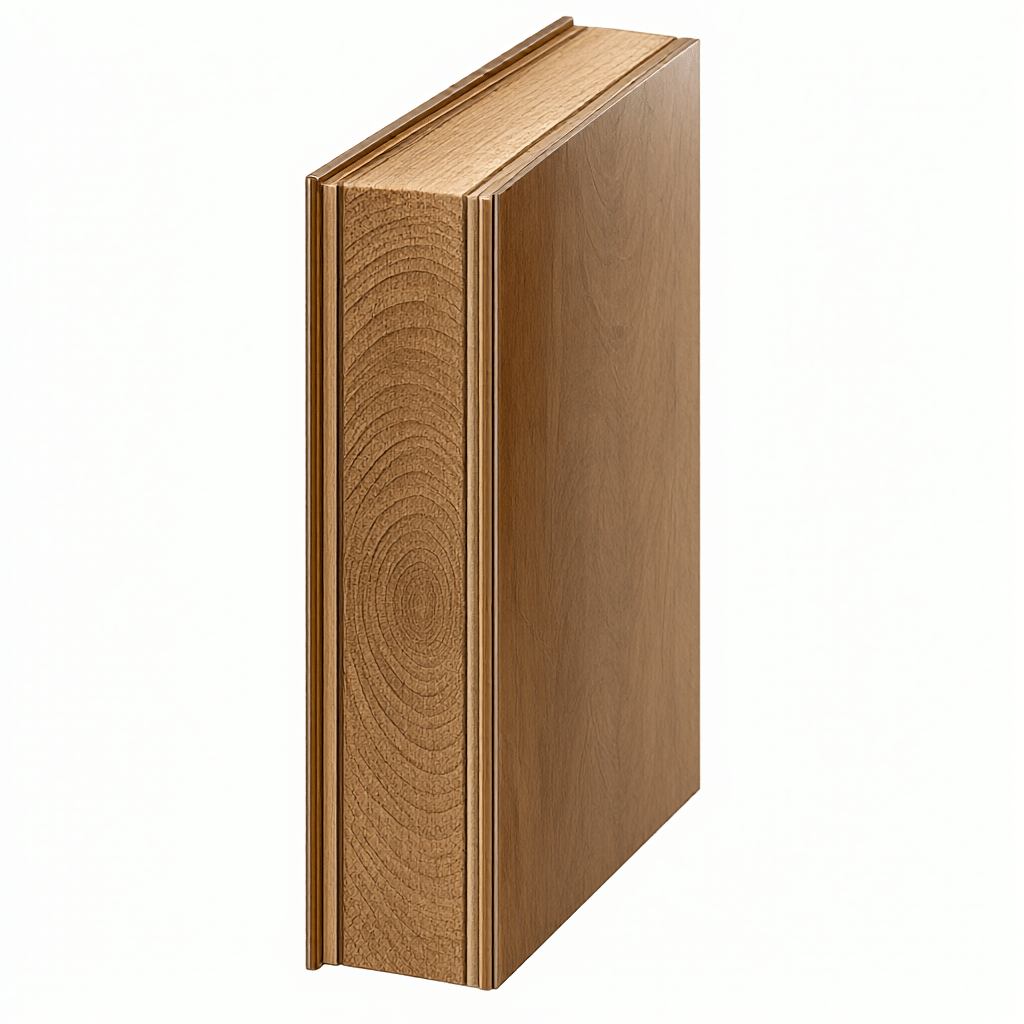
What standards apply to timber fumigation certificates for doors?
Two distinct but complementary frameworks govern door exports involving solid wood:
ISPM 15 — the phytosanitary standard (IPPC)
Administered by the International Plant Protection Convention, ISPM 15 is the baseline rule. It mandates that all wood packaging material — pallets, crates, dunnage, and spacers — used in international trade must be debarked and treated by approved methods (heat treatment or methyl bromide fumigation), marked with the official IPPC logo, and accompanied by traceable documentation. Many importing nations extend ISPM 15-like interpretation to the solid wood components of products themselves, especially doors, by requiring a phytosanitary certificate backed by treatment records at the point of origin.
While ISPM 15 itself was originally drafted for packaging rather than finished products, customs practice in most jurisdictions treats manufactured wooden items containing untreated or insufficiently documented solid wood as subject to the same phytosanitary controls. Consequently, reputable exporters routinely treat entire door shipments — including installed hardware packaging crates — rather than risking partial rejection at port.
National and regional implementing regulations
Individual countries layer their own requirements on top of ISPM 15. Notable examples include:
- United States (USDA APHIS): Enforces ISPM 15 through the Plant Protection Act. All wood packaging and certain solid-wood imports must carry a valid HT or MB stamp and supporting documentation.
- European Union (EU Regulation 2016/2031 and delegated acts): Requires EU-recognized treatment facilities and a phytosanitary certificate for solid wood imports above certain species and origin criteria.
- Australia (Department of Agriculture, Fisheries and Forestry): Maintains one of the world’s strictest biosecurity regimes, requiring detailed declarations, pre-shipment fumigation or heat treatment, and sometimes post-arrival quarantine inspection.
- Canada (CFIA): Mirrors ISPM 15 closely and performs targeted inspections at major entry points.
Buyers must treat the destination-country regulation as the final arbiter — ISPM 15 defines the floor, not the ceiling, of expected compliance.
For fire-rated door procurement specifically, additional product-performance standards such as EI30/EI60 classifications apply independently of phytosanitary requirements. Understanding both tracks simultaneously prevents compliance gaps: see the EI30 vs EI60 vs EI90 fire resistance ratings comparison guide for context on how fire-rating documentation interacts with export clearance paperwork.
Related Considerations
What should you consider when choosing a timber fumigation provider and verifying certificate validity?
Selection of a fumigation operator and validation of the resulting certificate deserve equal attention during procurement. The process involves more than handing containers over to the nearest port service.
First, confirm that the treatment facility holds current accreditation from the national plant-protection authority of the exporting country. In China, this means looking for facilities registered with the General Administration of Customs (GACC) or its predecessor, the China Inspection and Quarantine Bureau. Only accredited operators can legally issue the ISPM 15 stamp and the official phytosanitary certificate; third-party certificates printed by non-accredited firms are routinely rejected at destination.
Second, audit the physical stamp placement on your doors and packaging. The ISPM 15 mark must appear on each regulated piece of wood or on the pallet/crate surface, not just on the accompanying certificate. A shipment arriving with perfect paperwork but no visible stamp on its wooden components will be questioned regardless.
Third, check the certificate validity timeline. Most countries treat a fumigation or heat-treatment certificate as valid for approximately 21 days from issuance before requiring re-treatment, particularly in tropical and sub-tropical ports where pest re-infestation risk is higher. If transit time plus port waiting time exceeds this window, arrange treatment closer to the shipment date rather than earlier. Some ports in Australia and New Zealand accept up to 60 days for HT-treated wood; others insist on the stricter 21-day window. Confirm with your clearing agent before locking in the treatment schedule.
Fourth, verify that the supplier’s documentation package includes all four linked documents: the fumigation/HT treatment record, the phytosanitary certificate, the commercial invoice, and the packing list — all bearing matching serial numbers, dates, weights, and container IDs. Any mismatch triggers manual inspection and potential demurrage charges.
Finally, consider the post-treatment storage and handling protocol. Treated wood is not immune to re-contamination. If doors sit uncovered in open yards after fumigation and are later packed in non-treated crates or placed on untreated pallets, inspectors can flag the inconsistency. Best practice is to complete fumigation, brand the ISPM 15 mark, pack within treated or certified materials, and ship promptly thereafter. This discipline minimises the chance that a perfectly treated shipment fails at the gate.
For guidance on evaluating suppliers before signing contracts, the door factory audit checklist for B2B procurement evaluation outlines practical inspection items that cover quality systems, export documentation capability, and compliance track record — all directly relevant to ensuring your supplier can deliver clean certificates on schedule.
As a manufacturer, our approach to timber fumigation compliance starts with understanding that your importing country’s rules are the final authority. We adjust our treatment method — heat treatment or approved fumigation — based on your destination, ensure every regulated piece carries the correct ISPM 15 marking before sealing, and prepare a complete phytosanitary dossier including treatment logs, certificates, and supporting shipping documents so your customs clearance proceeds without delay. If you’re preparing a bulk order of solid wood or thermo-wood doors and need clarity on which treatment path applies to your route, send us your destination port and container plan and we’ll map the exact compliance sequence for you.
Continuing from “Related Considerations”
…provider because verification requires cross-referencing multiple documents, inspecting physical stamps, and understanding how different origin countries implement ISPM 15 differently. Buyers establishing long-term door-supply relationships should treat this validation step as non-negotiable before any purchase order moves to production.
What does a credible timber fumigation provider demonstrate during pre-qualification?
A legitimate fumigation service provider operating within China’s export supply chain typically presents three categories of evidence during vendor evaluation: regulatory credentials, operational capacity, and audit transparency. Understanding what each category contains helps procurement teams separate well-run operators from those relying on undocumented shortcuts.
Regulatory credentials include the facility’s registration number issued by the local customs bureau or plant-protection authority, proof of inspector authorization, and — if applicable — accreditation from international inspection agencies such as SGS, Bureau Veritas, or Intertek for third-party verification services. Providers unable or unwilling to share these details should raise immediate questions.
Operational capacity is demonstrated through chamber size availability, treatment throughput per working day, and documented experience handling door shipments specifically. Wood packaging and solid-wood product fumigation follow slightly different protocol sequences, and providers claiming to handle both without distinction may lack depth in either.
Audit transparency reflects whether the provider allows site visits, shares anonymised treatment logs for reference, and maintains a digital record system tracking each container’s journey from loading through gas exposure to final stamping. Facilities offering real-time shipment tracking portals tend to produce fewer documentation errors.
Decision Guide: Choosing Between HT and Fumigation for Your Shipment
Selecting the correct treatment pathway begins with identifying your destination country’s current acceptance rules rather than assuming either option works universally. The table below provides a practical framework for making that determination before confirming production schedules.
| Decision Factor | Heat Treatment (HT) | Chemical Fumigation (MB / Phosphine) |
|---|---|---|
| EU acceptance | Fully accepted; preferred method | MB largely phased out; limited acceptance |
| Australia / NZ acceptance | Strongly preferred; minimal questioning | MB treated wood sometimes rejected outright at port |
| United States acceptance | Accepted under ISPM 15 | Accepted but faces increasing scrutiny on residue reporting |
| Processing time | Typically 6–12 hours including cooldown | 12–24 hours including aeration phase |
| Chemical residue | Zero; safe for interior-grade doors immediately | Requires validated aeration period before doors can be handled without protective measures |
| Cost range (per 20ft container) | USD 60–180 | USD 80–200 |
| Documentation complexity | Simpler; single HT stamp + treatment record | More complex; chemical-specific declarations often required |
| Best suited for | High-volume EU-bound orders; environmentally sensitive buyers | Markets still accepting MB; specific contractual requirements |
When evaluating total cost of ownership beyond per-container treatment fees, buyers should factor in demurrage risk. A slower fumigation cycle with extended aeration increases the probability of container waiting charges at port if the shipper does not coordinate closely with the treatment facility. Heat treatment generally reduces this logistical risk due to its faster turnaround and absence of mandated residual-gas clearance periods.
For additional context on how shipping configuration influences overall landed cost for door orders, review the 20ft container door loading quantity and shipping configuration bulk shipping guide.
Red Flags: Common Certificate Fraud Patterns in Door Procurement
Certificate fraud is relatively uncommon among reputable exporters but occurs frequently enough to warrant systematic vigilance. The following patterns represent the most frequently encountered issues identified during import inspections across major ports:
Fake ISPM 15 stamps applied after treatment verification
Some suppliers print or laser-etch the IPPC logo onto pallets or door frames without actually submitting the cargo for authorised treatment. Visual inspection alone cannot verify authenticity; the stamp must correspond to a registered facility and verifiable treatment record held by the national plant-protection authority.
Expired certificates reused across shipments
A valid fumigation certificate expires once its stated validity window passes — typically 21 days for most destinations. Reusing a document from a prior shipment to cover new goods is a frequent mismatch discovered during customs audits. Always check the issuance date against the actual bill of lading date.
Lot-number mismatches between certificate and physical cargo
The certificate references a specific treatment batch or container number. If the stamped wood or pallet bears a different batch identifier than what appears on the document, inspectors will flag the discrepancy. This often occurs when producers apply stamps to partial shipments that were never entered into the same treatment cycle.
Unauthorised third-party labels replacing government-issued marks
Some operators paste self-printed IPPC-style stickers onto crates without holding the requisite facility registration number. Authentic stamps carry a unique code assigned by the national authority; stickers lacking this code or displaying obviously generic formats should be treated as invalid until independently verified.
Mismatched species or origin declarations
Certificates sometimes list a broader wood species category than what physically enters the container. If your contract specifies European oak frames but the certificate covers generic tropical hardwood, importing-country authorities may reject the inconsistency as misdeclaration.
Buyers encountering any of these indicators during pre-shipment document review should request replacement paperwork from the treating facility before accepting delivery terms. For deeper guidance on evaluating potential suppliers before committing capital, consult the door factory audit checklist for B2B procurement evaluation.
Procurement Buyer Checklist: Evaluating Fumigation-Capable Door Vendors
The following checklist enables direct comparison of multiple suppliers on fumigation certification readiness, production lead times, and audit-documentation quality. Rate each vendor against these criteria during the sourcing phase to reduce post-contract compliance surprises.
Vendor Evaluation Criteria Table
| Evaluation Category | Certified-Facility Standard | Inspection-Agency Accreditation | Audit Rights |
|---|---|---|---|
| Minimum requirement | Provider operates from a customs-registered treatment facility visible on IPPC database | Third-party inspector (SGS, BV, Intertek) available for pre-shipment verification | Written confirmation that buyer or agent may visit treatment site or arrange independent re-inspection |
| Preferred standard | Facility holds ISO 9001 quality management alongside phytosanitary registration | Inspection agency accredited to ISO/IEC 17020 for inspection bodies | Open audit policy allowing unannounced facility checks for high-value contracts |
| Red flag | No verifiable facility registration; operator cannot provide IPPC code | Inspector has no formal accreditation documentation on file | Explicit refusal to permit site access or third-party verification |
Lead-Time Benchmarking
- Standard FCL door order with HT treatment: 25–35 working days from deposit receipt to port departure, including treatment scheduling
- Standard FCL door order with fumigation treatment: 28–40 working days due to longer chamber cycles and aeration requirements
- LCL consolidation with treatment: Add 5–7 working days for cargo batching and staggered chamber loading
- Urgent/expedited treatment slot: Available from select premium operators at approximately 15–20% surcharge on standard treatment fees
Documentation Readiness Benchmark
High-performing vendors typically deliver the following package within five working days of loading completion: fumigation or HT certificate (digital copy), phytosanitary certificate (if required by destination), commercial invoice, packing list, and bill of lading draft. Any vendor requiring more than ten working days to assemble this package may lack integrated export-documentation workflows.
FAQ: Timber Fumigation Certificates for Doors
How long does a timber fumigation certificate remain valid?
Most importing countries accept a fumigation or HT certificate for 21 days from the date of treatment issuance. Some jurisdictions impose shorter windows — particularly Australia, which may require proof of treatment within 14 days for certain arrival ports. If your container remains in transit longer than the certificate validity window, you may face re-treatment requirements upon arrival. Plan shipping schedules to minimise time between treatment and vessel departure.
What is the typical cost range for fumigation-certified door procurement?
Treatment costs represent only one component of total landed cost for door orders requiring phytosanitary compliance. Representative cost breakdowns include:
- Fumigation/HT per 20ft container: USD 60–200 depending on treatment type and operator
- Phytosanitary certificate issuance: USD 30–80 per document batch
- Customs broker declaration support: USD 100–250 per shipment
- Potential demurrage if treatment timing misaligns with vessel schedule: USD 30–60 per day waiting charge at port
- Retreatment following failed inspection (rare): Full treatment fee plus associated demurrage
Total transportation and compliance cost for a fully documented FCL door shipment typically adds USD 300–600 to the base product price compared to domestic-only orders. For unit-level pricing context across door categories, see the plywood doors price per unit and MDF doors price per unit guides.
Do fumigation certificates require annual renewal?
The certificate itself is a shipment-specific document and does not carry an annual renewal obligation. However, the treating facility’s authorisation issued by the national plant-protection authority typically requires periodic recertification — often annually — to maintain legal status. Before engaging a new provider, confirm that their facility registration is current. Expired facility credentials invalidate any certificate they issue, regardless of treatment quality.
Can I treat doors myself instead of using a certified fumigation provider?
No. Only government-authorised or internationally accredited inspection agencies may issue legally recognised fumigation or HT certificates for international trade. Self-applied treatments lack the inspector sign-off and traceability that customs authorities require. Attempting to bypass this step guarantees rejection at import inspection.
Is PM 15 applicable to hollow-core wooden doors or only solid-wood construction?
ISPM 15 applies to wood packaging material — pallets, crates, dunnage, and blocking — regardless of what sits inside them. For the doors themselves, many countries extend phytosanitary requirements to any solid-wood component exceeding a prescribed thickness threshold. Hollow-core doors with thin veneer skins may qualify for exemption in some markets but not others. Always confirm the specific species-thickness rule with your destination country’s plant-protection organisation.
Choosing a Reliable Door Manufacturer That Meets Fumigation Standards
Procuring export wooden doors that clear customs without delay requires a manufacturer who treats phytosanitary compliance as a core production capability rather than an afterthought. The right partner combines in-house or verified third-party treatment access with thorough documentation workflows and transparent communication throughout the order lifecycle.
Jusen Door and Windows positionsfumigation and heat-treatment compliance as part of our standard export protocol for every solid-wood door order. Our approach aligns with the industry frameworks outlined above because we understand that a certificate is only as valuable as the processes behind it.
Here is how we meet these standards:
- Direct factory supply eliminates middleman markups while maintaining full traceability from raw timber procurement through final treatment and loading. Competitive pricing includes certified treatment as a built-in line item rather than an optional upsell.
- Full customisation on size, colour, glass specification, and hardware accessories ensures the door you receive matches your project brief exactly — no substitutions that could trigger species-declaration mismatches on your certificate.
- Strict pre-shipment inspection covers air-tightness, water-tightness, and wind-resistance testing alongside phytosanitary verification, so structural performance and regulatory compliance are validated simultaneously.
- Rich foreign-trade experience means we routinely prepare packing lists, proforma invoices, and complete customs documentation packages that align precisely with the fumigation or HT certificates we secure for each shipment.
- Flexible logistics options including FCL and LCL shipment allow you to choose the most cost-effective loading strategy for your order volume, with direct delivery from our China factory minimising intermediate handling stages.
- Adjustable profile structures and fittings enable us to tailor door assemblies to match local building codes across target markets, reducing the risk that downstream certification gaps emerge during local permitting reviews.
Every order we fulfil carries the documentation trail your customs broker and importing-country inspectors expect — certificate, phytosanitary declaration where required, treatment logs, and consistent lot identification across all paperwork. This consistency is what separates reliably clearing shipments from ones stuck in secondary inspection.
For contact information or to discuss a specific door order requiring fumigation-certified export documentation, reach out through our contact page or email Leon Wu directly at cyxs001@gmail.com.
How do you verify a timber fumigation certificate before shipment departure?
Selection of a fumigation operator and validation of the resulting certificate deserve equal attention during procurement. The process involves more than handing containers over to the nearest port service provider and hoping the paperwork arrives clean. A systematic verification approach protects buyers from costly rejections at destination ports.
Before authorising shipment release, request and cross-reference the following against your import regulations:
| Verification Step | What to Check | Action if Mismatch Found |
|---|---|---|
| Chamber registration number | Matches the treating facility listed on the certificate; verifiable through the national plant-protection authority registry | Suspend shipment until facility is confirmed as IPPC-accredited |
| ISPM 15 stamp physical presence | Stamp visible on each pallet, crate, or solid-wood component; legible and not smudged or hand-drawn | Require re-branding before loading |
| Treatment date consistency | Certificate issue date aligns with treatment date recorded in logs; not backdated | Request original chamber printout logs |
| HS code alignment | Product description matches the HS code declared on the commercial invoice | Correct documentation before customs submission |
| Inspector credentials | Signature and stamp correspond to a government-authorised inspectorate, not a private lab without IPPC mandate | Demand certificate from recognised authority |
| Lot/batch number traceability | Unit serial or batch identifier links treatment record to specific container manifest | Reconcile with packing list before cargo acceptance |
According to the International Plant Protection Convention — the governing body behind ISPM 15 — certified treatment records must remain traceable for the duration of the importing country’s accepted validity window, typically 21 days from treatment date for most jurisdictions. Buyers should store both digital and printed copies of every document in a single shipment dossier for rapid retrieval during port inspections IPPC — ISPM 15 Guidelines. While the IPPC maintains the global standard, individual enforcement agencies such as USDA APHIS in the United States or the Department of Agriculture in Australia apply their own layered protocols on top of that baseline.
For a deeper understanding of how to evaluate Chinese door manufacturers before committing large orders, consult the Door Factory Audit Checklist for B2B Procurement Evaluation, which includes fumigation and phytosanitary compliance as a scored audit category.
What red flags indicate potential certificate fraud or non-compliance?
Certificate fraud is a documented problem in global wood-product trade. Sophisticated forgery operations have produced counterfeit ISPM 15 stamps and fabricated treatment records that pass superficial customs checks but fail under detailed forensic review. Importers who lose shipments to fraudulent documentation often face total cargo loss, since re-treatment at destination may be impossible and authorities may refuse re-entry.
Common fraud indicators include:
- Fake ISPM 15 stamps: Stamps that appear hand-printed rather than heat-branded, lack the mandatory IPPC oval logo shape, use incorrect fonts, or display spelling errors in the country code portion
- Expired certificates: Treatment dates older than the destination country’s accepted validity window (commonly 21 days); some ports accept certificates up to 30 days but many reject anything beyond 21
- Mismatched lot numbers: The lot or container number on the certificate does not match the bill of lading or packing list
- Generic facility names: Treating facility listed uses a vague or unverifiable business name rather than an IPPC-registered address
- Suspiciously low pricing: Fumigation rates significantly below market mean suggest the treatment may not have been performed at all, or was conducted at an unauthorised site
- Missing chamber temperature logs: No supporting hourly temperature or gas-concentration data accompanies the certificate when the importing country requires it
- Reverse-engineered stamp patterns: Multiple shipments from different suppliers showing identical stamp impressions, indicating a single forged label rather than individual branded treatments
If any red flag appears, pause payment release and require the supplier to produce raw chamber log prints, third-party inspection agency accreditation numbers, and video evidence of the treatment cycle before resuming shipment procedures.
Decision Guide: Heat Treatment vs Fumigation for Your Destination Market
Choosing between heat treatment (HT) and chemical fumigation (MB or phosphine) should follow a clear decision framework rather than default preference. The table below maps major destination markets against accepted treatment pathways to help procurement teams select the correct option early in the ordering process.
| Destination Country/Region | Preferred Treatment | Alternative Accepted? | Key Risk if Wrong Method Chosen |
|---|---|---|---|
| United States | HT or MB | Both accepted | Minor; CBP accepts either if stamped correctly |
| European Union | HT strongly preferred | MB limited acceptance; member-state dependent | Shipment rejection or requirement for re-treatment at EU port |
| Australia | HT exclusively | MB largely rejected since 2018 biosecurity updates | Direct refusal of entry; cargo destroyed or re-exported |
| New Zealand | HT exclusively | MB not accepted | Same as Australia; strict biosecurity enforcement |
| Canada | HT or approved fumigation | Both accepted with proper documentation | Minimal risk if documented correctly |
| Japan | HT or fumigation | Both accepted | Low risk with valid certificate |
| South Korea | HT or methyl bromide | Both accepted | Moderate; some ports prefer HT |
| UAE / Saudi Arabia | Fumigation common; HT accepted increasingly | Both generally accepted | Varies by port; confirm with local broker |
| Brazil | HT or fumigation | Both accepted; ANVISA oversees | Documentation must include species declaration |
| China (imports) | HT or fumigation | Both accepted; CCDI inspects | Must comply with GB 20189 national standard |
When to choose HT: When exporting to Australia, New Zealand, or EU member states where methyl bromide is restricted or phased out. HT also eliminates residue concerns for interior-grade doors destined for residential or healthcare projects.
When to choose fumigation: When the destination port still accepts MB-treated wood, when the shipment includes mixed wood species that require chemical penetration for deep pest kill, or when local treatment infrastructure offers only fumigation services at competitive rates.
For bulk shipping logistics that interact with treatment timing — since containers must reach the fumigation chamber after production but before vessel loading — review the FCL vs LCL Shipping for Door and Window Procurement guide to align your production schedule with treatment facility capacity.
Procurement Buyer Vendor Comparison Checklist
Use this checklist when evaluating multiple suppliers for fumigation-certified door orders. Score each vendor across the categories below to identify the strongest partner for your target market.
| Evaluation Criterion | Weight | Supplier A | Supplier B | Supplier C | Notes |
|---|---|---|---|---|---|
| IPPC-certified in-house or partnered treatment facility | High | ☐ | ☐ | ☐ | Verify facility registration number |
| Historical fumigation certificate accuracy rate (>99%) | High | ☐ | ☐ | ☐ | Request past 6 months’ certificate samples |
| Lead time for treatment + certificate issuance | Medium | ☐ | ☐ | ☐ | Typical: 2–5 working days post-production |
| Third-party inspection agency accreditation (SGS, BV, Cotecna) | Medium | ☐ | ☐ | ☐ | Confirmed inspectorate letters |
| Audit rights for treatment facility access | Medium | ☐ | ☐ | ☐ | Right to visit chamber during live treatment |
| Transparent pricing for HT vs MB options | Medium | ☐ | ☐ | ☐ | No hidden surcharge clauses |
| Ability to match local building-code profile adjustments | Medium | ☐ | ☐ | ☐ | Relevant for US/EU/AU markets |
| Document package completeness (packing list + PI + customs docs) | Low | ☐ | ☐ | ☐ | Full export documentation set |
| Previous successful deliveries to your target country | Low | ☐ | ☐ | ☐ | Request reference shipment records |
| Total cost of ownership including re-treatment contingency | High | ☐ | ☐ | ☐ | Factor in demurrage risk if treated late |
A weighted scoring model helps remove subjective bias. Assign points from 1 to 5 per criterion, multiply by weight, and compare totals. Suppliers scoring below 3.0 on any high-weight criterion should be disqualified regardless of price advantage.
PRACTICAL GUIDANCE FOR BUYERS
What are the total cost-of-ownership factors for fumigation-certified door procurement?
The unit price of a solid wood door rarely tells the full story. Total landed cost for fumigation-certified shipments includes several predictable line items beyond the factory gate price:
| Cost Component | Typical Range (per 20ft Container) | Notes |
|---|---|---|
| Door unit cost (solid wood entrance doors) | USD 45–120 per unit depending on species, glass inserts, hardware spec | Pricing varies widely by design complexity |
| Heat treatment service | USD 60–180 | Often lower than MB fumigation |
| Methyl bromide fumigation service | USD 80–200 | Price increasing due to environmental regulation |
| Phytosanitary certificate issuance | USD 30–80 per batch | Government inspectorate fee |
| ISPM 15 stamping (pallets/crates) | USD 15–40 per container | Usually bundled with treatment |
| Pre-shipment inspection (third-party) | USD 150–300 | SGS, Bureau Veritas, or equivalent |
| Fumigation waiting time at port | USD 30–60 per day over free time | Coordinate treatment slot before vessel arrival |
| Re-treatment if failed | Double the base treatment cost | Plus demurrage if container held at port |
| Original certificate courier (paper originals) | USD 50–150 international express | Required by some importers |
When calculating TCO, multiply per-unit door cost by order quantity, then add treatment-related line items distributed across the container. For reference on how container loading configuration affects unit economics, see the 20ft Container Door Loading Quantity and Shipping Configuration guide, and the Door HS Code and Import Duty Complete Procurement Guide 2026 for duty-rate context.
Industry standards reference
Fumigation and heat-treatment protocols for wood packaging and solid-wood products are governed internationally by the International Plant Protection Convention (IPPC) under ISPM 15. National implementing regulations vary — the American Society for Testing and Materials (ASTM) publishes supplementary standards for wood preservation and pest-control treatments used domestically ASTM International. The International Code Council (ICC) addresses fire-rating and structural performance standards for door assemblies separately from phytosanitary requirements ICC Official Website. The American Woodland Council (AWC) provides guidance on wood product standards relevant to construction door specifications AWC. Buyers should treat these as complementary frameworks: phytosanitary compliance ensures border clearance, while fire and structural standards ensure installed performance.
FREQUENTLY ASKED QUESTIONS
What is the typical turnaround time from treatment to certificate issuance?
Standard processing takes 2 to 5 working days depending on the treating facility’s queue volume. Large ports with high container throughput may require 5–7 days. Rush processing is sometimes available at premium rates. Plan your production schedule so doors are finished and ready for treatment at least 7–10 days before the intended vessel departure date.
How often must fumigation certifications be renewed for recurring orders?
Each individual shipment requires its own treatment certificate. There is no annual or multi-shipment renewal for ISPM 15 compliance — the certificate is tied to a specific container, treatment batch, and shipment manifest. However, the supplier’s IPPC facility registration and the treating inspectorate’s accreditation must remain current year over year. Buyers should request proof of the facility’s ongoing IPPC registration status before placing repeat orders.
Can solid wood-core doors replace solid-solid wood doors to reduce fumigation cost?
Solid wood-core doors ( engineered core with solid wood veneer or stiles/rails) may carry reduced phytosanitary exposure compared to fully solid timber doors because the core material is often manufactured from recombinant or thermally modified wood that has already undergone industrial heating. However, importing-country customs still frequently require ISPM 15 documentation for any wood-containing product above threshold moisture and species criteria. Consult your customs broker before substituting core types solely to avoid treatment costs — the risk of rejection at port usually outweighs savings.
What happens if a door shipment fails fumigation inspection at the destination port?
Possible outcomes include: (1) Re-treatment at the importer’s expense plus demurrage fees, (2) Cargo destruction if re-treatment is deemed infeasible, or (3) Return shipment to origin at the importer’s cost. In severe cases involving repeated violations, the importing country may blacklist the exporting facility. This is why pre-shipment verification — checking every field on the certificate against the actual cargo — remains the strongest protection.
HOW WE APPROACH FUMIGATION CERTIFICATION IN OUR FACTORY
As a manufacturer operating directly from our factory in China, we handle timber fumigation certification as a built-in step in every exported solid-wood door order rather than an afterthought added at port. Our approach follows the same verification discipline described above, applied proactively before goods ever leave our facility.
Our process:
- All solid wood components — frames, panels, cores, and packing crates — are treated in our IPPC-registered treatment chamber before final quality inspection
- We maintain hourly temperature and gas-concentration logs for every treatment cycle, available on request for customs review
- Each treated pallet and crate receives a proper heat-branded ISPM 15 mark that matches the certificate record exactly
- Our documentation team prepares the complete export package — commercial invoice, packing list, phytosanitary certificate, and fumigation certificate — before loading, ensuring all lot numbers and weights align across every document
- We offer both HT and MB treatment options depending on your destination country’s accepted pathway, and we recommend the optimal method during the quoting phase
Because we supply directly from our factory without middleman markup, treatment costs are transparent and quoted upfront as part of your FOB or CIF price. We also adjust profile structures and fittings to match local building codes for your target market — whether that is US IRC, EU ETAG, Australian NCC, or other regional standards — so your doors clear both phytosanitary and building-regulation checks in a single shipment.
Our pre-shipment inspection protocol covers air-tightness, water-tightness, and wind-resistance testing alongside the phytosanitary documentation, giving project buyers and distributors one comprehensive quality gate before vessels depart Chinese ports.
Sources & References
- ASTM International — www.astm.org
- FCL vs LCL shipping for door and window procurement — doorwoodendoors.com
- EI30 vs EI60 vs EI90 fire resistance ratings comparison guide — doorwoodendoors.com
- door factory audit checklist for B2B procurement evaluation — doorwoodendoors.com
- 20ft container door loading quantity and shipping configuration — doorwoodendoors.com
- plywood doors price per unit — doorwoodendoors.com
- MDF doors price per unit — doorwoodendoors.com
- contact page — doorwoodendoors.com
- IPPC — ISPM 15 Guidelines — www.isppc.org
- Door HS Code and Import Duty Complete Procurement Guide 2026 — doorwoodendoors.com











