
Last updated: November 25, 2026
Sourcing doors from China for Japan means partnering with a factory that understands JIS A 5703 air-tightness thresholds, JIS S 1103 fire-resistance ratings, and JAWA-G-0001 performance benchmarks—and can supply full customs documentation, adjustable profile structures that match Japanese building codes, and reliable FCL or LCL shipments to major Japanese ports such as Yokohama, Osaka, or Nagoya.
What Is the Best Approach to Source Doors from China for Japan?
Sourcing a reliable china door manufacturer for Japan requires verifying that the supplier understands Japanese building codes (JIS/JAWA), offers deep customization for profile, glass, and hardware, conducts mandatory pre-shipment performance tests, and handles export documentation and logistics for Japan efficiently. The most effective route is working directly with a factory that adapts its profile structures to local codes and provides full customs paperwork for both FCL and LCL shipments.
How Does Sourcing from a China-Japan Door Factory Work?
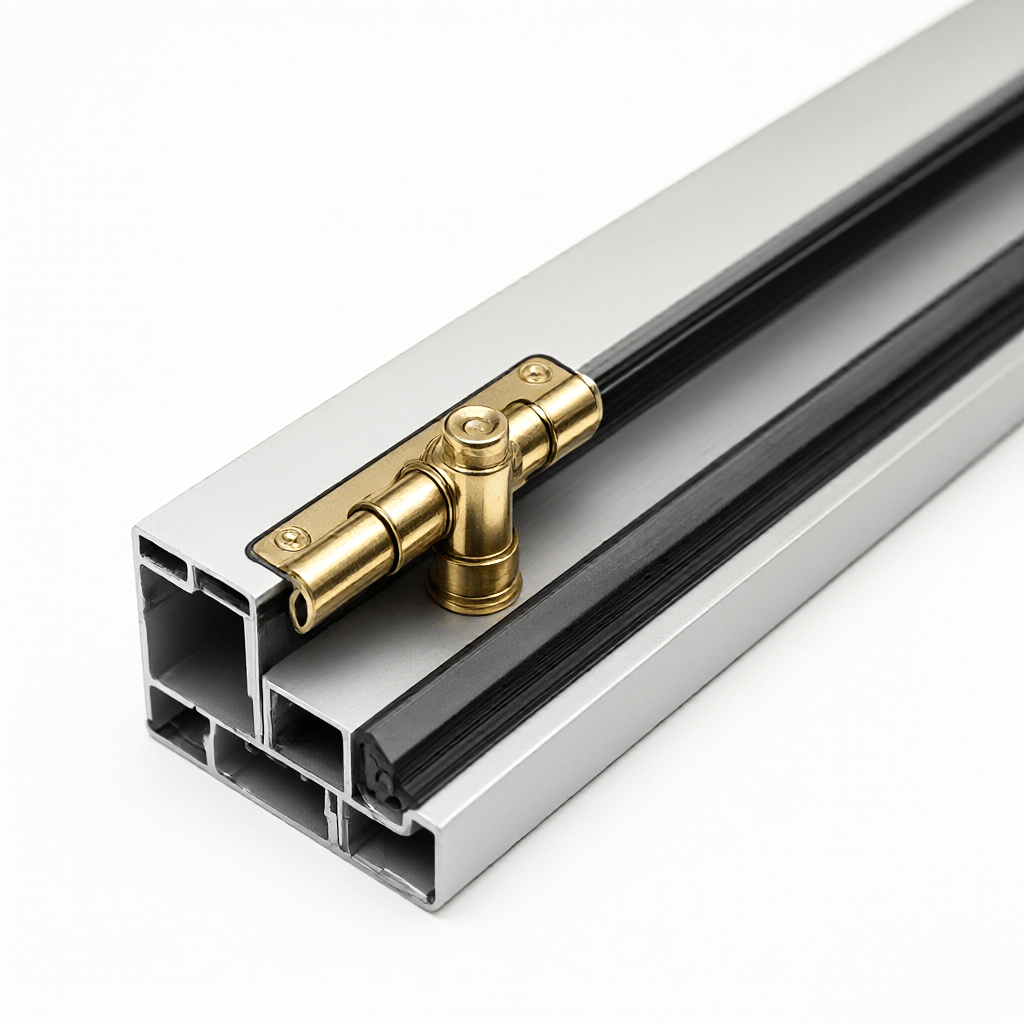
Understanding the supply chain and quality expectations helps buyers move from inquiry to order with confidence.
Why Source Doors from China for Japanese Projects?
The primary advantages are cost efficiency and customization depth. Factory-direct pricing eliminates middleman markups, allowing competitive budgeting for multi-unit residential projects, hotel fit-outs, or villa builds. Furthermore, Chinese factories specialize in full customization—adjusting size, color, glass specifications, and hardware grades to match specific architectural requirements and local building regulations. This flexibility is crucial when source doors from China for Japanese projects that demand precise aesthetic and performance outcomes.
What Products Do These Manufacturers Typically Supply?
A capable supplier focuses on the categories most relevant to Japanese construction needs:
- Solid wood entrance doors: Popular for traditional and high-end residential applications.
- Thermal-break aluminum doors: Essential for energy efficiency in modern apartments and commercial facades.
- System casement and sliding door systems: Including options for balconies and terraces, such as a sliding patio door that maximizes space and natural light.
- Custom villa doors and windows: Tailored solutions for unique architectural designs.
What Are the Key Technical Specifications to Evaluate?
When reviewing a china door manufacturer for Japan, technical specifications are the primary filter for suitability.
| Specification | Typical Buyer Focus | Why It Matters for Japan |
|---|---|---|
| Profile Thickness & Structure | Wall thickness (e.g., 1.4mm+), multi-chamber design | Determines structural integrity and wind resistance class. |
| Glass Type | Tempered, laminated, double/triple glazing, Low-E | Critical for safety, thermal insulation, and sound dampening. |
| Hardware Grade | Japanese or European brands (e.g., ROTO, Siegenia) | Ensures smooth operation and longevity in humid climates. |
| Surface Finish | PVDF coating, powder coating, anodizing | Resistance to UV, corrosion, and weathering. |
| Air/Water Tightness | High classification ratings | Mandatory for typhoon-prone regions and energy codes. |
Which Japanese Standards Apply to Imported Doors?
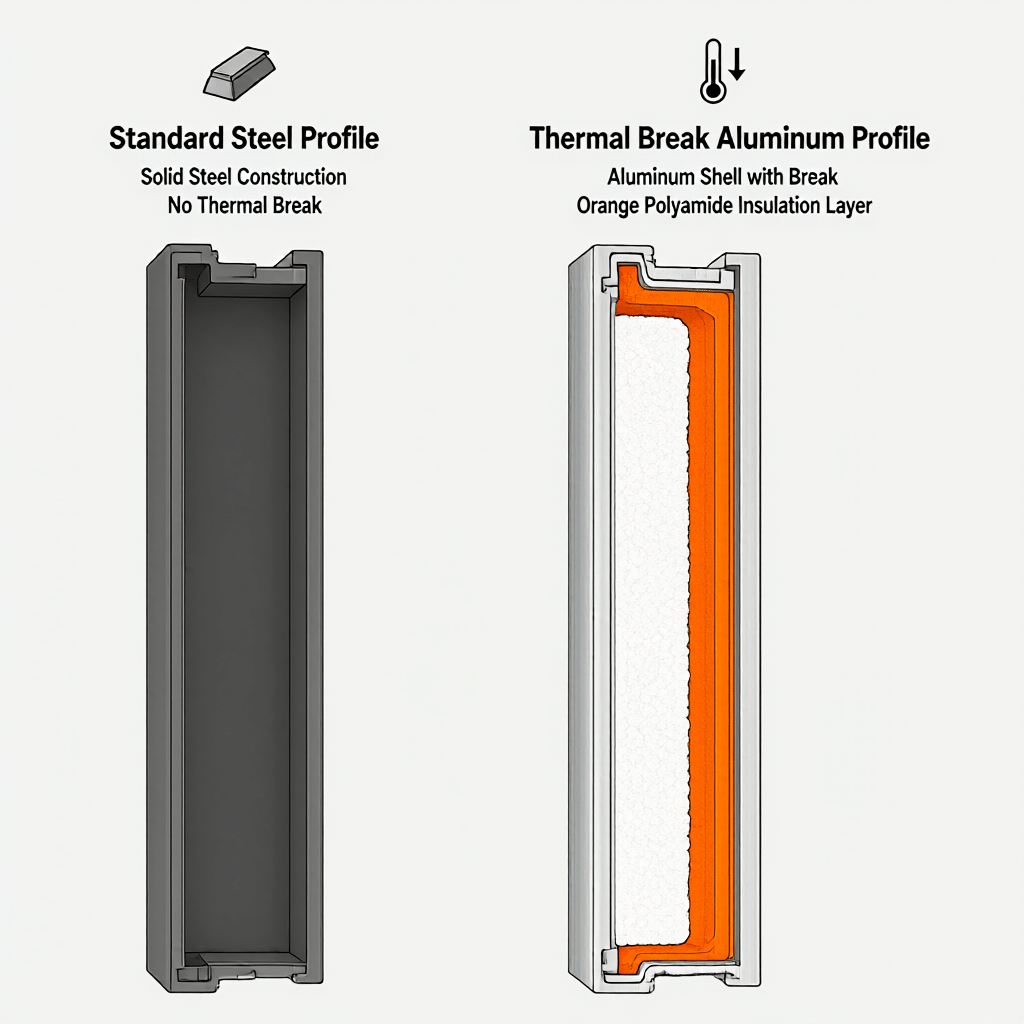
Compliance is non-negotiable. A reputable China door supplier for Japan must ensure products meet:
- JIS (Japanese Industrial Standards): Covers material quality, dimensional tolerances, and performance testing methods.
- JAWA (Japan Aluminum Window Association): Provides specific guidelines for aluminum window and door systems, including thermal break performance and hardware durability.
- Building Standards Act: Dictates safety, fire resistance, and structural requirements for imported assemblies.
For context on how international standards frame testing methodologies, resources like ASTM International provide foundational testing frameworks that often align with global quality expectations.
What Pre-Shipment Tests Should Japan-Bound Doors Pass?
Before loading containers, essential factory testing must verify performance claims:
- Air-Tightness Test: Measures resistance to air leakage under pressure differentials.
- Water-Tightness Test: Simulates heavy rain to ensure no infiltration occurs at joints or drainage channels.
- Wind Resistance Test: Validates structural stability against design wind loads, critical for high-rise installations.
These tests mirror the rigor expected by Japanese inspectors and developers. For guidance on evaluating manufacturing capabilities beyond paperwork, reviewing a door factory audit checklist for B2B procurement evaluation can help you assess whether a factory consistently performs these checks.
What Import Documentation and Logistics Are Required?
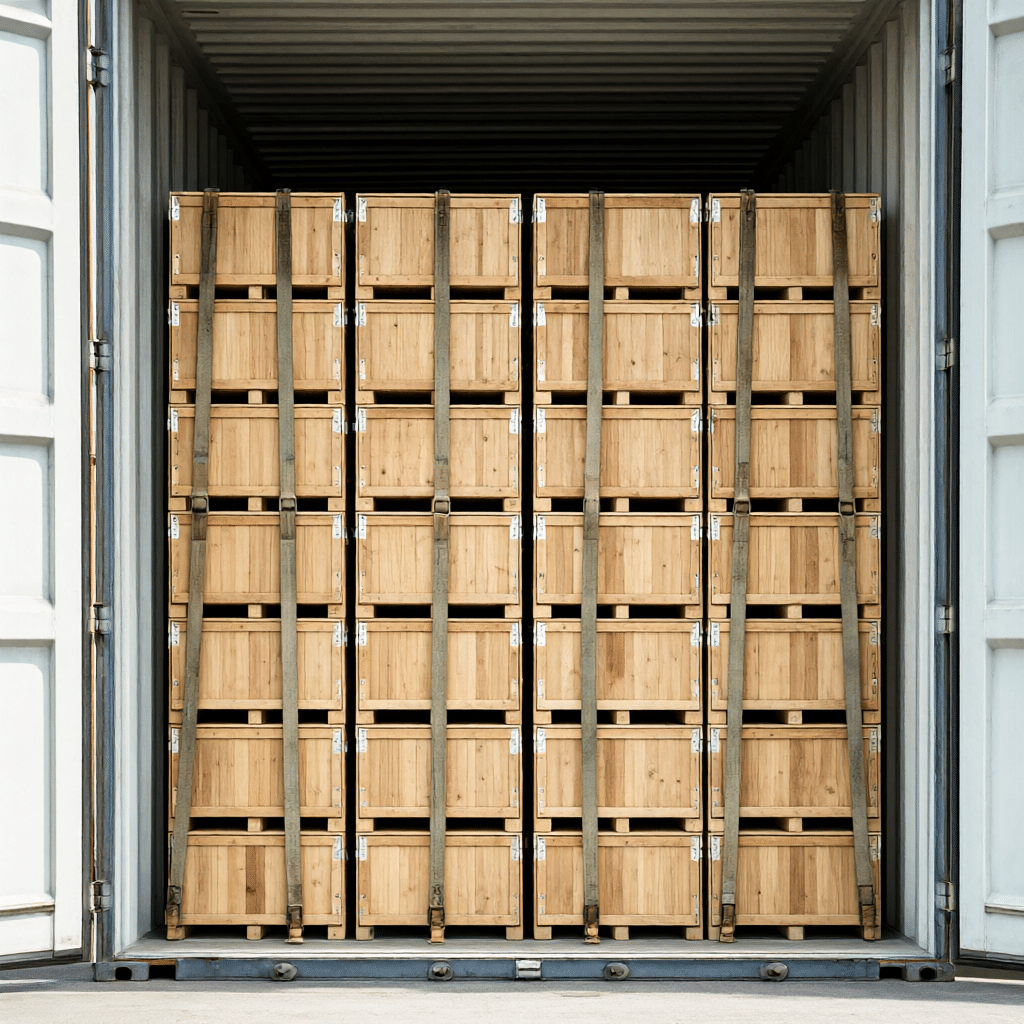
Smooth China-to-Japan door shipment depends on accurate documentation. Your manufacturer should provide:
- Commercial Invoice & Packing List
- Proforma Invoice
- Bill of Lading (FCL/LCL)
- Certificate of Origin (for potential tariff considerations)
- Test Reports conforming to JIS/JAWA
Understanding the trade-offs between shipping methods is vital. We offer a detailed comparison in our guide on FCL vs LCL for door shipments: Cost, speed & risk. Additionally, knowing the exact HS code and import duties ensures accurate budget forecasting. For visualizing capacity, see our 20ft container door loading quantity and shipping configuration guide.
What Questions Should Buyers Ask Before Selecting a Manufacturer?
During the evaluation phase, ask potential suppliers:
- Can you provide JIS/JAWA test reports for thermal-break aluminum doors and solid wood entrance doors?
- How do you adjust profile structures to meet local Japanese building codes?
- What is your process for pre-shipment inspection regarding water and air tightness?
- Can you handle full export documentation for Japan customs?
- Do you offer OEM/ODM services for custom villa doors or private label projects?
Evaluating responses helps distinguish between generic exporters and specialized manufacturers capable of handling project-scale procurement versus smaller orders. For insights on pricing models that may affect your budget, reviewing resources on plywood doors price per unit or MDF door pricing can provide benchmark comparisons for related product categories.
Here Is How We Meet These Industry Standards
As a manufacturer specializing in the China-Japan door trade, our approach centers on adapting to your specific regulatory and aesthetic needs. We offer direct supply from our factory, ensuring competitive pricing without middleman markup. Our production lines support full customization on size, color, glass, and hardware, allowing us to tailor every casement door system or sliding door system to your project.
Before any shipment leaves our facility, we conduct strict pre-shipment inspections, including air-tightness, water-tightness, and wind resistance tests, ensuring every unit meets the rigorous expectations of the Japanese market. With rich experience in foreign trade, we manage the complete documentation suite—packing lists, proforma invoices, and customs papers—and arrange efficient FCL or LCL shipments directly from our factory to Japanese ports. If you require adjustments to profile structures or fittings to strictly match local building codes, we have the engineering capability to deliver.
Contact Our Team to discuss your project specifications and receive a tailored proposal.
Which JIS/AWW Standard Numbers Apply to Imported Doors?
Vague compliance statements are insufficient for B2B procurement. Buyers should request the exact standard designation for each test category. The following identifiers appear on legitimate test reports and should be verified before ordering:
| Test Category | Applicable Standard | Key Requirement |
|---|---|---|
| Air-Tightness | JIS A 5703 (Class 3–5) | Leakage ≤ 0.5 L/(s·m²) at 150 Pa for Class 5 |
| Water-Tightness | JIS A 5704 | No infiltration at 200–500 Pa depending on climate zone |
| Wind Resistance | JIS A 5705 | Deflection within span/60 under design load |
| Fire Resistance | JIS S 1103 / EI30/EI60/EI90 | Integrity + insulation for 30/60/90 min classification |
| Thermal Break Performance | JAWA-G-0001 | U-value ≤ 2.33 W/(m²·K) for high-efficiency assemblies |
| Solar Heat Gain | JAWA-S-0002 | SHGC targets vary by orientation and zone |
For testing methodology foundations, ASTM International publishes parallel frameworks (E283 for air leakage, E331 for water penetration) that Chinese factories often reference alongside JIS protocols. Additionally, the International Code Council provides model-code guidance that Japanese import inspectors frequently align with when evaluating foreign products.
How Supplier Evaluation Differs Across Small-Scale vs Project-Scale Procurement
The depth of supplier assessment changes dramatically depending on order volume and application type:
Small-Scale Procurement (1–50 units)
- Focus on unit price, lead time, and sample approval
- Pre-shipment inspection may be limited to visual checks
- Documentation requirements are lighter; a proforma invoice and packing list typically suffice
- Hardware substitutions are more common unless specified upfront
- Risk is concentrated on a single shipment—damaged goods mean project delay
Project-Scale Procurement (50+ units or multi-building developments)
- Requires documented JIS test reports for every product SKU, not just marketing materials
- Third-party inspection agencies (SGS, Bureau Veritas, TÜV) are commonly engaged for pre-shipment audit
- Full customs documentation including Certificate of Origin and conformity declarations becomes mandatory
- Profile structure adjustments must be validated against local building code submissions
- After-sales spare parts inventory and warranty terms are negotiated as part of the contract
- Factory audit visits (or virtual audits using the door factory audit checklist for B2B procurement evaluation) are expected before contract signing
A structured evaluation framework helps buyers apply consistent criteria regardless of scale:
| Criterion | Weight (Small-Scale) | Weight (Project-Scale) | Scoring Basis |
|---|---|---|---|
| JIS/JAWA Test Report Availability | 15% | 25% | Reports dated within 2 years, covering requested SKUs |
| Production Capacity & Lead Time | 15% | 15% | Monthly output confirmed via factory records |
| Customization Flexibility | 20% | 20% | Ability to adjust profile, glass, hardware grades |
| Export Documentation Experience | 10% | 15% | Proven track record shipping to target market |
| Pre-Shipment Inspection Rigor | 15% | 15% | Documented test procedures with video/photo evidence |
| Communication & Response Time | 10% | 5% | Sample reply within 24 hours, technical Q&A clarity |
| References / Completed Projects | 15% | 5% | verifiable past exports to Japan or similar markets |
Red Flags When Evaluating China Door Suppliers
Experienced procurement teams watch for these specific warning signs during supplier vetting:
- No test report dates or expired certificates — Reports older than 2 years without re-testing records suggest outdated manufacturing practices.
- Refusal to share factory audit footage or live production images — Legitimate manufacturers welcome transparency; evasive responses signal potential quality gaps.
- Vague answers about profile wall thickness — If a supplier cannot specify exact mm measurements per chamber or cite JIS A 5703 tolerance bands, technical competence is questionable.
- Hardware sourced from unknown brands without grade certifications — Unbranded hinges and locks fail prematurely in humid Japanese climates; demand brand origin documents.
- No mention of wind resistance testing — Any supplier skipping JIS A 5705 validation for exterior doors is either unaware of Japanese requirements or cutting corners.
- Inability to explain JAWA-G-0001 thermal break methodology — superficial knowledge suggests the supplier copies designs rather than engineering them for code compliance.
- Pressure to pay 100% upfront before contract signing — Standard practice is 30% deposit with balance against shipped container documents; demanding full payment early indicates cash-flow problems or fraudulent intent.
Frequently Asked Questions
Q: Can a Chinese manufacturer guarantee JIS A 5703 Class 5 air-tightness for thermal-break aluminum doors?
Yes—but only if the factory invests in multi-chamber profile extrusion,EPDM gasket systems, and calibrated air-leakage testing equipment. Request a live test video recorded at your requested classification level before signing.
Q: What is the typical lead time for a custom order of 200 sliding patio doors to Japan?
Standard lead time is 30–45 days for mold approval and first-article sampling, followed by 20–30 days for mass production. Total transit via FCL from Shanghai to Yokohama adds approximately 7–10 days.
Q: Do Chinese door suppliers handle Japan customs clearance documentation?
Reputable exporters prepare commercial invoices, packing lists, bills of lading, and certificates of origin. However, final import clearance is typically managed by your Japanese customs broker; the supplier’s responsibility ends at port-of-loading handover.
Q: How do I verify that a supplier’s fire-rated doors actually meet JIS S 1103 EI60 requirements?
Ask for the original test report issued by a JIS-accredited laboratory, cross-reference the report number on the laboratory’s public database, and confirm the tested specimen matches your ordered configuration exactly.
Q: Should I use FCL or LCL shipping for a 150-unit villa door project?
FCL is strongly recommended. LCL increases the risk of cargo damage during transshipment and complicates tracking. For a detailed breakdown, review our guide on FCL vs LCL for door shipments.
Why China Offers a Cost Advantage for Japanese Door Projects
Japan’s domestic door manufacturing costs are significantly higher due to labor rates, material expenses, and smaller production scales. Chinese factories benefit from economies of scale, lower unit production costs, and direct export channels, often delivering thermal-break aluminum doors and solid wood entrance doors at 30–50% lower landed cost compared to local Japanese sourcing. For large-scale residential towers, hotel groups, or villa developments, this margin difference is substantial. A project requiring 200+ sets of entrance doors in a mid-tier Tokyo development may see total door package savings exceeding ¥8–15 million when sourced through a specialized China-Japan exporting factory rather than a domestic supplier. This cost advantage does not require compromising on quality; it relies on choosing a manufacturer that invests in proper JIS-aligned testing infrastructure and profile engineering.
How Customization Depth Meets Japanese Building Codes
Japanese architectural projects demand precise adjustments beyond standard catalog offerings. Key customization areas that differentiate capable Chinese exporters from generic suppliers include:
- Profile structure adaptation: Multi-chamber thermal-break designs adjusted to meet JIS A 5705 wind-load deflection limits (span/60) for high-rise installations in typhoon-prone regions like Okinawa or Kyushu.
- Glass specification matching: Double or triple glazing with Low-E coatings calibrated to achieve U-values ≤ 2.33 W/(m²·K) per JAWA-G-0001, combined with appropriate solar heat gain coefficients for each building orientation.
- Hardware grade selection: Integration of ROTO, Siegenia, or other European/Japanese-branded hinges, locks, and multipoint locking systems rated for high-cycle use in humid subtropical climates.
- Surface finish durability: PVDF or premium powder-coat finishes selected to resist UV degradation and salt-air corrosion, particularly critical for coastal construction projects.
What Pre-Shipment QC Looks Like for Japan-Bound Orders
Chinese factories exporting to Japan typically follow a structured quality-control sequence before containers are sealed:
- In-process inspection during profile extrusion, assembly, and glazing to catch dimensional deviations early.
- Sample testing where representative units undergo full JIS A 5703 (air-tightness), JIS A 5704 (water-tightness), and JIS A 5705 (wind resistance) tests at approved laboratories, with results documented on report forms bearing lab accreditation marks.
- Production-line spot checks measuring wall thickness with calipers, verifying gasket continuity, confirming hardware torque specifications, and inspecting surface coating adhesion.
- Pre-shipment final inspection where a percentage of completed units are visually checked, functionally operated, and reviewed for packaging integrity suitable for ocean freight.
- Documentation verification ensuring packing lists, commercial invoices, proforma invoices, certificates of origin, and test reports are complete and consistent before release.
Buyers requesting third-party inspection via SGS, Bureau Veritas, or TÜV will find that reputable China-based factories familiar with the Japanese market routinely accommodate these audits at no extra cost, as part of established export workflows.
Import Logistics and Customs Basics for Japan
Door shipments from China to Japan primarily arrive via sea freight to major ports including Yokohama, Nagoya, Osaka-Kobe, and Hakata. Two shipping models are commonly used:
- FCL (Full Container Load): One buyer fills an entire 20ft or 40ft container. A typical 20ft container holds approximately 80–120 door sets depending on size and packaging configuration, as detailed in our 20ft container door loading quantity guide.
- LCL (Less than Container Load): Multiple buyers share container space, suitable for smaller orders below one full container. This option carries slightly higher per-unit freight cost and longer transit time due to consolidation and deconsolidation handling.
Essential export documents your China supplier must provide include: commercial invoice, detailed packing list, bill of lading, certificate of origin (for potential tariff treatment under Japan-China trade arrangements), and test/conformity reports aligned with JIS and JAWA standards. Understanding the relevant HS code and import duty rates helps calculate total landed cost accurately before committing to purchase.
Sources & References
- ASTM International — www.astm.org
- door factory audit checklist for B2B procurement evaluation — doorwoodendoors.com
- FCL vs LCL for door shipments: Cost, speed & risk — doorwoodendoors.com
- HS code and import duties — doorwoodendoors.com
- 20ft container door loading quantity and shipping configuration — doorwoodendoors.com
- plywood doors price per unit — doorwoodendoors.com
- MDF door pricing — doorwoodendoors.com
- International Code Council — www.iccsafe.org











