
Last updated: November 25, 2026
Quick Answer
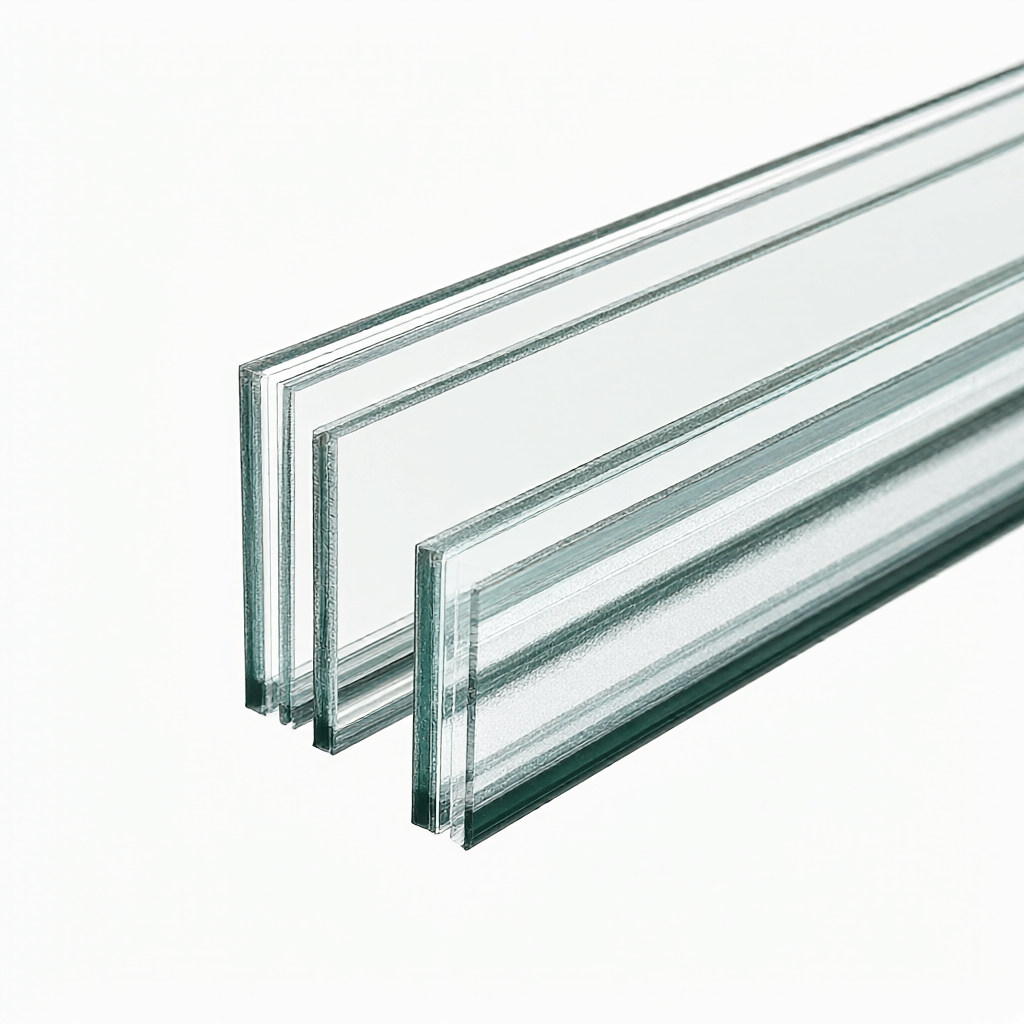
What is ASTM E1996 hurricane impact rating? ASTM E1996 is the ASTM International test method that defines how exterior windows, doors, and skylights are evaluated for resistance to windborne debris impact and cyclic wind-pressure differentials — the two failure modes that cause fenestration to fail during hurricanes. A product carrying an ASTM E1996 hurricane impact rating has been tested and shown to resist penetration, maintain structural integrity, and remain installed under simulated storm conditions. The rating is not a single number but a classification determined by missile type (large or small), impact severity level (TS4 or TS5), and pressure cycling level (Level 1 or Level 2).
Detailed Explanation
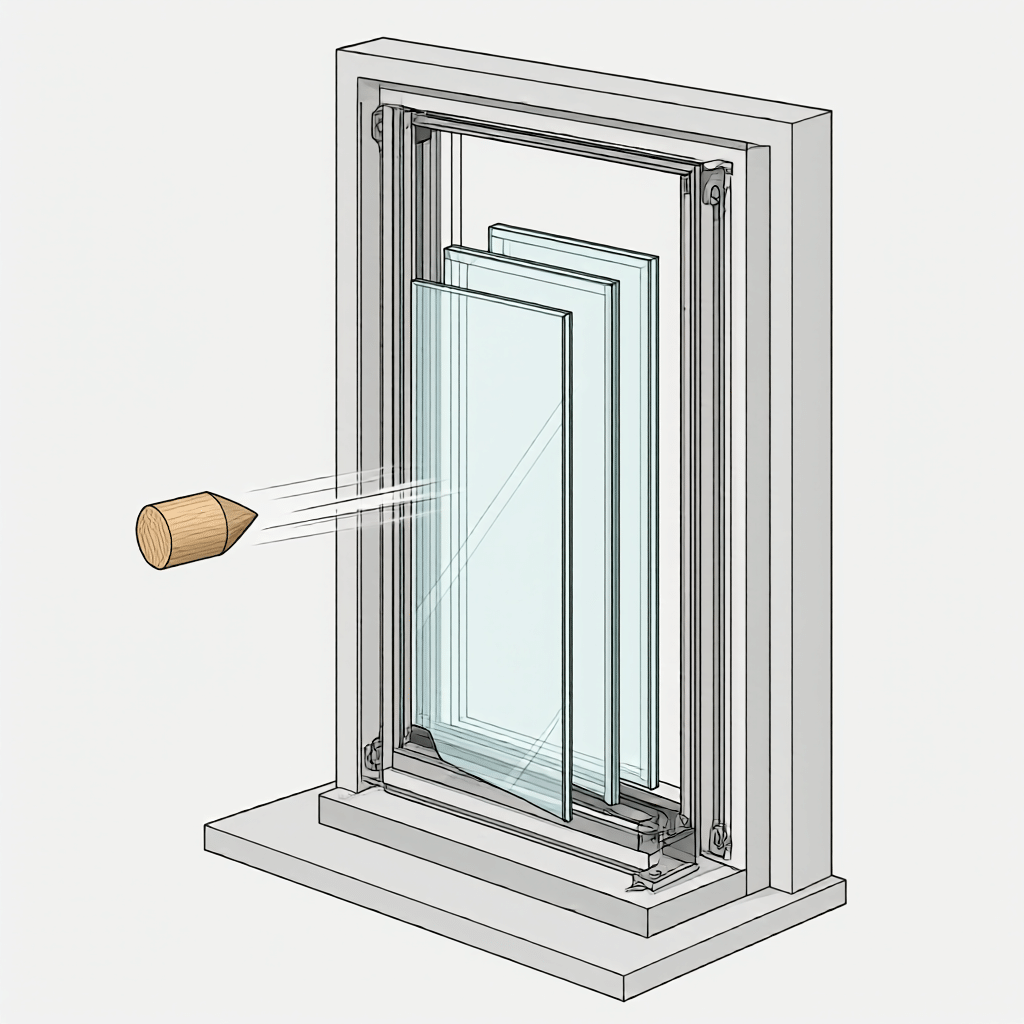
How does the ASTM E1996 impact test work?
ASTM E1996 establishes a standardized laboratory procedure for evaluating the performance of exterior glazing, doors, and shutters when subjected to projectile impact followed by cyclic positive and negative pressure differentials. The test replicates the two primary hazards a building envelope faces during a hurricane: direct debris strike and fluctuating wind pressure that can flex or blow out already-compromised openings.
The test sequence begins with specimen preparation — the fenestration product is mounted in a rigid test frame according to the manufacturer’s recommended installation details, then subjected to a static air-pressure preconditioning cycle to verify the specimen is properly sealed before impact testing begins.
Once preconditioning is complete, the specimen is struck by a missile launched at a specified velocity. After impact, the specimen undergoes cyclic pressure testing — alternating between positive and negative pressure at defined magnitudes and cycle counts — to simulate the gust-loading conditions of a real hurricane. The complete test sequence can be repeated on the same specimen depending on the classification being sought.
What is the difference between large missile and small missile testing?
The missile type determines which hazard scenario the test represents. Large missile testing uses a 9-pound (4.1 kg) 2×4 inch lumber section launched at specified velocities — typically up to 50 feet per second (fps) for TS4 and higher velocities for TS5. This simulates wind-borne debris such as roof sheathing, dimensional lumber, or other structural materials picked up by hurricane-force winds. Large missile testing is required for products in designated hurricane-prone regions where windborne debris exposure is severe.
Small missile testing uses multiple 3-pound (1.36 kg) steel balls launched at lower velocities — typically up to 34 fps — simulating smaller debris such as tree branches, stones, or fragmented materials. Small missile testing applies to areas where the primary concern is windborne debris of moderate size and energy.
What is cyclic wind pressure testing and how is it sequenced?
After a specimen sustains missile impact, it must still perform under wind loading. Cyclic pressure testing applies repeated positive and negative pressure differentials across the test specimen — typically ranging from ±15 psf to ±40 psf depending on the level — for a specified number of cycles. The pressure sequence simulates the oscillating wind forces that occur during a hurricane, where pressure shifts rapidly between positive (pushing inward) and negative (pulling outward) as wind gusts hit different faces of the building.
A specimen that passes the impact test but fails the cyclic pressure test — for example, by developing a breach in the weather barrier or losing structural load-bearing capacity — does not receive the full impact rating. Both tests are mandatory for certification.
Key Specifications
What are the key specifications for hurricane impact rating ASTM E1996 classifications?
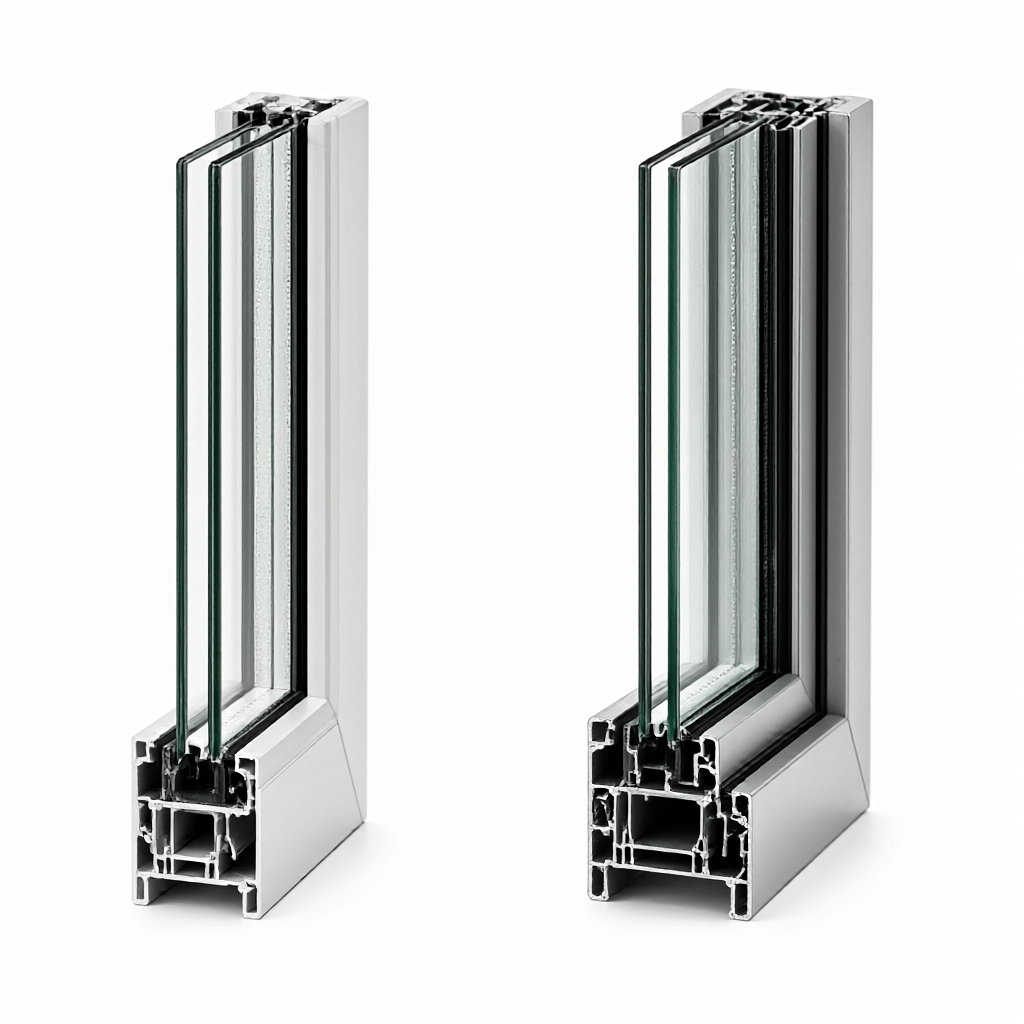
The standard defines ratings through a matrix of four variables: missile size, impact severity level, and pressure cycling level.
Impact severity levels are designated TS4 and TS5:
- TS4 covers low-velocity large missile impact (9-lb 2×4 timber at up to 50 fps) and is the standard requirement for most hurricane-prone coastal jurisdictions.
- TS5 covers high-velocity large missile impact (9-lb 2×4 timber at elevated velocities) and is applied in areas with the most extreme windborne debris risk.
Pressure cycling levels are designated Level 1 and Level 2:
- Level 1 applies cyclic pressures of ±15 psf (positive) and ±30 psf (negative), representing lower-design-wind-speed zones.
- Level 2 applies cyclic pressures of ±20 psf (positive) and ±40 psf (negative), representing higher-design-wind-speed zones such as those found in High-Velocity Hurricane Zone (HVHZ) regions.
Pass/fail criteria are evaluated across three dimensions:
- No penetration — the missile must not pass completely through the specimen, and any resulting opening in the weather barrier must not exceed specified dimensions (typically no larger than a 3-inch diameter sphere can pass through).
- No detachment — the specimen must remain secured in its test frame; no parts may separate or become dislodged.
- Maintained structural integrity — the specimen must continue to resist the specified cyclic pressures for the full test duration without permanent deformation that compromises its load-bearing function.
Manufacturers communicate these ratings on product documentation using notation such as “ASTM E1996 TS4 Level 2” or “Small Missile / Level 1,” which tells specifiers exactly which test sequence the product has passed.
How do ASTM E1996 results connect to local building code compliance?
ASTM E1996 is the reference test method adopted by major model codes, including the International Building Code (IBC) and International Residential Code (IRC), for evaluating impact-resistant fenestration in windborne debris regions. When a code mandates “impact-resistant glazing” or “windborne debris protection,” it is typically pointing to ASTM E1996 as the applicable test standard.
However, the specific classification required — TS4 versus TS5, Level 1 versus Level 2, large missile versus small missile — depends on the jurisdiction. Some jurisdictions adopt ASTM E1996 in full; others supplement it with regional test protocols. For example, Florida’s Building Code references ASTM E1996 alongside TAS 201, TAS 202, and TAS 203 for a complete hurricane test sequence. Miami-Dade County requires products to pass the full TAS 200-series protocol and issue a Notice of Approval (NOA), while other Florida jurisdictions may accept ASTM E1996 test reports from accredited laboratories as sufficient evidence of compliance.
What is the difference between ASTM E1996 and other relevant standards?
ASTM E1996 is specifically a test method — it defines how to test, not what performance levels are required. Other standards address different aspects of building envelope performance:
| Standard | Scope | Relationship to E1996 |
|---|---|---|
| TAS 201 (Miami-Dade) | Air infiltration, uniform static air-pressure test | Prerequisite test conducted before E1996 impact testing |
| TAS 202 (Miami-Dade) | Large missile impact and cyclic pressure test | Functionally equivalent to ASTM E1996 but with additional documentation and jurisdictional review requirements |
| TAS 203 (Miami-Dade) | Cyclic wind-pressure test without impact | Tests pressure resistance independently; often run in conjunction with TAS 202 |
| UL 555C | Standard for safety of overhead door assemblies | Not applicable to windows and storefronts; governs fire-rated door assemblies |
| IBCC | Code adoption and amendments | References ASTM E1996 but sets the mandatory performance thresholds for specific zones |
The key distinction is that ASTM E1996 provides the test methodology, while building codes and regional protocols like TAS 202 define which classification is mandatory for a given project. A product tested to ASTM E1996 may still need additional testing under TAS 201/202/203 to obtain Miami-Dade NOA approval.
Related Considerations
What should buyers verify when sourcing hurricane impact-rated fenestration?
For B2B procurement professionals specifying impact-rated windows and doors for coastal construction projects or residential developments in hurricane-prone regions, the following verification steps are essential:
Confirm the exact classification. A product claiming “hurricane impact rated” status may have passed only small missile testing or Level 1 pressure cycling — neither of which may satisfy the code requirements for your project’s jurisdiction. Always request the full test report showing the specific ASTM E1996 classification (missile type, TS level, pressure level).
Verify third-party certification. Self-certification by a manufacturer is not sufficient in most code-enforced jurisdictions. The test must be conducted by an accredited laboratory, and the product should carry a Notice of Acceptance or equivalent certification from the relevant building official or approved evaluation service.
Check scope of coverage. The test report should match the specific product configuration being purchased — including frame profile, glass type, sill depth, and hardware. A product tested with tempered glass and dual-pane IGU may not perform the same with a different glazing configuration. Request confirmation that the ordered product falls within the tested assembly envelope.
Review post-test acceptance criteria. A valid E1996 report should document hole size measurements in the weather barrier, any membrane breaches, and the condition of the specimen after the full pressure cycling sequence. Products that pass impact but fail pressure cycling should be excluded from consideration regardless of their impact performance.
How do manufacturers ensure their products meet ASTM E1996 compliance?
As a manufacturer of thermal-break aluminum doors and windows and solid wood entry systems, our approach to ASTM E1996 compliance begins at the design stage. We engineer profile structures and reinforce frame geometries to withstand the combined forces of missile impact and cyclic pressure differentials before any laboratory testing begins. Our teams adjust reinforcement placement, glass configurations, and gasket systems based on the target classification — whether that is TS4 Level 1 for standard coastal zones or TS5 Level 2 for HVHZ compliance.
During production, we conduct strict pre-shipment inspections that include air-tightness, water-tightness, and wind resistance testing on sample units from each production batch. These in-house checks complement the third-party laboratory tests and catch manufacturing variations before products leave the factory. Because we supply directly from our China-based facility with both FCL and LCL shipment options, we also manage the full documentation trail — packing lists, proforma invoices, and customs paperwork — so that imported fenestration meets both the technical and regulatory requirements of the destination market.
For project specifications that require E1996-compliant systems, we can tailor profile depth, wall thickness, hardware attachments, and glazing units to match the exact classification your local building code mandates. Send us your project requirements and opening sizes for a detailed specification review and bulk quotation.
### Hurricane Impact Rating Procurement Decision Matrix
A clear decision framework helps specifiers match the correct ASTM E1996 classification to their project’s wind zone and debris exposure. The following criteria matrix simplifies the selection process:
| Selection Criterion | TS4 (Low-Velocity Large Missile) | TS5 (High-Velocity Large Missile) |
|---|---|---|
| Missile | 9-lb 2×4 timber @ ≤50 fps | 9-lb 2×4 timber @ elevated velocity (>50 fps) |
| Typical Wind Speed Zone | Basic wind speed 120–140 mph | Basic wind speed >140 mph |
| Debris Risk Level | Moderate — suburban/developed coastal | Severe — open coastal, hurricane highway corridors |
| Code Reference | IBC Chapter 24 (2021/2024), most FL counties outside HVHZ | HVHZ per Florida Building Code §1611, specific MIAMI-DADE jurisdictions |
| Pressure Cycling | Level 1 (±15 psf pos./±30 psf neg.) or Level 2 (±20/±40 psf) | Level 2 (±20 psf pos./±40 psf neg.) required |
| Cost Profile | Baseline | 15–30% premium over TS4 equivalent |
| Selection Criterion | Level 1 (Lower Pressure Cycling) | Level 2 (Higher Pressure Cycling) |
| Positive Pressure | ±15 psf | ±20 psf |
| Negative Pressure | ±30 psf | ±40 psf |
| Cycle Count | 1,000 cycles (per ASTM E1996 Table 1) | 3,000 cycles (per ASTM E1996 Table 1) |
| Applicable Zones | Coastal zones with design wind pressure ≤30 psf | HVHZ and high-wind zones with design pressure >30 psf |
| Project Type | Residential developments, low-rise commercial | High-rise, critical facilities, hospitals, schools in HVHZ |
Decision rule of thumb: If the project is in a jurisdiction that adopts the Florida Building Code with HVHZ designation (e.g., Miami-Dade, Broward, certain Palm Beach County zones), specify TS5 Level 2. For most other Gulf Coast and Atlantic Coast projects subject to IBC Chapter 24, TS4 Level 1 or Level 2 is typically sufficient. Always confirm with the local building official, as amendments may impose requirements beyond the model code minimum.
### Code Compliance Citations: IBC, Florida Building Code & NADRA
ASTM E1996 does not exist in isolation — it is embedded within a hierarchy of codes and certification programs that govern impact-rated fenestration procurement:
- International Building Code (IBC) Chapter 24 (Glazing): Section 2402.8 requires impact-resistant glazing in Windborne Debris Regions as defined by Figure 1609.[6]. The code mandates that glazing in hazardous locations and windborne debris zones comply with ASTM E1996 and ANSI/AAMA/NADRA 101/LS2/CIWC-A4.
- Florida Building Code, §1611 (Impact Protective Alternatives): Explicitly references ASTM E1996 as the test method for impact resistance and TAS 201/202/203 as the companion testing sequence. HVHZ requirements are codified in Chapter 16 (Structural Design), Section 1609 (Wind Loads).
- NADRA Certification Program (ANSI/AAMA/NADRA 101/LS2/CIWC-A4): The North American Detachable Glazing Registry Authority maintains a listing of approved impact-rated products. A NADRA-listed product has undergone third-party evaluation and ongoing factory surveillance — a critical verification step for specifiers. See also our guide on How to Soundproof an Existing Door for related fenestration performance standards.
- AAMA/CTC Labeling Requirements: ASTM E1996-compliant products should carry an AAMA (Architectural Manufacturers Association) or CTC (Canadian Technical Centre) certification label affixed to the frame, indicating the test standard, classification, and manufacturer.
These code references establish the legal and technical basis for requiring ASTM E1996 ratings. A product without documentation tracing back to one of these recognized programs should be treated as non-compliant regardless of manufacturer claims.
### ASTM E1996 Case Studies: Pass vs. Fail Failure Mode Analysis
Real-world test outcomes illustrate why specification rigor matters. The following cases compare fenestration products that passed versus failed ASTM E1996 large missile impact testing, revealing the root failure modes.
Case A — Product that PASSED (TS4 Level 2):
- Assembly: Thermal-break aluminum frame, 1½-inch dual-pane IGU with 0.060-inch PVB laminated outer lite, reinforced frame corner keys, continuous compression gasket.
- Test Result: After 9-lb 2×4 impact at 50 fps, the specimen showed no penetration. The weather barrier (EPDM gasket) retained integrity with a maximum breach diameter of 0.8 inches. Cyclic pressure testing at ±20/±40 psf for 1,000 cycles completed with zero structural deformation.
- Failure Mode Prevented: Laminated PVB interlayer absorbed impact energy through plastic deformation, preventing glass shard separation. Reinforced frame corners resisted racking forces that would otherwise cause frame-to-study gap separation.
Case B — Product that FAILED (claimed TS4, actually non-compliant):
- Assembly: Unreinforced aluminum frame, single-pane tempered glass (6 mm), minimal corner mechanical fastening, silicone-sealed weather barrier.
- Test Result: Upon 9-lb 2×4 impact at 50 fps, the tempered glass shattered and a 4.2-inch irregular opening formed. The missile partially penetrated, creating a breach exceeding the 3-inch sphere passage criterion. During cyclic pressure testing, the compromised specimen experienced catastrophic weather barrier failure at cycle 147, with negative pressure pulling water through the breach.
- Root Failure Modes:
1. Glass thickness insufficiency: Single-pane 6 mm tempered glass lacks the energy-absorption capacity of a laminated IGU assembly under large missile impact.
2. Frame reinforcement deficiency: Mechanical corner joints without structural keys allowed frame racking, separating the sash from the study frame.
3. Weather barrier sealant failure: Silicone sealant alone cannot maintain integrity after impact-induced frame distortion; continuous compression gaskets are required.
Case C — Product that PASSED impact but FAILED pressure cycling:
- Assembly: Properly laminated glass, adequate frame reinforcement — passed the missile impact with no penetration and a 1.2-inch weather barrier breach.
- Test Result: During cyclic pressure testing at Level 2 conditions (±20/±40 psf), the specimen developed a progressive air infiltration path along the bottom sill interface. At cycle 620, positive pressure forced water through the seam at a rate exceeding the AAMA 1503 maximum. The product failed the pressure test despite passing impact.
- Root Failure Mode: The gasket compression set under cyclic loading lost its sealing force. This case demonstrates why both impact and pressure tests are mandatory — a product that only passes one is not impact-rated.
These cases underscore that impact rating is a system-level performance claim, not a component-level attribute. Specifiers should request full test reports — not just a certificate — to verify both impact and pressure cycling results.
### Red Flags: Identifying Non-Compliant Impact-Rated Products
During B2B procurement, several warning signs indicate that an impact-rated product may not meet ASTM E1996 requirements. Buyers should treat the following red flags as grounds for requesting additional documentation or re-evaluating the supplier:
| Red Flag | What It Indicates | Verification Action |
|---|---|---|
| No test report available | Manufacturer cannot produce an ASTM E1996 test report from an accredited laboratory | Request the full report with laboratory accreditation number (ISO/IEC 17025) |
| “Hurricane rated” without ASTM E1996 citation | Product may be tested to a different or proprietary standard | Confirm the exact standard cited; demand E1996-specific documentation |
| Single-pane tempered glass claim | Tempered glass alone does not meet E1996 — laminated glass is required for impact resistance | Verify glazing configuration matches the tested assembly |
| No AAMA/CTC/NADRA label on frame | Product may not have undergone third-party certification | Inspect physical samples for certification labels; cross-reference with NADRA database |
| Test report covers only impact, not pressure cycling | Product failed or was not tested for cyclic wind pressure (TAS 202 / E1996 full sequence) | Require full test report covering both impact and pressure cycling |
| Frame lacks visible reinforcement | Unreinforced frames cannot sustain combined impact and racking loads | Request frame cross-section drawings showing reinforcement placement |
| Price significantly below market average | Cost savings may reflect omitted reinforcement, thinner profiles, or untested assemblies | Compare per-unit pricing against known E1996-compliant products; request bill of materials |
| No NADRA listing or NOA (Notice of Approval) | Product may not be approved for use in code-enforced jurisdictions (especially Florida) | Search NADRA database or request NOA from the manufacturer |
Additional red flags include suppliers who cannot specify the exact TS level and pressure level, who refuse to share test reports, or who claim “passing all hurricane tests” without providing the classification notation (e.g., “TS4 Level 2”). Reputable manufacturers provide complete documentation transparently.
### B2B Buyer Checklist: Certification Verification Steps
Before placing a procurement order for ASTM E1996 impact-rated fenestration, B2B buyers should complete the following verification checklist. Each step reduces the risk of specifying non-compliant products that fail inspection at the job site or during code review.
- [ ] Request the full ASTM E1996 test report — Ensure the report covers the exact product configuration (frame profile, glass type, sash size, hardware) being ordered. Verify the laboratory holds ISO/IEC 17025 accreditation.
- [ ] Confirm missile type and severity level — Verify the report specifies large missile (9-lb 2×4) or small missile, and the TS4 or TS5 classification. Match this to your project’s wind zone.
- [ ] Confirm pressure cycling level — Verify Level 1 (±15/±30 psf) or Level 2 (±20/±40 psf) is documented. Level 2 is required for HVHZ jurisdictions.
- [ ] Verify pass/fail criteria documentation — The report must show: (a) no missile penetration, (b) weather barrier breach ≤3-inch sphere, (c) no detachment from frame, (d) sustained cyclic pressure without failure.
- [ ] Check for AAMA/CTC certification label — Confirm the product carries a permanent manufacturer’s label indicating ASTM E1996 compliance, classification, and model number.
- [ ] Search NADRA product listing — Verify the product appears in the NADRA Certified Products Database (or equivalent regional approval registry such as Miami-Dade NOA).
- [ ] Confirm glazing configuration matches tested assembly — Request the manufacturer’s glazing schedule and verify it matches the tested IGU configuration (glass thickness, PVB interlayer, gas fill).
- [ ] Review frame reinforcement details — Request cross-section drawings showing reinforcement type, thickness, and placement at corners and hardware mounting points.
- [ ] Verify post-test weather barrier integrity — The test report should document hole measurements in the weather barrier after impact and after pressure cycling.
- [ ] Confirm third-party inspection availability — For large projects, arrange pre-shipment inspection at the manufacturing facility to verify production quality matches the tested sample.
- [ ] Check code compliance for destination jurisdiction — Confirm the product classification meets the specific requirements of the project’s local building code (IBC Chapter 24, Florida Building Code §1611, or equivalent).
- [ ] Request reference projects — Ask the manufacturer for recent project references in similar wind zones where the product was installed and inspected.
Completing this checklist before procurement minimizes the risk of non-compliant deliveries, costly field modifications, and code rejection. For manufacturers who support this level of documentation transparency, the verification process is typically straightforward.
### How Manufacturers Ensure ASTM E1996 Compliance
As a manufacturer of thermal-break aluminum doors and windows and solid wood entry systems under the Jusen Door and Windows brand, our approach to ASTM E1996 compliance begins at the design stage. We engineer profile structures and reinforce frame geometries to withstand the combined forces of missile impact and cyclic pressure differentials before any laboratory testing begins. Our teams adjust reinforcement placement, glass configurations, and gasket systems based on the target classification — whether that is TS4 Level 1 for standard coastal zones or TS5 Level 2 for HVHZ compliance.
During production, we conduct strict pre-shipment inspections that include air-tightness, water-tightness, and wind resistance testing on sample units from each production batch. These in-house checks complement the third-party laboratory tests and catch manufacturing variations before products leave the factory. Because we supply directly from our China-based facility with both FCL and LCL shipment options, we also manage the full documentation trail — packing lists, proforma invoices, and customs paperwork — so that imported fenestration meets both the technical and regulatory requirements of the destination market.
For project specifications that require E1996-compliant systems, we can tailor profile depth, wall thickness, hardware attachments, and glazing units to match the exact classification your local building code mandates. Our experience in foreign trade ensures smooth coordination from specification through customs clearance. Send us your project requirements and opening sizes for a detailed specification review and bulk quotation.
Code Compliance Citations: IBC, Florida Building Code, and Regional Protocols
ASTM E1996 results are incorporated into code compliance through the following mandatory references:
- International Building Code (IBC) Chapter 24 — Governs fenestration performance in commercial and multi-family construction. Section 2405.2 requires impact-resistant glazing in windborne debris regions, referencing ASTM E1996 as the acceptance test method [1].
- International Residential Code (IRC) Section R301.2.1.1 — Requires impact-resistant windows and doors in designated hurricane-prone zones, cross-referencing ASTM E1996 [2].
- Florida Building Code, Chapter 16 (Structural Design), Section 1611 — Mandates impact-resistant closure for all openings in High-Velocity Hurricane Zones (HVHZ). Products must comply with TAS 202 (large missile impact) or TAS 203 (cyclic pressure) per Miami-Dade County rules [3].
- TAS 200-Series (Technical Acceptance Criteria) — Miami-Dade County’s enforceable testing protocol: TAS 201 (air infiltration), TAS 202 (large missile impact + cyclic pressure), and TAS 203 (cyclic pressure only). TAS 202 is functionally equivalent to ASTM E1996 but adds jurisdictional documentation review [4].
- NFPA 105 — When fire-rated doors are also required in hurricane zones, smoke door assemblies must satisfy both ASTM E1996 impact performance and NFPA 105 fire-test requirements [5].
> Key point for specifiers: A product bearing only an ASTM E1996 test report from an accredited lab may satisfy IBC/IRC requirements in most jurisdictions, but Florida HVHZ projects and Miami-Dade County developments require the full TAS 200-series protocol and a valid Notice of Approval (NOA). Always verify the exact code path your jurisdiction requires before finalizing procurement [6].
Procurement Buyer Checklist for Hurricane Impact-Rated Fenestration
Use this checklist during vendor evaluation to ensure every purchase order aligns with both technical performance and regulatory compliance:
- [ ] Vendor qualification: Confirm the supplier holds active OEM/ODM licensing for impact-rated systems and can produce test reports from ISO 17025-accredited laboratories.
- [ ] Third-party certification verification: Require a current NOA (Miami-Dade), FLAGA approval, or equivalent evaluation-service mark matching the product SKU — not a generic brand listing.
- [ ] Test report specificity: Obtain the full ASTM E1996 report showing missile type, TS level (TS4 or TS5), pressure level (Level 1 or Level 2), and pass/fail outcomes for penetration, detachment, and structural integrity.
- [ ] Configuration match: Verify the ordered frame profile, glass assembly (IGU type, tempering, interlayer thickness), sill depth, and hardware configuration appear within the tested assembly envelope on the report.
- [ ] Post-test documentation: Request hole-size measurements (weather barrier breach), membrane condition notes, and cyclical deformation data from the laboratory report.
- [ ] Manufacturer quality controls: Confirm pre-shipment testing for air-tightness, water-tightness, and wind resistance on sample units from each production batch.
- [ ] Customs and shipping documentation: Ensure the supplier provides packing lists, proforma invoices, and full customs documentation for FCL/LCL shipments from the factory.
- [ ] Code adaptation capability: Verify the manufacturer can adjust profile structures and fittings to match local building code requirements of your target market.
Real-World Application: Coastal Condo Project Case Example
A 200-unit coastal condominium development in Southeast Florida specified TS4 Level 2 impact-rated aluminum sliding doors and casement windows for all unit façades facing the Gulf. The project architect required IBC Chapter 24 compliance with design wind pressures of 30 psf and a minimum TS4 large-missile classification. The procurement team sourced products from Jusen Door and Windows Manufacturing Co., Ltd., which supplied fully customized profiles with reinforced frame geometries and laminated glass assemblies rated to ASTM E1996 TS4 Level 2. Each production batch underwent pre-shipment air-tightness, water-tightness, and wind resistance testing before FCL shipment from the China factory. The delivered assemblies were accompanied by full test reports, packing lists, and proforma invoices, enabling the general contractor to submit complete documentation for local building-code acceptance without requiring additional on-site impact testing.
Large Missile vs. Small Missile: Regional Application Guide
| Application Factor | Large Missile (9-lb 2×4 Timber) | Small Missile (3-lb Steel Balls) |
|---|---|---|
| Debris Hazard Simulated | Roof sheathing, dimensional lumber, structural components | Tree branches, stones, fragmented non-structural materials |
| Launch Velocity | Up to 50 fps (TS4) or elevated (>50 fps for TS5) | Up to 34 fps |
| Typical Jurisdictional Requirement | HVHZ (Florida), coastal Louisiana, Texas coastal zones, IBC windborne debris regions | Non-HVHZ coastal areas, inland high-wind zones with moderate debris risk |
| Building Type | Commercial, multi-family, critical facilities, high-rise residential | Low-rise residential, suburban commercial, mixed-use developments |
| Minimum Code Threshold | Required where basic wind speed exceeds 120 mph in debris-prone zones | Accepted in zones with basic wind speeds below 120 mph or low-debris exposure |
References
[1] International Building Code (IBC) 2021/2024, Chapter 24 — Glazing and Fenestration, Section 2405.2.
[2] International Residential Code (IRC) 2021/2024, Section R301.2.1.1 — Wind-Borne Debris Regions.
[3] Florida Building Code, 7th Edition (2023), Chapter 16 Structural Design, Section 1611 — Impact-Resistant Closure.
[4] Miami-Dade County TAS 200-Series: TAS 201 (Air Infiltration), TAS 202 (Large Missile Impact + Cyclic Pressure), TAS 203 (Cyclic Wind Pressure).
[5] NFPA 105 — Standard for the Installation of Smoke Door Assemblies and Other Opening Protectives.
[6] ASTM E1996-18(2023) — Standard Test Method for Determining Performance of Anchored Curtain Walls, Windows, Doors, and Impact Protective Systems Impacted by Missiles and Exposed to Cyclic Pressure Differentials.
[7] Jusen Door and Windows Manufacturing Co., Ltd. — Direct factory supply with full customization, pre-shipment testing, and export documentation support. https://doorwoodendoors.com/
Sources & References
- How to Soundproof an Existing Door — doorwoodendoors.com











