Last updated: November 2, 2026
Windows & Fenestration · Last updated: 2 November 2026 · Jusen Doors Technical Team · Reviewed by Jusen Doors Engineering Team
AAMA Air, Water & Structural Tests: Performance Grades
Quick answer: AAMA fenestration testing is best understood through the North American Fenestration Standard (AAMA/WDMA/CSA 101/I.S.2/A440) and its Performance Grade system. A Performance Grade ties together design pressure, structural test pressure, water-penetration resistance and air leakage for a tested product class and size. Buyers should specify the class and PG required by wind load and exposure, then verify the tested specimen is at least as demanding as the project unit.
Performance Class sets the duty level
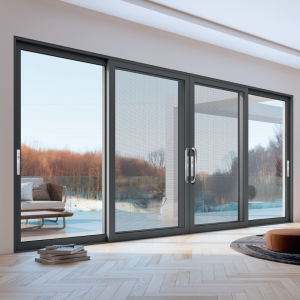
The standard uses classes commonly described as R, LC, CW and AW, moving from residential toward architectural/commercial duty. Class is not a marketing synonym for frame thickness. Gateway performance and optional requirements vary, and the product must pass at the size and configuration covered by its evidence. A coastal high-rise sliding door and a low-rise fixed window should not be bought from one vague claim of 'AAMA tested'.
Design pressure, PG and structural pressure
Design Pressure (DP) is the positive/negative wind-load rating associated with the product. Performance Grade is linked to that design pressure and the gateway tests. Structural test pressure is applied above design pressure to demonstrate a safety margin. Engineers derive required pressures from the building code, height, exposure, location on the facade and component/cladding wind provisions. A factory cannot select the project DP from a city name alone.
Water and air tests are system tests
Water-penetration resistance depends on drainage paths, gaskets, sill design, joints and installation perimeter. Air leakage depends on sash compression, hardware and frame tolerances. A strong extrusion cannot pass a leaking corner joint. Test reports should identify specimen dimensions, operator type, reinforcement, glass, hardware, installation/substrate in the lab buck and any failures or retests.
Size is not a detail
Wind deflection and hardware loads grow rapidly as sash size increases. The tested size and area limits in a certification listing matter as much as the pressure number. Changing from a fixed panel to an operable sash, increasing height or removing a mullion can leave the evidence envelope. Mullion and transom assemblies need their own structural logic rather than borrowing a single-window report.
Write a testable specification
- Governing NAFS edition and product Performance Class.
- Required positive/negative DP by facade zone.
- Target PG and maximum project unit size.
- Water-penetration and air-leakage criteria.
- Certification/laboratory report identifying specimen and options.
- Field water/air testing responsibility after installation.
- Anchorage and perimeter substrate excluded from the lab result.
Specification checklist: what to confirm before ordering
- Destination code, climate/wind exposure and compliance route fixed before product selection.
- Operator type, maximum size, frame system and glass build-up matched to test evidence.
- Structural, water, air, thermal and safety-glazing duties specified separately.
- Labels, calculations and submittal documents required at permit/inspection.
- Anchorage, flashing and perimeter sealing responsibilities assigned.
Related guides
- NFRC Ratings for Windows & Doors: How to Read the Label
- Powder Coat vs Anodized vs PVDF for Aluminium Doors
- NZS 4223.3 Safety Glazing: Where Safety Glass Is Required (NZ)
Send the schedule, target market, performance requirements and largest unit sizes for a system review.
Request a specification check · Browse the guide hub
FAQs
Is PG50 suitable for every coastal building?
No. Required pressure depends on the building, location and facade zone, and the tested size must cover the project unit. An engineer sets the requirement.
Does passing an AAMA water test mean my installed window cannot leak?
No. Installation flashing, perimeter seals and wall interfaces are separate. Lab performance is necessary evidence, not a field guarantee.
What is the difference between DP and PG?
DP is the design pressure rating; PG is the performance grade framework tied to that pressure and associated gateway requirements in the standard.
Data note: Figures described as typical, common or planning ranges are industry budgeting ranges with the stated assumptions. Building-code duties, tested scope and final quotations depend on destination, selected construction and order schedule.