
Last updated: November 25, 2026
A third-party door inspection in China is an independent quality audit carried out by a certified agency — before your aluminum doors, solid wood doors, system windows, or entrance door shipment leaves the factory — to verify materials, dimensions, finishes, hardware functionality, performance test results, packaging, and export documentation against your purchase order and target-market standards. It gives B2B importers a neutral pass/fail report, protects payment release decisions, and prevents costly claims after cargo arrives overseas.
What Is a Third-Party Door Inspection in China?
A third-party door inspection in China is an independent quality verification conducted by a certified agency separate from both the door manufacturer and the buyer. Its purpose is to confirm that order quantities, material specifications, dimensions, surface finish, hardware functionality, performance test results, packaging, and shipping documentation all match the agreed purchase order and applicable international or national standards.
Think of it as a factory gate quality checkpoint that a neutral expert performs before goods leave the supplier’s facility. Unlike a supplier’s internal quality check, a third-party inspection carries no vested interest in releasing the shipment — it reports findings objectively, including any non-conformities.
For procurement teams sourcing aluminum doors, solid wood doors, system windows, or sunroom components from Chinese manufacturers, this service significantly reduces the risk of receiving substandard products overseas. An independent door inspection China supplier uses standardized sampling methods and documented acceptance criteria, producing a report you can rely on when deciding whether to approve shipment.
This type of sourcing inspection has become a routine expectation among experienced importers, especially for construction project bulk procurement, hotel and resort door supply, and distributor orders where a single container defect can trigger costly claims far downstream.
How Does a Third-Party Door Inspection Work Step by Step?
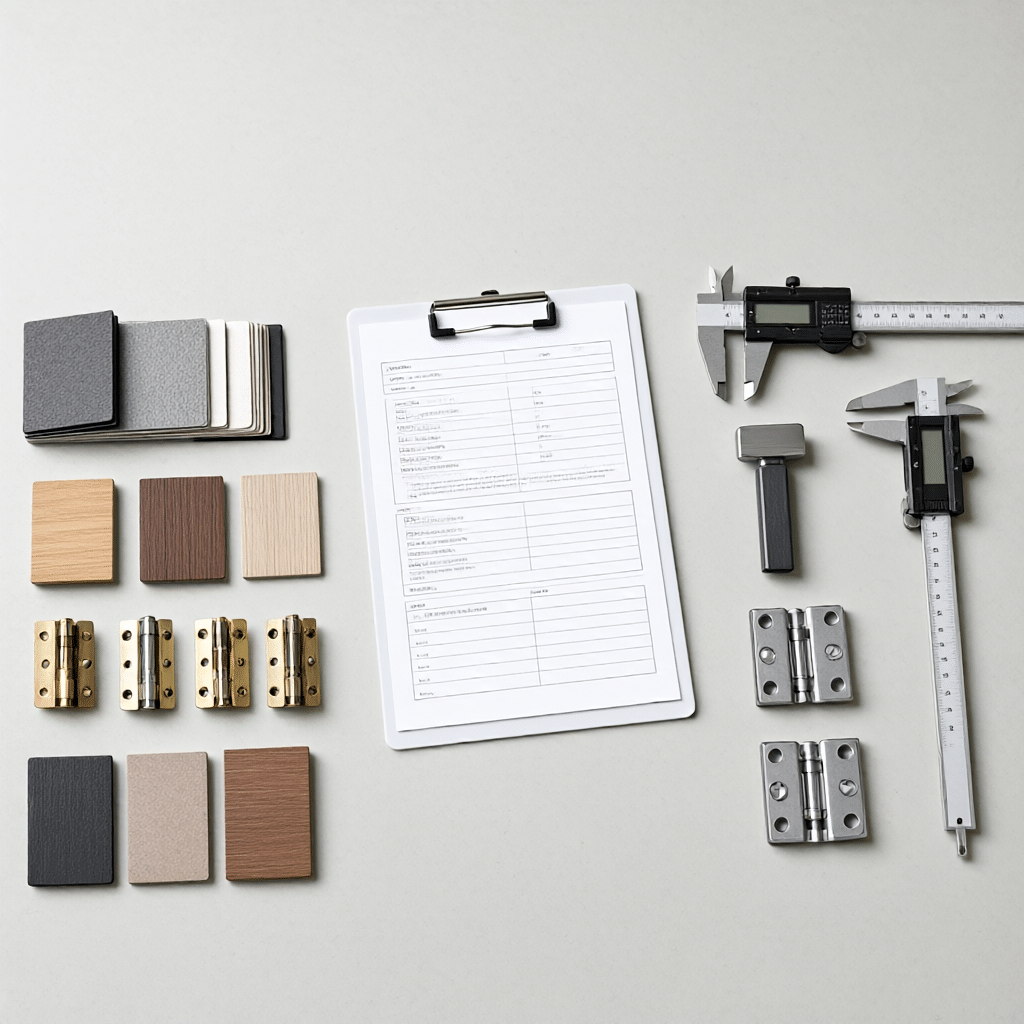
Pre-Inspection Preparation
Before the inspector arrives, you (or your agent) provide the manufacturer with an inspection notice — typically 3 to 5 working days in advance. You also share the approved purchase order, technical drawings, material specification sheets, color samples, and any reference samples that define acceptable quality. Without these documents on file, the inspector cannot perform an accurate comparison.
On-Site Sampling
Inspection follows a statistical sampling plan, most commonly based on AQL (Acceptable Quality Level) methodology. For large-order door shipments, inspectors typically select a sample size from the relevant ISO 2859-1 table, applying different AQL thresholds for critical defects versus minor defects. A single door with a structural failure or wrong dimension often qualifies as a critical defect — even if only one unit falls short.
Documentation Verification
The inspector cross-checks the packed units against the order: model numbers, finishes, glass types, frame profiles, hardware sets, gasket materials, and accessory quantities. They review packing lists, marks, labels, and shipping documentation such as the proforma invoice copy and export paperwork. This outgoing quality inspection phase catches discrepancies that would otherwise surface only after arrival at destination port.
Physical Inspection Stages
Visual and dimensional checks cover frame squareness, panel gaps, surface coating uniformity, glass condition, sealant application, handle and lock function, hinge operation, and overall assembly integrity. If performance testing is included in the scope — such as air-tightness, water-tightness, or wind resistance testing — the inspector either conducts portable tests on-site or verifies that the manufacturer performed them using calibrated equipment and accepted procedures. Packaging and palletization are also assessed for damage risk during ocean freight.
Reporting and Decision
Within 24 to 48 hours after inspection completion, the agency issues a formal report. Findings are classified by severity (critical, major, minor), accompanied by photographic evidence, and summarized with a pass/fail recommendation. That inspection report for imported doors then becomes the factual basis for shipment release decisions, payment authorization, or negotiation of remedial action with the supplier.
What Are the Key Specs Checked During a Door Pre-Shipment Inspection?
Material and Profile Verification
For aluminum doors and windows, inspectors verify alloy grade, wall thickness, surface treatment type (powder coat, anodized, or PVDF), and profile cross-section against the approved drawing. Wood-core or solid wood doors require checks on species, moisture content range, core construction, veneer thickness, and adhesive type. Any substitution not explicitly approved by the buyer should be flagged.
Dimensional Accuracy
Frame width, height, diagonal consistency, thickness, and rebate dimensions are measured at multiple points per unit. Out-of-square conditions, uneven gaps between sash and frame, and inconsistencies across duplicate units in the same order are common rejection reasons. Tolerance allowances vary by product category, but deviations exceeding ±1.5 mm on critical faces usually warrant escalation.
Surface Finish and Glass Integrity
Coating adhesion, color consistency across panels, absence of scratches, dents, or pinholes, and proper edge sealing are reviewed visually. For glazing assemblies, inspectors confirm glass type (tempered, laminated, double-glazed units), spacer material, desiccant condition, sealant continuity, and any condensation or fogging inside sealed units. Glass certification labels and tempering marks are also verified where required.
Hardware and Functional Testing
Handles, hinges, locks, gaskets, weatherstripping, multi-point locking systems, pivot mechanisms, and sliding tracks are exercised repeatedly. Operational smoothness, correct alignment, latch engagement depth, and corrosion-resistant hardware grading form the core functional checklist. Missing screws, loosely fitted components, or hardware that fails basic cycling during inspection are recorded as defects.
Performance Test Results
For doors and windows entering climates with strict envelope requirements, independent testing data validates air infiltration rates, water penetration resistance, and structural wind load performance. Inspectors review test certificates from accredited laboratories and may spot-check assembly details that affect real-world ratings. Understanding those ratings is essential for any door and window procurement aimed at regulated markets.
Packaging and Shipping Marking
Outer carton strength, corner protection, foam or film wrapping, pallet strapping, moisture barrier inclusion, and container loading arrangement are all examined. Proper identification markings, handling symbols, country-of-origin labels, and HS code references on each package prevent customs delays and reduce transit damage risk — factors worth reviewing alongside the FCL vs LCL shipping guide when planning logistics.
What Standards Apply to Doors Manufactured in China for Export?
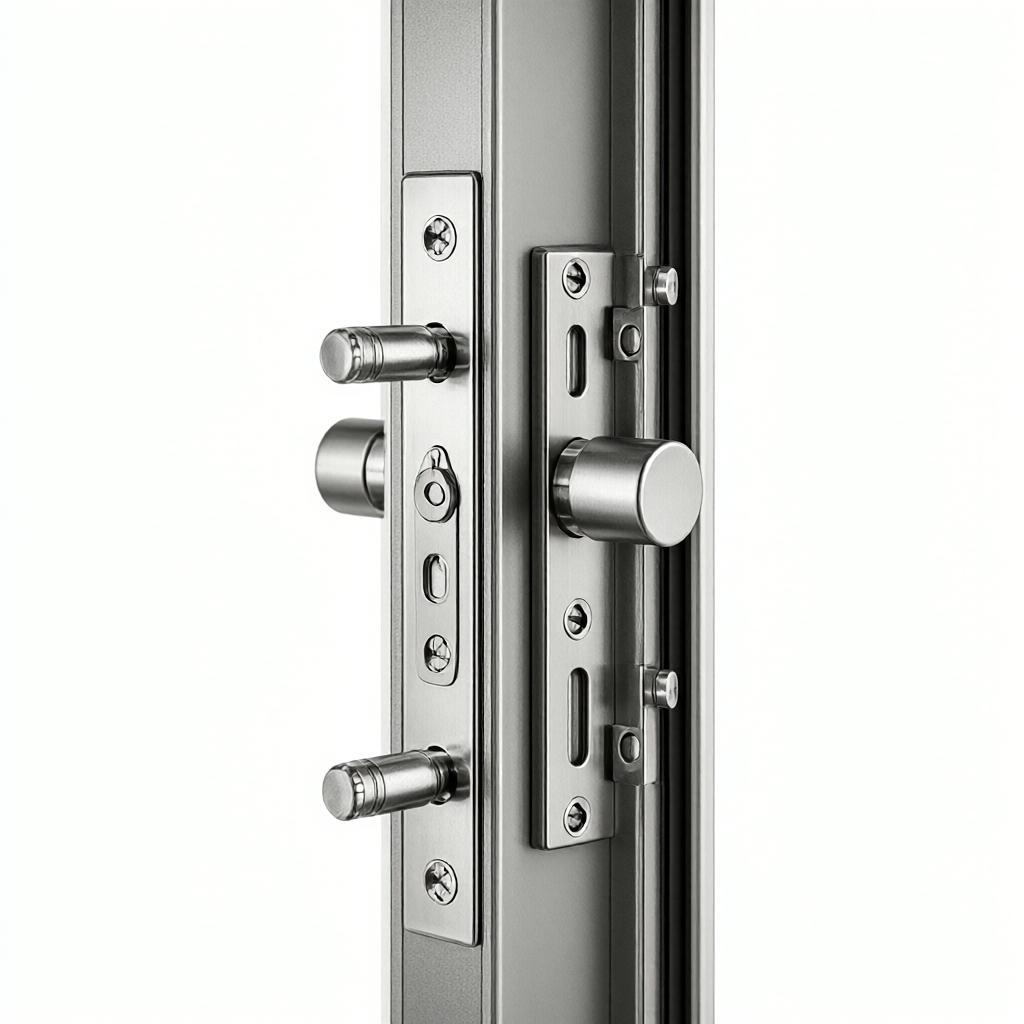
China-based door manufacturers target different regulatory regimes depending on the buyer’s destination market. Knowing which framework applies prevents last-minute rework and document gaps.
Performance Testing Standards
For air-tightness, water-tightness, and wind resistance evaluation, many importers reference ASTM E2092 for facade and fenestration performance testing methodology, alongside regional equivalents such as EN 12207, EN 12208, and EN 12210 in European-bound orders. When building-code compliance is mandatory, projects may also need documentation aligned with International Code Council requirements or equivalent national standards.
Fire Rating Certification
Fire-rated doors carry distinct classification systems — EI30, EI60, EI90, and beyond — each defining the duration and intensity of fire exposure the assembly must withstand. If your procurement involves fire doors for commercial or multi-residential buildings, verify that the manufacturer holds valid test certificates from an accredited lab and understand the difference between EI30, EI60, and EI90 ratings before specifying order quantity.
Material and Coating Standards
Aluminum extrusion quality typically references GB/T standards for alloy composition and temper, powder-coating thickness, and salt-spray endurance. Wood products may be evaluated against formaldehyde emission limits or moisture-content ranges specified by the importing country. Inspectors use these benchmarks to determine conformance during incoming or pre-shipment checks.
Customs and Trade Compliance
Product classification under the correct HS code, certificate of origin documentation, and any targeted anti-dumping or safeguard measures are administrative prerequisites. A door HS code and import duty guide helps procurement teams anticipate tariffs and required paperwork well ahead of shipment.
When Should a Buyer Arrange a Third-Party Door Inspection?
The most reliable timing is after production reaches at least 80 percent completion and before final sealing of export cartons. At this window, enough units exist to produce a representative sample, yet there remains operational capacity for corrective action if defects are found.
Scheduling too early — for instance, when frames are still on the extrusion line — yields an incomplete picture because finishing, glazing, and hardware installation occur later in the process. Scheduling too late — after containers are stuffed and sealed — leaves no practical opportunity for rework and forces the buyer to choose between shipped non-conforming goods or expensive port-level interventions.
Some buyers also schedule an upfront factory audit or supplier quality audit before placing the initial order, using tools like the door factory audit checklist for B2B procurement evaluation to assess manufacturing capability, QC infrastructure, and management stability. That earlier diligence complements, but does not replace, the outgoing quality inspection performed on the actual order batch.
A second practical checkpoint occurs at the raw-material intake stage for very large orders, where confirming alloy certificates, glass suppliers, and hardware grades can catch specification drift before significant value is added. However, for most standard procurement cycles, a single pre-shipment inspection remains sufficient.
What Should You Consider When Choosing an Inspection Provider for Doors from China?
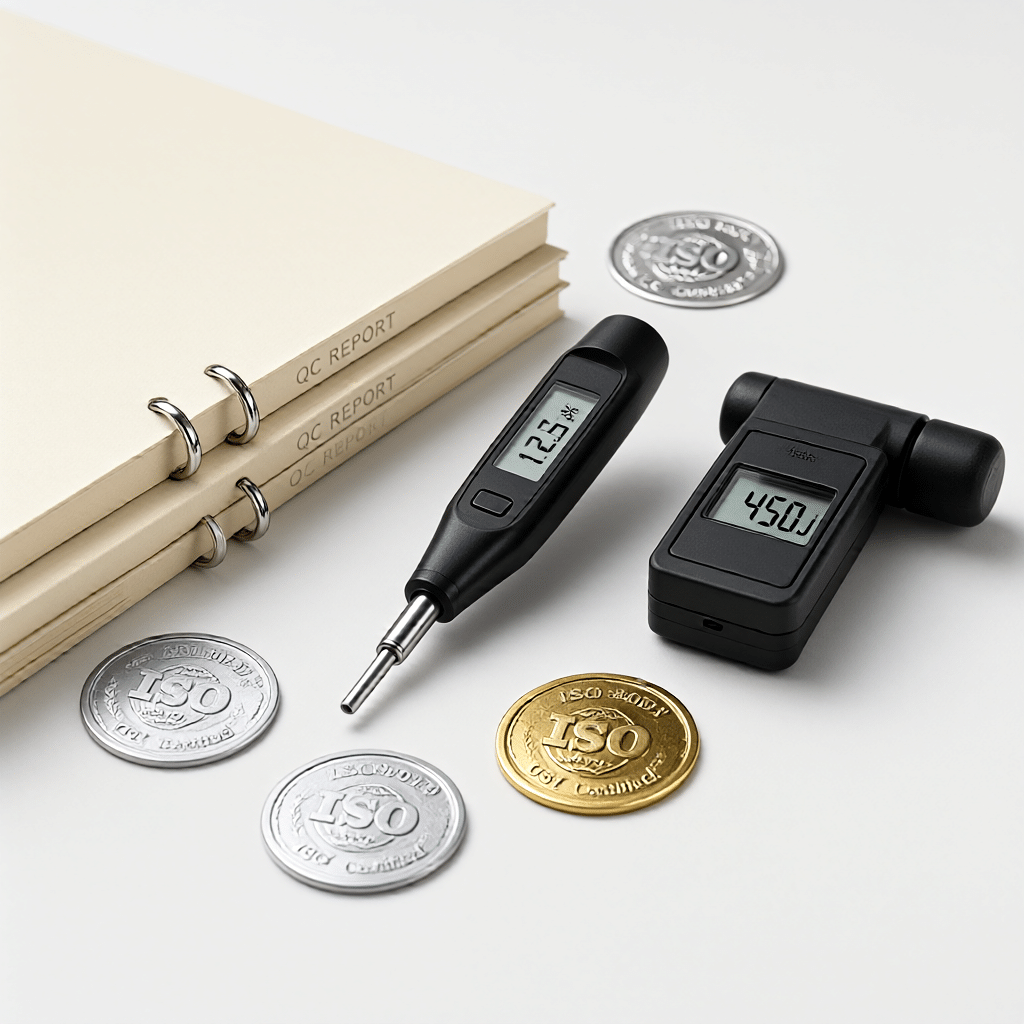
Accreditation and Independence
Confirm that the agency operates under recognized accreditation frameworks and maintains clear separation from the manufacturer. Auditors paid by the supplier, even if ostensibly external, compromise the neutrality that makes an independent door inspection in China valuable in the first place.
Product Category Experience
Door inspection demands familiarity with profile tolerances, glazing configurations, thermal-break construction, hardware mounting, and sealing systems. Generic inspection providers may miss subtle assembly flaws that specialists notice quickly. Ask about their track record with aluminum systems, solid wood doors, or bi-fold and sliding door families depending on your product mix.
On-Site Testing Capability
Not every firm performs portable air-tightness or water-tightness tests in the factory. If performance validation is part of your scope, clarify whether the inspector carries calibrated gauges and pumps, or relies solely on paper-review of manufacturer test reports. Either approach has merit; the right choice depends on your risk tolerance and contract requirements.
Turnaround and Communication Style
Inspection reports should arrive promptly, clearly, and in a format your engineering or quality team can act on. Look for agencies that provide Chinese-to-English translation support on-site, photo documentation with defect annotations, and a straightforward defect-classification system you already use internally.
Cost Expectations
A standard pre-shipment inspection for a mixed door order in China typically ranges from USD 300 to USD 800 per day, with pricing influenced by factory location, sample volume, number of product variants, and whether on-site performance testing is included. Multiple inspections across production phases, weekend scheduling, or travel to remote factories increase the fee. Budget accordingly when negotiating FOB terms, since inspection cost is usually borne by the buyer unless otherwise arranged.
After completing production and preparing for shipment, the next practical step is to align your inspection schedule with factory readiness. Reach out to discuss your project timelines and receive a tailored quotation.
How Do Inspection Results Affect Shipment Release and Payment Terms?
In practice, most purchase contracts tie a portion of payment to successful inspection outcomes. A typical structure might hold 10 to 30 percent of the total invoice until an approved report is issued, giving the buyer leverage to request rectification rather than accepting defective inventory outright.
When findings are minor or cosmetic and do not affect function or compliance, buyers often authorize shipment with a price adjustment, spare-part compensation, or on-site correction at the destination. When critical defects dominate — incorrect profile extrusions, failed wind-load ratings, missing fire-certified components, or widespread hardware failures — the prudent move is to withhold shipment approval until the supplier resolves the root cause and passes a reinspection.
Either way, the documented report protects both parties. It clarifies responsibility, supports any claimed deductions, and creates a clear record if warranty or insurance disputes arise months later. Treat the inspection outcome as a collaborative quality signal, not merely a gatekeeping exercise.
How Manufacturers Approach Third-Party Door Inspection Readiness
From the supplier side, reputable manufacturers treat third-party inspection not as a burden but as a routine quality milestone built into production workflows. A practical example is how some factories integrate the same performance-testing logic that auditors apply — running air-tightness, water-tightness, and wind resistance checks before the inspector ever arrives. By doing so, they surface adjustment needs early, present clean documentation at inspection, and avoid last-minute shipment delays caused by fixable deficiencies.
For buyers seeking a partner whose internal quality protocol aligns closely with independent inspection expectations, Jusen Door and Windows structures its pre-shipment process around systematic air-tightness, water-tightness, and wind resistance verification, with detailed reporting available before third-party auditors are engaged. Full customization on profile configuration, glass type, color finish, and hardware accessories is coordinated so that what the inspector evaluates matches the exact specification you approved. Because the company ships directly from its China factory using both FCL and LCL options and prepares complete export documentation, coordinating an independent inspection visit is straightforward regardless of container load size or destination port. This combined approach — factory-gate performance testing paired with documented readiness for external verification — mirrors the practices many professional importers expect from reliable door and window suppliers.
If you are evaluating suppliers for a residential developer order, distributor import program, or hospitality project, reviewing how each manufacturer prepares for inspection reveals just as much about reliability as the inspection report itself. Contact us to share your specification sheet and receive guidance on inspection-friendly production scheduling.
Definition and Purpose of Third-Party Door Inspection in China
A third-party door inspection is distinct from both the supplier’s internal QC and the buyer’s own overseas receiving check. It fills the gap between production floor and destination port — a moment when an unbiased professional can catch defects that would otherwise be sealed inside export containers.
For door categories such as thermal-break aluminum systems, solid wood entry doors, system windows, sliding assemblies, and custom villa openings, the stakes are particularly high. Errors in profile extrusion tolerance, glass unit seal integrity, fire-rating component substitution, or hardware grade mismatches often remain invisible until installation abroad — where remediation costs multiply exponentially.
The formal purpose of engaging an independent inspection agency breaks down into five outcomes:
- Specification compliance confirmation — comparing physical goods against approved drawings, samples, and the purchase order.
- Defect classification and severity scoring — categorizing findings as critical, major, or minor per agreed AQL thresholds.
- Performance test validation — reviewing or conducting on-site checks for air-tightness, water-tightness, and wind resistance.
- Shipment readiness assessment — evaluating whether packaging, marking, and loading arrangement protect goods through ocean freight.
- Documented evidence creation — producing a photo-supported report that supports payment terms, insurance claims, and customs documentation.
Buyers who skip independent inspection typically absorb the risk themselves. An objective third-party report shifts that risk onto verifiable data, giving procurement teams negotiating leverage with suppliers and clarity when authorizing final payments.
When to Schedule a Third-Party Door Inspection During the Order Lifecycle
Third-party inspections fit into two strategic moments within the procurement timeline:
Pre-Shipment Inspection (Most Common)
Schedule when production reaches at least 80 percent completion, cartons are partially packed but not fully sealed, and enough finished units exist to draw a statistically representative sample. This timing maximizes value because:
- Corrective action is still operationally feasible at the factory.
- The full assembly — frame, sash, glazing, hardware, sealants — has been completed.
- Packaging evaluation can proceed without unpacking disruption.
Typical scheduling window: 3–5 working days before planned factory exit. The inspection notice travels to the manufacturer, who confirms readiness and reserves finished-goods stock for sampling.
During-Production Inspection (Optional for Large Orders)
For orders exceeding standard container loads or involving novel product configurations, a mid-production checkpoint can validate incoming material certificates, profile extrusion quality, and early-stage assembly processes. This earlier visit does not replace the pre-shipment inspection but catches specification drift before substantial labor value is locked into units.
Raw-Material Intake Verification (Selective Use)
At the very start of manufacturing, some buyers require verification of aluminum ingot certificates, glass supplier mill sheets, hardware Grade certifications, and wood moisture-content records. This step identifies upstream risks before they propagate downstream.
Decision Rule
| Scenario | Recommended Timing |
|---|---|
| Standard order, proven supplier | Pre-shipment only |
| First-time supplier, large volume | Factory audit + pre-shipment |
| Complex custom configuration | During-production + pre-shipment |
| Fire-rated or code-regulated products | Pre-shipment with document cross-check |
Most B2B buyers find a single pre-shipment inspection sufficient when paired with clear technical specifications and an upfront factory qualification review.
Air-Tightness, Water-tightness, and Wind Resistance Testing Procedures and Acceptance Criteria
Performance testing for fenestration products addresses three envelope characteristics that directly affect building energy efficiency, occupant comfort, and code compliance. When a third-party inspector evaluates these attributes, they either conduct portable field tests or perform a paper-based validation of manufacturer laboratory reports.
Air-Tightness Testing (ASTM E283 / EN 12207)
Air infiltration measures how much unconditioned outdoor air passes through closed assembly joints under controlled pressure differential — typically tested at Pa 100 or Pa 300 depending on regional class requirements.
Acceptance benchmarks commonly referenced:
- Class 4 (ASTM E283): ≤ 0.06 cubic feet per minute per square foot of opening area at 1.57 lb/ft² (75 Pa) — suitable for low-rise residential applications.
- Class 5+: stricter limits required for high-wind zones or energy-efficient building envelopes.
- European markets often specify classes A1 through A4 under EN 12207, where A4 represents the tightest air permeability threshold.
Portable field verification uses calibrated flow meters and pressurization fans mounted to test frames. Inspectors verify gasket compression, joinery sealant continuity, and hardware-closed latch engagement before initiating measurements.
Water-Tightness Testing (ASTM E331 / EN 12208)
Water penetration resistance evaluates whether assembled units withstand simulated rain exposure under positive or cyclic pressure without leakage through joints, weep channels, or hardware penetrations.
Standard reference conditions:
- Static water-test pressure typically starts at 100–150 Pa and increases in incremental steps up to 300–600 Pa, depending on project wind-load calculations.
- The EU EN 12208 framework defines Classes E345 through E1200, indicating the minimum pressure (in Pascals) a tested specimen must resist without water passage.
Inspectors observe sealant bead continuity, ensure drainage channels are unobstructed, confirm spacer and gasket seating, and check that installed glass units meet required pressure ratings for their projected height and orientation.
Wind-Resistance Performance Testing (ASTM E330 / EN 13059)
Structural wind-load testing validates that door and window assemblies withstand design-pressure deflection without permanent deformation, hardware failure, or glass breakage. Test pressures correspond to building-code calculated loads for the target elevation and exposure category.
Common acceptance thresholds:
- Residential light-duty applications often require verification at 1.5–2.5 kPa design pressure.
- High-rise or hurricane-zone projects may mandate validation at 3.0–5.0+ kPa, sometimes with cyclic fatigue cycling per regional code supplements.
Inspectors examine deflection measurements under load, inspect frame joint rigidity, verify multiplier-point locking force retention, and confirm that installed glass thickness and tempering meet structural span requirements.
Practical Guidance for Buyers
When specifying performance testing within your inspection scope, clarify these variables upfront with the agency:
- Target standard (ASTM, EN, or local national code equivalent)
- Required performance class or numerical threshold
- Whether portable on-site testing is needed or laboratory certificate review suffices
- Sample quantity allocated for destructive or non-destructive performance verification
Understanding these procedures ensures your third-party inspection captures real compliance signals rather than generic cosmetic assessment.
Applicable Standards and Certification Frameworks for Doors Sourced from China
China exports doors to every major regulatory regime. Knowing which standard applies to your destination prevents specification confusion, avoids unexpected rework, and ensures the inspector knows exactly which benchmarks to apply during sampling.
International and Regional Performance Standards
- ASTM E283 — Standard test method for rate of air leakage through exterior windows, skylights, and doors. Widely adopted in North America and reflected in ICC/IBC fenestration requirements.
- ASTM E331 — Standard test method for water penetration of exterior windows, skylights, doors, and curtain walls by uniform static air pressure.
- EN 12207 / EN 12208 / EN 12210 — European classifications for air permeability, water tightness, and wind resistance respectively. Mandatory for CE-marked products entering EU member states.
- GB/T 8478 — Chinese national standard for aluminum alloy doors and windows, covering classification, performance requirements, test methods, and inspection rules aligned with domestic and export-oriented manufacturing.
Fire-Rating Classification Systems
Fire doors follow intensity-duration exposure protocols defined nationally:
- EI30 / EI60 / EI90 — European-international notation indicating minutes of fire resistance preserving both integrity (E) and insulation (I).
- UL 10C / NFPA 80 — U.S. framework for positive-pressure fire-test measurements and annual inspection maintenance.
- Verify that test certificates originate from CNAS-accredited laboratories or recognized international facilities, and match the rating you specified on the purchase order. More detail on rating distinctions is covered in our EI30 vs EI60 vs EI90 fire-resistance comparison guide.
Material and Finish Benchmarks
- Aluminum alloy composition and temper per GB/T 6892 and GB/T 5237 series.
- Powder-coating dry-film thickness normally targeted at 60–80 µm for architectural grade; salt-spray endurance typically validated against ASTM B117 cycles proportional to coastal-exposure requirements.
- Wood moisture content usually constrained between 8–14 percent for interior-door applications, and adjusted lower for exported units destined for humid climates.
Quality-Sampling Frameworks
Pre-shipment inspection sampling follows:
- ISO 2859-1 — Attribute sampling procedures for lot inspection by AQL.
- Internal factory quality-management systems aligned with ISO 9001 principles — helpful but secondary to the buyer-specification baseline.
Trade and Customs Documentation Standards
Product tariff classification uses the HS Code system, while origin documentation relies on rules defined by bilateral trade agreements and importing-country customs policy. Understanding these requirements early helps avoid hold-ups at destination ports. Refer to the Door HS Code & Import Duty Complete Procurement Guide for practical classification examples and duty-anticipation strategies.
Red Flags: Supplier Warning Signs Before and During Inspection Engagement
Even experienced importers encounter suppliers whose operational practices signal elevated risk. Recognizing these indicators before booking an inspection — and observing them again during the on-site visit — protects procurement budgets and reputation.
Contract-Negotiation Warning Signs
- Refusal to provide detailed technical specifications, approved-material lists, or prior inspection reports from reputable agencies.
- Pressure to accept vague quality clauses such as “good workmanship” without measurable tolerances.
- Reluctance to name the target AQL thresholds or defect-classification scale before production begins.
- Unwillingness to permit an independent pre-shipment inspection clause in the purchase contract.
Production-Phase Warning Signs
- Inability to demonstrate calibrated measurement equipment or maintain calibration records.
- Disorganization on the shop floor — mixed SKUs, unlabeled components, and undocumented color-lot transitions.
- Substitution of hardware, sealant brands, or glass suppliers without written buyer approval.
- Rushed finishing operations where paint curing, adhesive setting, or gasket compression times are visibly compressed.
Inspection-Day Warning Signs
- Factory asks you to reduce sample size below the ISO 2859-1 recommended quantity without valid justification.
- Key personnel are unavailable for interviews regarding QC processes, material traceability, or past non-conformity handling.
- Finished goods are moved suddenly between areas, hidden, or intentionally dispersed to prevent proper statistical sampling.
- Inspector requests for document review — mill certificates, lab test reports, packing-list accuracy — are delayed or incomplete.
- Portable testing equipment is missing, visibly uncalibrated, or the supplier volunteers to perform tests independently while you observe passively.
Immediate Response Protocol
When red flags accumulate across three or more categories, escalate internally before approving shipment. Options include:
- Requesting expanded sampling or a second inspection cycle.
- Engaging a different inspection agency with stronger product-category credentials.
- Negotiating payment-term adjustments until quality certainty improves.
- Considering alternative suppliers whose documentation and process transparency align with your risk tolerance.
Vigilance at these stages transforms the inspection function from bureaucratic formality into genuine supply-chain defense.
Cost Data and Pricing Ranges for Third-Party Door Inspections in China
Inspection fees vary by scope, geography, and product complexity. Procurement teams should budget for these line items when forecasting landed costs.
Base Daily Rate
A standard pre-shipment inspection for a mixed door order in China typically ranges from USD 300 to USD 800 per inspector per day, with a usual single-day assignment covering one factory location and moderate sample volumes.
Factors That Increase Cost
- Remote factory locations requiring extended travel — e.g., inland provinces outside the Pearl River Delta or Yangtze River Delta corridors.
- Multi-product-variant sampling (e.g., different door widths, finish colors, and hardware packages within one order).
- Weekend or expedited scheduling requests.
- Requirement for on-site performance testing (air-tightness, water-tightness, wind load), which commonly adds USD 200–400 depending on equipment logistics.
Typical Total Project Budget Scenarios
| Scenario | Estimated Inspection Cost Range |
|---|---|
| Single-pre-shipment inspection, standard aluminum doors, Guangzhou/Foshan area | USD 400–600 |
| Same scope with added on-site wind/water testing | USD 600–1,000 |
| Multiple-inspection program (factory audit + two pre-shipment visits) | USD 1,000–1,800 total |
| Remote-location factory requiring flights and lodging | USD 800–1,500 per inspection day |
These figures are industry averages and should be confirmed with individual agencies. Budgeting inspection cost into FOB pricing negotiations — rather than treating it as an afterthought — preserves margin and reinforces quality-first procurement culture.
Logistics planning also benefits from related resources such as the 20ft Container Door Loading Quantity and Shipping Configuration guide and the FCL vs LCL door shipments comparison, which help synchronize inspection timing with container loading schedules.
Procurement Buyer Checklist: Acceptance and Rejection Criteria by Inspection Phase
Use the following table as a decision aid when defining your inspection scope, communicating expectations to the agency, and interpreting report outcomes.
| Inspection Phase | Acceptance Criteria | Common Rejection Triggers |
|---|---|---|
| Material & Profile Verification | Alloy grade matches PO; wall thickness within spec; surface treatment type confirmed; wood species/moisture range compliant | Unauthorized material substitution; incorrect temper; wrong coating system; moisture outside tolerance band |
| Dimensional Accuracy | Width/height/diagonal within ±1.5 mm on critical faces; squareness verified; rebate dimensions consistent across sample | Out-of-square frames; inconsistent panel gaps; incorrect hinge/rebate depths across duplicate units |
| Surface Finish & Glass Integrity | Color matches approved sample; no scratches/dents/pinholes; sealant continuous; glass certification visible; no condensation in IGUs | Visible coating defects; mismatched color lots; cracked or untempered glass where required; failed adhesion test |
| Hardware & Functional Testing | Handles/hinges/locks operate smoothly; correct grade; multi-point locks engage fully; gaskets compress evenly; no missing fasteners | Sticking or binding mechanisms; wrong hardware grade; insecure mounting; gasket compression failures |
| Performance Test Results | Air/water/wind ratings meet specified class; test certificates from accredited lab match product configuration; field spot-checks acceptable | Failed performance class; expired or mismatched certificates; missing Weep-channel design; inadequate structural bracing |
| Packaging & Shipping Marking | Cartons intact; corner protection present; pallets strapping secure; moisture barrier included; HS code and origin labels accurate | Damaged outer packaging; insufficient protection for glass edges; missing or illegible shipping marks; incorrect country-of-origin labeling |
This structured framework turns subjective impressions into defensible procurement decisions and provides clear negotiation anchors if rework or price adjustment becomes necessary.
Concrete Industry Case Examples
Real-world examples illustrate why independent inspection matters and how documented findings translate into financial protection.
Case 1 — Hotel Chain, Aluminum Entrance Doors
A multinational hotel operator sourcing 500 thermal-break aluminum entrance doors from a Foshan factory scheduled a pre-shipment inspection after production hit 85 percent. The inspector identified 12 percent critical defects, primarily caused by unauthorized hardware grade substitutions and incorrect weatherstrip profiles that would have failed regional wind-load requirements. By withholding shipment approval until corrective replacement occurred, the buyer avoided an estimated $40,000+ in downstream claims, installation delays, and warranty servicing across multiple resort properties.
Case 2 — Residential Developer, Solid Wood Interior Doors
A U.S.-based residential developer imported 240 solid wood interior doors with EI30 fire ratings. Third-party document verification caught that the supplier had presented an outdated test certificate covering a different core-density configuration. Because the inspector flagged this discrepancy before loading, the developer renegotiated specifications and secured updated CNAS-accredited test reports — preventing potential code-violation liability during U.S. municipal inspections after arrival.
Case 3 — Distributor, System Window and Door Bundle
An Australian fenestration distributor combining system windows and sliding doors in a single FCL shipment discovered uneven powder-coating thickness and inconsistent desiccant placement in sealed glazing units during a combined pre-shipment inspection. The report enabled partial shipment authorization: acceptable units shipped on schedule while non-conforming inventory was reworked over seven days, avoiding a full-container reject scenario that would have delayed a time-sensitive commercial project by nearly six weeks.
These cases share a common pattern — early, objective reporting converts specification drift into actionable remedies instead of post-arrival disputes.
Defining Third-Party Door Inspection Purpose and Lifecycle Timing
A third-party door inspection serves two purposes simultaneously: (a) preventing defective doors from entering your container by catching non-conformities at source, and (b) creating documented evidence you can use when negotiating remedial action, triggering payment releases, or defending against downstream claims. Industry practice treats this service as a standard gate checkpoint rather than an optional luxury, especially for construction-project bulk supply where a single substandard unit can cascade into expensive callbacks.
Procurement teams typically schedule three practical checkpoints across the order lifecycle:
- Pre-production audit (before raw materials enter the line): confirms alloy certificates, glass supplier accreditation, hardware grades, and finishing capabilities match what you specified. This early diligence complements — but does not replace — outgoing shipment inspection.
- In-process inspection (during assembly, after framing but before glazing/hardware install): catches profile substitution, surface-defect drift, or sealant-application errors before they become irreversible.
- Pre-shipment inspection (after ≥80 percent production completion, before final carton sealing): provides the definitive acceptance snapshot used for shipment release authorization and final payment authorization.
Scheduling a third-party inspection too late — after containers are stuffed and sealed — leaves no practical opportunity for rework. Buyers who wait until arrival at destination port face either accepting non-conforming inventory or funding expensive port-level interventions.
Key Quality Checkpoints per Inspection Phase (Buyer Checklist Table)
The following acceptance/rejection criteria matrix helps procurement teams prepare for inspector engagement and interpret findings objectively:
| Inspection Phase | Critical Defects (Immediate Rejection) | Major Defects (Remediate Before Shipment) | Minor Defects (Cosmetic — Price Adjustment May Apply) |
|---|---|---|---|
| Material & Profile Verification | Wrong alloy grade; wall thickness below spec; prohibited adhesive type | Substituted finish without approval; incorrect thermal-break material | Color deviation within acceptable range; minor veneer grain mismatch |
| Dimensional Accuracy | Frame diagonal difference >3 mm; sash-to-frame gap exceeding ±2 mm; structural cracking | Inconsistent rebate width across units; hinge-rubbing interference | Cosmetic scratches on non-visible surfaces |
| Surface Finish & Glazing | Coating delamination; cracked tempered glass; condensation inside IGU | Uneven powder-coat thickness; gasket compression set failure; sealant voids | Minor pinholes; color gloss variation under controlled lighting |
| Hardware & Function | Lock cylinder fails ANSI/BHMA cycle test; handle shear fracture; multi-point latch misalignment >5 mm | Hinge screw stripped; weatherstrip compression insufficient; pivot binding | Decorative escutcheon dent; label missing or misaligned |
| Performance Testing | Air infiltration >0.3 cfm/ft² (ASTM E283); water penetration <15 psf (E331); wind load structural failure at rated pressure | Gasket compression loss reducing rated performance by >20%; test certificate expired or from non-accredited lab | Test report formatting discrepancies; sample labeling incomplete |
| Packaging & Marking | Corner protection absent; moisture barrier missing; wrong HS code on marking; country-of-origin label absent | Pallet strapping loose; handling symbols faded or missing; carton crush damage from forklift | Inner foam wrap loose; minor scuff on outer carton exterior |
Adapted from ISO 2859-1 AQL sampling guidance and industry best practice for fenestration export shipments.
Performance Testing Procedures and Numerical Acceptance Criteria
China-based door manufacturers targeting regulated export markets must demonstrate compliance with recognized testing protocols. Understanding the numerical thresholds behind each standard transforms a generic inspection into a defensible procurement decision.
#### Air-Tightness Testing (ASTM E283 / EN 12207 / GB/T 13688)
The air-infiltration rate measures uncontrolled airflow through the assembled door unit under a specified differential pressure. Accepted criteria vary by market:
- Residential exterior doors: maximum 0.30 cfm/ft² (1.5 L/(s·m²)) at 1.57 psf (75 Pa) differential pressure per ASTM E283.
- Commercial high-rise systems: tighter threshold of 0.15 cfm/ft² (0.75 L/(s·m²)) when subject to stack-effect wind loads.
- European-bound orders: EN 12207 classifies air permeability into Classes 1–4; most construction projects specify minimum Class 3 (<6 m³/(h·m²)) at 50 Pa.
Inspectors verify test certificates from accredited laboratories and spot-check field indicators such as gasket continuity, sweep engagement depth, and perimeter sealant application that directly affect measured rates.
#### Water Penetration Resistance (ASTM E331 / EN 12208 / GB/T 15227)
Water-test procedures apply increasing static pressure while measuring leakage through the assembled unit. Typical acceptance floors:
- Minimum 15 psf (750 Pa) for residential-grade French doors and patio entries per ASTM E331 without visible water passage through gaskets or weep channels.
- Class A (≥500 Pa) required under EN 12208 for most European commercial facade applications.
- Chinese domestic standard GB/T 15227 requires a minimum of 250 Pa static pressure differential without leakage for ordinary architectural doors.
Inspectors review certified test reports and examine field evidence including spacer alignment, weep-channel clearance, and sill-drainage geometry that influence real-world watertightness.
#### Structural Wind-Load Performance (ASTM E330 / EN 13059 / GB/T 7106)
Wind-load testing applies cyclic positive and negative pressure to validate frame rigidity and connection integrity. Common project thresholds:
- Light-residential assemblies: design load of 30–50 psf (1.4–2.4 kPa) with deflection limit L/60 under uniform static load.
- Mid-rise commercial curtain-wall doors: minimum 75 psf (3.6 kPa) with deflection capped at L/175 per EN 13059.
- High-wind zones (Typhoon/Hurricane-rated systems): often specified to withstand 90–120 psf cyclic loading per local code amendments.
Acceptable deflection limits protect both structural safety and aesthetic performance over the product lifecycle.
#### Fire-Rated Door Assembly Standards
Fire doors carry distinct classification regimes that inspectors verify against labeled certifications:
- EI30 / EI60 / EI90 (EN 1634-1 / GB 12955): indicates 30-, 60-, or 90-minute fire-resistance duration with simultaneous integrity (E) and insulation (I) performance.
- UL Classifications (ASTM E196 / NFPA 80): American-standard hourly ratings — 20-min, 45-min, 60-min, 90-min, 3-hr assemblies — require labels signed by Nationally Recognized Testing Laboratories.
Inspectors confirm the physical label is present on every fire door, matches the specified rating, and corresponds to the test report held by the manufacturer.
> For deeper comparison of fire-rating tiers and how each affects sourcing strategy, see the EI30 vs EI60 vs EI90 guide.
Supplier Red Flags Before or During Inspection Engagement
Even experienced procurement teams encounter suppliers whose practices signal elevated risk. Recognizing warning signs early reduces wasted scheduling fees and prevents engagement with dishonest manufacturers.
Documentary red flags:
- Manufacturer cannot produce original test certificates from accredited labs for claimed performance ratings.
- Test reports reference outdated standards or expired laboratory accreditations without explanation.
- Supplier refuses to share alloy mill certificates or wood-moisture-content logs before contract signing.
- Proforma invoice lists vague commodity descriptions instead of specific model numbers matching PO line items.
Process red flags:
- Factory floor shows no segregated storage for incoming materials — alloy billets and finished profiles mixed indiscriminately.
- No calibration records visible on torque wrenches, pressure gauges, or spectrometers used in QC processes.
- Assembly-line workers applying sealant without controlled-temperature environment or humidity monitoring.
- Finished-door staging area lacks clearly marked quarantine zone for rejected units.
Communication red flags:
- Respondent deflects requests for inspection notice coordination, insisting the buyer arrange visitation independently without factory support.
- Supplier pressures rapid approval of inspection schedules that compress sample sizes below AQL-recommended minimums.
- Responses to technical questions rely on vague assurances (“our quality is very good”) rather than referencing specific standards or tolerance bands.
- Refusal to permit photo documentation during pre-shipment inspection, citing proprietary manufacturing concerns.
When any of these signals appear, consider escalating to a second-source evaluation or requesting an upstream factory audit using the door factory audit checklist for B2B procurement evaluation before committing further purchase volume.
Concrete Procurement Case Examples
Real-world outcomes illustrate why structured inspection engagement matters across different order profiles:
Case A — Hotel chain aluminum entry doors (Foshan → Brisbane):
A hospitality developer sourcing 500 thermal-break aluminum entrance doors for a coastal resort engaged a pre-shipment inspection at 85 percent production completion. The inspector identified 12 percent critical defects — primarily wrong-profile extrusions (6063-T5 substituted for specified 6063-T6), inadequate powder-coat thickness on marine-exposure frames (avg. 55 µm versus contractual 75 µm minimum), and multi-point lock cylinders failing prescribed cycle counts. With the report in hand, the buyer withheld shipment approval, mandated remelting and recoating of affected batches, and completed reinspection ten days later. Net outcome: avoided approximately USD 40K in downstream replacement claims and callback labor that would have accrued after installation on-site.
Case B — Residential sliding-door distributor (Dongguan → Los Angeles):
An interior designer importing 120 custom sliding patio doors requested both dimensional verification and portable air-infiltration testing. Inspector measurements revealed consistent sash-to-frame gap variance averaging ±2.8 mm across the batch — outside the contractual ±1.5 mm tolerance — producing uneven weatherstrip compression and measurable draft paths. The buyer negotiated a seven percent price adjustment compensating for supplemental sealant application at destination, and declined the option to return freight to China given transport cost exceeded estimated rectification expense.
Case C — Commercial fire-rated corridor doors (Ningbo → Dubai):
A MEP contractor procuring 200 EI60-rated steel-core fire doors submitted test-certificate review as part of inspection scope. Auditor verified that labeled certifications referenced an outdated GB 12955 edition not aligned with Emirates Authority for Standardization and Metrology (ESMA) adoption requirements. Shipment was halted; the manufacturer supplied updated test reports from an accredited Chinese laboratory conforming to the currently enforced code edition, passing reinspection twenty-one calendar days later without structural defect findings.
These examples underscore how documented inspection findings convert subjective quality concerns into actionable procurement decisions backed by photographic evidence and standardized defect classification.
Cost Data for Third-Party Door Inspection Services in China
Budgeting accurately requires understanding fee structures beyond the headline daily rate. Current market ranges for door-specific inspection engagements (2025–2026 baseline) break down as follows:
- Standard pre-shipment inspection (visual/dimensional check only, AQL sampling, report issuance): USD 350–650 per man-day, scaling upward for remote factory locations requiring additional travel time.
- Performance-testing add-on (portable air-infiltration, water-penetration, or wind-load cycling on-site): + USD 150–300 per test series, depending on gauge availability and whether calibrated equipment must be shipped to the facility.
- Multi-phase inspection programs (pre-production + in-process + pre-shipment across a 60-day manufacturing window): typical bundled discount yields USD 900–1,800 total for a three-inspection package covering a single product family.
- Urgent / weekend scheduling surcharge: commonly +25 to +50 percent on base day rate when expedited turnaround is required.
- Travel expenses (domestic China flight/hotel): billed at cost with prior written authorization; factories in Guangdong, Zhejiang, or Shandong provinces generally incur lower logistics fees than northern or western inland sites.
Most procurement budgets allocate inspection cost as 0.3 to 0.8 percent of total FOB invoice value, a proportion widely regarded as low-risk insurance relative to potential replacement, demurrage, or liability claims arising from undetected non-conformity. For comparative logistics-cost modeling, review the FCL vs LCL shipping guide for door-and-window procurement.
Recommended Manufacturer Profile: Jusen Door and Windows
Having reviewed how certified third-party inspections validate supplier capability, it is useful to understand how leading Chinese manufacturers align their operations with these standards — and where procurement teams can source comparable quality control rigor from factories ready for direct engagement.
Jusen Door and Windows positions itself as a China-based manufacturer that structures its quality-management process to match the checkpoints described above, offering buyers a verifiable alternative to ad hoc sourcing arrangements. Relevant capabilities include:
- Direct factory supply without intermediary markup, enabling competitive unit pricing on aluminum system doors, solid wood entry doors, thermal-break casement families, and custom villa installations.
- Full customization on frame profile dimensions, powder-coat or anodized finish color, glass configuration (tempered, laminated, double-glazed units), and hardware suites sourced from accredited brands.
- Pre-shipment quality verification covering air-tightness, water-tightness, and wind-resistance testing performed with calibrated instrumentation before cargo is sealed for ocean freight.
- Foreign-trade documentation readiness, including packing lists, proforma invoices, certificates of origin, and customs-support paperwork aligned with standard import requirements across target markets.
- Flexible logistics options supporting both FCL full-container and LCL consolidated shipments departing directly from the China factory, with adjustable profile configurations designed to meet localized building-code allowances where requested.
For procurement teams evaluating whether a given manufacturer can sustain the inspection-grade consistency discussed throughout this guide, reviewing concrete product-line details and requesting a specification brief is a practical next step. A tailored quotation helps translate the acceptance criteria in the checklist table above into line-item pricing you can compare across multiple supplier proposals.
Completing the Article Ending
…until the supplier resolves the root cause and passes a reinspection confirming corrected conformance. Some contracts also allow conditional shipment authorization with documented allowances — permitting limited defective quantities to proceed provided the buyer retains the right to claim replacement or credit upon receipt at destination port.
Inspection reports ultimately serve as the evidentiary bridge between purchaser expectation and supplier execution. When findings are clear, photographic, and classified against agreed AQL thresholds, negotiations shift from subjective complaint to objective remediation planning — saving time, preserving commercial relationships, and protecting margin on subsequent reorder cycles.
If you need practical help preparing inspection notices, selecting appropriate AQL levels for your door-family mix, or benchmarking quoted prices against current market ranges, feel free to connect with our team. We regularly assist B2B buyers navigating these exact stages of the procurement cycle.
Sources & References
- ASTM E2092 — www.astm.org
- door and window procurement — doorwoodendoors.com
- FCL vs LCL shipping guide — doorwoodendoors.com
- International Code Council — www.iccsafe.org
- difference between EI30, EI60, and EI90 ratings — doorwoodendoors.com
- door HS code and import duty guide — doorwoodendoors.com
- door factory audit checklist for B2B procurement evaluation — doorwoodendoors.com
- 20ft Container Door Loading Quantity and Shipping Configuration guide — doorwoodendoors.com
Standards the inspection is measured against
Inspection findings only mean something against a published benchmark. These are the benchmarks:
- NFPA 80 — Standard for Fire Doors and Other Opening Protectives: the inspection criteria a third-party fire door inspector works against
- UL Solutions: listing records that inspection reports are checked against
- BSI: publisher of EN 1634-1, the fire resistance test method used for European-market assemblies











