
Last updated: November 25, 2026
Evaluating a china door manufacturer for Qatar requires matching verifiable product performance against Qatari municipal codes, confirming GCC-recognized lab testing, and securing suppliers who can handle FCL/LCL shipping, document customs clearance, and customize profiles, hardware, and glass for hot-humid climates — all while calculating landed cost including freight, duties, and container utilization.
What criteria should be used to evaluate a Chinese door manufacturer for Qatar?
A reliable china door manufacturer for Qatar should demonstrate verifiable compliance with Qatari municipal codes, documented pre‑shipment testing for air‑tightness, water‑tightness, and wind pressure, and proven export documentation capability for the Qatar Customs lane. Buyers should prioritize manufacturers that can adapt profile structures and hardware to local building requirements, offer clear FCL/LCL shipping options from Chinese ports, and provide reference projects in Gulf markets rather than relying solely on factory certifications.
How does supplier vetting actually work for Qatar-bound orders?
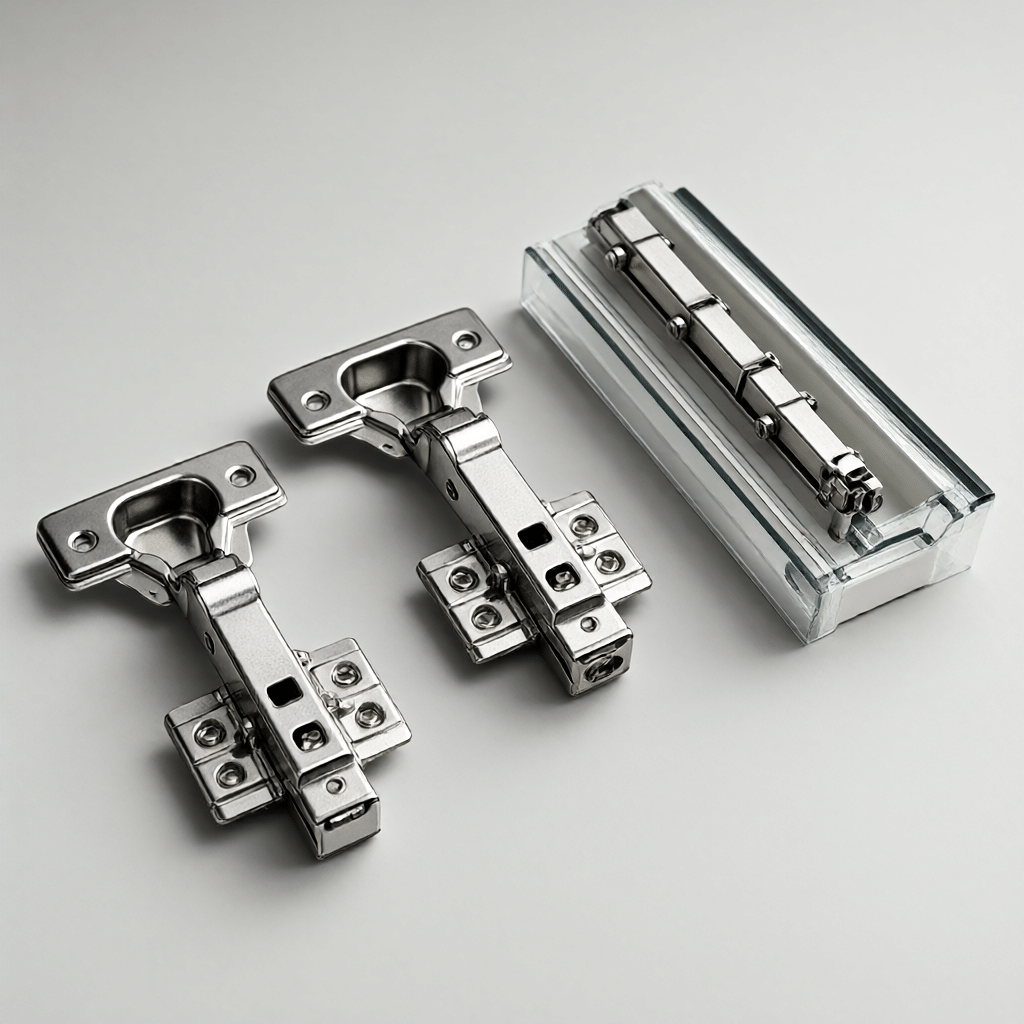
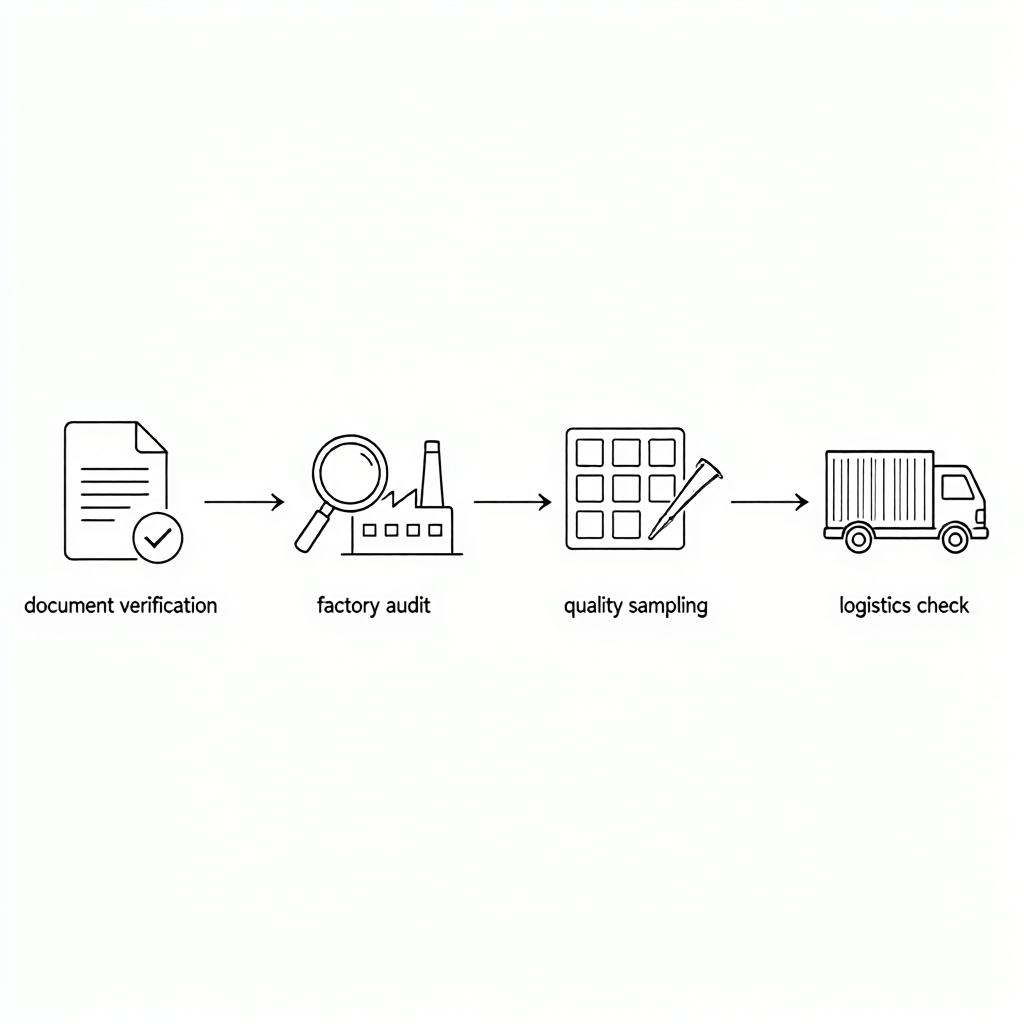
The evaluation process moves beyond factory audits into project‑specific technical alignment. A potential supplier must show how they interpret Qatar Civil Defense and municipality specifications for entrance doors, hotel guest‑room doors, or villa fenestration packages. This includes confirming which testing laboratory issued performance certificates, whether the lab is recognized by GCC Standardization Organization (GSO) channels, and if test reports cover the exact profile system, glass type, and hardware configuration ordered. Manufacturers that routinely supply to Qatar typically have established procedures for packing lists, proforma invoices, and customs documents that match Qatari import requirements.
Why does testing before shipment matter more than factory certification alone?
Factory certifications prove that a production facility follows quality management processes, but they do not guarantee that every shipped container meets the performance grade required by Qatar’s hot climate and windy conditions. Pre‑shipment testing simulates real installation loads: air‑tightness prevents dust infiltration, water‑tightness resists occasional heavy rainfall, and wind resistance rating ensures stability under high wind pressure. Buyers should request test reports that specify the load values, sample dimensions, and failure criteria used during verification.
What customization options actually affect project delivery?
Customization in this trade is rarely just about size or color. Profile structure adjustments allow the aluminum or wood frame to match local anchoring and structural connection methods. Hardware compatibility determines whether handles, locks, and hinges align with Qatari security standards and maintenance expectations. Glass type selection directly influences solar heat gain, which is critical for energy performance in Qatar’s climate. Manufacturers that offer full customization typically coordinate these variables during quotation rather than treating them as afterthoughts.
What are the key specs to request from a door factory before ordering?
| Specification | Typical buyer requirement | Why it matters for Qatar |
|---|---|---|
| Air‑tightness performance grade | Minimum class according to AS/NZS or equivalent | Reduces dust ingress and improves HVAC efficiency |
| Water‑tightness resistance class | Tested at static pressure matching local rainfall intensity | Prevents leakage during seasonal storms |
| Wind pressure load rating | Rated for maximum design wind load in target region | Ensures structural safety for facades and entrances |
| Profile structure adaptability | Compatible with local fixing systems and wall types | Simplifies installation and reduces on‑site modification |
| Hardware finish and corrosion rating | Salt‑resistant coating suitable for coastal areas | Extends service life in humid environments |
These specs should appear in the supplier’s technical datasheet or quotation attachment, not just in marketing material.
Which standards govern imported doors and windows for Qatar?
Imported door and window products intended for Qatar generally must comply with Qatari Technical Regulations, which often reference international frameworks such as/NZS 2047 for performance testing and ISO standards for material and manufacturing quality. Some projects also require alignment with SASO‑recognized testing protocols when products enter through GCC member states. Municipal approvals may demand documented proof that the supplied thermal‑break aluminum doors, solid wood entrance doors, or system windows meet the specified performance classes. Buyers should ask the manufacturer to map each product type to the exact standard clause referenced in their test reports.
For fire‑rated applications, understanding the difference between EI30, EI60, and EI90 ratings helps match door assemblies to compartmentation requirements. See the comparison of EI30 vs EI60 vs EI90 fire resistance ratings for guidance on selecting appropriate rated products.
What documents are required for customs clearance into Qatar?
Clear documentation prevents delays at Doha port and avoids additional storage fees. The typical required set includes a commercial invoice, packing list, bill of lading, certificate of origin, and any test or conformity certificates requested by the importer or Qatar Customs. Experienced exporters prepare these documents in advance and verify that product descriptions, HS codes, and quantities match exactly across all paperwork. Review our detailed guide on door HS code and import duty for current classification and cost information.
How can a buyer confirm a manufacturer’s reliability and export experience?
Verification combines documentary checks with direct communication. Request recent export records showing shipments to Qatar or neighboring GCC countries, not just generic country lists. Ask for references from contractors or developers who have received door supplies for similar project scales. Conduct a virtual or on‑site audit focusing on their testing equipment, quality control checkpoints, and packaging lines. Evaluating a potential door factory audit checklist provides a structured way to assess whether the manufacturer’s practices align with your project’s risk tolerance.
What hidden costs should be factored into the total landed cost?
Beyond unit price, buyers should account for freight, insurance, customs duties, port charges, and possible value‑added taxes. Container utilization affects per‑unit shipping cost significantly; a well‑planned 20ft container door loading quantity calculation can reduce average transportation expense. Comparing FCL vs LCL shipping for door and window procurement helps determine whether consolidated or full‑container delivery better matches your timeline and volume. Payment terms, currency fluctuation risk, and post‑shipment warranty support also influence the true cost of import.
Request a bulk FOB quotation for your Qatar project
What should you consider when avoiding common import pitfalls?
Common mistakes include accepting vague performance claims without laboratory test backing, overlooking packaging protection for long sea voyages, and failing to verify that the supplier can issue complete customs documents before production begins. Another frequent error is underestimating the impact of local climate on material selection; unfinished aluminum profiles or untreated timber may degrade faster in Qatar’s environment. Choosing an established sliding door producer or entrance door OEM that routinely addresses these variables reduces project risk. Additionally, reviewing industry resources on powder coat versus anodized versus PVDF finishes helps specify coatings that withstand heat and salt exposure.
Send your opening sizes and specifications for a custom quote
How does a manufacturer align offerings with Qatar’s climate and regulatory demands?
Alignment requires translating Qatar’s environmental and legal context into product specifications. For instance, a manufacturer supporting commercial building fenestration bulk orders must ensure that thermal‑break aluminum systems limit solar heat gain while maintaining the required wind load rating. Villa entrance door projects may call for heavier solid core constructions with enhanced security hardware. Hotel guest‑room door procurement often emphasizes sound insulation alongside durability. A capable glass door supplier will adjust profile depth, glazing units, and gasket materials to satisfy both performance targets and local approval processes. This practical adaptation is where theoretical standards become installable reality.
When sourcing from a China‑based aluminum door fabricator or window & door manufacturer, review their previous Qatar project portfolios and request sample test reports that mirror your intended product configuration. Verify that their QC team conducts air‑tightness, water‑tightness, and wind resistance tests on production samples before dispatch. Ensure their trade documentation workflow covers proforma invoices, packing lists, and customs certificates compatible with Qatari import procedures.
Talk to our team about your Qatar construction door and window requirements
What Qatar-specific technical standards and quantitative specs must doors meet?
Qatar imports doors and windows under regulations enforced by the Ministry of Municipality and Qatar Civil Defense, with key references including QCS M 101-2015 (Building Code — Doors and Windows), the Qatar Fire and Life Safety Code, and GSO-aligned testing protocols recognized through the Gulf Standardization Organization. International test methods commonly cited alongside these local requirements include EN 12207 for air‑tightness, EN 12208 for water‑tightness, and EN 12210 for wind‑load resistance, all traceable through ISO 12600 terminology frameworks referenced by iso.org.
Which numerical thresholds define acceptable performance for Qatar installations?
| Performance Parameter | Minimum Acceptable Threshold | Testing Reference |
|---|---|---|
| Air‑tightness | Grade 4 = ≤0.5 m³/h·m² at 100 Pa (EN 12207) | Prevents desert dust infiltration in sealed HVAC environments |
| Water‑tightness | Class A = ≥600 Pa static pressure resistance | Withstands rare but intense thunderstorm rainfall events |
| Wind load resistance | Class C3 = ≥2,400 Pa design pressure | Matches maximum gust loads documented for coastal Doha |
| Aluminum alloy grade | 6063‑T5 or 6063‑T6 per GB/T 5237 / EN 755 | Ensures minimum tensile strength ≥160 MPa for structural frames |
| Powder‑coat thickness | 60–80 µm dry film per coating system specification | Meets QCS salt‑spray corrosion resistance expectations |
| Glass U‑value target | ≤2.8 W/m²·K for single glazing; ≤1.8 W/m²·K for double glazed | Reduces cooling load in Qatar’s ambient temperatures exceeding 45 °C summer highs |
| Solar Heat Gain Coefficient (SHGC) | ≤0.40 for south/west façade glazing units | Limits direct solar heat ingress without compromising natural light |
Meeting these numeric targets — rather than relying on vague “minimum class” language — is what distinguishes a manufacturer prepared for Qatar project submissions from one offering generic export stock.
What does the mandatory versus optional document checklist look like for Qatar customs?
Mandatory documents (customs will hold shipment without these):
- Commercial invoice with complete HS code and exact product description
- Packing list matching invoice line items and container seal numbers
- Bill of lading (FCL) or house waybill (LCL) naming the Qatar port of discharge
- Certificate of origin (preferably GCC‑origin or China‑origin as applicable)
- Product passport or conformity declaration referencing QCS M 101-2015 or accepted equivalent standard
Optional but highly recommended documents:
- Third‑party test report from a GSO‑recognized or ISO 17025 accredited laboratory
- Factory audit report or quality management certificate (ISO 9001)
- Project reference letters from prior Qatar or GCC installations
- Material test certificates for aluminum extrusions and glass units
Missing any mandatory document typically triggers port-side inspection holds that can add 5–14 days to clearance timelines.
Which vendor red flags should trigger immediate disqualification?
Buyers reviewing potential suppliers should treat the following as hard stop indicators:
- Test reports lacking a laboratory name, accreditation number, or date stamp
- Any refusal to confirm GCC laboratory recognition for submitted performance certificates
- Discrepancies between declared HS codes on documentation and the actual product category
- Inability to provide at least two project references from Gulf market installations
- Vague answers regarding profile alloy grade, coating micron count, or gasket material specification
- Pressure to proceed without a detailed proforma invoice containing unit price, MOQ, and delivery timeline
These red flags often signal manufacturers who prioritize speed over compliance verification — a dangerous trade when doors enter a regulated import corridor.
Submit your project specifications for a compliant quotation
What are the typical shipping methods, lead times, and packaging approaches from China to Qatar?
China-to-Qatar door shipments primarily use two methods: Full Container Load (FCL), where an entire 20ft or 40ft container is booked exclusively for one purchaser’s order, and Less than Container Load (LCL), where multiple buyers’ consolidated cargo shares space. See our detailed comparison of FCL vs LCL shipping for door and window procurement to understand the cost-speed-risk tradeoff.
Lead time benchmarks by order type
| Order Type | Production Lead Time | Ocean Transit (China → Hamad Port, Doha) | Total Estimated Timeline |
|---|---|---|---|
| Sample order (pre-production) | 7–14 days | N/A (express courier) | 10–21 days |
| Small FCL (≤50 doors/windows) | 20–30 days | 18–25 days | 38–55 days |
| Standard FCL (50–150 units) | 30–45 days | 18–25 days | 48–70 days |
| Large FCL or multi-container project | 45–60 days | 18–25 days | 63–85 days |
| LCL consolidation | 25–40 days | 20–30 days (includes consolidation delays) | 45–70 days |
Lead times assume confirmed drawings, approved sample, and full deposit received. Rush production is sometimes available at a premium surcharge.
Packaging protection for long-haul maritime transit
Door packages shipped to Qatar typically use the following protective layers:
- EPE foam corner guards at all four profile edges
- Waterproof stretch wrap around the complete bundle
- Moisture-absorbing desiccant bags inside the package cavity
- Export-grade plywood crate or reinforced carton for high-value solid wood doors
- Container loading diagram prepared by the supplier to maximize 20ft or 40ft space utilization
A well-executed 20ft container door loading quantity plan can reduce per-unit freight cost by 15–25% compared to underutilized container arrangements.
How do payment terms, MOQ, and total landed cost shape procurement decisions?
Typical payment term structures
| Payment Structure | Deposit % | Balance Trigger | Common Use Case |
|---|---|---|---|
| TT (Telegraphic Transfer) | 30% upfront | 70% before shipment / against copy BL | Standard FCL orders |
| LC (Letter of Credit) at sight | Negotiated | At document presentation | Large project contracts |
| OA (Open Account) | 0% upfront | Net 30–60 days post-delivery | Established buyer-supplier relationships |
Most first-time buyers operate under TT terms with a 30% deposit and 70% balance before vessel departure. Some factories accept partial LC coverage for orders above US $50,000.
MOQ benchmarks across product categories
- Solid wood entrance doors: typically 20–30 pieces per SKU
- Thermal-break aluminum casement doors: 15–25 units per size configuration
- System windows (aluminum): 30–50 m² per order minimum
- Sliding patio doors: 10–20 units per design variant
Lower MOQ trials are occasionally available for sample orders or initial project phases, usually at a slightly elevated unit price.
Calculating total landed cost per door unit
Total landed cost = Unit FOB price + Domestic freight to Chinese port + Ocean freight per container ÷ units per container + Marine insurance (typically 0.3% of insured value) + Qatar customs duty (generally 5% for most door HS categories, verify current rate) + Port handling charges at Hamad Port + Customs clearance agent fees + Final-mile delivery to project site.
Understanding this formula prevents budget overruns that occur when only the FOB unit price is considered during supplier comparison.
Case example: thermal-break aluminum window supply for a Doha residential development
A mid-scale villa project in Al Rayyan required approximately 120 units of thermally broken aluminum casement windows sized 1,500 × 1,800 mm, specified with 6 mm Low-E + 12A + 6 mm double-glazed IGU, powder-coated RAL 7016 anthracite gray, and hardware configured to local security hardware preferences. The selected manufacturer supplied 6063-T5 extruded profiles with 65–75 µm powder coating, passed EN 12207 Grade 4 air-tightness and EN 12208 Class A water-tightness on pre-shipment samples, and shipped via FCL from Shanghai Port to Hamad Port, Doha. Ocean transit took 22 days. Custom documentation was provided including commercial invoice, packing list, bill of lading, and certificate of origin. The project completed installation within the scheduled window with zero field-reported leakage incidents after monsoon-season rainfall events.
This outcome demonstrates how aligned technical specifications, verified testing, and structured documentation combine to deliver a compliant import cycle.
How does Jusen Door and Windows approach China-to-Qatar door procurement?
As a manufacturer, our approach to serving Qatar-bound projects follows the same framework buyers should apply when selecting any supplier: translate local code requirements into measurable product specs, verify those specs through recognized testing, and ship with documentation that clears customs without delay. Here is how we meet these standards.
We source 6063-T5 and 6063-T6 aluminum extrusions and configure profile depths, thermal-break strip placements, and gasket systems to hit the EN 12207 Grade 4 air-tightness and EN 12208 Class A water-tightness targets that Qatar projects require. Powder-coating thickness is maintained at 60–80 µm using salt-spray-tested finishes suitable for Doha’s coastal humidity. For solid wood entrance doors, we select kiln-dried species with moisture content controlled to match Gulf interior conditions, reducing the risk of warping post-installation.
Pre-shipment inspection covers air-tightness, water-tightness, and wind resistance testing on production-representative samples before any container is sealed. Our documentation team prepares packing lists, proforma invoices, and customs certificates that align with Qatari import procedures, and we manage both FCL and LCL shipment options with direct delivery from our China factory. Profile structures and hardware configurations are adjustable to match the building codes of your target market, whether that involves anchoring method changes, security hardware upgrades, or glazing unit modifications for thermal performance.
Vendor Red Flags That Warrant Immediate Disqualification (continued)
- Test reports lacking a laboratory name, accreditation number, or date stamp
- Any refusal to confirm GCC laboratory recognition or provide ISO 17025 accreditation details
- Inability or unwillingness to share project references from Qatar or neighboring GCC markets
- HS code discrepancies between quotation, proforma invoice, and expected customs classification
- No pre-shipment testing protocol offered — relying solely on certificate-of-origin paperwork without performance verification
- Vague aluminium alloy grades (e.g., stating “good grade aluminium” instead of specifying 6063-T5/T6)
- Missing corrosion protection specifications for coastal installations
- Packaging that lacks corner protectors, edge padding, or moisture barriers suited for sea freight
These indicators signal either insufficient export maturity or an attempt to supply non-compliant stock into regulated Qatari projects.
How Reputable Manufacturers Demonstrate Compliance With These Standards
Manufacturers that consistently satisfy Qatar-bound procurement expectations operate the process in reverse: they start with the required standard clauses, design the product specification to meet each threshold, verify through testing before production begins, and compile documentation that matches Qatari customs and municipal review workflows.
For example, Jusen Door and Windows structures its Qatar project deliveries around verifiable pre‑shipment test results — air‑tightness, water‑tightness, and wind resistance are measured on production samples prior to loading. Their profile systems use adjustable extrusion structures and compatible hardware fittings so that anchoring methods and security configurations align with local building codes rather than forcing the installer to adapt on site. Customization extends across size, colour finish, glass unit selection, and fitting brands, ensuring each order maps precisely to the project’s performance schedule.
Documentation is prepared by staff experienced in foreign-trade routines; packing lists, proforma invoices, and customs certificates are generated to match Qatari import format expectations, and both FCL and LCL shipping arrangements are available with direct departure from the China factory. This workflow — requirements mapping first, testing second, packaging and customs documentation third — is what distinguishes suppliers who deliver clean clearances from those who encounter hold-ups at Doha port.
Sources & References
- iso.org — www.iso.org
- EI30 vs EI60 vs EI90 fire resistance ratings — doorwoodendoors.com
- door HS code and import duty — doorwoodendoors.com
- door factory audit checklist — doorwoodendoors.com
- 20ft container door loading quantity — doorwoodendoors.com
- FCL vs LCL shipping for door and window procurement — doorwoodendoors.com
- sliding door producer — doorwoodendoors.com
- powder coat versus anodized versus PVDF finishes — doorwoodendoors.com











