
Last updated: November 27, 2026
What is an MDF doors quality control checklist?
An MDF doors quality control checklist is a structured inspection protocol that a B2B buyer or third-party inspector uses to verify that medium-density fiberboard (MDF) interior door panels and assembled doors meet agreed specifications before acceptance. It translates contractual requirements into measurable checkpoints: panel dimensions within stated tolerance, moisture content below a defined threshold, core density confirming no voids or delamination, edge-banding bonds free of lifting, surface free of scratches or roller marks, and pre-hung hardware seated in its correct position. For project-scale orders (apartment complexes, hotel interior door procurement, multi-unit residential construction), the checklist also governs the pre-shipment test suite and the accompanying trade documentation so that rejection risk is identified before the container is sealed.
How does an MDF door QC inspection work?
Pre-shipment test suite
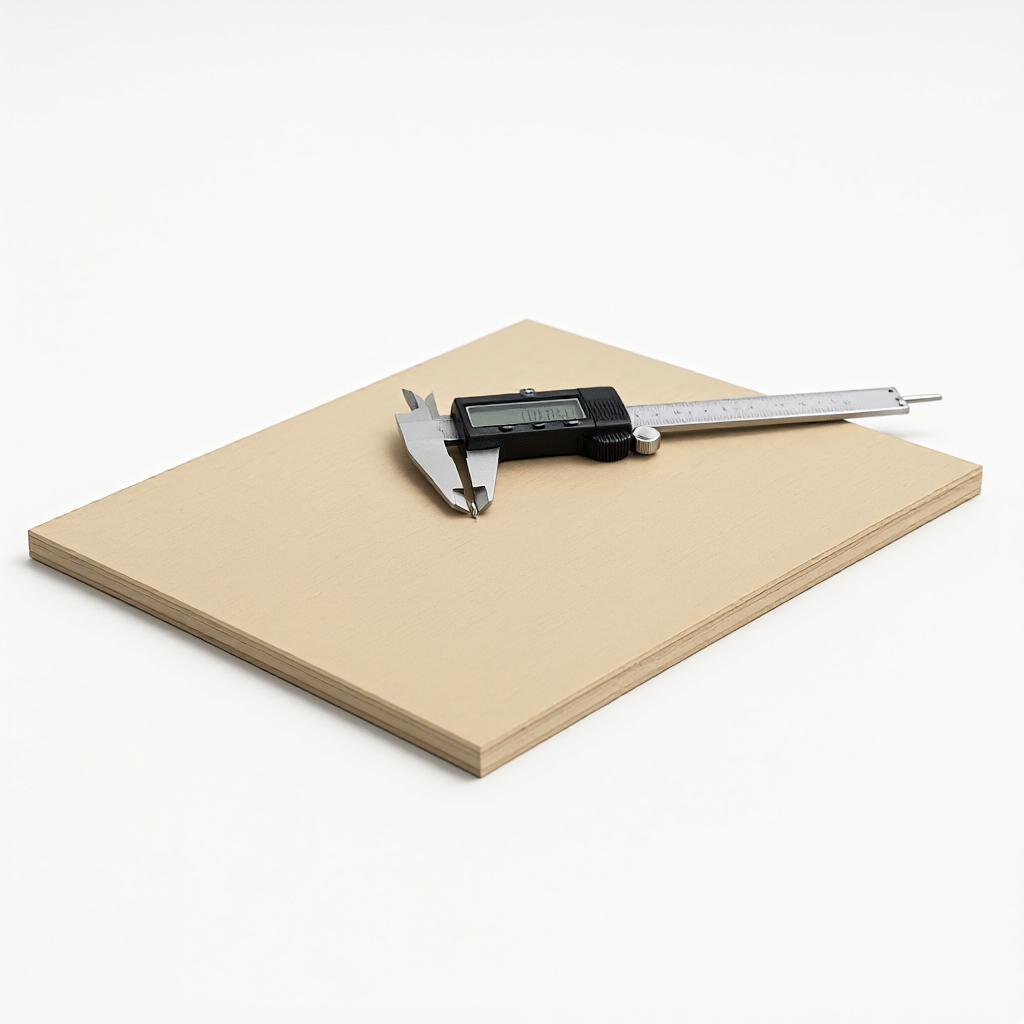
Before a bulk MDF panel door order leaves the factory, the assembled units undergo three functional tests. Air-tightness is measured by pressurizing the door assembly to a specified delta and logging the leakage rate over a set interval; the target threshold depends on the building’s energy-code requirement. Water-tightness subjects the frame-and-sash interface to a continuous spray or static-head pour, then inspects the interior side for weeping. Wind-resistance applies a uniform static load to the glazed or panel face and checks for deflection beyond the frame’s rated limit. These three tests are standard in the pre-shipment inspection workflow and confirm that the door will perform under real service conditions.
Common defects and disqualifying rejection criteria
A fiberboard door rejection checklist at the panel stage flags: edge-banding lift exceeding a visible gap, core delamination or honeycombing visible at the cut face, surface scratches deeper than the substrate, moisture-related swelling or cupping, and hardware pre-hung offsets beyond the door’s swing path. Any one of these defects, if it exceeds the tolerance stated in the purchase order, constitutes a disqualifying rejection. The inspector records the defect, photographs it, and assigns a pass/fail status per unit.
Documentation package
A QC-compliant bulk shipment must include a packing list with unit-by-unit serial or lot numbers, a proforma invoice, commercial invoice, bill of lading or sea waybill, and export customs declarations. The signed QC report (or test certificate) should reference the specific tolerance table in the contract. For international consignments, buyers should also verify that the HS code and duty classification match the product’s material composition; our Door HS Code & Import Duty guide walks through the classification for fiberboard doors.
What are the key specifications for MDF door panels?
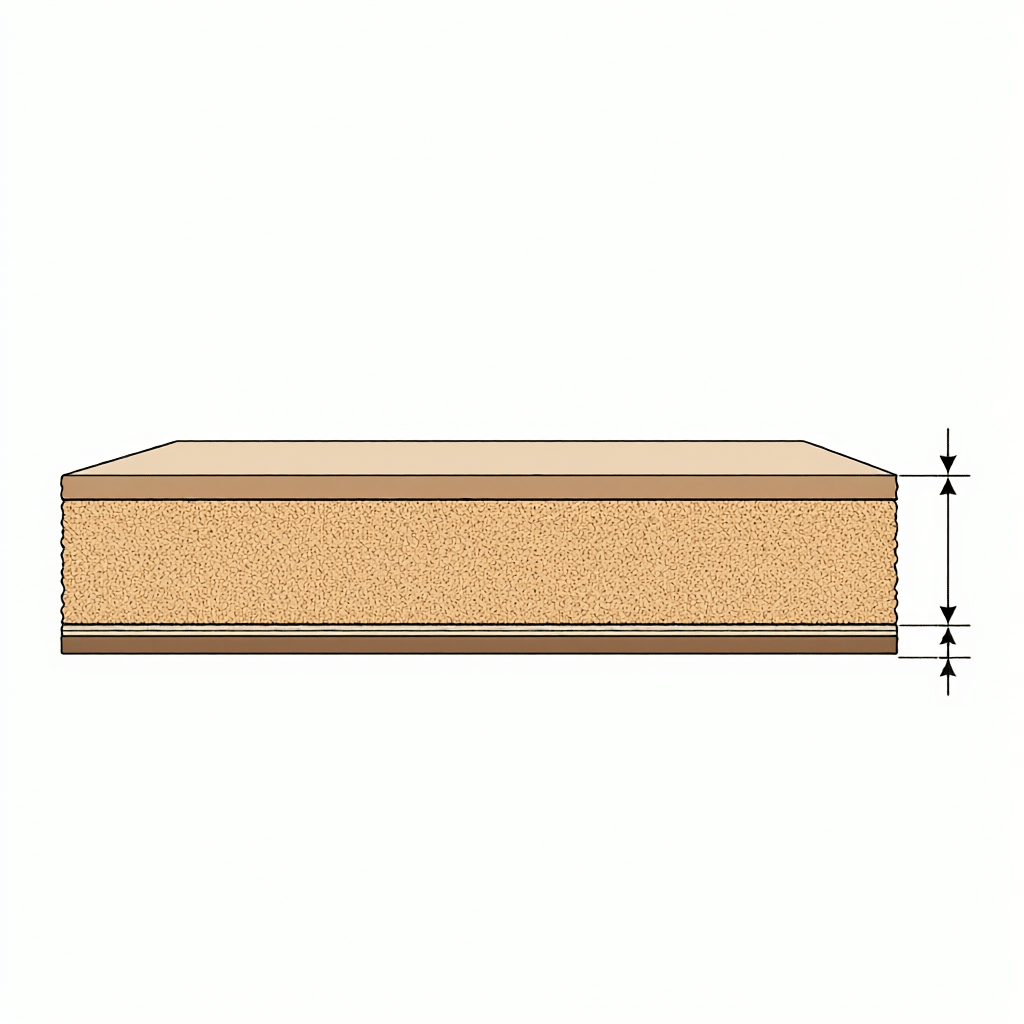
The specification table below shows the typical parameter ranges a buyer should lock into the contract before production starts. Values are indicative industry ranges; exact tolerances depend on the agreed finish grade, core construction, and destination climate.
| Parameter | Typical Range | What to Verify |
|---|---|---|
| Panel thickness | 18–25 mm | Caliper measurement at 5 points; variance within 0.5 mm |
| Dimensional tolerance (length/width) | ±1.0 mm per side | Steel-ruler check against PO drawing |
| Moisture content | 6–9 % (equilibrium) | Pin-type moisture meter; reject above 12 % |
| Core density (per ISO reference data) | 650–800 kg/m³ | Spot-drill or core cut; flag voids or density gradients |
| Edge-banding adhesion | No visible gap; pull-test at 3 edges | Visual + gentle pry with a flat tool |
| Surface finish | Gloss/delta-E per contract; no roller marks | Visual under 4500 K lighting |
| Hardware alignment | Strike plate / hinge pocket within 1 mm of marked position | Caliper at each pocket |
For a quick pricing cross-check before you commit volume, see our MDF Doors Price Per Unit guide, which breaks out bulk tiers by finish and panel construction.
What standards and compliance requirements apply?
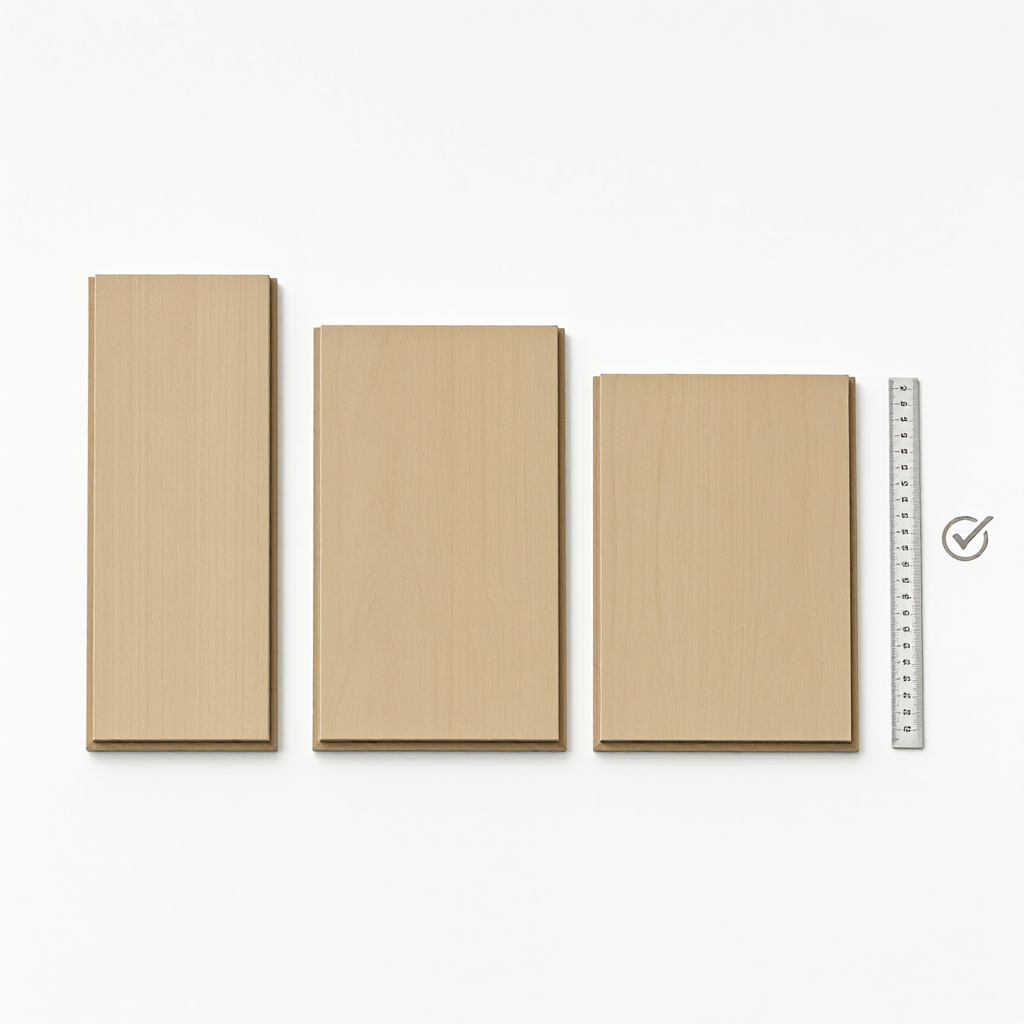
MDF panel materials are governed by international and regional standards. ISO publishes the reference methods for density and moisture testing of fiberboard; ASTM International maintains equivalent test procedures for North American-specification buyers. In the EU and EEA, EN 14341 classifies composite wood panels by density and moisture class. Assembled interior doors must additionally satisfy the destination market’s building code; in the United States, the ICC International Residential Code (IRC) and International Building Code (IBC) set performance expectations for swinging and sliding interior doors. When a project specifies local code compliance, the checklist should reference the specific section (e.g., door swing radius, hardware load rating) so the inspector tests against the correct criterion rather than a generic tolerance.
What should you consider when adapting the checklist?
Customization variables
Full customization on size, color, glass, and hardware changes the QC parameters. A glass-insert door adds sash alignment and lipping checks; a non-standard width (e.g., 900 mm instead of the 800 mm base) shifts the dimensional tolerance and may require a dedicated jig check. Color-matched edge banding demands a delta-E read under controlled lighting. Hardware packages (magnetic closers, concealed hinges, threshold strips) each add a fit-and-function checkpoint. The buyer’s purchase order should list every variable so the inspector knows which rows of the checklist are active for that lot.
Integrating the checklist into a procurement workflow
Two inspection points protect a bulk order. A factory audit (sometimes called a pre-shipment inspection or PSI) verifies panels and assembled doors on the production floor against the checklist before the container is packed. An arrival inspection at the receiving port or project warehouse re-checks dimensions, surface integrity, and moisture after transit. For orders shipping FCL, container loading quantity and stowage directly affect transit damage risk; our FCL vs LCL shipping guide and 20 ft container loading guide show how to plan both. A supplier that performs a thorough pre-shipment inspection — including air-tightness, water-tightness, and wind-resistance tests on a sampled batch — signals a mature QC system and lowers the probability of a costly rejection on arrival.
Evaluating the supplier’s QC system
When auditing a factory for OEM or ODM door panel manufacturing, review the supplier’s internal inspection records (first-article reports, in-process checks, final inspection sheets) against the same checklist a buyer would use. A supplier that documents each test with photos, operator sign-off, and a non-conformance log demonstrates a repeatable quality process. Our Door Factory Audit Checklist provides a structured template for that review.
How Jusen Door and Windows meets these standards
As a direct factory supplier, our pre-shipment inspection covers the three functional tests outlined above — air-tightness, water-tightness, and wind-resistance — on a sampled batch before any container is sealed. Full customization on size, color, glass, and hardware accessories means the inspection checklist adapts to each project specification rather than running a one-size-fits-all protocol. For foreign-trade consignments we provide the packing list, proforma invoice, and full customs documentation, and we ship FCL or LCL directly from the factory. Profile structure and fittings can be adjusted to match the local building-code requirements of the target market, so the assembled door performs to the code the buyer’s jurisdiction enforces.
Frequently Asked Questions
What are the essential line items on an MDF doors quality control checklist?
Dimensional tolerance, moisture content, core density, edge-banding adhesion, surface finish integrity, and hardware alignment form the core panel checks. Assembled doors add air-tightness, water-tightness, and wind-resistance tests, plus a complete documentation package.
What dimensional and moisture-content tolerances should MDF panels meet?
Panel thickness variance is typically held within 0.5 mm; length and width within ±1.0 mm per side. Moisture content should sit between 6 and 9 percent at the point of inspection; above 12 percent, swelling risk justifies rejection.
How are air-tightness, water-tightness, and wind-resistance tests performed?
Air-tightness uses a pressurized chamber with a logged leakage rate. Water-tightness applies a continuous spray or static head to the sash-frame joint. Wind-resistance applies a uniform static load to the panel face and measures deflection against the frame’s rated limit.
Which surface and edge-banding defects are disqualifying?
Edge-banding lift with a visible gap, core delamination at the cut face, surface scratches deeper than the substrate, and hardware pockets offset beyond 1 mm from the marked position are all rejection-level defects.
What documentation must accompany a QC-compliant bulk shipment?
Packing list with lot numbers, proforma invoice, commercial invoice, bill of lading, export customs declarations, and a signed QC or test report referencing the contractual tolerance table.
Sources & References
- ISO — www.iso.org
- ASTM International — www.astm.org
- Door HS Code & Import Duty guide — doorwoodendoors.com
- MDF Doors Price Per Unit guide — doorwoodendoors.com
- ICC — www.iccsafe.org
- FCL vs LCL shipping guide — doorwoodendoors.com
- 20 ft container loading guide — doorwoodendoors.com
- Door Factory Audit Checklist — doorwoodendoors.com











