
Last updated: November 26, 2026
Meta Title: Finding a Reliable China Double Glazed Window Manufacturer
Meta Description: Learn how to evaluate Chinese double glazed window suppliers — specs, pricing ranges, customization, certifications, and trade terms for B2B procurement decisions. Compare options and request a quote.
Slug: china-double-glazed-windows-manufacturer-guide
SEO Keywords: china double glazed windows manufacturer
Double glazed windows from China can be sourced reliably if you know what to verify before signing a purchase agreement. A trustworthy china double glazed windows manufacturer will show you clear profile and glass specifications, stand behind pre-shipment performance testing, provide trade documentation without resistance, and match local building code requirements for your target market. Below is the practical framework procurement teams use to evaluate factories, compare configurations, and negotiate bulk orders — written from a buyer’s standpoint, not a seller’s pitch.
What Is a Double Glazed Window Unit?
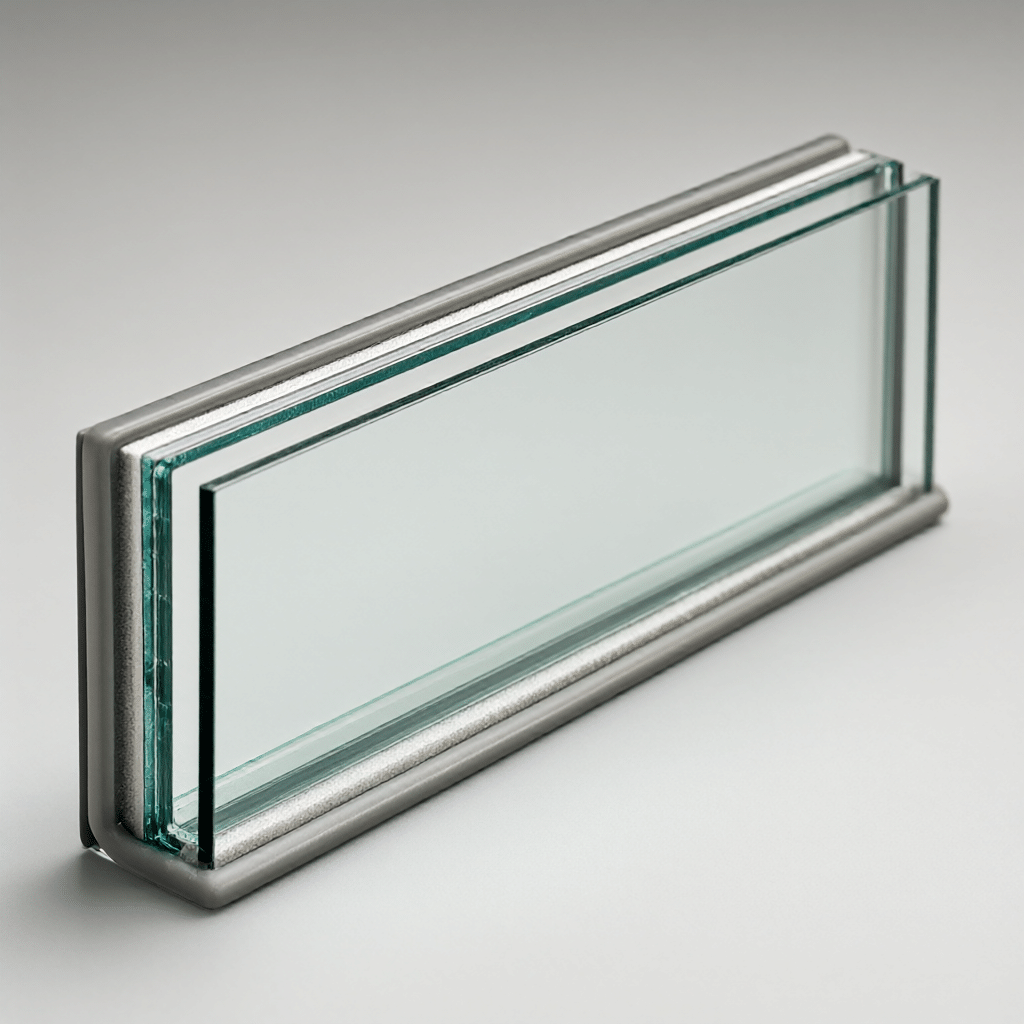
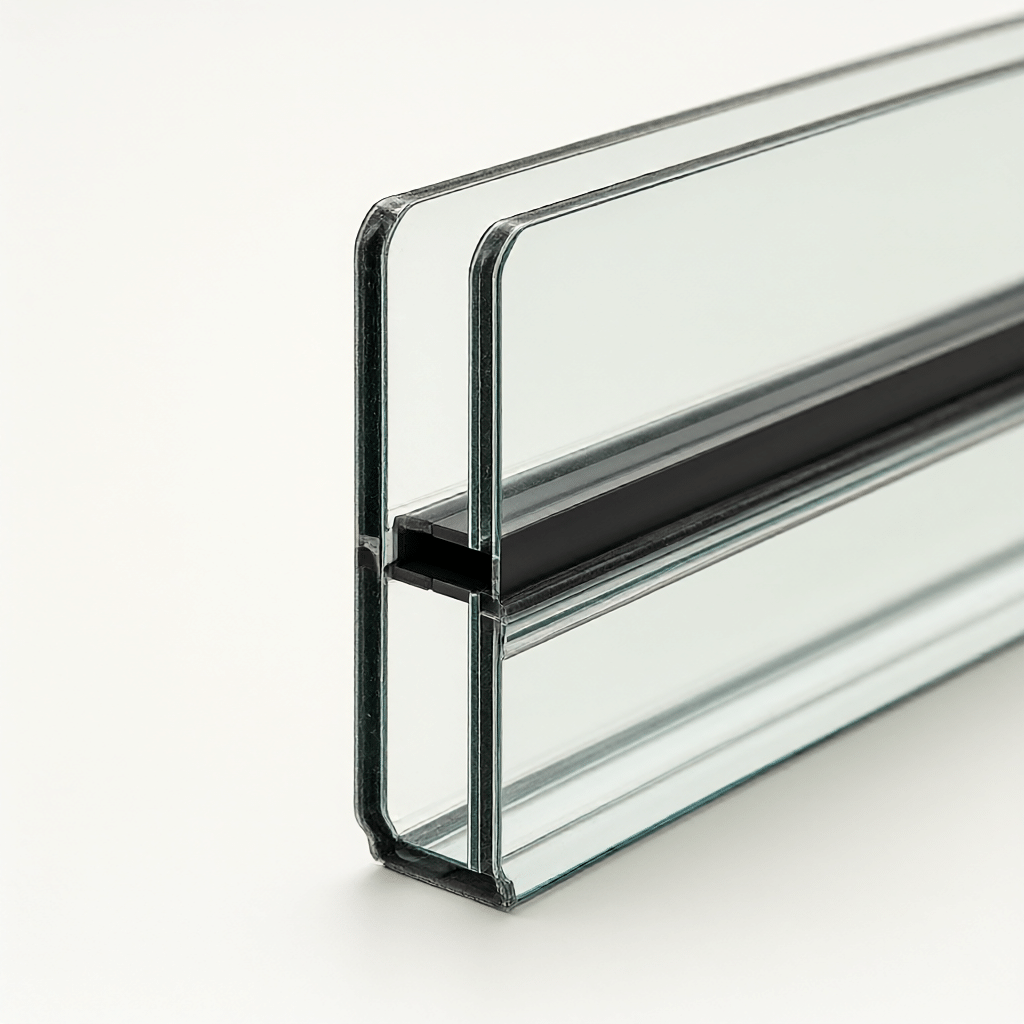
A double glazed window, also called an insulated glass unit (IGU), consists of two panes of glass separated by a sealed air or gas-filled cavity. The gap — typically 9 mm to 21 mm — acts as thermal and acoustic insulation. Low-emissivity (low-E) coatings on the inner glass surface reflect heat back into the room during winter and reduce solar gain in summer. Argon gas fills further improve U-value performance compared with dry air.
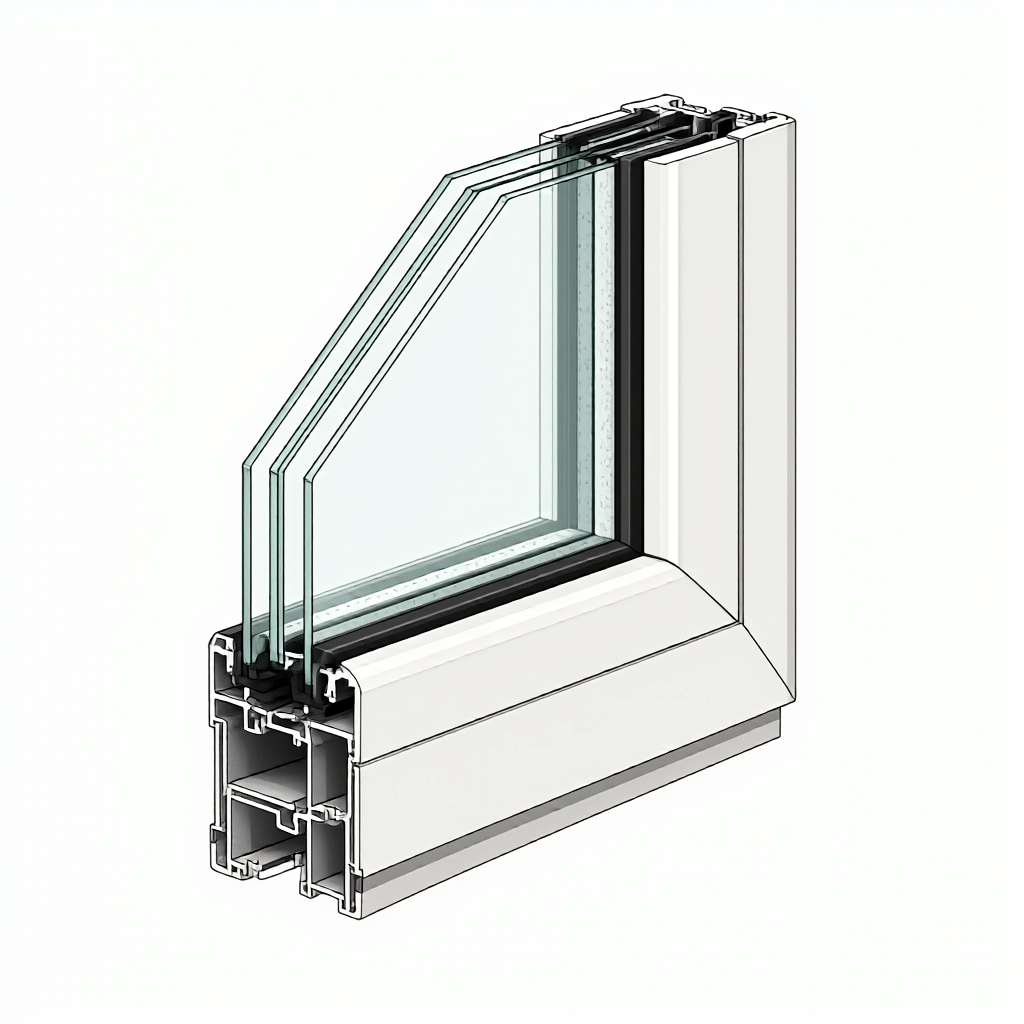
Modern systems pair IGUs with thermally broken aluminum profiles. The thermal break is a polyamide nylon strip inserted between the interior and exterior aluminum sections, dramatically reducing conductive heat transfer through the frame itself. Without a thermal break, the aluminum becomes a thermal bridge that undermines even the best glazing performance. This distinction matters enormously when specifying windows for energy-conscious projects across Europe, North America, or the Middle East.
Quick Overview — Core Specifications at a Glance
| Parameter | Typical Range |
|---|---|
| Frame material | Aluminum alloy (thermal-break / non-thermal-break) |
| Glass thickness | 5 mm + 6 mm standard; up to 12 mm per pane available |
| Cavity width | 9–21 mm (single/double gap options) |
| Gas fill | Dry air or argon (argon improves U-value ~10%) |
| Profile series | 50–90 mm common; custom depths available |
| Color finish | Powder-coated (RAL range), anodized, wood grain transfer |
| Hardware brands | Hafele, Siegenia, Hoppe, YKK (or equivalent) |
| Wind resistance grade | Up to G-class 10 (per EN 12211) |
| Water-tightness grade | Up to E1000 (per EN 12208) |
| Air permeability grade | Up to A4 (per EN 12207) |
These figures represent industry norms for export-oriented Chinese factories. Actual specs depend on your order configuration, climate zone, and the certification regime your destination country requires.
Where Are Double Glazed Windows Used in B2B Projects?
Commercial applications differ significantly from residential. Hotel façade replacements, for example, prioritize acoustic ratings and uniform aesthetics across floors. Villa developments often specify wood-grain finishes with high wind-load performance for coastal locations. Multi-unit housing projects drive the strongest demand for thermally broken aluminum windows because energy codes increasingly mandate minimum U-values. System windows — fully engineered framing solutions with integrated drainage, weatherstripping, and corner-cast joints — dominate high-rise commercial buildings in regions with strict air-tightness requirements.
The application determines whether you need hurricane-rated impact glazing, simply certified thermal break windows, or budget-friendly non-thermal aluminum for interior partitioning. Matching the right specification to the right project saves money far more effectively than negotiating down from an over-specified bill of materials.
What Specifications Should You Verify in a Supplier Audit?
When evaluating a potential factory, look beyond the price quote. A competent china double glazed windows manufacturer should demonstrate the following during a virtual or site audit:
Profile and thermal break quality. Confirm the polyamide bar thickness, the alloy grade of the extruded aluminum (typically 6063-T5 or T6), and whether they source components from recognized suppliers. Thermal breaks under 24 mm wide in casement systems compromise structural integrity — this is a measurable spec, not a marketing claim.
Glass sourcing and certification. Insist on evidence of AGMA or ISO-compliant glass cutting lines and automatic sealing processes. For markets requiring AS2047 compliance (Australia) or NFRC labeling (North America), ask which third-party test reports they hold. CE marking under EN 12600 series is standard for European exports. ASTM E2092 provides useful reference guidance for performance classification approaches used internationally.
Pre-shipment testing documentation. Reputable factories perform three mandatory tests before container loading: air-tightness, water-tightness, and wind resistance. Ask to see actual test certificates with specimen dimensions, pressurization values, and pass/fail results — not just a statement that “testing was performed.”
Hardware consistency. Verify that the hardware quoted matches the hardware delivered. Substitutions mid-production — swapping Siegenia handles for generic alternatives — are the most common quality complaint reported by repeat buyers.
Trade document readiness. Export experience shows in documentation. A reliable supplier prepares packing lists, proforma invoices, commercial invoices, and customs declarations without prompting. FCL and LCL shipments require slightly different paperwork handling; confirm they have done both.
Where Can Double Glazed Windows Be Used? — Application Scenarios
Beyond new construction, existing inventory covers replacement programs for hospitality groups renovating older hotel rooms. Thermal-aluminum casement windows and sliding doors are specified for sunrooms where larger glass areas demand stronger frame reinforcement. System-window configurations serve curtain-wall-style facades on mid-rise commercial buildings. Buyers should distinguish between entry-level aluminum alloys suitable for temperate climates and heavy-duty thermally broken profiles designed for extreme temperature swings or high-wind zones.
What to Consider When Buying Double Glazed Windows in Bulk?
Cost structure breaks into several independent variables. The aluminum alloy grade alone shifts pricing by roughly 8% to 15%. Glass specification — single-pane versus dual-pane, coated versus clear, argon-filled versus air-filled — accounts for the largest single cost difference. Thermal break presence is a binary switch: adding it typically raises the frame cost by 12 to 22 percent but is mandatory for nearly every European and North American market.
Powder-coat color complexity matters too. Standard RAL colors like black, white, and bronze carry no surcharge. CustomRAL or wood-grain transfers add processing time and minor material cost. Hardware selection creates the widest price spread — a full Hafele set can cost twice a comparable unbranded alternative.
Order volume is the other major lever. Small mixed orders averaging fewer than 50 m² carry proportionally higher per-square-meter costs due to setup time on cutting lines and assembly benches. FCL container loads achieve the steepest economies of scale. LCL consolidation works for smaller developers but transit times lengthen and damage risk increases during port-handling operations.
How Much Do Bulk Double Glazed Windows Cost? (FOB China)
Typical indicative FOB ranges — based on current material-cost conditions through 2026 — vary by configuration tier:
| Configuration | Price per m² (USD) | Lead time (days) |
|---|---|---|
| Non-thermal aluminum, clear double glass | $45 – $65 | 20 – 28 |
| Thermal-break aluminum, clear double glass | $60 – $85 | 25 – 35 |
| Thermal-break + low-E argon-filled glass | $75 – $110 | 30 – 42 |
| Premium system window, custom sizes/colors | $95 – $140 | 35 – 50 |
These ranges assume standard casement or sliding configurations in common RAL colors. Hurricane-rated impact glazing, acoustic-specialty laminates, and non-standard frame depths sit above these bands. Raw-material volatility in aluminum ingot and argon gas prices can shift final quotes by ±5 to 10 percent within any quarter. Always request a formal quote referencing your exact bill of quantities rather than relying on published range tables.
You can explore detailed procurement frameworks in our shower filter supplier sourcing guide for B2B buyers as a parallel reference for factory-audit methods applicable across industrial product categories.
Evidence & Practical Notes
Field note: Factories that refuse to share actual test certificates on request — instead offering only verbal assurances or outdated PDFs — are worth avoiding regardless of their price competitiveness. Test documentation is the single strongest predictor of post-delivery quality consistency.
Practical limitation: Argon-gas retention declines over time through the sealant edge. Industry data suggests 5 to 15 percent annual loss depending on sealant quality and exposure conditions. Buyers should not expect argon performance to persist unchanged across a 20-year service life, and warranty language should reflect this reality.
Buyer takeaway: Prioritize thermal-break profiles with documented pre-shipment performance testing over the lowest possible price. The lifetime energy savings and reduced callback costs almost always exceed the upfront margin difference, particularly for hotel and multi-unit housing projects where performance failures attract the most visible complaints.
Here Is How We Meet These Standards
As a manufacturer operating directly from the factory floor, our approach follows the same evaluation criteria described above — and extends them into everyday production practice. Our aluminum profiles carry verified alloy grades and tested thermal-break dimensions. Every shipment undergoes air-tightness, water-tightness, and wind-resistance checks before packing. We specify recognized hardware brands and track each order’s component pedigree from raw extrusion through final installation-ready packaging. Because we supply directly without distributor markup, the pricing you receive reflects material cost, configuration complexity, and logistics — nothing added by intermediary layers.
We handle both FCL and LCL shipments from our China facility and prepare complete customs documentation packages including packing lists, proforma invoices, and commercial papers. Custom sizes, powder-coat colors, glass specifications, and fitting arrangements are adjusted to your project drawings rather than forcing you into catalog defaults. Our team reviews regional code requirements — EU U-value thresholds, US hurricane ratings, Australian AS2047 classifications — during the quoting phase so your order arrives compliant on first inspection.
If you are evaluating suppliers for a hotel renovation, villa development, or commercial build, send your opening sizes and configuration notes. Get a Free Quote
Factors Buyers Must Evaluate When Sourcing From China
When selecting a china double glazed windows manufacturer, the evaluation framework extends well beyond surface-level pricing. Industry procurement teams typically assess five core pillars before committing to a supplier relationship. These factors form the foundation of any rigorous factory audit and directly correlate with post-delivery product performance.
International Quality Standards and Certifications
Different target markets enforce distinct certification regimes. European buyers look for CE marking under EN 14351-1 compliance, alongside performance classifications for air permeability (EN 12207), water-tightness (EN 12208), and wind resistance (EN 12210). North American purchasers often require NFRC labeling or compliance with AAMA/WDMA/CSA 101/I.S.2/A440 standards for residential windows. Australian projects demand AS2047 and AS1288 certification.
Middle Eastern exports frequently reference the Saudi Standards, Metrology and Quality Organization (SASO) or Gulf Standardization Organization (GSO) requirements for thermal performance in high-heat climates. Each standard carries specific test protocols — thermal transmittance (U-value), solar heat gain coefficient (SHGC), visible light transmission, and structural load capacity — all verifiable through independent third-party laboratory reports.
| Certification | Target Region | Key Test Parameter |
|---|---|---|
| CE Marking (EN 14351-1) | European Union | Performance classification across all categories |
| NFRC Label | United States / Canada | U-value and SHGC rating |
| AS2047 / AS1288 | Australia | Water-tightness and structural loading |
| PAS24 | United Kingdom | Security and forced-entry resistance |
| SASO / GSO | Middle East | Thermal performance under extreme heat |
| IGBC Certified | India | Energy efficiency and sustainability |
A credible supplier should present original, dated certificates issued by accredited laboratories — not self-declared statements. Verify certificate authenticity through the issuing body’s online registry when possible.
Factory Audit Criteria and Production Capacity Metrics
A site audit — whether virtual or in-person — should capture quantifiable production data. The following metrics serve as industry-referenced benchmarks during evaluation:
| Audit Metric | Minimum Acceptable Threshold | Why It Matters |
|---|---|---|
| Monthly production output | ≥ 15,000 m² | Demonstrates capacity to fulfill medium-to-large B2B orders without delay |
| Automated cutting line throughput | ≥ 200 units/day | Indicates scale consistency and reduced manual error rate |
| Pre-shipment test coverage | 100% of production lots | Ensures every batch undergoes air, water, and wind testing |
| Incoming raw-material inspection | 100% material lot verification | Prevents substandard aluminum alloy or glass from entering production |
| Defect/claim rate tolerance | < 1% of shipped orders | A reputable factory maintains this threshold through statistical process control |
| Average lead time | 25–40 days for FCL | Reflects realistic scheduling without overpromising |
| On-time delivery rate | ≥ 95% | Critical for construction project timelines |
| QC team size (per 100 workers) | ≥ 5 trained inspectors | Adequate oversight throughout extrusion, assembly, and packing stages |
Ask the factory to produce recent production logs, inspection records, and shipping manifests. Cross-reference stated figures against actual shipment volumes visible on their customs records or trade platforms.
QC Process and Trade Experience Indicators
Quality control in window manufacturing spans six checkpoints: raw material receipt inspection, extrusion dimensional verification, corner joint strength testing, glazing seal integrity check, hardware functional testing, and final packaging audit. Each checkpoint should generate a documented record with timestamp, inspector ID, and pass/fail disposition.
Trade experience manifests through documentation competence. An experienced exporter prepares complete FCL and LCL paperwork packages — including commercial invoices, packing lists, certificates of origin, bill of lading details, and insurance documentation — without requiring repeated buyer prompting. Request sample documents from a past order to assess accuracy and completeness.
OEM/ODM Customization Options
Beyond standard catalog configurations, capable manufacturers support extensive customization pathways:
| Customization Type | Typical Range | Minimum Order Consideration |
|---|---|---|
| Profile series depth | 60 mm – 120 mm | Full container load recommended for unique series |
| Glass thickness per pane | 4 mm – 12 mm | Mixed thickness within one order is feasible |
| Cavity/gap width | 9 mm – 27 mm (dual-cavity up to 36 mm) | Dual-cavity requires specialized assembly tooling |
| Color finish | RAL 9016 (white) through custom PMS shades | Custom colors may carry a setup surcharge |
| Hardware finish | Chrome, matte black, bronze, gold | Matching finishes across handle, hinge, and lock |
| Screen door integration | Insect mesh, pet mesh, security mesh | Available for casement and sliding configurations |
| Corner joint type | Mechanical lock, weld-and-fill, corner-cast | Corner-cast preferred for system-window aesthetics |
| Brand logo placement | Frame corner, sash edge, or gasket | Private label requires mold or silicone marker setup |
OEM relationships allow buyers to apply their own brand identity to factory-produced components. ODM partnerships enable co-development of proprietary profile designs that competitors cannot replicate. Both models provide competitive differentiation in saturated regional markets.
Explore related procurement frameworks for cross-industry factory-audit techniques applicable to window manufacturing.
Comprehensive Procurement Checklist
| Verification Point | Status (Pass/Fail/N/A) | Evidence Requested |
|---|---|---|
| Valid CE/NFRC/AS2047 certificate for product category | Original certificate with laboratory stamp and date | |
| Third-party test report showing air/water/wind ratings | Report with specimen dimensions and test pressure values | |
| Aluminum alloy grade specification (6063-T5/T6 minimum) | Mill certificate from aluminum extruder | |
| Thermal break width documented at ≥24 mm for casement systems | Profile cross-section drawing with measurements | |
| Pre-shipment test certificates for production batch | Test reports dated within 30 days of shipment | |
| Hardware brand and model confirmed in writing | Quotation extract specifying brand, model, finish | |
| Production capacity ≥15,000 m²/month verified | Recent production log or factory layout documentation | |
| Defect/claim rate below 1% in past 12 months | Customer reference contact or complaint resolution records | |
| FCL and LCL shipping experience demonstrated | Past bill of lading excerpts (redacted) | |
| Full customs document package provided proactively | Sample packing list and commercial invoice | |
| Custom size/color/glass options confirmed available | Engineering capability statement or previous project photos | |
| Response time to inquiry within 24 business hours | Communication log timestamps |
Red Flags to Watch For
Certain warning signs indicate elevated risk when evaluating a potential china double glazed windows manufacturer. Recognizing these indicators early prevents costly procurement mistakes:
- Missing or unverifiable test certificates. A supplier that cannot produce original certificates from accredited laboratories — or provides only outdated PDFs older than three years — lacks credible quality validation.
- Inability to specify thermal break width. If a seller cannot state the polyamide bar thickness in millimeters, they likely do not understand their own product specifications, signaling either middleman representation or inadequate engineering capability.
- Unwillingness to disclose supplier or raw-material origin. Transparent manufacturers identify their aluminum extruder, glass processor, and hardware supplier. Vague answers suggest hidden supply-chain dependencies.
- Refusal to share pre-shipment test documentation. Claiming that “testing is done internally” without producing certificates indicates the tests either were not performed or did not pass.
- No mention of powder-coat or anodize coating thickness. Qualified coatings measure 60–80 microns for powder coat and 15–25 microns for anodizing. Suppliers who omit this specification lack quality control discipline.
- Vague or inconsistent lead time estimates. Statements such as “about a month” or “depends on the order” without a defined production schedule reveal poor operational planning.
- Pressure for 100% upfront payment. Reputable factories negotiate standard terms — typically 30% deposit with 70% balance against copy shipping documents. Demanding full payment before production begins is a significant risk signal.
- Generic product photographs used as portfolio evidence. Images that appear identical across multiple product pages or lack specific project context suggest stock photography rather than actual factory output.
If any three or more of these red flags appear in your evaluation, discontinue negotiations and redirect sourcing efforts toward suppliers with transparent documentation practices.
Contact Our Team for personalized supplier evaluation guidance.
Sources & References
- ASTM E2092 — www.iso.org
- shower filter supplier sourcing guide for B2B buyers — zooshen.com
- Contact Our Team — doorwoodendoors.com











