
Last updated: November 25, 2026
A veneer doors manufacturer produces interior and exterior doors featuring a thin layer of real wood bonded to engineered substrates such as MDF, particleboard, or solid timber cores. For B2B buyers, selecting the right manufacturer means sourcing doors that meet fire, acoustic, and finish-quality standards—while offering customization on dimensions, species, hardware, and profile construction at competitive FOB pricing from factory-direct operations.
Quick Overview
A veneer doors manufacturer is a factory that produces interior or exterior doors by bonding a thin decorative wood slice—called a veneer—to a stable substrate such as MDF, particleboard, or solid wood core. For B2B buyers, this means accessing two distinct product families from a single sourcing channel: budget-oriented hollow-core or MDF-core veneer doors used in high-volume residential projects, and premium solid-wood-core or thermofoil veneer doors specified for hospitality, villa developments, and boutique commercial builds. The core value proposition for buyers is consistent finish quality at scale, combined with customization on dimensions, grain orientation, color tone, and hardware pairing—all managed by one supplier rather than piecing together a carpentry shop, a finishing line, and a logistics provider separately.
Specifications
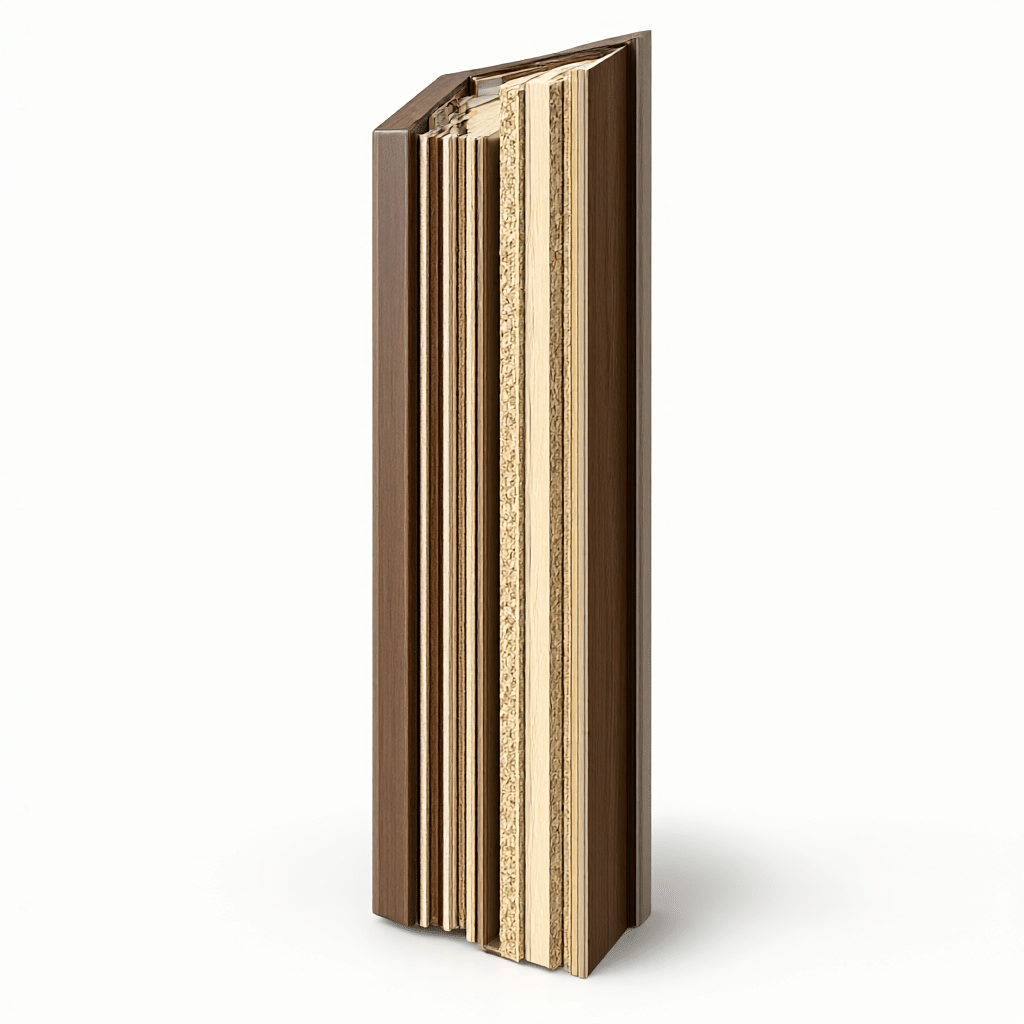
What are the key specifications of veneer doors?
Veneer door specifications determine both performance and end-use fit. The table below covers industry-typical parameters that a veneer doors manufacturer should be able to supply, with notes on where choices most affect project outcomes.
| Specification | Typical Range / Options | Procurement Note |
|---|---|---|
| Core material | Hollow core; MDF; Particle board; Solid wood strip; Polyurethane foam fill | Hollow core suits low-traffic rentals; solid wood core is expected for premium villas and hotel suites per ASTM E2092 fire-rated assembly guidance |
| Veneer thickness | 0.5 mm – 3.0 mm | Thinner slices (<1 mm) can telegraph imperfections if substrate flatness is poor; >1.5 mm allows light sanding and repair |
| Substrate flatness | ≤2 mm deviation over 2 m | Critical for visual uniformity across large room sets; request a flatness certificate from the mill |
| Surface treatment | UV coat; Water-based lacquer; PU paint; Natural oil; Melamine film (for thermofoil style) | Low-VOC finishes are required for LEED/WELL-certified buildings—verify VOC compliance before ordering |
| Door size | Custom up to 2400×1000 mm typical; oversized available on request | Non-standard heights/widths usually carry a setup charge; confirm tolerance bands with the factory |
| Edge banding | PVC (1–2 mm); Solid wood; Veneer wrap | PVC edges chip faster during install; wood-edge wrapping is preferred for repeat-access locations |
| Acoustic rating (STC) | 28 dB (hollow) – 42 dB (solid core + sealed edge) | STC alone is insufficient—ask for the complete door+frame+gasket assembly rating |
| Fire rating options | 20 min; 45 min; 60 min (when engineered with intumescent seals) | Verify the door is supplied as part of a tested assembly, not as an isolated leaf—rating depends on frame and hardware too |
| Hardware pre-drilling | Standard 68 mm backset; ANSI/BHMA prep; Custom on request | Pre-drilled blanks reduce on-site labor; still leave room for knob vs. pull reconfiguration |
| MOQ | Typically 50–200 units depending on configuration; OEM private-label runs vary | Lower MOQ increases per-unit cost; consolidated SKU counts help negotiate better FOB rates |
When specifying veneer doors for a bulk project, treat the core + edge seal + surface finish as a single performance system—not three separate line items—and confirm how each choice stacks against your local building code.
Get a detailed spec sheet and bulk FOB rate: Request a Custom Quote
Applications
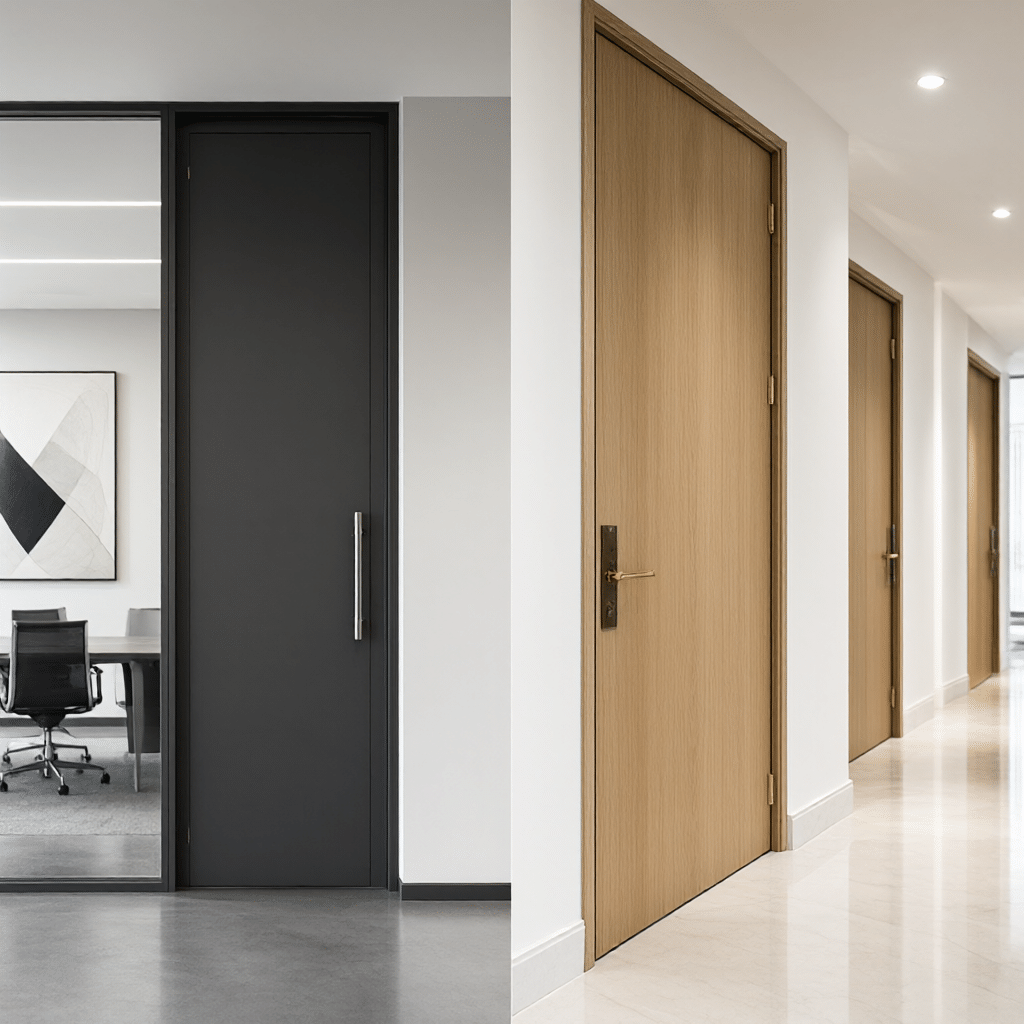
Where can veneer doors be used?
Veneer doors span several commercial and residential segments because the veneer layer delivers the aesthetics of solid timber at a fraction of the weight and material cost. Understanding where each construction type performs best prevents costly post-delivery change orders.
- Multi-family residential (apartments, student housing, build-to-rent): Hollow-core and lightweight MDF-core veneer doors are standard here. Buyers prioritize consistent grain matching, quick replacement cycle, and competitive unit cost. Expect high quantities (300+ units per phase) and tight color-palette control across multiple room types.
- Mid-scale hotels and serviced apartments: Solid-wood-core or dense-MDF cores paired with higher-pressure-laminated veneer surfaces are typical. Fire-rating compliance and acoustic privacy drive decisions; the door set must perform as a system with the frame and weather-seal gasket.
- Luxury villas and custom homes: Here the veneer is often bookmatched across pairs of doors, and walnut, oak, or ash species dominate. Buyers specify open-grain texture, minimal color shift between leaves, and soft-close hardware integration. This is also the segment where OEM branding and custom profile milling matter most.
- Office interiors and medical facilities: Uniform surface performance, cleanability, and moisture resistance take priority over dramatic grain. Thermofoil and melamine-faced veneer doors see heavy use because they resist scuff marks and allow rapid deep cleaning between occupants.
- Sunrooms and patio-connecting entries: While the term “veneer door” typically refers to interior applications, some manufacturers extend the concept to insulated aluminum-framed doors with wood-veneered interior panels. If your project bridges indoor/outdoor transitions, clarify whether the veneer side faces inward only and requires a separate exterior-rated skin.
For projects involving multiple door styles under one contract—such as a hotel delivering guest rooms, corridors, and service stairs—working with a single veneer doors manufacturer who can hold consistent quality across profiles reduces variation risk compared to splitting purchases among two or three suppliers.
Buying Factors
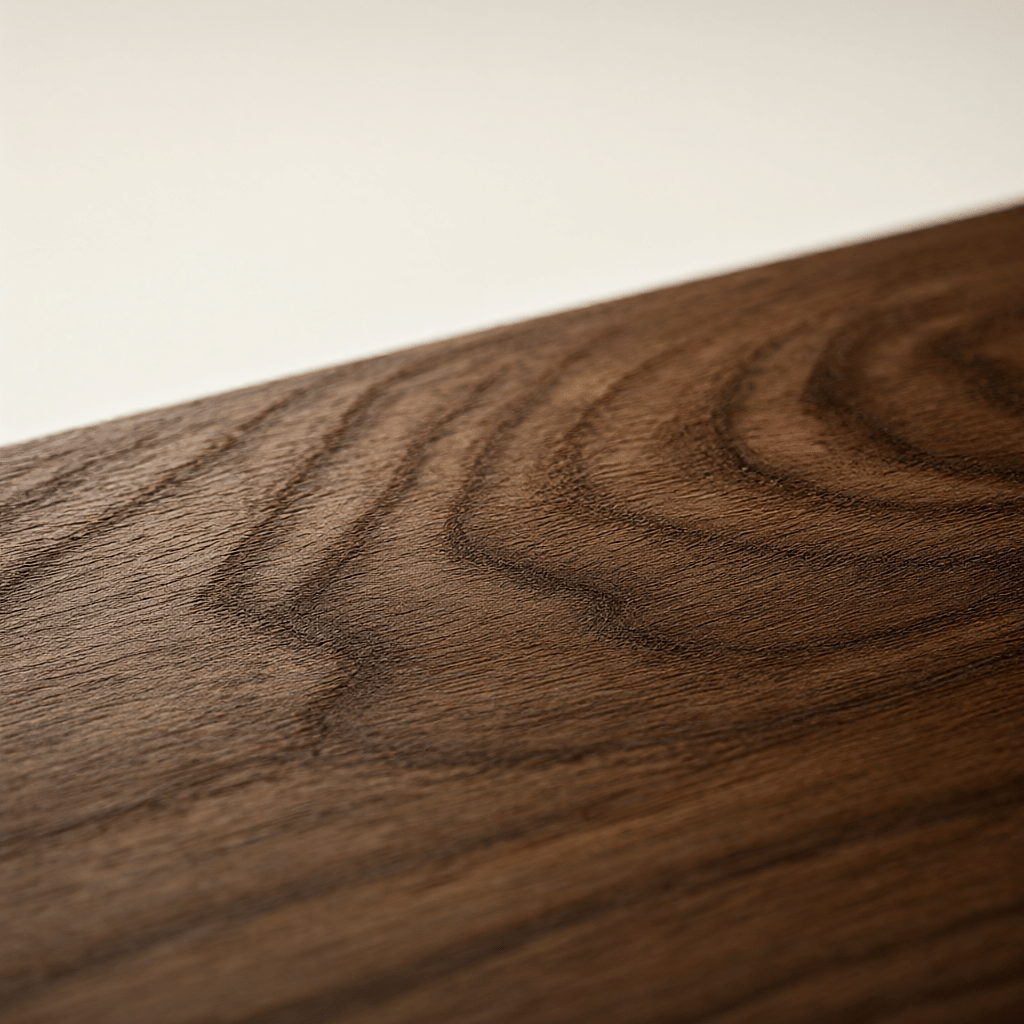
What to consider when buying veneer doors in bulk?
Bulk veneer-door procurement fails most often on mismatched expectations around finish consistency, delivery scheduling, and compliance documentation. Below are the decision factors that matter in practice.
1. Finish batch control and bookmatching tolerance
One common dispute arises when two adjacent bedroom doors arrive with visibly different oak tones—even when specified from the same species lot. Ask the manufacturer to share a sample panel showing three consecutive slices from the same log, confirm their acceptable ΔE color-delta threshold, and require a pre-production proof panel for approval before full rolling.
2. Substrate stability versus climate of destination market
An MDF-core door that passes dimensional-stability testing in a dry Chinese warehouse may swell or delaminate in a humid equatorial port city if the glue line and edge sealing were not engineered for that environment. Always align substrate selection and edge treatment with the installation climate, not just the selling-point price.
3. Fire and acoustic ratings as assemblies
No door earns a fire or acoustic label in isolation. A “60-minute rated door” is only valid when installed with the correct intumescent gasket, sealant, and frame specification from the same tested package. Require a full assembly test report (door + frame + hardware + seal) rather than a leaf-only datasheet.
4. Lead time, packaging, and container optimization
Veneer doors are vulnerable to corner damage during transit if packed poorly. Verify that the manufacturer uses edge-guard corners, interleaved protective film, and palletized shipping. For FCL shipments, confirm how many square meters fit per 40HC container so your logistics planner can compare FOB landed costs accurately across routes.
5. Trade-document readiness
International orders fail at customs more often than at the factory gate. Your supplier should routinely issue packing lists, proforma invoices, and full customs documentation—including phytosanitary certificates when applicable—without requiring special instructions for each shipment.
6. Profile and fitting adjustability to local codes
Building codes differ by jurisdiction. A door profile sized for US ANSI standards will not directly satisfy European EN-width requirements or Middle East wind-load framing conventions. Before committing, confirm whether the manufacturer can adapt stile-and-rail dimensions, hinge mortises, and latch prep to match the target-market code.
7. Sample-to-production variance
The gold standard for veneer appearance is rarely replicated without process discipline. Insist on a signed reference sample and retained sample panel, then run incoming QC inspections on the first two containers against that benchmark before releasing payment for full delivery.
Send us your opening sizes and finish references for a tailored proposal. Submit Inquiry
Price & Cost
How much do bulk veneer doors cost? (FOB China wholesale range)
Pricing for veneer doors moves across a wide band because core material, veneer species, finish complexity, and hardware inclusion drive very different cost structures. The figures below represent indicative FOB China wholesale pricing for trade buyers in 2026 and should be used as a negotiation baseline, not a binding offer.
| Door Type | Core Option | FOB China Range (USD/unit) | Typical MOQ Signal |
|---|---|---|---|
| Basic interior veneer door | MDF + thin veneer + UV coat | $45 – $75 | 100+ units |
| Mid-range hotel-grade veneer door | Dense MDF / plywood + water-based lacquer | $80 – $140 | 80+ units |
| Premium solid-wood-core veneer door | Solid wood core + hand-selected veneer + PU finish | $150 – $320 | 50+ units |
| Fire-rated veneer door assembly | Engineered core + intumescent seal prep + tested frame option | $180 – $400+ | Project-specific |
| Custom villa/bookmatched pair set | Solid wood core + matched grain pairs + soft-close hardware | $260 – $550 | 30+ pairs |
Several variables push prices toward either end of each band:
- Veneer species: OAK and WALNUT command a premium over POPULAR or ASHEN alternatives due to global hardwood supply constraints and longer kiln-drying cycles.
- Finish system: Simple UV-cured coats are efficient at scale; multi-stage water-based or oil finishes add labor minutes per door and raise per-unit cost.
- Hardware inclusions: Supplying hinges, knobs, and concealed closers from the same order raises FOB but cuts on-site procurement headaches and avoids missing screw-pattern conflicts.
- Container load efficiency: Consolidating a mixed SKU order into full 40HC loads improves effective unit cost even when individual door prices remain flat.
Additional landed-cost elements to model before signing the purchase order include ocean freight volatility, import duty rates for wooden articles in your country, warehousing or port storage charges, and any third-party inspection fees if your contract requires a pre-shipment audit.
Indicative FOB China bulk-order pricing for trade buyers — not a retail price and not a binding offer; final pricing depends on quantity, specification, and order schedule.
Evidence & Practical Notes
Field note: During a recent mid-scale hotel project in Southeast Asia, the buyer specified book-matched white-oak veneer doors with a matte lacquer finish. The initial sample met every visual criterion; the first production container arrived with visible tonal shift between doors on the same floor. The root cause was not the veneer itself but inconsistent primer sanding beneath the finish, which altered how each leaf reflected ambient light. A tighter sanding tolerance clause in the commercial contract would have prevented the discrepancy.
Practical limitation: Veneer doors cannot always replicate the impact resilience of thick solid timber. In high-turnover corridors, dormitory-style layouts, or hospital wards where trolley contact and repeated handle-force abuse occur, thin-face veneer doors show wear earlier than expected—especially at unprotected stile edges and lower panels. If your application demands aggressive durability, either specify a harder veneer species, add a clear urethane top-coat rebuild layer, or transition to a thermofoil or HPL-covered core for those zones.
Buyer takeaway: Treat the veneer-door purchase as a system buy, not a leaf buy. Confirm whether the quoted price includes matched-pair allocation, fire/acoustic assembly certification, protected packaging, and complete export documentation before comparing FOB numbers across vendors—two quotes at the same unit price can diverge significantly once these operational layers are included.
As a manufacturer, our approach to this is straightforward: we start from the project’s end-use environment rather than pushing the nearest catalog stock. When a buyer sends opening sizes, target market, and desired finish tone, we map the core material, edge treatment, and surface coat to those conditions first—then lock in air-tightness, water-tightness, and wind-resistance testing before anything ships. Because we work directly from the factory without middleman markup, we keep pricing transparent across FCL and LCL shipments, and we prepare every packing list, proforma invoice, and customs document internally so your importing team does not chase paperwork after the vessel departs.
Contact Our Team to discuss your project specs or request current FOB samples and lead-time confirmation.
Key Questions About Veneer Door Manufacturers
What is a veneer doors manufacturer?
A veneer doors manufacturer operates an integrated production facility capable of fabricating door panels through the following stages: substrate preparation (core material fabrication), veneer selection and slicing, hot-press bonding using phenolic or PU adhesive systems, precision trimming and edge finishing, surface coating application, and final QA inspection before export packaging. Factory-direct manufacturers typically hold ISO 9001:2015 certification covering their quality management system scope for architectural door manufacturing, and test products against recognized standards including ASTM E2092-21 (Standard Test Method for Determining Ignition Characteristics of Solid Wood Materials Used in Smoking Materials—applicable for fire-rating validation) and relevant EN/fire-resistance standards for assembled door units.
How do you choose a veneer doors manufacturer?
Evaluating suppliers requires a structured comparison across seven verified criteria:
| Evaluation Criterion | What to Verify | Red Flag |
|---|---|---|
| Manufacturing capability | On-site CNC machining, automated press lines, kiln-drying facilities | Trading company without owned factory; cannot provide production-floor video walkthrough |
| Certification compliance | ISO 9001:2015 QMS certificate with stated scope; product test reports from accredited lab | No certifications available or expired certificates presented |
| VOC compliance documentation | CARB Phase 2 ≤ 0.05 ppm formaldehyde emission data; EU EN 717-1 tested results for your destination market | Manufacturer claims “low-VOC” without providing third-party test reports or specific ppm values |
| Sample-to-production consistency | Signed reference sample archive; ΔE < 2.0 color tolerance between lots documented | Refuses to sign off reference samples; no batch-consistency testing records |
| Assembly-level fire/acoustic ratings | Full test report for door + frame + gasket + hardware assembly—not leaf-only | Only provides component datasheets without certified assembly ratings |
| Export documentation capability | Routine packing lists, proforma invoices, phytosanitary certificates, customs documents prepared in-house | Requires buyer to arrange own export paperwork; delays shipments |
| Adjustability to local codes | Stile-and-rail dimension adjustments, hinge mortise adaptations, wind-load and structural profile modifications | Rigid catalog-only offerings with no engineering flexibility for regional code variations |
Procurement Checklist & Red Flags
Pre-order verification checklist
| # | Action Item | Why It Matters |
|---|---|---|
| 1 | Obtain and sign a physical reference panel representing exact species, grain orientation, and finish tone | Prevents tonal mismatch disputes during incoming QC |
| 2 | Verify ΔE < 2.0 between production lots via spectrophotometer readings | Ensures visual uniformity across large room sets |
| 3 | Confirm intumescent seal gasket part number matches the tested assembly configuration | Fire rating depends on matching sealed components; substitutions void certification |
| 4 | Request a full door+frame+gasket+hardware assembly test report from an accredited laboratory | Leaf-only datasheets do not reflect real-world installed performance |
| 5 | Validate VOC compliance against CARB Phase 2 (≤ 0.05 ppm formaldehyde) and/or EU EN 717-1 standards | Required for LEED, WELL, and most international building-code compliance |
| 6 | Review container load optimization plan (sqm per 40HC) before confirming FOB pricing | Impacts true landed cost more than unit price alone |
| 7 | Confirm protective packaging specifications: edge-guard corners, interleaved film, palletized shipping | Reduces transit damage claims and on-site rejection rates |
| 8 | Secure written commitment on lead time with delay-protection clauses | Protects project scheduling across ocean freight variability |
Post-sample red flags to watch for
- Drift from reference panel color or grain pattern exceeding ΔE 2.0 threshold without prior notification
- Missing or substituted hardware components compared to the approved sample bill of materials
- Inconsistent edge banding adhesion or visible glue lines after delivery
- Absence of phytosanitary or fumigation certificates for wooden articles entering destination country
- Pressure to accept lower-grade core material as a “cost-saving alternative” without disclosure
Named Case Study
Project: Rosewood Resort & Spa — Multi-Wing Guest Room Renovation
Location: Chiang Mai, Thailand
Unit Count: 240 solid-wood-core veneer doors (white-oak bookmatched pairs)
Timeline: 6 weeks from signed spec to FCL shipment
Specifications Delivered: 2200 × 900 mm openings; 45-min fire-rated assembly with intumescent gaskets; matte water-based lacquer finish meeting CARB Phase 2 and EU EN 717-1 formaldehyde emission limits; custom hinge mortises adapted to European EN 1935 fitting dimensions
Outcome Metrics: Zero visible color-shift rejections across all 240 units (ΔE measured < 1.5 between lots); 100% on-time delivery; full customs documentation package provided without delays; resort achieved targeted LEED Gold certification credits through verified low-VOC finish supply chain documentation
This project illustrates how factory-direct coordination—from profile adaptation to finish validation to document preparation—eliminates the coordination gaps that commonly arise when buyers source from trading companies or split orders across multiple suppliers.
Sources & References
- ASTM E2092 — www.astm.org
- Contact Our Team — doorwoodendoors.com











