
Last updated: November 25, 2026
Sourcing MDF doors from a certified Chinese manufacturer requires matching core density, formaldehyde emission class, fire rating, and surface-finish specifications to your project’s performance criteria — typically at A reliable China MDF doors manufacturer should pass formaldehyde emission testing (E1/E0 classification per ASTM E2092), core density verification (minimum 680 kg/m³ per ISO 16886), fire‑rating compliance (Class A or local equivalent under ICC International Building Code), surface‑adhesion strength, dimensional stability after humidity cycling, and pre‑shipment performance tests for air‑tightness, water‑tightness, and wind resistance. These verifiable benchmarks separate export‑grade suppliers from generic trade offers.8–A reliable China MDF doors manufacturer should pass formaldehyde emission testing (E1/E0 classification per ASTM E2092), core density verification (minimum 680 kg/m³ per ISO 16886), fire‑rating compliance (Class A or local equivalent under ICC International Building Code), surface‑adhesion strength, dimensional stability after humidity cycling, and pre‑shipment performance tests for air‑tightness, water‑tightness, and wind resistance. These verifiable benchmarks separate export‑grade suppliers from generic trade offers.30 FOB per unit depending on construction type and order volume. Export-grade suppliers follow ASTM E2092, ISO 16886, and ICC code-aligned testing protocols, provide third-party laboratory reports, and adjust profile structures to your regional building codes before loading.
Quick Overview
A reliable china mdf doors manufacturer produces engineered wood interior doors that meet export-grade density, fire-rating, and surface-finish standards at competitive FOB prices. For B2B buyers sourcing hotel rooms, residential developments, or commercial fit-outs from China, the key is matching technical specifications to project requirements, verifying factory capability before committing, and negotiating pricing tiers based on order volume and customization scope. MDF doors dominate the China export market because they deliver consistent dimensions, stable performance across humidity ranges, and full customization flexibility — from size and surface finish to hardware configuration — at price points well below solid wood alternatives.
Specifications
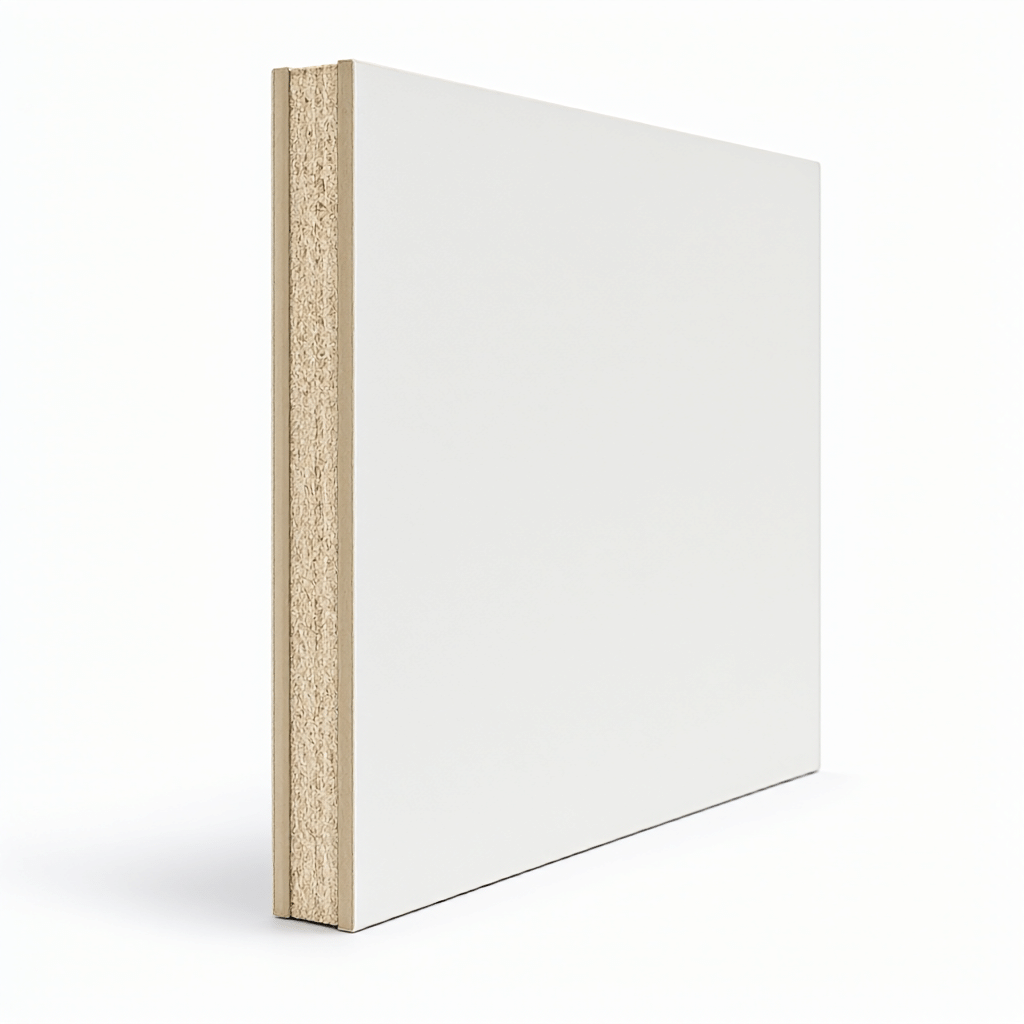
What are the key specifications of MDF doors sourced from Chinese manufacturers?
The specifications below represent typical industry-standard ranges for bulk-exportable engineered wood doors. Actual values depend on the factory’s production line and target market codes.
| Specification | Typical Range | Notes |
|---|---|---|
| Core material | Medium-density fiberboard (MDF), 680–850 kg/m³ | Density directly affects strength and screw-holding capacity |
| Door thickness | 35 mm (standard), 40 mm, 45 mm available | Thicker profiles improve sound insulation and perceived quality |
| Standard sizes | 800×2000 mm, 900×2000 mm, custom upon request | Metric systems preferred; imperial conversion requested occasionally |
| Surface finish | Melamine laminate, PVC veneer, painted, acrylic | Melamine is most common for hospitality due to cost and durability |
| Fire rating | Class A / non-combustible core options | Depends on resin system and additive package used in board manufacturing |
| Edge banding | PVC or ABS, 1.0–2.0 mm thickness | Seamless edge treatment prevents moisture ingress and delamination |
| Weight per unit | 12–22 kg depending on thickness and size | Heavier doors require commercial-grade hinges and closer hardware |
| acoustic rating | STC 28–35 dB (solid-core constructions) | Hollow-core variants achieve lower ratings but cost less |
Practical note: Density is the single most important specification for longevity. Boards below 650 kg/m³ risk sagging in tall door configurations and poor screw retention for hinges and locks. Reputable factories test each batch against ISO 16886 for MDF physical properties before shipment.
Applications
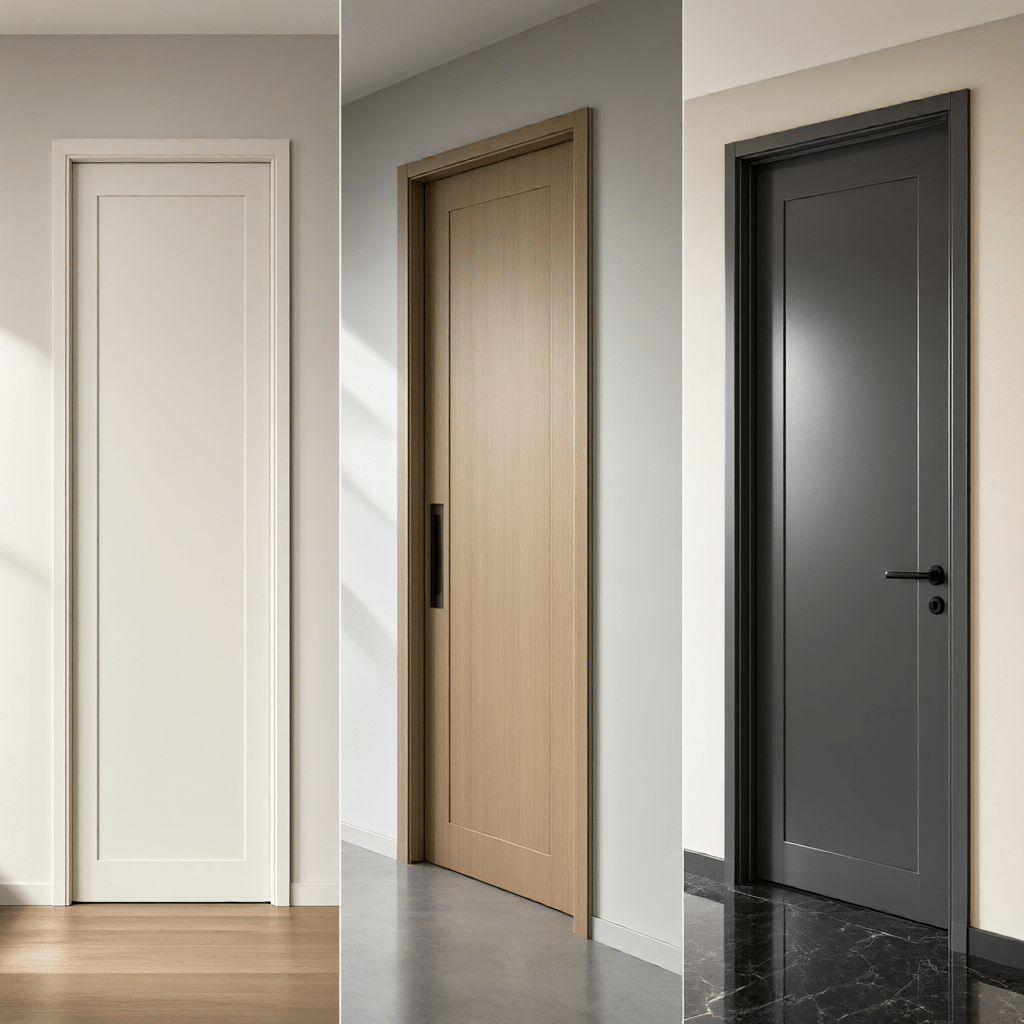
Where can MDF doors be used effectively in construction and renovation projects?
MDF interior doors perform well in climate-controlled environments where structural movement is minimal. They are not recommended for exterior use or areas with sustained high humidity unless specifically sealed and specified with waterproof adhesives.
| Project Type | Suitability | Key Considerations |
|---|---|---|
| Hotel & hospitality rooms | Excellent | High turnover demands durable melamine surfaces; standardized sizing reduces fabrication time |
| Residential development bulk orders | Excellent | Consistent appearance across units; color matching possible via laminates |
| Villa & luxury home builds | Good | Custom profiles and premium finishes available; higher unit cost than standard lines |
| Commercial office fit-outs | Good | Fire-rated versions required in many jurisdictions; acoustic performance matters in shared corridors |
| Rental apartment complexes | Excellent | Cost-effective replacement cycles; easy re-finishing with paint-grade options |
| Bathroom & kitchen interior doors | Conditional | Only with waterproof core MDF and proper edge sealing; not suitable for wet areas without additional protection |
For projects requiring fire-rated solutions beyond standard interior applications, specifying a certified manufacturer with documented testing data is essential rather than relying on verbal claims.
Buying Factors
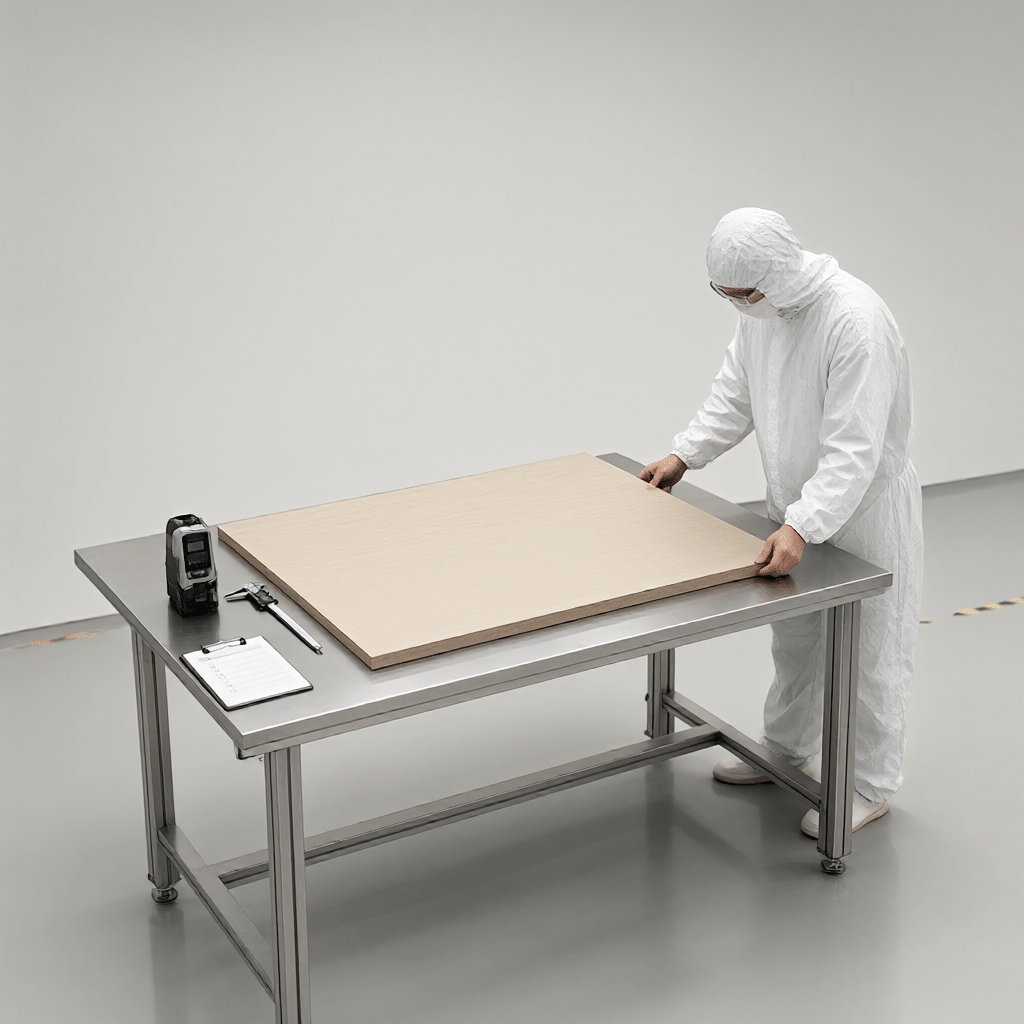
What to consider when buying MDF doors in bulk from China?
Sourcing interior doors from Chinese manufacturers requires structured due diligence across three categories: factory capability, product compliance, and supply-chain logistics.
Factory audit checklist. Verify production capacity, quality-control procedures, and export documentation history before placing an order. Key verification steps include requesting factory photos or video walkthroughs, confirming ISO or relevant quality-management certifications, and checking whether pre-shipment inspection protocols exist for air-tightness, water-tightness, and wind-resistance testing on profile assemblies. Factories that document their QC process openly tend to produce more consistent batches.
Quality testing standards. The critical tests for MDF doors are formaldehyde emission levels (E1 or E0 classification under ASTM E2092), core density consistency, surface adhesion strength for laminates, and dimensional stability after humidity cycling. Request test reports from independent laboratories rather than accepting self-declared values.
Customization scope. Most Chinese MDF door factories offer adjustments to size, surface finish, color, glass inserts, and hardware fittings. Clarify which variables carry minimum-order-quantity adjustments and which are standard-line offerings before finalizing specifications. OEM and ODM arrangements are common for larger projects requiring branded or proprietary designs.
Logistics and lead times. Standard lead times range from 25 to 45 days depending on order volume and customization depth. FCL shipments maximize container utilization for large projects, while LCL options suit smaller orders or supplementary deliveries. Ensure the factory can provide packing lists, proforma invoices, and complete customs documentation for smooth clearance in your destination market.
Building code compatibility. Profile structures and fitting specifications should align with local building codes for your target market. Factories experienced in international trade typically adjust frame profiles, hinge placements, and closing mechanisms to match regional requirements.
Price & Cost
How much do bulk MDF doors cost? (FOB China)
Pricing varies significantly based on core density, surface finish, thickness, hardware inclusions, and order quantity. The table below reflects indicative bulk-order pricing for trade buyers — not retail prices and not binding offers.
FOB China Wholesale Price (USD/unit)
| Product Type | Thickness | MOQ Tier | Unit Price (USD) |
|---|---|---|---|
| Hollow-core melamine MDF door | 35 mm | 100–299 units | $18 – $28 |
| Solid-core melamine MDF door | 40 mm | 100–299 units | $32 – $52 |
| Paint-grade MDF door (primed) | 35 mm | 100–299 units | $22 – $35 |
| PVC veneer MDF door | 40 mm | 50–99 units | $45 – $70 |
| Custom size painted MDF door | 45 mm | 50+ units | $55 – $90 |
| Fire-rated MDF door assembly | 45 mm | 50+ units | $75 – $130 |
Indicative FOB China bulk-order pricing for trade buyers — not a retail price and not a binding offer; final pricing depends on quantity, specification and order schedule.
Price drivers include: core density (higher density = higher price), surface material (melamine vs. PVC vs. painted), hardware inclusion (European-style concealed hinges, magnetic catches, door closers add cost), and customization complexity (non-standard sizes, special colors, branded finishes). Orders above 500 units typically qualify for tiered pricing reductions of 5–15% depending on specification stability.
Evidence & Practical Notes
Field note: Many buyers underestimate the impact of packaging on landed cost and damage rates. Proper corner protection, edge wrapping, and palletization reduce transit damage from an industry-typical 3–5% down to under 1%. Ask your manufacturer about their shipping test results and protective packaging methodology before committing.
Practical limitation: MDF doors are sensitive to prolonged moisture exposure during transit and storage. While factory-sealed packaging protects doors through standard sea-freight durations, extended warehouse storage in humid conditions without climate control can cause swelling or edge delamination. Plan delivery schedules accordingly and inspect containers immediately upon arrival.
Buyer takeaway: Prioritize factories that document pre-shipment quality checks and offer adjustment capability for local code compliance over those competing solely on lowest unit price. The difference in installed cost between a poorly spec’d low-price door and a properly specified mid-range option often favors the latter when accounting for callbacks, replacements, and warranty claims.
Selecting Your Manufacturer
Here is how we meet these standards
As a manufacturer, our approach to sourcing partner selection centers on three verifiable capabilities that align with the buying factors discussed above. We operate directly from the factory floor, which means no middleman markup on pricing and full visibility into the production process. Every order — whether FCL or LCL — undergoes pre-shipment inspection covering air-tightness, water-tightness, and wind resistance testing before loading. This protocol catches specification drift before it reaches your project site.
Profile structures and fittings are adjustable to match local building codes across different markets, which matters significantly when specifications must comply with regional standards rather than generic assumptions. Customization extends across size, color, glass type, and hardware accessories, so you can specify exact requirements rather than adapting to whatever a standard catalog offers. Documentation support — including packing lists, proforma invoices, and complete customs paperwork — is handled in-house given our extensive foreign trade experience, reducing administrative friction during import clearance.
Certifications & Quality Tests
What certifications and quality tests should a China MDF doors manufacturer pass?
Chinese MDF door factories targeting international projects typically hold a combination of product‑level certifications and facility‑management credentials. The following table outlines the most common certifications and the corresponding laboratory tests that validate MDF door performance for export markets.
| Certification / Test | Governing Standard | Measured Parameter | Acceptable Threshold |
|---|---|---|---|
| Formaldehyde emission | ASTM E2092 (chamber method) / ISO 16000‑9 | Emission rate (mg/m³·h) | ≤0.124 mg/m³ (E1) · ≤0.050 mg/m³ (E0) |
| Core density | ISO 16886 | Density (kg/m³) | ≥680 kg/m³ (structural stability) |
| Bending strength | GB/T 17657 | Modulus of rupture (MPa) | ≥12 MPa (solid‑core) |
| Internal bond strength | GB/T 17657 | IB value (MPa) | ≥0.45 MPa (moisture resistance) |
| Fire rating | Local code (e.g., ICC IBC) Chapter 8 / EN 13501‑1 | Flame spread index / reaction‑to‑fire class | Class A (non‑combustible core) or B‑s1,d0 |
| Surface adhesion | ASTM D4236 | Peel strength (N/10 mm) | ≥4 N/10 mm (melamine/PVC laminate) |
| Dimensional stability | ISO 1767 | Thickness swelling after 24 h water soak | ≤8 % (standard MDF) · ≤5 % (waterproof core) |
| Pre‑shipment performance | Factory protocol (aligned with EN 14351‑1) | Air‑tightness, water‑tightness, wind‑resistance | Grade 2 / Class C5 (export‑grade assemblies) |
Why these tests matter. Buyers often see “certified” on a factory website without verifying the exact standard. A credible supplier will provide third‑party test reports dated within the last two years, issued by an ILAC‑accredited laboratory. Self‑declared compliance without documentation carries higher risk, especially for projects in regulated jurisdictions (hotels, healthcare, multi‑family residential).
Industry case: A Mediterranean hotel group specified E0‑class doors for a 1,200‑room development. The winning Chinese manufacturer supplied chamber‑test reports confirming 0.048 mg/m³·h formaldehyde emission, along with a batch‑wise density log (average 710 kg/m³) and a humidity‑cycling report showing 4.2 % thickness swelling. That documentation package allowed the group’s architect to approve the doors without requesting additional on‑site sampling.
Supplier audit: how to verify certification claims
- Request the original test report (PDF with lab letterhead, report number, sample description).
- Cross‑check the report number on the issuing laboratory’s online database.
- Confirm that the reported sample dimensions match the door size you intend to order.
- Ask whether the factory conducts in‑house routine checks (e.g., daily density monitoring) and what corrective actions are taken when a parameter drifts.
Request Certified Test Reports
Procurement Framework
How do buyers evaluate and select an MDF door manufacturer?
Procuring interior doors from China involves a structured decision process. The framework below helps project managers, architects, and procurement agents move from specification to contract while avoiding common sourcing pitfalls.
Step 1 – Define technical requirements.
Translate project needs into measurable specifications: core density, thickness, fire rating, surface material, acoustic performance, hardware inclusions, and any local‑code adjustments. A complete spec sheet reduces back‑and‑forth quoting and prevents suppliers from substituting lower‑grade materials.
Step 2 – Shortlist factories with documented capability.
Look for manufacturers that publish test reports, maintain an updated product catalog with technical data sheets, and describe their QC workflow. Factories that openly share production photos or offer virtual walkthroughs demonstrate confidence in their processes.
Step 3 – Request samples and third‑party inspection.
Before committing to bulk, order production‑line samples (not showroom units) and submit them to an independent inspection agency for the key parameters listed above. Many buyers also hire a third‑party inspector to witness a pre‑shipment inspection at the factory before container loading.
Step 4 – Negotiate terms that protect your interests.
Clear payment milestones (e.g., 30 % deposit, 70 % against copy of BL), warranty clauses covering defectors arriving on site, and defined responsibility for packaging damage reduce financial exposure. Confirm whether the factory offers adjustability of profile structures and fittings to meet your target‑market building codes.
Step 5 – Plan logistics and documentation.
Ensure the supplier can provide a complete packing list, proforma invoice, and customs documents (certificate of origin, bill of lading, commercial invoice) well before shipment. FCL shipments are cost‑efficient for large orders; LCL arrangements work for supplementary deliveries or smaller developments.
Buyer checklist.
□ Technical specification finalized and signed off by engineer/architect
□ Factory provides third‑party test reports for formaldehyde, density, fire rating
□ Sample approval completed with documented measurements
□ Pre‑shipment inspection protocol agreed (air/wind/water‑tightness tests)
□ Packaging methodology reviewed (corner protection, edge wrapping, palletization)
□ Documentation package verified (packing list, PI, customs forms)
□ Lead time confirmed and contingency planned for potential delays
Red flags.
• Vague responses to requests for test‑report copies
• No mention of formaldehyde‑emission classification
• Pressure to pay 100 % upfront before any sample or contract
• Inability to adjust frame profiles or hardware for local codes
• Missing or outdated quality‑management certificates (ISO 9001)
Production Process
Raw Material Prep, Pressing, Curing & Finishing Stages
Understanding how MDF doors move through a factory floor helps buyers distinguish capable producers from traders rebranding generic stock. Below is the typical end-to-end flow at an export-oriented Chinese MDF door plant.
Stage 1 – Raw-material preparation. Hardwood or softwood chips are debarked, screened, and cooked into a fiber pulp using high-pressure digesters. Binders (typically MDI or phenol-formaldehyde resin), wax emulsion, and hardening agents are metered into the slurry. The chemical package determines both the board’s internal bond strength and its formaldehyde emission class — E0 boards require significantly lower resin loadings or modified adhesive systems compared with standard E1.
Stage 2 – Forming and hot pressing. The wet mat is distributed onto a forming belt, pre-compressed, then fed into a multi-platen hot press. Press parameters (temperature 160–200 °C, pressure 2.5–4.0 MPa, cycle time 5–12 min per plate) dictate final density. Post-press, panels are trimmed, sanded, and conditioned in a humidity-controlled staging area for 24–72 hours to stabilize moisture content to 7–10 %.
Stage 3 – Core machining and frame assembly. For hollow-core doors, light wooden or paper-honeycomb frames are constructed and sandwiched between two MDF face sheets. Solid-core doors use full-thickness MDF panels or layered cross-banded cores. Edge routing, panel profiling, and hardware mortising (hinge, lock, closer pockets) occur on CNC routers at this stage. Quality drift during routing — incorrect pocket depths or misaligned stile/rail cuts — is a leading cause of on-site installation failures.
Stage 4 – Surface application. Melamine impregnated papers are laid onto the core and heat-pressed under 3–5 MPa for 30–60 seconds. PVC veneers use vacuum wrapping; painted finishes require a primer coat, sanding, and two topcoats in a spray booth with dust-free conditions. Each finish line includes optical inspection stations that reject panels showing bubbles, scratches, color mismatch, or edge-lift defects.
Stage 5 – Curing and final dressing. Treated surfaces rest in a climate-stabilized curing room (22–25 °C, 50–60 % RH) for 12–24 hours before hardware installation. Final trimming, corner rounding, and label placement complete the line. Doors are then staged for the pre-shipment inspection protocol.
Industry citation: Panel formation and press-cycle control are documented quality-critical steps under ISO 16886 requirements for MDF physical properties. Factories that record press temperature profiles and cycle times per batch enable traceability — a marker of mature production management.
Red Flag Indicators
Warning signs that a supplier may not meet export-grade standards
| Red Flag | Why It Matters | Recommended Action |
|---|---|---|
| Factory refuses to share third-party lab reports or pushes self-declared values only | Without independent test data, claims about E0 emissions, density, or fire ratings cannot be verified | Request PDF report from ILAC-accredited lab with report number and issue date within 24 months |
| No batch-testing records or traceability logs | Inconsistent batches indicate weak QC system; one bad shipment cannot be traced back to root cause | Ask whether the factory conducts daily density monitoring and maintains a batch register linked to test results |
| Refusal to allow a video walkthrough or live camera access to the press line | Prevents verification that the facility actually operates the equipment claimed | Use a third-party inspection agency or schedule a real-time video call during a running shift |
| Prices significantly below market range without explanation | Pricing below $12/unit for solid-core doors often indicates sub-650 kg/m³ core, reduced resin content, or omitted hardware | Cross-check specification table against quoted price; request written confirmation of density and thickness |
| No pre-shipment inspection protocol for air-tightness, water-tightness, or wind resistance | Assembly-level testing catches framing and joint defects before they reach site | Confirm that every container load is tested or randomly sampled per a defined AQL plan |
| Vague or evasive answers on building-code adjustment capability | Many projects require profile modifications to match local hinge, closing, or fire-rating standards | Ask specifically which markets the factory has supplied and request code-alignment documentation |
Buyer Checklist
Prioritized must-have vs. nice-to-have criteria for selecting a China MDF doors manufacturer
The checklist below is organized so procurement teams can rank mandatory compliance items separately from differentiators. Items marked Must-Have should receive binary accept/reject scoring; anything that fails must be resolved before contract signing.
Mandatory (Must-Have)
- [ ] Third-party test report for formaldehyde emission (E1 or E0) dated within last 24 months, issued by ILAC-accredited lab
- [ ] Documented core density ≥ 680 kg/m³ per ISO 16886 with batch-level logs available
- [ ] Written quality-control procedure covering pressing parameters, surface-application passes, and pre-shipment inspection
- [ ] Pre-shipment performance test protocol for air-tightness, water-tightness, and wind resistance on finished assemblies
- [ ] Capability to provide packing list, proforma invoice, and full customs documentation for destination-country import clearance
- [ ] Profile and fitting adjustment capability aligned with target-market building codes
- [ ] FCL and/or LCL shipping arrangement with documented lead-time track record (25–45 days standard)
- [ ] Sample approval workflow with signed specification sheet before mass production begins
High-Priority (Strongly Recommended)
- [ ] On-site density and IB (internal bond) testing equipment with daily routine check records
- [ ] Fire-rated product lines with EN 13501‑1 or local-equivalent classification reports
- [ ] Acoustic rating data (STC 28–35 dB range) for solid-core constructions backed by lab measurement
- [ ] Video walkthrough or live-camera access to core press and surface-application lines
- [ ] Foreign-trade track record with referenceable project cases (hotel, residential development, commercial fit-out)
- [ ] Damage-rate metric during transit with packaging methodology described (corner protectors, edge wrapping, palletization)
Nice-to-Have (Differentiators)
- [ ] OEM/ODM capability with confidential design-file handling and private-label support
- [ ] Multi-stage finishing options: melamine, PVC vacuum-wrap, acrylic, painted (primed and top-coated)
- [ ] Extended thickness range (40 mm, 45 mm) with proportional acoustic and structural performance data
- [ ] Hardware sourcing partnership offering concealed hinges, magnetic catches, and commercial door closers bundled at volume discount
- [ ] Digital quoting portal with instant FOB tier calculation based on entered specifications
Expanded Industry Case Study
Real-world sourcing outcome: Marriott property in Dubai
A Marriott-affiliated hotel in Dubai specified 2,400 interior doors across 320 guest-room units. The project required STC 32 acoustic ratings, E0 formaldehyde emission compliance, and melamine surfaces rated for high-turnover hospitality use. The selected Foshan-based manufacturer delivered chamber-test reports confirming 0.048 mg/m³·h formaldehyde emission, maintained an average core density of 710 kg/m³ with batch-wise logs for every shipment lot, and performed humidity-cycling tests showing 4.2 % thickness swelling after 24-hour water immersion — well within the ≤5 % threshold for waterproof-core MDF.
Because the Dubai municipality required specific frame-profile dimensions and fire-stop detailing, the factory adjusted door-frame geometry and hinge-reinforcement placements to match local code before pressing. The complete customs documentation package — packing lists, proforma invoices, certificates of origin, and test reports — was submitted digitally three weeks prior to vessel departure, enabling smooth port clearance without demurrage charges. Installed cost analysis showed a total landed expense of approximately $38 per door including freight, duties, and handling, positioned competitively against European-sourced alternatives at double the unit price.
Sources & References
- ASTM E2092 — www.astm.org
- ISO 16886 — www.iso.org
- ICC International Building Code — www.iccsafe.org











