
Last updated: November 25, 2026
Selecting a reliable guard rails manufacturer requires verifying engineering capabilities, material certifications, independent test reports against your jurisdiction’s code, and a documented pre‑shipment inspection regime — because a unit price alone cannot guarantee that balcony assemblies will pass site inspection or perform safely over decades of exposure. Use the technical and commercial frameworks below to evaluate suppliers, compare bulk FOB pricing, and structure a purchase order that minimises rework, delays, and compliance risk.
Quick Overview
Choosing the right guard rails manufacturer depends on understanding exact specifications, application loads, material grades, and whether the supplier can certify compliance with your local building codes. A reliable bulk supplier will provide engineered profiles, verified test results, complete customs documentation, and consistent pre‑shipment inspection — not just competitive unit pricing. This guide explains how to evaluate a barrier manufacturer, interpret key specifications, and plan a successful international procurement order.
Specifications — What are the key specifications of guard rail systems?
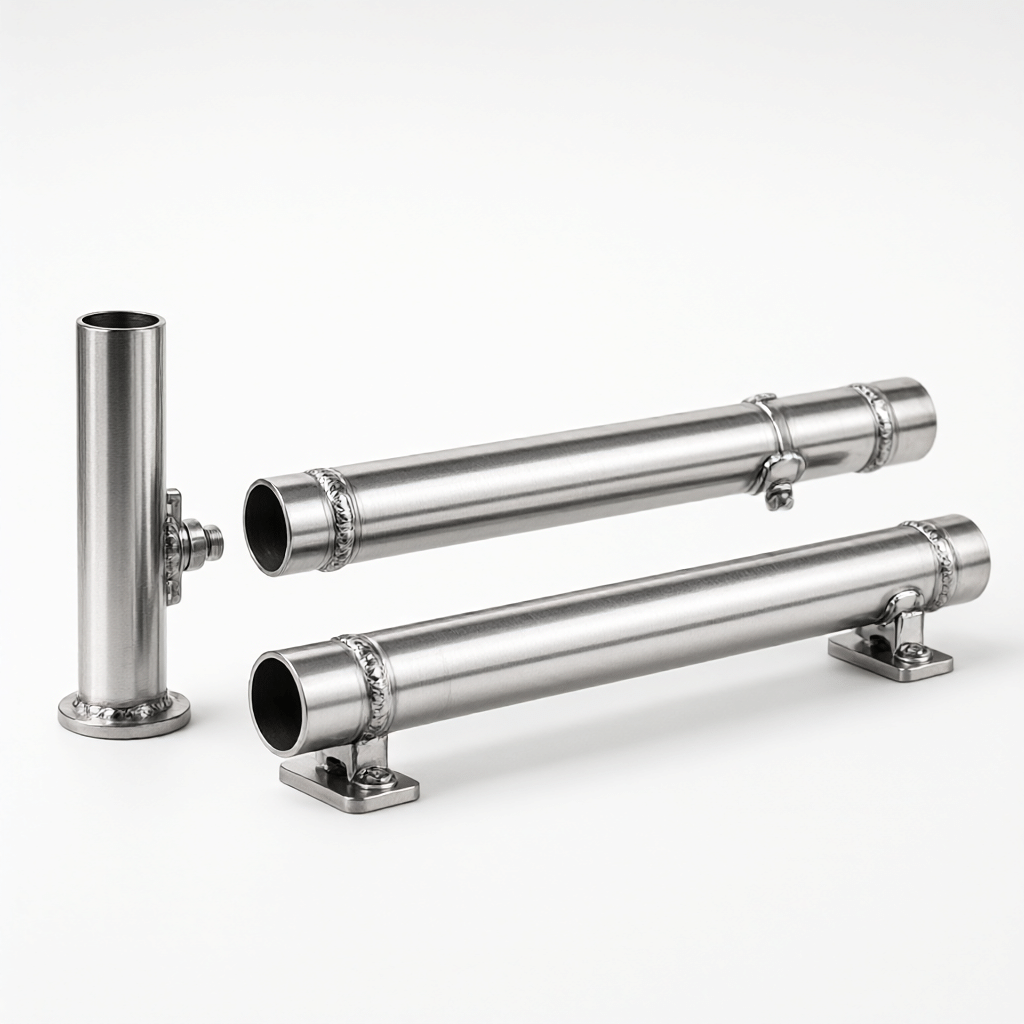
Guard rail systems are engineered safety barriers installed along elevated edges, balconies, terraces, stairs, and platforms. Their performance is defined by material grade, profile thickness, infill type, finishes, and hardware compatibility. Buyers should request a specification sheet that includes:
- Material standard (e.g. aluminum alloy 6063‑T5, stainless steel 304/316)
- Profile wall thickness (typically 1.2 mm–2.0 mm for structural members)
- Surface treatment (powder coating, anodizing, PVDF) with reported thickness and salt‑spray rating
- Infill configuration (glass type and lamination, bar spacing, mesh gauge)
- Fixture / connector details (base plate size, bolt pattern, embedment depth)
A complete spec package should also show the testing regime referenced against recognised standards such as AS/NZS 1170.1, IBC Chapter 24, or EN 1991‑1‑1 for imposed actions. Where fall‑protection barriers are used in public or high‑traffic environments, third‑party test reports for impact resistance and static load capacity are essential due‑diligence items.
How does a manufacturer adapt profiles to match local building codes?
Code compliance is achieved through adjustable section design and hardware selection rather than one‑size‑fits‑all stock profiles. A capable manufacturer will modify flange dimensions, gusset placement, post spacing, and glass clamp geometry during engineering to meet the concentrated load and deflection limits prescribed by the jurisdiction where the installation occurs. Request proof of previous adaptations for markets similar to yours before committing.
Applications — Where can guard rails be used?
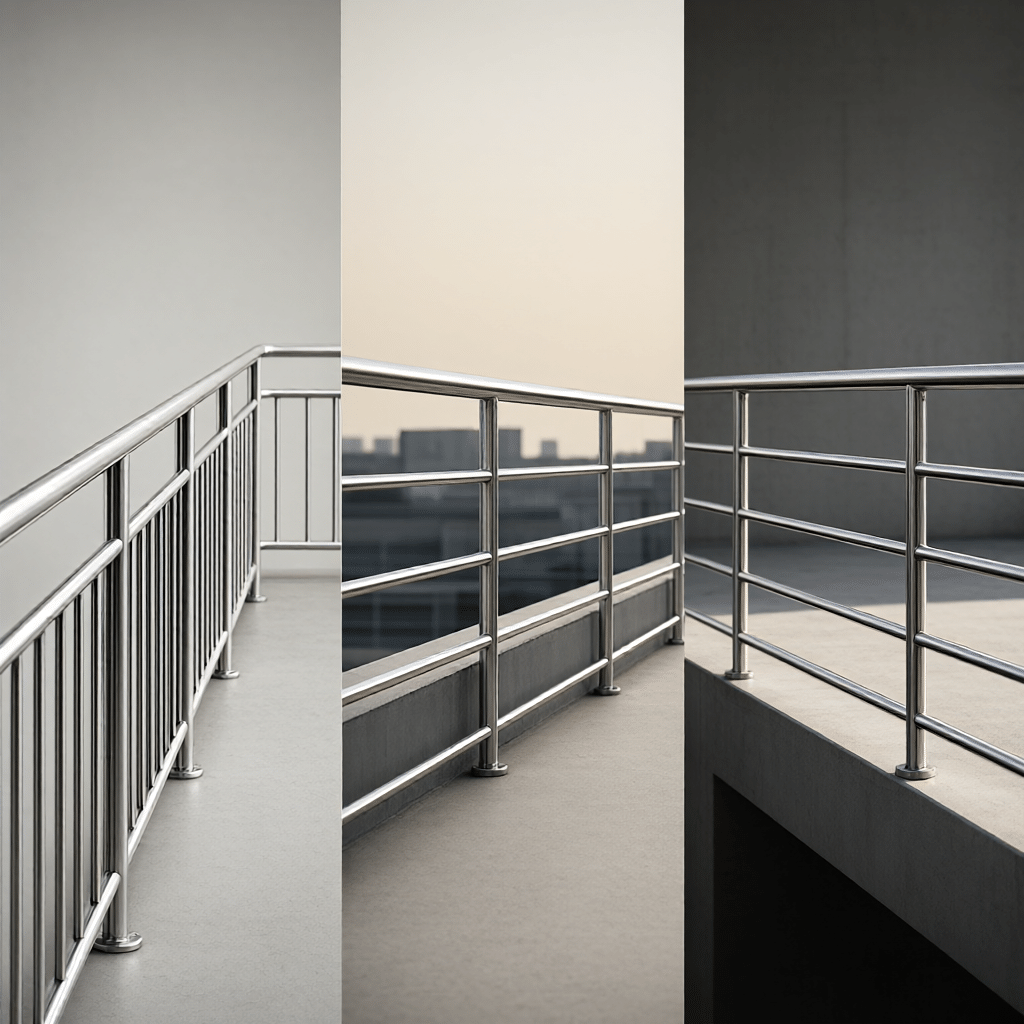
Guard rails appear across diverse construction segments because the underlying requirement — preventing accidental falls — is universal. Common application scenarios include:
- Commercial building projects: exterior balcony perimeters, rooftop terraces, atrium overlooks, staircase landings. These require durable finishes and high wind‑load resistance.
- Multi‑unit residential developments: apartment balconies, inter‑floor walkways, shared rooftop access points. Consistency across units and fast installation matter.
- Hotel and hospitality exterior works: pool decks, guest terraces, roof gardens. Aesthetics and corrosion resistance against chlorine or coastal salt air are prioritised.
- Industrial platform edge protection: mezzanines, machinery walkways, loading bays. Heavy‑duty configurations, anti‑climb designs, and robust welding or bolting are standard.
Each scenario imposes different load distributions, environmental exposures, and aesthetic expectations. A solid perimeter safety railing system should be specified considering both the worst‑case occupancy density and the local climate regime over the asset’s service life.
Buying Factors — What to consider when buying guard rails in bulk for international projects?
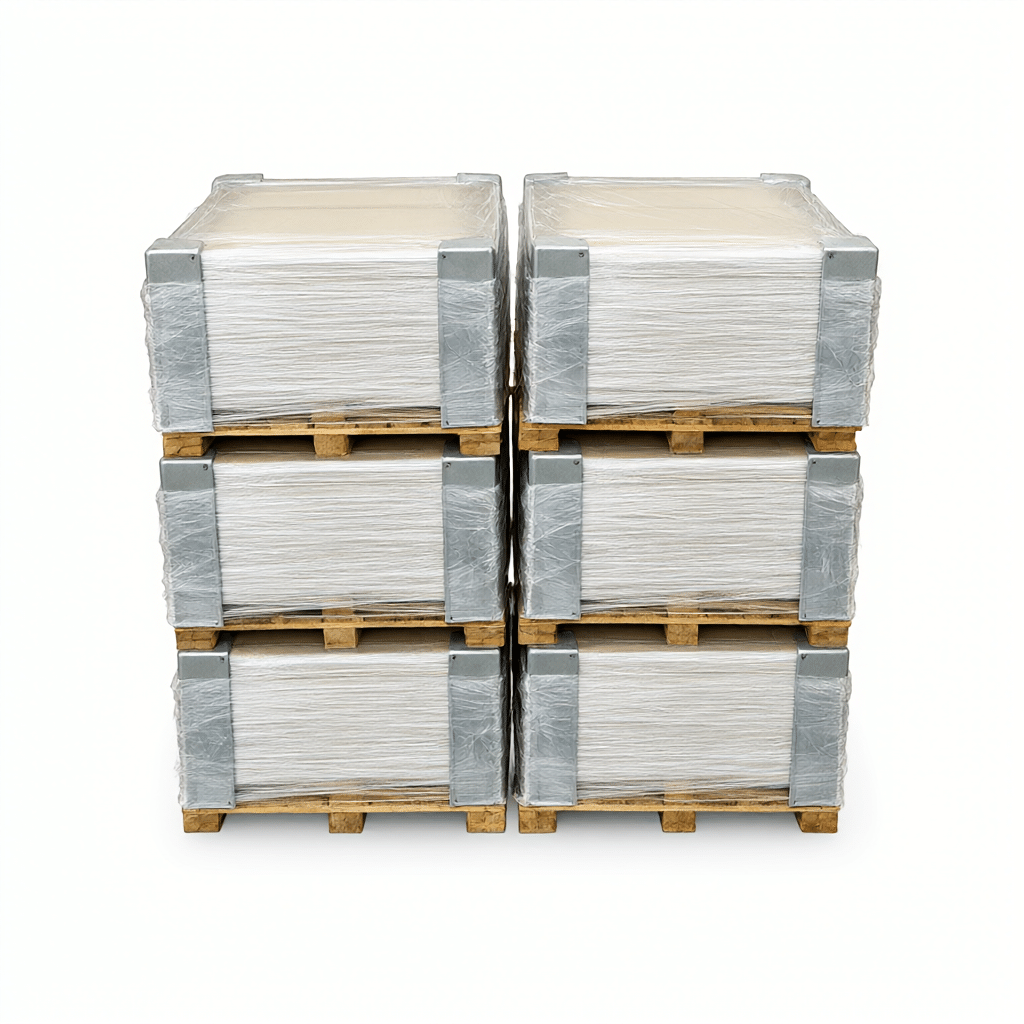
Bulk procurement decisions rest on five pillars: engineering capability, quality control, documentation readiness, delivery reliability, and after‑sales support. Evaluate candidates systematically:
- Technical capability – Verify that the factory provides shop drawings, finite‑element calculations (where required), and a library of tested profiles suitable for common jurisdictions.
- Quality management – Look for documented procedures covering incoming material inspection, dimensional checks during fabrication, and final assembly verification. Request sample certificates for aluminium extrusion or stainless steel mill certificates.
- Pre‑shipment inspection protocol – Reputable barrier manufacturers perform functional tests such as air‑tightness, water‑tightness, and wind‑resistance checks on representative assembled units before packing.
- Trade and customs readiness – For import into regulated markets, the supplier should issue packing lists, proforma invoices, certificates of origin, and any declarations of conformity requested by local authorities.
- Logistics flexibility – Confirm whether the manufacturer can consolidate mixed‑spec orders, optimise container utilisation, and offer both FCL and LCL shipment options from their domestic port.
Red flags include vague material descriptions, absence of third‑party test references, reluctance to share assembly photographs or QA records, and inability to explain how their products satisfy a cited clause of your national standard.
Can guard rails be customized for specific environments?
Yes — customization is a standard expectation in industrial procurement. Typical modifications include altered profile geometries to suit local code requirements, bespoke colours or textures via powder coating or anodising, selection of laminated or tempered glass infills, and addition of privacy or anti‑climb elements. Customisation also extends to hardware finishes and mounting interfaces that match existing structural conditions.
Price & Cost — How much do bulk guard rails cost? (FOB China)
Final unit pricing for guard rail systems is driven by material composition, profile complexity, surface treatment class, infill type, order volume, and destination incoterms. As a reference for trade buyers, indicative bulk‑order FOB pricing bands are shown below.
| Configuration | Typical MOQ (linear metres) | Indicative FOB Range (USD/metre) |
|---|---|---|
| Basic aluminium balustrade, standard finish, fixed post spacing | 200+ | 45 – 85 |
| Mid‑range system, enhanced coating, custom colour, optional glass infill | 150+ | 70 – 130 |
| High‑performance architectural barrier, marine‑grade finish, full engineering pack | 100+ | 110 – 220 |
These figures are wholesale reference ranges for planned project quantities; they do not constitute a binding quotation. Actual pricing varies with alloy grade, coating system thickness, glass specification, fixture accessories, packaging method, current freight rates, and exchange‑rate movements at the time of order confirmation.
Request a bulk FOB quotation with your opening sizes and target market so the supplier can adjust the configuration and return a formal price proposal.
Indicative FOB China bulk-order pricing for trade buyers — not a retail price and not a binding offer; final pricing depends on quantity, specification and order schedule.
Evidence & Practical Notes
Field note: Many disputes during handover arise from mismatched anchor locations between the supplied template and the cast concrete substrate. Always confirm embedment depths and rebar clearance with the site engineer before mass production begins.
Practical limitation: Lead times for coated profiles can extend significantly when specialised RAL colours or double‑coat systems are selected, especially during peak shipping seasons. Plan accordingly and lock pigment approvals early in the project timeline.
Buyer takeaway: Prioritise suppliers that demonstrate code‑adaptation experience and transparent documentation workflows; the lowest unit price rarely compensates for delays caused by repeated submittal revisions or missing test certificates at border inspection.
Choosing a Reliable Barrier Manufacturer
A responsible manufacturer treats compliance, documentation, and logistics as core deliverables alongside the physical product. Here is how an established supplier approach aligns with the criteria outlined above.
Direct supply from the factory eliminates intermediary markups and improves price transparency. Full customization is offered on profile size, colour, glass type, and hardware fittings so the final assembly matches both aesthetic intent and regulatory requirements. Each shipment undergoes strict pre‑shipment inspection including air‑tightness, water‑tightness, and wind‑resistance testing to verify performance before the containers leave the plant. For overseas transactions, the team prepares complete export documentation — packing list, proforma invoice, and customs paperwork — and supports both FCL and LCL shipments from the Chinese port. Profile structures and fitting arrangements can be adjusted to align with local building codes, which reduces engineering rework once the goods arrive at site.
If you are planning a multi‑unit residential facade, a hotel exterior renovation, or an industrial platform retrofit and would like to compare specifications and lead times, send your opening sizes for a custom quote.
OPENING:
To select a reliable guard rails manufacturer for international projects, evaluate their engineering documentation, material certifications, pre‑shipment testing protocols, and ability to adapt profiles to your local building codes — while ensuring consistent quality control and complete export paperwork. The following guide explains how to specify barrier systems, interpret test data, compare bulk pricing, and verify supplier capability before placing a container order.
What testing standards and performance values should guard rail systems meet?
Barrier systems are validated through standardized static and dynamic tests. Typical verified values include:
- Horizontal static load: minimum 0.74 kN/m for residential occupancy, 1.0 kN/m for commercial/public areas (per AS/NZS 1170.1)
- Concentrated point load: 0.5 kN applied at any point without permanent deformation exceeding 2 mm
- Impact resistance: ≥ 0.5 kJ for handrail impact tests, measured with a 10 kg dropped mass from 0.5 m height
- Deflection limit: lateral movement under load must not exceed span/60 to prevent excessive sway
- Wind‑load resistance: tested up to design pressures of 1.5–2.5 kPa depending on building height and exposure category
These thresholds are aligned with internationally recognised framework standards published by bodies such as the International Organization for Standardisation (ISO), whose publications on structural design actions are referenced at https://www.iso.org/. Always ask the supplier for third‑party laboratory certificates that record actual measured values rather than generic compliance statements.
Industry Case Example: Pacific Regatta Residences, Gold Coast, Australia
| Project Attribute | Specification |
|---|---|
| Project name | Pacific Regatta Residences — Stage 2 Balcony Retrofit |
| Location | Gold Coast, Queensland, Australia |
| Building type | 14‑storey multi‑unit residential complex |
| System selected | Aluminum 6063‑T5 profile, 2.0 mm wall thickness, marine powder coating RAL 9016 |
| Infill | 12.52 mm laminated tempered glass with 10 mm panes |
| Load requirements | 1.0 kN/m horizontal load per NCC 2022 Part 3.9.3 |
| Pre‑shipment testing | Static load test at 1.2 kN/m with zero permanent set; impact test at 0.6 kJ |
| Order volume | 2,400 linear metres across 3 FCL shipments |
| Lead time | 38 days from shop‑drawing approval to dispatch |
| Outcome | All balcony assemblies passed council inspection first submission; zero site modifications requested; client reordered for Stage 3 based on field performance |
This case illustrates how documented test values, code‑adapted engineering packages, and staged logistics combine to reduce on‑site rework and accelerate certification.
Procurement Decision Matrix
Use the following checklist to score potential suppliers before issuing a purchase order. A minimum aggregate score of 70 % is recommended for critical safety installations.
| Evaluation Criterion | Weight | Supplier A Score | Supplier B Score | Supplier C Score |
|---|---|---|---|---|
| Engineering & shop‑drawing turnaround (< 10 working days) | 15 % | |||
| Third‑party test certificates with actual measured values (not “compliant” statements) | 20� % | |||
| Material mill certificates and salt‑spray test reports (≥ 1,000 h for marine grades) | 15 % | |||
| Pre‑shipment inspection protocol (air/wind/water tests documented) | 15 % | |||
| Export documentation readiness (packing list, PI, COO, customs support) | 10 % | |||
| FCL/LCL logistics capability and container optimisation | 10 % | |||
| Lead‑time consistency against quoted schedule | 10 % | |||
| Post‑delivery technical support and spare‑parts availability | 5 % | |||
| Total weighted score | 100 % |
Completing this matrix forces objective comparison across technical, documentary, and logistical dimensions rather than relying solely on unit price.
What manufacturing processes and quality controls separate compliant products from marginal ones?
The difference between a guard rail that passes a single lab test and one that performs consistently across hundreds of field installations lies in process discipline. Reputable extruders control melt temperature, ram speed, and cooling rate to hold T5 tensile strength within ±5 MPa of the specified yield. Anodic oxide layers intended for coastal exposure are typically grown to 15–25 µm and sealed at near‑boiling deionised water to close pores; salt‑spray ratings above 1,000 hours for aluminium and 2,000 hours for 316 stainless are common benchmark targets. Powder‑coated systems require surface preparation (chromate or zirconium conversion coating) followed by a minimum 60 µm dry‑film thickness per coat, with cure cycles verified by pyrometer. Every batch should carry mill certificates for raw alloy, dimensional inspection records for critical interfaces (post base plates, glass channels), and statistical process control charts for profile straightness and cross‑sectional tolerance. Ask whether the factory maintains ISO 9001 certification and whether incoming material is segregated by heat number to enable traceability.
| Material Grade | Typical Yield Strength (MPa) | Salt‑Spray Resistance (hrs) | Common Finish Options |
|---|---|---|---|
| Aluminium 6063‑T5 | ≥ 160 | 1,000 + (anodized 20 µm) | Anodized, powder coated, PVDF |
| Aluminium 6061‑T6 | ≥ 240 | 800 + (powder coated 80 µm) | Powder coated, liquid paint |
| Stainless Steel 304 | ≥ 205 | 2,000 + (passivated) | Pickled, polished, passivated |
| Stainless Steel 316 | ≥ 170 | 3,000 + (passivated) | Pickled, polished, brushed |
Sources: https://www.iso.org/ (material testing frameworks), industry‑published alloy datasheets.
How do trade regulations and customs procedures affect bulk guard rail imports?
Importing engineered safety components triggers scrutiny beyond ordinary construction goods. Many jurisdictions require a Declaration of Conformity, CE marking under harmonised standards, or a Certificate of Origin stamped by a local chamber of commerce. The World Trade Organization’s guidelines on trade facilitation emphasise transparent customs documentation and electronic pre‑arrival processing to reduce border delays (wto.org). Buyers should confirm that the supplier can provide a full export dossier — commercial invoice, packing list, bill of lading, insurance certificate, and any mandatory test reports translated into the destination country’s official language. For projects subject to public‑procurement rules, ask whether the manufacturer has prior experience supplying certified barrier systems to government agencies or certified laboratories in your market.
Sources & References
- wto.org — www.wto.org











