
Last updated: November 25, 2026
For Thai developers, contractors, and architects importing doors from China, the most critical factors are verifying that suppliers hold valid EN test reports (BS EN 12207:2017 for air-tightness, BS EN 12208:2017 for water-tightness), confirming pre-shipment quality checks for wind resistance and thermal performance, selecting door systems rated for tropical humidity, and understanding logistics costs between Guangdong factories and Laem Chabang Port. Factory-direct sourcing can reduce unit costs by 20–40% compared with regional alternatives when buyers apply a structured supplier-evaluation process before committing.
Quick Answer
What should Thai B2B buyers know when selecting and importing doors from a Chinese manufacturer?
Thai architects, contractors, and developers who source doors from China gain access to direct factory pricing, extensive customization across materials and hardware, and production capacity that matches large-scale project timelines. The trade-off is a higher responsibility on the buyer side: verifying certifications that align with Thai building codes, confirming pre-shipment test results for air-tightness, water-tightness, and wind resistance, and managing export documentation and shipping logistics between China and Thailand. Successful procurement depends on treating the Chinese manufacturer as a technical partner rather than a simple commodity supplier.
Detailed Explanation
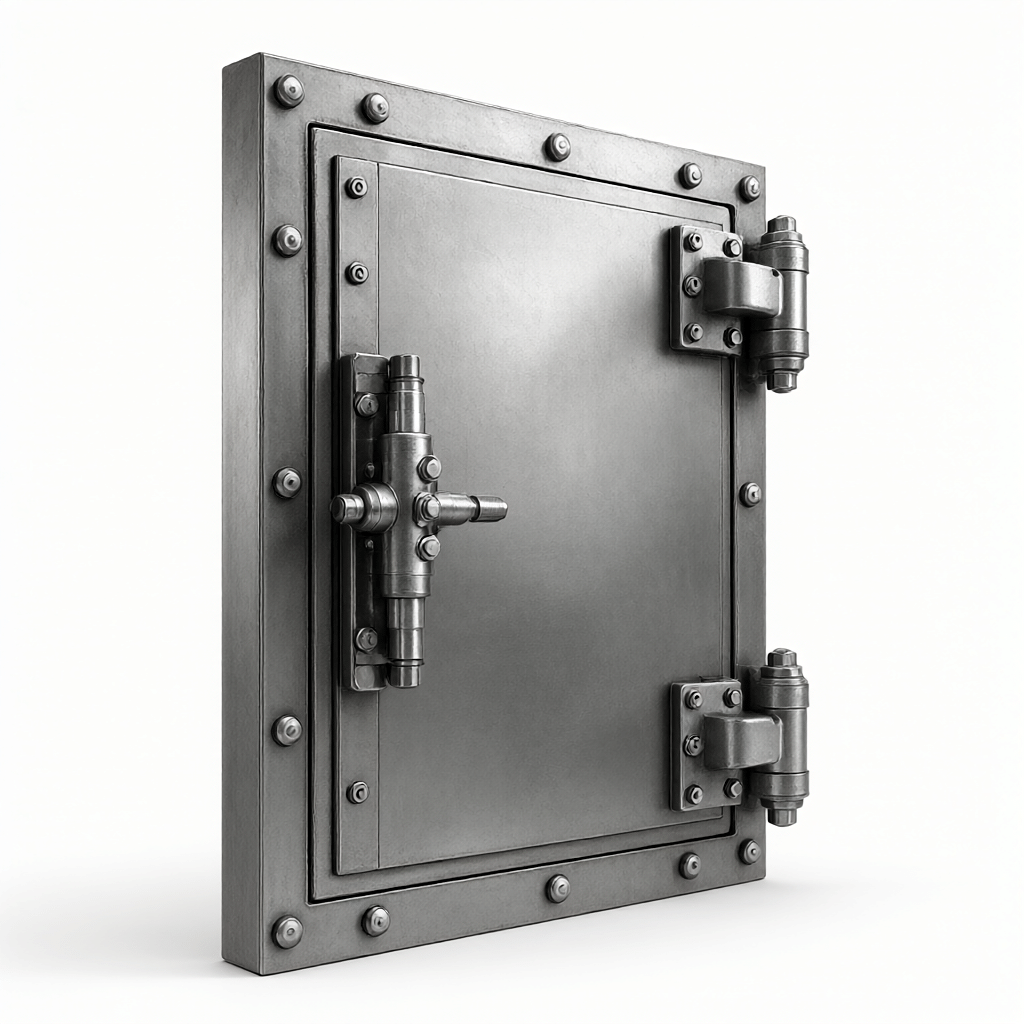
What are the main advantages of sourcing doors from China for Thai buyers?
Chinese door manufacturers operate at scales that make unit economics favorable compared with regional or local alternatives. A door factory direct supply model eliminates middleman margins, which typically represent a significant portion of retail pricing. For hotel project procurement, residential villa development, and commercial building fit-outs, those savings compound quickly across hundreds of units.
Beyond pricing, Chinese manufacturers have matured their capabilities in thermal‑break aluminum door producer systems and engineered solid wood construction over the past decade. Many factories now offer full customization—profile geometry, glass configurations, surface finishes, and hardware selections—so that imported doors can be specified to match design intent rather than forcing buyers to adapt specifications to available stock. For more on how specific door types compare, see our solid wood closet doors overview and our powder coat vs anodized vs PVDF finish comparison.
Which door types perform best in Thailand’s tropical climate?
Thailand’s hot-humid environment demands doors that resist thermal transfer, moisture degradation, and corrosion. Two categories dominate professional specifications for this climate:
- Thermal-break aluminum doors provide strong structural performance with low maintenance. The thermal break—a non-conductive barrier within the aluminum profile—reduces heat transfer significantly compared with standard aluminum frames. These are suitable for casement, sliding, and system door configurations.
- Solid wood doors remain popular for villa and high-end residential applications where aesthetic warmth is prioritized. The critical factor here is species selection and treatment; properly kiln-dried and sealed hardwoods perform well in humid conditions, while lower-grade materials may warp or swell.
For projects requiring fire-rated solutions, understanding rating classifications is essential. Our EI30 vs EI60 vs EI90 fire door rating comparison guide explains how different ratings translate into real-world safety performance.
Casement and sliding mechanisms are both viable; the choice depends on space constraints, ventilation needs, and architectural style. Custom villa doors and windows manufacturers increasingly offer integrated system solutions that coordinate entrance doors with adjacent glazing.
How does a manufacturer align its profile structures and fittings with Thai building codes?
Thai building regulations reference international performance benchmarks, particularly around structural integrity under wind loads and weather exposure. Reputable aluminum door manufacturer China suppliers adjust their profile wall thicknesses, reinforcement strategies, and fitting specifications to meet these expectations. This alignment happens during the engineering phase of a custom order—before production begins—and it requires the manufacturer to understand the target code rather than relying solely on generic export templates.
Key Specifications
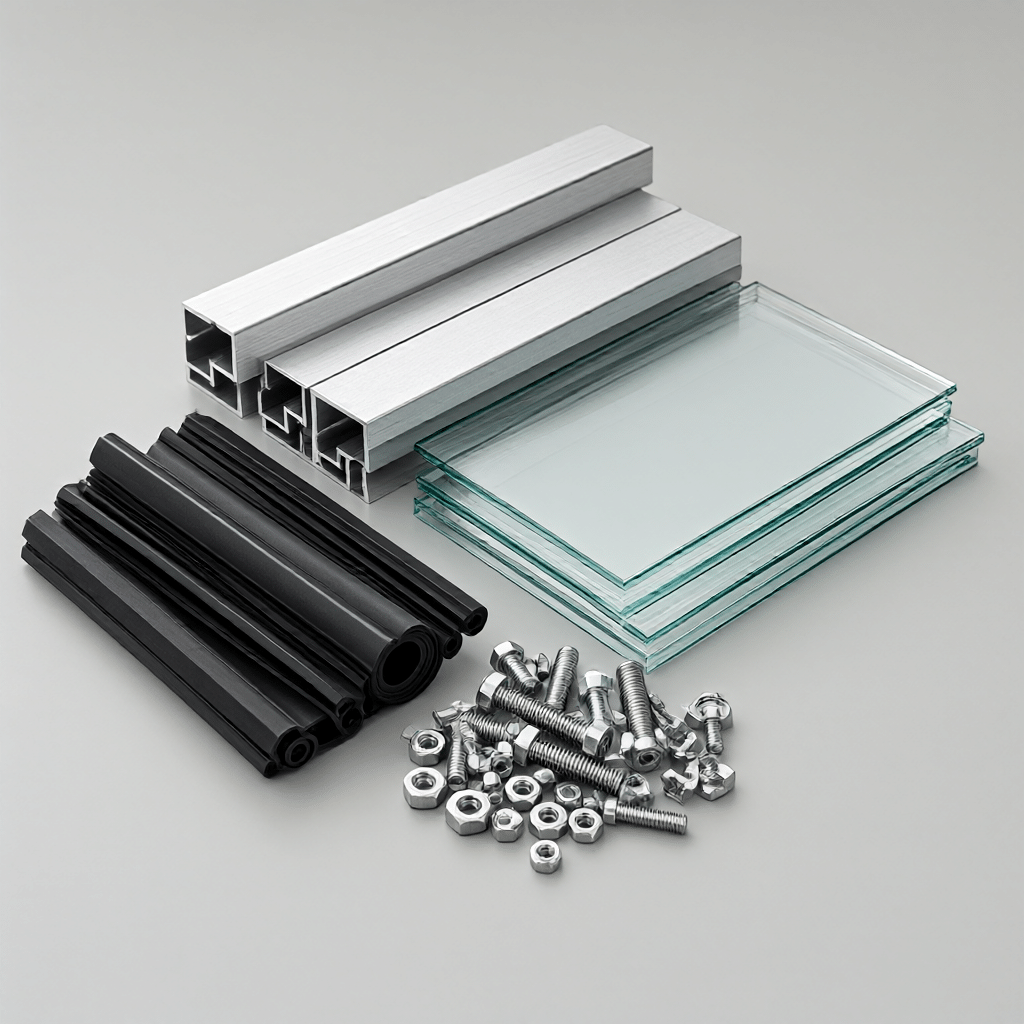
What are the key specs for doors imported from China to Thailand?
Buyers should evaluate specifications across four dimensions: material composition, thermal performance, mechanical testing results, and dimensional tolerance.
| Specification Area | Typical Industry Reference | What to Verify |
|---|---|---|
| Aluminum profile wall thickness | 1.4–2.0 mm for standard systems | Minimum thickness per project wind load requirement |
| Thermal break material | Polyamide nylon strip, 24–60 mm width | Brand and temperature resistance rating |
| Glass configuration | Double-glazed 6+12A+6mm typical | U-value and SHGC ratings for Thailand climate zone |
| Air-tightness class | Class 4–6 per EN 12207 | Test report from accredited laboratory |
| Water-tightness class | Class E750–E1050 per EN 12208 | Pressure rating matching local storm exposure |
| Wind resistance class | Class C3–C5 per EN 12210 | Load distribution test documentation |
| Surface finish durability | Qualitativesalt-spray testing 1000+ hours | PVDF or powder coating specification sheet |
These figures represent industry norms and should be confirmed against your specific project requirements. Performance thresholds vary depending on whether the installation is for a low-rise residential villa or a mid-rise commercial building.
Standards & Requirements
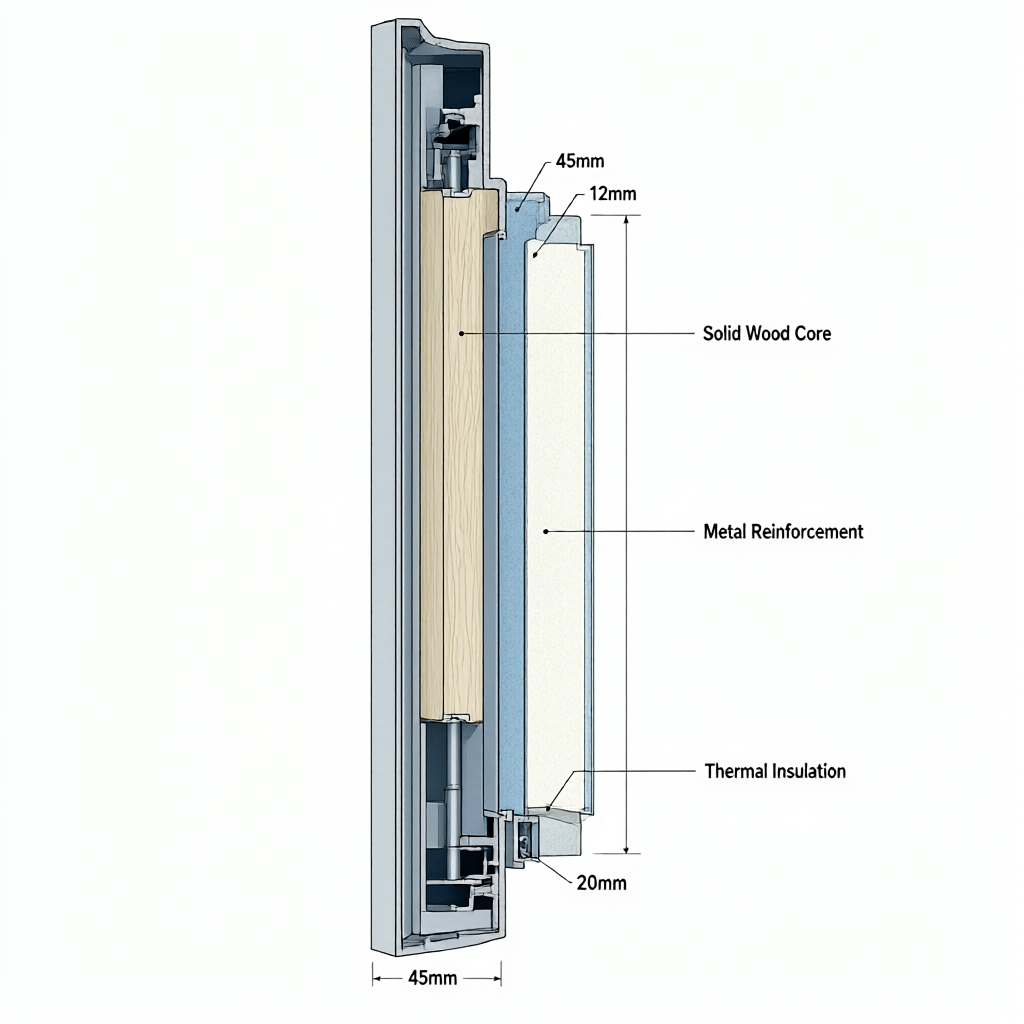
What certifications and test reports are typically required for import into Thailand?
Thai customs and building authorities do not mandate a single universal certification for imported doors, but practical market access requires documentation that satisfies both regulatory review and client specifications. Key documents include:
- Test reports for air-tightness, water-tightness, and wind resistance—ideally from laboratories accredited under ISO/IEC 17025. These tests follow standards such as those published by ASTM International, which develops voluntary consensus standards for product performance across the construction sector.
- Material compliance declarations for aluminum alloys, glass, seals, and coatings.
- Factory production control documentation demonstrating consistent quality management processes.
- Export documentation: packing list, proforma invoice, bill of lading, and customs declaration forms.
Some clients—particularly government projects or largedevelopers—may request additional certificates such as ISO 9001 quality management certification or specific fire-rating certifications for egress doors. Understanding these expectations early prevents rework and delays.
How should pre-shipment quality verification be conducted?
Pre-shipment inspection is the most impactful quality control step in cross-border door procurement. The three tests that matter most for Thailand’s climate are air-tightness, water-tightness, and wind resistance. A responsible manufacturer performs these tests before loading containers and provides written reports with photos or video evidence.
Buyers can request third-party inspection through agencies such as SGS, Bureau Veritas, or Intertek, which conduct on-site verification at the factory prior to shipment. The cost of an independent inspection is minor relative to the risk of receiving non-conforming products after they arrive in Thailand. Our door factory audit checklist for B2B procurement evaluation provides a structured framework for evaluating supplier capabilities during due diligence.
Related Considerations
What is the typical lead time and logistics route from a Chinese factory to Thailand?
Lead times depend on product type and order volume. Standard thermal-break aluminum doors typically require 25–35 days from order confirmation to shipment readiness. Solid wood doors may take longer due to drying and finishing processes. Holiday periods and raw material availability can extend these windows.
Shipping from southern Chinese ports—Guangdong province being the primary manufacturing hub—to Laem Chabang or Bangkok Port takes approximately 5–7 days by sea freight. Buyers choose between FCL (full container load) and LCL (less than container load) based on order size. Our FCL vs LCL for door shipments comparison covers the cost, speed, and risk trade-offs. For planning container capacity, our 20ft container door loading quantity guide provides practical loading references. Understanding door HS code and import duty structure is also important for total landed cost calculation.
How can buyers customize doors for size, material, glass, and hardware?
Customization is where factory-direct sourcing delivers the strongest value. Buyers specify:
- Profile structure: section depth, wall thickness, thermal break width, and color (powder coat, anodized, or PVDF).
- Glass: double or triple glazing, low-E coatings, gas fill options, laminated or tempered variants.
- Hardware: handle type, hinge specification, lock mechanism, and accessories—all adjustable to match local preferences and code requirements.
- Finish and color: RAL or custom color matching for both frame and sash.
System door supplier relationships work best when customization requests are communicated with clear technical drawings or specification sheets rather than general descriptions. This reduces ambiguity and ensures the factory produces exactly what the project requires.
What common pitfalls should be avoided in cross-border door procurement?
Three errors recur frequently:
- Assuming certifications are interchangeable. A test report valid in China may not satisfy Thai client or authority expectations. Always confirm that referenced test standards align with what your project specifies.
- Underestimating packaging requirements. Doors shipped from China require robust crating to prevent damage during transit. Poor packaging leads to field repairs, delayed installations, and hidden costs that erase the price advantage.
- Ignoring fitting adjustments for local codes. Profile structures and hinge placements that work in one market may not comply with another. Suppliers experienced in foreign trade will ask about your target building code and adjust accordingly—but you must raise the question explicitly.
Our MDF doors pricing guide and plywood doors wholesale pricing resources provide additional context on how material choices affect unit economics for bulk orders.
How does a manufacturer align its profile structures and fittings with Thai building codes?
This brings us back to the importance of supplier selection. An experienced wooden door exporter or system door supplier will proactively discuss code requirements during the quotation phase, not after the order is placed. They should demonstrate familiarity with the testing regimes that Thai engineers expect and show willingness to adjust profile designs—such as increasing reinforcement members or modifying gasket arrangements—to meet specific load or weather-tightness targets.
As a manufacturer, our approach to this is straightforward: we begin every inquiry by understanding the destination market and its regulatory context. Our profile structures and fittings are adjustable to match local building codes, and our pre-shipment inspection includes air-tightness, water-tightness, and wind resistance testing on representative samples from each production batch. We provide full export documentation—including packing lists, proforma invoices, and customs paperwork—and support both FCL and LCL shipments directly from our factory in China. Whether you’re specifying custom doors China to Thailand for a villa development or a commercial project, this level of coordination reduces friction and keeps procurement on track.
How Chinese Manufacturers Support the Thai Market
Why China Is a Leading Door Source for Thailand
China has built a concentrated door-and-window manufacturing ecosystem along the Pearl River Delta (Guangdong) and Shandong provinces, giving buyers access to thousands of suppliers within a single logistics corridor. Several factors make this hub especially relevant for Thai purchasers:
- Vertical supply chains: Aluminum extrusion, glass processing, hardware casting, and powder-coating plants often coexist in the same industrial zones, reducing lead times and component costs.
- Export maturity: Many factories hold CE marks, ISO 9001 certification, and experience shipping to Southeast Asian ports including Laem Chabang and Bangkok, making documentation smoother than dealing with a purely domestic producer.
- Custom-engineered output: Factories routinely adjust profile depth, reinforcement layouts, and gasket profiles to match regional wind-load and water-tightness expectations, rather than offering only stock catalog sizes.
For Thai project planners, this means unit prices can fall well below European equivalents while still delivering performance ratings comparable to EN 12207 (air-tightness), EN 12208 (water-tightness), and EN 12210 (wind resistance). Understanding how these ratings translate to real-world installation scenarios helps buyers avoid over-specifying—or under-specifying—on critical elements.
Product Categories Best Suited to Thailand’s Climate
Thailand’s tropical climate imposes specific demands on door assemblies: high ambient heat, intense UV exposure, monsoon rainfall, and elevated humidity levels. The product categories that consistently meet these conditions include:
- Thermal-break aluminum casement and sliding doors: With polyamide strips typically ranging from 24 mm to 60 mm, these profiles limit conductive heat transfer and are available with double or triple glazing to lower U-values for comfort and energy efficiency.
- Solid wood entrance and interior doors: Premium species such as teak, oak, and mahogany—properly kiln-dried to 8–12% moisture content—resist warping and provide long service life in humid environments when sealed correctly.
- System windows and matching entrance doors: Integrated system solutions coordinate thermal breaks, multi-chamber profiles, and compatible hardware, ensuring consistent performance across facade openings.
- Villa-style custom doors and sunroom panels: Large-format configurations combine structural aluminum reinforcements with expansive glazing, ideal for resort and high-end residential projects common in Thailand’s coastal and northern regions.
Selecting the right category depends on whether the priority is thermal control, aesthetic warmth, structural span, or combination glazing. Buyers should request comparative specification sheets before deciding, particularly for high-rise or storm-prone locations.
How to Verify Certification and Test Documentation Before Ordering
Before issuing a purchase order, Thai importers should confirm that the supplier can provide verifiable test reports aligned with recognized standards. While Thailand does not enforce a single mandatory door certification, credible documentation typically includes:
- EN 12207 air-tightness test report (Class 4 minimum for standard residential; Class 5–6 for wind-exposed sites)
- EN 12208 water-tightness test report (Class E750–E1050 depending on local rainfall exposure)
- EN 12210 wind-load resistance report (Class C3–C5 for most Thai building applications)
- U-value certification for glazed units, measured per relevant ISO or ASTM glazing standards
- Surface finish durability testing, such as salt-spray resistance confirming coating longevity
All test reports should originate from ISO/IEC 17025-accredited laboratories. Reputable sources for referenced standards include ASTM International for material and performance benchmarks and the International Organization for Standardization for quality management and testing methodologies. Buyers should treat any supplier unable to produce lab-issued reports as a significant risk flag.
What the Customization Process Looks Like Step by Step
When Thai buyers work with a factory-direct source, the customization workflow generally follows these stages:
- Specification brief: Provide drawings, RAL color references, desired glass configuration, and target hardware selection.
- Profile and engineering review: The factory evaluates wall thickness, thermal-break width, reinforcement spacing, and gasket type against your project’s wind-load and weather-tightness targets.
- Sample or prototype approval: For large orders, a sample unit is produced and tested before full production begins.
- Production confirmation: Once drawings and test parameters are signed off, the factory schedules extrusion, assembly, glazing, and finishing.
- Pre-shipment verification: Representative units undergo air-tightness, water-tightness, and wind-resistance testing before container loading.
This structured process ensures that imported doors match both the design intent and the local environmental demands. It also reduces the likelihood of field modifications after delivery.
Lead Times and Shipping Options from China to Thailand
Lead times depend on product complexity and order volume. A typical schedule looks like this:
- Standard thermal-break aluminum doors: 25–35 days from deposit to shipment readiness.
- Solid wood doors with custom finishes: 35–50 days due to drying, staining, and curing processes.
- Large-scale or highly customized villa systems: 40–60 days, with stage-by-stage progress updates recommended.
Shipping from Guangdong ports to Laem Chabang or Bangkok Port generally takes 5–7 days by sea freight. Buyers choose between FCL (full container load) and LCL (less than container load) based on volume. FCL provides faster transit and lower damage risk; LCL suits smaller orders but requires consolidated warehousing. Regardless of method, the supplier should supply a complete packing list, commercial invoice, bill of lading, and customs declaration package. Understanding the applicable HS code (typically 4418 for wood doors, 7610 for aluminum structures) and estimated import duty helps calculate true landed cost.
How to Conduct Pre-Shipment Quality Verification Effectively
A rigorous pre-shipment inspection protects against defects that are costly to remediate after arrival. The most effective approach includes:
- Visual inspection: Check surface finish integrity, corner joint welds or mechanical locks, handle and hinge alignment, and seal continuity.
- Dimensional check: Measure frame and sash squareness, glass gap consistency, and reveal clearances against approved drawings.
- Performance spot-checks: Request photos or video evidence of air-tightness, water-tightness, and wind-resistance tests performed on production-sample units.
- Packaging audit: Confirm that corners are protected, frames are braced, and crates comply with export-grade standards.
Third-party agencies such as SGS, Bureau Veritas, or Intertek can perform these checks on-site. Their reports provide an independent verification layer that strengthens negotiation positions if non-conformities arise. Skipping this step exposes buyers to hidden repair costs and project delays that far exceed the inspection fee.
Procurement Red-Flag Checklist for Thai Buyers
Avoid suppliers who display any of the following warning signs:
- Inability to produce lab-issued EN or ASTM test reports from ISO/IEC 17025-accredited facilities.
- Refusal to share profile cross-section diagrams or thermal-break specifications.
- Vague answers about reinforcement strategies for wind-load zones.
- No mention of pre-shipment air-tightness, water-tightness, or wind-resistance testing.
- Pressure to pay 100% upfront before any drawing approval or sample review.
- Inconsistent or incomplete export documentation packages.
- Lack of clarity on adjustment flexibility for local building-code requirements.
Any single red flag may indicate a process gap; multiple flags suggest systemic risk. Use a structured scoring framework to compare factories objectively before awarding contracts.
Supplier Evaluation Framework: Scoring Criteria
Use a weighted scoring model to rank potential manufacturers:
| Evaluation Category | Weight | What to Assess |
|---|---|---|
| Certification and test documentation | 25% | ISO accreditation, EN/ASTM reports, lab origin |
| Product customization capability | 20% | Profile adjustments, glass options, hardware range |
| Production lead time reliability | 15% | On-time delivery history, current capacity |
| Quality control process | 15% | Pre-shipment inspection protocol, third-party inspection acceptance |
| Export and logistics support | 10% | Documentation completeness, FCL/LCL handling, shipping experience to Thailand |
| Pricing transparency | 10% | Clear breakdown without hidden markup |
| Communication and responsiveness | 5% | Technical support speed, drawing-review turnaround |
Rank each supplier against these criteria, document scores, and retain comparison records for internal audit trails. This disciplined approach reduces selection bias and improves procurement outcomes.
Practical Questions Thai Buyers Frequently Ask
What are the main advantages of sourcing doors from China for Thai buyers? Factory-direct pricing eliminates middleman margins, customization breadth exceeds most regional alternatives, and mature export infrastructure shortens lead times. Combined with adjustable profile and hardware configurations, Chinese suppliers can deliver performance-matched doors at competitive rates.
Which door types perform best in Thailand’s tropical climate? Thermal-break aluminum doors for maximum weather and thermal performance, solid wood doors for high-end residential aesthetics when properly treated, and system-integrated door-and-window families for unified facade design.
What certifications and test reports are typically required for import into Thailand? Air-tightness, water-tightness, and wind-resistance reports from accredited labs remain essential. Material declarations, factory production control records, and optional fire-rating certificates support regulatory and client reviews.
How can buyers customize doors for size, material, glass, and hardware? By providing detailed specification sheets, approving engineered drawings, selecting glass and finish options, and requesting sample-unit validation before mass production begins.
What is the typical lead time and logistics route from a Chinese factory to Thailand? Approximately 25–50 days depending on product type, with sea freight taking 5–7 days to Laem Chabang or Bangkok Port via FCL or LCL shipments.
How should pre-shipment quality verification be conducted? Through visual, dimensional, and performance inspections—ideally supported by third-party agencies—with documented test reports and packaging audits completed before container sealing.
Choosing the Right Partner
After evaluating specifications, certifications, and supplier scores, the final decision comes down to partnership fit. An experienced exporter treats documentation, testing, and logistics as integral parts of the sale—not as afterthoughts. They proactively align profile structures and fittings with destination-market codes, share transparent test results, and manage export paperwork so Thai buyers receive shipments that arrive ready for installation.
For buyers seeking a manufacturer that combines direct factory supply, full customization on size, glass, hardware, and finish, rigorous pre-shipment testing for air-tightness, water-tightness, and wind resistance, and ready access to both FCL and LCL shipping from China, Jusen Door and Windows operates as a practical option. Their portfolio spans solid wood doors, thermal‑break aluminum doors, system windows, casement and sliding doors, villa-style entries, sunrooms, and aluminum alloy entrance doors—produced under OEM, ODM, and private-label programs for construction-project bulk supply. If you’re evaluating sourcing paths for your next development or renovation project, reviewing their capabilities and discussing your specification sheet with their team can clarify fit before you commit.
Procurement Decision Matrix for Evaluating Chinese Door Suppliers
When comparing multiple Chinese door manufacturers for a Thailand-bound project, a weighted scoring matrix prevents decisions driven solely by unit price. The following criteria reflect whatThai B2B buyers should prioritize based on industry benchmarks.
| Evaluation Criterion | Weight (%) | What to Verify |
|---|---|---|
| Valid test reports (EN 12207, EN 12208, EN 12210) from ISO/IEC 17025-accredited lab | 20% | Lab accreditation certificate, report dates within last 5 years |
| ISO 9001:2015 quality management certification | 15% | Certificate validity and scope covering door production |
| Pre-shipment inspection willingness (third-party or in-house) | 15% | Published QC protocol including air/water/wind tests per batch |
| Customization capability (profile, glass, hardware, finish) | 12% | Portfolio of previous custom orders for SE Asia markets |
| Lead-time reliability (on-time delivery record) | 10% | Historical data or client references for similar order sizes |
| Export documentation readiness (packing list, PI, customs forms) | 8% | Sample documents provided during quotation stage |
| Packaging method for sea freight | 7% | Crating specs, corner protection, moisture barrier details |
| Unit price competitiveness | 10 | Within target range for comparable specifications |
| Responsiveness and communication clarity | 3% | Quotation turnaround time, technical answer quality |
Total score guides selection—projects with strict code compliance priorities should weight test reports and ISO certification higher, while volume-driven residential developments may emphasize lead time and packaging reliability.
Supplier Red Flags: Warning Signs to Avoid
Certain gaps in a supplier’s documentation or behavior indicate elevated procurement risk. Be especially cautious when encountering any of the following:
- Missing or outdated EN test reports. A supplier cannot produce a current BS EN 12207, BS EN 12208, or BS EN 12210 report, or the referenced laboratory is not ISO/IEC 17025 accredited. These three standards govern air-tightness, water-tightness, and wind resistance respectively.
- Inability to provide mill certificates. Aluminum profile suppliers must provide material certificates proving alloy grade (e.g., 6063-T5/T6). Refusal to share these suggests opaque supply chains.
- Refusing third-party inspections. A credible manufacturer welcomes SGS, Bureau Veritas, or Intertek verification before shipment. Insisting on internal inspection only—or delaying scheduling—signals low confidence in product conformity.
- No ISO 9001:2015 certification. While not always mandatory, absence of a recognized quality management system makes consistent production control difficult to verify.
- Generic export templates without customization flexibility. Suppliers offering fixed configurations only, unable to adjust profile thicknesses or fittings for different climate zones, are ill-suited for projects requiring code alignment beyond their domestic market.
- Unusually low pricing with vague specifications. Quotes significantly below market rate often omit reinforcement members, use non-thermal-break aluminum, or skip surface treatments required for high-humidity environments.
Thailand-Specific Regulatory and Import Requirements
Importing doors into Thailand involves several regulatory and practical considerations distinct to the local market.
TISI Certification Thresholds. The Thai Industrial Standards Institute (TISI) mandates certification for certain construction materials. While doors currently fall outside compulsory TISI listing for most categories, government and large-scale commercial projects frequently require TISI-approved test reports or equivalent international equivalents (EN/ASTM) as a condition of award. Buyers should confirm whether the end client expects TISI markings before finalizing specifications.
Import Duty Rates. Under the ASEAN-China Free Trade Agreement, most door products classified under HS code 8302.41 (base metal mountings and fittings) and HS 7610 (aluminum structures and parts) enter Thailand at preferential duty rates ranging from 0% to 5%, depending on exact classification. The general MFN rate for unfinished aluminum doors can reach 8%. Always validate the HS code with a licensed customs broker prior to ordering to avoid misclassification penalties.
BDMS and Project-Specific Compliance Notes. Large hospital and healthcare developer projects in Thailand sometimes adopt supplementary quality clauses aligned with Building Development Management System (BDMS) standards, requiring additional fire-rating documentation and enhanced wind-load testing for coastal installations. These requirements go beyond minimum code and should be addressed during the specification phase, not after production begins.
For further guidance on import documentation and duty optimization, see our door HS code and import duty guide.
Case Study: Thermal-Break Aluminum Door Project in Chiang Mai
A mid-scale villa development in Chiang Mai sourced 320 thermal-break aluminum casement doors from a Guangdong-based manufacturer. The project specification required Class 5 air-tightness (per BS EN 12207:2017), Class E1050 water-tightness, and Class C5 wind resistance, matched to the region’s monsoon exposure and elevation-specific load calculations.
Cost Breakdown:
- Unit price (custom profile, 24 mm thermal break, PVDF powder coat, fitted with Siegenia hardware): US$89 per door
- Total product cost (320 units): US$28,480
- Sea freight FCL (one 40ft HC container + partial LCL for spares): US$3,200
-Thailand import duty (0% under ACFTA): US$0
- Third-party pre-shipment inspection (SGS): US$1,100
- Packaging and crating: US$1,840
- Inland transport to site: US$960
- Total landed cost: US$35,580 → US$111.19 per installed door excluding installation labor
Lead Time:
- Quotation to order confirmation: 8 days
- Production: 30 days (standard priority queue)
- Pre-shipment inspection and documentation: 4 days
- Sea freight (Guangdong → Laem Chabang): 6 days
- Total from order to port arrival: 48 calendar days
Quality Outcomes:
- All 320 doors passed air-tightness (Class 5, measured 240 m³/(m·h)), water-tightness (Class E1050, no leakage at 1050 Pa), and wind resistance (Class C5, deflection within allowable limits) upon arrival inspection.
- One minor discrepancy: two doors had handle color differing from approved RAL sample. Replaced units were shipped via express courier within 10 days at negligible cost relative to total project value.
- Zero structural defects or seal failures reported after 14 months of service through two monsoon seasons.
This outcome demonstrates how a structured procurement approach—clear specification, weighted supplier evaluation, pre-shipment testing, and contingency planning—protects against the most common risks in China-to-Thailand door imports.
Final Section: As a Manufacturer, Here Is How We Meet These Standards
Understanding the procurement framework above makes supplier selection clearer. At Jusen Door and Windows, we operate on the principle that factory-direct sourcing should not mean quality compromise—every order follows the same verification steps a rigorous buyer would demand.
Our profile structures and fittings are adjustable to match local building codes of target markets. When a Thailand-bound order arrives, we begin by reviewing the required performance classes for air-tightness, water-tightness, and wind resistance, then configure reinforcement members, thermal break dimensions, and gasket arrangements accordingly. Our strict pre‑shipment inspection covers exactly those three tests, and we provide written reports with photographic evidence before containers are sealed.
Because we maintain direct supply from our factory, competitive pricing reflects actual production cost without middleman markup. Full customization on size, color, glass, and hardware accessories is available across solid wood doors, thermal‑break aluminum doors and windows, system windows, casement doors, sliding doors, custom villa doors and windows, sunrooms, and aluminum alloy entrance doors. Rich experience in foreign trade means we handle packing lists, proforma invoices, and full customs documents so your clearing agent in Laem Chabang or Bangkok Port encounters no documentation gaps. Shipments arrive via FCL or LCL directly from our facility.
Sources & References
- ASTM International — www.astm.org
- International Organization for Standardization — www.iso.org
- solid wood closet doors — doorwoodendoors.com
- powder coat vs anodized vs PVDF finish comparison — doorwoodendoors.com
- EI30 vs EI60 vs EI90 fire door rating comparison guide — doorwoodendoors.com
- door factory audit checklist for B2B procurement evaluation — doorwoodendoors.com
- FCL vs LCL for door shipments — doorwoodendoors.com
- 20ft container door loading quantity — doorwoodendoors.com
- door HS code and import duty — doorwoodendoors.com
- MDF doors pricing guide — doorwoodendoors.com











