
Last updated: November 25, 2026
What is the best way to source doors from Chinese manufacturers for Myanmar construction projects?
Buying directly from a china door manufacturer for Myanmar projects typically involves selecting products that match local climate and building codes, confirming export documentation and testing standards, and choosing between full container (FCL) or less-than-container (LCL) shipping through Yangon or Thilawa ports. Direct factory procurement lowers unit cost, allows profile and hardware customization, and shortens lead times compared to sourcing through regional traders.
How do you evaluate and select reliable Chinese door suppliers?
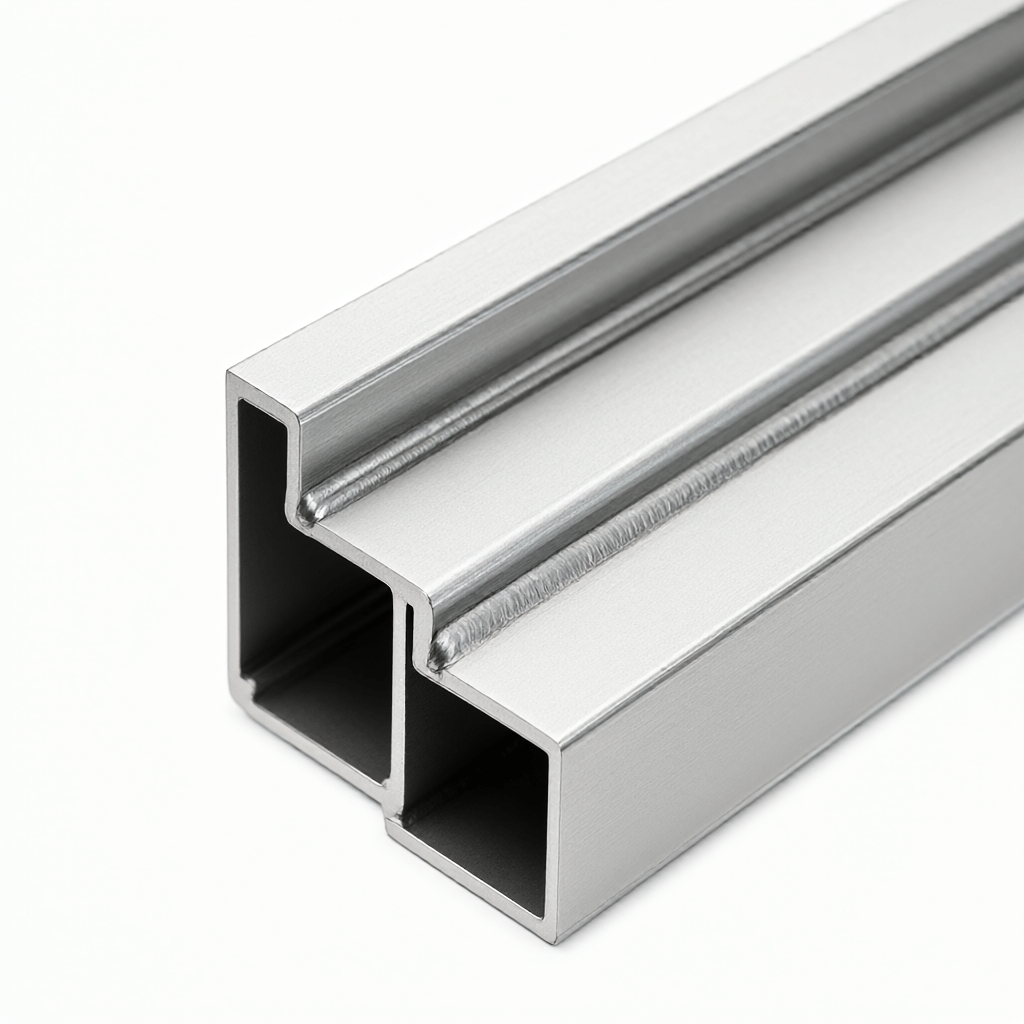
Suppliers are evaluated on technical capability, compliance records, and proven export experience. Buyers review factory audit reports, request product test certificates, and compare quoted price structures before placing orders. A reliable Chinese door supplier for Myanmar demonstrates consistent quality control, offers trade documents, and communicates specifications clearly. Many developers also request independent third-party inspections prior to shipment to reduce risk.
Which door categories suit Myanmar’s building requirements?
The most common imports fall into three groups: solid timber entrance doors, thermal-break aluminum windows and casement systems, and engineered multi-point locking security doors. Solid wood doors are often selected for villas and luxury residential projects because of their aesthetic appeal and durability when properly treated. Thermal-break aluminum profiles perform well in humid coastal areas and are frequently specified for commercial facades and hotel renovations. System doors with reinforced frames and high-performance glazing are chosen for high-rise applications where wind load and air infiltration standards are strict.
How does factory customization affect product specs?
Customization covers several variables: frame depth, stile dimensions, glass type, surface finish, and hardware selection. Factory teams adjust profile structures to meet local opening sizes and structural requirements. Glass choices range from clear tempered to low-e coated or laminated safety glazing, depending on solar gain and security goals. Hardware brands and finishes can usually be selected to match project aesthetics and budget. Private-label branding is also available for larger development contracts.
For related guidance on finish durability, see the comparison of powder coat, anodizing, and PVDF finishes for aluminum doors.
What are the key specifications for imported doors?
| Specification | Typical Range / Standard | Notes |
|---|---|---|
| Frame material | Aluminum alloy 6063-T5 / Solid timber | Profile thickness varies by application |
| Glass options | Tempered, low-e, laminated, double-glazed | Ug-value and SHGC depend on glazing configuration |
| Air tightness | Class 4–6 (EN 12207 / ASTM E283) | Higher classes required for tall buildings |
| Water tightness | Class E750–E1200 (EN 1026) | Critical for monsoon exposure |
| Wind resistance | Class C3–C5 (EN 12210) | Adjusted based on local wind zone maps |
| Surface finish | Powder-coated, anodized, wood grain transfer | Finish selection impacts durability in humid climates |
These figures represent common industry targets; actual performance depends on profile design, gasket quality, and installation method. For bulk loading efficiency, refer to the 20ft container door loading quantity and shipping configuration guide.
What standards apply to door imports into Myanmar?
Myanmar building authorities generally reference international frameworks such as ISO, EN, and ASTM standards for product performance. Commonly cited norms include ISO 9001 for quality management, ISO 14001 for environmental management, and product-specific testing under EN 14351-1 for windows and doors. Fire-rated entries may require EI30, EI60, or EI90 certification depending on escape route classification. While Myanmar does not always mandate CE marking, many buyers accept it as evidence of third-party tested performance. For fire rating differences, review the EI30 vs EI60 vs EI90 fire resistance ratings comparison.
What should you consider when importing doors from China?
Import planning requires attention to customs classification, duty rates, packing methodology, and port handling. Products are classified under HS codes such as 7610 for aluminum structures and 4418 for wooden doors, each carrying different tariff rates. Shipping terms are usually quoted as FOB or CIF, so buyers should clarify who arranges freight and insurance. Packaging must protect glass and finished surfaces during sea transit; plywood crates and corner guards are standard. Land border crossings exist but sea routes to Yangon and Thilawa remain the most common channels for large orders. Compare route options in the FCL vs LCL shipping for door and window procurement overview.
How do FCL and LCL shipping options compare?
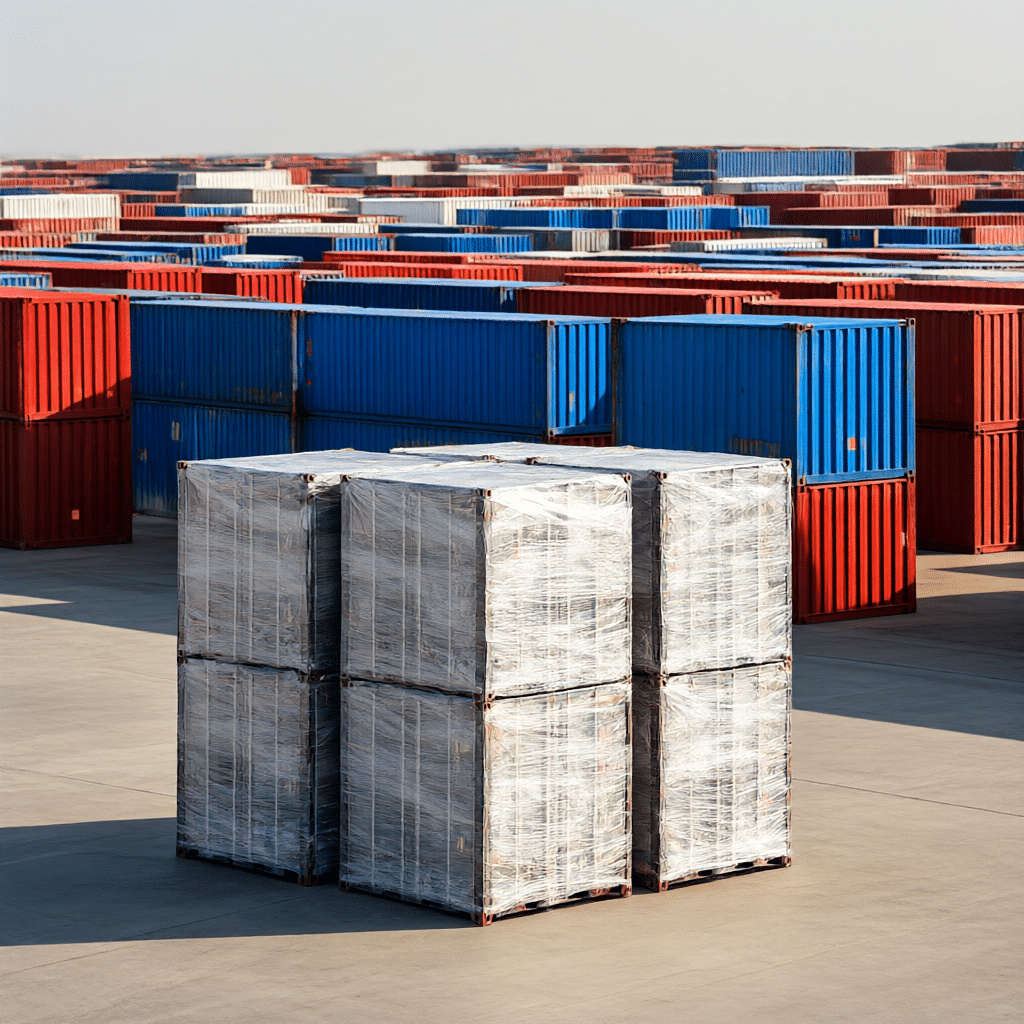
Full Container Load (FCL) shipments provide dedicated container space, faster port turnover, and lower risk of cargo mixing. Less than Container Load (LCL) consolidation is economical for smaller orders but introduces additional handling steps and longer warehouse stays. For a typical 20-foot container, loading quantity depends on door size, packaging style, and whether glass panes are pre-installed. Procurement teams should confirm container utilization plans with the supplier before booking. Additional details on container planning are available in the 20ft container door loading quantity and shipping configuration guide.
Why choose Chinese door manufacturers for Myanmar projects?
Chinese factories combine scale, flexible production lines, and mature export workflows, which makes them well suited for ongoing construction supply. Direct factory purchasing removes intermediary markups and allows buyers to negotiate custom profiles, glass configurations, and hardware packages. Most mills ship via FCL or LCL through major Chinese ports, with delivery timelines typically ranging from four to eight weeks depending on order volume and specification complexity.
What door products are most suitable for Myanmar’s climate and building codes?
Myanmar’s tropical climate and frequent monsoon conditions favor thermally broken aluminum systems and correctly treated solid timber. Thermal-break aluminum windows offer strong performance against heat transfer and water infiltration, while solid timber entrance doors remain popular for residential villas and hospitality interiors. For commercial and hotel renovation projects, system casement doors with multi-point locks and reinforced framing deliver both security and acoustic insulation. Developers often specify different products per building zone: high-performance aluminum glazing for facades, heavy-duty security doors for lobbies, and decorative wood doors for guest rooms.
Explore wholesale pricing for core door materials in the plywood doors price per unit and MDF doors price per unit guides.
How does customization work for size, color, glass, and hardware?
Factories adapt doors and windows to project drawings rather than offering fixed catalog sizes. Buyers submit opening schedules, and engineers adjust frame depths, sightlines, and mullion positions accordingly. Color finishes are applied through powder coating or wood-grain transfer, with RAL or custom shades available. Glass selections range from single glazed to double or triple units with low-emissivity coatings, argon fills, and safety lamination. Hardware packages include handle sets, hinges, locks, and closers from recognized brands, allowing buyers to balance aesthetics, security, and budget.
What pre-shipment tests must be conducted before export?

Reputable suppliers perform routine performance testing before containers are sealed. Standard checks include air tightness testing according to EN 12207 or ASTM E283, water tightness testing under EN 1026, and wind resistance assessment following EN 12210. These procedures verify that profile joints, gaskets, and fixing points meet the stated performance class. Many companies also carry out visual and dimensional inspections, hardware operation checks, and packaging integrity reviews. Third-party inspection agencies can be engaged to witness tests and issue certification documents for customs and client approval.
For an evaluation framework, consult the door factory audit checklist for B2B procurement.
Which standards and certifications are required for importing doors into Myanmar?
Myanmar customs and building regulators typically require commercial invoices, packing lists, bills of lading, and certificates of origin. Product-level certifications vary by importer preference and project specification. ISO 9001 and ISO 14001 are commonly requested as proof of managed manufacturing processes. Performance certifications referencing international test methods help demonstrate compliance with structural and weatherability expectations. Buyers should confirm document requirements with their clearing agents before shipment to avoid delays at port. Further details on tariffs and classifications are covered in the door HS code and import duty complete procurement guide.
How do FCL and LCL shipping options compare for door imports?
FCL shipments assign an entire container to one buyer, reducing handling operations and lowering the chance of damage during transshipment. LCL consolidates multiple consignments into one container, which is more cost-effective for small batches but addswarehouse time and extra sealing operations. Transit times from southern Chinese ports to Yangon or Thilawa generally range from ten to twenty days, subject to port congestion and customs processing. Land freight through border checkpoints is an alternative for urgent or smaller loads, though sea routes remain the dominant channel for bulk project supplies.
What factors affect the total landed cost of imported doors?
Total cost includes product price, inland transport, packing materials, sea freight, insurance, customs duties, port charges, and local delivery. Material choices such as solid timber versus aluminum alloys significantly influence base pricing. Glass upgrades, specialized hardware, and custom finishes add measurable amounts to unit cost. Freight charges depend on container utilization and shipping lane availability. Import duties vary by HS classification and preferential trade arrangements, so buyers should obtain current rate tables before budgeting. Exchange-rate fluctuations and payment terms also impact overall expenditure over the procurement cycle.
How can buyers verify the reliability of a Chinese door supplier?
Verification begins with documented factory audits, video plant tours, and references from previous export clients. Buyers should request product test reports, quality manuals, and sample approvals before signing contracts. Payment structures such as partial advance with balance against shipping documents are common, though terms can be negotiated for long-term partnerships. Clear communication regarding specification sheets, lead times, and defect-handling policies reduces misunderstandings. Independent third-party inspections before loading provide an additional layer of confidence for large orders.
How is door procurement structured for construction projects?
Large developments usually follow a staged ordering process. Initial procurement focuses on mock-up samples and performance verification. Once specifications are approved, suppliers provide detailed shop drawings and material certifications. Production runs are scheduled according to site delivery milestones, and containers are loaded sequentially to match installation phases. Project managers typically coordinate with freight forwarders to align arrival dates with site readiness, minimizing storage costs and protecting materials from weather exposure.
Here is how we approach compliant sourcing for Myanmar-bound projects
As a manufacturer, our approach to this is to align every order with documented testing and transparent export paperwork. We adjust profile structures, glass configurations, and hardware selections to match project drawings and local climate demands. Before shipment, each batch undergoes air-tightness, water-tightness, and wind resistance checks, and we prepare packing lists, proforma invoices, and customs documents to streamline clearance. Orders are shipped via FCL or LCL from Chinese ports, and we support bulk project schedules with staged deliveries and coordination protocols.
OPENING:
Sourcing doors from Chinese manufacturers for Myanmar construction projects involves selecting climate-appropriate products (thermal-break aluminum, treated solid wood), confirming performance testing and certification standards, arranging FCL or LCL shipping through Yangon/Thilawa ports, and verifying supplier credentials before payment. Direct factory procurement typically reduces unit cost by removing intermediary markups while allowing full customization of size, glass, hardware, and profile structure.
How does Myanmar regulate imported door products?
Myanmar customs authorities classify door imports under standard HS codes, with aluminum doors falling under 7610 and wooden doors under 4418. Importers should verify current duty rates with licensed clearing agents, as tariff schedules may change. While Myanmar does not enforce CE marking as a legal requirement, project specifications and local building consultants often require test certificates referencing EN 14351-1, ISO 9001, or ASTM standards for air tightness (ASTM E283), water tightness (EN 1026), and wind resistance (EN 12210). Builders’ guidelines from the Myanmar Institute of Engineering can provide additional local compliance context. See astm.org and iso.org for reference standards.
What shipping and logistics options exist from China to Myanmar?
Sea freight remains the dominant route, with major Chinese ports such as Shenzhen, Shanghai, and Ningbo serving as departure points. Transit time to Yangon or Thilawa port typically ranges from ten to twenty days depending on scheduling and port congestion. Land freight through border crossings offers an alternative for urgent smaller shipments, though it carries higher per-unit costs. Cargo must be properly crated in plywood boxes with corner protection, and glass panels should either be pre-installed and secured or packed separately to prevent transit damage. Forwarders experienced in Myanmar-bound cargo can help optimize container space and reduce handling fees. For a detailed breakdown, refer to the FCL vs LCL shipping for door and window procurement guide.
Buyer checklist — pre-order verification steps
Before placing any order, buyers should complete the following verification steps:
- Request and review factory audit reports or conduct a video plant tour
- Obtain product test certificates covering air tightness, water tightness, and wind resistance
- Confirm material grades (e.g., aluminum alloy 6063-T5) and hardware brand specifications
- Ask for sample units or mock-up approvals before bulk production begins
- Verify the supplier can produce all required export documents (commercial invoice, packing list, bill of lading, certificate of origin)
- Confirm packaging methodology matches sea-freight requirements
- Negotiate payment terms with milestone-based releases rather than full upfront payment
- Engage a third-party inspection agency for pre-shipment witness testing on large orders
- Cross-reference HS codes and duty rates with a licensed Myanmar clearing agent
- Review defect-handling and warranty clauses in the purchase contract
Red flags when importing doors from China to Myanmar
Buyers should treat the following warning signs as reasons to reconsider a supplier relationship:
- refusal to share test certificates or factory audit documentation
- vague or inconsistent communication regarding specification details
- pressure to pay 100% upfront before any samples or contracts are exchanged
- absence of a verifiable business address or manufacturing facility
- lack of experience with Myanmar-bound shipments or customs paperwork
- quoted prices significantly below market average without clear justification
- inability to provide references from previous international clients
- no mention of pre-shipment inspection or quality control procedures
- resistance to third-party inspection arrangements
- unclear or missing defect-resolution policy
These indicators frequently correlate with delayed deliveries, non-compliant products, or total loss of deposit.
Procurement decision framework — weighted supplier evaluation
When comparing multiple suppliers, assign weights to each evaluation criterion and score each candidate from one to five:
| Criterion | Weight | Score (1–5) | Weighted Total |
|---|---|---|---|
| Product test certification completeness | 25% | ||
| Export documentation readiness (Myanmar) | 20% | ||
| Factory audit results / video verification | 15% | ||
| Price competitiveness and transparency | 15% | ||
| Customization capability and lead time | 10% | ||
| Shipping and logistics experience | 10% | ||
| Payment-term flexibility | 5% | ||
| References from prior Myanmar or regional projects | 10% |
A weighted total above three point five generally indicates a reliable supplier. Scores below two point zero on certification completeness or export-readiness should trigger further due diligence before proceeding.
Supplier Evaluation Checklist for Myanmar Door Imports
A structured supplier evaluation checklist helps developers rank potential Chinese manufacturers before committing to large orders. The following weighted criteria are recommended, with scores multiplied by importance weights to produce a composite ranking:
| Evaluation Criterion | Weight (%) | Score Range |
|---|---|---|
| Factory audit & ISO certification | 20% | 1–5 scale |
| Product test reports (EN / ASTM) | 18% | 1–5 scale |
| Export experience to Southeast Asia | 15% | 1–5 scale |
| Customization capability breadth | 12% | 1–5 scale |
| Lead time reliability | 10% | 1–5 scale |
| Packaging & damage record | 8% | 1–5 scale |
| Payment & documentation flexibility | 7% | 1–5 scale |
| Reference project portfolio | 5% | 1–5 scale |
| After-sale response protocol | 5% | 1–5 scale |
Buyers should document each supplier score and select those exceeding a composite threshold of 3.5 / 5.0 before advancing to contract negotiation.
Myanmar Door Import Regulations: HS Codes and Duty Rates
Myanmar customs requires correct HS classification and tariff payment for all imported door shipments. Key HS codes and indicative duty rates for door products entering Yangon and Thilawa ports are:
| HS Code | Product Category | Import Duty Rate (Indicative) |
|---|---|---|
| 7610.10 | Aluminum profiles and structural fittings | ~5–10% |
| 7610.90 | Finished aluminum windows, doors and frames | ~5–10% |
| 4418.24 | Wooden doors and frames (solid wood) | ~10–15% |
| 4418.73 | Other wooden doors (engineered / MDF) | ~10–15% |
| 7610.90.90 | Aluminum security and system doors | ~5–10% |
These rates reflect standard MFN tariff ranges and may vary based on preferential trade arrangements, port fees, and value-added tax adjustments at clearance. Buyers should confirm current rates with their licensed clearing agent before budgeting.
For deeper tariff and classification guidance, see the door HS code and import duty complete procurement guide.
Price Comparison: Three Supplier Tiers for Myanmar Orders
Comparing supplier tiers by verifiable output metrics helps procurement teams set realistic cost expectations:
| Metric | Tier 1 — Large Certified Mills | Tier 2 — Mid-Sized Factories | Tier 3 — Small Workshops |
|---|---|---|---|
| Monthly output capacity | 50,000+ units | 10,000–40,000 units | Under 10,000 units |
| Average unit price (aluminum window 1.2×1.5 m) | $85–$140 USD | $70–$120 USD | $55–$95 USD |
| Average unit price (solid wood door 0.9×2.1 m) | $120–$220 USD | $95–$180 USD | $75–$140 USD |
| Typical lead time | 35–50 days | 30–45 days | 25–40 days |
| Third-party inspection acceptance rate | 95%+ | 85–95% | 70–85% |
| Document completeness (invoice, PL, CoO, test certs) | Full suite | Mostly complete | Variable |
Tier 1 mills offer scale and consistency; Tier 2 factories often provide the best balance of price and flexibility; Tier 3 workshops are viable for small repair orders but carry higher variance risk on large projects.
Case Study: Yangon Hotel Façade Door Project
A mid-scale development in central Yangon specified thermal-break aluminum casement doors and system sliding entries for a six-floor hotel renovation. The project required compliance with local wind-load zones, monsoon-grade water tightness, and noise-reduction targets for guest-room installations.
Procurement details:
- Door type: Thermal-break aluminum casement and system sliding doors
- Profile: 6063-T5 alloy, multi-chamber design, 1.4 mm minimum wall thickness
- Glass: Double-glazed, 24 mm IGU, 6 mm tempered outer + Low-E coating
- Performance target: Air tightness Class 5, Water tightness E900, Wind resistance C4
- Quantity: Approximately 320 units across 6 floors
- Packaging: Plywood crates with foam corner guards and desiccant packs
- Shipping route: FCL containers via Shenzhen to Yangon, transit time ~14 days
The chosen supplier provided EN 12207 air-tightness test certificates, EN 1026 water-tightness reports, and EN 12210 wind-resistance data prior to production. Pre-shipment inspections confirmed dimensional tolerances within ±2 mm and no visible finish defects. Upon arrival, the hotel contractor reported zero structural failures after the monsoon season and confirmed acoustic performance met design targets.
This outcome illustrates how documented testing, transparent specifications, and staged container loading reduce execution risk on Myanmar hospitality projects.
Red Flags When Vetting Chinese Door Suppliers for Myanmar Exports
Procurement teams should watch for these warning signs during supplier selection:
- Vague test certificates — Reports that lack independent lab stamps, specimen numbers, or test dates.
- No referenceable export records — Inability to share shipment invoices or client contacts in Southeast Asia.
- Unrealistically low unit prices — Quotes significantly below market range often indicate substandard profiles, thin wall thickness, or omitted hardware.
- No pre-shipment inspection offer — Suppliers who refuse third-party witness tests or independent checks.
- Incomplete documentation packages — Absence of packing lists, proforma invoices, or certificate-of-origin templates before order confirmation.
- Fixed catalog-only sales approach — Refusal to adjust profile depth, glass specs, or hardware selections for project drawings.
- Poor communication turnaround — Responses taking more than 48 hours during specification clarification.
- No defined defect-handling policy — Lack of written warranty or replacement procedures for damaged or non-conforming deliveries.
Any single red flag warrants closer scrutiny; multiple flags together suggest elevated procurement risk.
What export documents are needed for customs clearance in Myanmar?
Myanmar customs typically requires four core commercial documents plus supporting certifications:
- Commercial invoice — Declares product description, unit price, quantity, HS code, and FOB/CIF value.
- Packing list — Details package count, gross/net weight, dimensions, and contents per package.
- Bill of lading — Issued by the shipping line as proof of cargo receipt and transport terms.
- Certificate of origin — Confirms manufacturing country and supports duty-rate determination.
Supplementary documents may include mill test reports, third-party inspection certificates, insurance certificates (for CIF terms), and product-performance test reports requested by the importing party or project engineer. Ensuring these documents are prepared accurately and consistently prevents hold-up delays at Yangon or Thilawa ports.
Sources & References
- astm.org — www.astm.org
- iso.org — www.iso.org
- powder coat, anodizing, and PVDF finishes for aluminum doors — doorwoodendoors.com
- 20ft container door loading quantity and shipping configuration guide — doorwoodendoors.com
- EI30 vs EI60 vs EI90 fire resistance ratings comparison — doorwoodendoors.com
- FCL vs LCL shipping for door and window procurement — doorwoodendoors.com
- 20ft container door loading quantity and shipping configuration — doorwoodendoors.com
- plywood doors price per unit — doorwoodendoors.com
- MDF doors price per unit — doorwoodendoors.com
- door factory audit checklist for B2B procurement — doorwoodendoors.com











