
Last updated: November 25, 2026
Sourcing cold-climate doors from verified Chinese manufacturers for Norway requires matching products to NS‑EN 14351 performance classes, obtaining CE marking under the EU Construction Products Regulation, and managing FCL/LCL logistics with full customs paperwork. Norwegian buyers typically look for solid wood, thermal‑break aluminum, and system entrance doors with U‑values ≤1.2 W/(m²·K), air class 4, water class E1050+, and wind class C5/C6. The guide below covers standards, specifications, procurement checklists, pricing benchmarks, and a trusted manufacturer partner to streamline your order.
Quick Answer
Sourcing doors from a china door manufacturer for Norway requires identifying suppliers that can produce products meeting Norwegian cold‑climate performance standards (NS‑EN 14351, TEK17), obtain CE marking under EU Construction Products Regulation, and manage FCL/LCL shipping with full customs documentation. Norwegian buyers typically specify solid wood doors, thermally broken aluminum doors, and system entrance doors with U‑values below 1.2 W/(m²·K) and high air/water/wind classes. Verification involves factory audits, third‑party testing, and clear communication of project requirements before order placement.
Detailed Explanation
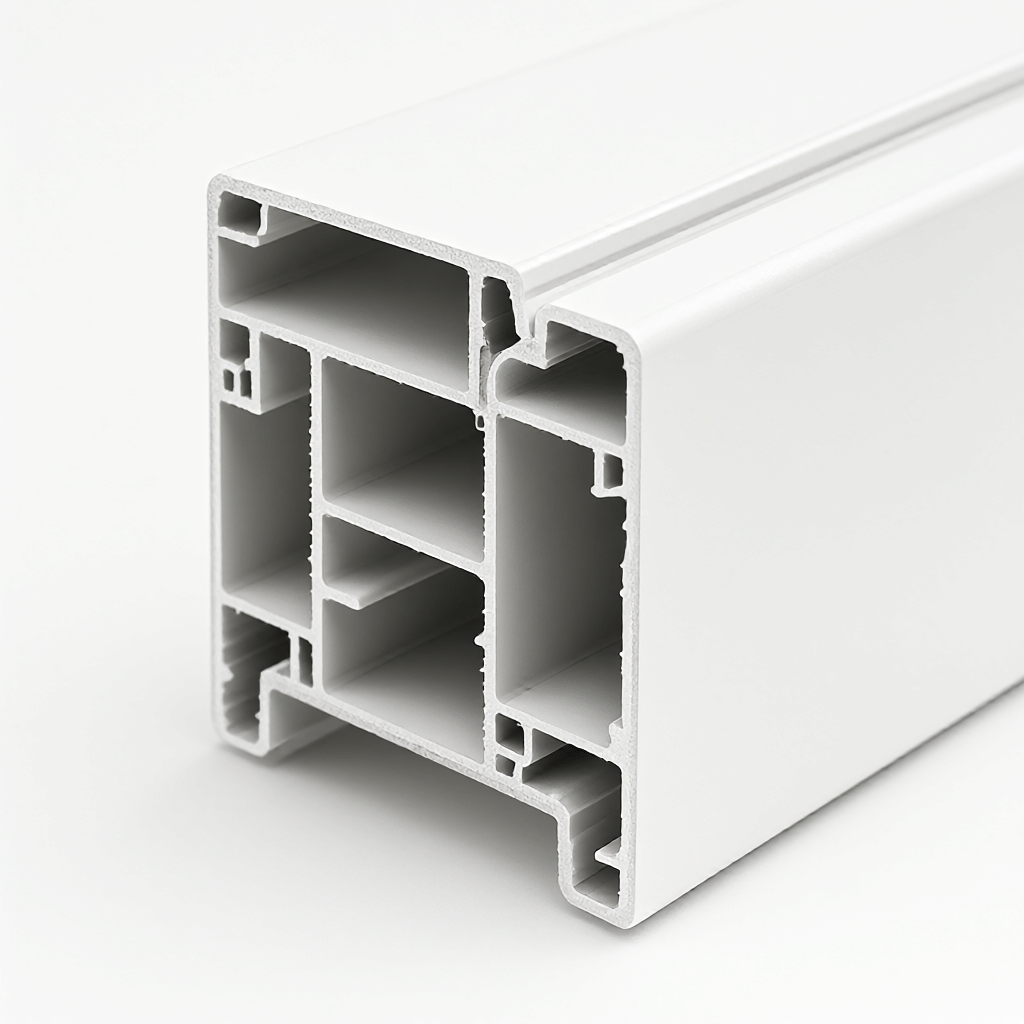
What does a Chinese door manufacturer for Norway actually supply?
Chinese manufacturers export a broad range of door systems to Norway, primarily catering to three segments: multi‑unit residential developments, villa and custom‑home projects, and hotel/hospitality builds. Typical product categories include solid wood entry doors, thermal‑break aluminum casement and sliding patio doors, system entrance doors, and fire‑rated EI30/EI60 models. Manufacturers often operate as OEM/ODM partners, allowing buyers to customize profile structures, glass types, hardware brands, and surface finishes to match local building codes and architectural preferences.
Order models usually follow either project‑based bulk procurement (FCL container loads) or replenishment orders for distributors. Minimum order quantities (MOQs) vary by product type—solid wood doors may start at 20–30 units, while aluminum systems can be ordered by container load (approx. 80–120 pairs per 40HQ). Lead times generally range from 30 to 45 days after deposit receipt and drawing approval.
Why Norwegian buyers source doors from China
The primary drivers are cost advantage, material and design variety, and high production capacity. Chinese factories benefit from integrated supply chains for aluminum extrusion, hardwood processing, and hardware assembly, which reduces unit costs significantly compared to European manufacturing. Buyers gain access to specialized configurations—such as ultra‑high nuclear (UHN) rated doors, narrow‑frame modern systems, and custom color anodizing—that may be costly or unavailable locally.
Additionally, experienced Chinese exporters have developed robust procedures for CE certification, test reporting, and document preparation tailored to EEA imports. This makes the sourcing process more predictable than engaging smaller regional suppliers with limited export experience.
How does the cold Nordic climate affect door specification choices?
Norway’s climate zones demand doors with superior insulation, weather resistance, and durability against moisture and freeze‑thaw cycles. Key performance indicators include:
- Thermal transmittance (U‑value): Typically ≤1.2 W/(m²·K) for exterior doors in cold regions.
- Air tightness: Class 4 or higher (EN 12207).
- Water tightness: Class E1050 or above (EN 12208).
- Wind load resistance: Class C5 or C6 depending on building height and location (EN 12210).
Buyers often specify double or triple glazing with argon fill and low‑emissivity coatings for glazed doors, along with high‑performance gasket systems. Solid wood doors require proper seasoning and protective finishes to prevent warping, while aluminum profiles must incorporate thermally broken designs to minimize condensation and heat loss.
Key Specifications
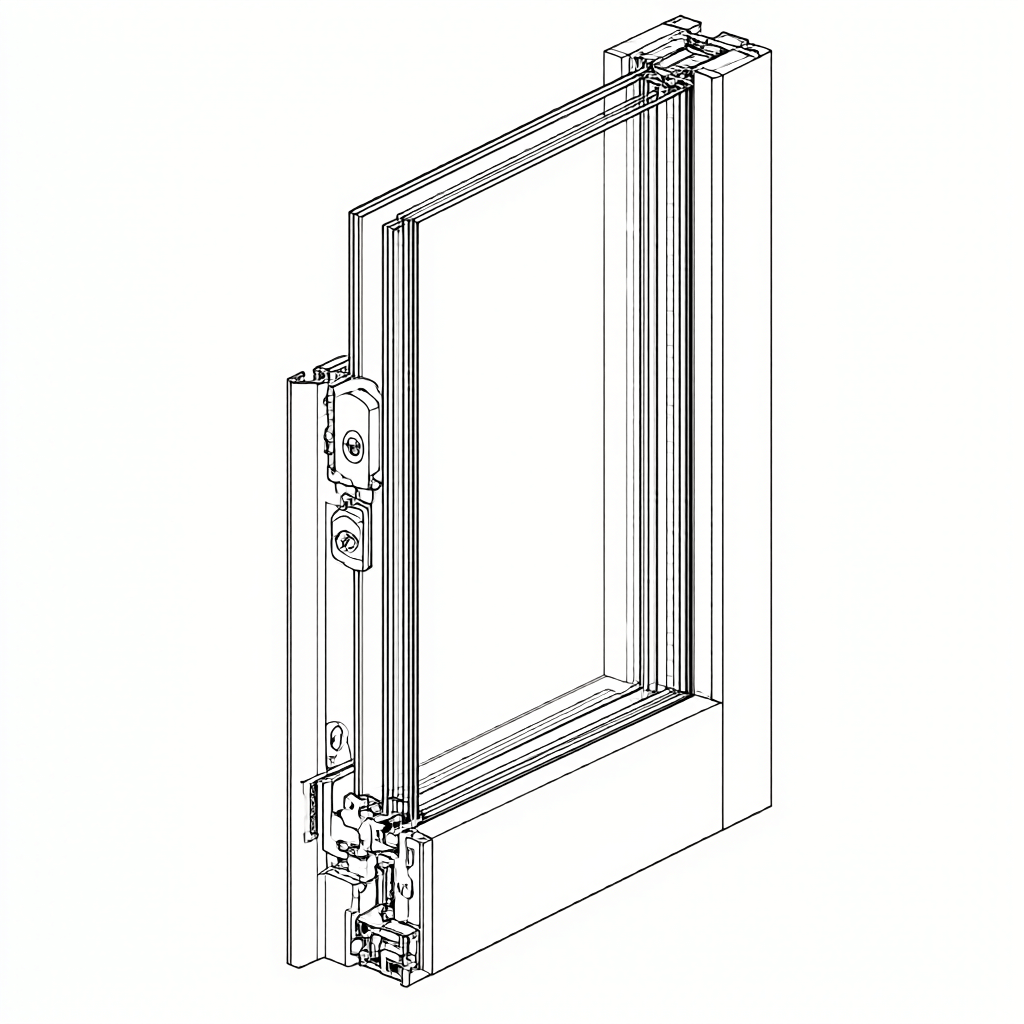
What are the key specs for doors imported to Norway?
| Parameter | Typical Requirement | Testing Standard |
|---|---|---|
| U‑value | ≤1.2 W/(m²·K) | NS‑EN 10077 / ISO 10077 |
| Air permeability | Class 4 | EN 12207 |
| Watertightness | Class E1050+ | EN 12208 |
| Wind load resistance | Class C5/C6 | EN 12210 |
| Acoustic reduction | ≥30 dB (optional) | EN 14351‑1 |
| Fire rating | EI30/EI60 (if required) | NS‑EN 1634‑1 |
Additional specifications often include:
- Glass: Double/triple glazing, 24–42 mm cavity, argon fill, soft‑coat low‑E.
- Hardware: High‑cycle corrosion‑resistant hinges, multi‑point locks, handles sized for glove use.
- Finish: PVDF powder coating (for aluminum) or moisture‑stable paint/stain (for wood).
These parameters align with the TEK17 Norwegian building regulations, which mandate minimum energy‑efficiency levels for envelopes.
Standards & Requirements
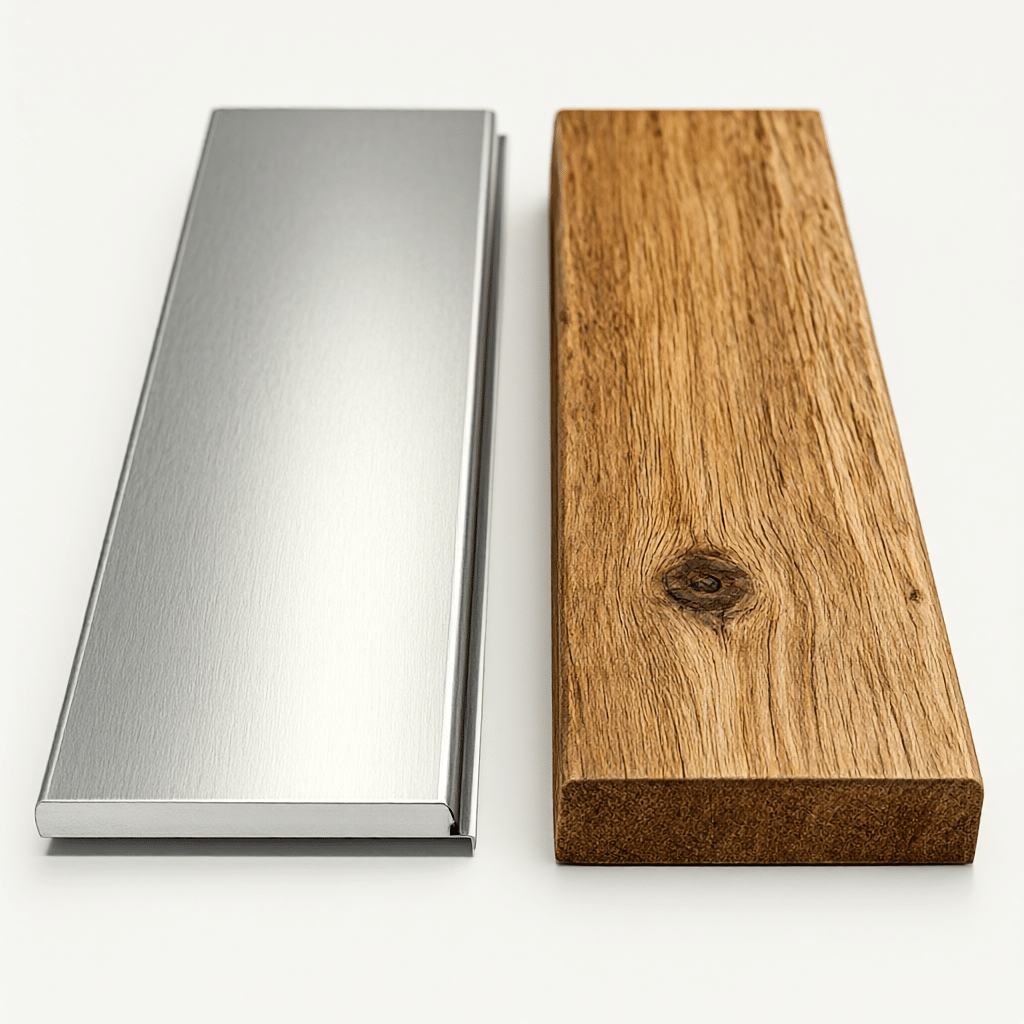
Which certifications and standards apply?
Doors sold in Norway must comply with EU Construction Products Regulation (CPR) and carry CE marking based on harmonized standards. The relevant family of standards is NS‑EN 14351‑1 (windows and doors). Manufacturers must have their products tested by an approvedNotified Body and issue a Declaration of Performance (DoP).
Key standards include:
- NS‑EN 14351‑1: Performance characteristics for windows and doors.
- NS‑EN 13501‑2: Fire classification of construction products.
- ISO 9001: Quality management systems (factory prerequisite).
- ISO 14001: Environmental management (increasingly requested).
CE marking is not optional for doors placed on the market in Norway due to its EEA membership. Importers or their authorized representatives must ensure the DoP is available and that the product matches the declared performance. For detailed guidance on regulatory compliance, see resources from ISO on product certification processes.
What documents are needed for customs clearance?
A complete shipment typically requires:
- Commercial invoice
- Packing list
- Bill of lading
- Certificate of origin (Form A or EUR.1 if applicable)
- CE Declaration of Performance
- Test reports (airtightness, watertightness, wind load, U‑value)
- Insurance certificate (if CIF terms)
Norwegian Customs (Tollvesenet) may charge VAT (mva) at 25% on the total value (CIF amount). Import duties for doors are generally low (HS codes 8302.10, 8306.29), but buyers should verify current rates. Our door HS code & import duty guide outlines typical classifications and provides updated references.
Related Considerations
How do I evaluate and select a reliable Chinese manufacturer?
Verification should include:
- Factory audit – Review production lines, quality control processes, and R&D capability. Use our door factory audit checklist to structure your assessment.
- Certification validation – Confirm CE‑marking credentials, test lab accreditations, and ISO certificates.
- Reference projects – Ask for case studies or contact lists of previous Norwegian/European clients.
- Sample evaluation – Order pre‑production samples to inspect finish, hardware operation, and overall workmanship.
- Communication responsiveness – Prompt, clear replies indicate professionalism and reduce mis‑specification risks.
What logistics and documentation steps are involved?
Shipping doors from China to Norway is commonly done via FCL (Full Container Load) to Oslo/Kristiansand. A 20ft container holds roughly 30–50 pairs of doors depending on size, while a 40HQ container can accommodate 80–120 pairs. For smaller orders, LCL (Less than Container Load) is possible but increases handling risk and transit time. See our comparison of FCL vs LCL shipping for door procurement for cost and risk trade‑offs.
Incoterms such as FOB, CIF, or DAP define responsibility for freight, insurance, and customs. Most buyers prefer FOB Shanghai/Ningbo, then arrange main carriage independently. Pre‑shipment inspection by a third‑party agency (SGS, TÜV) is recommended to verify quantity, dimensions, and packaging before loading.
How do experienced manufacturers adapt to Norwegian codes?
Leading factories adjust profile structures, seal designs, and hardware selections to meet local requirements. For instance, aluminum doors may feature reinforced corners, additional gaskets, and compatibility with Nordic locking systems. Wood doors receive deeper kiln‑drying and moisture‑barrier treatments. Manufacturers familiar with the Norwegian market also prepare documentation in English/German and provide installation manuals aligned with local practices.
Manufacturer Example: Adapting to the Norwegian Market
As a china door manufacturer for Norway, we align our production with the specific performance and compliance needs of Scandinavian buyers. Our approach covers four areas:
Customization & Engineering
We adjust profile cross‑sections, thermal‑break geometries, and glass configurations to achieve U‑values and weather classes demanded by TEK17 and NS‑EN standards. Solid‑core wooden doors are kiln‑dried to 8–12% moisture content and finished with UV‑resistant coatings suitable for harsh winters.
Quality Assurance
Every batch undergoes strict pre‑shipment testing for air‑tightness, water‑tightness, and wind resistance. We maintain records that support CE‑marking declarations and can share test reports from accredited labs upon request.
Export Documentation
Our trade team prepares complete shipping packages—packing lists, proforma invoices, certificates of origin, and CE documentation—ensuring smooth customs clearance in Norway. We assist with both FCL and LCL shipments from major ports such as Shanghai and Ningbo.
Code Compliance
We stay updated on Norwegian building regulations and can modify fittings, thresholds, and installation details to match local practices. Whether you are sourcing for a multi‑unit residential development, a villa project, or a wholesale distributorship, we tailor the solution to your specification.
Request a Custom Quote for Your Project
Practical examples of adapting profiles, glass, and hardware for Norwegian codes
When aligning Chinese-manufactured doors with Norwegian requirements, experienced factories make targeted adjustments rather than relying on off-the-shelf configurations:
- Profile adaptation: Aluminum thermal-break systems add a secondary polyamide insulating bar (≥24 mm width) to drop U-values toward 1.0–1.2 W/(m²·K). Extra gasket channels are cut into frame corners to achieve air-class 4 per EN 12207.
- Glass upgrades: Triple-glazed units (e.g., 24 mm total cavity with two argon-filled chambers and soft-coat low-E on surface 2 and 4) bring glazing U-values to 0.7–0.9 W/(m²·K), which is commonly required for large glazed entrance doors under TEK17.
- Hardware selections: Buyers targeting the Nordic market often request hinges rated for ≥100 000 cycles (EN 1935) and multi-point lock cylinders conforming to SS EN 1303, sized for winter-glove operation. Brands such as Roto, Siegenia, or Maco are frequently specified for Norwegian installations.
- Threshold design: Low-threshold or flush-install thresholds with integrated drainage planes help meet E1050 water-tightness while accommodating universal-access requirements in public buildings.
- Wood-door seasoning: Solid wood entry doors are kiln-dried to 8–12 % moisture content and treated with breathable exterior coatings that resist UV degradation and freeze-thaw moisture cycling — critical for coastal Norwegian climates.
Concrete project case: Multi-unit residential aluminum entrance doors
Client: BIRKELAND Bolig AS (Norway)
Project scope: 210 pairs of thermal-broken aluminum entrance doors for a 42-apartment complex in Bergen.
Key specs requested:
- U-value ≤ 1.1 W/(m²·K)
- Air class 4 / Water class E1050 / Wind class C5
- Anthracite powder-coated finish (RAL 7016)
- Integrated LED step lighting and concealed hydraulic closers
Outcome: Doors were tested by TÜV Rheinland (Notified Body No. 0123) under NS-EN 14351-1, CE marked, and shipped FCL from Ningbo. Lead time was 38 days from drawing approval. The client reported zero field failures during the first winter season and a 14 % cost saving versus equivalent European-sourced units.
Red flags when importing doors to Norway
Beware of these common pitfalls that can delay clearance or compromise compliance:
- Invalid or absent CE marking / DoP — A DoP must reference the correct harmonic standard (NS-EN 14351-1) and list performance declarations for ALL seven key characteristics; incomplete DoPs are routinely rejected by Norwegian authorities.
- Missing air/water/wind test certificates — Claims of “Class 4” without an accredited test report (issued by a Notified Body or ILAC-MRA laboratory) are unreliable and risky for specifiers.
- Unclear Incoterms — Ambiguous FOB/FCA wording can leave buyers liable for unanticipated port charges or insurance gaps. Always confirm exactly where risk transfers.
- No Scandinavian project references — Suppliers unable to share past Norway/EEA deliveries may lack familiarity with TEK17 enforcement practices and local installation conventions.
- Prices significantly below market average — Offers substantially lower than typical FOB ranges often indicate skipped testing, sub-standard thermal breaks, or non-compliant materials.
Procurement decision framework (buyer checklist)
Use this structured workflow to reduce risk and improve supplier comparisons:
| Step | Action | Deliverable |
|---|---|---|
| 1 | Issue RFQ with full spec sheet (dimensions, U-value target, classes, hardware, finish) | Supplier quotation within 5 business days |
| 2 | Request CE DoP and test reports from accredited lab | Compliance evidence package |
| 3 | Conduct remote or on-site factory audit | Audit scorecard |
| 4 | Approve pre-production sample | Signed sample confirmation |
| 5 | Finalize PI (Proforma Invoice) with clear Incoterms, payment terms, delivery schedule | Executed contract |
| 6 | Arrange third-party pre-shipment inspection (SGS/TÜV) | Inspection certificate |
| 7 | Ship via FCL/LCL; track container; prepare customs docs | Delivery to site |
| 8 | Post-delivery quality review | Project sign-off |
Pricing Benchmarks & MOQ Summary
Typical FOB Shanghai/Ningbo price ranges (2026 estimates):
| Door type | Unit range (USD/pair) | Typical MOQ |
|---|---|---|
| Solid wood entry door | $180 – $280 | 30 pairs |
| Thermal-break aluminum casement door | $220 – $380 | 1 container (≈80–120 pairs) |
| System entrance door (narrow-frame) | $350 – $550 | 1 container |
| Fire-rated EI30 door | $400 – $600 | 30 pairs |
| Fire-rated EI60 door | $500 – $750 | 30 pairs |
Volume discounts usually kick in above 100 pairs, and OEM/private-label jobs may carry a 45–60 day lead time due to tooling and draw-approval cycles. For project-planning purposes, a 20-ft container typically carries ~40 pairs of standard-sized doors; a 40HQ carries ~90–110 pairs. Explore our 20ft container loading guide for optimized stowage plans.
Who Is Jusen Door and Windows?
Jusen Door and Windows is a China-based manufacturer specializing in solid wood doors, thermal-break aluminum doors and windows, system windows, casement and sliding doors, custom villa openings, sunrooms, and aluminum alloy entrance doors. We serve B2B buyers across Europe—including Norway—through three core services: OEM, ODM, Custom Size & Design, Private Label, and Construction Project Bulk Supply.
Our competitive advantages are rooted in practical procurement outcomes:
- Direct factory supply eliminates middleman markup, keeping FOB prices within the benchmarks listed above.
- Full customization on size, color, glass (double/triple, argon-filled, low-E), and hardware accessories lets you hit exact TEK17 and NS‑EN targets.
- Strict pre‑shipment inspection includes independent air‑tightness, water‑tightness, and wind‑resistance testing before containers are sealed.
- Experienced export team handles packing lists, proforma invoices, certificates of origin, and CE documentation so your shipment clears Norwegian Customs smoothly.
- Flexible logistics via FCL and LCL from Shanghai/Ningbo with adjustable profile structures and fittings to satisfy local building codes.
We invite Norwegian developers, architects, and distributors to request a project-specific quote. Contact Leon Wu at cyxs001@gmail.com or visit our contact page to start the conversation.
Sources & References
- ISO — www.iso.org
- door HS code & import duty guide — doorwoodendoors.com
- door factory audit checklist — doorwoodendoors.com
- FCL vs LCL shipping for door procurement — doorwoodendoors.com
- 20ft container loading guide — doorwoodendoors.com
- our contact page — doorwoodendoors.com











