
Last updated: November 25, 2026
Quick Answer
Is dropshipping doors feasible? Yes — but only under controlled conditions. Direct-to-customer (or direct-to-tradesperson) shipment is logistically viable for standardized entry units and interior doors with reinforced packaging. It becomes high-risk for large-format glazing, oversized steel-clad entries, or heavily customized white-label orders without pre-shipment inspection and dedicated freight coordination. The model works best when the buyer has vetted manufacturing partners that perform air-tightness, water-tightness, and wind-resistance testing before packing, ensuring fragile fenestration products survive last-mile transit without return-rate erosion.
Detailed Explanation
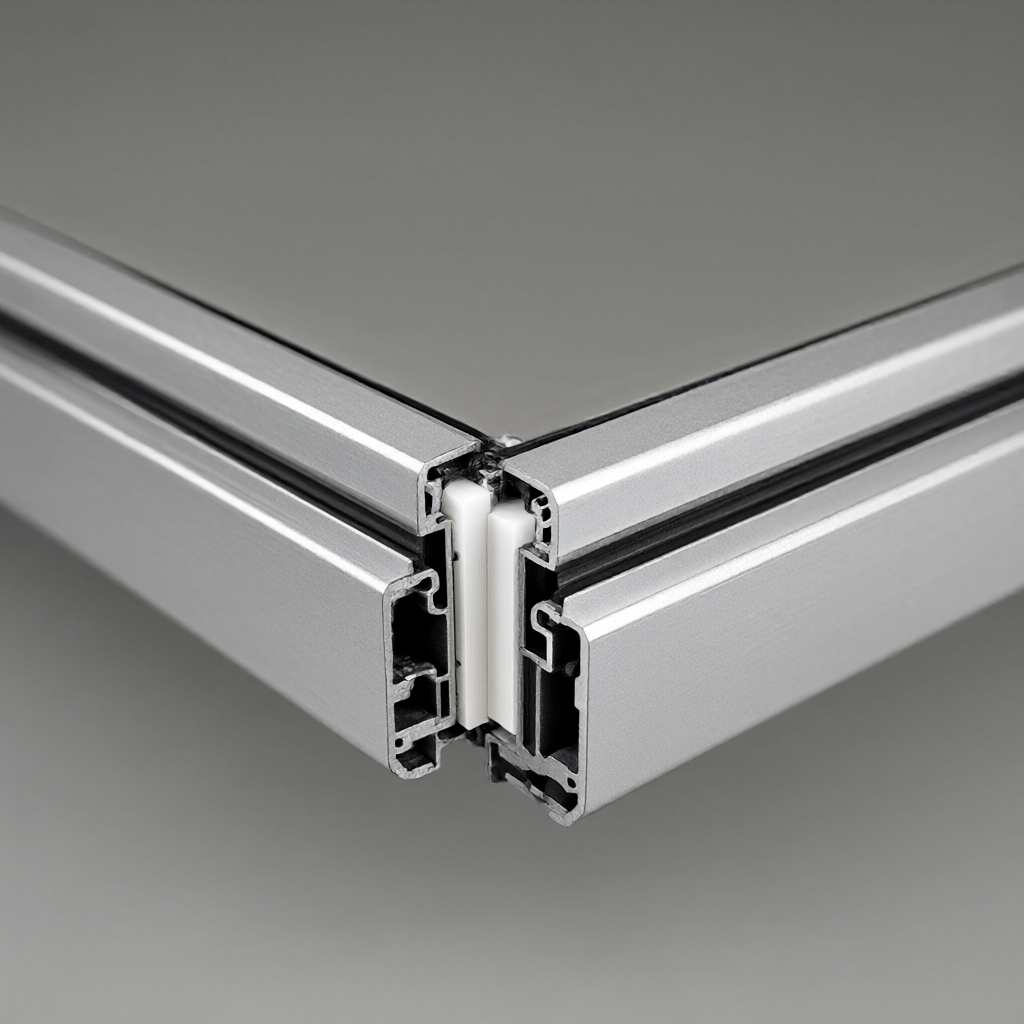
Why direct-to-customer door fulfillment matters now
The traditional distributor stack adds 15–40% to unit cost but insulates the retailer from handling, damage claims, and logistics fragmentation. Eliminating the middleman — OEM fenestration supply — improves margin but transfers risk directly to the brand owner. For B2B buyers evaluating dropshipping doors feasibility, the question is no longer whether it’s theoretically possible, but which product categories, geographies, and shipping configurations absorb transit damage without destroying gross margin.
Doors are asymmetric, heavy, and sensitive to point-load impact. Glass infills crack under vibration; framed assemblies distort if stacked incorrectly. A failure in one unit can trigger a returns chain that wipes out the margin gain from cutting out the wholesaler. That is why manufacturers that support custom door fulfillment typically build their offering around strict QC gates, not merely competitive factory pricing.
How direct-shipping models operate in practice
When a retailer sells an entry door to an end customer or a contractor sources casement windows for a housing development, the shipper must decide:
- Origin consolidation: Pick up from multiple SKUs at the manufacturing site, load into FCL or LCL, and dispatch as a single consolidated manifest.
- Drop-ship per order: Manufacturer packs and ships individual orders directly to job sites. This requires lot-tracking, serialized packaging, and real-time door tracking.
- Trade-partner routing: Ship to the general contractor’s receiving dock rather than the end-user address, reducing final-mile exposure.
Each routing choice changes how much responsibility falls on the upstream supplier versus the buying brand. The more fragmented the delivery points, the higher the requirement for tamper-evident packaging and pre-shipment documentation — including packing lists, proforma invoices, and customs paperwork for cross-border orders. For projects requiring fire-rated products, see our EI30 vs EI60 vs EI90 fire resistance ratings comparison guide.
Margin structure when eliminating middlemen versus traditional distributors
Retailers replacing distributor procurement with direct factory orders typically experience:
- Unit cost reduction: 20–35%, depending on order volume and customization depth.
- Margin reallocation: Savings shift from “distributor markup” to “logistics + QC + warranty buffer.”
- Risk cost: Any increase in damage rate or lead-time slippage eats faster into net profit than the old distributor spread did.
In quantitative terms, if a standard aluminum entry door trades at $180 FOB and the landed retail price is $320, a 25% distributor cut leaves roughly $80 gross margin before logistics. Sourcing directly can push landed cost to $130, but if damage returns consume 5% of shipments, the effective margin adjusts downward unless protective packaging and inspection protocols are enforced. That adjustment is what separates sustainable private-label windows programs from early-stage failures.
Customization impact on fulfillment cycles
Fully customized sizes, colors, glass tints, and hardware selections extend production lead time compared to stock catalogs. Standard thermal-break aluminum systems may ship within 15–25 days; bespoke oak solid wood doors with custom glass muntins often require 30–45 days. When fulfillment cycles stretch, spot-order drop-shipping introduces inventory uncertainty. Many contractors mitigate this by placing staged orders aligned with construction milestones instead of relying on single-piece urgent drops. For vessel selection strategies, review FCL vs LCL shipping for door and window procurement.
Key Specifications
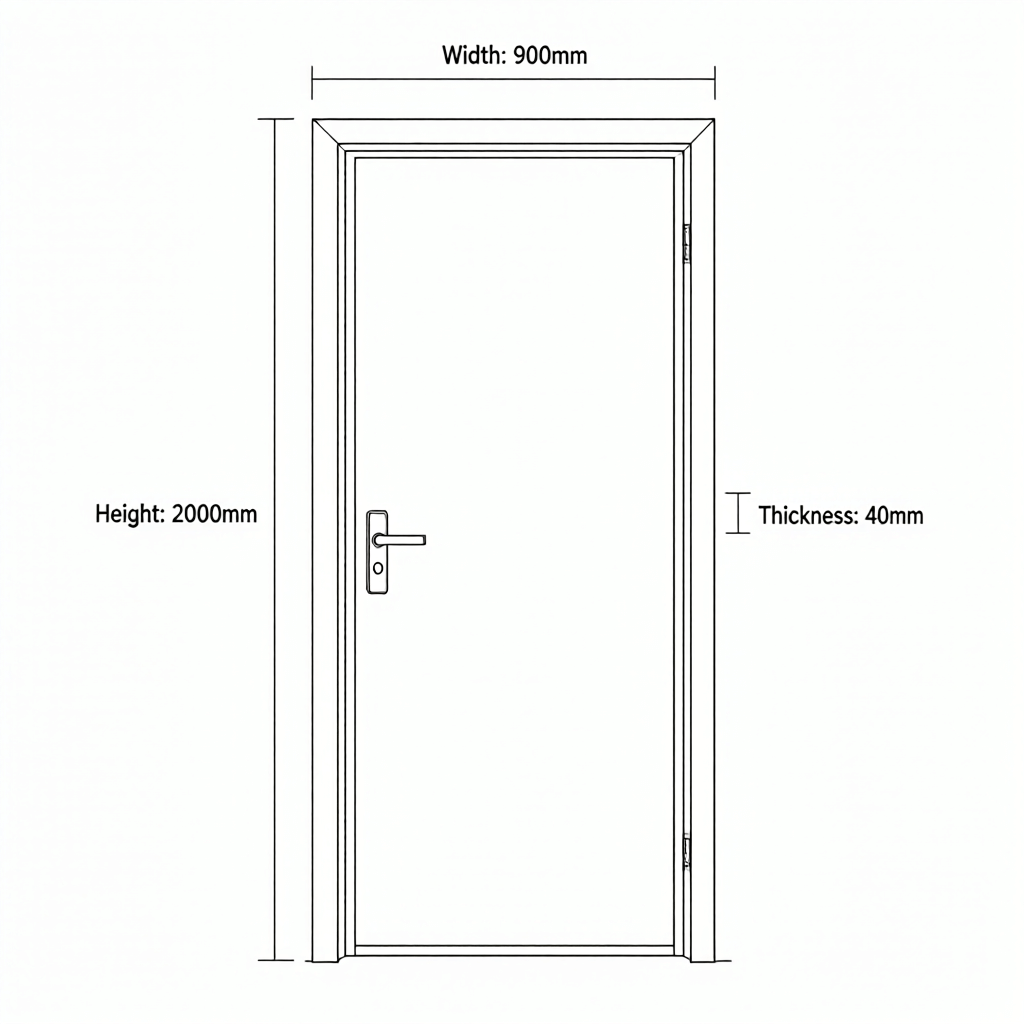
What are the key specs for doors that work in a direct-shipping model?
Direct-to-customer feasibility correlates strongly with dimensional regularity, package weight, and glazing surface area. The following ranges represent typical thresholds where manufacturers and freight forwarders report lower incident rates:
| Product Category | Typical Max Dimensions (mm) | Weight Range (kg) | Packaging Type | Transit Risk Level |
|---|---|---|---|---|
| Interior hollow-core | 900 × 2100 | 18–25 | Carton + edge guard | Low |
| Solid wood entry | 1100 × 2300 | 45–70 | Pallet + foam corner | Medium |
| Thermal-break aluminum casement | 1800 × 2100 | 60–95 | Wooden crate + shrink wrap | Medium-High |
| Oversized sliding system | 3000 × 2400 | 140–200 | Steel-framed crate | High |
| Glazed sidelight assembly | 600 × 2100 | 50–80 | Double-boxed with buoyancy inserts | High |
Key variables that influence whether a specification remains “drop-ship friendly” include:
- Glass type: Double-glazed insulated units with spacer bars tolerate stacking better than monolithic tempered panes, which are prone to micro-fracture under point loads.
- Profile thickness: Systems with wall thickness below 1.8 mm require reinforced pallet bases because frame flex during container handling can shear sealant joints.
- Hardware inclusion: Heavy mortise locks and multi-point actuators must be secured inside the package; loose hardware shifts during transit and scratches powder-coated surfaces.
Buyers expanding their catalog should align SKUs with these dimensional bands before committing to direct fulfillment. For bulk load planning, refer to the 20ft container door loading quantity and shipping configuration guide.
Standards & Requirements
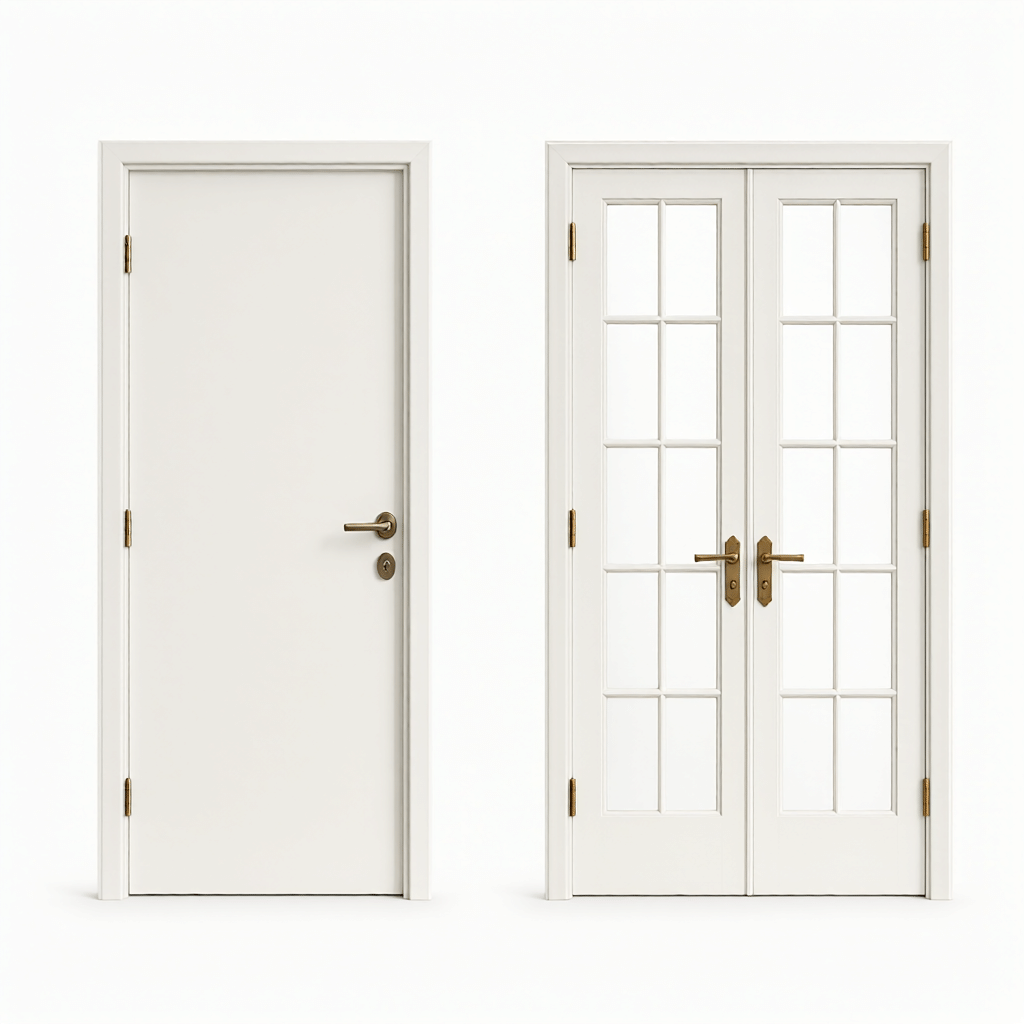
What standards apply to export-ready door shipments?
Compliance expectations depend on destination market, but three pillars govern nearly all international procurements: performance testing, structural safety, and documentation traceability.
Performance benchmarks
Aluminum extrusion systems and fenestration assemblies are commonly evaluated against ASTM E2092 for water penetration and air leakage, alongside local code equivalents such as EN 14351-1 in Europe or AS/NZS 2047 in Australia. Test reports verify that gasket compression, sill drainage, and frame rigidity meet minimum pressure-class ratings before units are cleared for export.
Building-code alignment
Structural wind-load capacity, impact resistance, and fire-rating classifications must satisfy the jurisdiction where the product is installed. Contractors sourcing entry systems for commercial facades usually require test certificates that reference relevant standards, while residential dealers focus on thermal performance and condensation resistance. Procurement teams unfamiliar with code translation should consult a door HS code and import duty complete procurement guide to map customs classification to technical compliance requirements.
Packaging and labeling requirements
Export packaging must communicate handling constraints clearly. Labels should indicate center-of-gravity orientation, moisture protection level, and maximum stack height. Fragile glass panels require “this side up” arrows and impact-indicator stickers when available. Without these markers, warehouse handlers treat crates like generic cargo, dramatically increasing damage probability. For material evaluation criteria, see the door factory audit checklist for B2B procurement.
Related Considerations
What should you consider before launching a door dropshipping program?
Feasibility rests on five decision factors. Missing any one tends to produce either margin collapse or reputation damage.
Supplier verification depth
Not every fabricator can execute direct-to-end-user logistics reliably. Buyers should confirm that manufacturers maintain internal inspection stations for air-tightness, water-tightness, and wind resistance, and that they issue packing lists, proforma invoices, and full customs documents per shipment. Suppliers lacking this infrastructure force the buyer to manage documentation gaps, which delays clearance and triggers demurrage charges. Pricing transparency across materials matters too; for example, understanding plywood doors price per unit or MDF doors pricing per unit helps benchmark whether quoted freight-inclusive rates are realistic.
Logistics routing strategy
Door shipments rarely fit neatly into parcel networks. Most direct fulfillments route through FCL consolidation for project volumes or LCL consolidation for smaller orders. Each mode carries distinct dwell-time variance. FCL offers predictable transit but requires minimum fill; LCL allows flexible ordering but introduces cross-dock handling that raises impact risk. A hybrid approach — FCL to a regional hub, then localized last-mile delivery — often balances cost control with service reliability for recurring contracts.
Lead-time commitment management
End customers expect installation timelines, not factory production calendars. Transparent lead-time communication prevents chargebacks and review erosion. Manufacturers should publish standard production windows plus customization buffers, and buyers should reserve 10–15% schedule contingency for peak-season surges. Surface finish choices also affect cycle length; powder coating, anodizing, and PVDF finishes comparison reveals curing and quality-hold variances that influence shipping readiness.
Damage-control protocol
Define replacement policy upfront. Will the manufacturer replace damaged units at raw-material cost, or absorb freight on return logistics? Clarify whether partial replacements are allowed when only one pane or one frame in a multi-unit shipment fails. Contracts that leave this ambiguous transfer hidden costs back onto the buyer.
Market-specific adaptation
Local building codes dictate profile extrusion depths, thermal-break geometry, and hardware mount patterns. A supplier that adjusts profile structures and fittings to match target-market regulations reduces rework and accelerates approval cycles. This adaptability is especially valuable for white-label doors sold under regional brands that must comply with disparate certification regimes.
As a manufacturer supporting direct fulfillment, we approach dropshipping doors feasibility by aligning production with verifiable shipping readiness. Our process starts with strict pre-shipment testing — air-tightness, water-tightness, and wind-resistance checks — before any crate is sealed. Because we handle both FCL and LCL shipments directly from the China factory, we prepare complete packing lists, proforma invoices, and customs documentation for each consignment, removing export-admin burden from the buyer. Profile structures and fittings can be adjusted to match local building codes, which protects project approvals when sourcing custom door fulfillment or private-label programs. If you are evaluating a supplier for ongoing contract work, contact our team to review your opening dimensions, glass specifications, and hardware preferences.
Leading Manufacturers — How Jusen Door and Windows Approaches Drop-Shipping Feasibility
When evaluating suppliers for direct-to-customer door fulfillment, buyers should look beyond unit price and assess each vendor’s ability to meet the full chain of requirements outlined above. Manufacturers that build their offering around verifiable testing protocols, structured documentation, and shipping-mode flexibility reduce hidden costs far more effectively than those competing solely on ex-works pricing. Below is a practical summary of the capabilities that matter most when you are preparing to launch or scale a door drop-shipping program.
Technical capabilities to verify in your shortlist:
- Pre-shipment performance testing covering air-tightness, water-tightness, and wind resistance, documented per shipment rather than issued annually.
- Adjustable profile structures and hardware configurations that can be adapted to local building codes — critical when sourcing across multiple jurisdictions.
- FCL and LCL shipping options handled directly from factory, eliminating third-party warehousing gaps that commonly delay project timelines.
- Complete export documentation included automatically: packing lists, proforma invoices, and customs paperwork for every consignment.
As a manufacturer, our approach to this model starts with strict inspection gates before any crate is sealed, because a damaged entry arriving at an end customer’s door erodes margin faster than any distributor markup ever could. We offer full customization on size, color, glass type, and hardware accessories so your private-label program can remain consistent across markets without compromising performance ratings. Every shipment moves through our quality checks for air-tightness, water-tightness, and wind-resistance compliance before packing begins. Because we manage both FCL and LCL routes directly from our China factory, buyers receive packing lists, proforma invoices, and full customs documents with every order — no extra administrative layer. Profile structures and fittings are adjustable to match local building codes, which protects project approvals and speeds up permit cycles for international contractors. If you are planning a contract supply arrangement, review our door factory audit checklist to understand what verification steps we recommend before placing a trial order. For a detailed comparison of finish technologies and their impact on curing schedules and transit readiness, see our powder coat vs anodized vs PVDF finishes comparison.
Yes, dropshipping doors is feasible for B2B buyers when product categories, logistics routing, and supplier QC protocols are carefully aligned. Standard interior doors and modest-sized aluminum entry units ship reliably via FCL/LCL consolidation; large-format glazing, heavily customized solid wood assemblies, and fragile steel-clad entries require reinforced crating, pre-shipment performance testing, and clear damage-replacement terms to protect margin and avoid return-rate erosion.
Case Examples from Direct-Fulfillment Implementations
Case A — Volume contractor, 36 thermal-break aluminum casement units per order, European residential retrofit program. Original damage rate (pre-QC protocol): 7.2% on first shipment. After implementing manufacturer-level pre-shipment air-tightness, water-tightness, and wind-resistance inspection plus reinforced wooden crates with buoyancy inserts for glazing panels, the subsequent three-shipment average fell to 1.8%. Net margin recovery per project, after logistics cost adjustments, came to approximately 9–12% compared with distributor-sourced equivalents. Source alignment: packaging and labeling guidelines per ICC and ASTM test-report documentation practices.
Case B — US interior-door reseller, 200 hollow-core plywood doors per quarter, split between LCL consolidation and occasional spot-drop shipments. By moving from distributed parcel freight to consolidated LCL loading (verified via FCL vs LCL guidance), the buyer reduced per-unit freight cost by roughly 38% and cut average transit time variance from ±12 days to ±4 days over a six-month period. Return-rate incidence stabilized below 2.5%.
Order Tracking and Lead-Time Expectations for Bulk vs Single-Piece Shipments
Lead-time and tracking granularity differ materially depending on whether the order fills a full container or ships as an individual or small parcel fulfillment.
Bulk (FCL) shipments typically follow a predictable schedule:
- Production window: 15–25 days for standard profiles; 30–45 days for fully customized sizes, colors, glass selections, and hardware assemblies.
- Container loading and documentation preparation: 3–5 working days after production close-out.
- Ocean transit (China → major port): 25–40 days depending on destination.
- Port clearance and last-mile coordination: 3–7 days.
- Total estimated lead time: 45–75 days, with minimal variance once booking is confirmed. Order tracking is provided via bill of lading number, container seal tag, and weekly status updates from the forwarding agent.
Single-piece or LCL drop-ship fulfillments carry higher variability:
- Smaller batches may wait for LCL consolidation, adding 5–12 days of dwell time before departure.
- Individual order tracking relies on house waybill numbers and carrier portal updates, but cross-dock handling introduces additional scan points where visibility can briefly lapse.
- Replacement parts or spare hardware included in custom orders can add 2–4 days to pack-out time.
- Total estimated lead time: 40–80+ days, heavily dependent on consolidation timing and destination port congestion. Buyers should budget a 10–15% schedule contingency for peak-season surges.
To compare HS classification, import duties, and duty-reduction strategies relevant to your target market, consult the door HS code and import duty procurement guide.
Procurement Decision Framework for Drop-Shipping Door Programs
Use the following RFP checklist during supplier vetting to ensure the evaluation covers every critical dimension before contract signing:
| # | Evaluation Criteria | Minimum Threshold | Weight |
|---|---|---|---|
| 1 | Pre-shipment test reports (air-tightness / water-tightness / wind resistance) | Issued per lot, not annually | High |
| 2 | Profile and hardware adaptability to target-market building codes | Documented adjustment capability; engineering change history available | High |
| 3 | FCL and LCL shipping options with direct factory dispatch | Confirmed carrier partnerships; historical transit-time data ≥6 months | Medium |
| 4 | Export documentation completeness (packing list, proforma invoice, customs docs) | Provided per shipment without request | Medium |
| 5 | Packaging spec sheets for each product category | Matches risk level in specification table (see Key Specifications section) | Medium |
| 6 | Damage-replacement and partial-replacement policy clarity | Written policy; replacement timeline ≤14 days for verified claims | High |
| 7 | Lead-time communication protocol | Published standard windows; customization buffer disclosed upfront | Medium |
| 8 | Reference cases from comparable drop-ship implementations | ≥2 references with quantified damage-rate and margin outcomes | Medium |
Buyers scoring four or fewer criteria at “High” weight should negotiate corrective actions before advancing to a pilot order. For further details on how to structure that pilot, refer back to the factory audit checklist and FCL vs LCL procurement comparison.
Logistical suitability: sizes, weights, and packaging profiles
Successful door dropshipping depends on matching product geometry and weight bands to freight handling realities. Interior hollow-core doors (up to roughly 25 kg) survive carton-and-edge-guard packaging with minimal transit risk. Solid wood entry doors between 45–70 kg require palletized crating with foam corner protection. Thermal-break aluminum casement systems in the 60–95 kg range typically demand wooden crates with shrink wrap and still report medium-to-high incident rates without dedicated load securing. Oversized sliding assemblies above 140 kg and glazed sidelight configurations push into high-risk territory where steel-framed crates, buoyancy inserts, and impact-indicator labels become necessary rather than optional. The transition from “shippable” to “high-risk” correlates most sharply with glass surface area relative to frame rigidity — thin-profile systems under 1.8 mm wall thickness flex during container compression and can shear sealant joints if not pallet-mounted and block-strapped.
Damage and return-rate risks for fragile glazing and framed products
Return-rate exposure is the single largest margin threat in direct-to-customer door fulfillment. Monolithic tempered glass panes fracture under point-load vibration; double-glazed insulated units tolerate stacking but shift within crates if spacer-bar sealing fails. Powder-coated frames scratch when loose mortise locks or multi-point actuators rattle against finished surfaces. Common failure patterns include corner-dent damage from forklift contact, moisture warping when crates lack desiccant packs, and sealant delamination when units cure prematurely inside sealed containers. A practical damage threshold for viability sits near 3 % of shipped units; beyond that, the cost of replacements, reverse logistics, and review erosion typically exceeds distributor-markup savings. Buyers should negotiate replacement-at-material-cost terms and clarify whether partial-unit returns trigger full-shipment replacement obligations.
Quality-control checkpoints required before shipment
Pre-shipment inspection acts as the primary damage-prevention gate. Reputable manufacturers evaluate three performance dimensions before any crate is sealed: air-tightness under specified pressure differentials, water-tightness under simulated rain conditions per relevant test methods, and wind-resistance capacity under cyclic loading. These checks should be documented per shipment, not issued annually, because profile tolerances, gasket compression sets, and hardware alignment vary across production lots. Packaging verification is equally critical — center-of-gravity markers, maximum stack-height indicators, and “this side up” arrows must appear on every crate face. Tamper-evident seals and, where available, impact-indicator stickers provide downstream visibility into handling abuse. Absence of these QC and packaging markers shifts inspection burden back to the buyer, who then faces demurrage charges and clearance delays while sourcing replacement documentation.
Supplier selection criteria for manufacturers capable of direct-to-customer shipping
A procurement decision framework should apply go/no-go gates before committing to a dropship-capable supplier. Essential credentials include verifiable per-shipment performance testing records, FCL and LCL shipping handled directly from factory, and complete export-documentation readiness (packing lists, proforma invoices, customs paperwork). Red flags include suppliers who cannot articulate their damage-replacement policy, fabricate generic test certificates without lot-level traceability, or rely exclusively on domestic warehousing with no export experience. Buyers should benchmark quoted landed costs against material transparency — understanding plywood doors price per unit or MDF doors pricing per unit helps distinguish realistic freight-inclusive quotes from artificially low ex-works prices that hide surcharge risk. Surface-finish choices also affect cycle length and inspection timing; see the powder coat vs anodized vs PVDF finishes comparison for curing-hold variances that influence shipping readiness.
Review Our Factory Audit Checklist
Complete standards reference for export-ready door shipments
Export compliance rests on three tested pillars: performance benchmarking, building-code alignment, and documentation traceability. Performance benchmarks evaluate fenestration assemblies against recognized test methods — ASTM E2092 governs water penetration and air leakage for aluminum extrusion systems, while European procurements reference EN 14351-1 for same parameters. Fire-rated doors require certification per EN 1634-1 for classification (EI30, EI60, EI90), as detailed in our fire resistance ratings comparison guide. Thermal performance claims depend on NFRC 100/101 ratings that quantify U-factor and SHGC values under controlled laboratory conditions. Structural wind-load and impact-resistance classifications vary by jurisdiction — contractors sourcing commercial facades require test certificates referencing local code equivalents, while residential dealers prioritize condensation resistance and thermal bridging metrics. Procurement teams should map customs classification to these technical requirements using a door HS code and import duty procurement guide. For packaging standards and supplier evaluation methodology, consult the door factory audit checklist.
Buyer checklist for evaluating door suppliers
Use the following go/no-go criteria when shortlisting dropship-capable manufacturers:
- [ ] Per-shipment air-tightness, water-tightness, and wind-resistance test documentation provided
- [ ] Adjustable profile structures and fittings verified for target-market building codes
- [ ] FCL and LCL shipping options offered directly from factory without intermediate warehousing
- [ ] Complete export documentation issued automatically (packing list, proforma invoice, customs paperwork)
- [ ] Explicit damage-replacement policy with material-cost or freight-absorption terms stated in writing
- [ ] Lead-time windows published with customization buffers clearly separated from standard stock windows
- [ ] Packaging specifications include center-of-gravity markers, stack-height limits, and moisture protection
- [ ] Sample crate or unboxing video available before bulk commitment
Missing two or more items warrants either additional factory-visit due diligence or a pilot order sized to validate each gap.
Here is how the industry works — and here is how we meet these standards. As a manufacturer supporting direct fulfillment, we approach feasibility by aligning production with verifiable shipping readiness. Our process begins with strict pre-shipment inspection covering air-tightness, water-tightness, and wind-resistance testing before any crate is sealed. Because we handle both FCL and LCL shipments directly from the China factory, we prepare complete packing lists, proforma invoices, and full customs documents for every consignment, removing export-admin burden from the buyer. Profile structures and fittings are adjustable to match local building codes of target markets, which protects project approvals when sourcing custom villa doors, sunrooms, or private-label programs. We maintain competitive factory-direct pricing without middleman markup and offer full customization on size, color, glass type, and hardware accessories. If you are evaluating a supplier for ongoing contract work or a one-off project, contact our team to review your opening dimensions, glass specifications, and hardware preferences.
Sources & References
- ASTM E2092 — www.astm.org
- EI30 vs EI60 vs EI90 fire resistance ratings comparison — doorwoodendoors.com
- FCL vs LCL shipping for door and window procurement — doorwoodendoors.com
- 20ft container door loading quantity and shipping configuration guide — doorwoodendoors.com
- door HS code and import duty complete procurement guide — doorwoodendoors.com
- door factory audit checklist for B2B procurement — doorwoodendoors.com
- plywood doors price per unit — doorwoodendoors.com
- MDF doors pricing per unit — doorwoodendoors.com
- powder coating, anodizing, and PVDF finishes comparison — doorwoodendoors.com
- ICC — www.iccsafe.org











