
Last updated: November 25, 2026
To choose a sectional garage doors manufacturer, buyers should evaluate the supplier’s testing transparency (independent wind/load/cycle test reports with verifiable IDs), export-documentation readiness (customs docs, packing lists, proforma invoices), profile-and-fitting adjustability for local building codes, insulation specification clarity (core type + thickness + foam density), pre-shipment inspection availability, and demonstrated capacity to supply both FCL and LCL orders. Verifying these areas before shortlisting significantly reduces specification drift and post-installation warranty disputes.
Quick Overview
A sectional garage doors manufacturer is a factory that produces sectional overhead doors — rigid panels hinged horizontally so the door rolls vertically along tracks and operates on drums or torsion springs. In B2B sourcing, the term refers to the OEM/ODM producer supplying distributors, project contractors, and private-label brands, not the local installer. Buyers evaluate a manufacturer by comparing panel construction (gauge, core density, insulation type), hardware and automation compliance with their local code, and the supplier’s ability to provide full export documentation for customs clearance.
Specifications
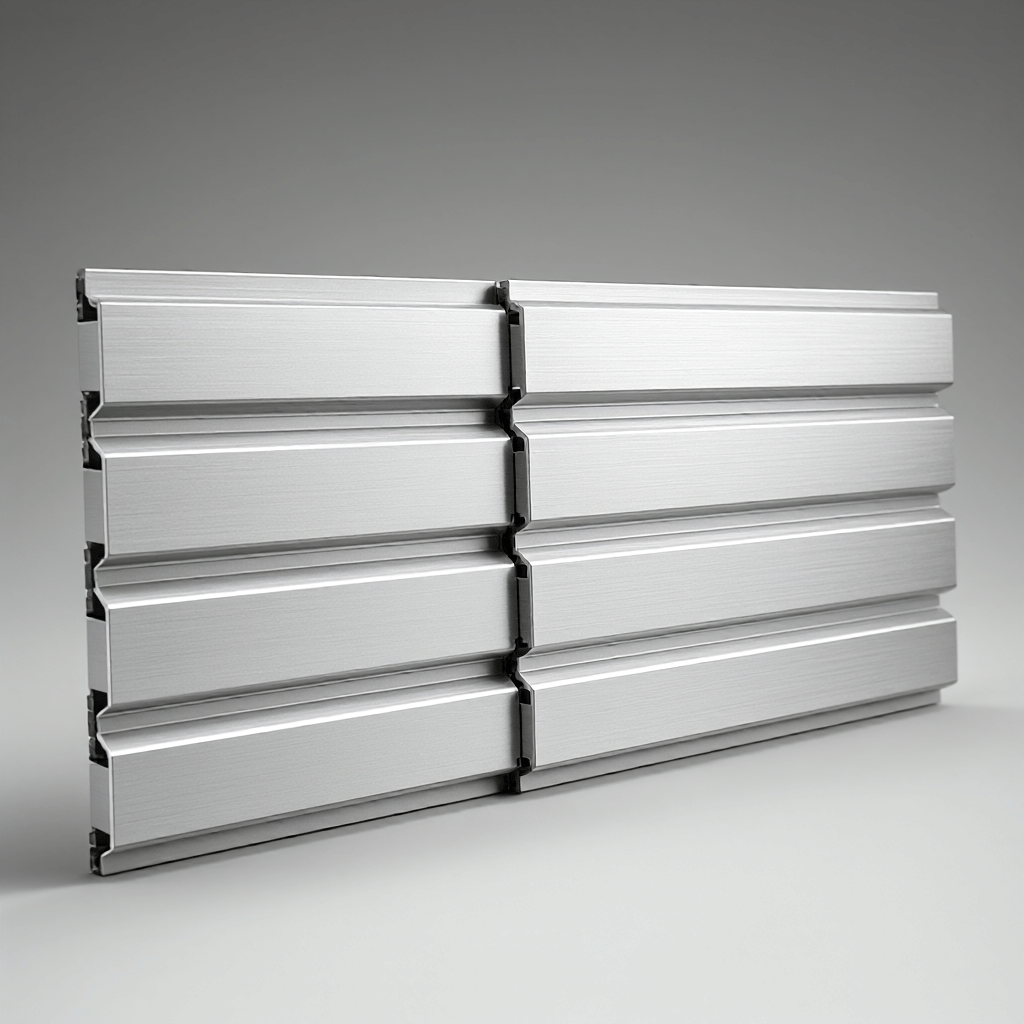
What are the key specifications of a sectional garage door?
A procurement-ready spec sheet should cover panel construction, operating system, seal types, automation compatibility, and verified performance ratings. Use these typical ranges as a baseline when comparing quotes.
| Spec Category | Typical Range | Why It Matters |
|---|---|---|
| Panel gauge | 24 ga (≈0.6 mm) to 18 ga (≈1.2 mm) | Thinner panels dent easier; thicker panels cost more and change lift hardware requirements. |
| Core material | Polyurethane (PU), polystyrene (PS), or solid wood | PU gives higher R-value and rigidity per inch; PS is lighter but less insulating. |
| Insulation R-value | R-8 to R-19 typical | Depends on core thickness and density, not just the labeled insulation type. |
| Wind-load rating | 30 psf to 130+ psf depending on regional code | Rating is validated through tested construction, bracing, and hardware strength. |
| Cycle life | 10,000 to 100,000 cycles (hardware dependent) | Determines maintenance exposure for high-frequency commercial use versus residential use. |
| Finish systems | Painted, powder-coated, wood-grain transfer, anodized | Finish chemistry and pretreatment affect salt-spray durability and color consistency across large orders. |
| Customization scope | Size, color, glass inserts, hardware, panel profile | Fully custom sizes change tooling and raise MOQ; standard sizes reduce lead time and cost variability. |
| Compliance/testing references | ASTM, EN, and ISO-based testing as applicable | Independent test references show verified safety and performance characteristics, not just claim values. |
For context on how component-level grading affects bulk pricing and supplier evaluation, see B2B sourcing of shower water filtration products.
Applications
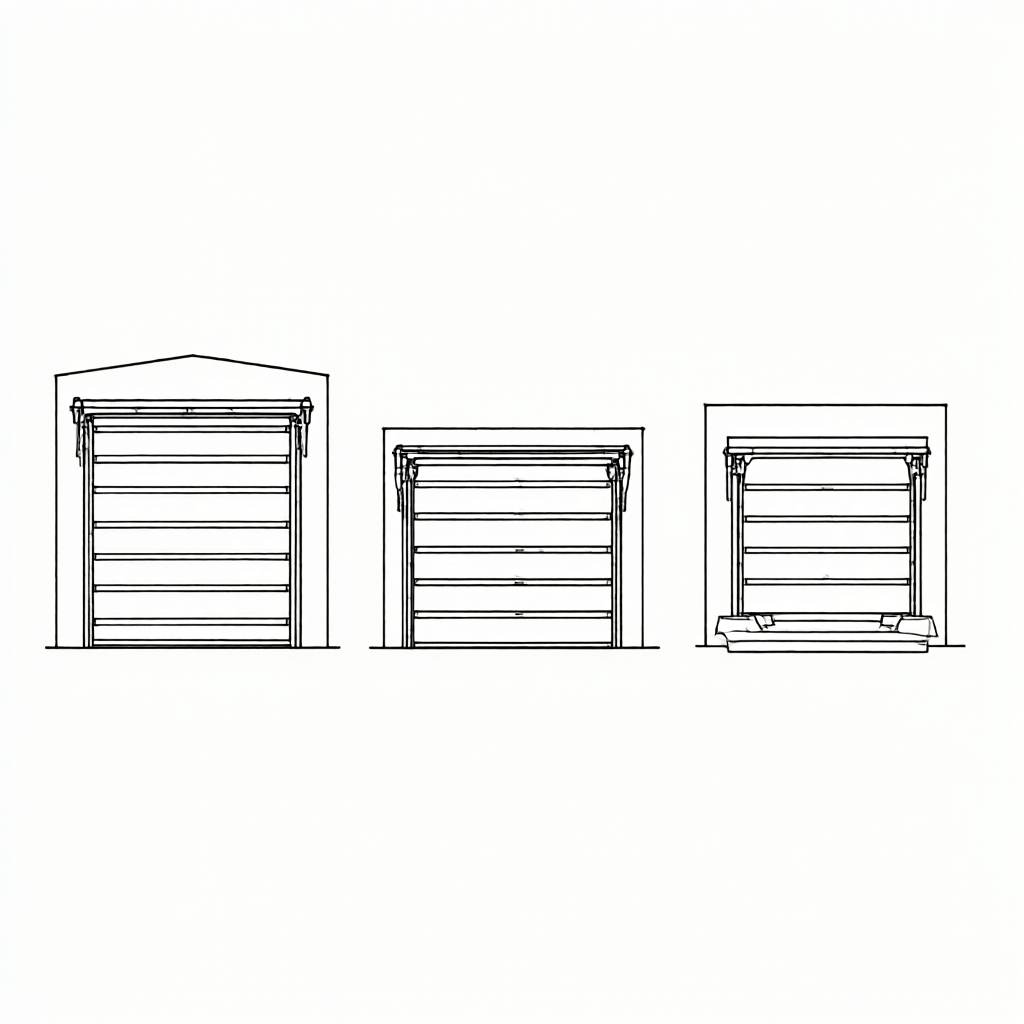
Where can a sectional garage door be used?
Sectional doors are used wherever a wide opening must open within limited headroom. Common B2B deployment scenarios include residential driveways, multi-family housing projects, light industrial warehouses, retail showrooms, cold-storage bays, and mixed-use developments.
Climate and usage frequency drive the specification choice. High-wind coastal zones require reinforced bracing and certified wind-load ratings. Cold-storage or unheated spaces need higher-density insulation and tighter perimeter seals to manage condensation. Commercial settings with many daily cycles benefit from commercial-grade springs and rollers rather than residential hardware. When specifying doors for multiple units, choosing a door with standardized profiles simplifies spare-parts planning and post-installation service. Related procurement insights on how product families are sourced together appear in shower filter supplier sourcing and procurement for B2B buyers.
Buying Factors
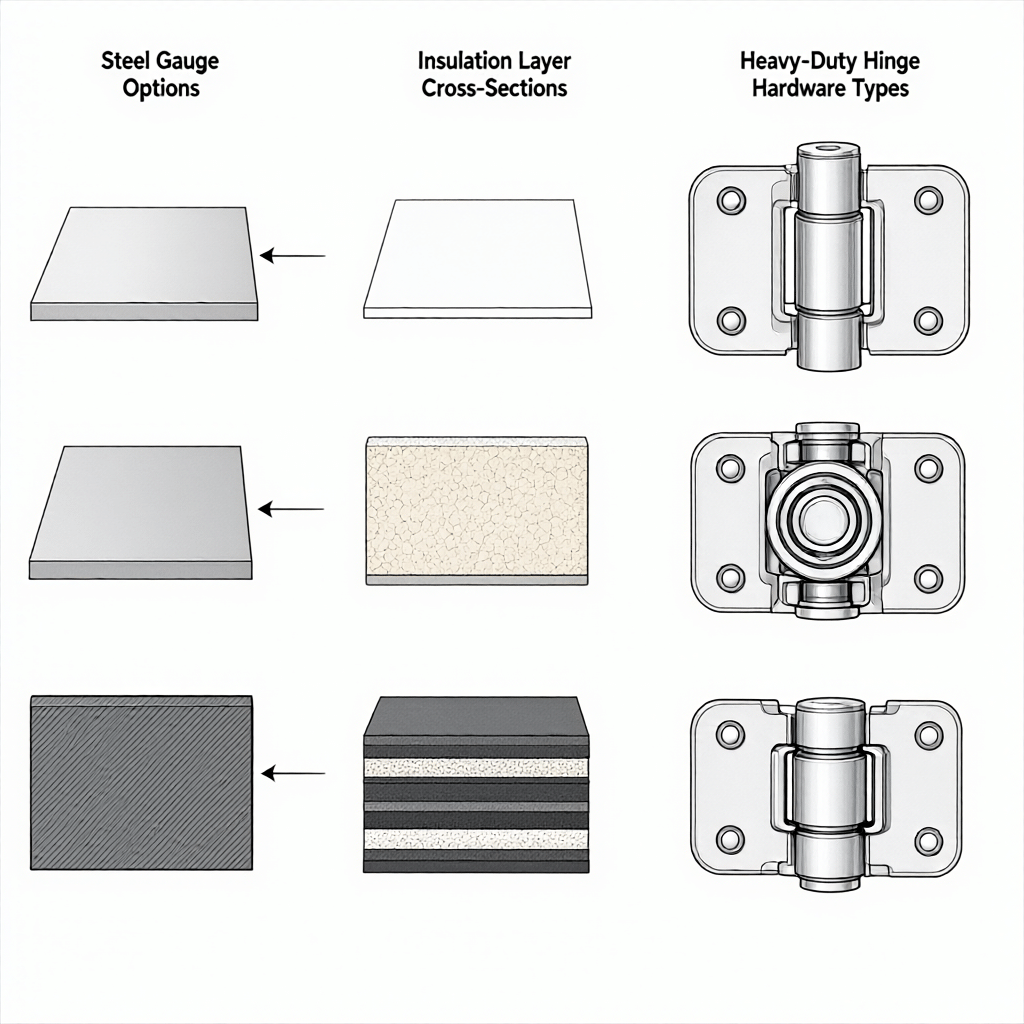
What to consider when buying sectional garage doors in bulk?
Procurement decisions should follow a verification-first workflow: validate test data, confirm code alignment, check customization capacity, assess logistics readiness, and clarify warranty terms before negotiating price.
#### 1. Verify independent test data and certification scope
Performance numbers for wind resistance, cycle fatigue, air infiltration, and safety reversals must come from documented testing. Relevant industry references include testing standards such as ASTM E2092 and applicable EN/ISO frameworks for operational safety. Always request report IDs and scope details rather than accepting a certificate number alone.
#### 2. Match profile structure and hardware to your local building code
Regulatory requirements differ across markets. A capable manufacturer will offer adjustable profile structures and fittings so the supplied door meets your jurisdiction’s safety and performance rules instead of shipping a single generic configuration.
#### 3. Confirm the exact insulation specification
R-value listings can be ambiguous. Require the supplier to state core type, thickness, and foam density. Higher-density polyurethane generally delivers better thermal performance and panel stiffness, but it adds weight and may necessitate upgraded lift hardware.
#### 4. Assess export-documentation readiness
International orders require accurate packing lists, proforma invoices, and customs documentation. Experienced exporters understand FCL and LCL logistics and can prepare the paperwork your customs broker expects, reducing delays at destination ports.
#### 5. Review warranty terms and replacement-part availability
Warranty length and coverage exclusions directly affect lifecycle cost. Short warranties on springs, seals, or finishes often reflect lower-grade components — compare the underlying hardware specifications rather than focusing only on headline warranty periods.
Evidence & Practical Notes
Field note: Buyers regularly receive shipments where the delivered panel gauge, seal compression, or roller quality differs from the approved sample. Requiring pre-shipment inspection reports — with photo evidence and test summaries — is a practical way to catch specification drift before cargo departs the factory.
Practical limitation: Fully custom sizes, unusual finishes, and bespoke hardware packages increase setup costs and extend lead times. Standard sizes paired with optional color or glass upgrades usually provide better unit pricing and faster production schedules.
Buyer takeaway: Treat manufacturer selection as a verification exercise first. Prioritize suppliers who can produce independent test references, supply complete customs documentation, and adapt profile structures to your local code — then negotiate volume discounts and payment terms on top of a verified baseline.
Price & Cost
How much do bulk sectional garage doors cost? (FOB China reference)
Bulk pricing for sectional garage doors depends on panel gauge, core type, door size, hardware grade, finish complexity, and order quantity. The table below provides indicative FOB China reference pricing for trade buyers. Prices exclude import duties, ocean freight, insurance, and custom packaging unless otherwise agreed.
| Door Type | Construction / Insulation | Indicative Unit Price (USD/set) | Typical MOQ Reference |
|---|---|---|---|
| Basic steel sectional door | 27–25 ga, uninsulated or PS core | $180 – $320 | 50–99 sets |
| Insulated residential sectional door | 24–22 ga, PU core R-12 to R-16 | $320 – $580 | 30–79 sets |
| Heavy-duty commercial sectional door | 22–18 ga, reinforced bracing, high-cycle hardware | $580 – $1,100+ | 20–49 sets |
| Custom-sized / premium finish door | Configurable gauge, finish, glass inserts | Negotiated per project | Varies by specification |
Indicative FOB China bulk-order pricing for trade buyers — not a retail price and not a binding offer; final pricing depends on quantity, specification, and order schedule.
Additional cost factors include automation operators, special powder-coat colors, wood-grain transfers, protective end caps, custom glass inserts, and expedited production runs. To understand how component grading shifts bulk unit economics across related product lines, review filtered shower head manufacturers for B2B wholesale and private-label sourcing.
Request a bulk FOB quotation with your required opening sizes, annual or project volumes, and target market so the supplier can return a specification-matched price.
How We Meet These Standards
When selecting a sectional garage doors manufacturer, the practical difference between suppliers usually appears in testing transparency, documentation readiness, and customization flexibility. As a manufacturer, we approach procurement validation by aligning panel construction with verifiable performance testing, preparing full export documentation before shipment, and adjusting profile structures and fittings to match the building-code expectations of your target market. We also run strict pre-shipment inspections — including air-tightness, water-tightness, and wind-resistance testing — so the final container matches the approved sample.
If you need spec sheets, current FOB tier pricing, or a review of your project requirements, contact our team to discuss your order.
How to Choose a Sectional Garage Doors Manufacturer
Selecting a reliable manufacturer requires a structured verification workflow that covers product testing, factory capability, compliance alignment, logistics readiness, and commercial terms. The framework below gives procurement teams a repeatable decision path.
Evaluation criteria checklist
| Criterion | What to verify | Red flag |
|---|---|---|
| Independent test reports | Request report IDs for wind load, cycle fatigue, air/water infiltration, and safety reversal; cross-reference against ASTM or relevant EN/ISO standards | No test IDs provided; only a generic certificate number |
| Export-documentation track record | Confirm ability to produce packing lists, proforma invoices, commercial invoices, and full customs paperwork; ask for sample documents | Supplier cannot produce a recent bill of lading or customs invoice |
| Profile/hardware adaptability | Confirm adjustable profile structures and fittings to match local building codes of your target market | One-size-fits-all configuration; refuses engineering adjustments |
| Insulation specification detail | Require core material, panel gauge, foam thickness, and measured foam density (kg/m³) | Vague R-value claim without density numbers |
| Pre-shipment inspection option | Ask whether the factory performs in-house checks (air-tightness, water-tightness, wind resistance) before container loading | Inspection offered only by a third-party at additional cost with no documented procedure |
| Lead time and MOQ clarity | Obtain written commitment for standard and custom sizes, including per-SKU MOQ | Lead-time estimates above 60 days for standard SKUs without justification |
| Warranty and spare-parts policy | Review spring, seal, finish, and operator coverage; confirm replacement-part pricing and shipping terms | Short component warranties without clear replacement-part pricing |
| Customization scope | Confirm available ranges for size, color, glass inserts, hardware, and panel profile | Limited to one stock finish and fixed sizes only |
Decision guide by order type
- If ordering FCL: Verify the supplier can prepare full customs documents and has shipped FCL containers to your destination port within the last 12 months. Cross-check port experience using previous bills of lading or customer references.
- If ordering LCL: Ensure the manufacturer packs each set on sturdy crated pallets with moisture barriers; poor LCL consolidation increases damage risk during transshipment.
- If requiring custom sizes: Confirm the MOQ impact on unit price and request a tooling-fee breakdown. Custom sizes typically raise per-unit cost due to non-standard tooling and lower line throughput.
- If matching a strict local code: Require the supplier to demonstrate adjustable profile structures and fittings compatible with your jurisdiction’s wind-load, safety-reversal, and insulation requirements before purchase.
For additional context on how component-level grading influences bulk procurement decisions, see shower filter supplier sourcing and procurement for B2B buyers.
Buyer Checklist & Red Flags
Use this concise procurement checklist when shortlisting sectional garage doors manufacturers and evaluating samples, quotes, and factory audits.
Actionable procurement checklist
- [ ] Request three independent test reports (wind load, cycle fatigue, safety reversal) with report IDs before shortlisting
- [ ] Verify the ISO 9001:20015 certificate number directly with the certifying body
- [ ] Ask for a sample customs document package (packing list, proforma invoice, commercial invoice) to validate export-readiness
- [ ] Confirm foam density (kg/m³) alongside R-value and core type in every quote
- [ ] Request photo evidence of pre-shipment inspections covering air-tightness, water-tightness, and wind-resistance tests
- [ ] Check that the supplier can handle both FCL and LCL shipments to your nearest port
- [ ] Review replacement-part pricing for springs, seals, rollers, and operators before signing the contract
- [ ] Validate that profile structures and fittings are adjustable to meet your local building-code requirements
Common red flags
| Red flag | Why it matters |
|---|---|
| Vague R-value claims without density or core details | Insulation performance depends on measured foam density, not just labeled R-number |
| No independent test IDs | Generic certificates do not prove current, verifiable lab performance |
| Refusal to share recent export documents | May indicate limited foreign-trade experience or undocumented shipment history |
| Fixed single configuration with no adjustability | Increases risk of non-compliance with local wind/safety codes |
| No pre-shipment inspection process documented | Specification drift often goes undetected until cargo arrives |
| Extremely low unit prices for insulated commercial doors | Frequently signals thinner gauges, lower-density foam, or reduced bracing |
A practical way to reduce risk is to require physical samples or factory audits prior to placing large orders. When samples arrive, measure panel gauge with a caliper, inspect seal compression, verify roller bearing quality, and compare the delivered insulation density against the quoted specification. Referencing industry testing frameworks such as those published by ASTM and certification bodies listed under ISO can help you benchmark supplier claims more reliably. For procurement strategies that apply across similar hardware families, review filtered shower head manufacturers for B2B wholesale and private-label sourcing.
Sources & References
- ASTM E2092 — www.astm.org
- ISO — www.iso.org
- B2B sourcing of shower water filtration products — zooshen.com
- shower filter supplier sourcing and procurement for B2B buyers — zooshen.com
- filtered shower head manufacturers for B2B wholesale and private-label sourcing — zooshen.com











