
Last updated: November 25, 2026
Door e-commerce and the project channel serve fundamentally different buyer profiles — one prioritizes speed and simplicity for small-scale purchases, while the other delivers specification control, documentation, and per-unit economics for large construction runs. Understanding the technical parameters, total cost differences, service tiers, and risk signals of each channel is essential before committing to either route.
Quick Answer
What is the difference between door e-commerce and the project channel? E-commerce is a direct-online transaction model where buyers browse catalogs, select standard products, and purchase units without coordinated site support. The project channel is a wholesale/contractor-driven model where a supplier manages bulk specification, customization, testing, logistics, and often compliance documentation for construction runs.
| E-commerce | Project channel | |
|---|---|---|
| Best fit | Single-family remodels; small renovation buys | Multi-unit housing, hotels, contractor portfolios |
| Core value | Fast unit checkout, predictable pricing | Specification alignment, batch consistency, documentation |
| Typical complexity | Low — pick, pay, receive | Medium/high — spec → quote → sample → production → ship |
If your job is one or two doors for a home refresh, online purchasing saves time. If your job is dozens to hundreds of doors across phases, the project channel reduces friction on specs, compliance, and delivery sequencing.
Detailed Explanation
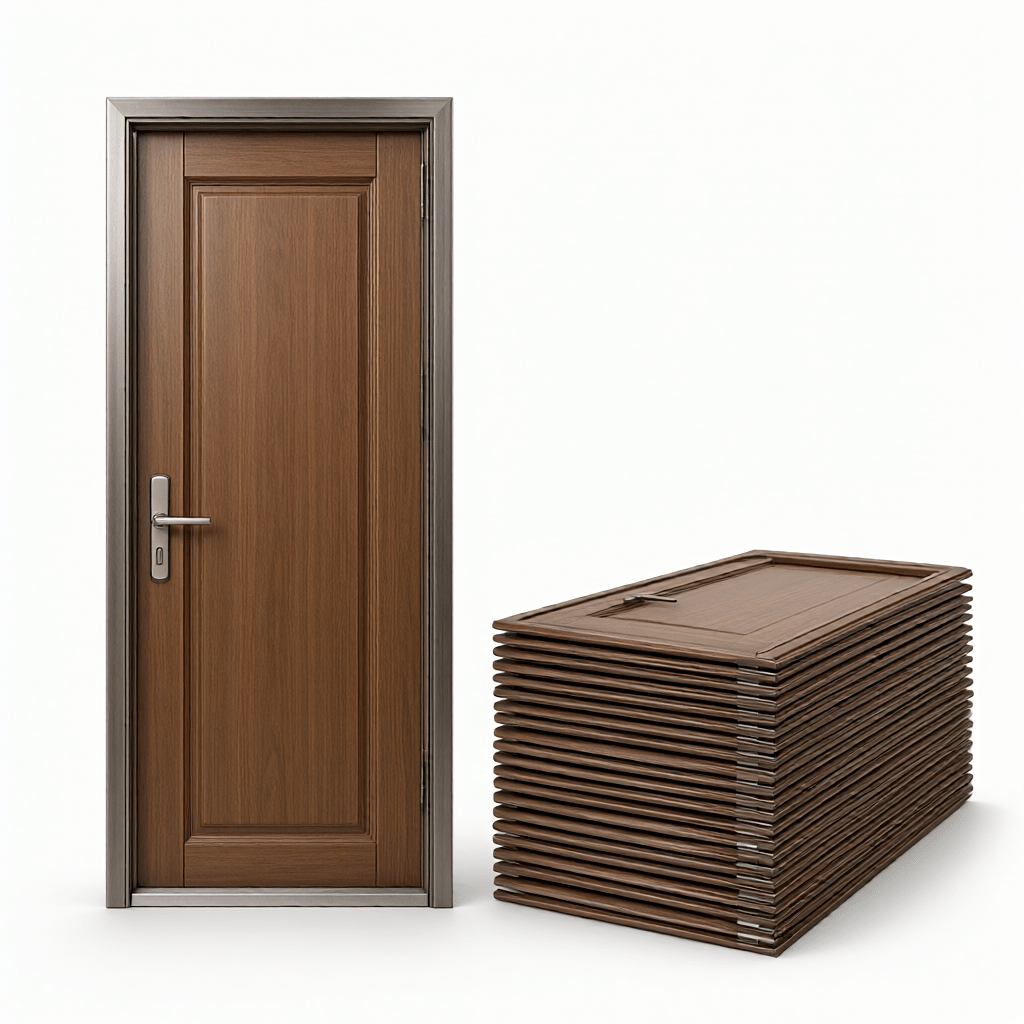
How does the e-commerce channel work for doors?
Door e-commerce means buying through digital storefronts — manufacturer sites, B2B portals, or marketplace listings. The workflow is simple:
- Browse: View product pages, photos, and basic specs.
- Select: Choose from available sizes, finishes, and configurations.
- Checkout: Place orders with defined payment terms (often partial upfront, balance before shipment).
- Deliver: Ship in containers (FCL/LCL) or courier, depending on volume.
You are responsible for verifying dimensions, glass selections, and hardware compatibility. Most platforms sell off-the-shelf or semi-custom items, meaning the catalog drives your choices rather than the reverse. For smaller jobs — a single renovation purchase or a handful of replacement doors — this speed and transparency can be attractive. You can also reference supporting guides on topics like how to hang an interior door once the product arrives.
Where e-commerce falls short: limited ability to request custom profiles, complex fire-rated assemblies, or code-specific hardware packs. If a product doesn’t match your schedule, it’s usually unavailable rather than adjustable.
How does the project channel work for doors?
The project channel operates around spec-driven batches. A buyer (developer, architect, general contractor, or distributor) provides room schedules, opening dimensions, performance targets, and any applicable code references. The supplier then:
- Configures profiles, glazing, weather seals, and hardware sets to match.
- Produces samples or mock-ups for sign-off.
- Schedules production lines by phase or shipment wave.
- Manages export documentation (packing list, proforma invoice, customs paperwork).
- Ships via FCL or LCL according to site handover dates.
This model aligns with trade door supply, contractor channel buying, and project sourcing where batch continuity matters. It also fits bulk window and door ordering for architectural specification orders, because every frame can be tuned to local building codes and energy ratings.
Buyers using this route typically coordinate earlier, negotiate pricing tiers, and lock quality benchmarks before production begins. When fire doors are part of the scope, they may cross-reference NFPA 105 smoke door assembly standards alongside IBC Chapter 716 opening protectives to ensure selected hardware and labeling meet the intended jurisdiction.
Why it matters: project-sourced doors come with traceability. Each shipment can carry test reports, material certifications, and a finished-goods record tied back to the original drawing set. That documentation is essential for permits, inspections, and warranty claims on commercial builds.
How do prices compare between the two channels?
Pricing differs because the cost structures differ:
- E-commerce pricing reflects per-unit margins, retail packaging, platform fees, and shorter fulfillment cycles. Unit prices look lower on small quantities but rarely include freight, sampling costs, or document preparation.
- Project channel pricing incorporates tooling/setup amortization, bulk material buys, line scheduling efficiency, and packaging optimized for container loading. The per-unit cost drops sharply at scale, and total landed cost becomes easier to forecast because freight, documentation, and testing are priced together.
A practical example helps. A developer needing 120 entry doors for a multi-unit residential development will typically find that a project-channel quote — even after adding shipping, testing, and packaging — delivers a lower total cost than purchasing 120 individual SKUs through an online store. Conversely, a homeowner replacing one patio door is unlikely to benefit from a factory-direct project run once demurrage and container consolidation costs are considered.
When evaluating bids, always calculate total cost of ownership, not just unit price. Hidden costs such as sampling fees, certificate fees, rework due to wrong schedule coordination, and partial-container premium freight can flip the economics quickly.
Key Specifications
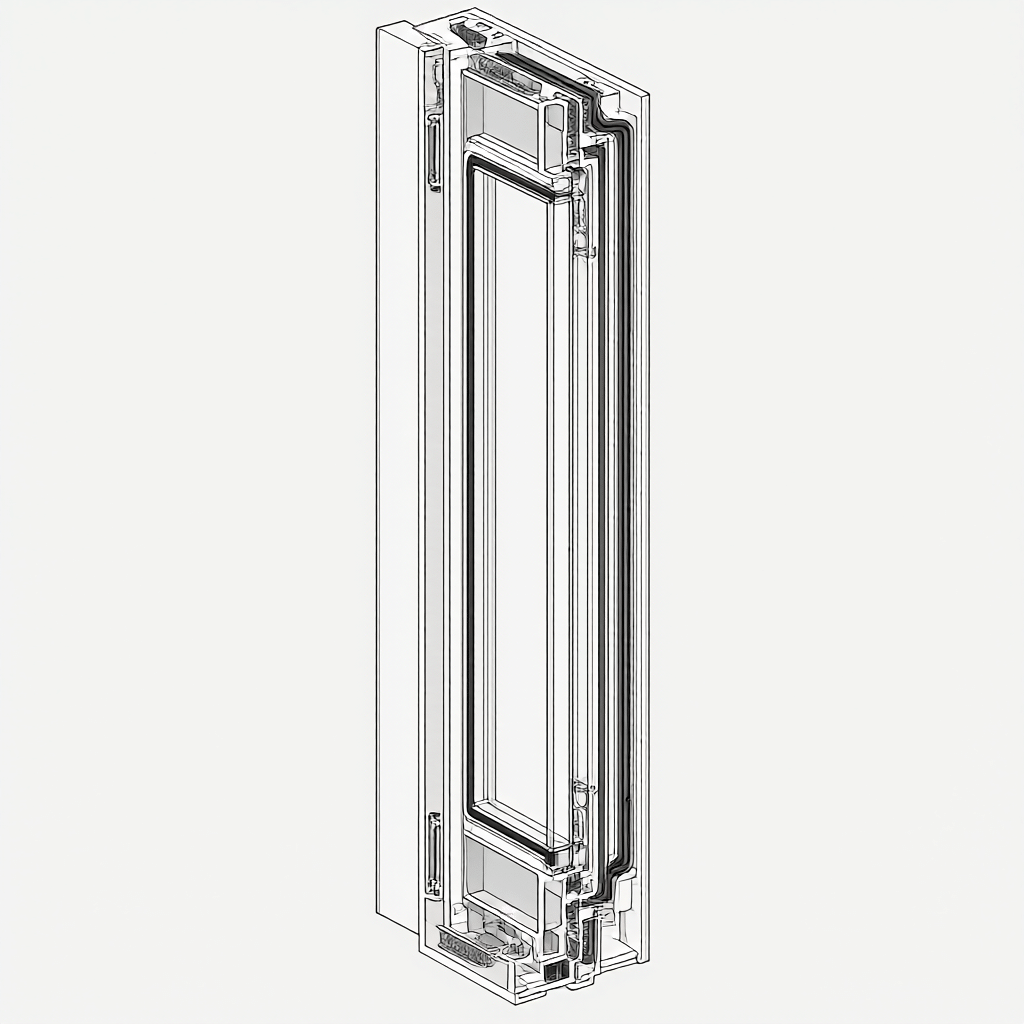
What are the typical specs and parameters buyers should confirm before choosing a channel?
Order quantity (MOQ) and batch efficiency
- E-commerce: Often no hard MOQ; some suppliers require a minimum for custom glass or hardware. Small orders ship faster but carry higher per-unit logistics overhead.
- Project channel: Commonly starts around 20–50 units for customized aluminum systems and solid wood doors, though thresholds vary by profile type and destination. Larger batches improve per-unit pricing and stabilize production scheduling.
Note that mixing products — such as pairing casement doors with sliding doors and sunroom components — can raise efficiency only if the supplier coordinates a combined FCL load plan. Otherwise, multiple LCL shipments increase cost and delay timelines.
Lead times and production scheduling
- E-commerce: 15–30 days for stocked items; longer if options are made-to-order.
- Project channel: 30–60+ days depending on profile complexity, glass types, surface treatments, hardware kits, and port congestion. Phased delivery (ship-by-floor or ship-by-building) extends overall timeline visibility but reduces on-site storage pressure.
Lead time is sensitive to pre-shipment inspection timing and document readiness. Delays at customs or incomplete packing lists can stall delivery despite on-time factory output.
Logistics and shipping arrangements
- E-commerce: Usually consolidated parcels or standard container loads with minimal routing coordination. Suitable for low-volume, mixed-SKU orders.
- Project channel: Designed for FCL/LCL planning aligned to site milestones. Suppliers prepare stow plans, crating, and moisture protection. For large developments, staggered LCL shipments can match construction phasing while avoiding double-handling.
Regardless of channel, doors arrive as vulnerable assets. Proper packing, corner protection, and labeling are non-negotiable for both retail-style and contractor channel orders.
Standards & Requirements
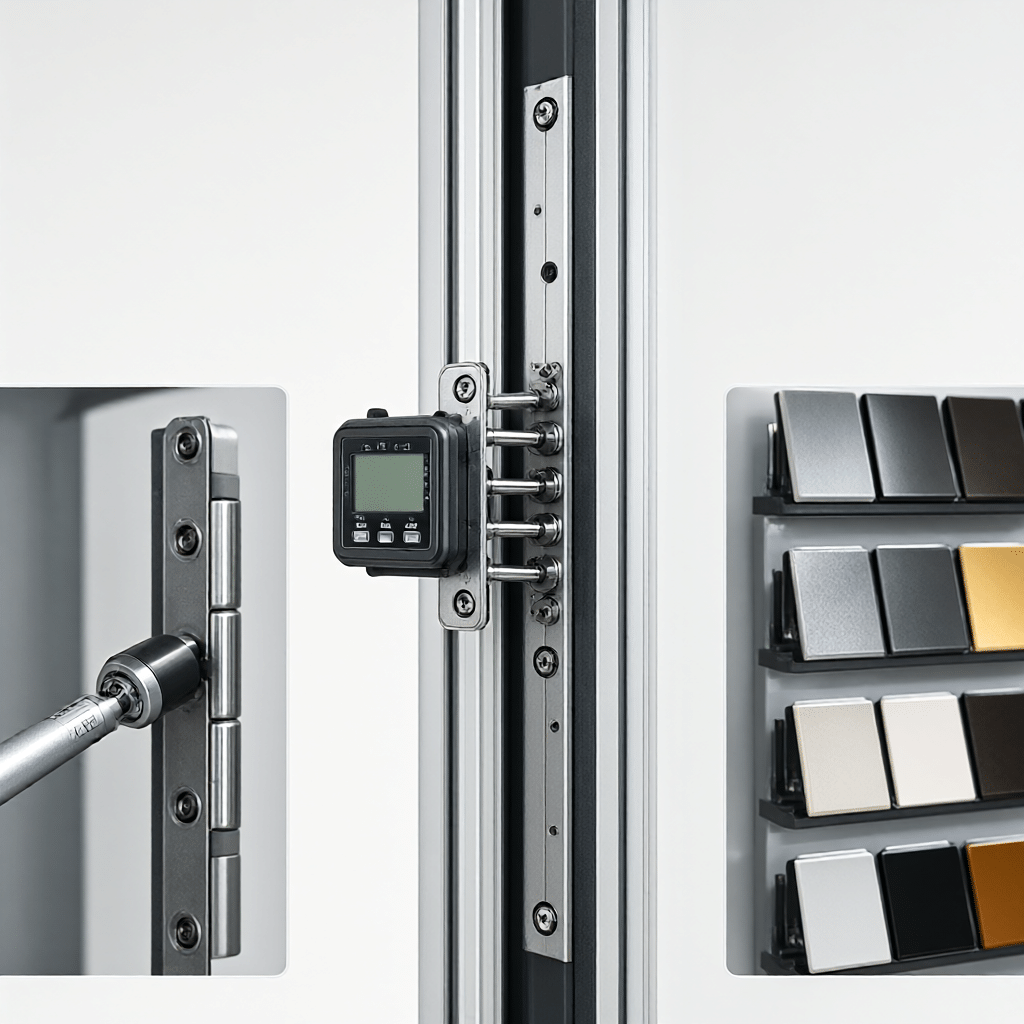
What certifications and compliance documents are required?
Door certifications depend on end use and market:
- Safety and performance testing: Impact resistance, cyclic operation, and structural durability tests commonly reference ASTM standards maintained by ASTM International for material and performance criteria. Verify that the tested specimen matches the exact profile, glazing, and hardware configuration being ordered.
- Fire-rated assemblies: NFPA 105 outlines smoke door assembly requirements, while the IBC chapter on opening protectives covers fire door labeling and installation conditions. Specifying labels, hinges, closers, and gasket kits as a matched set is essential for inspection approval.
- Energy ratings: Markets may require U-factor or SHGC data for exterior entries, especially in cold-climate or high-solar zones.
- Accessibility and hardware height: Coordination with recognized woodworking/door hardware standards helps avoid field conflicts during trim and lever placement.
Project-channel buyers typically request a document pack — test certificates, mill reports, labeling sheets, and installation drawings — before shipment. E-commerce buyers often receive product data sheets, but comprehensive compliance bundles are less common unless explicitly requested.
For related technical context, see guidance on soundproofing existing doors and hinge spacing rules, since acoustic and hardware planning influence which channel delivers the right package.
Get a Free Quote for your upcoming project or review specifications before committing.
Related Considerations
What should you consider when deciding between these channels?
Use the following decision framework:
- Project size and phasing. One to five doors → e-commerce is efficient. Twenty doors or more, especially across multiple buildings, leans toward project channel sourcing.
- Customization depth. Standard sizes and colors suit online selection. Custom profiles, special glass tints, integrated lighting, or code-specific fire labels require project-channel coordination.
- Timeline certainty. If completion dates are fixed and interdependent with other trades, structured production scheduling and phased delivery reduce risk.
- Total cost tolerance. Low upfront budget and willingness to absorb site-level changes favor e-commerce. Predictable budgeting with bulk discounts favors the project route.
- Documentation needs. Permit submissions, insurance disclosures, and warranty filings demand paper trails that project channels provide routinely.
Hybrid approaches also exist. Some developers buy standard interior doors online while securing exterior entries and lobby hardware through a project distributor. Others place initial e-commerce orders for sample units, then convert successful configs into project-channel production runs. Both strategies balance speed with specification control.
When to choose e-commerce over the project channel
Choose e-commerce when:
- You need fast turnover on common sizes.
- The scope is small enough that sampling and documentation overhead isn’t justified.
- Your team can verify dimensions and hardware locally after receipt.
- Budget is tight and you prefer per-unit clarity over bundled pricing.
When the project channel is the better choice
Choose the project channel when:
- You are outfitting multi-unit residential developments, hotel and resort projects, or architectural specification orders.
- You need consistent batch color, profile extrusion, and hardware finishes across many doors.
- Compliance documentation (fire ratings, energy labels, access hardware records) must accompany each shipment.
- You want phased shipping aligned to construction milestones rather than a single parcel drop.
If you already know the channel you need and want vendor capabilities that match those requirements, Contact Our Team to discuss profiles, testing, and delivery planning.
Final Recommendation
Neither channel is universally superior; each solves different problems. E-commerce wins on speed, simplicity, and low minimums. The project channel wins on specification control, documentation, and per-unit economics at scale. The right choice depends on your project size, customization depth, timeline certainty, and documentation requirements.
Start by listing your must-have specs, expected quantities, target arrival windows, and required certificates. Then match those against the strengths of each channel. Where possible, run a small pilot — whether that’s an online sample order or a formal project quote — before committing the full scope.
Formal Buyer Decision Matrix
Use this checklist to match your project profile against the appropriate channel:
| Factor | E-commerce preferred | Project channel preferred |
|---|---|---|
| Order quantity | 1–10 units | 20+ units (ideally 50+) |
| Thermal rating required | U-value ≤ 0.50 BTU/(h·ft²·°F) acceptable | U-value ≤ 0.30 with verified J-factor reporting |
| Acoustic performance | STC 30–35 sufficient | STC 40+ with lab-certified test reports |
| Fire rating | Non-rated or DIY-friendly replacements | 20/45/60/90-minute rated assemblies requiring UL labels |
| Core density spec | Particle board or honeycomb acceptable | ≥ 450 kg/m³ mineral or composite core required |
| Hardware grade | BHMA Grade 2 minimum | BHMA Grade 1 or ANSI A115.1 cyclic-tested hardware |
| Batch consistency need | Color/finish variations acceptable across units | ±5% color delta across entire order mandatory |
| Documentation requirement | Product data sheets only | Full test certificates, mill reports, labeling sheets |
| Phased delivery needed | Single shipment acceptable | Ship-by-floor or ship-by-building staging required |
| Budget model | Per-unit transparency | Total landed cost with bulk tier discounts |
Quantified cost benchmarks (USD per unit, FOB China, excluding freight):
- Interior hollow-core door: $150–$400 (e-commerce) vs. $80–$200 (project channel, 50+ units)
- Solid wood entry door: $600–$2,500 (e-commerce) vs. $400–$1,800 (project channel, 30+ units)
- Fire-rated commercial door (60-min): $1,200–$4,500 (e-commerce) vs. $800–$3,000 (project channel, 20+ units)
- Aluminum sliding system with thermal break: $2,000–$6,000 (e-commerce) vs. $1,500–$4,500 (project channel, 20+ units)
Source: ASTM International material and performance testing guidelines reference astm.org for standardized door performance criteria.
All prices are illustrative baselines; actual costs depend on profile thickness, glass selection, hardware kits, surface treatments, and destination port. Professional installation runs $200–$600 per door through either channel.
Service Levels and After-Sales Support
Support tiers differ substantially between channels and often determine long-term project viability:
E-commerce service model:
- Digital catalog access and self-service ordering
- Standard return/exchange policies (usually 7–30 days)
- Limited technical support via chat or email
- Replacement parts sourced individually at retail rates
- No on-site coordination or installer guidance
Project channel service model:
- Dedicated account manager assigned to the order
- Pre-production samples and mock-up approval cycles
- Technical drawings aligned to architectural plans before manufacturing
- On-site or remote installer coordination during receipt
- Staged delivery matching construction phasing
- Centralized spare-parts ordering with batch-matched finishes
- Warranty claims handled through original purchase documentation
Response times, escalation paths, and claim resolution periods should be defined in writing before purchase. Verbal promises about support do not replace contractual service-level agreements.
Quality Assurance and Warranties
Quality assurance mechanisms vary by channel and are critical for long-haul procurement:
- Pre-shipment testing: Reputable project-channel suppliers perform air-tightness, water-tightness, and wind-resistance tests per ICC/ANSI standards referenced by iccsafe.org before cargo leaves the factory. Request third-party test reports — not internal certificates — for compliance validation.
- Batch traceability: Each project shipment should carry a unique production lot number linking back to mill certificates, hardware batch records, and glazing unit serial numbers.
- Warranty duration: E-commerce purchases typically carry 1–2 year limited warranties. Project-channel orders commonly secure 3–10 year warranties backed by manufacturer records, which is essential for multi-unit residential and hospitality developments.
- Documentation package: A complete project shipment includes test certificates, material certifications, labeling sheets, assembly drawings, and a packing list with unit-level sequencing.
When evaluating any supplier, request sample units and verify that delivered products match the approved sample in finish, dimension, and hardware function. Accept no deviations without written change authorization.
Red Flags to Watch For
Identify unreliable suppliers early by checking for these warning signs:
- Refusal to provide physical samples — Any credible manufacturer will supply pre-production samples for approval before bulk runs begin.
- Missing or unverifiable test reports — Demand current (within 3 years) third-party test results for fire ratings, thermal performance, and structural loads. Internal lab reports without accreditation are insufficient.
- No documented inspection process — If a supplier cannot describe their pre-shipment quality checks, do not proceed.
- Vague customization claims — Specifications must be written, signed, and attached to the purchase order. “We can make anything” without drawings is a risk.
- Lack of export experience — Suppliers unfamiliar with FCL/LCL logistics, customs documentation, or destination-market building codes will create delays and compliance failures.
- Unexplained price gaps — Quotes significantly below market average often indicate omitted specifications, non-compliant materials, or hidden fees added later.
- No references or past project portfolio — Verified case studies from similar markets build confidence; anonymous suppliers do not.
Completing the Mixed-Product Strategy
Returning to the earlier point about combining product types: mixing casement doors, sliding doors, and sunroom components within a single container order improves overall logistics efficiency only when the supplier actively coordinates a consolidated FCL load plan. Without that coordination, you face multiple LCL shipments, elevated per-cubic-meter freight costs, and misaligned delivery dates. Always confirm with the supplier that combined SKUs share a single stow plan and unified customs documentation package before approving mixed orders.
How a Manufacturer Approaches Channel Selection
As a direct-from-factory supplier, our approach to channel decisions centers on three principles: transparent specification alignment, verifiable quality controls, and end-to-end documentation support. We work with buyers who need either rapid fulfillment of standard sizes or fully engineered custom solutions — and we structure each engagement around the buyer’s actual scope rather than a one-size-fits-all sales pitch.
Our process begins with a detailed specification review — confirming profile depth, core density, glass type, hardware grade, and applicable code requirements for the destination market. From there, we provide sample units for sign-off, followed by scheduled production with documented quality checkpoints. Every shipment includes air-tightness, water-tightness, and wind-resistance test records alongside full customs documentation, so buyers receive traceable, compliant cargo rather than a box of unlabeled components.
We also adjust profile structures and fitting configurations to meet local building codes in target markets, ensuring that exported doors clear inspection without modification on arrival. Whether your order fits an e-commerce pickup model or a phased project-channel workflow, the goal is the same: products that match the specification, arrive on time, and pass scrutiny at the job site.
Get a Free Quote to discuss your project requirements with our team.
Completing the Cutoff Table
| Factor | E-commerce preferred | Project channel preferred |
|---|---|---|
| Order quantity | 1–10 units | 20+ units (ideally 50+) |
| Thermal rating required | U-value ≤ 0.50 BTU/(h·ft²·°F) acceptable | U-value ≤ 0.30 with verified J-factor reporting |
| Acoustic performance | STC 30–35 sufficient | STC 40+ with lab-certified test reports |
| Fire rating | Non-rated or DIY-friendly replacements | 20/45/60/90-minute rated assemblies requiring NFPA 105 listing labels and IBC Chapter 716 compliance documentation |
| Documentation burden | Minimal — product sheets only | Full pack including test certificates, mill reports, and installation drawings |
| Timeline certainty | Immediate to 30-day ship dates | 30–60+ day production windows with phased delivery possible |
| Risk tolerance | Accepts fit-on-site adjustments | Requires pre-production sample sign-off |
How We Meet These Channel Standards
As a manufacturer operating at the intersection of both channels, we see clearly how each approach serves different buyer needs — and where a producer can add the most value depending on your situation.
When buyers evaluate e-commerce purchases for doors, they expect straightforward ordering, transparent unit pricing, and predictable fulfillment. That means our stocked configurations ship with clear product data sheets, accurate dimension listings, and hardware compatibility notes. For custom requests, we support semi-custom selections on glass types, surface colors, and handle sets through the same digital interface, letting buyers self-serve without sacrificing every detail.
Under the project channel, the workflow shifts entirely. Buyers submit room schedules, schedule-driven quantity lists, and performance targets, and we respond with configured quotes that include engineered profiles, certified glazing combinations, and hardware sets matching local building code requirements. Every shipment is accompanied by a packing list, proforma invoice, and customs documentation package — eliminating the friction of last-minute paperwork at the port.
Here is how we meet these standards practically:
- Pre-shipment inspection protocol covers air-tightness, water-tightness, and wind resistance testing on every batch before cargo leaves the facility. This ensures that test results shipped with the documentation reflect actual performance, not just type-test assumptions.
- Profile and fitting adjustability allows us to tune frame depth, sill design, and hardware bore patterns to align with the target market’s building codes — critical for contractors importing into regions with distinct requirements.
- Production scheduling flexibility supports phased FCL and LCL shipments across multi-phase developments, reducing on-site storage pressure and matching concrete pour and framing timelines.
- Direct factory supply eliminates middleman markups, giving contractor channel buyers the pricing clarity they need for bid-to-final-cost reconciliation.
Whether your project fits neatly into an online catalog or requires full spec alignment, understanding which channel delivers the right combination of speed, customization, documentation, and total landed cost is the foundation of smart procurement. The best buyers match their scope, timeline, and documentation burden against the channel that reduces risk — not just the one that looks cheapest per unit.
Sources & References
- astm.org — www.astm.org
- how to hang an interior door — doorwoodendoors.com
- NFPA 105 smoke door assembly standards — doorwoodendoors.com
- IBC Chapter 716 opening protectives — doorwoodendoors.com
- soundproofing existing doors — doorwoodendoors.com
- hinge spacing rules — doorwoodendoors.com
- ICC/ANSI standards referenced by iccsafe.org — www.iccsafe.org











