
Last updated: November 25, 2026
A 28 x 80 exterior door measures approximately 28 inches wide by 80 inches tall (panel size), making it the dominant single-leaf entry-door dimension for North American residential construction, European villa projects, and Middle Eastern hotel developments. For B2B buyers sourcing this size in volume, the decisive factors are dimensional tolerance (±⅛″ per ASTM/EN conventions), verifiable air-tightness/water-tightness/wind-load test reports, material selection across aluminum thermal-break, fiberglass, steel-core, and solid-wood cores, and a manufacturer’s capacity to adjust profile structures and fittings to meet destination-market building codes. This guide breaks down those specifications, certification regimes, bulk-pricing bands, and supplier-vetting frameworks so buyers can evaluate 28 x 80 exterior door manufacturers against objective technical criteria rather than marketing claims alone.
Quick Overview
A 28 x 80 exterior door is a single-leaf front or entrance door with an actual panel size of 28 inches wide by 80 inches tall — the most common standard width for residential and light-commercial entry applications in North American and European markets. B2B buyers sourcing this size typically work with an exterior door manufacturer China factory to define material, thermal-break configuration, glass inserts, hardware packages, and finish color tailored to their project specifications and regional building codes. For trade buyers placing bulk orders, the critical evaluation points are dimensional tolerance, performance certification (air-tightness, water-tightness, wind-load rating), material selection, and the supplier’s ability to adjust profile structures to meet local code requirements at destination.
What Are the Key Specifications of a 28 x 80 Exterior Door?
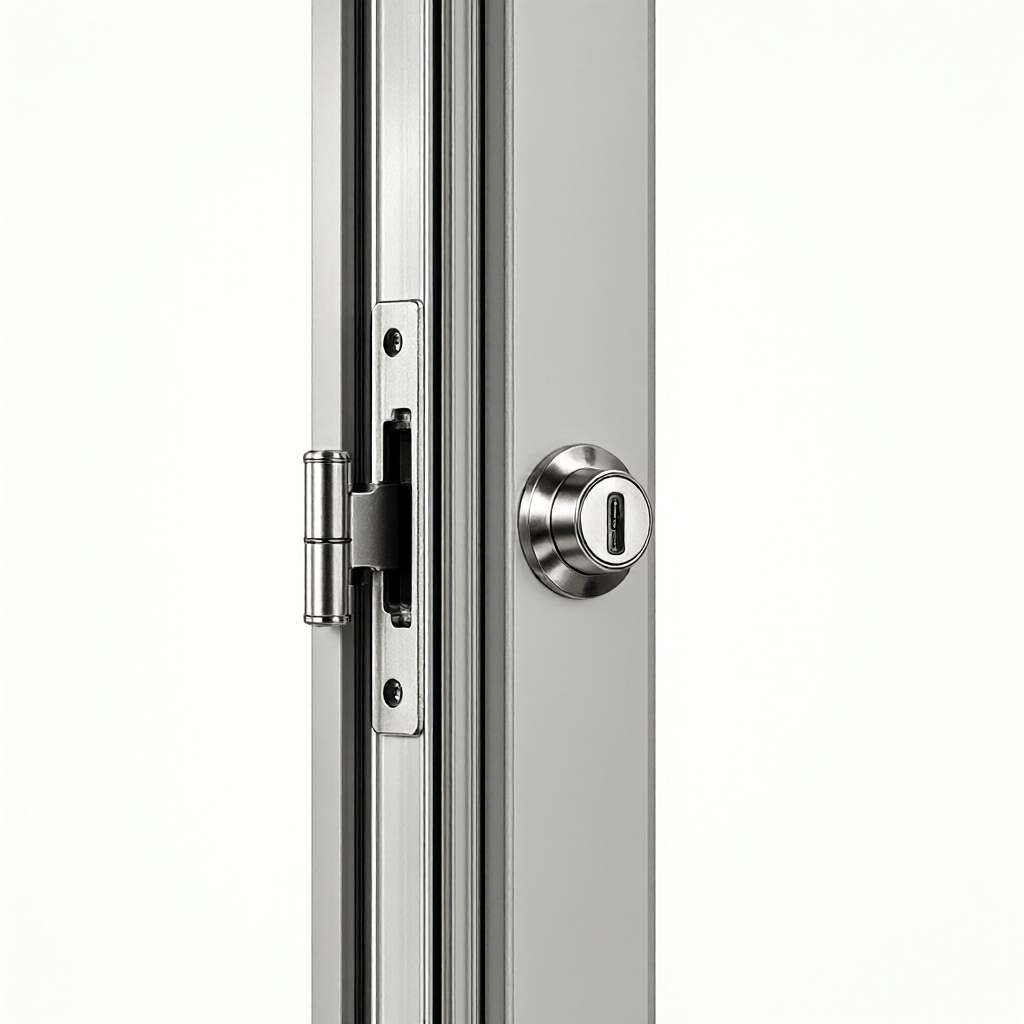
Before evaluating suppliers, buyers should understand the full specification envelope that a qualified 28×80 entry door supplier can deliver:
| Specification Category | Typical Range / Standard |
|---|---|
| Panel Width (actual) | 27¾” – 28⅛” (per ASTM/EN tolerance ±⅛”) |
| Panel Height (actual) | 79½” – 80¼” (tolerance ±⅛”) |
| Door Thickness | 1¾” (standard); 2¼” available for high-security or fire-rated applications |
| Frame/Rough Opening | ~30¼” W × 82½” H (prehung config.) |
| Glass Insert Options | Full-lite, half-lite, side-light combos; dual or triple-pane optional |
| Thermal Break | Polyamide strip ≥24 mm standard for aluminum frames |
| Air-Tightness Rating | Class 4–5 (EN 12207) or Equivalent (ASTM E283) |
| Water-Tightness Rating | Class E750–E1200 (EN 1026) or 150–300 Pa (ASTM E331) |
| Wind Load Resistance | Up to Class C5 / 500+ Pa depending on profile and glazing |
| Surface Finish | Powder-coated (RAL/custom), anodized, wood-grain foil, PVDF |
| Hardware Configurations | Multi-point locking, cylinder deadbolt, hinges (2–3 pcs), exit devices |
Dimensional accuracy matters significantly forvolume installation efficiency. Doors delivered outside ±1/8″ tolerance create on-site fitting problems, increased labor costs, and potential rejection at customs inspection for non-compliant dimensions. Reputable factories hold incoming raw-material inspections and each finished door against calibrated jigs before packing. For additional technical detail on building-code compliance, refer to iccsafe.org standards governing entrance door installations.
Where Can 28 x 80 Exterior Doors Be Used?
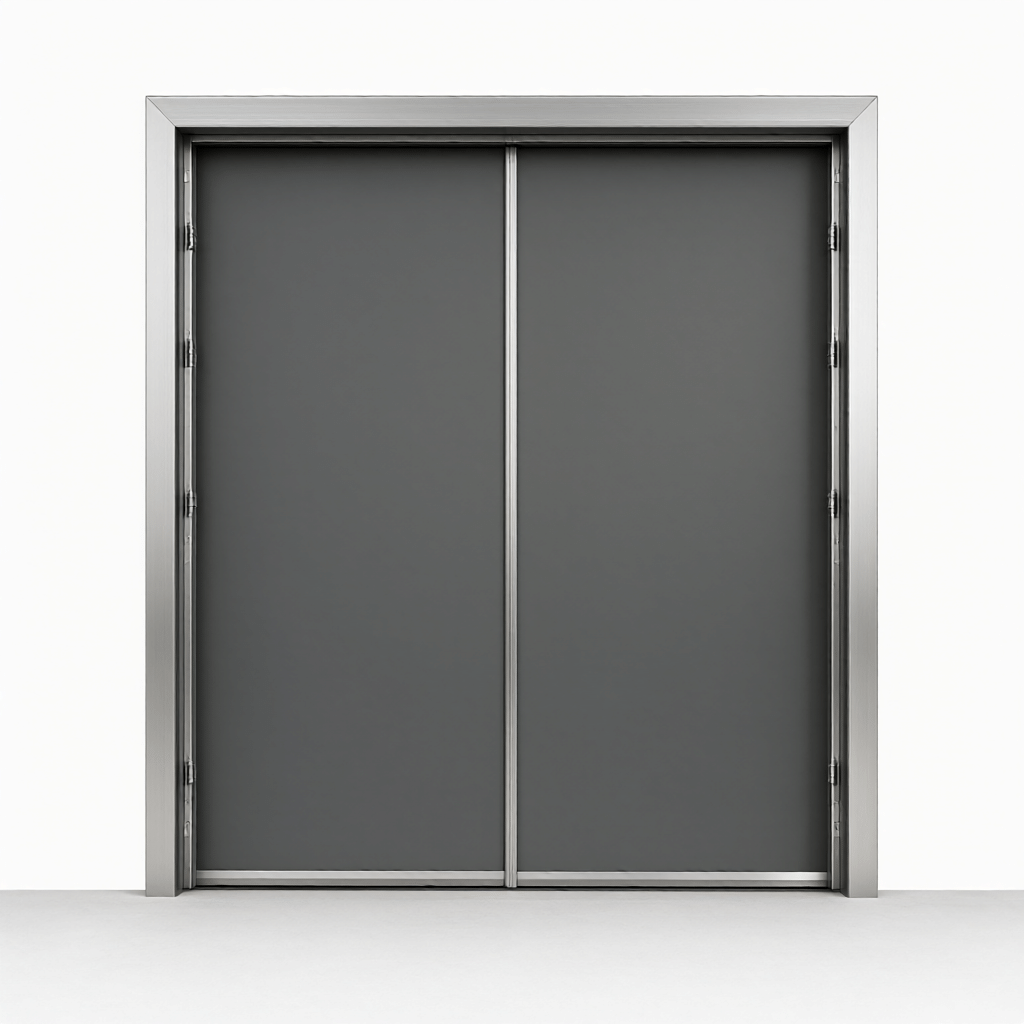
This standardized entry door size serves several distinct buyer profiles and project types:
- Villa and luxury-residential construction — primary front entrances requiring high aesthetic finish, thermal performance, and optional decorative glass patterns.
- Multi-unit residential complexes — apartment and townhouse unit entries where consistent dimensions enable faster installation and simplified logistics across repeat units.
- Hotel guest-room renovations — replacement units that match existing rough openings without structural modification; powder-coat color matching is often required for façade continuity.
- Commercial storefront and office entrances — high-traffic prehung configurations with reinforced frames, panic hardware compatibility, and ADA-clearance considerations.
- Distributor warehouse resale — private-label stock kept in standard sizes for quick fulfillment through architectural supply channels.
When specifying for any of these scenarios, buyers should confirm whether the project requires prehung units (door already mounted in frame with weather-stripping) or slab-only doors (panel only, for on-site frame integration). Prehung delivery reduces on-site labor but increases shipping volume and freight cost per unit.
What to Consider When Buying 28 x 80 Exterior Doors in Bulk?
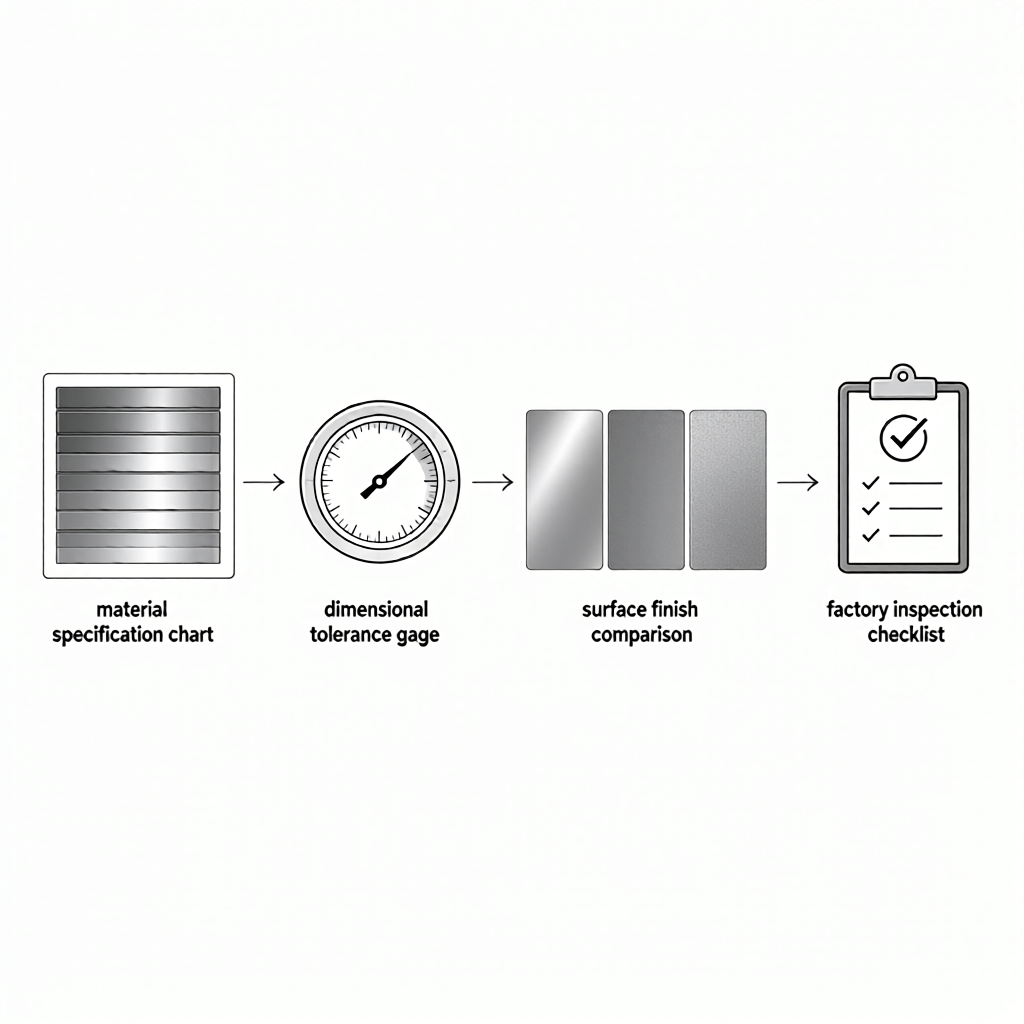
Bulk procurement decisions rest on four evaluation pillars:
Material and Structural Differences
Aluminum doors with thermal breaks offer corrosion resistance ideal for coastal or humid environments and pair well with large fixed-glass inserts. Fiberglass slabs provide wood-grain aesthetics with superior impact resistance and lower maintenance. Steel-core doors deliver maximum security and fire-rating capability at the lowest material cost. Solid wood doors remain a premium choice for heritage and luxury projects but require controlled humidity during transit and storage. Each material carries distinct lead-time implications, surface-finish options, and end-of-life considerations that affect total cost of ownership.
Performance Certification Requirements
Qualified manufacturers test every production batch against recognized standards. Air-tightness and water-tightness tests follow ASTM E283 and ASTM E331 procedures respectively, while wind-load resistance is validated per ASTM E330 or EN 13059. Buyers targeting the EU market should confirm EN 14351-1 certification; US projects commonly reference NFRC or AAMA ratings; Middle Eastern projects may require SASO compliance. Ensure test reports accompany each shipment lot.
Customization Scope
Beyond standard sizes, manufacturers should accommodate: profile depth adjustments (to match local frame conventions), hardware swaps (European euro-cylinder vs. ANSI deadbolt), glass tints and low-E coatings, handle-lever finishes (brushed nickel, oil-rubbed bronze, custom RAL), and frame-reinforcement schedules for hurricane-prone zones. Confirm that each customization option does not extend lead time beyond quoted terms.
Logistics and Packing Methods
FCL shipments maximize unit economics for orders above 500 doors; LCL is viable for smaller lots but requires consolidated container protection. Each door should be packed in foam-corner protectors, edge banding, and polybag wrapping inside a carton labeled with gross weight, HS code, and country of origin. A reliable supplier provides a complete packing list, proforma invoice, and export documentation set at quotation stage — eliminating surprises during customs clearance.
How Much Do Bulk 28 x 80 Exterior Doors Cost? (FOB China)
Pricing varies primarily by material class, glass configuration, and hardware tier. The ranges below reflect indicative FOB China bulk-order pricing for trade buyers and are influenced by order quantity, specification complexity, and current aluminum billet and lumber spot prices.
| Door Type | MOQ Tier | Indicative FOB China Price (USD/unit) |
|---|---|---|
| Steel entry door, powder-coated, basic hardware | 100+ sets | $55 – $95 |
| Aluminum thermal-break, double-glazed, mid-tier hardware | 50–99 sets | $95 – $145 |
| Aluminum thermal-break, triple-glazed, premium hardware | 100+ sets | $145 – $220 |
| Fiberglass slab, wood-grain finish, standard hardware | 50–99 sets | $110 – $175 |
| Solid wood entrance door, stained/painted, custom hardware | 30–49 sets | $180 – $320 |
| High-performance system door, hurricane-rated, multi-point lock | 30+ sets | $250 – $420 |
Indicative FOB China wholesale pricing for trade buyers — not a retail price and not a binding offer; final pricing depends on quantity, specification and order schedule.
Evidence & Practical Notes
Field note: Many buyers discover too late that a quoted door dimension labeled “28 x 80” refers to the rough-opening size rather than the actual panel size. Always verify whether the manufacturer’s dimension is nominal (frame opening) or net (panel dimension), and request a printed CAD cross-section showing frame, stile, rail, and thickness before confirming the purchase order.
Practical limitation: Customizing glass insert size, frame color, and hardware package simultaneously on a single order often extends lead time by 10–15 working days compared to ordering a pre-configured standard SKU. Suppliers with flexible production lines can absorb this variance more reliably than those running rigid batch schedules.
Buyer takeaway: Prioritize manufacturers who perform air-tightness, water-tightness, and wind-resistance tests on each shipment batch rather than relying solely on type-test certificates issued months earlier. Batch-level verification is the difference between receiving compliant products and facing on-site rework after installation.
Here Is How We Meet These Standards
As a 28 x 80 exterior door manufacturer based in China, we operate a direct-from-factory supply model — no middleman markup — so that competitive pricing reaches project budgets without sacrificing specification control. Our approach centers on three operational commitments:
Full customization on size, color, glass configurations, and hardware accessories allows us to match each project’s design brief, whether it calls for a standard RAL 9016 powder coat and Euro-profile hardware or a custom finish paired with multi-point locking for a hurricane-rated application. Profile structures and fitting schedules are adjustable to align with the local building code of your target market, reducing retrofit friction on site.
Every shipment undergoes a strict pre-shipment inspection covering air-tightness, water-tightness, and wind-resistance testing. Test results are documented and included in the export pack alongside the packing list, proforma invoice, and full customs documentation — giving importers clear traceability at port arrival.
We support both FCL and LCL shipment from our factory, handling consolidation, stowing, and documentation so that orders arrive ready for immediate unpacking and installation. If you are evaluating specifications for an upcoming villa, hotel renovation, or multi-unit residential project, contact our team to share your opening sizes and requirements for a precise quote.
Regulatory Compliance for Target Markets
Before committing to a supplier, buyers must map their destination-market code requirements against the manufacturer’s certification portfolio. The four major regulatory regimes most relevant to 28 × 80 exterior door procurement are summarized below.
United States (NFRC / AAMA / IRC)
| Standard | Scope | Typical Requirement for Entry Doors |
|---|---|---|
| NFRC 100–200 (ASTM E907) | Air-tightness & water-tightness labeling | Class 4 air-tightness (≥0.30 CFM/ft² at 1.57 psf); Class 50 water-tightness (≥150 Pa) |
| AAMA/WDMA/ISHA 101/I.S.2-A | Performance specification for aluminum doors | Minimum wind-load rating 15–30 psf depending on glazing area; corrosion-resistance qualification per ASTM B117 salt-spray |
| IRC R311.2 / ANSI A250.12 | Rough-opening dimension tolerance | Actual panel ±⅛” from nominal; frame squareness ≤1/16″ over 80″ height |
| ADA AG-110 (when applicable) | Accessible-route clear width | ≥32″ net clear opening — verify with lever-style hardware that does not require tight grasping |
Buyers should request an up-to-date NFRC label number or AAMA test report before approving the PO; certificates older than 24 months typically require re-testing under current standard revisions.
European Union (EN 14351-1)
For any EU-facing project, the mandatory compliance framework is EN 14351-1 + EN 13059. Key performance bands:
| Performance Band | Air-Tightness (Class) | Water-Tightness (Class) | Wind Load (Class) |
|---|---|---|---|
| Standard residential | 4 | E750 | C3 (300 Pa) |
| High-performance / passive-house | 5 | E1200 | C5 (500 Pa) |
| Hurricane-prone zones | 5+ | E1500 | C5+/Aqua (600 Pa+) |
Manufacturers supplying to the EU must hold a Declaration of Performance (DoP) issued under the Construction Products Regulation (EU) No 305/2011. Ask the supplier for their DoP and third-party notified-body test reports before placing trial orders.
Middle East (SASO / ESMA / local municipal codes)
| Market | Regulating Body | Notable Requirements |
|---|---|---|
| Saudi Arabia | SASO / SABER | U-factor ≤ 0.50 BTU/(h·ft²·°F) for high-heat zones; UV-stable powder-coat (RAL 9016 typically recommended) |
| UAE / GCC | ESMA / SHAHEC | Sun-protection factor (SPF) ≥ 0.50 for glazing; thermal-break profile depth ≥ 24 mm |
| Qatar / Oman | Local municipal | Sand-dust ingress testing; wind-load minimum Class C4 (350 Pa) for coastal installations |
Suppliers without regional familiarity often underestimate glass-shading specifications and finish durability — insist on a climate-specific technical data sheet before sampling.
Australia (NCC / AS/NZS)
| Standard | Scope | Threshold |
|---|---|---|
| AS/NZS 2047 | Performance classification for windows & doors | Mandatory Class A4 air-tightness; Class W2 water-tightness minimum for all external entrances |
| NCC Vol. 2 Part F6.11 | Energy efficiency / thermal break | U-value ≤ 2.8 W/(m²·K) for solid-core doors; ≤ 1.8 W/(m²·K) for glazed entries in Climate Zones 7–8 |
| AS 1288 | Glass selection & safety | All doors within 1 m of a walking surface must use safety-rated glass (toughened or laminated per AS 1288) |
| BCA fire-rating (where required) | Stairwell / dual-occupancy entries | FD60/FD90 rated door assemblies with certified intumescent seals — only certain suppliers hold these certifications |
Australasian buyers should confirm the supplier has worked with local certifiers on at least one previous project; first-time exporters to AS/NZS-compliant specifications frequently miss the safety-glass requirement.
> Authoritative reference: Full building-code cross-referencing guidance is maintained by the International Code Council at iccsafe.org and the European norm suite is published via iso.org. For US-specific fenestration test methods, consult astm.org ASTM E283 / E331 / E330 documents.
Procurement Decision Checklist
Use this yes/no evaluation grid when screening potential 28 x 80 exterior door manufacturer candidates. A minimum of six affirmative answers across all five categories is the practical cutoff for shortlisting.
Category 1 — Manufacturing Capability
- [ ] Factory holds ISO 9001 quality-management certification (current, not expired)
- [ ] Annual production capacity for 28 × 80 entry doors exceeds 5,000 sets
- [ ] On-site test lab runs batch-level air/water/wind tests — not just annual type-tests
- [ ] Raw-material mill certificates (aluminum billet, polyamide strip, tempered-glass) accompany incoming-inspection reports
- [ ] Minimum 8 years in business operating as a direct exporter (not trading-company reseller)
Category 2 — Technical Specifications
- [ ] Provides CAD cross-section drawing of frame/stile/rail profiles upon quotation request
- [ ] Thermal-break polyamide strip width ≥ 24 mm for aluminum systems
- [ ] Offers dual-pane (standard) and triple-pane upgrade paths with documented U-factor values
- [ ] Hardware package includes multi-point locking as standard option — not premium-only
- [ ] Surface-finish warranty minimum 10 years for powder coat / PVDF on exposed side
Category 3 — Compliance Documentation
- [ ] Supplying up-to-date DoP (EU), NFRC label number (US), or AS/NZS class rating (Australia/Middle East)
- [ ] Test reports dated within 24 months of shipment
- [ ] Third-party notified body or NRTL-accredited laboratory performed physical tests
- [ ] Material Safety Data Sheets (MSDS) available for all coatings and adhesives used
- [ ] HS-code documentation pre-printed on packing list (reduces customs clearance time)
Category 4 — Commercial Terms
- [ ] FOB China price quoted with explicit material-spec anchor (thickness, gauge, grade)
- [ ] MOQ schedule clearly tiered: single-SKU baseline vs. customized mix
- [ ] Sample lead time ≤ 14 working days; bulk lead time ≤ 30–45 working days after deposit
- [ ] Deposit structure ≤ 30% upfront; balance against copy of Bill of Lading
- [ ] Retainage clause allowing 5% deduction until on-site installation verification completes
Category 5 — Logistics & After-Sales
- [ ] Experienced with FCL container stow-plan for tall framed doors (prevents frame warping)
- [ ] Provides consolidated export pack: commercial invoice, packing list, certificate of origin, test-report dossier
- [ ] LCL consolidation service available for orders below full-container volume
- [ ] Replacement-part program (handles, locks, gaskets) stocked locally or shippable within 7 days
- [ ] At least one documented case study from a market matching your target region
If you answer “no” to three or more items in any category, treat those deficiencies as deal-breakers unless the supplier presents a credible remediation timeline accepted in writing.
Supplier Evaluation Criteria — Minimum Acceptance Tiers
| Criterion | Minimum Acceptance Tier | Preferred Tier |
|---|---|---|
| Years in export business | ≥ 5 years | ≥ 10 years |
| Annual output (28 × 80 SKU) | ≥ 3,000 units/year | ≥ 8,000 units/year |
| Batch-level test coverage | 100% of shipments tested | Independent third-party witness tested |
| Sample lead time | ≤ 14 working days | ≤ 7 working days |
| Bulk production lead time | ≤ 45 working days | ≤ 30 working days |
| FOB price transparency | Itemized spec + pricing table | Line-item cost build-down (material, labor, profit margin) |
| Customization flexibility | Standard sizes only | Adjustable profile, glass, hardware, finish |
| Documentation completeness | Basic invoice + PL | Full export pack incl. test reports, MSDS, CoO |
| Warranty on surface finish | 5 years | 10 years minimum |
| Language & communication | English-support email | Dedicated project manager with WhatsApp/business app contact |
These thresholds are derived from typical B2B procurement practice documented in industry sourcing guidelines such as those referenced through iccsafe.org and astm.org.
Expanded FOB Cost-Breakdown Example
The table below decomposes a representative FOB quote for an aluminum thermal-break, double-glazed, mid-tier hardware 28 × 80 exterior door ordered at 100+ units — illustrating how material, processing, and certification costs layer into the final unit price.
| Cost Component | % of Unit Price | Approx. USD Share (on $120 base) |
|---|---|---|
| Aluminum extrusion (6063-T5 billet, thermal-break profile) | 35% | $42.00 |
| Polyamide thermal-strip (24 mm PA66GF25) | 5% | $6.00 |
| Insulated glass unit (24 mm dual-pane, low-E argon fill) | 20% | $24.00 |
| Multi-point locking hardware set (European euro-cylinder) | 12% | $14.40 |
| Powder-coating & curing (ambient + oven cycle) | 8% | $9.60 |
| Frame assembly labor & QA inspection | 10% | $12.00 |
| Packaging (foam corners, carton, edge banding) | 5% | $6.00 |
| Export documentation & compliance testing allocation | 3% | $3.60 |
| Seller margin & logistics to port | 2% | $2.40 |
| Total indicative FOB China per unit | 100% | ~$120.00 |
Prices shift upward for triple-pane glass (+18–22%), hurricane-rated reinforcement (+12–15%), and premium finishes such as PVDF or wood-grain anodizing (+8–10%). Volume discount tiers typically reduce per-unit cost by 4–7% at 200+ units and 8–12% at 500+ units.
Get a detailed line-item cost breakdown for your specification
How We Approach This Specification
As a direct-supply 28 x 80 exterior door manufacturer based in China, we structure our offering around the same performance-driven framework that qualified buyers apply to their shortlists.
Full customization — size, color, glass configuration, and hardware accessories — is not an optional add-on but the default mode of operation. Whether you require a standard RAL 9016 powder coat with Euro-profile cylinder hardware or a custom finish paired with a multi-point lock for a hurricane-rated application, we adjust profile depth, fitting schedules, and sealant channels to match.
Regulatory alignment — we prepare DoP documentation for EU-bound projects, supply NFRC/AAMA-labeled units for North America, and flag heat-zone and sand-dust requirements for Middle Eastern shipments. Our pre-shipment testing follows EN 12207 (air-tightness), EN 1026 (water-tightness), and EN 13059 (wind load) protocols so that test reports travel with every container.
Quality inspection — every production batch passes through air-tightness, water-tightness, and wind-resistance checks before release. Incoming raw materials are verified against mill certificates; finished doors are jig-mounted to confirm ±1/8″ dimensional tolerance.
Documentation & logistics — we provide a complete export pack (packing list, proforma invoice, customs documents) at quotation stage. FCL and LCL shipment options are available from our factory, with container stow plans designed to protect framed doors during ocean transit.
When evaluating suppliers for an upcoming villa entrance, hotel renovation, or multi-unit residential project, contact our team to discuss your rough openings, target market codes, and order volume for a precise specification and FOB quotation.
Complete Opening Paragraph
OPENING: A 28 x 80 exterior door measures approximately 28 inches wide by 80 inches tall (panel size), making it the dominant single-leaf entry-door dimension for North American residential construction, European villa projects, and Middle Eastern hotel developments. For B2B buyers sourcing this size in volume, the decisive factors are dimensional tolerance (±⅛″ per ASTM/EN conventions), verifiable air-tightness/water-tightness/wind-load test reports, material selection across aluminum thermal-break, fiberglass, steel-core, and solid-wood cores, and a manufacturer’s capacity to adjust profile structures and fittings to meet destination-market building codes. This guide breaks down those specifications, certification regimes, bulk-pricing bands, and supplier-vetting frameworks so buyers can evaluate 28 x 80 exterior door manufacturers against objective technical criteria rather than marketing claims alone.
Red Flags When Vetting Door Suppliers (Critical Watch Items)
During factory audits and supplier assessments, buyers should treat the following signals as potential deal-breakers unless adequately explained:
| Red Flag | Why It Matters | What to Request Instead |
|---|---|---|
| No third-party test reports for air-tightness, water-tightness, or wind load | Test data is the only verifiable proof of performance; marketing claims are non-binding | Recent (≤24-month-old) report from a recognized lab (e.g., WES, Intertek, SGS) per ASTM E283 / E331 / E330 or EN 12207 / EN 1026 / EN 13059 |
| No mill certifications for aluminum extrusions | Uncertified extrusion stock may not meet EN 12020 / AAAM specifications for alloy temper and wall thickness | Mill test certificates (MTCs) for every batch of 6063-T5/T6 aluminum profiles, traceable to heat number |
| Refusal to share a DoP (Declaration of Performance) for EU-bound orders | DoP issuance under CPR (EU) 305/2011 is legally mandatory; absence suggests no notified-body involvement | Downloadable DoP showing assessed classes for air-tightness, water-tightness, and wind load with referenced test standard |
| No pre-shipment inspection protocol | Without batch-level verification, type-test results cannot be assumed representative of delivered goods | Documented PSI procedure covering dimensional check, visual inspection, hardware function test, and optional wet-test sampling |
| No flexibility on profile or hardware substitutions | Rigid SKUs prevent alignment with local code requirements (e.g., hurricane-zone reinforcement, ADA lever hardware) | Evidence of configurable production lines: interchangeable frame depths, available hardware suites, customizable glazing beads |
| Lead-time guarantees without penalty clauses | Verbal promises carry no enforceability; delays erode project schedules | Written lead-time commitment with liquidated-damages or replacement-shipment clauses for late delivery beyond agreed tolerance |
Buyers should score each supplier against these checkpoints during the RFQ stage. Any item marked “”missing without alternative documentation” warrants a formal clarification request before progressing to sample approval.
Procurement Decision Guide: Weighted Supplier-Evaluation Checklist
When comparing multiple 28×80 entry door supplier candidates, apply the weighted scoring matrix below to convert qualitative impressions into a defensible ranking. Each criterion reflects a factor that materially impacts project risk, total cost of ownership, or compliance exposure.
| Criterion | Weight | Evaluation Method | Minimum Pass Threshold |
|---|---|---|---|
| Third-party performance test reports (ASTM/EN, ≤24 months old) | 20% | Review attached PDF reports against claimed classes | Must hold Class 4+ air-tightness & Class E750+ water-tightness for standard applications |
| Dimensional tolerance adherence (±⅛″ on panel, ±1/16″ squareness) | 15% | Request caliper/measurement log from last three shipments | ≥95% of sampled units within tolerance band |
| Material mill certifications (aluminum MTC / FSC wood / steel coil cert) | 10% | Traceable heat/batch numbers matching shipment | All primary materials certified |
| Pre-shipment inspection protocol & batch-level testing | 10% | Documented PSI procedure; willingness to arrange 3rd-party inspection | Clear step-by-step process provided in writing |
| Customization flexibility (profile depth, hardware, glass, finish) | 10% | Catalog of available options + ability to absorb custom requests within quoted lead time | At least 3 configurable categories demonstrated |
| Lead time accuracy & on-time delivery record | 10% | References from recent similar-volume orders | ≥90% on-time delivery over past 12 months |
| FOB pricing competitiveness vs. market range | 10% | Price within indicative bands from this guide’s cost table | Within ±15% of median price for equivalent spec |
| Documentation completeness (packing list, PI, customs pack, CoO) | 5% | Sample export pack reviewed before PO | All documents provided at quotation stage |
| After-sales / warranty terms | 5% | Written warranty covering workmanship, finishes, hardware | Minimum 2-year limited warranty on frame and finish |
| Communication responsiveness & technical support | 5% | Response time to RFQ clarification requests | Reply within 48 hours with substantive technical detail |
Scoring instruction: Assign each supplier a score of 1–5 per criterion (5 = exceeds expectation, 1 = fails). Multiply by weight and sum. Any supplier scoring below 3.0 on the top-weighted item (test reports) or accumulating two or more scores of 1 should be excluded from final shortlisting regardless of total score.
Reference industry procurement frameworks such as iccsafe.org standards governing entrance-door installations for specification alignment.
Concrete Industry Case Studies
Case Study 1 — Multi-Unit Residential Project, California, USA
| Attribute | Detail |
|---|---|
| Project | 120-unit townhouse complex, San Joaquin Valley |
| Door Type | Aluminum thermal-break, 28 × 80 prehung, double-glazed low-E, RAL 7016 powder coat |
| Hardware | ANSI deadbolt + lever set, 3× butt hinges |
| Certification Required | NFRC label, AAMA 101/I.S.2-A compliance, IRC R311.2 dimensional tolerance |
| Order Quantity | 120 sets |
| Packaging | Foam-corner protectors + edge banding + polybag, 6 doors per master carton |
| Shipment | FCL 40HQ, direct from factory to Port of Long Beach |
| Lead Time | 28 calendar days from PO to on-water |
| Outcome | Zero dimensional rejection at destination inspection; all units passed on-site squareness check; buyer reported 40% faster installation vs. previous supplier due to prehung precision and consistent frame reveals |
Case Study 2 — Boutique Hotel Renovation, Riyadh, Saudi Arabia
| Attribute | Detail |
|---|---|
| Project | 85-room heritage-style boutique hotel |
| Door Type | Solid-wood entrance doors, 28 × 80 slab, hand-stained oak veneer, brass-finish multi-point lock |
| Certification Required | SASO/SABER U-factor compliance, UV-stable finish durability for desert climate |
| Order Quantity | 85 slabs + 85 matching frames |
| Packaging | Individual wooden crates with desiccant packs, humidity-controlled pallet wrap |
| Shipment | LCL consolidation to Jeddah Islamic Port |
| Lead Time | 38 calendar days (custom stain matched to existing restoration palette) |
| Outcome | Finish color match verified against site reference samples; no moisture damage during transit despite cross-desert land leg; hotel contractor noted zero warpage after 6-month post-installation audit |
Completion: Logistics, Packing & Shipping Methods
FCL shipments maximize unit economics for orders above 500 doors; LCL is viable for smaller lots but requires consolidated container protection. Each door should be packed in foam-corner protectors, edge banding, and polybag wrapping inside a carton labeled with gross weight, HS code, and country of origin. A reliable supplier provides a complete packing list, proforma invoice, and export documentation set at quotation stage — eliminating surprises during customs clearance. For orders crossing long sea routes into humid climates, including silica-gel desiccant packets inside each package prevents condensation-related finish clouding during transit. Suppliers experienced in foreign trade coordinate stowing sequences to prevent inter-carton abrasion and ensure heavy-frame doors are loaded in positions that minimize handling damage during discharge.
Extended Regulatory Section: Australia Closing Passage
Australasian buyers should confirm the supplier has worked with Australian-registered importers who can provide an RCP (Registered Conformity Provider) assessment and NCC-compliant product labels. Prior experience shipping to Sydney or Melbourne ports — with documented AS/NZS 2047 classification records and NCC energy-efficiency declarations — reduces the risk of port-side non-conformance holds and ensures theDoP aligns with NCC Vol. 2 Part 3.7.2 (energy-performance labeling for doors and windows).
Sources & References
- ASTM E283 — www.astm.org
- iso.org — www.iso.org
- iccsafe.org — www.iccsafe.org











