
Last updated: November 25, 2026
Quick Answer
SASO and GSO conformity for doors means that every shipment entering Saudi Arabia or other GCC member states must pass a formal conformity assessment before customs clearance. For doors, this typically involves testing against regional performance standards for air‑tightness, water‑tightness, wind resistance, and safety; submitting test reports through the SABER platform; and obtaining a Product Certificate of Conformity (PCoC) issued by an accredited body recognized by the Saudi Standards, Metrology, Quality and Organization (SASO) or the Gulf Standardization Organization (GSO). Without a valid PCoC, shipments face detention, rejection, or return at port.
Detailed Explanation
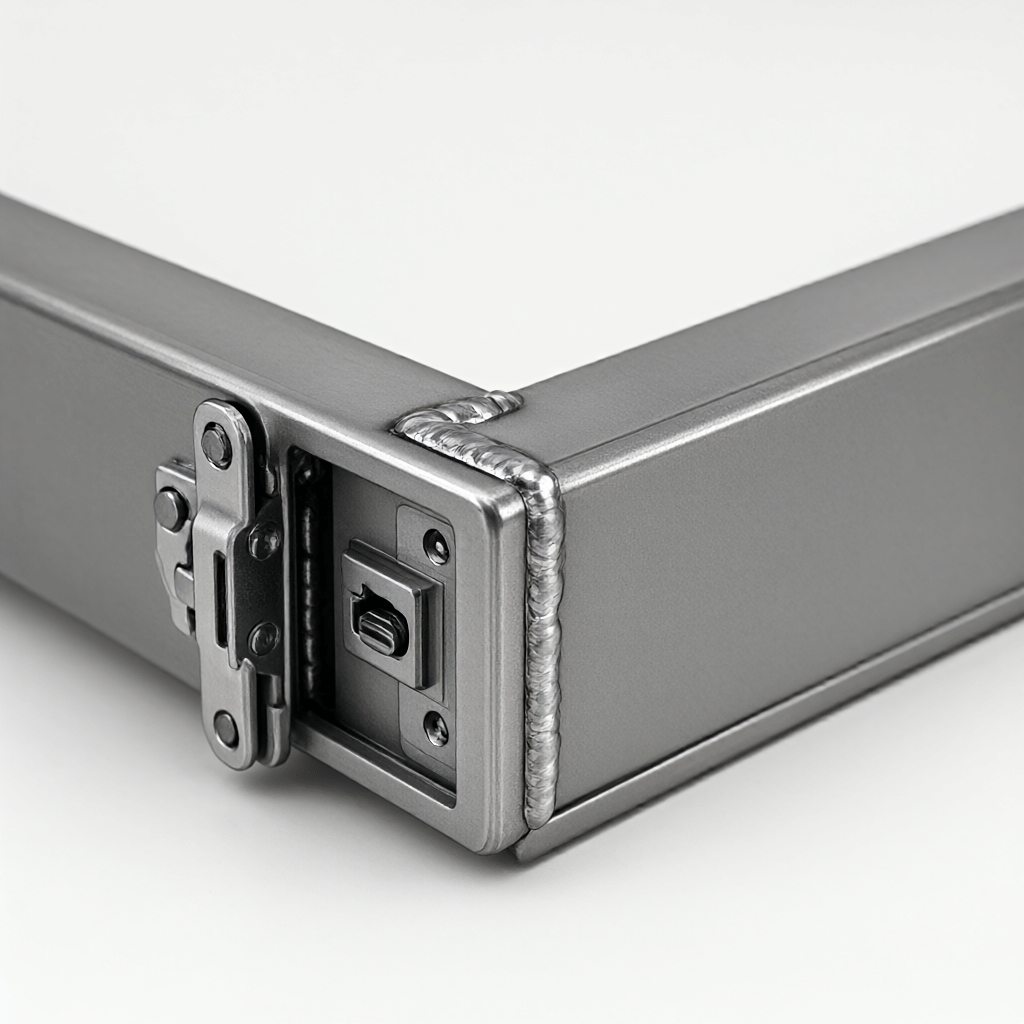
How do SASO and GSO frameworks differ?
SASO is the national standards body for Saudi Arabia. It enforces its own Technical Regulatory File (TRF) regime, registered through the SABER electronic platform. When a door product falls under a mandatory technical regulation in Saudi Arabia, SASO requires a PCoC — issued per shipment or annually depending on the certificate type — backed by test reports from an IECAC‑accredited laboratory. The SSO mark may also be applied after certification.
The GSO covers the broader GCC bloc (Saudi Arabia, UAE, Qatar, Kuwait, Bahrain, Oman). GSO standards define minimum technical requirements across member states, but each country can layer additional national requirements on top. In practice, doors destined for Saudi Arabia follow the SASO/SABER pathway; doors destined for other GCC markets follow a similar SABER-style procedure under local conformity assessment bodies aligned to GSO standards. Many manufacturers prepare one robust test report set that satisfies both regimes, then apply for the appropriate national certificate.
Why does door conformity matter beyond paperwork?
Conformity is not simply administrative. The underlying performance tests verify that the product will survive the environmental conditions it faces once installed. Saudi Arabia’s high ambient temperatures, sand-laden winds, and occasional heavy rain events demand that glazing systems, weather seals, and structural frames perform predictably. When a buyer requests solid wood doors or thermal-break aluminum windows and doors for a villа project, those same principles apply: durability and code alignment matter more than appearance alone. A well-constructed system window profile, for example, must demonstrate resistance to water infiltration and air leakage under elevated pressure differences — the very metrics tested during conformity assessment.
How do you obtain a PCoC through SABER?
The process flows through four stages:
- Product classification. Identify the correct HS code and determine whether the door product is subject to a mandatory SASO or GSO technical regulation. Not all door types carry identical requirements — entrance doors, interior doors, and patio door assemblies may fall under different regulatory files.
- SABER registration. The importer or supplier creates a product declaration on the SABER platform, attaching available documentation such as test reports, a technical file, and a declaration of conformity.
- Assessment and certificate issuance. An authorized conformity assessment body reviews the submission, verifies test coverage against the applicable standard, and issues either a Schema A PCoC (single-shipment) or a Schema B PCoC (annual, for recurring orders from the same factory). Schema B is common for manufacturers with regular export volumes.
- Customs presentation. The PCoC number is referenced on commercial invoices and shipping documents so that Saudi Customs or the relevant GCC authority can verify compliance at the border.
For context on installation quality after delivery, refer to our prehung door installation guide, which highlights how improper handling during transit and site work can compromise compliance performance even when initial testing passed.
Key Specifications
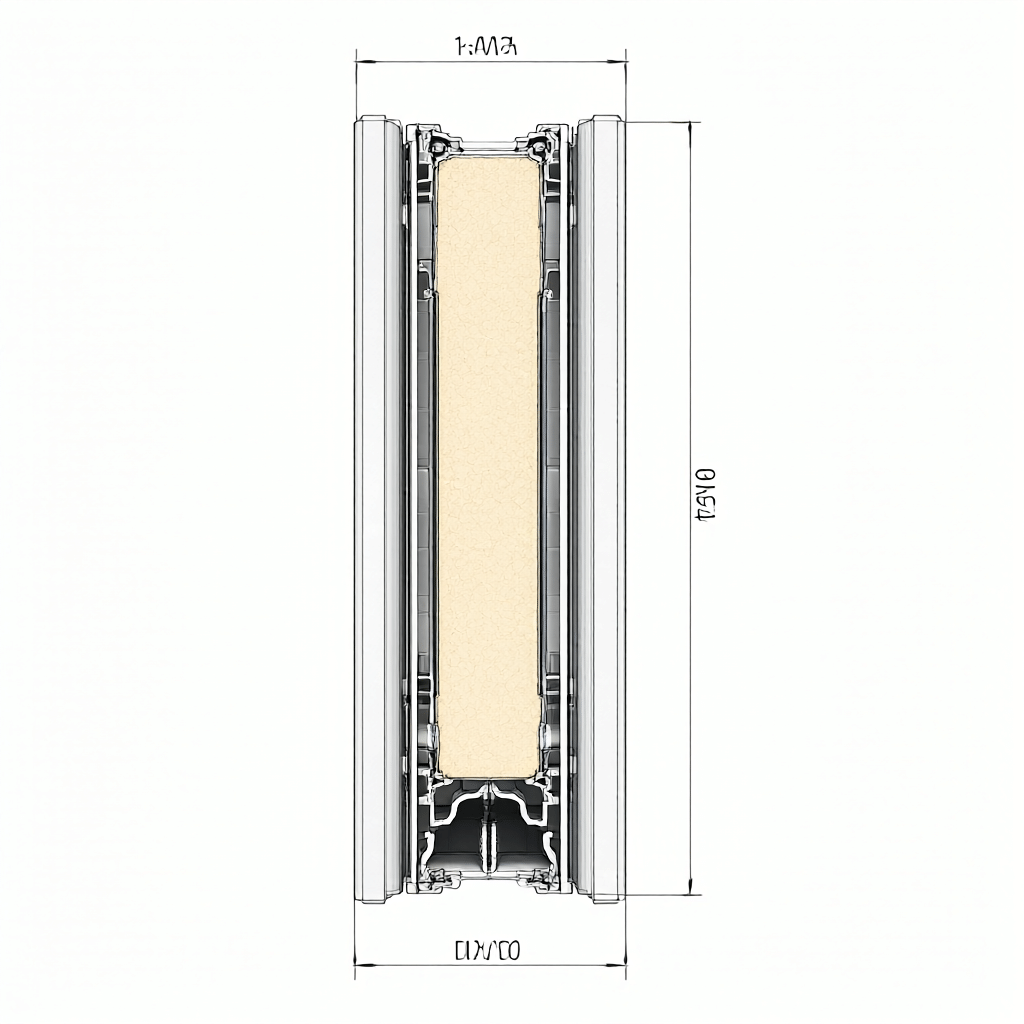
What are the key performance specifications for doors under GCC conformity?
| Performance area | Typical reference parameter | Common standard references |
|---|---|---|
| Air-tightness | Pressure difference class; class 4 or higher often expected for exterior doors | EN 12207 / AS/NZS 4282 / GSO-aligned methods |
| Water-tightness | Resistance to water penetration under simulated rainfall; class E10 or above typical | EN 12208 / AS 2047 / GSO-aligned methods |
| Wind load resistance | Structural deflection and safety under design wind pressure; varies by building height and location | EN 12210 / AS/NZS 1170 / local codes |
| Safety / glazing | Impact resistance and glass breakage behavior for glazed entries | GSO / EN / ASTM relevant product standards |
| Material / finish | Corrosion resistance for aluminum profiles; treatment compatibility with hardware | Relevant material-specific standards |
These figures are industry-referential ranges. Actual required classes depend on the building type, façade exposure, and the particular technical regulation applicable in the destination market. For guidance on related construction decisions, see our door handle height standards overview, which underscores how hardware selection intersects with building-code compliance.
Standards & Requirements
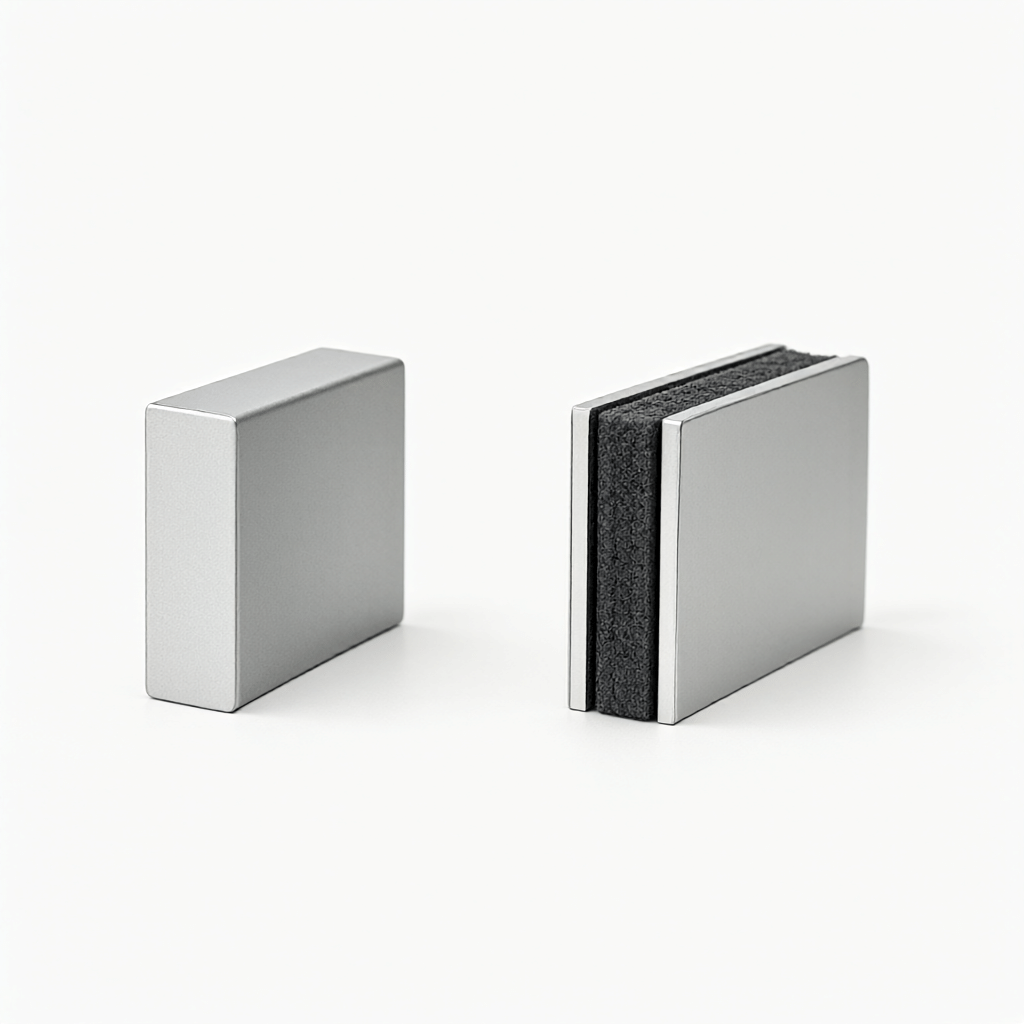
What standards govern door conformity in Saudi Arabia and the GCC?
Doors are regulated under multiple overlapping instruments. The primary layers include:
- GSO technical regulations for glazing products and door assemblies, which establish baseline performance expectations across GCC members.
- SASO TRFs, which translate regional requirements into Saudi-specific enforcement via SABER. These reference adopted international or regional standards alongside any Saudi addenda.
- ASTM standards, such as ASTM E2092 for air-leakage testing of operable windows and doors, which provide widely accepted test methodologies that laboratories use when preparing reports for GCC submissions.
- Local building codes enforced by civil defense and municipal authorities, which dictate fire-rating, egress, impact, and accessibility requirements where relevant.
When you review your specification list for a villa window and door procurement GCC project, confirm which standard hierarchy the importing authority expects. Some projects accept IECAC-accredited lab reports using EN or ASTM methods; others require tests performed per explicitly named GSO publications.
What documentation is required for conformity assessment?
A complete technical file typically includes:
- Test certificates covering the regulated performance parameters (air-tightness, water-tightness, wind load, and any product-specific safety tests).
- Technical documentation such as drawings, cross-sections, material specifications, hardware lists, and glazing configurations.
- Declaration of conformity signed by the manufacturer or authorized representative.
- Commercial and shipping details linked to the SABER product registration.
- Labeling evidence showing that markings appear on the product and packaging as required.
Missing or mismatched documents are the most common cause of PCoC delays. If the test scope does not fully cover the ordered configuration — for instance, if a requested profile width or glass unit differs from what was previously tested — the assessment body may request supplementary testing rather than issuing the certificate. Understanding how different hinge placements affect structural performance, as discussed in our hinge spacing rules guide, helps suppliers anticipate whether a variant falls within certified parameters or triggers a new test cycle.
What marking and labeling must appear on doors shipped to Saudi and GCC markets?
Markings generally include:
- Manufacturer or brand identification
- Model or series designation
- Country of origin (“Made in China” or equivalent)
- Relevant conformity marks where permitted (e.g., SSO mark for Saudi-certified products; GSO conformity indication where applicable)
- Performance class ratings in some cases
- Language requirements: Arabic is commonly expected alongside English on labeling and accompanying documentation, particularly for market-facing materials
Always verify current labeling rules with the assigned conformity assessment body, as requirements evolve. For projects requiring specialized door assemblies, such as smoke-controlled entries, review NFPA 105 smoke door assembly standards to ensure complementary code compliance when fire-rated products are involved.
Related Considerations
What practical adjustments help doors meet local codes?
Profile structures, sealing systems, and hardware choices directly influence whether a door passes regional tests:
- Profile wall thickness and chamber design. Exterior entrance doors and large sliding assemblies require sufficient structural rigidity to meet wind-load classes without excessive deflection. Manufacturers adjust extrusion geometry and reinforcement placement to satisfy target ratings.
- Weather-seal design. Air- and water-tightness classes depend on gasket materials, compression limits, and joint detailing. Multi-seal arrangements improve performance margins and reduce the risk of field failures.
- Hardware fittings and mounting. Hinges, locks, and closers must support the door leaf weight and maintain alignment under cyclic loading. Hardware selection also affects safety and accessibility compliance.
- Glazing units. Laminated or tempered glass may be mandated for safety-glazing applications. Glass specifications, spacer systems, and sealants must align with both the product standard and the building code.
- Finish and corrosion protection. Aluminum profiles exposed to coastal or high-humidity environments require adequate surface treatment to meet salt-spray and weathering expectations embedded in local codes.
What are the consequences of non-conformity at customs?
Shipping doors without a valid PCoC or with incomplete documentation exposes the importer to:
- Cargo hold or quarantine at the port until issues are resolved.
- Fines and administrative penalties imposed by customs or standards authorities.
- Product rejection, return to origin, or destruction in severe cases.
- Project delays and cost overruns, especially for time-sensitive construction schedules.
For commercial building glazing imports, these consequences compound quickly because delayed deliveries can cascade into scheduling conflicts with contractors and sub-trades. Procurement teams should treat conformity readiness as part of the order timeline, not as an afterthought. If you need clarification on post-delivery adjustments, our guide on diagnosing and eliminating door rattling explains how hardware tuning and seal installation interact with long-term performance.
As a manufacturer, our approach to compliance focuses on three areas that align directly with SASO/GSO expectations: adjustable profile structures and fittings designed to meet target performance classes, strict pre-shipment inspection covering air-tightness, water-tightness, and wind-resistance testing, and full trade-document preparation including packing lists, proforma invoices, and customs documentation. We offer OEM, ODM, and private-label options for construction project supply and custom villa orders, with FCL and LCL shipment directly from our factory in China.
Contact Our Team to discuss your project specifications.
What Are the Labeling and Marking Requirements for Doors Entering the GCC?
Proper labeling is one of the most frequently overlooked — and most consequential — aspects of GCC door exports. Non-compliant labeling alone can trigger cargo holds or rejection at customs, even when the product itself has passed testing.
Required Labels and Marks
- Manufacturer / exporter identification — legal name and address as shown on trade documents
- Product model / series designation matching the test report exactly
- Country of origin — e.g., “Made in China” in letters at least 3 mm high, placed visibly on the product or its primary packaging
- GSO conformity mark — required for products listed under the Gulf Cooperation Council mandatory conformity program; indicates compliance with the relevant GSO standard
- SSO (Saudi Standards Sign) — applied after SASO certification is issued through SABER; specific design rules govern size, placement, and color contrast against the background surface
- Performance class ratings — e.g., air-tightness Class 4, water-tightness Class E10, wind-load resistance per EN 12210:2014 — increasingly expected on glazing and entrance-door documentation
- Batch / production date code — aids traceability during audits
Language Rules
Both English and Arabic must appear on labeling and accompanying documentation (packing lists, installation manuals, warranty cards). Arabic text may be secondary in size, but it must be legible and readable. Labels that are purely English are commonly flagged by Saudi Customs inspectors.
KAZMA and Other Country-Specific Marks
For exports to Kuwait, the Kuwait Accreditation Department (KAD) requires KAZMA marking on certain door and window categories. Qatar requires SPCO (Standards Preservation Center) marking. Each GCC member state maintains its own approved-mark registry, so exporters targeting multiple markets should confirm markings with the relevant national authority before production begins.
> Source: GSO Technical Regulation GTR-3 — Mandatory Requirements for Building Materials | SASO Product Conformity Assessment Procedures
Practical Adjustments Manufacturers Can Make to Profile Structures and Fittings to Meet Local Codes
Meeting local building codes often requires more than selecting an off-the-shelf profile. Procurement teams should discuss these adjustable parameters with their manufacturer before finalizing order specifications.
Profile Structure Adjustments
| Adjustment | Purpose | Typical Target |
|---|---|---|
| Wall thickness increase | Raise wind-load resistance class from Class C to Class D/E per EN 12210:2014 | Minimum 1.4–2.0 mm for aluminum exterior systems; 2.0+ mm for high-wind zones |
| Chamber & rib redesign | Improve structural rigidity and thermal performance without increasing overall profile depth | Multi-chamber designs meeting U-value targets of 1.8 W/m²·K or better |
| Reinforcement insertion | Steel or aluminum struts inside frame cavities prevent deflection > L/175 under design pressure | Required for widths > 1 200 mm or single-leaf doors exceeding 2 m² |
| Thermal-break width | Wider polyamide strips reduce conductive heat loss and condensation risk | ≥ 24 mm break for cold climates; ≥ 18 mm for mixed climates |
| Corner joint construction | Welded, mechanically locked, or screw-fixed corners affect both strength and water-tightness rating | Mechanical lock-and-glue preferred for high water-tightness (Class E10+) |
Hardware and Fitting Adjustments
- Hinge selection — Heavy-duty piano hinges or concealed 3D-adjustable hinges rated for leaf weights up to 150 kg per door ensure alignment stability over tens of thousands of cycles. Hinge spacing should follow established rules (see hinge spacing guidelines).
- Multi-point locking systems — Required for security-rated and fire-rated assemblies; ensure cylinder meets ISO 2274 or equivalent for durability.
- Gasket and seal specifications — EPDM rubber gaskets rated for –40 °C to +80 °C withstand Saudi ambient extremes; dual-seal arrangements (perimeter + threshold) raise water-tightness from Class A6 to Class E10+.
- Weather-stripping compression — Target compression set ≤ 20 % after 10 000 cycles per EN 1026:2014 to maintain long-term air-tightness.
- Glass unit upgrades — Double or triple glazed units with warm-edge spacers and low-E coatings meet both energy-code and safety-glass mandates for large-format entries.
Customization for Specific Markets
- Saudi Arabia — Wind-load classes appropriate to Riyadh (approx. 1 400 Pa) vs. Eastern Province coastal zones (up to 2 400 Pa)
- UAE — High solar-heat-gain-coefficient (SHGC) glass optional for cooling-dominated climates
- Qatar / Oman — Salt-spray corrosion testing (ASTM B117, 1 000 h minimum) for coastal installations
- Kuwait / Bahrain — KAZMA/SPCO marking compliance alongside GSO baseline
Impact of Non-Conformity on Customs Clearance and Market Access
Shipping non-conforming doors carries tangible financial and operational risks that extend well beyond the port of entry.
Common Outcomes at Customs
| Scenario | Consequence | Estimated Cost Impact |
|---|---|---|
| No PCoC presented | Cargo held; importer issued deadline to provide certificate | Storage: $150–$500/day; demurrage if unpaid within grace period |
| PCoC present but test scope mismatched (e.g., tested profile width narrower than shipped) | Rejection; goods ordered back to origin or destroyed | Full freight + destruction fees: 30–60 % of shipment value |
| Labeling deficiencies (missing Arabic, absent GSO mark) | Minor infraction; corrective labeling allowed on-site | Labor + materials: $200–$800 per container |
| Failed random re-inspection at destination | Product seizure; importer blacklisted for repeat violations | Project delay: 4–12 weeks; potential contract penalties |
| Fraudulent or forged certificates | Criminal prosecution; import ban for 1–5 years | Legal fees + irreversible reputational damage |
Case Example: Jeddah Port Detention, 2024
A Saudi contractor imported 12 containers of aluminum entrance doors for a red-sea resort project. The supplier had obtained a Schema B PCoC based on 70-mm profiles tested to EN 12208:2016 Class E10. Upon arrival, inspectors discovered the shipped profiles were 65 mm — a 7 % reduction that was not covered under the original test report. The entire shipment was quarantined for 23 days while supplementary testing was arranged. Result: a $38 000 storage and re-testing cost, a three-week construction schedule slip, and a renegotiated contract price reflecting the delay.
> Takeaway: Always verify that the exact production configuration — profile series, dimensions, glazing spec, and hardware — matches the certified test report before loading. Even minor deviations can void certificate coverage.
Procurement Decision Guide: Selecting a SASO/GSO-Compliant Door Supplier
Use this checklist when evaluating potential suppliers for GCC-bound door orders:
- [ ] Test reports from IECAC-accredited labs covering all required performance areas (air-tightness EN 12207:2014, water-tightness EN 12208:2016, wind load EN 12210:2014)
- [ ] Profile drawings match shipment specs — wall thickness, chamber count, thermal-break dimensions documented
- [ ] Hardware list includes certifications — hinge durability, lock cylinder standards, closer cycle ratings
- [ ] Labeling plan reviewed — confirms Arabic text, GSO/SSO/KAZMA marks, country-of-origin wording, performance class labels
- [ ] Schema B PCoC eligibility confirmed — annual certificates reduce per-shipment cost for recurring orders
- [ ] Pre-shipment inspection protocol documented — third-party or internal QC covering dimensions, finish, function tests
- [ ] Customs document readiness — proforma invoice, packing list, certificate of origin, test report bundle provided prior to shipment
- [ ] After-sales support — spare gaskets, replacement hardware, and technical guidance available post-delivery
About Jusen Door and Windows Manufacturing Co., Ltd.
As a manufacturer operating directly from our factory in China, our approach to GCC conformity focuses on three areas that align directly with SASO and GSO expectations: adjustable profile structures and hardware fittings designed to meet target performance classes, strict pre-shipment inspection covering air-tightness, water-tightness, and wind-resistance testing, and full trade-document preparation including packing lists, proforma invoices, and customs paperwork. We offer OEM, ODM, and private-label options for construction-project supply and custom villa orders, with both FCL and LCL shipment directly from our facility.
Contact Our Team to discuss your project specifications.
Sources & References
- ASTM E2092 — www.astm.org
- SASO Product Conformity Assessment Procedures — www.saso.gov.sa
- solid wood doors — doorwoodendoors.com
- prehung door installation guide — doorwoodendoors.com
- door handle height standards overview — doorwoodendoors.com
- hinge spacing rules guide — doorwoodendoors.com
- NFPA 105 smoke door assembly standards — doorwoodendoors.com
- guide on diagnosing and eliminating door rattling — doorwoodendoors.com
- GSO Technical Regulation GTR-3 — Mandatory Requirements for Building Materials — www.gso.org.sa











