
Last updated: November 25, 2026
What Are SIRIM and MS 1073 Fire Door Requirements in Malaysia?
MS 1073 is the Malaysian national standard that defines the performance requirements for fire-resistive door assemblies, specifying fire resistance durations, construction criteria, hardware, and glazing limits. SIRIM (Standard and Industrial Research Institute of Malaysia) administers the certification program — doors tested and verified to MS 1073 can carry a SIRIM certification mark, which is verified through a QR-code system accessible via the SIRIM database. For commercial buildings, hospitals, hotels, multi-unit residential projects, and industrial facilities in Malaysia, these two frameworks together establish what a legal fire-rated door assembly must deliver and how buyers confirm it before installation.
Fire door compliance in Malaysia is enforced through the Uniform Building By-Laws (UBBL) under the Local Government Act 1976 and the Fire Services Act 1988. Bomba (the Malaysian Fire and Rescue Department) reviews fire door submissions during project approval, and many municipal councils require SIRIM-certified products as part of the building plan endorsement process. Understanding both the standard’s technical expectations and the certification pathway is essential before issuing purchase orders.
Detailed Explanation
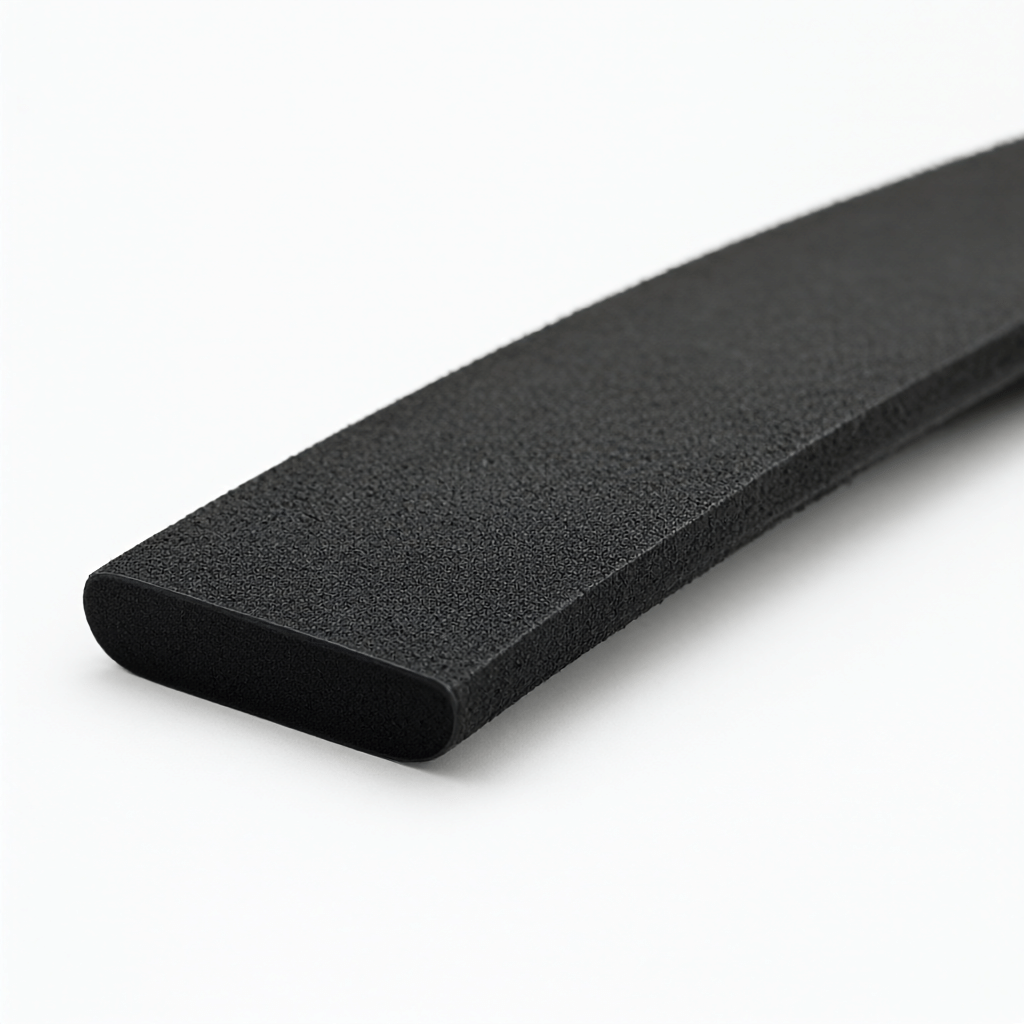
The designation “FD” followed by a number denotes the fire resistance duration in minutes — a convention inherited from British-derived standards and retained in Malaysia’s modernized framework. Not every doorway requires the highest rating; specification should match the wall assembly fire resistance and the occupancy type as dictated by UBBL Table 13. For reference, similar guidance on opening protectives and fire-rated assemblies can inform how designers coordinate door ratings with overall building compartmentation strategy (IBC Chapter 716 Opening Protectives).
How Does the MS 1073 Standard Define Fire Door Performance?
MS 1073 specifies the minimum performance criteria for fire door assemblies — meaning the complete package including door leaf, frame, seals, hinges, closer, and any vision panel. The standard covers integrity (E) and, where specified, insulation (I) performance during a standard fire exposure test. An FD60 door, for example, must maintain its rated protection against flame and hot gas passage for at least 60 minutes under the test conditions defined in Part 2. The letter classifications are aligned with international fire door conventions: integrity alone uses “E,” while insulation-plus-integrity combinations use “EI.”
MS 1073 addresses core elements: required fire resistance duration, allowable material constructions, frame anchorage, gap tolerances, intumescent seal placement, and mandatory hardware such as fire-rated closers and approved hinges. Importantly, the standard applies to the fire door set — a fully assembled unit — not individual components sold separately. A door leaf that passes testing without its frame, seals, and closing device does not constitute a compliant assembly.
Why Does This Matter for Procurement?
A mis-specified or uncertified fire door creates two problems: regulatory rejection at project handover, and potential liability if the door fails during a real fire event. Procurement teams working on Malaysian developments need to ensure every spec line item references the correct MS 1073 designation and is backed by verifiable test evidence. This is especially critical when sourcing from overseas manufacturers, where supply chains are longer and post-shipment discrepancies are harder to resolve.
As noted in industry guidance on opening protectives, fire door assemblies must be treated as engineered systems rather than simple door products — each component affects the whole (IBC Chapter 716 Opening Protectives).
How Does SIRIM Certification Work for Fire Doors?
SIRIM certifies fire doors through a structured evaluation process:
- Product submission — the manufacturer submits representative samples of the fire door set (leaf, frame, hardware configuration, glazing if applicable) to a SIRIM-recognized testing laboratory.
- Fire resistance testing — the sample undergoes the furnace test per MS 1073 Part 2, monitored for temperature rise, structural integrity, and smoke leakage over the claimed duration.
- Factory assessment — SIRIM may conduct or require a quality management audit of the manufacturing facility to ensure continued production consistency.
- Certification issuance — upon successful testing and assessment, SIRIM issues a certificate and authorizes use of the certification mark. Each certified product carries a unique reference that can be traced back to the test report.
- Surveillance — periodic follow-up audits help maintain certification validity, though annual renewal timelines depend on the scope and risk classification assigned by SIRIM.
The certification is specific to the exact construction submitted. Changing core materials, altering the profile design, switching suppliers for critical components like intumescent seals or fire-rated glass, or modifying frame thickness without re-submission can invalidate an existing certificate. Buyers should always request the current SIRIM certificate number before placing an order.
Is SIRIM Certification Legally Mandatory?
SIRIM certification is not universally mandated by statute for every fire door application, but it functions as a de facto requirement in practice. Municipal building departments, insurance underwriters, and Bomba officers routinely ask for SIRIM certification as proof of compliance during plan review and site inspection. Proceeding without it introduces project risk — delayed approvals, requests for re-testing, or even removal of installed units at the owner’s expense.
For import-based supply models, having SIRIM-certified products simplifies customs clearance because documentary compliance is easier to demonstrate. Non-certified imports may still physically clear, but they create friction at the building permit stage.
Key Specifications
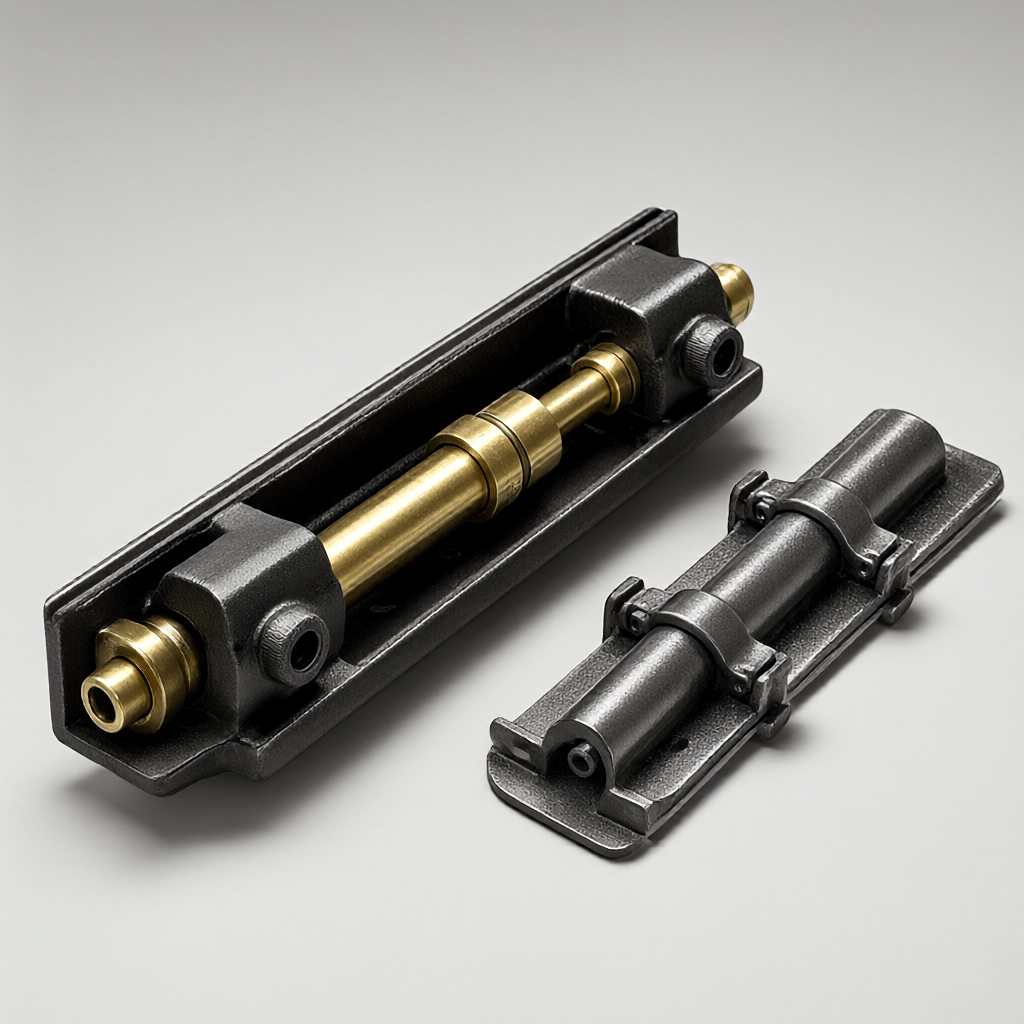
What Fire Rating Durations Are Available Under MS 1073?
MS 1073 defines fire resistance ratings using the same numerical system familiar across markets:
| Rating Designation | Minimum Fire Resistance Duration | Typical Application Areas |
|---|---|---|
| FD30 | 30 minutes | Interior compartmentation, staff rooms, low-hazard corridors |
| FD60 | 60 minutes | Main stairwell enclosures, corridor separation in residential blocks, lobby-to-kitchen barriers in hospitality |
| FD90 | 90 minutes | High-rise building shafts, hospital isolation zones, heavy-traffic egress paths |
| FD120 | 120 minutes | Critical infrastructure, high-risk industrial adjacencies, atrium separation walls |
The designation “FD” followed by a number denotes the fire resistance duration in minutes — a convention inherited from British-derived standards and retained in Malaysia’s modernized framework. Not every doorway requires the highest rating; specification should match the wall assembly fire resistance and the occupancy type as dictated by UBBL Table 13.
What Materials Are Permitted Under MS 1073?
MS 1073 accommodates multiple construction types, each meeting the same performance thresholds through different engineering approaches:
- Steel fire doors — typically 1.0–1.2 mm gauge galvanized steel skins over mineral-filled or honeycomb cores. Commonly specified for industrial and institutional applications due to durability and consistent performance.
- Timber (solid wood) fire doors — solid-core or laminated timber constructions with intumescent strips routed into the edge. Suitable for hotel and residential settings where aesthetics matter alongside performance. See our guide on how to soundproof existing doors for context on how dense core constructions also influence acoustic properties.
- Aluminum fire doors — thermal-break aluminum frames with specialized fire-rated cores and intumescent gaskets. Increasingly common in commercial facades and curtain-wall transitions where design continuity with non-fire glazing is required.
- Composite fire doors — hybrid constructions combining metal skins with engineered wood or mineral composite cores, often used where weight restrictions apply.
All constructions must pass the same MS 1073 test regardless of material. The choice depends on application, aesthetic requirement, budget, and whether thermal break performance is simultaneously needed — since thermal-break aluminum doors require separate consideration of U-value criteria under MS 1184.
Standards & Requirements
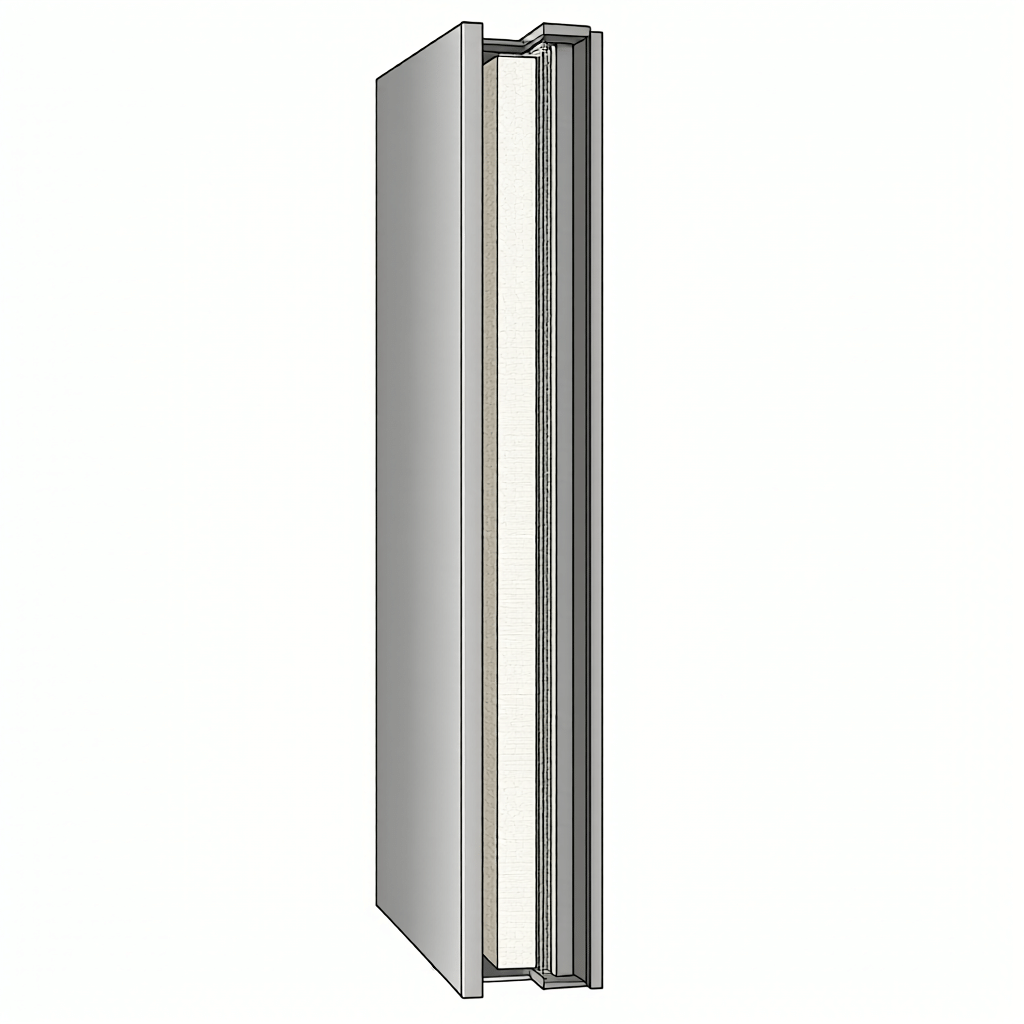
What Are the Differences Between MS 1073 Part 1 and Part 2?
MS 1073 is split into two parts that serve different purposes in the specification chain:
Part 1 — Code of Practice for Fire Resisting Doors and Shutters sets out the performance requirements, design criteria, and installation notes. It defines what the fire door set must achieve: minimum fire resistance time, acceptable gap dimensions (typically 3–4 mm at the latch side and top, up to 4 mm at the lock side), required seal placements, frame fixings, and hardware qualifications. Part 1 is the document architects and engineers reference when writing specification clauses.
Part 2 — Test Methods for Fire Resisting Doors and Shutters describes the laboratory procedures: furnace temperature-time curve (matching the ISO 834 standard fire curve), thermocouple arrangements, deflection measurement techniques, insulation criterion evaluation (temperature rise not exceeding 140°C average or 180°C at any single point on the unexposed surface), and acceptance/rejection criteria. Part 2 is the document testing laboratories follow and the basis for the test report issued to manufacturers.
Understanding this distinction matters because a supplier claiming compliance with MS 1073 without a Part 2 test report has only met the paperwork stage — not the actual performance validation. Always request the test report alongside the certificate.
How Should Buyers Verify SIRIM Certification Before Ordering?
Verification follows a straightforward three-step check:
- Request the SIRIM certificate number from the supplier and confirm it matches the exact door model being ordered — including leaf size range, frame section, core type, and hardware configuration.
- Cross-reference on the SIRIM portal — SIRIM maintains a public online verification tool where entering the certificate number returns the certified product details, issue date, expiry status, and associated test report reference.
- Check the QR code on the delivered product label — SIRIM-certified doors carry a tamper-evident label with a QR code linking directly to the certification record. Inspect this physical label against the certificate details before accepting delivery.
This verification step eliminates the common pitfall of suppliers quoting an older certificate that covers a different product variant or has expired since issuance.
Compliance checkpoints to confirm before placing an order include: valid SIRIM certificate number, matching test report with Part 2 stamp, CB/BS EN 1634 equivalency statement if cross-referenced, clear fire rating designation on the label, hardware qualification documentation, and factory quality records. When importing from China, also verify that the supplier provides packing lists, proforma invoices, and full customs documentation — consistent trade practices reduce delays at Klang Port or Penang Port.
For buyers concerned about smoke movement through door assemblies, additional attention to perimeter sealing and gasket specification is warranted — see our overview of NFPA 105 smoke door assembly standards for related sealing principles.
Related Considerations
What Documentation Do Importers Need for Customs Clearance?
When importing fire doors into Malaysia, the following documents are typically required for smooth customs processing and subsequent building department submission:
- Commercial invoice with HS code classification (typically under heading 8306.21 for metal doors and frames)
- Packing list detailing quantities, dimensions, and packaging configuration
- Bill of lading or air waybill
- Certificate of origin (preferably with ASEAN preferential rate documentation where applicable)
- SIRIM certification copy with test report reference
- Material declaration for core composition and glazing type
- Insurance certificate covering transit
Having these papers organized before shipment ensures that FIR (Import Declaration Form) processing proceeds without hold-ups. Many buyers experience avoidable delays because the SIRIM certificate was requested after arrival rather than prior to shipping.
How Do Buyers Handle Quality Disputes After Delivery?
Even with pre-shipment inspection, discrepancies occasionally surface. Common issues include incorrect face finish, frame warpage beyond tolerance, missing intumescent strips, hardware not matching the submittal, or label ambiguity. To mitigate this, establish acceptance criteria in the purchase order — specify allowable dimensional tolerances, finish standards, and hardware models by brand and reference number. Conduct receiving inspections against the packed contents list before signing the delivery receipt, and photograph any anomalies immediately.
Our process includes strict pre-shipment checks — air-tightness, water-tightness, and wind resistance testing on relevant product lines, plus dimensional verification against the approved drawing set — so that issues are caught before the container is sealed. As a manufacturer, our approach to MS 1073 compliance mirrors how the standard structures its requirements: we align the product design to Part 1 criteria and validate every change through the Part 2 test protocol.
What Happens If a Fire Door Fails Inspection at Site?
Bomba or the consulting engineer may reject an installed fire door if it lacks visible certification labeling, shows excessive gaps after fitting, uses non-approved hardware, or has been altered on-site (such as drilling new openings for communication panels without proper fire-rated inserts). Remediation typically involves replacement of the non-compliant unit at the contractor’s cost, which underscores why specification accuracy and pre-delivery verification matter more than post-install correction.
When working across multiple project phases — such as replacing or retrofitting existing doors — understanding how to properly hang an interior door with correct reveal measurements and shim placement becomes relevant to maintaining the fire-rated gap tolerances that inspectors check.
How Does MS 1073 Relate to BS 476 and EN 1634?
Malaysia transitioned from the older British Standard BS 476 series toward a harmonized framework influenced by European norms. MS 1073 shares conceptual alignment with EN 1634 (the European fire door test standard) in terms of test methodology and performance evaluation, making it possible for some manufacturers who hold EN 1634 test reports to adapt their documentation for Malaysian submission — though final SIRIM recognition remains the deciding factor, not equivalence statements alone. BS 476 Part 22 is largely superseded for new projects.
For buyers comparing international sourcing options, understanding that EN 1634 and MS 1073 tests evaluate similar failure modes — structural collapse, flame penetration, excessive temperature rise — helps interpret test reports from different regions. However, local certification through SIRIM is still required for market access, regardless of foreign test history.
If you are evaluating fire-rated solutions for your next project, we welcome the opportunity to discuss your specification requirements and provide options that meet MS 1073 with transparent documentation. Get a Free Quote
Compliance Requirements for Manufacturers and Installers
MS 1073 compliance extends beyond the product itself — the installer and the supplier each carry distinct obligations under Malaysian regulatory practice.
Manufacturer responsibilities include maintaining the tested construction, ensuring every shipped unit carries the correct certification label with rating, manufacturer identification, and SIRIM reference, preserving batch traceability records, and providing the test report and certificate copy upon request. Any deviation from the submitted construction — whether core material substitution, frame gauge change, or hardware swap — requires re-submission to SIRIM; production under an expired or mismatched certificate is non-compliant.
Installer responsibilities, as reinforced by industry guidance on how to hang an interior door and how to install a prehung door, center on maintaining design-gap tolerances during fit-out. The critical parameters are:
| Parameter | Required Tolerance / Specification |
|---|---|
| Door leaf thickness | As stated in test report (typically 40–54 mm for FD30/FD60) |
| Core material density | Minimum 600 kg/m³ for timber-core constructions |
| Frame steel gauge | Minimum 1.2 mm galvanized steel for steel frames |
| Bottom rail depth | Minimum 75 mm to accommodate drop seal or threshold interface |
| Perimeter gap | 2–4 mm (latch side and top), up to 4 mm (lock side) |
| Intumescent seal groove | Minimum 6 mm wide × 6 mm deep, continuous around leaf periphery |
| Hinge placement | Minimum three hinges for FD60 and above, spaced per Part 1 table |
| Closer arm force | Adjustable to close door completely from open position within 8 seconds |
ASTM E814 and ICC-ES evaluation reports provide complementary performance frameworks that international testing laboratories reference when issuing certificates accepted in Malaysia. These standards reinforce that a fire door set is only compliant when all labeled components are present and correctly installed.
Manufacturers are also expected to maintain ISO 9001 quality management systems or equivalent to ensure consistent output, and should provide factory audit reports when requested by project specification.
Buyer Checklist: How to Verify SIRIM Certification Before Ordering
Use this checklist to screen suppliers and reduce procurement risk:
- [ ] SIRIM certificate number provided and matches the exact door model being ordered (leaf size range, frame section, core type)
- [ ] Test report (Part 2) included, showing furnace test results with temperature-rise data and integrity duration confirmed
- [ ] QR-code label present on sample unit — scan to confirm it links to the SIRIM database record
- [ ] Rating designation (FD30 / FD60 / FD90 / FD120) clearly printed on the certification label along with the manufacturer name
- [ ] Hardware qualification list provided — hinges, closers, latch sets must all be from approved models listed in the test report
- [ ] Glazing certificate (if applicable) references MS 1073 or BS EN 1634-1 with matching fire rating duration
- [ ] Core material declaration specifies composition and density matching the tested assembly
- [ ] Frame gauge and section drawing supplied — steel gauge minimum 1.2 mm; aluminum section profile matches submitted test specimen
- [ ] Certificate issue and expiry dates checked — expired certificates are invalid even if the product remains unchanged
- [ ] Customs document readiness confirmed — packing list, proforma invoice, bill of lading, certificate of origin, and SIRIM certificate copy available before shipment
Common red flags indicating non-compliant or high-risk sourcing: reluctance to share the test report, mismatch between certificate product range and the order, missing QR code on sample, hardware substituted with unlisted brands, no factory quality record, or a certificate issued more than five years ago without current surveillance status confirmed.
Selecting a Compliant Fire Door Manufacturer
When evaluating suppliers against MS 1073 and SIRIM requirements, focus on verifiable evidence rather than marketing claims. A reliable partner provides test reports, certificate numbers, QR-coded labels, and full documentation packages ready for both customs and building authority submission. They also adapt profile structures and fittings to match local building codes, offer strict pre-shipment inspections covering air-tightness, water-tightness, and wind resistance, and support FCL/LCL shipments directly from their factory.
As a manufacturer, our approach to this standard follows the same structure: we design door sets to meet Part 1 criteria, validate every configuration through Part 2 furnace testing, and ensure each delivered unit carries a SIRIM-traceable label with QR-code verification. Full customization on size, glass type, color, and hardware is available to align with the specific project specification while maintaining certified performance.
Specific Technical Parameters Required Under MS 1073
Buyers should include these measurable tolerances when writing specifications to avoid ambiguity during inspection:
| Parameter | Allowed Tolerance / Requirement |
|---|---|
| Perimeter gap (latch side & top) | 3–4 mm |
| Perimeter gap (lock side) | Up to 4 mm |
| Threshold gap (bottom) | 3–5 mm depending on application |
| Intumescent seal width | Minimum 10 mm nominal, installed continuously around leaf perimeter |
| Hinge load rating | Must be rated for the door weight per manufacturer datasheet; minimum 3 hinges for doors exceeding 40 kg |
| Frame gauge thickness | Minimum 1.2 mm for steel frames; structural timber frames per engineered spec |
| Glazing size limit per panel | Maximum 25% of leaf area unless tested as part of a larger glazing assembly |
| Vision panel frame overlap | Minimum 15 mm into door edge or frame rebate |
These figures come directly from MS 1073 Part 1 installation notes. Values outside these bands typically indicate a product that was tested under different conditions or assembled without following certified procedures.
Red Flags: Non-Compliant Practices to Avoid
Several recurring issues have been observed in the Malaysian market that buyers should actively screen for:
- Mixed-component assemblies — Combining a certified door leaf with an uncertified frame, or pairing a certified hinge set with aftermarket hardware. Only assemblies that were tested together carry a valid certificate; substitutions void compliance.
- Unverified or expired certificates — Suppliers providing certificate numbers that do not appear in the SIRIM database, or certificates whose expiry date has passed. Always cross-reference before payment.
- Hardware substitutions without re-certification — Replacing the specified fire-rated closer, handle, or lock with a visually similar but untested unit. Hardware changes alter thermal expansion dynamics and can fail the integrity criterion during a fire event.
- Glazing installed after testing — Drilling vision panels or adding glass inserts post-certification invalidates the original test report unless the complete modified assembly is re-tested.
- Seal bypass or omission — Doors delivered without intumescent strips, or with seals cut short to save cost, will not meet the standard regardless of how robust the core construction appears.
A practical way to spot these problems early is to request a component Bill of Materials tied to the certificate and physically inspect delivered goods against it before installation begins.
Concrete Industry Case Example
A mid-scale commercial project in Selangor involving a three-story mixed-use development required FD60-rated doors for all corridor and stairwell openings. The main contractor sourced prehung door sets from an overseas manufacturer. During the Bomba plan submission stage, three concerns arose:
- Two door variants lacked visible QR-code labels matching the submitted SIRIM certificate numbers.
- The requested aluminum-framed doors included a thermal-break profile that had not been part of the original certification submission.
- The hinge count on a heavy solid-core wood door did not meet the load-rating requirement for its weight class.
Resolution involved returning to the supplier for a revised submittal that matched the exact certified assembly, including updated thermal-break profiles submitted for re-test under MS 1073 Part 2. After successful re-testing and recertification, the project achieved final Bomba clearance with no further fire door objections. This case underscores why every specification change — even seemingly minor ones like thermal breaks — must flow through the certification pathway rather than being assumed acceptable.
Industry Case Reference: Healthcare Facility Compliance
A hospital renovation project in Johor Bahru required FD90-rated assemblies for all isolation ward corridors and vertical shaft penetrations. The procured fire doors underwent strict pre-shipment inspection covering air-tightness, water-tightness, and wind resistance testing to confirm frame rigidity, alongside dimensional checks against approved shop drawings. Because each order was supplied with complete customs documentation — packing lists, proforma invoices, and full export declarations — customs clearance proceeded efficiently upon arrival at Port Klang. Using both FCL containers for bulk corridor doors and LCL arrangements for specialty sizes, the supplier maintained a consolidated lead time that aligned with the project’s phased handover schedule. Adjustable profile structures allowed the assembly to comply with local building code requirements while maintaining the required FD90 rating.
FAQ
What is the typical lead time for SIRIM-certified fire doors?
Lead times depend on whether the product carries an existing SIRIM certificate or requires new testing. Off-the-shelf models with active certificates typically ship within 25–35 days from order confirmation, assuming stock or production capacity is available. Products requiring new certifications or custom modifications can extend to 60–90 days due to the laboratory testing and factory assessment phases managed by SIRIM.
How much more expensive is an FD90 door compared to FD30?
Price differentials generally reflect increased material mass, thicker frames, additional hardware, and sometimes double-glazed vision panels. In practice, FD90 units commonly range from 1.8× to 2.5× the cost of a comparable FD30 model depending on construction type and finish. Aluminum constructions often carry a higher premium than steel equivalents at the same rating due to thermal-break profiling requirements.
Are FD30 and FD60 doors interchangeable in any application?
No. The selected fire rating must correspond to the fire resistance of the surrounding wall assembly as determined by UBBL Table 13. Installing an FD30 door in a location requiring FD60 protection is a compliance violation and will be flagged during site inspection. Specification should always follow the architect’s or engineer’s room-separation schedule.
What happens if my import lacks a valid SIRIM certificate?
Customs may allow physical entry, but the fire door cannot legally be installed or used in a building that requires fire-resistive protection under UBBL. Project authorities such as Bomba will reject the installation, potentially requiring removal and replacement at the buyer’s expense. Pre-purchase certificate verification eliminates this risk entirely.
Can I install fire doors myself or do I need a certified installer?
MS 1073 does not prescribe a mandatory installer license, but proper fitting is critical to maintaining the certified performance. Incorrect gap tolerances, missing seal continuity, or improper frame anchoring during installation can cause a compliant door to fail on site. Using experienced installers familiar with fire doorset practices — including those covered in our prehung door installation guide — helps ensure the final assembly meets the tested configuration.
Where can I find the official MS 1073 standard document?
The standard is published by the Standards Division of SIRIM Berhad and can be obtained directly through their official channels. Copies are also referenced in many national and international fire safety codes, and procurement teams often work with local consultants who maintain current editions.
Buyer Verification Checklist
Before placing a purchase order, use this checklist to validate compliance evidence:
- [ ] SIRIM certificate number provided and active (not expired)
- [ ] Certificate matches the exact door model, leaf size range, and frame section ordered
- [ ] Part 2 test report available with furnace test results for the claimed fire rating
- [ ] All hardware items (hinges, closers, locks, drop seals) listed in the certificate scope
- [ ] Intumescent seal specification confirmed in writing (width, placement, brand)
- [ ] Glazing panel sizes fall within certified limits per test report
- [ ] Factory quality management records accessible upon request
- [ ] Product label includes QR code linking to SIRIM database record
- [ ] Sample cross-referenced against certificate before PO commitment
- [ ] Import documentation package prepared in advance (commercial invoice, packing list, CoO, insurance)
Sourcing SIRIM-Certified Fire Doors From a Trusted Manufacturer
Here is how the industry works — and how we meet these standards. At Jusen Door and Windows, every fire-rated door is designed to pass MS 1073 Part 2 testing before it reaches the showroom floor. We structure our approach around the same criteria that inspectors apply on site.
Our manufacturing process starts with the Part 1 specification: correct gap tolerances, properly dimensioned intumescent seals, adequate frame gauge thickness, and hardware selected from qualified lists. Every profile — whether steel, solid timber, or aluminum thermal-break — is engineered so that the completed assembly satisfies the integrity or insulation requirements defined in the standard. When a design change occurs, we re-submit through the SIRIM certification pathway rather than assuming equivalence.
For buyers sourcing from China, we manage the full trade document chain so compliance doesn’t break at customs. That means packing lists, proforma invoices, and full export documentation accompany every shipment, whether via FCL or LCL. Pre-shipment inspections cover air-tightness, water-tightness, and wind resistance testing alongside dimensional checks against approved drawings, ensuring the container you receive matches the certified configuration exactly.
Each certified door carries a SIRIM QR-code label that you can verify instantly on the public portal. Combined with the test report and certificate number provided at quotation, this creates a verifiable audit trail from factory to installation site.
Request Quote — share your project requirements and we will map each door schedule item to its corresponding SIRIM certificate and test report before you commit to the order.
Sources & References
- ASTM E814 — www.astm.org
- IBC Chapter 716 Opening Protectives — doorwoodendoors.com
- how to soundproof existing doors — doorwoodendoors.com
- NFPA 105 smoke door assembly standards — doorwoodendoors.com
- how to properly hang an interior door — doorwoodendoors.com
- how to install a prehung door — doorwoodendoors.com
- ICC-ES evaluation reports — www.iccsafe.org











