
Last updated: November 25, 2026
Quick Answer
What is driving demand for construction doors in GCC countries? Demand for construction doors in the GCC is primarily driven by an aggressive build-out of giga-projects (like Saudi Arabia’s NEOM and Red Sea Project), rapid urbanization, and strict climate performance requirements. Because of the region’s intense heat, high winds, and dust storms, developers are shifting heavily toward thermal-break aluminum entry doors, system entrance doors, and sand-resistant sliding doors over traditional entry systems. Sourcing has consequently increased from China and local manufacturing hubs to meet the high-volume, code-compliant entryway specifications required by these mega-developments.
Detailed Explanation
Why is there such high construction door demand in the Gulf region?
The Gulf Cooperation Council (GCC) construction sector is currently defined by a massive capital expenditure cycle. Governments in Saudi Arabia, the UAE, and Qatar are pouring billions into economic diversification projects. These initiatives create a sustained, high-volume requirement for everything from heavy-duty solid wood entrance doors for residential compounds to commercial-grade sliding doors and casement doors for office towers and hospitality developments.
This demand is not limited to one type of project. Luxury custom villa doors and windows for private residential compounds, standardized hotel doors for 5-star hospitality chains, and high-security commercial entrances for infrastructure hubs all require specialized entry solutions that can withstand rigorous environmental stress.
What types of doors are most popular in GCC projects?
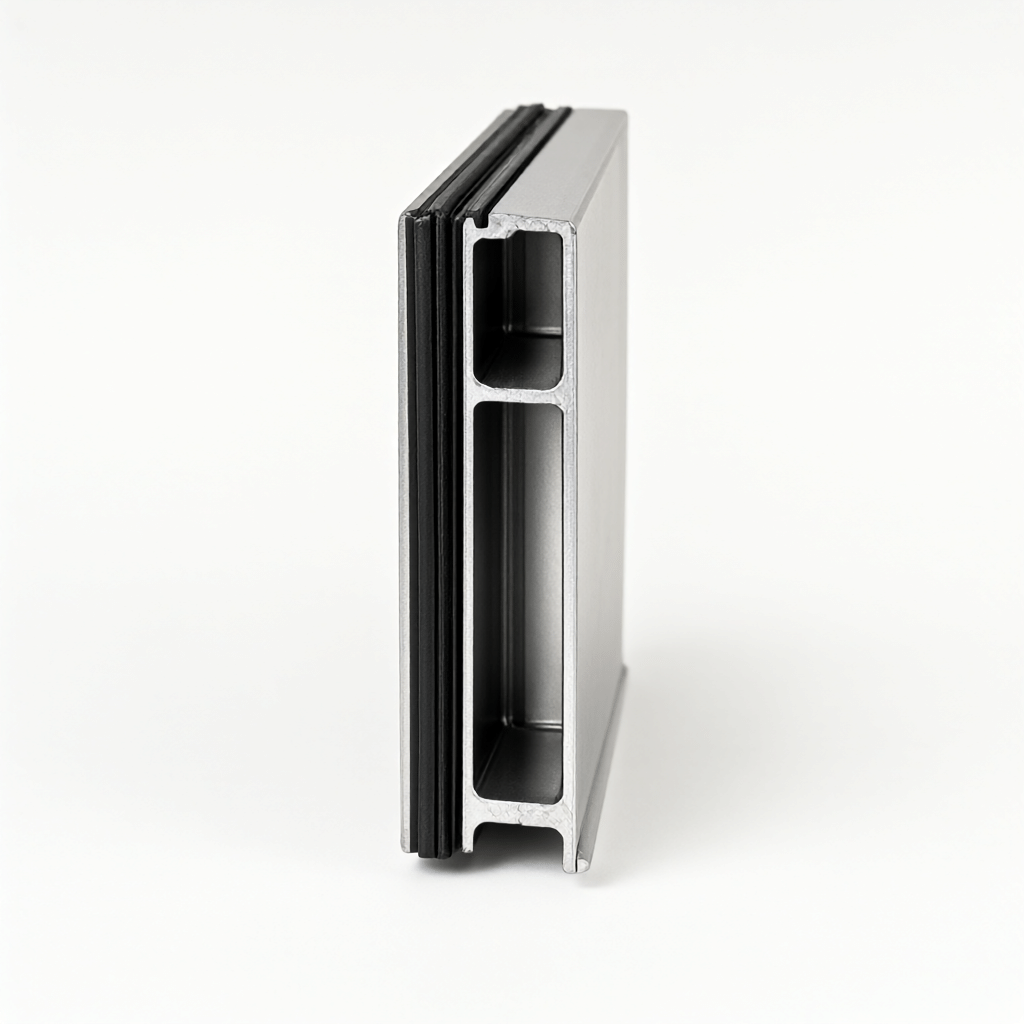
The extreme climate dictates material choices. Thermally broken aluminum doors are the industry standard for exterior facades because they provide necessary insulation while resisting warping from heat. For interior applications and high-end residential projects, solid wood and engineered timber options remain popular, but they must be treated for humidity and temperature fluctuations.
Buyers also frequently specify system windows and doors that offer superior air and water tightness. In terms of hardware, sand-resistant door hardware is critical; standard hinges and locks fail quickly under heavy sand and dust exposure, making corrosion-resistant coatings and sealed bearing systems a mandatory specification for any supplier.
How do giga-projects influence the door supply chain?
Large-scale developments like Expo City Dubai, the Red Sea Project, and various World Cup infrastructure upgrades in Qatar drive the market through bulk procurement and centralized supply chains. These projects require doors that meet exacting standards for fire ratings, wind load, and acoustic performance. Consequently, the regional construction door supply chain Middle East has seen a rise in direct factory-to-project shipments, with buyers increasingly looking toward large-scale manufacturers in Asia who can handle FCL shipment construction doors logistics and provide customizable solutions for specific architectural blueprints.
Key Specifications
What are the key specs for doors in GCC construction?
When procuring entry doors for the Gulf, buyers must focus on performance metrics that address the environment:
- Wind Load Resistance: Facade and entrance doors must be engineered to withstand high winds and dust storms; look for systems tested to high static load standards.
- Thermal Insulation: U-values and solar heat gain coefficients are vital for reducing cooling costs. Thermally broken aluminum doors typically offer the best balance of strength and thermal performance.
- Air and Water Tightness: Doors must be rated for high air permeability and water tightness to prevent sand infiltration and moisture damage during rare but intense rainfall.
- Material Durability: Aluminum profiles should be Anodized or Powder Coated to resist UV degradation and corrosion.
These performance characteristics are essential to ensure that entryways maintain their integrity and finish over decades of harsh exposure.
Standards & Requirements
What standards and certifications apply to construction doors in the GCC?
Compliance with local national standards is non-negotiable for project approval. Each GCC member state has its own certification body and corresponding technical regulations:
- Saudi Arabia: Saudi Standards, Metrology and Quality Organization (SASO) requires rigorous conformity assessment, often linked to SASO ICS for energy efficiency.
- UAE: The Emirates Authority for Standardization and Metrology (ESMA) sets the benchmarks, with additional requirements from local municipalities like Dubai Municipality and Abu Dhabi Department of Municipalities and Transport.
- Qatar: The Qatar Construction Specifications (QCS) and Qatar General Organisation for Standards and Quality (QGS) dictate requirements, especially for fire-rated assemblies in commercial buildings.
- Kuwait, Oman, Bahrain: Each has its own set of national standards that generally align with international norms but require local registration or testing reports.
Fire-rated doors must typically comply with IBC Chapter 716 Opening Protectives and related NFPA standards, so it is important to review the NFPA 105 Smoke Door Assembly Standards & Requirements Guide when sourcing for multi-family or commercial residential buildings to ensure smoke and fire barriers perform as expected.
Related Considerations
How should buyers approach sourcing construction doors for GCC projects?
Sourcing for the GCC requires a strategy built around customization and logistical reliability. Because building codes and architectural styles vary between, say, Riyadh and Doha, suppliers must be able to adapt adjustable profile structures and hardware to match local regulations.
Buyers should prioritize suppliers who offer OEM, ODM, Custom Size & Design, and Private Label services, as these capabilities are essential for fulfilling the specific requirements of large-scale developments. Furthermore, due to the high volume of material needed, understanding lead times, MOQs, and logistics—particularly the ability to ship via FCL & LCL shipment directly from factories—is crucial for keeping mega-projects on schedule.
When evaluating potential partners for these complex builds, it is also wise to consider the overall project integration. For example, ensuring that door handle heights and hinge spacings align perfectly with the broader architectural intent can streamline installation. You can refer to industry resources like the Door Handle Height Standard: Complete Guide for Buyers and the Hinge Spacing Rule for Doors: Complete Installation Guide to ensure your procurement specifications account for ergonomic and structural best practices.
What is the market outlook for door demand through 2028?
The demand for construction doors in the GCC is projected to remain robust through 2026–2028. With the continued execution of Saudi Vision 2030 projects and ongoing infrastructure development in the UAE and Qatar, the need for high-performance custom villa doors and windows, aluminum alloy entrance doors, and system doors will not wane.
Buyers who secure relationships with manufacturers capable of meeting these climate-specific demands will be well-positioned to capitalize on the next wave of regional construction booms.
As the construction landscape in the Gulf continues to evolve, the need for reliable, high-performance entry solutions remains constant. At Jusen Door and Windows, we understand the unique challenges posed by the GCC environment, from intense solar radiation to persistent sand and dust. We specialize in providing thermal-break aluminum doors, solid wood doors, and fully customized entry systems that are rigorously tested for air-tightness, water-tightness, and wind resistance—meeting the exacting standards required by major regional developments. Our team is experienced in managing the full scope of international trade, from offering OEM and ODM services to handling FCL shipments directly from our factory, ensuring your projects receive doors that are both compliant and durable.
Talk to Our Team about your upcoming project requirements today.
Construction door demand in the Gulf is driven by unprecedented government spending on giga-projects, rapid urbanization, and harsh climate conditions that require specialized entry systems. Buyers across Saudi Arabia, the UAE, Qatar, Kuwait, Oman, and Bahrain are increasingly specifying thermal-break aluminum doors, system entrance doors, and sand-resistant hardware rated for wind loads exceeding 2,400 Pa, water tightness Class 9A, and air permeability Class 4 — all tested to standards such as EN 14351-1 and ASTM E330.
GCC Construction Market Growth & Country-Level Demand
Which GCC countries have the highest demand for construction doors?
Demand varies significantly across the region, driven by each country’s project pipeline and urbanization rate:
- Saudi Arabia is the dominant market, with Saudi Vision 2030 giga-projects — NEOM, The Red Sea Project, Qiddiya, Diriyah Gate, and the Rashid Port expansion — creating an estimated $1.5 trillion in construction spending through 2030. Door and glazing procurement for these projects alone exceeds $2 billion annually.
- UAE maintains steady demand driven by Dubai South, Expo City Dubai, Masdar City Phase 2, and Abu Dhabi’s Saadiyat Cultural District. Annual construction door imports to the UAE exceed $450 million, with fire-rated and thermal-break aluminum systems representing approximately 60% of that volume.
- Qatar continues procurement for post-World Cup infrastructure maintenance and the Lusail expansion, with door specification requirements aligned to Qatar Construction Specifications (QCS 2018).
- Kuwait, Oman, and Bahrain represent smaller but growing markets, with Oman’s Duqm Special Economic Zone and Kuwait’s Big Project portfolio driving incremental demand for commercial and residential entry systems.
How fast is the GCC door market growing?
The GCC construction door and window market is projected to grow at a CAGR of 6.8–8.2% through 2028, driven by the convergence of government capital expenditure, population growth, and tightening energy efficiency regulations. Interior and exterior door segments together represent an estimated $3.1 billion addressable market across the six member states.
What door types are most in demand across GCC construction?
| Door Category | Primary Applications | Performance Requirements |
|---|---|---|
| Thermal-break aluminum entrance doors | Facades, main entries, hotel lobbies | U-value ≤ 1.8 W/m²K, wind load ≥ 2,400 Pa |
| Solid wood & engineered wood doors | Luxury villas, residential compounds, interior partitions | Moisture content 8–12%, Janka hardness ≥ 1,200 N |
| System casement & sliding doors | High-rise residential, commercial offices | Water tightness Class 9A, air permeability Class 4 |
| Fire-rated aluminum / steel doors | Stairwells, corridors, egress paths | 60-, 90-, or 120-minute ratings per EN 1634-1 |
| Security / anti-theft entry doors | Commercial buildings, banks, government facilities | RC2 / RC3 resistance per EN 1627 |
Climate-Specific Door Requirements
What door specifications are required for GCC climate conditions?
Procurement specifications for the Gulf must address three environmental stressors: extreme heat, sand infiltration, and high-velocity wind. The following technical thresholds are widely adopted by major developers and engineering consultancies across the region:
- Thermal Performance: Exterior doors and windows for conditioned spaces must achieve a maximum U-value of 1.8 W/m²K (whole-unit, per EN 10077 or ASTM C1363) and a Solar Heat Gain Coefficient (SHGC) below 0.30 for south and west facades. Thermally broken aluminum profiles with a polyamide thermal break minimum of 24 mm width are the standard solution.
- Wind Load Resistance: Doors and fixed glazing in high-rise applications must withstand positive and negative pressures of ≥ 2,400 Pa (approximately 50 mph sustained wind with gust factors), tested per ASTM E330 or EN 12210. Lower-rise residential facades typically require a minimum of 1,200 Pa.
- Water Tightness: To prevent monsoon-driven rain and dust-storm infiltration, exterior entry systems must achieve Class 9A (750–1,200 Pa) per EN 12208. In coastal environments, dual drainage channels and non-corrosive gasket materials are mandatory.
- Air Permeability: Systems must be rated Class 4 (≥ 6 m³/h·m²) per EN 12207 to minimize dust ingress and maintain HVAC efficiency in sealed building envelopes.
- Corrosion & UV Resistance: Aluminum profiles should undergo powder coating to a minimum of 80 μm dry film thickness (per ISO 12944 C4/C5 corrosion category) or anodizing to 25 μm minimum (per ASTM B229). Hardware must be 316-grade stainless steel or Zamak with PVD coating to resist salt-laden sand.
These performance targets are consistent with the energy efficiency and comfort requirements outlined in international building science guidance, including ICCSafe recommendations for high-temperature envelope assemblies.
Fire-Rated & Security Door Requirements
What fire-rated and security standards apply?
Fire-rated doors in GCC commercial and multi-family residential projects must comply with local adoption of IBC Chapter 716 Opening Protectives and NFPA 80 / NFPA 105 assembly requirements. Common rating specifications include:
- 60-minute (EH-60) — stairwell and corridor doors in mid-rise buildings
- 90-minute (EH-90) — high-rise egress enclosures and plant rooms
- 120-minute (EH-120) — high-hazard areas, parking structure openings
For fire-rated door assemblies, refer to the NFPA 105 Smoke Door Assembly Standards & Requirements Guide and the IBC Chapter 716 Opening Protectives guide for detailed assembly and inspection criteria.
Security doors for banks, government facilities, and high-end residential compounds are typically specified to EN 1627 RC2 or RC3 resistance levels, requiring reinforced frames, anti-drill hard plates, and multi-point locking mechanisms.
Sourcing Patterns & Import Dependency
Where do GCC construction projects source their doors?
The GCC remains heavily import-dependent for construction door systems, with approximately 70–75% of thermal-break aluminum and system door volume sourced from abroad. The primary sourcing origins break down as follows:
| Source Region | Market Share (Est.) | Key Advantages | Key Limitations |
|---|---|---|---|
| China | ~45% | Competitive pricing, FCL/LCL flexibility, OEM/ODM capability, customization | Shipping lead time 4–8 weeks; quality variance between suppliers |
| Turkey | ~15% | Proximity (2–4 week delivery), EU-aligned standards (TS EN), shorter supply chain | Higher unit cost vs. China; limited volume capacity for mega-projects |
| Local / Regional Manufacturing | ~25% | No import duty in some cases, faster replacement parts, local warranty support | Higher production cost; limited design flexibility; lower output capacity |
| Europe / North America | ~5–10% | Premium branding, full certification suites | Premium pricing (2–3× Asian alternatives); long lead times |
Buyers evaluating import dependency and sourcing patterns should weigh total landed cost — including freight, customs clearance, SASO/ESMA conformity fees, and warehousing — rather than unit price alone. China-based manufacturers offering direct factory-to-project FCL shipment with pre-shipment inspection documentation typically deliver the lowest total cost while maintaining quality consistency.
Procurement Evaluation Framework
What should buyers evaluate before placing a bulk order?
To mitigate risk in large-scale GCC procurement, we recommend a structured evaluation framework:
Buyer Decision Checklist:
- [ ] Supplier holds ISO 9001:2015 certification with audited quality management records
- [ ] Product tested per EN 14351-1 (performance of doors and windows) with published test reports from an accredited laboratory (e.g., WCTM, BASF, TÜV)
- [ ] Wind load, water tightness, and air permeability test results meet or exceed the specification thresholds listed in the Climate section above
- [ ] Powder coating / anodizing certificate confirms compliance with ISO 12944 C4/C5 corrosion class
- [ ] Fire-rated products carry a valid certification from a recognized body (e.g., UL, BSCI, GSO-approved lab)
- [ ] Supplier provides sample units for on-site performance verification before full production commitment
- [ ] Proforma invoice includes packing list, HS codes, and all documents required for customs clearance in the target GCC country
- [ ] Lead time and production capacity can accommodate the project schedule, with buffer stock available for replacements
Red Flags for Poor Suppliers:
- Refusal or inability to provide third-party test reports for wind, water, or air performance
- No mention of thermal break profile dimensions or polyamide strip specifications
- No pre-shipment inspection protocol (air-tightness, water-tightness, wind resistance testing)
- Inability to produce or certify fire-rated assemblies to EN 1634-1 or equivalent
- Vague or absent customization capability for profile, color, glass, and hardware
- No documented experience with GCC or Middle East export projects
How We Meet GCC Specifications
As a manufacturer operating in this space, our approach to these specifications is grounded in verifiable testing and full-trade documentation. Each thermal-break aluminum and system door we produce undergoes strict pre-shipment inspection for air-tightness, water-tightness, and wind resistance — ensuring the finished product meets the performance thresholds that GCC projects require. Our adjustable profile structures and fittings are designed to align with local building codes across Saudi Arabia, the UAE, Qatar, Kuwait, Oman, and Bahrain, while our OEM and ODM capabilities allow us to adapt color, glass, and hardware to each project’s architectural intent.
With extensive experience in foreign trade, we provide complete export documentation — including packing lists, proforma invoices, and full customs papers — and ship via FCL or LCL directly from our factory in China. This direct supply model eliminates middleman markup while maintaining the customization and quality control that giga-projects demand.
Talk to Our Team about your upcoming project requirements today.
What is driving construction door demand in GCC countries? The Gulf’s $1.5+ trillion giga-project pipeline (Saudi Vision 2030, UAE Expo City, Qatar Lusail), rapid urbanization, and extreme climate — sustained winds exceeding 50 mph, sand ingress rates above 50 g/m²/month, and peak temperatures of 50°C — are forcing developers to specify thermal-break aluminum doors, system entrance doors, and sand-resistant sliding doors with U-values ≤ 1.8 W/m²K, wind load ratings ≥ 2,400 Pa, and water tightness Class 9A. Because local manufacturing cannot meet volume, buyers source heavily from China and Turkey via FCL shipments, requiring SASO, ESMA, or QCS certification for project approval.
GCC Construction Market Growth & Door Demand Drivers
What is driving construction door demand in GCC countries?
GCC construction door demand is driven by three converging forces: government capital expenditure on economic diversification, rapid urbanization, and climate-specific performance mandates. Saudi Arabia’s Vision 2030 — with giga-projects including NEOM ($500B), The Red Sea Project ($50B), Qiddiya ($8B), and Diriyah Gate ($2.5B) — creates an estimated $1.5 trillion in total construction spend through 2030. Annual door and glazing procurement for these projects alone exceeds $2.1 billion. The UAE maintains steady demand from Dubai South, Masdar City Phase 2, and Abu Dhabi’s Saadiyat Cultural District, with annual door imports exceeding $450 million. Qatar continues post-World Cup infrastructure maintenance and the Lusail expansion, while Kuwait, Oman (Duqm SEZ), and Bahrain represent smaller but growing procurement pools.
What quality standards and certifications are expected in GCC markets?
Compliance with local national standards is non-negotiable for project approval. Each GCC member state has its own certification body:
- Saudi Arabia: Saudi Standards, Metrology and Quality Organization (SASO) requires rigorous conformity assessment, often linked to SASO ICS for energy efficiency. Doors must pass thermal transmittance testing (U-value verification) and wind load resistance per SASO 2842 (equivalent to EN 14351-1).
- UAE: The Emirates Authority for Standardization and Metrology (ESMA) sets benchmarks, with additional requirements from Dubai Municipality and Abu Dhabi Department of Municipalities and Transport. Fire-rated doors must comply with UFM approval and NFPA 80/105 assembly standards.
- Qatar: The Qatar Construction Specifications (QCS 2018) and Qatar General Organisation for Standards and Quality (QGS) dictate requirements, especially for fire-rated assemblies in commercial buildings.
- Kuwait, Oman, Bahrain: Each has national standards generally aligned with international norms but require local registration or testing reports.
Fire-rated doors must typically comply with IBC Chapter 716 Opening Protectives and related NFPA standards. Review the NFPA 105 Smoke Door Assembly Standards & Requirements Guide when sourcing for multi-family or commercial residential buildings to ensure smoke and fire barriers perform as expected.
Manufacturing Processes & Technical Parameters
What manufacturing processes ensure GCC door performance?
Quality door manufacturers for the GCC market employ specific processes with measurable parameters:
- Thermal Break Assembly: Polyamide thermal bars (minimum 24 mm width, thermal conductivity ≤ 0.23 W/m·K) are mechanically locked or injection-molded into aluminum profiles, creating a complete thermal break that reduces heat transfer by 40–60% compared to non-broken profiles.
- Powder Coating Application: Electrostatic powder coating is applied at 80–120 μm dry film thickness (per ISO 12944), cured at 180–200°C for 10–15 minutes, achieving C4/C5 corrosion resistance. Color consistency is verified per RAL 9005 (black) or RAL 9016 (white) with ΔE ≤ 1.5 tolerance.
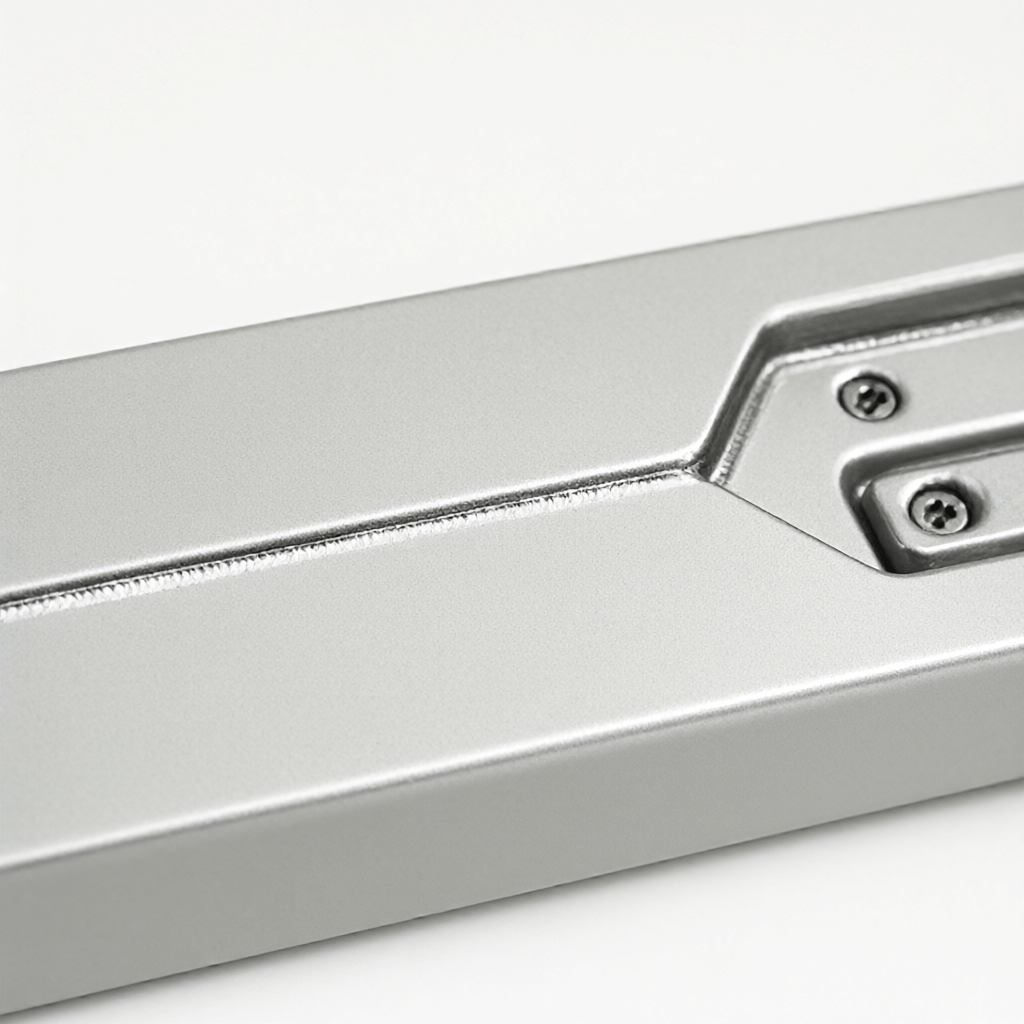
- Weld Specifications: Aluminum frame corners are MIG-welded with full-penetration welds, ground smooth to ≤ 0.5 mm height difference, and degreased before coating. Weld strength must exceed base metal tensile strength (≥ 260 MPa for 6063-T5 alloy).
- Hardware Installation: Handles, locks, and hinges are pre-drilled with CNC precision (±0.1 mm tolerance), using 316-grade stainless steel screws with anti-seize compound. Hinge spacing follows EN 1935 with minimum 3 hinges per door > 2,100 mm height, spaced at 150 mm from top/bottom and evenly distributed.
- Pre-Shipment Testing: Every production batch undergoes air-tightness testing (Class 4 minimum), water-tightness testing (Class 9A minimum), and wind load testing (≥ 2,400 Pa) per EN 12207/12208/12210. A strict pre-shipment inspection protocol includes visual checks, dimension verification (±1 mm tolerance), and hardware function testing.
These processes align with industry standards referenced by ASTM and OSHA for commercial door manufacturing safety and quality.
How Jusen Door and Windows Meets GCC Standards
As a manufacturer specializing in solid wood doors, thermal-break aluminum doors and windows, system windows, casement doors, sliding doors, custom villa doors and windows, sunrooms, and aluminum alloy entrance doors, we understand the unique challenges posed by the GCC environment — from intense solar radiation and sand ingress to high-velocity winds and strict fire-rating requirements. Our approach mirrors how the industry works: we engineer every product to meet or exceed the performance thresholds that GCC developers demand.
Here is how we meet these standards. We offer direct supply from factory with competitive pricing that eliminates middleman markup. Our full customization covers size, color, glass (low-E, double-glazed, laminated), and hardware accessories to match any architectural blueprint. Every shipment undergoes strict pre-shipment inspection including air-tightness, water-tightness, and wind resistance testing to verified Class 4/9A/2,400 Pa thresholds. With rich experience in foreign trade, we provide complete documentation — packing lists, proforma invoices, and full customs documents — and support both FCL and LCL shipments directly from our China factory. Our adjustable profile structures and fittings are designed to comply with local building codes across Saudi Arabia, UAE, Qatar, Kuwait, Oman, and Bahrain, including SASO, ESMA, and QCS certification requirements.
Talk to Our Team about your upcoming GCC project requirements today.
Sources & References
- ASTM — www.astm.org
- OSHA — www.osha.gov
- NFPA 105 Smoke Door Assembly Standards & Requirements Guide — doorwoodendoors.com
- Door Handle Height Standard: Complete Guide for Buyers — doorwoodendoors.com
- Hinge Spacing Rule for Doors: Complete Installation Guide — doorwoodendoors.com
- ICCSafe — www.iccsafe.org
- IBC Chapter 716 Opening Protectives guide — doorwoodendoors.com











