Key Takeaways: What You Need to Know About Double Glass Front Doors
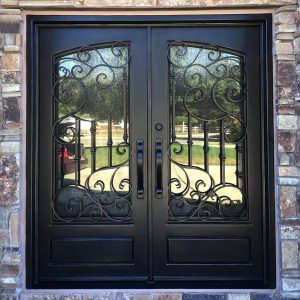
A double glass front door typically refers to one of two configurations: a single door panel containing two panes of glass (double glazing) or a pair of doors (often called a double door or French door) with glass panels. Both configurations serve the same purposes—admitting natural light, improving the visual curb appeal of an entryway, and providing a more open transition between interior and exterior spaces.
The primary trade-offs you will manage are privacy versus light, security versus aesthetics, and energy efficiency versus cost. Double-glazed units outperform single-pane glass on insulation and sound reduction, but they cost more and weigh more. Double-door configurations require more wall space and structural support than single doors.
For most residential and light commercial applications, a double glass front door with tempered or laminated safety glass, a low-E coating, and an insulated aluminum, steel, or fiberglass frame represents the best balance of performance and value. Solid wood frames offer classic aesthetics but require more maintenance. The decision ultimately comes down to your climate, security requirements, and architectural style.
Types of Glass for Front Doors: Clear, Privacy, Etched, and More
The glass itself is the most consequential choice you will make. It determines not just appearance, but also energy performance, safety, and maintenance requirements.
Clear glass maximizes natural light and provides an unobstructed view. It works well for entryways facing private yards or landscaped areas. The downside is obvious: anyone outside can see in. For front doors facing streets or neighbor sightlines, clear glass often requires supplemental window treatments, which partially defeats the purpose of having glass in the door.
Privacy glass solves the visibility problem while still transmitting light. Common types include:
- Frosted or obscured glass: Acid-etched or sandblasted to create a translucent finish
- Patterned glass: Textured surfaces that diffuse light and distort images
- Laminated privacy glass: A translucent interlayer bonded between two panes
Privacy glass reduces light transmission somewhat compared to clear glass, but modern frosted options still admit 70–85% of available light. The trade-off is that you lose the view entirely.
Etched glass offers a middle ground. Decorative etching can be applied to clear glass, creating patterns that provide partial privacy while retaining visibility through unetched areas. Etching can be customized with geometric patterns, botanical motifs, or company logos for commercial applications.
Leaded glass uses lead came or copper foil to join smaller pieces of glass into decorative panels. Traditional leaded glass doors have a classic, craftsman look. They are typically more expensive due to the labor involved, and the lead came requires periodic maintenance to prevent sagging and seal failure.
Double-glazed units combine two panes of glass separated by a spacer and sealed to create an insulating air gap. The gap is often filled with argon or krypton gas, which has lower thermal conductivity than air. Double glazing is the standard for energy-efficient entry doors, reducing heat transfer by roughly 50% compared to single glazing. It also provides meaningful sound insulation, cutting exterior noise by approximately 30–40 decibels depending on glass thickness and gap width.
Safety glass is not optional in most jurisdictions. Building codes typically require tempered or laminated glass in doors and adjacent sidelites because ordinary annealed glass can shatter into dangerous shards. Tempered glass breaks into small, relatively harmless pebbles. Laminated glass holds together when broken, providing additional security against forced entry.
Low-E coatings are microscopically thin metallic layers applied to glass that reflect infrared radiation while transmitting visible light. Low-E glass reduces heat loss in winter and heat gain in summer, improving the overall U-factor of the door assembly. In warm climates, low-E coatings with a low solar heat gain coefficient (SHGC) reduce cooling loads. In cold climates, you want a low U-factor with a moderate SHGC to capture passive solar heat.
Impact-rated glass is required in hurricane-prone regions such as Florida and the Gulf Coast. It typically consists of laminated glass with a polyvinyl butyral (PVB) or SentryGlas interlayer that resists penetration from windborne debris. Impact-rated doors are tested to standards such as the Florida Building Code’s HVHZ (High-Velocity Hurricane Zone) requirements.
Double vs. Single Glass Front Doors: Which Is Right for You?
The distinction here is important because “double glass” can mean two different things.
Single glass front door refers to a door with one pane of glass. This could be a single-pane (one sheet of glass) or a double-glazed unit (two panes with an air gap). The term “single” describes the door configuration, not the glass.
Double glass front door typically means one of two things:
- A door with double glazing (two panes of glass in one frame)
- A double-door configuration (two door panels, each with glass)
For energy efficiency, double glazing is almost always worth the additional cost. The insulating air gap reduces heat transfer dramatically compared to single-pane glass. In cold climates, the difference in heating bills can be substantial. In hot climates, double glazing with low-E coating reduces cooling loads and prevents heat gain near the door.
For sound insulation, double glazing is similarly superior. The air gap disrupts sound transmission, making double-glazed doors noticeably quieter than single-pane alternatives. This matters for homes near busy streets, airports, or commercial properties in noisy urban environments.
For double-door configurations, the main considerations are space and structural support. Double doors require a rough opening of at least 60 inches (two 30-inch doors) and typically 72 inches for wider configurations. The header above the opening must be engineered to carry the weight of the wall above, which is a more significant structural requirement than a single door opening. Double doors also require more hardware—two sets of hinges, a flush bolt, and an astragal (the vertical strip that seals the gap between the doors).
The cost difference between single and double doors is substantial, not just for the doors themselves but for the framing, hardware, and installation labor. If you are replacing an existing single door, converting to a double door requires cutting a wider opening, adding a structural header, and potentially modifying the roof load path.
Choose a single door with double glazing if you want energy efficiency and sound insulation without major structural work. Choose a double-door configuration if you want a grand entrance, need to move large items through the doorway, or are designing a new construction project where the opening can be framed correctly from the start.
Materials and Configurations: Metal, Wood, and Custom Sizes
The frame material determines the door’s structural performance, maintenance requirements, and aesthetic character.
Steel doors offer the best security for the price. A steel door with a polyurethane foam core and double-glazed glass unit provides excellent insulation and resistance to forced entry. Steel doors are available with a variety of glass options, including full-lite (large glass panel), half-lite, and sidelites. The primary disadvantage is that steel dents, and the exterior finish (typically factory-applied primer or paint) requires periodic repainting to prevent rust.
Fiberglass doors mimic the appearance of wood without the maintenance. They do not dent, rust, or warp. Fiberglass doors with foam cores offer insulation values comparable to steel doors. They can be painted or stained to match any architectural style. Fiberglass is more expensive than steel but less expensive than solid wood.
Aluminum doors are common in commercial and modern residential applications. Aluminum is lightweight, strong, and corrosion-resistant. Thermal-break aluminum frames—where a polyamide strip separates the interior and exterior aluminum sections—prevent the thermal bridging that plagues standard aluminum frames. Aluminum doors are available in a wide range of colors through powder coating. They are an excellent choice for contemporary architectural styles and for large glass panels, where aluminum’s strength-to-weight ratio allows slimmer frames than steel or wood.
Solid wood doors offer the most traditional appearance and the highest aesthetic appeal for many buyers. Oak, mahogany, and walnut are common choices. Wood doors require regular refinishing—typically every 1–3 years depending on exposure—and are susceptible to warping, splitting, and rot if not properly sealed. Wood is also the most expensive option, particularly for large doors with glass panels.
Composite doors combine a wood or foam core with an exterior skin of glass-reinforced plastic (GRP) or similar material. They offer the appearance of wood with the durability of fiberglass at a mid-range price point.
Custom sizing is where configurations get complicated. Standard front door sizes in the United States are 36 inches wide by 80 inches tall (36×80), with 32×80 and 30×80 also common. The 42×96 front door size—42 inches wide by 96 inches tall—is a popular custom dimension for grand entryways. Extra-large doors, sidelites, and transoms all require custom framing and are typically more expensive than standard sizes.
When specifying custom dimensions, remember that the rough opening must be larger than the door itself—typically 2 inches wider and 2.5 inches taller to allow for shimming and leveling. If you are replacing an existing door, measure the rough opening, not the door slab, to determine what will fit.
Comparison Table: Double Glass Front Door Options
| Option | Best For | Pros | Cons | Relative Cost |
|---|---|---|---|---|
| Clear glass, double-glazed | Maximizing light and views | Full visibility, best light transmission | No privacy, requires window treatments | $$ |
| Privacy glass (frosted/patterned) | Entryways facing streets or neighbors | Privacy without sacrificing light | Reduced visibility and light transmission | $$ |
| Etched glass | Decorative entryways, partial privacy | Customizable patterns, moderate privacy | Less private than frosted, higher cost than clear | $$$ |
| Leaded glass | Traditional and craftsman homes | Distinctive appearance, classic aesthetic | Expensive, requires maintenance, lower energy efficiency | $$$$ |
| Double-glazed with low-E and argon | Energy efficiency in extreme climates | Best insulation, reduced condensation | Higher upfront cost | $$$ |
| Laminated safety glass | Security-conscious buyers | Resists forced entry, holds together when broken | Heavier, more expensive than tempered | $$$ |
| Impact-rated glass | Hurricane-prone regions | Meets building code requirements, debris resistance | Significant cost premium | $$$$ |
| Single-pane glass | Budget-conscious projects | Lowest cost | Poor insulation, high condensation risk | $ |
How to Choose the Right Double Glass Front Door
Work through these decision criteria in order, and the right configuration will become clear.
1. Determine your climate requirements. If you live in a region with extreme temperatures, double glazing with low-E coating and argon fill is non-negotiable. Look for NFRC-rated U-factors below 0.30 for cold climates and SHGC ratings appropriate for your zone. In mild climates, simpler configurations may suffice.
2. Assess your security needs. At minimum, use tempered glass. For ground-floor entryways or doors with large glass panels, consider laminated glass, which resists breakage and forced entry. Multi-point locking systems—which engage bolts at multiple points along the door edge—provide significantly better security than single-point deadbolts, particularly on double doors where one door must be secured at top and bottom with flush bolts.
3. Consider privacy requirements. Be honest about how much visibility you want from the street. If you do not want people to see into your home, choose privacy glass or a door configuration with limited glazing. Remember that sidelites and transoms also affect privacy.
4. Match the material to your architectural style and maintenance tolerance. Traditional homes generally look best with wood or wood-clad doors. Contemporary homes suit aluminum or fiberglass. If you do not want to repaint or refinish, skip wood and choose fiberglass or powder-coated aluminum.
5. Verify building code compliance. Local codes dictate requirements for glass safety (tempered or laminated), energy performance (U-factor and SHGC limits), and egress (doors must provide a clear opening of at least 32 inches wide and 24 inches high in most jurisdictions). Double-door configurations must allow one door to open fully for egress. Check with your local building department before ordering.
6. Get the rough opening right. Measure the width and height of the rough opening, not the existing door. Account for shim space. If you are enlarging an opening, factor in the cost of structural framing modifications.
7. Compare total cost, not just door price. Include hardware, installation, structural modifications, and ongoing maintenance in your comparison. A cheaper door with expensive hardware and frequent refinishing may cost more over its lifetime than a more expensive door with minimal maintenance.
Frequently Asked Questions
How much does a double glass front door cost?
Costs vary widely based on material, glass type, size, and hardware. A basic steel door with a double-glazed privacy glass unit might cost several hundred dollars for the door slab alone, while a custom aluminum door with impact-rated glass and multi-point locking can run into the thousands. Installation, structural modifications, and premium hardware add significantly to the total. For accurate budgeting, request itemized quotes from multiple suppliers that separate door cost, hardware, and installation.
Are double glass front doors more energy efficient than single glass?
Yes, when comparing double-glazed units to single-pane glass. The insulating air gap between panes reduces heat transfer by approximately half. Adding low-E coating and argon fill improves performance further. A double-glazed door with low-E coating typically achieves a U-factor in the range of 0.25–0.35, while a single-pane door typically measures 0.90–1.10. The exact values depend on the specific glass and frame combination.
What type of glass is best for a front door?
For most buyers, double-glazed tempered glass with a low-E coating represents the best combination of safety, energy efficiency, and cost. If security is a primary concern, upgrade to laminated glass. If privacy matters, choose a frosted or patterned finish. For hurricane-prone regions, impact-rated laminated glass is required by code.
Do double glass doors fog up or get condensation?
Condensation on the interior surface of the glass occurs when warm, humid indoor air meets a cold glass surface. Double glazing reduces this by keeping the interior pane closer to room temperature. Fogging between the panes indicates a failed seal—moisture has entered the air gap. This is a manufacturing defect and should be covered by warranty. If it occurs, the insulated glass unit must be replaced.
Are double glass front doors secure?
Yes, if properly specified. Tempered glass resists breakage, and laminated glass resists penetration. The frame and locking hardware matter as much as the glass. Multi-point locking systems distribute force across multiple points, making the door significantly harder to force open. For double doors, ensure both doors are secured—the inactive door needs top and bottom flush bolts.
How do I maintain and clean double glass doors?
Clean glass with a standard glass cleaner and a soft cloth. Avoid abrasive pads. Inspect weatherstripping and seals seasonally, replacing any that show wear. For wood frames, refinish as needed. For aluminum and steel, clean with mild soap and water. Check hinges and locks annually, lubricating moving parts and tightening loose screws.
What is the difference between a double glazed front door and a double glass front door?
A double glazed door refers specifically to a door with an insulated glass unit—two panes separated by a sealed air gap. A double glass front door can mean either that, or a pair of doors (double doors) with glass panels. The terminology is ambiguous, so clarify with your supplier exactly what configuration you are specifying.
Additional Considerations: Customization and Supplier Selection
Privacy glass vs. clear glass for business entrances. Commercial properties face different privacy and security considerations than residences. A storefront or office entrance with clear glass allows passersby to see inside, which can be desirable for retail but undesirable for offices. Privacy glass or film can be applied to obscure visibility. Security-rated glass and frames are also more critical for commercial applications, particularly for ground-floor entrances.
The “glass door in front of front door” question. Some homeowners add a glass storm door outside their primary door. This provides an extra layer of insulation and allows the main door to remain open for ventilation. If you are considering this approach, note that a properly specified double-glazed front door with a low-E coating may make a storm door unnecessary. Storm doors can also cause condensation issues if not properly ventilated.
Front doors with no window. If privacy and security are your top priorities, a solid door with no glass eliminates the weaknesses associated with glazing. The trade-off is the loss of natural light and the less inviting appearance of a solid door. A sidelite with privacy glass can provide light without compromising the solidity of the main door.
Traditional glass front doors vs. contemporary options. Traditional doors typically feature leaded or etched glass in classic patterns, often with divided lites. Contemporary doors favor large expanses of clear or frosted glass with minimal framing. Your choice should complement the architectural style of your building. A traditional leaded glass door on a modern home looks out of place, just as a minimalist aluminum door on a Victorian home would.
Extra large front doors and custom sizing. If your opening exceeds standard dimensions, you will need a custom door. The 42×96 front door is a popular oversized option, but any dimension is possible with a custom manufacturer. Custom doors cost more, take longer to produce, and require precise measurements. Work with a supplier who can guide you through the specification process and verify your rough opening dimensions.
Single glass front door vs. double glazing for mild climates. In temperate regions with minimal temperature extremes, single-pane glass may be acceptable. However, the cost difference between single and double glazing is relatively small compared to the energy savings and condensation resistance you gain. Double glazing is almost always the better investment.
Building a front door vs. buying from a manufacturer. Fabricating a door yourself is possible if you have advanced woodworking or metalworking skills and the right tools. The challenges include sourcing safety-rated glass, achieving proper tolerances for weather sealing, and ensuring the door meets building code requirements. For most buyers, a manufactured door from a reputable supplier offers better performance, warranty coverage, and code compliance at a lower total cost when you factor in your labor.
Types of glass for front doors: making the final selection. The seven glass types covered earlier—clear, privacy, etched, leaded, double-glazed, laminated, and impact-rated—each serve specific needs. You can also combine them: a double-glazed unit with a low-E coating and a frosted interior pane, for example, provides insulation, energy efficiency, and privacy in one assembly.
When selecting a supplier, look for a manufacturer with direct factory capability, not just a distributor. Factory-direct suppliers can offer better pricing, more flexible customization, and faster response times for technical questions. Verify their quality control processes—specifically whether they test for air-tightness, water-tightness, and wind resistance before shipping. Confirm their experience with export documentation, packing, and shipping logistics if you are sourcing internationally.
As a manufacturer of thermal-break aluminum doors and windows, solid wood doors, and system windows, we approach double glass front door projects with a focus on matching the door assembly to the specific conditions of your site. Our factory-direct model means you work directly with the production team, not a middleman, and we can adjust profile structures and fittings to comply with your local building codes. We offer full customization on size, color, glass type, and hardware, and we conduct pre-shipment testing for air-tightness, water-tightness, and wind resistance on every order. For international buyers, we provide complete export documentation and handle both FCL and LCL shipments. If you are specifying double glass front doors for a project, we can help you evaluate the right glass and frame combination for your climate and security requirements.
Contact our team with your rough opening dimensions and project location, and we will help you specify the right door configuration.