Core Conclusion: What to Know Before Buying Door Window Inserts
A door window insert is a glazed panel or assembly installed within a door—typically a steel, aluminum, or wood entry door—to provide natural light, visibility, and aesthetic appeal. For B2B buyers, the decision comes down to three variables: the insert type, the frame material, and the glass specification. Each choice affects performance, cost, and lead time differently.
Before evaluating specific products, understand this: the insert type determines the installation scope, the frame material determines durability and maintenance, and the glass specification determines energy performance and safety compliance. Buyers who clarify these three variables first will avoid the most common procurement mistakes—ordering the wrong size, specifying incompatible glass, or underestimating installation complexity.
This guide compares the main insert types, frame materials, and glass options, then provides a decision framework for supplier evaluation. It is written for buyers at the awareness stage who need a structured comparison before issuing RFQs.
Types of Door Window Inserts: Full-Lite, Partial-Lite, and Insert Kits
The first distinction buyers must understand is structural. Door window inserts fall into three categories, each with different installation requirements and cost implications.
Full-lite inserts replace the entire door panel with a glass assembly. The door frame remains, but the center panel is entirely glazed. This option maximizes natural light and is common in commercial entrances, office interiors, and retail storefronts. Full-lite doors require the door and frame to be engineered for the glass weight—this is not a retrofit option for existing doors.
Partial-lite inserts occupy only a portion of the door—typically the upper half or a vertical strip. These are the most common configuration for commercial and industrial doors where privacy, security, or thermal performance matters more than light transmission. Partial-lite inserts can be specified with the door at the factory or retrofitted into an existing door panel.
Insert kits are the retrofit solution. A door window insert kit includes the frame, glass, and mounting hardware designed to fit into an existing door panel. The installer cuts an opening in the door, fits the kit, and secures it. This is the most cost-effective option when the existing door is structurally sound but needs an upgrade for light, visibility, or aesthetics. However, the door’s material and thickness must be compatible with the kit—steel doors require different cutting and mounting techniques than wood doors.
A fourth category—custom shapes—covers non-rectangular inserts such as arches, circles, or geometric designs. These are almost always factory-fabricated and specified at the time of door manufacture. Custom shapes carry longer lead times and higher tooling costs, so they are typically reserved for architectural projects where the design requirement is non-negotiable.
Frame Materials Compared: Aluminum, Steel, Wood, and Vinyl
The frame material determines the insert’s structural integrity, thermal performance, and maintenance profile. Each option has a distinct trade-off.
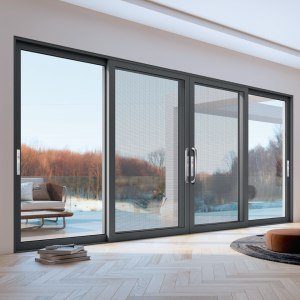
Aluminum frames dominate commercial applications because of their strength-to-weight ratio and corrosion resistance. Thermal-break aluminum—where a polyamide strip separates the interior and exterior frame sections—significantly improves insulation performance. Aluminum frames accept powder-coated finishes in virtually any color, including the black finishes that are currently popular in commercial design. The material is low-maintenance, does not warp, and performs well in high-humidity environments.
Steel frames offer maximum security and are commonly specified for exterior commercial doors. They are heavier than aluminum and require proper galvanization or coating to prevent corrosion. Steel frames have lower thermal performance than thermal-break aluminum unless they include a thermal barrier. They are the preferred choice when impact resistance and forced-entry deterrence are primary concerns.
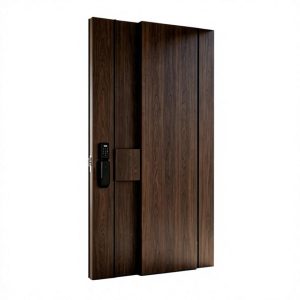
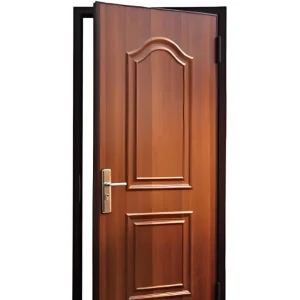
Wood frames provide a traditional aesthetic that is difficult to replicate. They are commonly specified for interior doors, hospitality projects, and high-end residential work. Wood requires ongoing maintenance—repainting or refinishing every few years—and is susceptible to moisture damage in exterior applications unless properly sealed and protected by an overhang. For B2B buyers, wood frames are a design decision, not a performance decision.
Vinyl frames are the budget option. They offer good thermal performance and require no painting, but they have lower structural rigidity than aluminum or steel. Vinyl is suitable for interior applications and light-duty exterior use, but it is rarely specified for commercial exterior doors where wind load and impact resistance are factors.
When comparing materials, buyers should evaluate the full lifecycle cost, not just the unit price. Aluminum with a quality powder coat may cost more upfront than vinyl but eliminates repainting costs and lasts significantly longer in commercial environments.
Glass Options: Performance, Safety, and Aesthetics
Glass specification is where energy performance and safety compliance are determined. Buyers must consider four variables: pane count, treatment, safety rating, and aesthetics.
Single vs. double glazing is the most fundamental decision. Single-pane glass offers no meaningful insulation value and is rarely appropriate for exterior doors in climate-controlled buildings. Double glazing—two panes separated by an air or gas-filled gap—provides the thermal break that prevents condensation and heat transfer. In extreme climates, triple glazing is available, though the weight and cost increase are significant.
Low-E coatings are a micro-thin metallic layer applied to the glass that reflects infrared radiation while allowing visible light to pass. Low-E glass reduces heat gain in summer and heat loss in winter. For commercial projects, low-E coated double glazing is the baseline specification for exterior doors in most climates.
Tempered glass is a safety requirement, not an option. Building codes in most jurisdictions require tempered glass in doors and adjacent sidelites because it breaks into small, relatively harmless pieces rather than dangerous shards. Buyers should confirm that all glass specified for door applications is tempered and, where required, laminated. Laminated glass—two panes bonded with an interlayer—provides additional security and sound insulation.
Decorative glass options include frosted, patterned, tinted, and textured finishes. These are aesthetic choices that also serve functional purposes: frosted glass provides privacy while transmitting light, and tinted glass reduces solar heat gain. For commercial projects, decorative glass is typically specified to match a design theme or brand identity.
Argon-filled double glazing is a performance upgrade worth specifying in cold climates. Argon gas is denser than air and reduces heat transfer through the glazing cavity, improving the overall U-factor of the assembly.
Black Windows and Doors: Style and Practicality
The black window and door trend has moved from residential design into commercial projects. Black frames—typically achieved with powder-coated aluminum—create a strong visual contrast against light-colored building facades and interior walls.
For B2B buyers, the practical question is whether black finishes perform as well as standard finishes. The answer depends on the coating quality. A properly applied powder coat on aluminum provides the same corrosion protection as any other color. The finish is baked on at the factory and is resistant to chipping, fading, and scratching.
Black does have one maintenance consideration: dust and fingerprints are more visible on dark surfaces than on light ones. In high-traffic commercial entrances, this means more frequent cleaning. However, the aesthetic payoff—a modern, architectural look—often outweighs this minor maintenance burden for design-conscious projects.
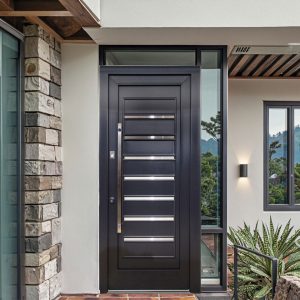
Black doors with windows, whether full-lite or partial-lite, are a straightforward specification for new construction. For retrofit projects, black insert kits are available, but buyers should verify that the kit’s finish matches the door’s existing color or that the door is being refinished as part of the project.
Door Window Insert Comparison Table
| Insert Type | Frame Material | Glass Options | Best Use |
|---|---|---|---|
| Full-lite | Aluminum, steel | Double, low-E, tempered | Commercial entrances, retail storefronts, offices |
| Partial-lite | Aluminum, steel, wood | Double, low-E, tempered, decorative | Industrial doors, security-sensitive entries, interiors |
| Insert kit (retrofit) | Aluminum, vinyl | Double, tempered | Upgrading existing doors, budget-constrained projects |
| Custom shape | Aluminum, wood | Tempered, decorative | Architectural projects, design-driven interiors |
| Full-lite with sidelites | Aluminum, steel | Double, low-E, laminated | Monumental entrances, high-end commercial lobbies |
How to Choose the Right Insert for Your Project
The selection framework for B2B buyers follows a logical sequence.
Assess the door condition. If the existing door is structurally sound and the frame is square, an insert kit is the cost-effective choice. If the door is warped, rusted, or nearing end-of-life, specify a new door with the insert factory-installed.
Determine the installation scope. Full-lite and partial-lite inserts specified at the factory are installed during door manufacturing, which ensures proper sealing and structural integrity. Retrofit kits require on-site cutting and mounting, which introduces installation risk. For large projects, factory-installed inserts are almost always the better choice.
Match the glass to the climate and orientation. A south-facing exterior door in a hot climate needs low-E glass with a low solar heat gain coefficient. A north-facing door in a cold climate needs low-E glass with a low U-factor. Buyers should reference NFRC ratings when comparing glass options and specify performance targets rather than relying on generic descriptions.
Verify building code compliance. Door glazing is subject to safety glazing codes (tempered or laminated glass requirements), energy codes (maximum U-factor and SHGC), and accessibility codes (door width and threshold heights). These requirements vary by jurisdiction, so the manufacturer’s ability to adjust profiles and fittings to match local building codes is a critical supplier qualification.
Calculate the total cost. The insert price is only part of the equation. Consider the door cost, installation labor, hardware, and ongoing maintenance. A cheaper insert that requires frequent maintenance or fails energy code inspection is not a bargain.
Supplier Evaluation: What B2B Buyers Should Check
The supplier selection process for door window inserts requires verification beyond comparing product photos and prices. Here is what to check.
Customization capability. Can the supplier adjust sizes, colors, glass types, and hardware to your specification? Full customization is not universal—some manufacturers only offer standard sizes and configurations. For B2B projects, the ability to match local building codes and project-specific dimensions is essential.
Quality control procedures. Ask about pre-shipment inspection. For door and window products, the relevant tests are air-tightness, water-tightness, and wind resistance. A supplier that performs these tests before shipment demonstrates a quality management system that reduces your risk of receiving non-compliant products.
Documentation and compliance. For international procurement, the supplier must provide packing lists, proforma invoices, and full customs documentation. Missing or incorrect paperwork causes port delays, storage fees, and project schedule slippage. Verify that the supplier has experience with export documentation.
Shipping options. Confirm that the supplier can handle both full container load (FCL) and less than container load (LCL) shipments. Direct delivery from the factory eliminates the cost and risk of intermediate handling.
Lead time and MOQ. Establish realistic lead times for your project schedule and confirm minimum order quantities. Custom sizes and colors typically extend lead times, so factor this into your procurement timeline.
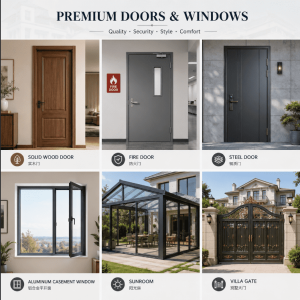
Here is how we meet these standards at Jusen Door and Windows Manufacturing Co., Ltd. As a factory-direct manufacturer, we supply solid wood doors, thermal-break aluminum doors and windows, system windows, and custom villa doors and windows. Our production model is built around full customization—size, color, glass, and hardware accessories are all adjustable to match your project specifications and local building codes.
Our quality control process includes strict pre-shipment testing for air-tightness, water-tightness, and wind resistance, so you receive products that have been verified against performance standards, not just visually inspected. We handle the full export process—packing lists, proforma invoices, and customs documentation—and ship via FCL or LCL directly from our factory. This factory-direct approach means no middleman markup and a single point of accountability for quality, documentation, and delivery. If your project requires OEM, ODM, or bulk supply for construction, we can accommodate those requirements within a single production run.
Additional Considerations for Door Window Insert Procurement
Several factors affect the final specification that are worth addressing before you issue an RFQ.
Door window insert kits vs. full door replacement is a question of door condition and project scope. A kit costs less and preserves the existing door, but it only makes sense if the door is structurally sound and the opening can be cut cleanly. Full replacement is the better choice when the door is being replaced anyway or when the insert design requires a specific door thickness or reinforcement.
Measuring for door window inserts requires precision. For retrofit kits, measure the door panel thickness, width, and height at multiple points—doors are not always perfectly square. For factory-installed inserts, provide the door opening dimensions and the desired glass area. A tolerance of 1/8 inch is typical, but confirm with the manufacturer before cutting.
Maintenance expectations vary by material and finish. Aluminum frames with powder-coated finishes require only periodic cleaning. Steel frames need inspection for coating damage and touch-up painting to prevent rust. Wood frames require repainting or refinishing on a regular cycle. Glass surfaces need cleaning; the frequency depends on the environment and the visibility of the door.
Energy performance is determined by the combination of frame material and glass specification. A thermal-break aluminum frame with double-glazed low-E glass provides significantly better insulation than a non-thermal-break frame with single glazing. For projects where energy codes are strict, request the U-factor and SHGC ratings for the complete door assembly, not just the glass.
Frequently Asked Questions
What are the main types of door window inserts?
Full-lite inserts (entire door panel glazed), partial-lite inserts (a portion of the door glazed), and insert kits (retrofit assemblies for existing doors). Custom shapes are available for architectural projects.
What is the difference between a door window insert kit and a full door replacement?
An insert kit retrofits an opening into an existing door panel, preserving the door and frame. A full door replacement includes a new door with the insert factory-installed. Kits are cheaper and faster but only work if the existing door is structurally sound.
Are black windows and doors a good choice for commercial projects?
Yes, when the frame is powder-coated aluminum. The finish is durable and corrosion-resistant. The main consideration is that dust and fingerprints show more on dark surfaces, which means more frequent cleaning in high-traffic areas.
What glass options are available for door window inserts?
Single, double, or triple glazing; low-E coatings; tempered or laminated safety glass; argon-filled cavities; and decorative options including frosted, patterned, and tinted finishes. The correct specification depends on climate, building code, and design requirements.
How do I choose between aluminum, steel, wood, or vinyl frames?
Aluminum offers the best balance of strength, corrosion resistance, and thermal performance (with thermal breaks). Steel provides maximum security but lower thermal performance. Wood is an aesthetic choice that requires maintenance. Vinyl is the budget option with lower structural rigidity.
What should I look for in a door window insert supplier?
Verify customization capability, pre-shipment quality testing (air-tightness, water-tightness, wind resistance), export documentation experience, and shipping options (FCL and LCL). Confirm lead times and MOQs align with your project schedule.
Can I customize the size and design of a door window insert?
Yes, with a manufacturer that supports full customization. Size, color, glass type, and hardware accessories can all be adjusted. Custom shapes require factory fabrication and longer lead times. Ensure the manufacturer can adjust profiles and fittings to match your local building codes.
For projects requiring factory-direct supply, full customization, and documented quality control, contact our team to discuss your specifications and receive a quote tailored to your project requirements.