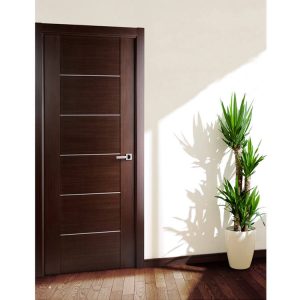
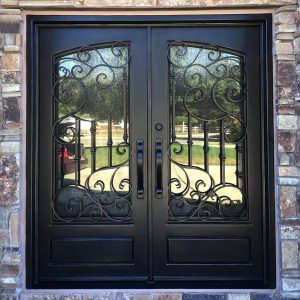
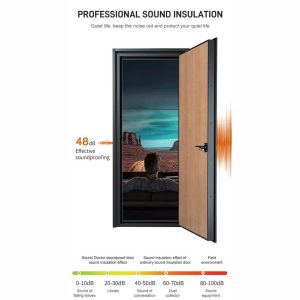
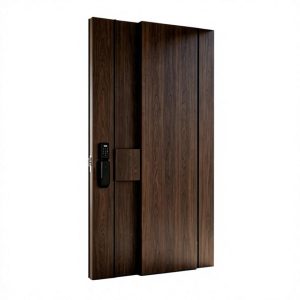
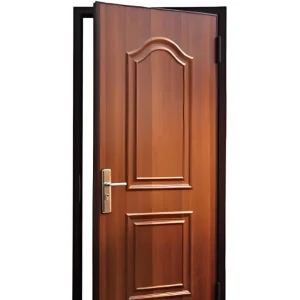
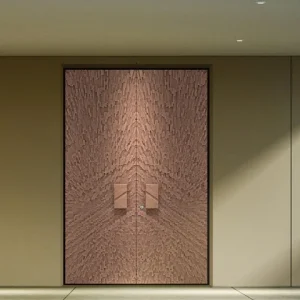
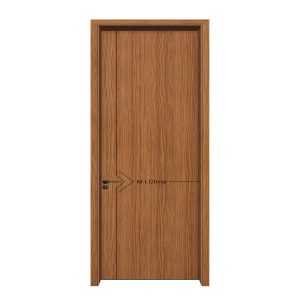
A 30-inch interior door is a common nominal width for many residential applications, but the right size depends on the room, opening and door system.
What a 30-inch interior door means
A nominal 30-inch door generally refers to the slab width. The complete prehung frame is wider, and the rough opening is wider still.
For replacement work, do not order from the slab label alone. Measure the existing door and frame or expose the rough opening when a complete replacement is planned.
Common applications
A 30-inch interior door can work for bedrooms, bathrooms, closets and other rooms where a moderate opening is appropriate.
Room use matters. Furniture movement, accessibility needs and local requirements can make a wider opening preferable.
Measure before ordering
Record:
- Slab width and height
- Frame outside dimensions
- Rough opening
- Jamb depth
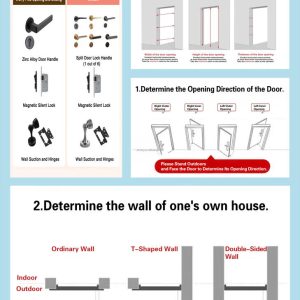
- Handing and swing
- Hinge locations
- Latch or bore preparation
Measure the opening in more than one location because older construction can be out of square.
30-inch slab versus prehung unit
A slab-only door is useful when the existing frame is compatible. A prehung unit is a more complete replacement when the frame is damaged or when a new opening is being prepared.
The two should not be treated as interchangeable products.
Material choices
30-inch interior doors can be available in hollow core, solid core, engineered wood, MDF and solid wood constructions. Select based on privacy, sound control, finish, weight and room conditions.
Project specification
For B2B orders, list nominal size separately from actual frame and rough-opening requirements. Also specify material, finish, panel style, handing, hardware preparation and quantity.
Final takeaway
A 30-inch interior door is a nominal size, not a complete installation dimension. Verify the full door-and-frame system before ordering.
30-inch door and accessibility
A nominal 30-inch slab should not automatically be described as an accessibility-compliant opening. Accessibility is generally evaluated using the clear opening and the applicable code or standard, not only the nominal door width.
If the project is subject to accessibility requirements, confirm the required clear width with the responsible design professional or applicable authority.
Older homes and replacement work
Existing 30-inch openings may not be square or may use nonstandard jambs. Measure before ordering rather than assuming the original rough opening follows a current standard.
If the existing frame is sound, a slab replacement may reduce work. If the frame is damaged, a prehung replacement can be more practical.
Finish and panel style
A 30-inch interior door can be specified with flush, Shaker, raised-panel, glass or other designs. Keep style separate from structural specification: panel count does not determine whether a door is solid-core or hollow-core.
Final purchasing check
For a project order, record nominal size, actual slab size, frame size, rough opening, jamb depth, material, core, finish, handing and hardware preparation.