First Section: What You Need to Know Before Buying a Wood Sliding Door
If you are specifying doors for a residential project, a commercial build, or a renovation, the term “wood sliding door” covers three distinctly different products. The material decision—solid wood, wood-clad, or wood-look—determines not just the aesthetic but also the maintenance schedule, the thermal performance, and the realistic lifespan of the door in your specific climate.
There is no single “best” wood sliding door. The right choice depends on where the door is installed, the local humidity and temperature swings, and how much upkeep the end user is willing to commit to. Here is the short version:
- For exterior patios and porches in most climates, wood-clad or fiberglass wood grain doors outperform solid wood in durability and energy efficiency.
- For interior closets and room dividers, solid wood remains a strong option because it is not exposed to weather and requires minimal maintenance.
- For a wood look with the lowest maintenance, fiberglass wood grain doors are the most practical choice, though they lack the tactile warmth of real wood.
- Budget expectations vary widely, from affordable wood-look options to premium solid hardwood installations that can cost several times more.
The rest of this guide walks through the material differences, the interior-versus-exterior question, and the specific factors that should drive your purchasing decision.
Wood Sliding Door Types: Solid Wood, Wood-Clad, and Wood-Look
Understanding the three main categories is the foundation of any comparison.
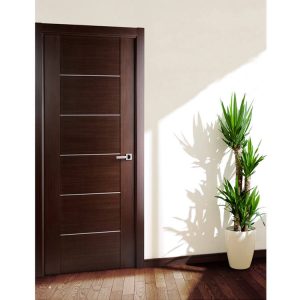
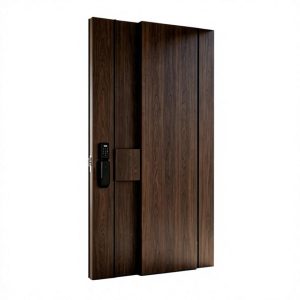
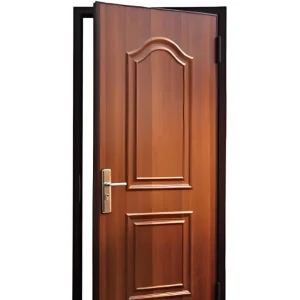
Solid wood sliding doors are constructed entirely from natural timber. Common species include oak, maple, walnut, mahogany, and teak. The door can be a single solid slab or a framed panel design with inset panels. Solid wood offers the most authentic grain, the best acoustic performance, and the ability to be refinished multiple times over its life. The trade-off is dimensional instability—wood expands and contracts with humidity changes, which can cause warping or sticking in exterior applications without proper engineering.
Wood-clad sliding doors combine a structural core with a wood exterior. Typically, the interior face is solid wood veneer or real wood panels, while the exterior is aluminum or fiberglass. This hybrid solves the weather-exposure problem: the exterior cladding handles UV radiation, rain, and temperature swings, while the interior maintains the warm wood aesthetic. Wood-clad doors are the industry standard for high-performance exterior sliding doors, particularly in the European and North American premium markets.
Wood-look sliding doors are made from materials that mimic wood grain without containing significant natural timber. The two dominant subcategories are fiberglass wood grain doors and aluminum doors with wood-grain finishes. Fiberglass doors are molded with realistic grain texture and painted to match wood species. They offer exceptional dimensional stability, zero rot risk, and low maintenance. Aluminum wood-grain doors use a powder-coated or transfer-printed finish to simulate wood, and they are common in modern architectural projects where slim sightlines matter more than authentic material.
There is also a fourth category worth mentioning: wood-look interior doors made from MDF or HDF with a wood veneer or laminate finish. These are budget-friendly options for closets and interior partitions, but they are not suitable for exterior use.
Wood Sliding Doors for Exterior vs. Interior: Key Differences
The application dictates the engineering requirements. An exterior wood sliding door must handle water infiltration, air leakage, UV exposure, and thermal bridging. An interior door has none of these pressures.
Exterior wood sliding doors (patio, porch, deck) must be built with weatherstripping systems, proper drainage in the track, and low-E insulated glass. The wood components need a protective finish or should be shielded from direct weather exposure. Wood-clad construction is the most reliable approach here because the exterior cladding eliminates the need for frequent refinishing. Solid wood exterior doors are possible, but they require a high-maintenance finish regimen—typically re-oiling or re-varnishing every one to two years depending on exposure—and they are more prone to warping in high-humidity regions. Fiberglass wood grain exterior doors eliminate the maintenance concern entirely while still delivering a wood aesthetic.
Interior wood sliding doors (closets, pantries, room dividers) have simpler requirements. They do not need weatherstripping, insulated glass, or water-resistant finishes. Solid wood is a natural fit here because it is not exposed to weather. The main considerations are track quality, door weight, and the wall structure that supports the track. A solid wood closet door can be heavy, so the track system must be rated for the actual door weight.
One additional consideration: fire safety regulations. In some jurisdictions, interior doors between living spaces and garages or utility rooms must meet specific fire ratings. Solid wood doors generally perform better in fire tests than hollow-core wood-look doors. Check your local building code before specifying interior wood sliding doors.
Material Comparison: Solid Wood vs. Wood-Clad vs. Fiberglass Wood Grain
The decision between these materials comes down to four factors: durability, maintenance, insulation, and aesthetics. Here is how they compare side by side.
| Factor | Solid Wood | Wood-Clad | Fiberglass Wood Grain |
|---|---|---|---|
| Weather Resistance | Poor without regular refinishing; susceptible to warping and rot in wet climates | Excellent; exterior cladding protects the wood core | Excellent; impervious to rot, moisture, and UV damage |
| Maintenance | High; requires re-oiling or re-varnishing every 1–3 years for exterior use | Low; periodic cleaning, minimal exterior upkeep | Very low; occasional cleaning, no refinishing needed |
| Thermal Insulation | Good; natural wood has reasonable insulating properties | Very good; cladding systems often include thermal breaks | Very good; fiberglass has low thermal conductivity |
| Acoustic Insulation | Excellent; dense wood blocks sound effectively | Good; depends on core construction and glass | Good; comparable to wood-clad in similar configurations |
| Aesthetic Authenticity | Highest; real grain, natural variations, can be refinished | High; real wood on the interior face | Good; realistic grain texture, but not identical to real wood |
| Dimensional Stability | Poor; expands and contracts with humidity | Good; cladding constrains movement | Excellent; minimal expansion or contraction |
| Lifespan | 20–50+ years with proper maintenance | 30–50+ years with minimal maintenance | 30–50+ years with minimal maintenance |
| Cost Range | High; premium species are expensive | High; premium engineering and materials | Moderate; more affordable than solid wood or wood-clad |
The table reflects general industry patterns, but actual performance varies with build quality, glass specification, and installation. For exterior installations in coastal or high-humidity areas, fiberglass wood grain doors are often the most reliable choice. For interior applications where aesthetics are the priority, solid wood is hard to beat. Wood-clad is the balanced middle ground for exterior doors when the client insists on real wood on the interior face.
How to Choose the Right Wood Sliding Door: A Step-by-Step Guide
Work through these five decision points in order.
Step 1: Define the installation environment. Is the door going to face direct weather exposure? If yes, eliminate bare solid wood from the shortlist unless the client is prepared for a strict maintenance schedule. If the door is interior-only, solid wood and wood-look options are both viable.
Step 2: Determine the performance requirements. What are the local building code requirements for U-factor (thermal transmittance) and air infiltration? For exterior doors in cold climates, look for thermally broken frames and low-E glass with a warm-edge spacer. Ask the manufacturer for test reports that show the door’s U-factor and air leakage rating. For interior doors, these metrics are irrelevant.
Step 3: Assess the weight and track system. A solid wood sliding door can weigh significantly more than a wood-look door of the same size. The track system must be rated for the actual door weight. For heavy doors, choose a top-hung track with floor guides rather than a bottom-roller system, which can wear out faster. Confirm the track manufacturer’s weight rating before finalizing the door specification.
Step 4: Set the maintenance budget. Be honest about the end user’s willingness to maintain the door. Solid wood exterior doors require refinishing every one to three years, depending on sun and rain exposure. If the client is not prepared for that, recommend wood-clad or fiberglass wood grain instead.
Step 5: Compare total cost, not just the door price. Include the track system, hardware, installation labor, and long-term maintenance in your comparison. A cheaper wood-look door with a low-quality track can cost more in the long run than a premium wood-clad door with a properly rated track system.
Frequently Asked Questions About Wood Sliding Doors
What are the main types of wood sliding doors?
The three main types are solid wood, wood-clad (wood interior with aluminum or fiberglass exterior), and wood-look (fiberglass wood grain or aluminum with wood-grain finish). Each serves a different balance of aesthetics, durability, and maintenance.
What is the difference between solid wood, wood-clad, and wood-look doors?
Solid wood is entirely natural timber, offering the best aesthetics but requiring the most maintenance. Wood-clad combines a wood interior with a weather-resistant exterior, balancing looks and durability. Wood-look doors use materials like fiberglass to mimic wood grain with minimal maintenance and high weather resistance.
Which wood sliding door is best for exterior use?
Wood-clad and fiberglass wood grain doors are the most reliable for exterior applications. Wood-clad provides real wood on the interior face, while fiberglass offers the lowest maintenance. Bare solid wood is not recommended for exterior use in most climates unless the client accepts a rigorous maintenance schedule.
How do wood sliding doors compare in terms of durability and maintenance?
Solid wood is durable but requires regular refinishing for exterior use and is prone to warping in humid conditions. Wood-clad doors offer good durability with minimal exterior maintenance. Fiberglass wood grain doors are the most durable and require the least upkeep, with no risk of rot or warping.
What should I consider when buying a wood sliding door for a closet?
Focus on the track system’s weight rating, the door’s swing clearance, and the wall structure that supports the track. Solid wood is a good choice for closets because it is not exposed to weather. For lighter budgets, wood-look MDF or veneer doors are acceptable for interior use.
How much do wood sliding doors typically cost?
Costs vary widely based on material, size, glass specification, and hardware quality. Wood-look fiberglass doors are generally the most affordable of the three main types. Solid wood doors are more expensive, with premium hardwood species at the top of the range. Wood-clad doors sit at a similar or higher price point to solid wood due to their engineering complexity. For accurate pricing, request a quote with your specific dimensions and hardware requirements.
What are the benefits of fiberglass wood grain doors over real wood?
Fiberglass wood grain doors offer superior weather resistance, zero rot risk, dimensional stability, and minimal maintenance. They also provide better thermal performance in many configurations. The trade-off is that the grain texture, while realistic, is not identical to natural wood.
How do I choose a reliable wood sliding door manufacturer?
Evaluate manufacturers on four criteria: their ability to provide test reports for air-tightness, water-tightness, and wind resistance; their experience with international shipping and customs documentation; their willingness to customize sizes, glass, and hardware; and their track record with projects similar to yours. Request references and inspect their quality control processes before committing.
Additional Considerations: Modern Styles, Closet Doors, Porch and Patio Options
Beyond the material decision, several application-specific factors influence the final specification.
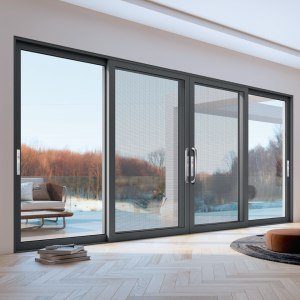
Modern interior wood sliding doors are often specified as single-panel or double-panel systems that slide flush into a wall pocket. This “disappearing door” configuration requires careful planning during the framing stage because the wall cavity must accommodate the door panel and the track. For retrofits, exposed track systems with barn-door styling are more practical.
Closet wood sliding doors are available as bypass systems (two or more panels sliding on parallel tracks) or as single-panel systems. Bypass doors are the most common for closets because they do not require floor clearance and are easy to operate. The main specification concern is the track quality and the weight rating relative to the door material.
Porch and patio wood sliding doors face the most demanding conditions. In addition to the material considerations covered earlier, pay attention to the track design. Exterior tracks must have adequate drainage to prevent water pooling, and the sill should have a thermal break to prevent condensation in cold climates. For porches that are enclosed but not fully climate-controlled, a wood-clad or fiberglass door is still the safer choice over solid wood.
Wood look doors are not a single product category. Fiberglass wood grain doors are the premium option, while aluminum wood-grain doors are common in modern architectural projects where slim frames and large glass panels are priorities. Aluminum doors with wood-grain finishes offer the structural strength of aluminum with the aesthetic of wood, but they do not insulate as well as fiberglass or wood-clad doors without thermal break technology.
How We Meet These Standards: A Manufacturer’s Perspective
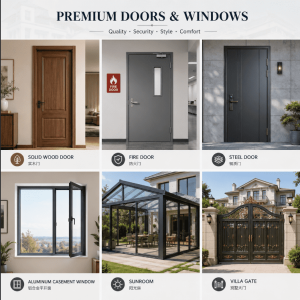
As a manufacturer of wood sliding doors and related products, we approach these requirements from a practical standpoint. Our factory produces solid wood doors, thermal-break aluminum doors, and system windows, which means we work across the material categories discussed in this guide rather than being limited to one approach.
For exterior wood sliding doors, we build with thermally broken profiles and adjustable structures that can be configured to meet local building codes in different target markets. This is particularly relevant for international buyers, because code requirements vary significantly between regions. Our pre-shipment inspection includes air-tightness, water-tightness, and wind resistance testing, which are the same metrics we recommend buyers ask about when evaluating any manufacturer.
We offer full customization on size, color, glass, and hardware accessories. For projects that require specific performance ratings, we can adjust the profile structure and fittings to match the local standards of your market. This is a practical advantage when you are sourcing from overseas, because the door you receive must comply with the regulations where it will be installed, not just with the manufacturer’s home market.
Our position as a direct factory supplier means we handle the logistics side as well—packing lists, proforma invoices, and full customs documentation are part of our standard export process. We ship via FCL and LCL, so we can accommodate both bulk construction projects and smaller orders. If you are evaluating manufacturers for a wood sliding door project, these are the practical points to verify: test reports, customization capability, documentation support, and the ability to meet your local code requirements.
Contact our team to discuss your specific project requirements and get a detailed quote based on your dimensions, materials, and hardware needs.