13 min read
What Makes a Good Aluminum Window Manufacturer? A Supplier’s Guide to Quality & Reliability
Every procurement decision carries risk. But few decisions carry the weight of choosing an aluminum window manufacturer. When a shipment arrives with scratched profiles, inconsistent finishes, or tolerances that don’t match the approved samples, the cost isn’t just the replacement—it’s the delayed construction schedule, the strained client relationship, and the reputational damage that follows.
We’ve spent over 20 years in this industry, and we’ve seen what happens when buyers prioritize price over reliability. The search for a manufacturer isn’t a simple procurement task—it’s a risk management decision that determines whether your project moves forward smoothly or stalls in a cycle of rework and finger-pointing.
Any factory can produce a window. A good manufacturer ensures consistency across bulk orders, adheres to strict tolerances, and acts as a partner rather than just a supplier. At Jusen Doors & Windows Manufacturing Co., Ltd., we’ve built our entire operation around these principles. In this guide, we’ll walk through the non-negotiable pillars of a reliable aluminum window manufacturer—drawn directly from our own operational standards—so you know exactly what to evaluate when choosing your partner.
The Backbone of Reliability: Raw Material Sourcing & Supply Chain Stability
Before a single window takes shape, the foundation of quality is already being decided in the supply chain. This is where many buyer-supplier relationships break down, often before the first production run even begins.
Vertical Integration vs. Assembly-Only Operations
When you evaluate a potential manufacturer, the first question should be: do they control their own processing, or do they simply assemble parts sourced from subcontractors? The answer determines who takes responsibility when defects appear.
We operate our own aluminum processing workshops alongside our wood drying and spray finishing facilities. This vertical integration means we control quality from the first cut to the final inspection. When a profile is machined incorrectly or a finish doesn’t meet spec, we know exactly where the problem occurred—and we fix it at the source. Assembly-only operations create a blame game: the extruder blames the finisher, the finisher blames the hardware supplier, and you’re left in the middle with a delayed project and no accountable party.
Guaranteeing Consistent Alloy Quality
Aluminum windows are only as strong as the alloy they’re made from. Virgin aluminum with controlled chemical composition provides predictable structural integrity and a clean surface for finishing. Recycled content, while cheaper, introduces variability that can compromise both strength and appearance.
Our long-standing relationships with material suppliers allow us to maintain stable chemical composition and thickness standards across massive bulk orders. When you approve a sample at the beginning of a project, the windows installed at the end will match it—same alloy, same thickness, same finish. This consistency is the foundation of our reputation with villa developers and contractors who can’t afford surprises halfway through a construction timeline.
Buffer Stock and Production Planning
Construction schedules don’t flex easily. When a project needs 500 windows delivered by a specific date, the manufacturer’s supply chain must be resilient enough to absorb shocks—raw material price spikes, logistics delays, or sudden demand increases.
Our experience with construction project bulk supply has taught us the value of strategic inventory management. We maintain buffer stock levels that protect our production lead times from external supply shortages. This means when your project timeline accelerates or a last-minute order comes through, we can adapt without compromising the quality or delivery date of your existing order. We’ve built our production planning around the reality that construction projects rarely go exactly as planned—and we’re prepared for that.
Product Expertise: Beyond Standard Profiles to Custom Aluminum Windows
A manufacturer’s true capability isn’t measured by their standard catalog—it’s measured by how they handle what isn’t standard. This is where engineering expertise separates commodity suppliers from true partners.
Thermal Break Technology and Energy Efficiency
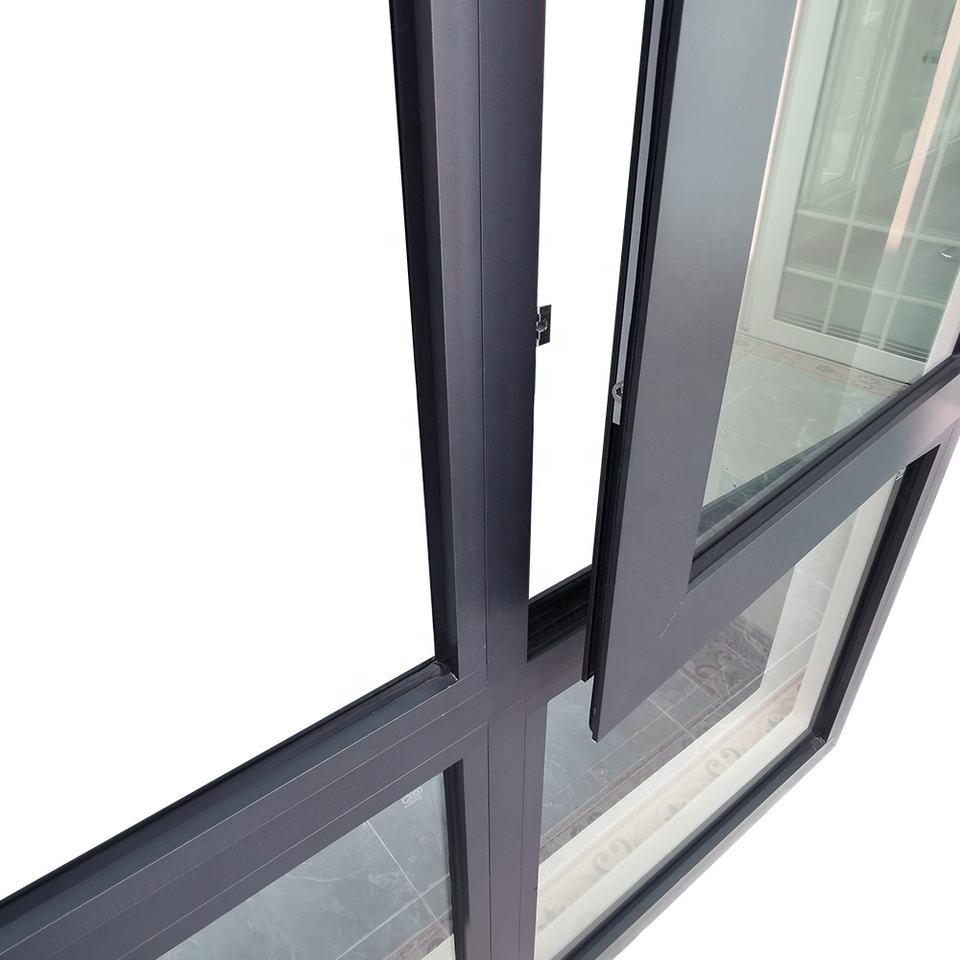
Modern building codes are pushing energy efficiency requirements higher every year. A good aluminum window manufacturer must understand thermal dynamics, not just extrusion profiles. Thermal break strips, multi-chamber designs, and proper gasket placement all affect a window’s U-value and overall building performance.
Our engineering team integrates thermal break technology into our designs as standard practice, ensuring that the windows we supply help our clients meet—and exceed—modern energy codes. We don’t just supply a product; we provide solutions that contribute to the overall sustainability goals of the buildings they’re installed in. For villa developers and contractors working on premium projects, this technical depth is non-negotiable.
Matching Aluminum Windows with Complementary Materials
B2B clients often need a single source for multiple products—aluminum windows paired with wooden door frames, or timber entry doors that match the aesthetic of the window system. Coordinating multiple suppliers creates color mismatches, installation compatibility issues, and scheduling headaches.
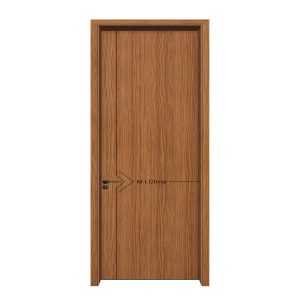
Our unique position as a manufacturer of both solid wood doors and aluminum windows gives us an advantage that most competitors can’t match. We handle complex projects requiring cohesive aesthetics across the entire building envelope. When a project calls for aluminum windows with timber door frames, we ensure the color, style, and finish harmonize across both product lines. This dual expertise simplifies your supply chain and eliminates the risk of mismatched aesthetics.
Custom Sizes and Non-Standard Configurations
Standard sizes are easy—any factory with basic equipment can produce them. Custom architectural designs are the true test of a manufacturer’s capability. Odd angles, non-standard dimensions, unique operating mechanisms—these require engineering judgment, not just manufacturing capacity.
Our ODM capabilities handle custom size and design requests regularly. Our in-house design team creates detailed shop drawings for approval, ensuring that even the most unique architectural visions are structurally sound and manufacturable. We don’t just say “yes” to custom requests; we engineer them properly, accounting for wind load, water tightness, and thermal performance before production begins. This approach has earned us the trust of architects and designers who push the boundaries of what’s possible with aluminum windows.
The True Test of a Manufacturer: OEM & ODM Flexibility
The partnership model matters as much as the product itself. How a manufacturer handles branding, design ownership, and order flexibility determines whether they’re a true partner or just a vendor.
Protecting Your Brand with Private Label Services
For retail dealers and distributors, brand identity is everything. Your customers know your name, not your manufacturer’s. A good manufacturer must be invisible in the supply chain—producing windows that carry your branding with consistent quality that reflects well on your company.
Our Private Label service does exactly that. We produce windows that carry your branding, allowing you to scale your product line without investing in heavy machinery or additional factory capacity. We’re the engine; you’re the brand. This arrangement lets you focus on sales, marketing, and customer relationships while we handle the manufacturing complexity behind the scenes.
From Concept to Production: The ODM Design Process
There’s a significant difference between “making” a window and “engineering” one to meet specific performance criteria. Wind load resistance, water tightness, air infiltration rates—these aren’t just marketing terms; they’re measurable performance standards that require careful engineering.
Our ODM process starts with your performance requirements and works backward. Using our 20+ years of experience, we translate your needs into manufacturable designs. We provide customized shop drawings and formal quotations within 24 hours, demonstrating our agility and technical depth. This rapid response doesn’t just speed up your project—it also signals our confidence in our capabilities. We’re not afraid to commit to specifics quickly because we’ve done this work thousands of times before.
Flexible MOQs for Market Testing and Large Projects
Buyers often fear being locked into huge Minimum Order Quantities (MOQs) before validating a product or market. Conversely, large-scale developers need confidence that a manufacturer can handle volume without compromising quality.
Our MOQs are structured to accommodate both scenarios. Whether you’re a dealer testing a new market with a small initial order or a developer ordering for a 500-unit complex, we adapt our production to your scale. This flexibility doesn’t compromise our manufacturing stability—it’s built into how we plan our production runs. We understand that your order volume reflects your business stage, not your potential, and we treat every order with the same commitment to quality.
Cost Transparency: Engineering Value, Not Just Low Prices
Price is always a consideration, but the cheapest quote is rarely the most cost-effective solution. Understanding the true cost of a window requires looking beyond the initial price tag.
The True Cost of a “Cheap” Window
When a window fails—whether through installation issues, premature wear, or manufacturing defects—the costs multiply quickly. Replacement units, reinstallation labor, project delays, and warranty claims can easily exceed the savings from a lower initial quote.
Our value proposition is built on “stable quality.” Our strict quality control from raw materials to final production reduces the risk of on-site damage and rework. When you factor in the avoided costs of failed inspections, delayed handovers, and client dissatisfaction, our windows deliver better value than cheaper alternatives. We’ve seen too many projects where the “savings” from a low-cost supplier evaporated the moment problems appeared on site.
How In-House Finishing Reduces Premium Costs
Powder coating and anodizing are critical stages in aluminum window production. When factories outsource these processes, they add third-party markups and introduce scheduling dependencies that can derail production timelines.
Our in-house spray finishing workshops give us control over this critical stage. We eliminate third-party markups and ensure that the surface finish is durable and consistent. For high-end projects requiring premium finishes—wood-grain textures, metallic effects, custom colors—our in-house capability offers a better price-to-performance ratio than competitors who must subcontract this work.
Transparent Quoting and No Hidden Fees
B2B buyers need to budget accurately. Surprise costs—whether from packaging, hardware upgrades, or customization fees—undermine trust and complicate your client relationships.
We provide formal quotations within 24 hours, breaking down the costs of materials, hardware, and customization clearly. You can present accurate budgets to your end-clients without worrying about hidden fees appearing later. This transparency is part of our commitment to being a reliable partner, not just a supplier.
Logistics, Shipping, and On-Time Delivery
The best-manufactured window is worthless if it arrives damaged or delayed. Logistics and packaging are where many manufacturers fail their B2B clients.
Export Experience and Packaging Standards
International shipping is brutal on large aluminum profiles. Inadequate packaging leads to dents, scratches, and bent frames—all of which create disputes, delays, and replacement costs.
Our comprehensive after-sales support includes shipping damage protection. We use heavy-duty packaging and strategic loading techniques to ensure the product arrives as intended. Every window is protected against the rigors of ocean freight, trucking, and handling. We’ve refined our packaging standards over decades of export experience, and we know exactly what it takes to get products from our factory floor to your project site in pristine condition.
Managing Lead Times for Construction Schedules
Construction delays are expensive—often far more expensive than the windows themselves. A manufacturer who misses deadlines forces your project to idle, with labor and equipment costs mounting daily.
Our efficient production planning and fast production lead times allow us to sync with your construction milestones. We understand that a delay in our workshop means a delay on your site, so we build realistic schedules and stick to them. When we commit to a delivery date, we treat it as a contractual obligation, not an aspiration.
Global Distribution and Communication
Time zone differences and language barriers can stall projects and create frustration. A good manufacturer bridges these gaps with responsive communication and clear processes.
Our team is built to serve global partners. We welcome international distributors, builders, and architects, providing responsive communication that connects our factory floor to your project site. When you need a status update, a technical question answered, or a delivery schedule adjusted, you get a response—not silence. This communication reliability is as important as product quality for maintaining project momentum.
After-Sales Support: Why the Relationship Doesn’t End at Delivery
The mark of a true manufacturing partner is how they handle issues after the product ships. This is where long-term relationships are built or broken.
Handling Defects and Replacements Proactively
Even the best factories occasionally have issues. What matters is how those issues are resolved. A manufacturer who disappears after the invoice is paid leaves you holding the bag when problems surface.
Our comprehensive after-sales support system ensures we don’t vanish after delivery. When issues arise—whether from manufacturing defects or shipping damage—our team works quickly to resolve them. We understand that your reputation with your end-client is on the line, so we prioritize fast, fair resolutions that protect your interests.
Technical Support During Installation
Many window performance failures trace back to installation errors rather than manufacturing defects. A good manufacturer offers guidance to prevent these issues before they occur.
Our engineering team is available to answer installation questions, providing technical guidance to ensure the window performs as designed once it’s in the wall. Whether it’s proper anchoring techniques, sealant application, or hardware adjustment, we share our expertise to help your installation team succeed. This support reduces the risk of field failures that could otherwise be blamed on the product.
Long-Term Partnership and Product Consistency
If you build a project in Year 1 and need to expand in Year 3, will the manufacturer still be able to match the original windows? This question matters for phased developments and multi-stage projects.
Our consistent manufacturing processes ensure that if you return to us for a second phase, we can match the profiles and finishes of the first phase. This maintains the aesthetic integrity of the entire development, avoiding the visual mismatch that occurs when different suppliers produce slightly different shades or profiles. Our long-term stability gives you confidence that your project can grow without visual compromise.
Frequently Asked Questions
Q1: What is the difference between OEM and ODM for aluminum windows?
OEM means we build to your specifications and branding—you provide the designs, we handle manufacturing. ODM means we design and build based on your performance requirements, handling both the engineering and production. We support both models, giving you flexibility in how much design control you want to retain.
Q2: How do I ensure the quality of aluminum windows for a large construction project?
Quality assurance starts with choosing a manufacturer with in-house processing capabilities, not just assembly operations. We recommend factory audits, sample approvals, and clear quality specifications in your purchase contract. Our vertical integration ensures we control quality from raw materials to final production, which significantly reduces the risk of defects.
Q3: Can you match the specific color or finish of my building design?
Yes, we support custom finishes. Our in-house spray finishing capabilities allow for a wide range of colors and textures, including wood-grain finishes that match our wooden door lines. Send us your color specifications, and we’ll match them precisely.
Q4: What are your Minimum Order Quantities (MOQs) for custom windows?
Our MOQs are flexible and depend on the specific profile and finish. We encourage you to contact our team to discuss your project volume. Whether you’re testing a new market or ordering for a large development, we structure our production to accommodate your scale.
Q5: How quickly can I get a quotation and shop drawings?
We provide customized shop drawings and formal quotations within 24 hours for most inquiries. This rapid response helps you maintain project momentum and budget accuracy.
Q6: Do you offer private label services for retail dealers?
Yes, we support private label. We produce high-quality windows that carry your brand, helping you expand your product portfolio without heavy capital investment in manufacturing equipment.
Your Decision Guide
Choose a manufacturer with vertical integration if: You need consistent quality across large orders, want single-point accountability, and can’t afford the finger-pointing that comes with subcontracted production.
Choose a manufacturer with dual material expertise if: Your projects combine aluminum windows with wooden doors or frames, and you need aesthetic cohesion across the entire building envelope.
Choose a manufacturer with flexible MOQs if: You’re testing a new market, launching a new product line, or need to scale production gradually without committing to massive initial orders.
Choose a manufacturer with comprehensive after-sales support if: You’re working on projects where installation issues could create costly delays, and you need technical guidance beyond the initial sale.
Conclusion
A good aluminum window manufacturer is defined by their ability to control the supply chain, offer design flexibility, and back their products with robust logistics and after-sales support. These aren’t optional extras—they’re the pillars of a reliable partnership that protects your project, your reputation, and your bottom line.
At Jusen Doors & Windows Manufacturing Co., Ltd., we combine 20+ years of craftsmanship with modern aluminum manufacturing efficiency. Our in-house processing workshops, engineering team, and global distribution experience make us a partner that global contractors, designers, and developers can rely on. We don’t just manufacture windows; we build relationships that span projects, phases, and years.
Ready to partner with a manufacturer that prioritizes your project’s stability?
Or, Contact Our Team to discuss your specific requirements.
References
[1] American Architectural Manufacturers Association. (2023). “AAMA Window Standards Overview.” https://www.aamanet.org/technical-resources/window-standards/
[2] Aluminum Extruders Council. (2024). “Aluminum Extrusion Alloys and Their Applications.” https://www.aec.org/alloys
[3] National Fenestration Rating Council. (2024). “Understanding Window Energy Performance Ratings.” https://www.nfrc.org/window-energy-performance/
[4] U.S. Department of Energy. (2023). “Energy-Efficient Window Selection Guide.” https://www.energy.gov/energysaver/energy-efficient-window-selection
[5] Window & Door Manufacturers Association. (2024). “Industry Standards for Window Performance and Testing.” https://www.wdma.com/technical-resources/standards/