A vented exterior door allows controlled airflow through an opening in or associated with the door while maintaining the basic function of an exterior entrance. The term can describe doors with operable glass inserts, venting panels or other airflow-oriented configurations. The right choice depends on how much ventilation is needed, how the opening must be secured and how the door handles weather exposure.
What Is a Vented Exterior Door?
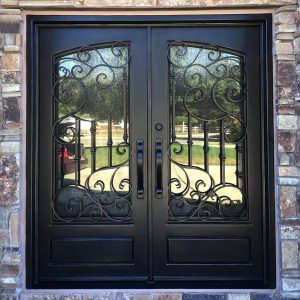
A vented door is different from a conventional solid exterior door because part of the assembly can provide airflow. One common approach is an operable glass insert that can be opened while the main door remains closed. Other designs may use a dedicated venting section or screen configuration.
The exact mechanism matters. When comparing products, ask how the vent opens, what prevents insect entry, how it seals when closed and how the opening is secured.
Where Vented Exterior Doors Make Sense
Vented configurations can be useful at back doors, side entrances, porches, utility entrances and other locations where natural airflow is valuable. They are less appropriate where the opening must remain fully sealed or where security and weather exposure dominate the design.
Vented Glass vs Solid Exterior Door
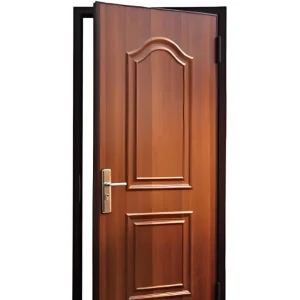
A venting glass insert can provide daylight and airflow in one component. A solid door provides greater visual privacy and a simpler exterior surface. The correct choice depends on the location and the desired balance between ventilation, privacy, security and weather resistance.
What to Check Before Ordering
| Specification | Why it matters |
|---|---|
| Vent opening | Determines usable airflow |
| Screen or mesh | Helps control insects when vent is open |
| Glass | Determines visibility and daylight |
| Locking mechanism | Important when the venting section is operable |
| Weather seals | Needed when the vent is closed |
| Frame and sill | Must suit the exterior exposure |
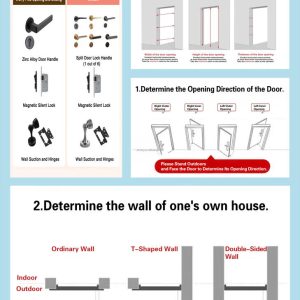
| Handing and swing | Required for correct installation |
Vented Exterior Door Materials
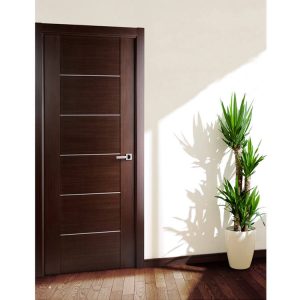
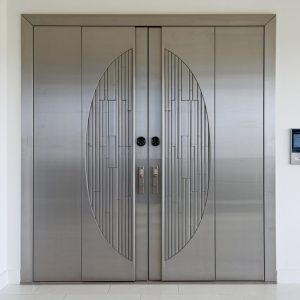
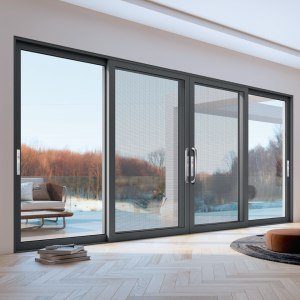
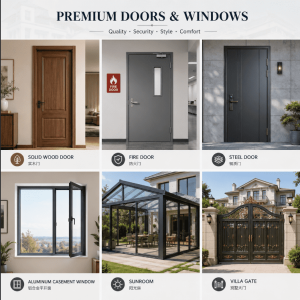
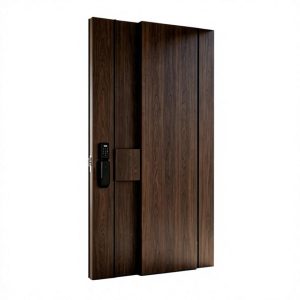
Vented doors can be built using different slab and frame materials. Fiberglass can provide a wood-like appearance, steel is common where a rigid metal door construction is desired, and aluminum can suit modern systems and project applications.
Do not select the material separately from the venting mechanism. The complete assembly needs to maintain acceptable operation, sealing and durability.
Vented Door Security Considerations
A venting section introduces another operable component, so security should be considered as part of the specification. Check the locking method, frame construction, glass type and whether the vent can be operated from outside.
For project or commercial applications, ask the supplier for hardware and performance specifications rather than assuming that a residential venting design is suitable.
Vented Exterior Door Buying Checklist
Confirm the opening size, door and frame dimensions, vent mechanism, screen configuration, glazing type, locking method, sill, weatherstripping, handing and finish. If the door will be exposed to heavy rain, verify how the venting assembly manages water when closed.
Bottom Line
Vented exterior doors are useful when controlled airflow is a real requirement. Choose the system based on ventilation, insect control, security and weather exposure—not simply on the presence of a glass panel.
For projects requiring custom aluminum framing and modern exterior profiles, Jusen can discuss venting-compatible configurations where the project specification supports them.