14 min read
What Are Thermal Break Aluminum Windows? A Complete Guide for Architects, Builders & Distributors
If you’ve been specifying windows for commercial or high-end residential projects, you’ve likely encountered the term “thermal break aluminum windows.” But what exactly sets them apart from standard aluminum windows? And more importantly, why should you care?
In simple terms, a thermal break aluminum window is an aluminum window system where a polyamide or polyurethane barrier is inserted between the interior and exterior metal sections of the frame. This barrier interrupts the flow of heat through the aluminum, preventing the window from becoming a thermal bridge that transfers heat or cold from outside to inside.
At Jusen Doors & Windows Manufacturing Co., Ltd., this isn’t just theoretical knowledge. With over 20 years of experience operating our own aluminum processing workshop, we see thermal break technology in action every day. We’ve watched energy codes tighten across North America, Europe, and Asia, and we’ve adapted our production lines to meet the demand for high-performance window systems.
In this guide, we’ll break down everything our engineering team considers when producing thermal break windows for global construction projects — from how they’re constructed to what you should specify for your next development.
How Is a Thermal Break Aluminum Window Constructed?
Understanding the construction of thermal break aluminum windows helps you appreciate why they perform so differently from standard aluminum frames. The process is more sophisticated than simply bolting two pieces of metal together.
The Role of Polyamide Strips and Pour-and-De-Bridge Technology
There are two primary methods we use to create thermal breaks in aluminum profiles: the polyamide strip method and the pour-and-de-bridge method.
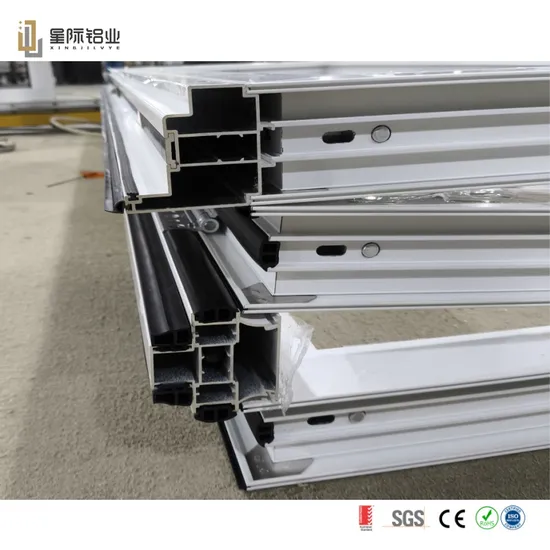
The polyamide strip method involves inserting two separate polyamide strips (typically 14mm, 20mm, or 34mm wide) between the interior and exterior aluminum sections. These strips are either crimped or roll-formed into place, creating a mechanical lock that holds the assembly together. The result is a rigid, structurally sound frame where the thermal barrier physically separates the two metal halves.
The pour-and-de-bridge method is different. Here, liquid polyurethane is poured into a channel within the aluminum profile. Once cured, the aluminum bridge connecting the interior and exterior sections is milled away, leaving only the polyurethane to join the two halves. This creates a continuous thermal break along the entire profile length.
Both methods achieve the same goal: preventing continuous metal-to-metal contact. In our factory’s aluminum processing workshop, we handle these profile assembly processes in-house, ensuring precise alignment and barrier integrity on every extrusion. This in-house capability means we control quality at every step — from raw billet to finished, thermally broken profile.
Components That Complete the System
A thermal break aluminum window is more than just its frame. The complete system includes:
- Glass units: Double or triple glazing with low-E coatings and inert gas fills (argon or krypton) that work alongside the thermal break to maximize insulation.
- Gaskets: EPDM or silicone gaskets that seal the glass into the frame, preventing air and water infiltration.
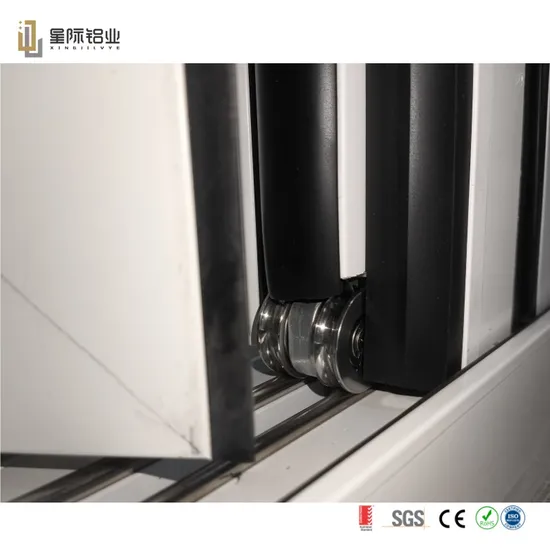
- Hardware: Multi-point locking systems, concealed hinges, and operating mechanisms engineered for high-cycle use.
- Drainage systems: Internal drainage channels that manage water ingress without compromising the thermal barrier.
Our in-house design team helps clients select the right glazing and hardware combinations for their project’s climate and performance requirements. We don’t just sell profiles — we help you build a complete window system.
Why Frame Depth and Barrier Width Matter
The thermal performance of a thermal break aluminum window depends significantly on two dimensions: frame depth and thermal barrier width.
Common frame depths range from 45mm to 75mm, with deeper frames allowing for wider thermal barriers. For example, a 60mm frame might accommodate a 20mm polyamide strip, while a 75mm frame can accept a 34mm barrier. Wider barriers mean longer heat paths, which translates to better insulation values.
When you’re comparing products, remember that the U-value (thermal transmittance) of the entire window — not just the frame — depends on this geometry. Our engineering team provides customized shop drawings within 24 hours to help clients match frame profiles to their thermal performance targets. If a project demands a specific U-value, we can calculate the required frame depth and barrier width before you commit to a design.
Key Performance Benefits of Thermal Break Aluminum Windows
Why invest in thermal break technology? The benefits extend far beyond simple energy savings, impacting occupant comfort, building durability, and even acoustic performance.
Superior Thermal Insulation and Energy Efficiency
The most obvious benefit is thermal insulation. Thermal break aluminum windows typically achieve U-values between 1.0 and 2.8 W/m²K, depending on the profile design and glazing package. Compare that to non-thermal aluminum windows, which often struggle to achieve better than 4.5 to 5.5 W/m²K.
This performance gap translates directly into operational cost savings. For a commercial building in a cold climate, switching from non-thermal to thermal break aluminum can reduce heating costs by 30% to 40%. For residential projects, it means lower utility bills and a more comfortable living environment year-round.
Condensation Resistance and Indoor Comfort
Condensation on window frames is more than a nuisance — it can lead to mold growth and damage to interior finishes. Thermal break aluminum windows significantly reduce this risk.
Here’s why: the thermal barrier keeps the interior aluminum surface closer to room temperature. Without a thermal break, the interior frame surface in winter can drop to near-outdoor temperatures, causing moisture in the warm indoor air to condense on the metal. With a thermal break, the interior surface stays warmer, minimizing condensation and the problems that come with it.
We’ve supplied thermal break windows to clients in colder climates — Nordic countries, Canada, and northern China — where high-humidity spaces like bathrooms and kitchens demand this level of condensation resistance. Our clients specifically prioritize this benefit when specifying windows for these applications.
Structural Strength Meets Slim Aesthetics
Aluminum is inherently strong, which is why it’s the material of choice for large window spans and curtain wall systems. Thermal break construction maintains this structural rigidity while adding thermal performance.
This strength allows for slimmer sightlines than PVC or wood frames, which means larger glass areas and more natural light. Architects appreciate this because it enables design flexibility — you can achieve clean, modern aesthetics without compromising on energy efficiency.
At Jusen, we supply custom sizes and designs, so architects don’t have to choose between performance and visual elegance. Our OEM/ODM service means you can specify exactly the profile dimensions and sightlines your design requires, while still meeting energy code targets.
Acoustic Insulation and Soundproofing
Thermal break aluminum windows also contribute to acoustic comfort. The thermal barrier disrupts not just heat transfer but also sound transmission through the frame. When combined with laminated or acoustic glass, these windows can significantly reduce external noise.
This makes them ideal for urban projects, hospitals, hotels, schools, and residential buildings near busy roads or airports. Our OEM/ODM service allows specifiers to combine thermal break frames with specialized acoustic glazing packages, creating a window system that performs on multiple fronts simultaneously.
Thermal Break vs. Non-Thermal Aluminum Windows: What’s the Difference?
To make an informed purchasing decision, you need to understand exactly what separates thermal break from non-thermal aluminum windows. Here’s a direct comparison.
U-Value and Thermal Performance Comparison
| Performance Factor | Thermal Break Aluminum | Non-Thermal Aluminum |
|---|---|---|
| Typical U-value (frame) | 1.0 – 2.8 W/m²K | 4.5 – 5.5 W/m²K |
| Condensation resistance | High — interior surface stays warm | Low — interior surface can drop to near-outdoor temps |
| Energy cost impact | 30-40% reduction in heating/cooling costs | High energy losses through frame |
| Building code compliance | Meets modern energy codes in most markets | Fails most modern energy codes |
| Sound insulation | Good, especially with acoustic glazing | Poorer — metal conducts sound more readily |
| Typical price premium | 15-30% higher than non-thermal | Baseline |
Non-thermal aluminum windows are now rarely acceptable under modern building energy codes. In our experience supplying both types across different global markets, thermal break has become the standard for most developed markets — and it’s quickly becoming mandatory in emerging ones too.
Cost vs. Long-Term Value
Yes, thermal break aluminum windows carry a higher upfront cost — typically 15% to 30% more than non-thermal equivalents. But the lifecycle cost analysis tells a different story.
Energy savings alone often recoup the premium within 5 to 10 years, depending on climate and energy prices. Add in reduced maintenance, better occupant comfort, and fewer condensation-related issues, and the total cost of ownership favors thermal break.
As a manufacturer, we help clients balance initial budget against long-term performance through flexible MOQs and direct factory pricing. When you buy directly from our factory, you eliminate intermediary markups, which helps narrow the price gap between thermal break and non-thermal options.
When Non-Thermal Aluminum Still Makes Sense
We’re honest with our clients: not every application demands a thermal break. Non-thermal aluminum can still be appropriate for:
- Interior partitions where temperature differences are minimal
- Non-conditioned spaces like warehouses or utility buildings
- Budget-restricted projects in mild climates where energy codes are less stringent
Our team can recommend the right product category based on your project location and functional requirements. We’d rather help you find the correct solution than oversell you on features you don’t need.
Common Applications for Thermal Break Aluminum Windows
Thermal break aluminum windows are versatile, but they shine in specific applications. Here’s where we see them delivering the most value.
Residential Projects: Villas, Apartments, and Renovations
High-end residential projects demand both energy efficiency and design flexibility. Thermal break aluminum windows deliver both. Custom sizes, a wide range of colors (including wood-grain finishes), and premium hardware options make them a favorite among architects and interior designers.
We regularly supply villa real estate developers and interior designers who require premium aesthetics without compromising on performance. For renovation projects, thermal break windows can dramatically improve the energy efficiency of older buildings while updating their appearance.
Commercial Buildings and Office Towers
Commercial structures face strict energy code requirements and often pursue LEED or other green building certifications. Thermal break aluminum windows, especially when used in curtain wall systems, help meet these requirements.
Our bulk supply capability for construction projects ensures consistent quality across large volumes. When you’re installing windows across a 20-story office tower, you need a manufacturer who can deliver uniform product quality at scale — that’s where our factory’s capacity and quality control processes make a difference.
Hospitality, Healthcare, and Institutional Projects
Hotels, hospitals, schools, and government buildings have unique requirements: occupant comfort, noise control, and long-term durability. Thermal break aluminum windows excel in all three areas.
Low maintenance and long service life reduce facility management costs over the building’s lifetime. We’ve supported global contractors on institutional projects with full OEM/ODM customization, tailoring window systems to meet specific acoustic, thermal, and safety requirements.
How to Choose the Right Thermal Break Aluminum Window System
Selecting the right system requires more than picking a product off a shelf. Here’s the process we guide our clients through.
Define Your Performance Requirements First
Before choosing a profile, you need to know your performance targets. Determine the required U-value, air permeability, water tightness, and wind load resistance for your project. Consider your local climate and building orientation — a south-facing facade in Phoenix has different requirements than a north-facing facade in Oslo.
Our engineering team helps clients define these technical specifications before production begins. This upfront planning prevents costly mistakes and ensures the final product meets your project’s needs.
Select the Right Profile Series and Glazing Package
Common thermal break aluminum window series include 45-series, 55-series, 60-series, 65-series, 70-series, and custom extrusions. Each series offers different frame depths, barrier widths, and structural capabilities.
Glazing options are equally important: double vs. triple glazing, low-E coatings, argon or krypton fills, and laminated safety glass. The right combination depends on your thermal, acoustic, and safety requirements.
We provide custom size and design support, so you’re not limited to standard stock profiles. If your project requires a unique profile configuration, our in-house design team can develop it for you.
Evaluate Hardware, Finishes, and Accessories
The hardware and finishes you choose affect both performance and aesthetics. Consider:
- Hardware: Hinges, locks, multi-point locking systems, and concealed hardware options
- Finishes: Powder coating, anodizing, and wood-grain finishes
- Accessories: Supporting hardware and installation components
We operate our own spray finishing workshop, which ensures consistent finish quality across all batches. Whether you need a specific RAL color or a wood-grain effect to match interior design, our finishes are applied and cured in-house under controlled conditions.
Work With a Manufacturer That Understands Your Project
Direct factory supply matters for several reasons: lower costs, faster communication, and custom capability. When you work with Jusen, you’re working with the people who actually produce your windows — not a middleman.
Our 24-hour shop drawing and quotation response supports fast project decision-making. We understand that construction schedules are tight, and delays in window specification can hold up entire projects. Our flexible MOQs accommodate both small custom projects and large construction tenders, so you get the same level of service whether you’re ordering 20 windows or 2,000.
Why Work With Jusen for Thermal Break Aluminum Windows?
You have choices when it comes to window manufacturers. Here’s why we believe Jusen stands out.
20+ Years of Manufacturing Expertise
We’ve spent over two decades in solid wood and aluminum door/window manufacturing. That experience shows in our workmanship, our problem-solving capabilities, and our understanding of what works in different climates and applications.
We operate our own wood drying, spray finishing, and aluminum processing workshops. This vertical integration gives us full control from raw material to finished product — no outsourcing, no quality gaps, no finger-pointing when something goes wrong. Strict quality control at every stage is built into our process, not bolted on at the end.
Complete OEM & ODM Customization Capability
Whether you’re a contractor, interior designer, retail dealer, or real estate developer, we tailor solutions to your project. Our OEM/ODM service includes:
- Custom sizes and designs
- Custom hardware configurations
- Private label branding
- Custom finishes and colors
Our in-house design and engineering team supports clients from concept to production. You don’t need to adapt your project to our standard products — we adapt our products to your project.
Reliable Lead Times, Flexible MOQs, and After-Sales Support
Fast production lead times backed by efficient workshop management keep your project on schedule. We understand that construction delays cost money, and we work to minimize them.
Flexible MOQs work for both small boutique projects and large-scale construction supply. You don’t need to commit to massive order quantities to get factory-direct pricing and quality.
Comprehensive after-sales support, including shipping damage protection, ensures your project stays on track even if issues arise during transit. We stand behind our products from production through installation.
Frequently Asked Questions About Thermal Break Aluminum Windows
How much more expensive are thermal break aluminum windows compared to standard aluminum?
Thermal break aluminum windows typically cost 15% to 30% more than non-thermal aluminum windows. However, this premium is justified by lifecycle savings — energy efficiency gains often recoup the difference within 5 to 10 years. Direct factory pricing from Jusen helps reduce this premium for B2B buyers because you’re eliminating intermediary markups.
Can thermal break aluminum windows be used in extreme cold or hot climates?
Yes — thermal break profiles are designed precisely for temperature extremes. The thermal barrier prevents heat transfer in both directions, keeping heat inside during winter and outside during summer. We’ve supplied thermal break windows to cold Nordic markets and hot Middle Eastern regions, and the technology performs well in both environments.
What is the typical U-value for thermal break aluminum windows?
Typical U-values for thermal break aluminum windows range from 1.0 to 2.8 W/m²K, depending on the profile design, barrier width, and glazing package. Triple glazing with low-E coatings and argon fill can push values below 1.0 W/m²K. Our engineering team can help you hit specific U-value targets for your project.
How long do thermal break aluminum windows last?
Aluminum is inherently corrosion-resistant, and with proper finishing, a realistic service life of 30 to 50+ years is achievable. The thermal barrier materials — polyamide or polyurethane — are engineered for long-term durability and won’t degrade under normal conditions. Our quality control processes ensure consistent production quality across all batches.
Do you offer custom colors and finishes for thermal break aluminum windows?
Yes — we offer powder coating, anodizing, and wood-grain finishes. Our own spray finishing workshop ensures consistent finish quality across every order. Custom RAL colors and wood-grain effects are available through our OEM/ODM service, so you’re not limited to standard color options.
What is the minimum order quantity for OEM thermal break aluminum window projects?
We offer flexible MOQs that accommodate both small custom projects and large construction tenders. Whether you need 50 windows for a villa renovation or 5,000 for a commercial development, we can structure an order that works for your project. Contact our team with your project specifications for a tailored quotation.
Making Your Decision
Choose thermal break aluminum windows if you’re working on a project that requires energy code compliance, needs condensation resistance in cold climates, demands acoustic performance in urban settings, or requires slim sightlines for architectural aesthetics.
Choose non-thermal aluminum only if you’re working on interior partitions, non-conditioned spaces, or budget-restricted projects in mild climates where energy codes are not a concern.
Choose Jusen as your manufacturing partner if you value direct factory pricing, custom OEM/ODM capability, in-house quality control, and a team that understands construction schedules. We’ve spent 20+ years building our expertise, and we’re ready to put it to work on your project.
The right thermal break aluminum window system can transform your building’s energy performance, occupant comfort, and long-term value. The right manufacturing partner can transform how smoothly your project comes together.
Ready to discuss your project requirements? Our team is available to provide shop drawings and formal quotations within 24 hours.
References
- International Energy Agency. “Heating and Cooling Strategies in Buildings.” IEA Publications, 2022. https://www.iea.org/reports/heating-and-cooling
- American Architectural Manufacturers Association. “AAMA 507-07: Performance Requirements for Fenestration Systems.” AAMA, 2007. https://aamanet.org
- Efficient Windows Collaborative. “U-Factors for Window Frames.” University of Minnesota. https://www.efficientwindows.org
- European Aluminium. “Thermal Break Technology for Aluminium Windows.” European Aluminium Association, 2021. https://www.european-aluminium.eu
- Fenestration and Glazing Industry Alliance. “Thermal Performance of Fenestration Systems.” FGIA, 2020. https://fgiaonline.org