What Is a Storm Door and What Does It Do?
A storm door is an exterior door installed in front of your primary entry door, creating an extra barrier between your home and the outdoors. Its primary purpose is to protect the main door from harsh weather while adding a layer of energy efficiency, security, and ventilation control.
The concept is straightforward: instead of exposing your main door directly to rain, snow, wind, and UV rays, the storm door takes the brunt of the impact. This extends the life of your primary door and helps regulate the temperature in the entryway.
But the purpose of a storm door goes beyond simple protection. It also lets you keep your main door open without letting the elements in, thanks to a built-in screen. That single feature makes it useful for ventilation, insect control, and letting in natural light.
Key Benefits of Installing a Storm Door
Energy Efficiency and Insulation
Storm doors add an insulating air gap between the exterior and your primary door. This buffer reduces heat transfer, keeping your home warmer in winter and cooler in summer. While the exact savings depend on your climate, door orientation, and the quality of the main door, the effect is measurable.
The physics here is simple: air is a poor conductor of heat. The trapped air between the two doors acts as a thermal break. In winter, it prevents cold air from reaching the main door’s surface. In summer, it blocks radiant heat from penetrating the entryway.
Low-emissivity (low-E) glass in storm doors enhances this effect further by reflecting heat back toward its source. In winter, it reflects interior heat back inside. In summer, it reflects exterior heat away.
Protection for Your Primary Door
Your main door takes a lot of abuse. Rain, snow, and UV radiation cause wood to warp, paint to fade, and metal to corrode. A storm door shields the primary door from these elements, significantly extending its lifespan.
This is especially important for solid wood doors, which are susceptible to moisture damage. If you have a high-end wood door that you want to preserve, a storm door is a practical investment. It also protects your door’s hardware and finish, reducing maintenance costs over time.
Ventilation and Insect Control
The most underappreciated benefit of a storm door is its ability to provide ventilation without letting bugs in. Most storm doors have both glass and screen panels. You can swap them seasonally or use models with self-storing glass that slides up or down.
On mild days, you can open your main door and keep the storm door closed with the screen in place. This lets fresh air circulate through your home while keeping insects out. It also allows natural light to flood the entryway, making the space feel brighter and more welcoming.
Security
Storm doors add an extra physical barrier between your home and potential intruders. While they are not a substitute for a solid security door, they do make forced entry more difficult. Most models come with multi-point locking systems and reinforced frames.
The additional lock also means you can keep the main door open for ventilation while maintaining a locked barrier. This is particularly useful in warmer months when you want airflow but still want your home secured.
Curb Appeal
Storm doors are available in a wide range of styles, colors, and finishes. A well-chosen storm door can enhance your home’s exterior appearance, especially if your main door is not particularly attractive or is showing signs of wear.
Full-view storm doors offer an unobstructed view of your main door, while mid-view and high-view models feature decorative glass panels. You can match the storm door’s finish to your existing hardware or choose a contrasting color for visual interest.
Do You Really Need a Storm Door?
The short answer: it depends on your climate, your primary door’s condition, and how you use your entryway.
When a Storm Door Is Necessary
- Extreme climates: Homes in regions with harsh winters, intense sun, or frequent storms benefit most. The protective layer prevents weather damage and reduces energy loss.
- South-facing doors: These receive the most UV exposure, which accelerates fading and warping. A storm door shields the main door from direct sunlight.
- Older or drafty primary doors: If your main door lacks proper insulation, a storm door provides a cost-effective upgrade without replacing the door itself.
- Homes with wood doors: Wood is the most vulnerable door material. Protecting it with a storm door prevents moisture damage and extends its life.
- Homes with screen doors: If you currently use a flimsy screen door, replacing it with a storm door gives you the same ventilation benefits plus weather protection and security.
When a Storm Door Is Optional
- Mild climates with minimal weather extremes: If your area rarely experiences freezing temperatures or intense storms, the energy savings may not justify the cost.
- Newer, high-efficiency entry doors: Modern fiberglass and steel doors come with excellent insulation and weatherstripping. A storm door adds marginal benefit.
- Covered or protected entryways: If your front door is sheltered by a deep porch or overhang, it already has some weather protection. A storm door becomes less critical.
- Egress and code concerns: In some jurisdictions, building codes restrict storm door installations on doors that serve as emergency exits. Check local regulations before committing.
Cost-Benefit Analysis
A quality storm door typically costs between $150 and $600, with installation adding another $100 to $300 if you hire a professional. Energy savings vary widely, but utility reports suggest you can expect to recoup a portion of the cost over several years.
The real financial case for a storm door is often about protecting your primary door. Replacing a damaged wood door can cost $1,000 or more. A storm door that extends your main door’s life by 10 years is a sound investment.
Storm Doors for Doors with Sidelights
If your entryway has sidelights, you might wonder whether a storm door is an option. The answer is yes, but it requires specific consideration.
Sidelights are the narrow windows flanking your main door. Standard storm doors do not accommodate them. You have two options:
- Custom-sized storm doors: Some manufacturers can build a storm door that covers the entire opening, including the sidelights. This provides full protection but limits access to the sidelights themselves.
- Door-only storm doors: You can install a standard storm door over just the main door, leaving the sidelights exposed. This is more common and less expensive, but it leaves the sidelights vulnerable to weather.
A more practical solution for sidelight entryways is a storm door with a built-in sidelight panel. This gives you the protection of a full storm door while maintaining the architectural look of your entryway.
When measuring for a storm door on a door with sidelights, accurate dimensions are critical. The opening is wider than standard, and the door must fit precisely to maintain proper sealing.
Standard Storm Door Sizes and Measurements
Storm doors come in standard sizes, but the dimensions can vary slightly by manufacturer. Always measure your actual opening before ordering.
| Door Width (Inches) | Standard Heights (Inches) | Common Configurations |
|---|---|---|
| 28 | 80, 81, 82, 84 | Single door, no sidelights |
| 30 | 80, 81, 82, 84 | Single door, no sidelights |
| 32 | 80, 81, 82, 84 | Single door, most common |
| 34 | 80, 81, 82, 84 | Single door, wider entryways |
| 36 | 80, 81, 82, 84 | Single door, wide entryways |
Some manufacturers also offer 80.5-inch and 81.5-inch heights to accommodate slightly taller openings. Custom sizes are available for non-standard openings, including doors with sidelights.
The most common storm door size is 32 inches wide by 80 inches tall. This fits the majority of residential entry doors.
How to Measure for a Storm Door
Accurate measurement is essential. A poorly fitted storm door will not seal properly, reducing its energy efficiency and allowing water intrusion.
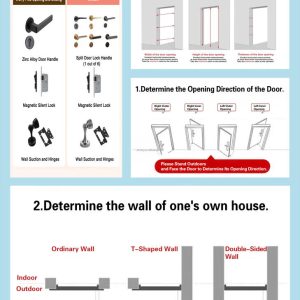
Step 1: Measure the width. Measure the opening from the inside of the door frame on the left to the inside of the frame on the right. Take measurements at the top, middle, and bottom. Use the narrowest measurement.
Step 2: Measure the height. Measure from the top of the threshold to the inside of the header at the top of the frame. Take measurements on the left, center, and right. Use the shortest measurement.
Step 3: Check the opening for square. Measure the diagonals of the opening. If they differ by more than 1/4 inch, your opening is not square. This may require shimming during installation or a custom-sized door.
Step 4: Consider the threshold. Some storm doors require a specific threshold height. Measure the height of your existing threshold to ensure compatibility.
Step 5: Account for clearance. The storm door needs clearance to swing open without hitting the main door or any nearby walls. Check the swing direction and available space.
If you are unsure about your measurements, have a professional measure before ordering. Most manufacturers will not accept returns on custom-sized doors.
Choosing the Right Storm Door: What to Look For
Full-View vs. Mid-View vs. High-View
- Full-view storm doors: The entire upper portion is glass, offering an unobstructed view of your main door. These are the most popular choice for their clean appearance and maximum natural light.
- Mid-view storm doors: A decorative panel occupies the lower half, with glass above. These offer more privacy and visual interest.
- High-view storm doors: These feature a small decorative panel at the top and glass below. They are less common but provide a distinctive look.
Glass Options
- Clear glass: Offers the best visibility but provides minimal UV protection.
- Low-E glass: Coated to reflect heat, improving energy efficiency. Choose this for south-facing doors or homes in extreme climates.
- Tempered glass: Safety glass that shatters into small, less dangerous pieces. Required by code in many jurisdictions.
- Removable vs. self-storing glass: Removable panels require seasonal swapping. Self-storing glass slides up or down within the door, making seasonal changes easier.
Frame Materials
- Aluminum: Lightweight, low-maintenance, and affordable. Modern aluminum frames are available in a variety of colors and finishes.
- Vinyl: Durable and energy-efficient, but more expensive than aluminum. Vinyl does not dent or corrode.
- Wood: Classic appearance but requires regular maintenance. Wood frames are less common today due to their upkeep requirements.
Ventilation Features
Look for storm doors with integrated screens and adjustable glass panels. Some models feature a “full-view” screen that covers the entire glass area when the glass is slid up. Others have a half-screen design.
Consider models with a built-in retractable screen that disappears when not in use. These offer the best of both worlds: full glass visibility and screen ventilation when needed.
Common Questions About Storm Doors
Do storm doors actually save energy?
Yes, but the savings depend on your existing door and climate. Storm doors add an insulating air layer that reduces heat transfer. In colder climates, they can reduce drafts and heat loss through the entryway. In warmer climates, they block radiant heat from entering the home. The effect is more pronounced with older or poorly insulated doors.
Can I install a storm door on a door with sidelights?
Yes, but you will need either a custom-sized storm door that covers the entire opening or a standard door installed over just the main door. A full-width storm door with sidelight panels offers the best protection but costs more. A door-only installation leaves the sidelights exposed to weather.
How long do storm doors last?
A quality storm door typically lasts 15 to 30 years, depending on the material, climate, and maintenance. Aluminum and vinyl frames last longer than wood. Regular cleaning and lubrication of hinges and locks extend the lifespan.
What is the difference between a storm door and a screen door?
A screen door provides ventilation and insect control but offers no weather protection or insulation. A storm door does both: it has glass panels for weather protection and screens for ventilation. Storm doors are also more durable and secure than screen doors.
Do storm doors keep bugs out?
Yes, when the screen is in place, storm doors keep insects out while allowing airflow. This is one of their primary benefits, especially in warmer months when you want to leave the main door open.
Will a storm door affect my home’s resale value?
A well-chosen storm door can improve curb appeal and energy efficiency, both of which are attractive to buyers. While it is unlikely to be the deciding factor in a sale, it can contribute to a positive first impression and reduce the perceived maintenance burden of the entryway.
Common Misconceptions About Storm Doors
“Storm doors are only for cold climates.” This is not true. In warmer climates, storm doors block solar heat gain and allow ventilation. They are equally useful in hot and cold regions.
“Storm doors make your home less secure.” The opposite is true. A storm door adds an extra barrier with its own locking mechanism. It is more difficult to bypass two locked doors than one.
“Storm doors block natural light.” Full-view storm doors with clear glass actually let in more light than a closed solid door. You can also open the main door and keep the storm door closed to maximize daylight.
“You cannot see through a storm door.” Modern full-view storm doors offer a completely unobstructed view. If visibility matters to you, choose a full-view model with clear glass.
“Storm doors are difficult to operate.” Quality storm doors feature pneumatic closers that control the swing speed. Most models open smoothly and close softly without slamming.
Here Is How We Meet These Standards
As a manufacturer of exterior doors and windows, we understand the engineering behind storm door performance. Our thermal-break aluminum profiles are designed to minimize thermal bridging, which is the same principle that makes storm doors energy-efficient.
When you work directly with a factory like ours, you get the benefit of custom sizing without the retail markup. We manufacture storm doors and other exterior products to match the specific dimensions of your entryway, including doors with sidelights. Our pre-shipment inspection includes air-tightness, water-tightness, and wind resistance testing to ensure the product performs as intended.
We also understand that building codes vary by region. Our profile structures and fittings can be adjusted to meet local requirements, whether you need specific egress clearances or wind load ratings. For project supply, we provide full documentation, including packing lists and customs paperwork, and we ship both FCL and LCL directly from our factory.
If you are evaluating storm door options for your home or a construction project, we can provide specifications and guidance on sizing, glass options, and hardware.