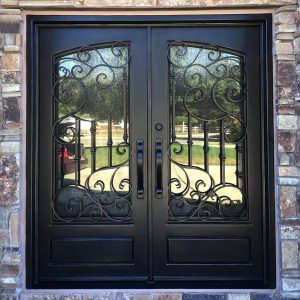
Stained glass exterior doors combine decorative glass with an entry-door system, so the purchase decision has two parts: the visual design of the glass and the performance of the complete exterior door. The best choice balances appearance, privacy, daylight, weather resistance, security and frame material.
What Counts as a Stained Glass Exterior Door?
The term can describe true stained-glass panels, leaded or decorative glass, or modern glass designed to reproduce a stained-glass appearance. Before comparing prices, confirm whether the glass is genuine stained glass, a decorative insulated-glass unit or a surface-applied design.
Privacy and Light Levels
Clear decorative areas provide more visual connection, while textured, opalescent, frosted or heavily patterned glass can obscure views. Think about the entry orientation and what a visitor can see from outside at night, not only how the glass looks in a showroom.
Insulated Glass for Exterior Use
Exterior doors may use insulated glass units where thermal performance is important. Ask how the decorative design is incorporated into the glazing and whether the glass specification is appropriate for the climate and door system.
Wood, Fiberglass and Aluminum Frames
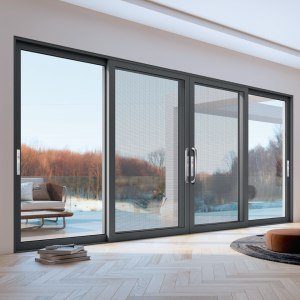
Wood provides a traditional architectural look; fiberglass can deliver a wood-like appearance with lower maintenance; aluminum offers slim contemporary profiles and is often attractive for commercial or modern projects. Evaluate the frame and threshold as part of the complete system.
Security and Durability
Decorative glass should not be treated as a security feature by itself. Review the complete door construction, lock preparation, hinge side, glass type and frame anchoring. For exposed entries, also check water management and weather seals.
For Project and OEM Sourcing
For modern commercial or project entrances where stained or decorative glass is paired with an aluminum frame, Jusen can provide custom frame dimensions and OEM/ODM options around the project specification.
FAQ
Q: Does stained glass work on an exterior door?
A: Yes. It is commonly used in exterior entry systems, but the glass and surrounding door assembly must be suitable for exterior exposure.
Q: Is stained glass private?
A: It depends on the pattern, texture and opacity. Some decorative glass provides strong privacy, while other designs remain relatively transparent.
Q: Can stained glass be used in an insulated door?
A: Decorative designs can be incorporated into some insulated glazing systems. Confirm the exact construction with the door and glass supplier.
Q: Which frame material is best?
A: There is no universal winner. Wood favors traditional aesthetics, fiberglass favors low-maintenance residential use, and aluminum is useful for modern and commercial systems.
Stained Glass Patterns and Privacy
Decorative glass can range from lightly patterned designs that preserve visibility to dense textured or opalescent patterns that substantially obscure the view. For a front entrance, consider daytime and nighttime privacy separately. A pattern that looks opaque from a sample may still reveal movement or silhouettes when interior lighting is on.
Decorative Glass in Wood, Fiberglass and Aluminum Doors
Wood frames support traditional stained-glass aesthetics, while fiberglass can combine decorative profiles with lower exterior maintenance. Aluminum is particularly useful for modern commercial or project entrances where narrow frame lines and larger glazing areas are desired. The glass should be selected as part of the complete door system, not as an isolated decorative component.
Questions to Ask the Supplier
- Is the glass a single pane, laminated construction or an insulated glazing unit?
- How is the decorative pattern produced and protected?
- What is the privacy level from the exterior at night?
- What glass thickness and frame system are specified?
- Does the quoted price include the frame, threshold and glazing installation?
- Is the finish intended for exterior exposure?
Stained Glass vs Decorative Glass
The terms are sometimes used interchangeably in product listings, but they do not always describe the same construction. Ask for a specification sheet or sample when the distinction matters. For commercial purchasing, the exact glass build-up should appear on the quotation or shop drawing so that the finished door can be checked against the approved specification.
Common Mistakes With Stained Glass Exterior Doors
Do not select decorative glass only from a small showroom sample. Check privacy at night, confirm the actual glass construction, and make sure the frame and threshold are appropriate for exterior exposure. Another common mistake is treating the decorative glass as the entire product; the door slab, frame, seals, hardware and installation all affect performance.
Bottom Line
The best stained-glass exterior door is the one where decorative design and complete door-system performance are specified together.