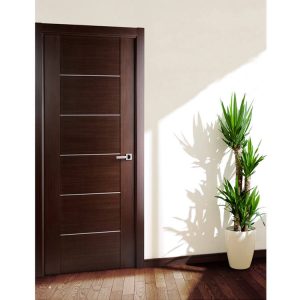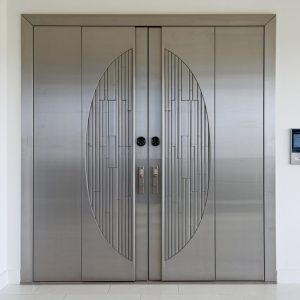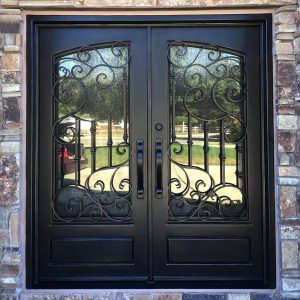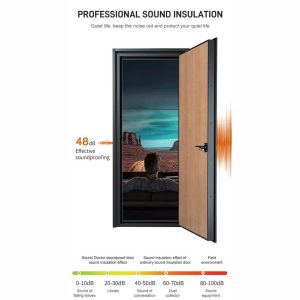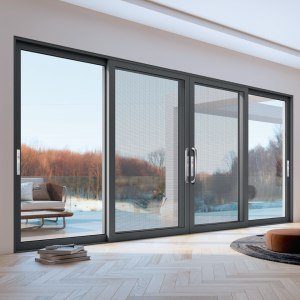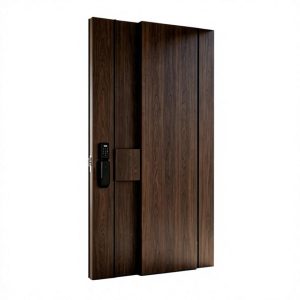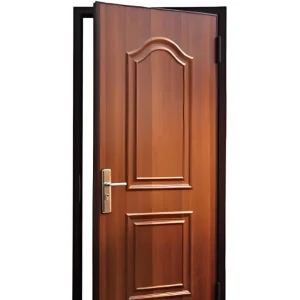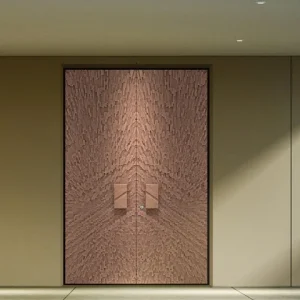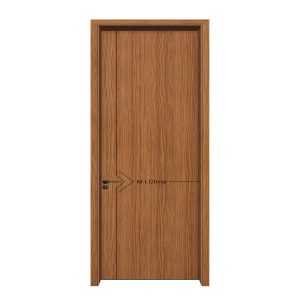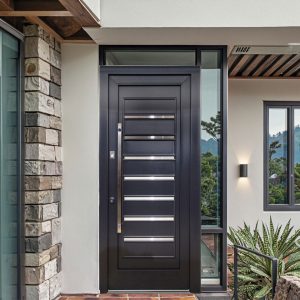
A slab interior door is a door leaf sold without the complete frame and usually without the full prehung hardware assembly. Slab doors are useful for replacement projects, custom frames and situations where the existing jamb can be reused.
The main advantage is flexibility. The main risk is ordering a slab that does not match the existing frame.
What is a slab interior door?
A slab is essentially the door panel itself. It can be solid, hollow, wood, engineered or another construction depending on the product.
A slab door should not be confused with a prehung door. A prehung unit includes the slab, jamb and factory-prepared hardware components.
Solid wood slab interior doors
Solid wood slab doors are often selected for their natural appearance and substantial feel. Species and construction affect weight, stability, finish and cost.
For a solid wood slab, confirm the manufacturer's permitted trimming limits and hardware preparation before modification.
Two-panel slab doors
2-panel slab interior doors are a design choice rather than a different installation method. They can use wood or engineered construction and can be specified for different room styles.
The panel profile should coordinate with the surrounding trim and other doors in the project.
Slab vs. prehung
Choose a slab when:
- The existing jamb is sound
- The existing opening is compatible
- You want to reuse the frame
- A custom frame will be fabricated
- You need a specific slab style without replacing the whole unit
Choose prehung when the frame is being replaced or a complete coordinated assembly is preferred.
What to measure before ordering
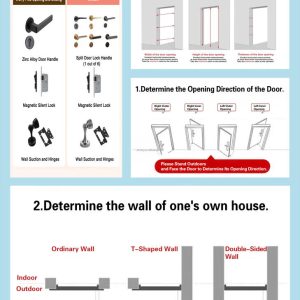
Measure the existing slab width, height and thickness. Record hinge locations, hinge size, lock bore position and swing direction.
If the slab is being replaced because of damage, also inspect the frame. A new slab will not solve a warped or damaged jamb.
Installation and hardware
The slab must be accurately prepared for hinges and the lockset. Small errors can cause rubbing, poor latch engagement or uneven reveals.
For commercial or repeated projects, factory machining can provide more consistent results than field modification.
FAQ
Does a slab door include the frame?
Normally no. A slab is the door leaf rather than the complete prehung assembly.
Are solid wood slab doors heavy?
They can be substantially heavier than hollow or lightweight doors. Hinge and frame capacity should be matched to the actual door construction.
Can a slab door replace a prehung door?
Only if the existing frame is suitable and the slab dimensions and hardware preparation match.
Are slab doors cheaper?
The slab itself can cost less than a complete prehung unit, but total project cost depends on whether the existing frame can be reused and how much site preparation is required.
When a slab is the better replacement
A slab is often the efficient choice when an existing jamb is in good condition and the new door can use the same opening and hardware locations.
It can also be useful for custom projects where the frame is being fabricated separately. This gives the designer or manufacturer more control over the finished frame profile.
When a slab is the wrong choice
If the existing jamb is warped, damaged or the wrong size, replacing only the slab can leave the underlying problem unresolved. A prehung replacement may be more appropriate.
Likewise, if the new door is significantly heavier than the old one, the existing hinges and frame may not be suitable.
Factory machining vs. field preparation
For repeated commercial or residential projects, factory-prepared hinge and lock locations can improve consistency. Field preparation is flexible but depends on installer accuracy.
For solid wood slabs, ask about moisture conditioning, permitted trimming and finishing requirements before modification.
Final takeaway
A slab door provides flexibility, but that flexibility shifts some responsibility to the buyer and installer. Measure the existing frame and hardware before choosing slab-only replacement.