At a Glance: Choosing the Right Replacement Shed Door
The best replacement outdoor shed door depends on three variables: your climate, your security needs, and your budget. For most buyers, fiberglass offers the best balance of durability and low maintenance, while metal is the strongest security option and wood provides the most classic appearance at the cost of upkeep. Glass doors are a niche choice for greenhouses or display sheds, not general storage.
A standard single shed door opening is typically 36 inches wide by 80 inches tall, but non-standard sizes are common. Before choosing a material, measure your opening carefully—including the diagonal—to determine if you need a standard pre-hung unit or a custom slab.
Types of Replacement Shed Doors: Materials and Applications
Four primary materials dominate the replacement shed door market. Each has distinct performance characteristics that matter differently depending on where you live and how you use your shed.
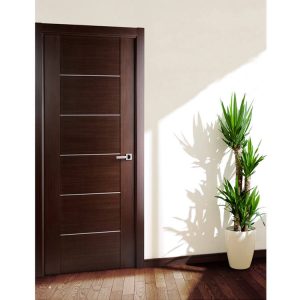
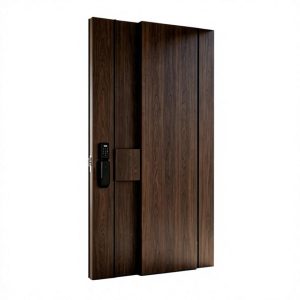
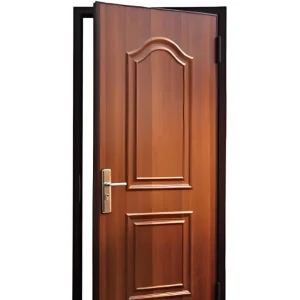
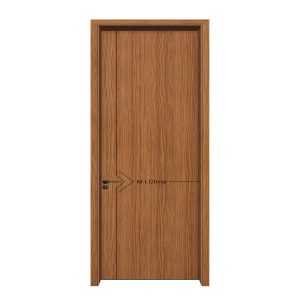
Wood remains the traditional choice. Cedar and redwood offer natural rot resistance, while pine and fir require treatment. Wood doors are heavy, provide decent insulation, and can be painted or stained to match any structure. Their main vulnerability is moisture: without proper sealing, wood doors warp, swell, and crack within a few seasons.
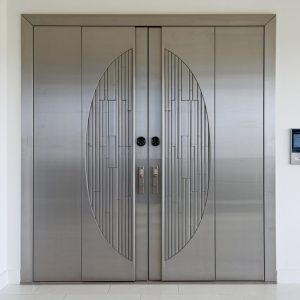
Metal doors—typically galvanized steel with a baked-on finish—are the most secure option. They resist impact, cannot be chewed through by pests, and require minimal maintenance. The downsides are thermal conductivity (they get very hot in direct sun and cold in winter) and susceptibility to scratching, which can lead to rust if the protective layer is breached.
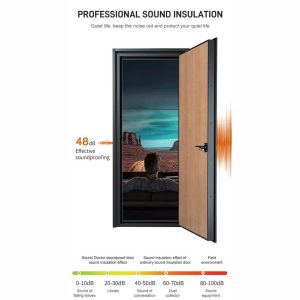
Fiberglass is a composite material that mimics wood grain without the maintenance problems. It resists moisture, won’t rot, warp, or split, and handles temperature swings well. Fiberglass doors are lighter than wood and accept paint well. The trade-off is higher upfront cost and less impact resistance than steel.
Glass shed doors are the least common option. They suit greenhouses, potting sheds, or workshops needing natural light. Tempered or double-pane glass prevents shattering, but glass doors offer poor insulation unless specialized, and they are the weakest security option. They also require regular cleaning to maintain clarity.
Comparison Table: Material, Durability, Cost, and Maintenance
| Material | Durability | Weather Resistance | Security | Maintenance | Relative Cost |
|---|---|---|---|---|---|
| Wood | Moderate | Fair—requires sealing and painting | Good | High—repaint every 2-3 years | Low to Mid |
| Metal (Steel) | High | Good—but scratches can rust | Excellent | Low—occasional touch-up paint | Mid |
| Fiberglass | High | Excellent—no rot, warp, or corrosion | Good | Very Low—wash occasionally | Mid to High |
| Glass | Low to Moderate | Good—tempered glass resists weather | Poor | Medium—cleaning required | High |
Key Buying Factors: Size, Weather Resistance, Security, and More
Size and Measurement
Measure the opening width and height at three points: top, middle, and bottom. Use the narrowest dimension. Critically, measure both diagonals—if they differ by more than ¼ inch, your frame is out of square. A replacement door built for a square frame will bind or leave gaps in a racked one. In that case, you have two options: order a custom door sized to your actual opening, or rebuild the frame to square before installing a standard door.
Standard shed door widths are 30, 32, and 36 inches, with heights of 72, 78, and 80 inches. Many manufacturers also produce metric sizes for international markets. If your opening falls outside these, custom fabrication is the practical answer.
Weather Resistance
Evaluate your local climate before selecting a material. In humid or rainy regions, wood doors fail fastest unless meticulously maintained. Fiberglass excels here because it does not absorb moisture. In coastal areas, salt air corrodes standard steel—look for galvanized or stainless hardware and finishes. In extreme cold, metal doors develop condensation on the interior surface, which can damage stored items. Consider a fiberglass or insulated metal door for unheated sheds in freezing climates.
Security
If your shed stores valuable equipment, prioritize security. Steel doors with reinforced hinges and a hasp for a padlock offer the best protection. Fiberglass and wood can be reinforced with internal bracing or a metal security plate around the lock area. Glass doors should only be considered for low-value contents.
Pre-Hung vs. Slab
A pre-hung door comes with a frame, hinges, and sometimes weatherstripping installed. It is the easier option if your existing frame is damaged or you are building a new opening. A slab is just the door panel—you reuse your existing frame and hinges. Slab replacement is cheaper but requires the existing frame to be square, level, and structurally sound.
Installation Compatibility
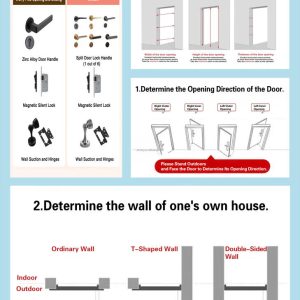
Check the door swing direction before ordering. Stand outside facing the shed; a right-handed door has hinges on the right, a left-handed door on the left. Also verify the jamb depth of your existing frame—standard residential jambs are 4-9/16 inches for 2×4 walls, but shed walls vary. A door with the wrong jamb depth leaves exposed gaps or requires shimming.
Price & Cost: What Affects the Price of Replacement Shed Doors?
Replacement shed door pricing varies significantly based on material, size, and whether you need custom fabrication. Rather than quoting fixed prices—which fluctuate with lumber and steel markets—consider the cost drivers:
Material cost is the largest factor. Wood is generally the least expensive raw material, but the true cost includes ongoing maintenance. Metal sits in the middle. Fiberglass commands a premium upfront but eliminates recurring maintenance costs. Glass doors are the most expensive due to the cost of tempered glass and reinforced framing.
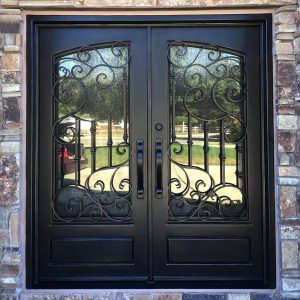
Size and configuration directly affect price. Wider and taller doors require more material. Double doors (two panels hinged at the sides, meeting in the middle) cost roughly 1.5 times a single door of equivalent total width. Dutch doors (split horizontally) add cost due to additional hardware and a second sealing surface.
Custom vs. standard is the second-largest cost driver. A custom-sized door typically adds 20-40% over a comparable standard unit, depending on the manufacturer’s setup. If your opening is non-standard, weigh the cost of custom fabrication against the cost of reframing the opening to accept a standard size.
Hardware and accessories are often overlooked. Heavy-duty hinges, weatherstripping, threshold seals, and high-security locking mechanisms add to the total. These are not optional extras for outdoor applications—standard interior hinges and thin weatherstripping will fail within one season of exposure.
Shipping matters, especially for heavy doors. Metal and wood doors are heavy; fiberglass is lighter. If you are buying from a distant supplier, freight costs can approach the door price itself. Local suppliers or manufacturers with efficient logistics reduce this burden.
Pros and Cons of Each Door Type
Wood
Pros: Classic appearance; paintable and stainable; good insulation; repairable if damaged.
Cons: Requires regular sealing and painting; susceptible to rot, warp, and insect damage; heavy; can bind in humid weather.
Metal (Steel)
Pros: Excellent security; fire-resistant; low maintenance; resistant to pests.
Cons: Conducts heat and cold; scratches can rust; limited color options; dents are difficult to repair; can be noisy in wind.
Fiberglass
Pros: No rot, warp, or corrosion; low maintenance; accepts paint well; good insulator; lightweight.
Cons: Higher upfront cost; lower impact resistance than steel; can fade over time without UV-stable finishes.
Glass
Pros: Natural light transmission; good for greenhouses or display; modern appearance.
Cons: Poor security; lower insulation value; requires cleaning; fragile despite tempering; higher cost.
Additional Considerations: Garden Sheds, Fiberglass, and Glass Options
For replacement garden shed doors, the priorities shift slightly. Garden sheds often store tools and supplies that are sensitive to moisture. A fiberglass shed door is the strongest recommendation here because it resists the damp environment where wood fails and does not conduct cold like metal. If you keep plants or need to work inside the shed, consider a door with a small glass lite or window insert for natural light without the security compromise of a full glass door.
Fiberglass shed door options deserve specific attention because they solve the most common shed door failure: moisture damage. A quality fiberglass door has a gel coat finish that resists UV degradation, and the interior is foam-filled for insulation. Unlike wood, fiberglass does not provide a food source for termites or carpenter ants. Unlike steel, it does not dent from accidental impacts with equipment.
Glass shed doors are worth considering only for specific applications. A greenhouse or potting shed benefits from maximum light transmission. In that case, choose tempered glass for safety and consider double-pane units for insulation. For a standard storage shed, a solid door with a small window lite delivers most of the lighting benefit at a fraction of the cost and security risk.
How to Source Quality Replacement Shed Doors from a Manufacturer
When you need a replacement door that fits an existing non-standard opening, or you are purchasing multiple doors for a property, buying directly from a manufacturer offers advantages over retail.
Evaluate the supplier on four criteria:
Quality control. Ask about pre-shipment testing. For exterior doors, the relevant tests are air-tightness, water-tightness, and wind resistance. A manufacturer that performs these tests before shipping can provide documentation of performance. This matters because a door that fails on water-tightness will damage your shed contents and the door itself.
Customization capability. Confirm the manufacturer can produce your exact dimensions, not just their standard sizes. Ask about their process for non-standard widths, heights, and jamb depths. Also confirm options for color, glass type, and hardware selection. A manufacturer with in-house production can adjust these variables without third-party delays.
Logistics and documentation. For international buyers, verify the supplier can provide a packing list, proforma invoice, and full customs documentation. Confirm they handle both FCL and LCL shipments. A manufacturer experienced in foreign trade will manage the documentation process smoothly, avoiding customs delays.
Lead time and MOQ. Ask about production lead time and minimum order quantities. Some manufacturers offer single-door production; others require minimum orders. If you need a single custom door, confirm this is feasible before engaging.
As a manufacturer of exterior doors and windows, our approach at Jusen Door and Windows aligns with these criteria. We supply directly from our factory, which eliminates middleman markup on replacement outdoor shed doors. Our production line handles full customization on size, color, glass, and hardware accessories—so a non-standard opening is not a problem. Every door undergoes pre-shipment inspection covering air-tightness, water-tightness, and wind resistance, and we provide complete export documentation for international buyers. Our adjustable profile structure allows us to match local building codes in your target market.
For buyers evaluating us, the practical considerations are straightforward: we support both FCL and LCL shipments, we work with single-unit and bulk orders, and our foreign trade experience means the logistics are handled correctly from the factory to your site.
If you are replacing a shed door and need a custom fit, a specific material, or bulk supply for multiple structures, contact us with your measurements and requirements. We will confirm whether your opening needs a standard or custom solution and provide a quote based on your specifications.