Last updated: November 2, 2026
Windows & Fenestration · Last updated: 2 November 2026 · Jusen Doors Technical Team · Reviewed by Jusen Doors Engineering Team
NZS 4223.3 Safety Glazing: Where Safety Glass Is Required (NZ)
Quick answer: For safety glazing in New Zealand, the central human-impact reference is NZS 4223.3, within the NZS 4223 glazing series—not NZS 4211. NZS 4211 concerns performance of windows. Safety glazing is selected by location and impact risk, normally using toughened or laminated safety glass manufactured and marked to the applicable safety-glazing requirements. Doors, adjacent panels, low-level glazing, bathrooms, stairs and barriers deserve particular care.
First, separate the two standards
NZS 4211 is a specification for the performance of windows, covering matters such as structural, air and water performance testing and labeling for window systems. It may require glazing to comply with the glazing standards, but it is not itself the human-impact safety glass standard. Calling a product 'NZS 4211 safety glass' mixes a window-system standard with a glass-safety requirement and can send a procurement team after the wrong evidence.
Where safety glazing is commonly triggered
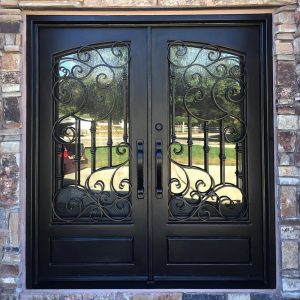
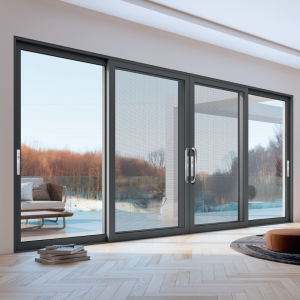
High-risk locations generally include glazed doors, panels near doors that can be mistaken for openings, low-level panes, glazing around stairs and ramps, bathroom enclosures and barriers. The exact trigger depends on pane location, size, height and the Building Code compliance path. A door supplier should not decide from glass thickness alone; the designer should identify each hazardous location on elevations and the door schedule.
Toughened or laminated?
Toughened safety glass breaks into relatively small particles and is widely used where impact safety is the main need. Laminated safety glass retains fragments on an interlayer, which can also help post-breakage retention in barriers and overhead situations. The right choice depends on barrier loading, fall risk, security, acoustic goals and edge exposure. Ordinary annealed glass should not be substituted in a safety location because it is thicker or because a film has been applied without an accepted system.
Marking and evidence to request
Safety glass should carry the permanent identification required by the applicable safety-glazing standard and procurement documents should connect that mark to manufacturer, glass type and thickness. Request product data and test/conformity evidence for the supplied glass, then check the delivered pane mark against the door schedule. For vision panels in doors, glazing beads, seals and retention are as important as the glass coupon: a compliant pane in a weak retaining system is not a compliant opening.
Coordinate with fire and impact requirements separately
A pane can need human-impact safety, fire performance, or both. Fire glass is a separate tested system with size and framing limitations, and not every safety glass is fire-resisting. Where a fire door vision panel also sits in an impact zone, specify a glazing system whose evidence addresses both duties. See fire door vision panels for the fire-side constraints.
Specification checklist: what to confirm before ordering
- Destination code, climate/wind exposure and compliance route fixed before product selection.
- Operator type, maximum size, frame system and glass build-up matched to test evidence.
- Structural, water, air, thermal and safety-glazing duties specified separately.
- Labels, calculations and submittal documents required at permit/inspection.
- Anchorage, flashing and perimeter sealing responsibilities assigned.
Related guides
- Powder Coat vs Anodized vs PVDF for Aluminium Doors
- GB/T 8478 Aluminium Windows & Doors: Grades Explained
- California Title 24 Fenestration: U-Factor & SHGC Guide
Send the schedule, target market, performance requirements and largest unit sizes for a system review.
Request a specification check · Browse the guide hub
FAQs
Is NZS 4211 the New Zealand safety glass standard?
No. NZS 4211 is about window performance. Human-impact safety glazing is addressed through NZS 4223.3 within the NZS 4223 series and the Building Code route.
Does thicker ordinary glass count as safety glass?
Not by thickness alone. Safety glazing must be a qualifying toughened, laminated or otherwise accepted safety material, manufactured and marked as required.
Should every door vision panel use laminated glass?
Not necessarily. Many use toughened safety glass, while barriers or post-breakage retention needs may favor laminated constructions. Follow the location-specific design and any fire-glazing evidence.
Data note: Figures described as typical, common or planning ranges are industry budgeting ranges with the stated assumptions. Building-code duties, tested scope and final quotations depend on destination, selected construction and order schedule.