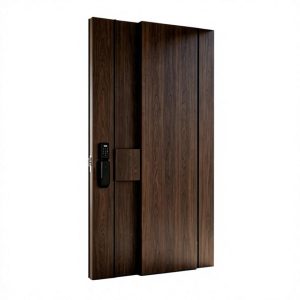
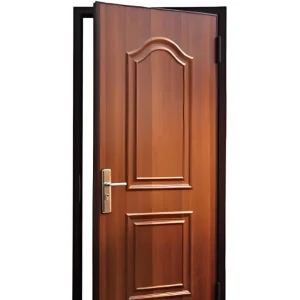
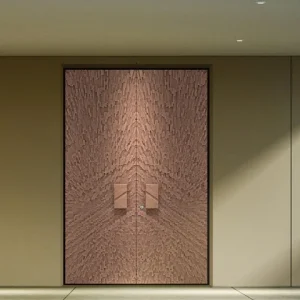
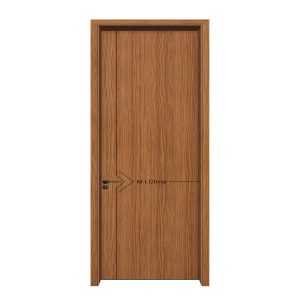
Knotty alder front doors are valued for their pronounced knots, warm grain and rustic-to-contemporary appearance. Buyers should distinguish a genuine knotty alder door from a wood-look fiberglass product and consider the finish, exposure and maintenance requirements before choosing.
What Is Knotty Alder?
Knotty alder is an alder wood appearance characterized by visible knots and a relatively warm natural grain. The knots are part of the design appeal, so variation between individual doors is expected.
Knotty Alder vs Other Wood Front Doors
Compared with oak, knotty alder generally creates a softer, more rustic visual impression. Walnut is darker and more premium-looking, while pine can offer a more casual appearance. The right species is mainly an architectural and finish decision.
Stain and Finish Options
A transparent or semi-transparent stain emphasizes the knots and grain. Darker finishes create a more formal look; lighter finishes preserve the rustic character. For an exterior door, confirm that the complete finish system is intended for exterior exposure.
Knotty Alder vs Wood-Grain Fiberglass
Fiberglass can reproduce the look of knotty wood while offering a different maintenance profile. It is worth comparing when the entry is exposed to strong sun, moisture or frequent temperature changes.
What to Specify
Ask about solid versus engineered construction, veneer, core, glazing, frame, sill, finish, hardware preparation, door size and warranty. For a custom project, request finish and grain samples before production.
For Project and OEM Sourcing
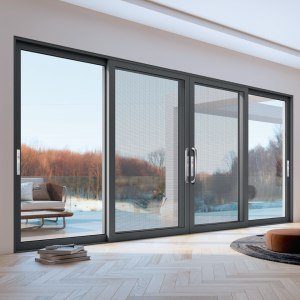
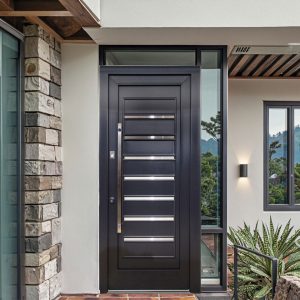
For projects seeking a contemporary alternative to a thick wood frame, Jusen can provide custom aluminum entrance systems and finishes for OEM/ODM orders.
FAQ
Q: Is knotty alder good for a front door?
A: It can be an excellent choice when the rustic grain and natural wood character fit the project and the owner accepts exterior wood maintenance.
Q: Does knotty alder have real knots?
A: A genuine knotty alder product uses alder components or veneer with visible natural knot characteristics. Confirm the construction with the supplier.
Q: Can knotty alder be stained?
A: Yes. Staining is one of the main reasons buyers choose it because the finish can emphasize the natural grain and knots.
Q: Is fiberglass a good alternative?
A: Yes, especially when a wood appearance is desired with a different maintenance profile.
Knotty Alder Door Appearance
Knotty alder is often selected specifically because every door can show different knot patterns and grain. That natural variation is part of the aesthetic, so buyers should approve a sample or understand the allowable variation before placing a larger order.
Stained Knotty Alder vs Painted Doors
Stain allows the knots and grain to remain visible. Paint creates a more uniform appearance and can reduce the visual emphasis on natural variation. For exterior use, the finish must be appropriate for the exposure and maintained according to the supplier’s requirements.
Knotty Alder With Glass
Glass can be used to move the design toward a lighter entry while retaining the rustic wood character. Divided lites, textured glass and narrow decorative inserts can work particularly well with knotty alder. Confirm the glazing construction and exterior sealing when the door is exposed to weather.
When Fiberglass Makes More Sense
A wood-grain fiberglass door can be a better fit when the project wants a knotty-wood appearance but has strong concerns about exterior maintenance or dimensional stability. Compare the grain realism, finish options, frame construction and total system cost rather than the slab alone.
Common Knotty Alder Door Mistakes
Natural knot variation is part of the product, so do not expect every slab to look identical. Confirm whether the door is solid, engineered or veneer construction and approve a finish sample. For exposed applications, clarify the maintenance requirements before ordering.
Bottom Line
Knotty alder is a strong choice when natural rustic character is the priority; fiberglass is worth comparing when maintenance is the bigger concern.