Core Conclusion: Choosing the Right Blind System for Your French Doors
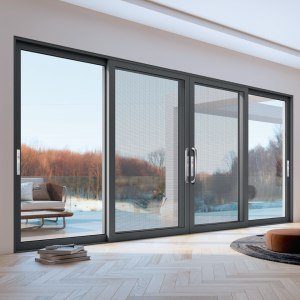
If you are evaluating inside French doors with integrated blinds, the core decision comes down to three system types: integral blinds (sealed between two panes of glass), add-on blinds (mounted to the door frame or panels), and blind inserts (a separate unit fitted into a pocket or frame). A fourth option, standard roller blinds mounted above the door, is the simplest but least integrated approach.
For most B2B buyers—contractors, architects, distributors, and facility managers—integral blinds offer the best long-term value for commercial and high-end residential projects. They eliminate dust accumulation, prevent cord entanglement, and reduce maintenance liabilities. However, they cost more upfront and cannot be repaired without replacing the glass unit. Add-on blinds are cheaper and easier to replace, but they collect dust and are prone to mechanical failure from repeated use.
This guide breaks down each option by cost, installation complexity, durability, and customization potential so you can match the right system to your project requirements.
Blind Solutions Explained: Integral, Add-On, Inserts, and Roller Blinds
Integral Blinds (Sealed Between Glass)
Integral blinds are installed inside a double-glazed or triple-glazed unit. The blind mechanism sits between two panes of glass, hermetically sealed at the factory. Operation is controlled by a magnetic slider on the exterior surface or a small dial that rotates the blind slats.
Pros:
- Zero maintenance on the blind mechanism—no dust, no cleaning, no broken cords
- Excellent protection from physical damage and humidity
- Ideal for kitchens, bathrooms, and coastal environments where moisture is a concern
- Provides consistent light control and privacy without external fixtures
Cons:
- Higher upfront cost compared to add-on systems
- If the blind mechanism fails, the entire glass unit must be replaced
- Limited to specific blind types (typically horizontal mini blinds or pleated shades)
- Requires factory integration—cannot be retrofitted to existing doors
Add-On Blinds (Mounted to Door Panels)
Add-on blinds are mounted directly to the door frame or individual glass panels. Common configurations include mini blinds attached to the top rail of each door panel, or tension-mounted roller blinds fixed to the frame. These are installed after the door is manufactured.
Pros:
- Lower material cost than integral systems
- Easy to replace—remove the entire unit and install a new one
- Available in a wider variety of styles, colors, and materials
- Can be retrofitted to existing French doors
Cons:
- Accumulate dust and require regular cleaning
- Cords and mechanisms are exposed and prone to wear
- May obstruct the door’s operation if not installed with proper clearance
- Less durable in high-traffic commercial settings
Blind Inserts (Pocket or Frame Mounted)
Blind inserts are a middle-ground solution. These are pre-assembled blind units housed in a slim frame that fits into a recessed pocket in the door panel or within a separate frame attached to the door. Some inserts are designed to fit between the glass and an interior trim panel.
Pros:
- More durable than standard add-ons because the mechanism is partially enclosed
- Can be removed for cleaning or replacement without replacing the glass
- Offers a cleaner aesthetic than surface-mounted blinds
Cons:
- Requires precise measurement—a poorly fitted insert will rattle or bind
- Limited availability compared to integral or add-on systems
- The pocket or frame adds thickness to the door profile
Roller Blinds Mounted Above the Door
For projects where integration is not a priority, standard roller blinds installed above the door frame provide the most economical solution. A single wide roller blind covers both door panels when closed.
Pros:
- Lowest cost option
- Extremely easy to install and replace
- Wide variety of fabrics, opacities, and colors
Cons:
- Not integrated—the blind hangs outside the door and may look bulky
- Does not allow independent control of each door panel
- Requires headroom above the door frame for the roller mechanism
Comparison Table: Blind Types at a Glance
| Feature | Integral Blinds | Add-On Blinds | Blind Inserts | Roller Blinds (Above Door) |
|---|---|---|---|---|
| Relative Cost | High | Low to Medium | Medium | Low |
| Installation Complexity | Factory-integrated | Simple DIY or contractor | Requires precise fitting | Simple |
| Durability | Excellent (sealed) | Moderate (exposed mechanism) | Good (partially enclosed) | Moderate |
| Maintenance | None required | Regular cleaning | Occasional cleaning | Regular cleaning |
| Replacement | Replace whole glass unit | Replace blind unit only | Replace insert only | Replace blind only |
| Customization Options | Limited to blind type and color | Wide range of styles and materials | Moderate | Very wide range |
| Best Use Case | High-end residential, coastal, commercial | Budget projects, retrofits | Projects needing balance of cost and durability | Utility spaces, quick installations |
How to Select the Best Option for Your Project
Glass Type Considerations
The glass specification interacts directly with your blind choice. Integral blinds require double or triple glazing because the blind mechanism lives between the panes. If your project uses single-pane glass—common in interior French doors where thermal performance is less critical—integral blinds are not an option.
For exterior French doors, consider low-emissivity (Low-E) glass coatings. These reflect heat while allowing visible light through. When combined with integral blinds, the coating and blind work together to manage solar heat gain. Note that some Low-E coatings can interfere with the magnetic controls on integral blinds. Verify compatibility with the glass manufacturer before specifying.
Tempered or laminated safety glass is required by most building codes for door glazing, particularly in locations where the glass is within 24 inches of the floor. This applies regardless of blind type. If you are sourcing doors for a commercial project, confirm that the glass meets local safety glazing regulations.
Door Material and Structural Implications
The door material affects how easily each blind system integrates:
- Aluminum and thermal-break aluminum doors are the most adaptable for integral blinds. The extrusion profiles can be designed with a dedicated cavity for the blind mechanism and magnetic control. Aluminum’s rigidity ensures the glass unit remains perfectly sealed.
- Wood doors can accommodate integral blinds but require deeper glazing beads to hold the thicker glass unit. Add-on blinds are more common for wood doors because they avoid modifying the door’s structural profile.
- Fiberglass and composite doors vary by manufacturer. Some systems have a built-in pocket for inserts; others do not. Check the door manufacturer’s specifications before assuming compatibility.
Operation Mechanism and Clearance
Integral blinds use either a magnetic slider or a rotating dial. Magnetic sliders are more intuitive but require a smooth surface to travel across. Rotating dials are compact but can be difficult to grip for users with limited hand strength.
For add-on blinds, verify that the blind’s bottom rail clears the door handle and any projecting hardware. A standard mini blind has a bottom rail that extends below the slats; if the door has a push bar or lever handle, the rail may collide with it when the door swings. Measure the clearance between the glass and the handle, then subtract the blind’s stack height.
Measuring French Doors for Roller Blinds or Blind Inserts
Accurate measurement is critical for both roller blinds and inserts. Follow these steps:
- Measure each door panel separately. French doors rarely have perfectly identical panels, especially in older constructions.
- For roller blinds mounted above the door: Measure the total width of the door opening from outside edge to outside edge of the frame. Add 2–4 inches on each side to ensure the blind covers the full opening without light gaps. Measure the drop from the top of the frame to the floor.
- For blind inserts: Measure the inside width of the recessed pocket or frame at three points—top, middle, and bottom. Use the narrowest measurement. Measure the height at both sides and the center, using the shortest dimension. Inserts should be ordered slightly smaller (1/8 inch) than the pocket to allow for expansion and smooth operation.
- For add-on blinds mounted to the door panel: Measure the width of the glass opening, not the overall door width. The blind should cover the glass plus a small overlap onto the frame (about 1/2 inch per side) to block light at the edges.
Frequently Asked Questions
What are the main types of blinds for inside French doors?
The four main types are integral blinds (sealed between glass panes), add-on blinds (mounted to the door panel), blind inserts (fitted into a pocket or frame), and standard roller blinds mounted above the door. Each varies in cost, durability, and maintenance requirements.
What are the pros and cons of blinds integrated inside the glass versus add-on blinds?
Integral blinds are dust-free, tamper-resistant, and require no maintenance, but they cost more and cannot be repaired if the mechanism fails. Add-on blinds are cheaper and replaceable, but they accumulate dust, have exposed cords that wear out, and are more vulnerable to damage in high-traffic areas.
How do I measure my French doors for roller blinds or blind inserts?
For roller blinds, measure the full width of the door opening and add 2–4 inches per side. Measure the drop from the top of the frame to the floor. For blind inserts, measure the inside width at three points and the height at both sides, using the narrowest and shortest dimensions respectively. Order inserts 1/8 inch smaller than the pocket.
Can I customize the size, color, and glass of French doors with integral blinds?
Yes, integral blinds can be customized in terms of slat color, blind width (to match glass dimensions), and glass type (clear, frosted, Low-E, tempered). However, the range of blind styles is limited to horizontal mini blinds or pleated shades. Add-on blinds offer more style variety.
What should I look for in a supplier when buying French doors with blinds in bulk?
Evaluate the supplier’s quality control procedures, specifically air-tightness, water-tightness, and wind resistance testing for exterior doors. Verify their ability to customize profiles and fittings to match local building codes. Check their documentation capabilities—packing lists, proforma invoices, and customs documents are essential for international orders. Confirm whether they offer both FCL and LCL shipping options.
Additional Considerations: Customization, Sizing, and Supplier Selection
French Doors Inside the House: Interior vs. Exterior Applications
Interior French doors—often called French inside doors—have different requirements than exterior units. Interior doors do not need weather sealing or thermal performance, so you can use thinner glass and simpler profiles. This reduces cost and weight, making add-on blinds more viable.
However, interior French doors with mini blinds are frequently used in offices, conference rooms, and residential spaces where privacy is needed without blocking all light. In these settings, the blind’s noise level during operation matters. Integral blinds operate silently because the mechanism is sealed; add-on blinds can rattle if not properly tensioned. Specify blinds with a bottom rail weight or tensioning system to minimize noise.
French Door Blind Inserts for Privacy and Light Control
Blind inserts are particularly effective when you need independent control of light and privacy without the cost of full integral glazing. For example, a bedroom French door with frosted glass inserts provides privacy even when the blind is open. A clear glass insert with an internal blind offers flexibility—open the blind for light, close it for privacy.
When specifying inserts, consider the gap between the blind and the glass. A tight fit reduces light leakage but may cause the blind to rub against the glass during operation. A slight gap (3–5 mm) is preferable for smooth movement and to prevent scratching the glass surface.
Maintenance and Cleaning Tips for Integrated Blinds
Even though integral blinds require no cleaning of the blind itself, the glass surfaces still need attention. Use a non-abrasive glass cleaner and a microfiber cloth. Avoid ammonia-based cleaners if the glass has a Low-E coating, as ammonia can degrade the coating over time.
For add-on blinds, clean slats with a microfiber duster or a vacuum attachment with a brush head. For fabric roller blinds, check the manufacturer’s cleaning code—most are spot-clean only. Never immerse fabric blinds in water, as this can cause shrinkage and warping.
Supplier Evaluation for Bulk Orders
When sourcing French doors with integrated blinds for a construction project, the supplier’s manufacturing capability matters as much as the product itself. Here is how we meet these standards at Jusen Door and Windows Manufacturing Co., Ltd.
As a factory-direct manufacturer, our approach to this specification challenge is straightforward: we build the blind system into the door at the production stage, not as an afterthought. Our thermal-break aluminum profiles are extruded with a dedicated cavity for integral blind mechanisms, which means the glass unit seals perfectly and the magnetic controls operate smoothly over the life of the door.
For projects outside our home market, we adjust the profile structure and fittings to match local building codes. This is particularly important for exterior French doors, where wind load ratings and safety glazing requirements vary significantly by region. Our pre-shipment inspection includes air-tightness, water-tightness, and wind resistance testing, so you know the door performs before it leaves the factory.
We support both OEM and ODM orders, meaning you can specify your own sizes, colors, glass types, and hardware accessories. For bulk construction projects, we provide full documentation—packing lists, proforma invoices, and customs paperwork—and ship via FCL or LCL as your logistics require.
If you are evaluating suppliers for a project that needs French doors with integral blinds, the key questions to ask are: Can you customize the profile for our local codes? What testing do you perform before shipment? And can you provide the documentation we need for customs clearance? These answers will determine whether the supplier can deliver a product that performs reliably on site.