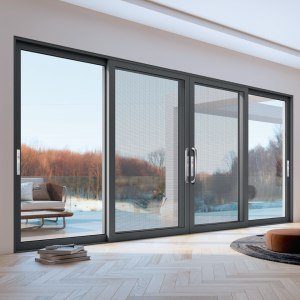
Inside doors with frosted glass are used when a room needs borrowed light without full visual transparency. The useful choice is not simply “frosted or clear.” Buyers should compare the level of privacy, glass pattern, door construction, room function, frame material, and whether the door is hinged, sliding, single, or double.
Where frosted-glass interior doors make sense
Frosted glazing is useful for bathrooms, offices, bedrooms, utility rooms, meeting spaces, and other areas where daylight is desirable but direct visibility is not. The amount of privacy depends on the glass texture, lighting on each side, and viewing distance. A heavily textured surface generally obscures more detail than lightly etched or satin glass.
Frosted glass is not one specification
Common options include acid-etched or satin-style surfaces, patterned/textured glass, films applied to clear glass, and manufactured privacy glazing. These options can look similar in a product photo but behave differently in cleaning, appearance, light transmission, and long-term durability.
For a project, specify the actual glazing construction rather than only writing “frosted glass.”
Door styles and configurations
A frosted-glass interior door can be a full-height glass door, a solid door with a glass lite, a multi-panel design, or a pair of doors. Sliding configurations can work where swing clearance is limited, while hinged doors remain common for bedrooms and offices.
| Configuration | Best suited to | Main consideration |
|---|---|---|
| Single hinged | Bedrooms, offices, bathrooms | Simple installation and hardware |
| Double/French | Wider openings, rooms needing a wider passage | Requires more wall and swing planning |
| Sliding | Tight floor areas | Track and privacy details matter |
| Solid door with frosted lite | More privacy and visual separation | Less glass area than a full-glass door |
How much privacy should you expect?
Frosted glass normally reduces direct visibility rather than creating complete visual blackout. A person standing close to the glass may still be visible as a silhouette, especially when the room behind the glass is brightly lit. If the application requires stronger privacy, compare opaque or heavily patterned glazing instead of assuming every frosted finish provides the same result.
Frame and door material
Wood and engineered-wood doors can create a warmer interior appearance. Aluminum-framed systems can provide slimmer profiles and are useful for modern or commercial interiors. The frame should be selected with the door's size, hardware, glazing weight, and intended use in mind.
What to specify before ordering
For a custom or project order, define the opening size, door size, handing, configuration, glass type, privacy level, frame material, finish, hardware, and installation condition. If the door is part of a larger interior partition, coordinate the door height and frame depth with the surrounding system.
FAQ
Does frosted glass let light through? Yes. Frosted glazing normally diffuses light rather than blocking it completely.
Is frosted glass suitable for bathroom doors? It can be, provided the glazing and door construction are appropriate for the application and moisture exposure.
Can interior frosted-glass doors be custom made? Many manufacturers offer custom dimensions, configurations, glazing and finishes, subject to their system limits.
Sourcing note
For B2B projects, send the supplier a complete specification instead of only the phrase “frosted glass door.” Jusen can review custom door dimensions, aluminum-frame configurations, glazing and finish requirements where they fit the project.